Have you ever caught your dog watching you eat a potato and wondered if sharing a small bite is safe? As a pet parent, I know how tempting it can be to offer your dog a taste of the foods you enjoy.
The answer to are potatoes good for dogs depends on how they are prepared, your dog’s health, and the amount you serve.
Plain, cooked potatoes can be an occasional treat for many dogs, but they should never replace a balanced diet.
Before adding potatoes to your dog’s meals, it is important to understand safe portions, preparation methods, nutritional value, and possible risks so you can make a better choice for your furry companion.
Are Potatoes Good for Dogs?
Plain, cooked potatoes can be a safe occasional treat for many dogs when served in the right way.
However, they should not replace a complete and balanced dog diet because dogs need a variety of nutrients from their regular food. The safety of potatoes depends on the type of potato, how it is prepared, and your dog’s individual health needs.
Boiled or baked potatoes without salt, butter, oil, or seasoning are generally better choices than processed potato foods. While potatoes are not a dangerous food when prepared properly, they are also not a miracle health food, a distinction that applies just as much to other vegetables commonly added to a dog’s bowl in small amounts.
Feeding the right amount and avoiding unsafe forms supports your dog’s well-being.
Nutritional Benefits of Potatoes for Dogs
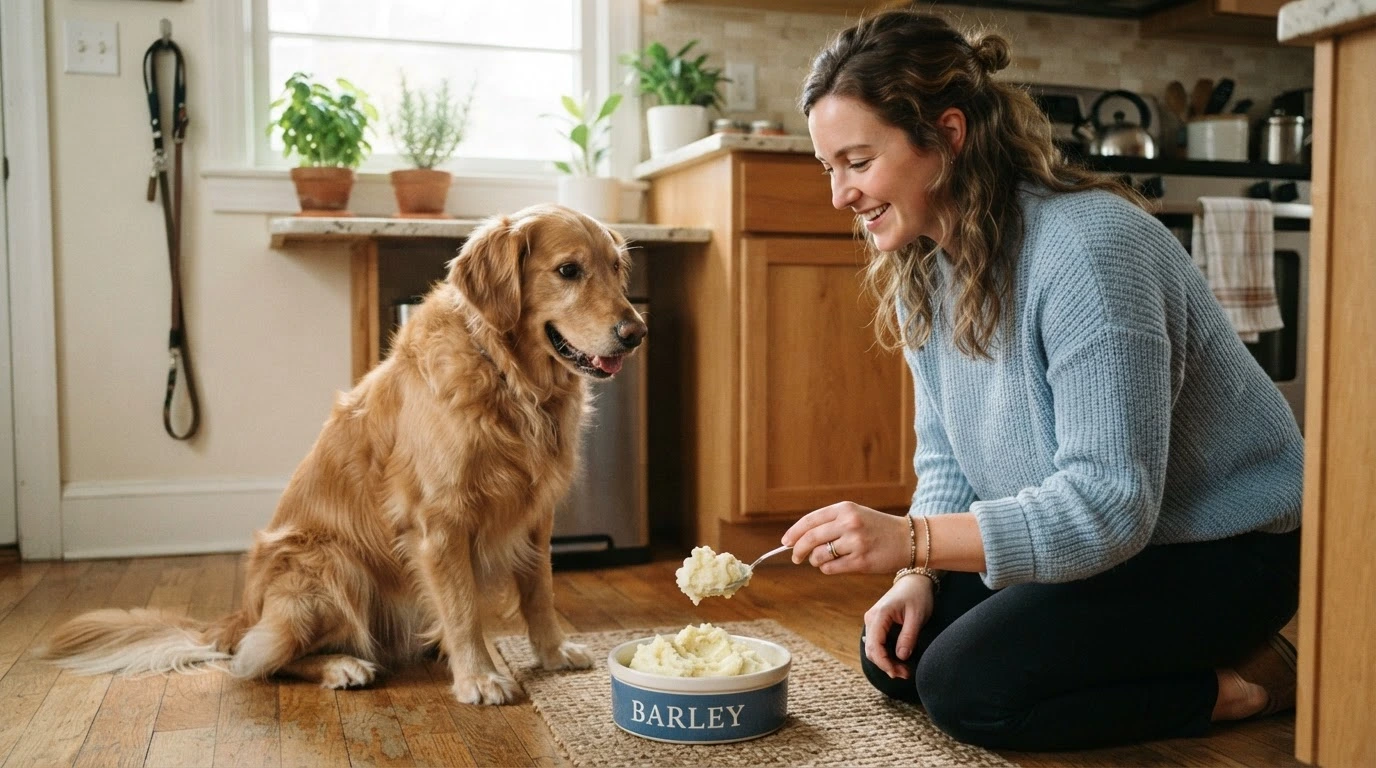
Potatoes can provide some nutritional value when offered in moderation and prepared correctly. While they are not an essential part of a dog’s diet, they contain nutrients that may support normal energy levels, digestion, and overall body functions when included alongside balanced dog food.
1. Source of Energy and Carbohydrates
Potatoes contain carbohydrates that can provide energy for daily activities and support normal body functions. For dogs on a balanced diet, carbohydrates from foods like potatoes can serve as an additional energy source.
However, dogs do not need potatoes specifically to meet their energy requirements. Feeding too many potatoes can add extra calories, which may contribute to weight gain, especially in dogs with lower activity levels, a comparison worth making against other common carbohydrate sources dogs are fed regularly.
2. Fiber and Digestive Support
Potatoes contain dietary fiber that can support healthy digestion and help maintain normal stool quality. Fiber can promote regular bowel movements and support the digestive system when included in an appropriate diet.
The effect of fiber depends on the dog’s overall nutrition, health condition, and individual tolerance. Some dogs may benefit from added fiber, while others may experience digestive discomfort if they eat too much, which is why it helps to know which fiber-rich foods suit a dog’s digestion before adding any regularly.
3. Vitamins and Minerals in Potatoes
Cooked potatoes provide nutrients such as vitamin C, vitamin B6, potassium, and magnesium, which help support normal body functions. These nutrients support immune health, metabolism, muscle function, and nerve activity.
Do not use potatoes as a vitamin supplement or to treat health problems. Dogs should get most essential nutrients from a complete, balanced diet designed for their needs.
Before adding potatoes regularly, consider your dog’s age, weight, activity level, and existing health concerns to make a suitable feeding choice.
Note: The nutritional value of potatoes depends on how they are prepared and how they fit into your dog’s overall diet. Plain cooked potatoes may offer benefits, but portion control remains important.
Safe Ways to Prepare Potatoes for Dogs
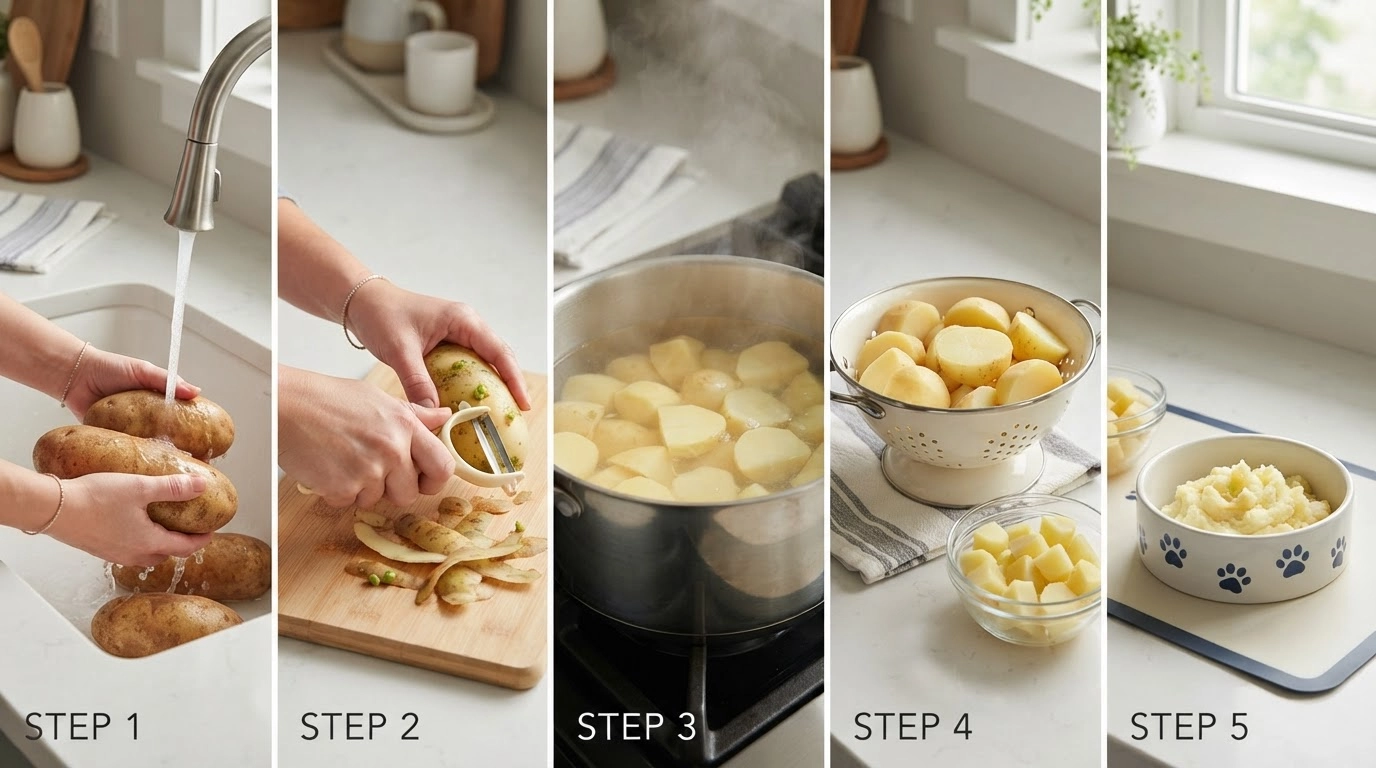
Preparing potatoes correctly helps reduce risks and makes them easier for dogs to digest. Follow these steps to serve potatoes safely as an occasional treat.
Step 1: Choose Fresh, Plain Potatoes: Select fresh potatoes without green spots, sprouts, or damaged areas. Avoid prepared potato products because they often contain ingredients like salt, butter, spices, or additives that may not be suitable for dogs.
Step 2: Wash and Remove Unsafe Parts: Wash potatoes thoroughly and remove any green sections, sprouts, or spoiled areas before cooking. These parts may contain higher levels of solanine, which can be harmful if consumed in large amounts.
Step 3: Cook Potatoes Completely: Boil, bake, or steam potatoes until they become soft and easy to chew. Cooking makes potatoes easier to digest and reduces concerns about feeding raw potatoes to dogs.
Step 4: Serve Without Seasonings: Offer potatoes plain without adding salt, oil, butter, garlic, onion, or sauces. These common additions can create unnecessary health risks and may upset your dog’s digestive system. The FDA lists garlic, onions, and foods high in salt or fat among potentially dangerous items for pets and recommends avoiding foods that may pose health risks.
Step 5: Give an Appropriate Portion: Start with a small amount of cooked potato and monitor your dog’s response. Treats should make up only a small part of daily calories and should not replace balanced meals.
Serving potatoes properly allows dogs to enjoy them safely while keeping their overall diet balanced and nutritious.
How Much Potato Can Dogs Eat?
Potatoes should be offered as an occasional treat rather than a regular part of your dog’s meals. The right amount depends on your dog’s size, health, activity level, and daily calorie needs.
Dog Size | Suggested Amount | Feeding Tips |
|---|---|---|
Small dogs | 1–2 small pieces | Start with a tiny amount and watch for stomach upset |
Medium dogs | A few small chunks | Offer occasionally alongside a balanced diet |
Large dogs | A small serving | Avoid large portions that add excess calories |
Always introduce potatoes slowly and monitor for signs like vomiting, diarrhea, or digestive discomfort. Treats, including potatoes, should stay within your dog’s daily calorie limit and should not replace complete dog food.
What Real Owners Say About Dogs Eating Potatoes
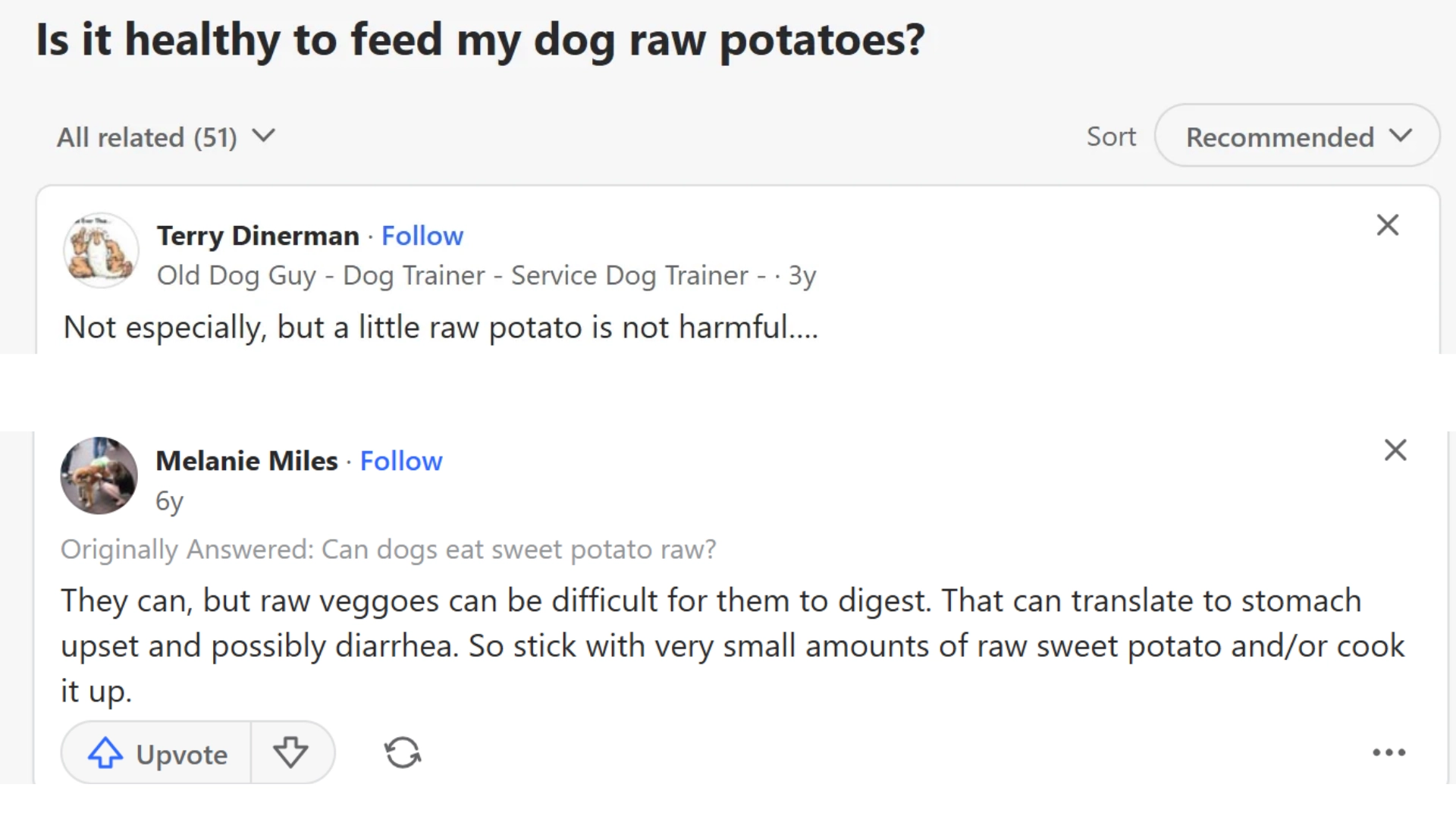
Many dog owners on Quora ask if a small piece of raw potato is safe after their dogs accidentally eat it. In these discussions, users often mention that plain cooked potatoes may be offered occasionally, but raw potatoes are best avoided because of potential solanine exposure.
One user shared, “My dog ate a raw potato piece, and I was told to monitor for vomiting or unusual behavior.” Another replied, “Cooked plain potato is different, but I would not intentionally feed raw potato.”
These discussions reflect common concerns among pet parents, especially about green potatoes and sprouts. Veterinary guidance generally recommends avoiding raw potatoes and choosing plain cooked versions only in moderation
When Potatoes May Not Be a Good Choice
While plain cooked potatoes can be safe for many dogs, some pets may need extra caution before eating them. Certain health conditions or dietary needs can make potatoes less suitable.
- Dogs With Diabetes: Potatoes are high in carbohydrates, which can affect blood sugar levels. Dogs with diabetes may need limited or carefully managed carbohydrate intake under veterinary guidance.
- Overweight Dogs: Extra servings of potatoes can add calories without providing complete nutrition. Dogs needing weight control may require lower-calorie treat options instead.
- Dogs With Digestive Sensitivities: Some dogs may experience gas, loose stools, or stomach discomfort after eating new foods. Introduce potatoes slowly and monitor their reaction.
- Dogs With Food Allergies or Dietary Restrictions: Dogs with specific food sensitivities or prescribed diets may need to avoid certain ingredients. A veterinarian can help decide if potatoes fit their nutritional needs.
If you are unsure whether potatoes are appropriate for your dog, consult your veterinarian. They can consider your dog’s age, health status, and diet before recommending suitable foods.
What to Do if Your Dog Eats Raw or Unsafe Potatoes
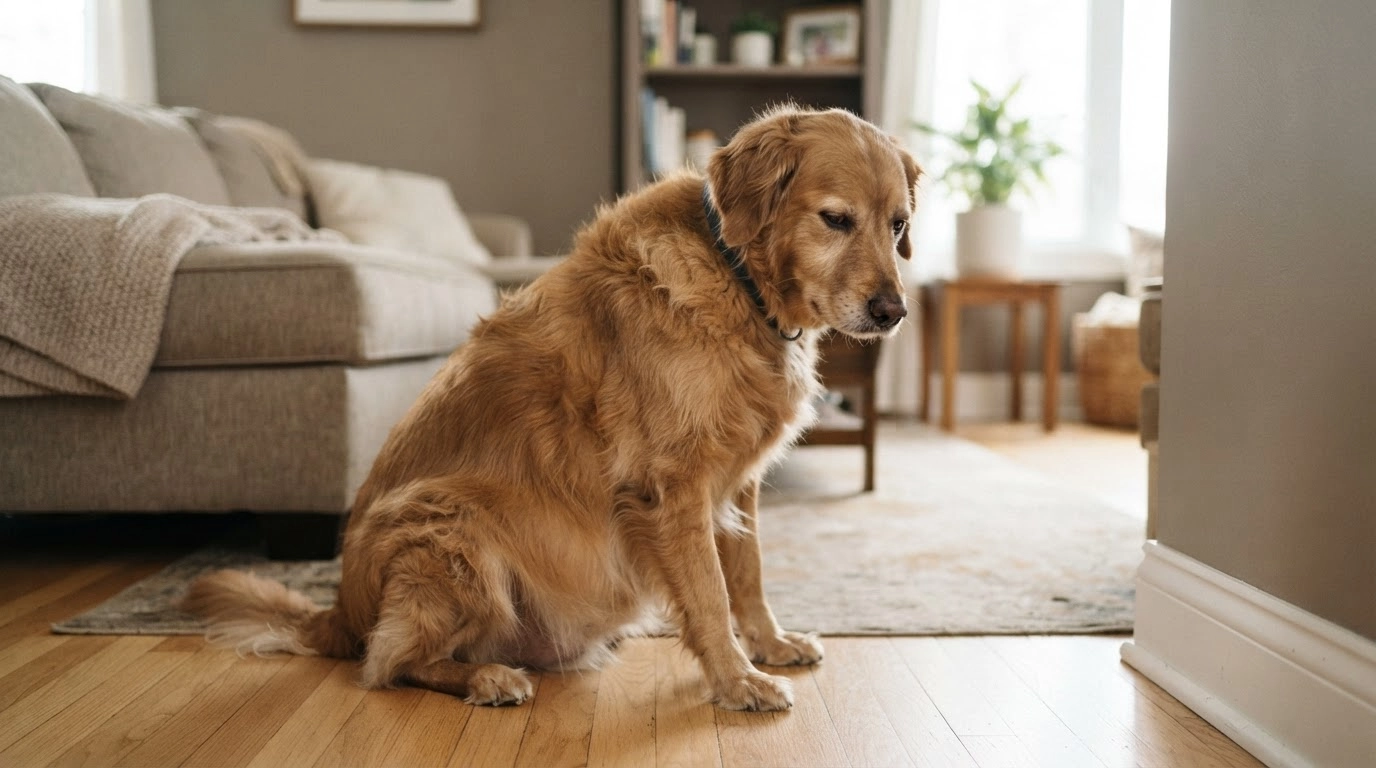
First, check what type and how much potato your dog ate. A small piece of plain raw potato may only cause stomach upset, but green potatoes, sprouts, or large amounts can increase the risk of solanine exposure.
Secondly, monitor your dog for symptoms such as vomiting, diarrhea, weakness, lethargy, confusion, or loss of coordination. These signs may appear after eating unsafe potato parts and can vary based on the amount consumed.
Thirdly, do not try home treatments or induce vomiting unless your veterinarian recommends it. Keep fresh water available and observe your dog closely.
Lastly, contact your veterinarian if your dog eats green potato parts, sprouts, or a large quantity of raw potato, especially if any unusual symptoms develop. Prompt advice can help prevent complications.
Final Thoughts
Potatoes can be a safe occasional treat for many dogs when they are cooked properly, served plain, and given in suitable portions.
However, raw potatoes, green parts, and seasoned potato dishes can create health risks and should be avoided. Knowing your dog’s diet, health condition, and feeding needs can help you make safer choices.
If you are wondering are potatoes good for dogs, the answer depends on preparation, quantity, and your pet’s individual needs. Always introduce new foods carefully and ask your veterinarian when unsure.
Have you ever fed potatoes to your dog? Comment below with your thoughts and share your experience with other pet parents.
Frequently Asked Questions
Can Dogs Eat Potato Skins?
Potato skins are not always unsafe, but they may contain more dirt, pesticides, or green parts. It is best to remove the skins before serving potatoes to dogs.
Are Mashed Potatoes Safe for Dogs?
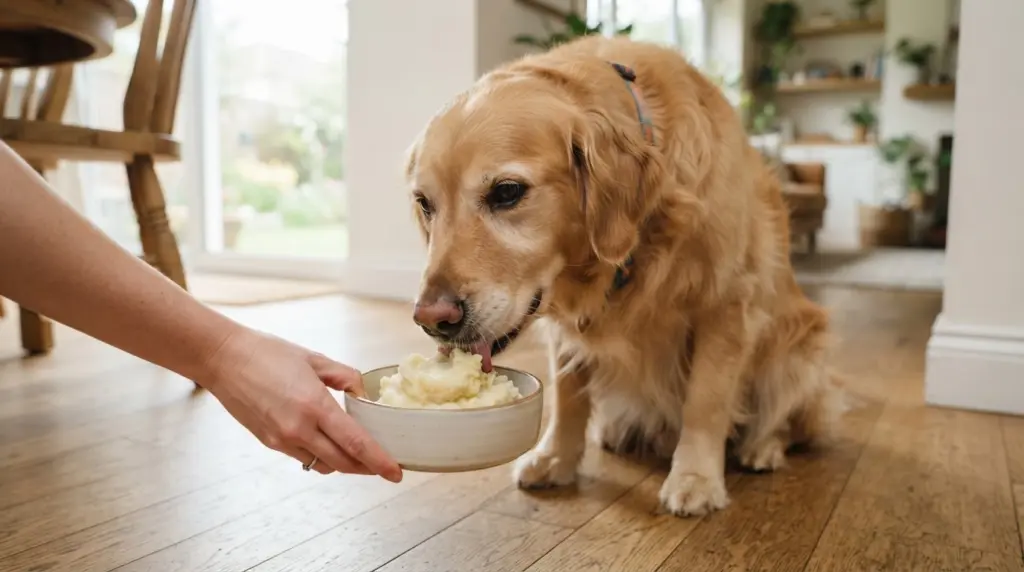
Plain mashed potatoes without butter, milk, salt, garlic, or seasoning can be safe occasionally. Avoid prepared mashed potatoes because added ingredients may harm dogs.
Can Puppies Eat Potatoes?
Puppies can eat small amounts of plain cooked potatoes occasionally, but their main diet should provide complete nutrition for growth and development.
Are Sweet Potatoes Better Than Regular Potatoes for Dogs?
Sweet potatoes contain more fiber and vitamin A, but both options should be cooked, plain, and served in moderation as occasional treats.