Your dog has an upset tummy, and you reach for the rice. But wait, should it be brown or white? If you have ever stood in your kitchen second-guessing this, you are not alone.
The question “Is brown or white rice better for dogs?” comes up a lot because both appear on dog food labels and in home-cooked meals.
It sounds simple, but the answer is not that straightforward. Some vets suggest one, some swear by the other, and online advice is all over the place.
In my years of advising pet parents as a certified pet nutritionist, this is one of the questions I get almost every week, usually right after a dog has had a rough night with their stomach.
In this blog, I will give you a clear, practical answer based on what I have seen work across hundreds of client cases.
The short answer? Both are safe, but they serve very different purposes depending on your dog’s condition.
If your dog has diarrhea or vomiting right now, use white rice. If your dog is healthy and you want a nutritional boost to their regular meals, usebrown rice. Keep reading to understand exactly why, and when each one can backfire.
Can Dogs Eat Brown Rice Safely?
Yes, dogs can eat brown rice safely, but only when it is properly cooked and served plain without salt, butter, or spices.
In fact, brown rice is already a common ingredient in many commercial dog foods because of its nutritional value. That said, it should not replace your dog’s regular, balanced diet.
Think of it as an add-on rather than the main meal. It can provide extra fiber and nutrients, but overfeeding can lead to digestive issues. The key rule here is moderation.
Small portions mixed with protein like chicken work best, while large amounts can do more harm than good.
One thing most pet parents do not know: brown rice contains naturally occurring arsenic, a trace mineral found in soil that rice absorbs during growth.
The FDA has reviewed this and found the levels in commercially available rice are not high enough to cause concern for dogs in normal portions.
However, if you are feeding brown rice regularly, rinsing it thoroughly before cooking, using extra water during cooking (about 6 cups per 1 cup of rice), and then draining it, can further reduce the arsenic content.
I always recommend this step to clients who want to include brown rice as a weekly dietary staple.
Brown Rice vs White Rice for Dogs: Which One is Better?
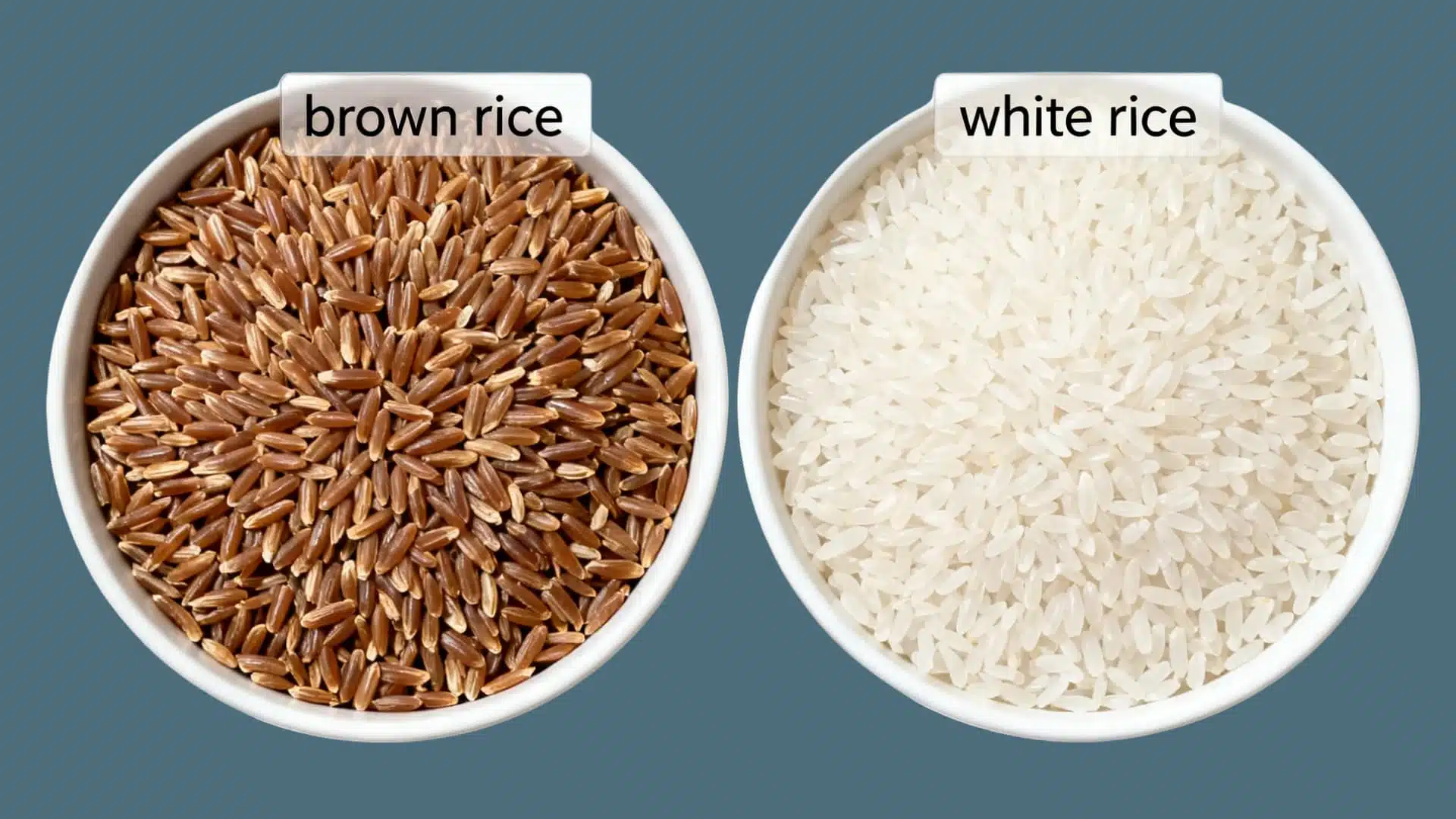
Choosing between brown and white rice for dogs comes down to one question: what does your dog need right now? Brown rice is the better long-term option for healthy dogs.
It retains the outer bran layer, which is where most of the fiber, B vitamins, and minerals are concentrated, making it more nutritionally complete than white rice.
White rice, on the other hand, is the right call when your dog is unwell. It is processed, easy to digest, low in fiber, and helps bind loose stools during digestive upsets.
In short: brown rice for nutrition, white rice for recovery. The sections below break down exactly how they differ and when each one earns its place in your dog’s bowl.
1. Nutritional Differences
Brown rice has a clear edge when it comes to nutrition. Since it is a whole grain, it keeps the outer layer, where most of the fiber, vitamins, and minerals are found.
Brown rice is a meaningful source of B vitamins (including B1, B3, and B6), magnesium, phosphorus, selenium, and manganese. These nutrients support energy metabolism, bone health, and immune function in dogs.
This makes it a more nutrient-dense option for dogs that need a bit more from their food. White rice, on the other hand, goes through processing that strips away much of that goodness, leaving mostly starch behind.
While it still provides energy, it lacks the same depth of nutrients, making brown rice the better choice for long-term dietary value.
2. Digestibility
This is where white rice takes the lead. Brown rice contains more fiber, which sounds great, but can make it harder for some dogs to digest, especially those with sensitive stomachs.
White rice is much softer on the digestive system, which is why vets often recommend it during diarrhea or stomach issues.
It breaks down quickly and helps settle the gut without adding extra strain. So while brown rice is richer, white rice is often the safer pick when your dog’s digestion is already struggling.
Worth understanding: brown rice is higher in insoluble fiber, which helps with constipation by moving things through the digestive system. White rice is lower in fiber overall and contains more digestible starch, which helps bind loose stools during diarrhea. So the type of stomach issue actually determines which rice is more useful.
3. Energy & Blood Sugar
Brown rice provides a slower, steadier release of energy due to its complex structure and higher fiber content.
This helps in maintaining stable blood sugar levels and can support weight control in less active dogs. White rice works differently.
It digests quickly, leading to a faster spike in blood sugar and a quick burst of energy. This makes it useful in situations where a dog needs immediate fuel or is recovering.
The choice here depends on whether your dog needs sustained energy or quick support.
For diabetic dogs specifically, white rice should be avoided as a regular addition because of its high glycemic index and its tendency to raise blood sugar rapidly.
If your dog has diabetes and needs a bland diet temporarily, consult your vet before using rice.
Brown rice, in very small portions, is the safer grain option for dogs managing blood sugar, but even that should be vet-approved in diabetic cases.
Brown Rice vs White Rice for Dogs (Quick Comparison)
Both options are safe, but the right choice depends on your dog’s digestion and health condition, as well as whether you need nutrition support or quick-recovery food.
| Factor | Brown Rice | White Rice |
|---|---|---|
Nutritional Value | Higher in fiber, vitamins, minerals | Lower nutrients, mostly starch |
| Processing | Whole grain, less processed | Processed, outer layers removed |
| Digestibility | Harder to digest | Easy to digest |
| Best Use Case | Healthy dogs, long-term diet support | Upset stomach, diarrhea recovery |
| Energy Release | Slow and steady | Quick energy spike |
| Blood Sugar Impact | More stable | Higher glycemic index |
| Fiber Content | High | Low |
| Best For Constipation | Yes | No |
| Safe for Diabetic Dogs | Small amounts, vet-approved | Avoid regular use |
When is Brown Rice Better for Dogs?
Brown rice is a better choice for dogs that are generally healthy and do not have digestive issues.
Its higher fiber content can help dogs dealing with mild constipation and can also support weight control by keeping them fuller for longer.
It is also useful for dogs that need steady, long-lasting energy instead of quick spikes. Because it is more nutrient-rich than white rice, it can be used as a long-term addition to meals when added in small amounts alongside protein.
However, it should still be treated as a supplement, not a primary food source, to maintain a balanced diet.
A note I share with clients: if your dog is already eating high-quality kibble, that food likely already contains a meaningful carbohydrate load.
Adding brown rice on top can unintentionally tip the carb balance, which over time may contribute to weight gain or blood sugar fluctuations.
I always advise calculating roughly how many carbs are already in the current food before adding rice, even as a healthy supplement.
When White Rice is Actually the Better Choice?
White rice is often the better choice when your dog is not feeling well. It is easy to digest and gentle on the stomach, making it ideal for conditions such as diarrhea, vomiting, or general digestive upset.
Many vets recommend plain white rice mixed with boiled chicken as a short-term recovery meal, and if you have ever thought about what exactly goes into your dog’s commercial food on regular days, it is worth understanding what chicken meal in dog food actually meansand how it differs from the fresh chicken you use at home.
It also works well during post-illness recovery when your dog needs simple, low-fiber food that will not strain the gut.
Dogs with sensitive digestive systems, as well as older or less active dogs, may tolerate white rice better than brown rice, especially in small, controlled portions.
How to Transition Your Dog Back to Regular Food?
This is a step most guides skip entirely, and it is one of the most common questions I get after someone has been feeding their dog the bland rice-and-chicken diet for a few days.
Once your dog’s stomach has settled, do not switch back to their regular food all at once. A sudden switch can restart the digestive irritation you were trying to fix.
Here is a simple transition approach I recommend:
- Day 1–2 (Recovery): 100% white rice and boiled chicken. Keep it bland and simple.
- Day 3: 75% rice-and-chicken, 25% regular food.
- Day 4: 50/50 split.
- Day 5: 25% rice-and-chicken, 75% regular food.
- Day 6 onward: Back to full regular diet, provided the dog is doing well.>
If symptoms return at any stage, hold at that ratio for an extra day and consult your vet if things do not improve.
Risks of Feeding Brown Rice to Dogs
Brown rice has benefits, but feeding it the wrong way or to the wrong dog can lead to digestive and health issues.
- Too much fiber: High fiber intake can lead to gas, bloating, and loose stools, especially if your dog is not used to it.
- Improper cooking: If brown rice is undercooked, it can remain hard and be difficult for dogs to break down properly.
- Sensitive digestion: Dogs with weak or sensitive stomachs may struggle to process brown rice and experience discomfort.
- Medical conditions: Dogs with digestive disorders or certain health issues may not tolerate high-fiber foods like brown rice well.
- Overfeeding risk: Feeding large portions regularly can unbalance your dog’s diet and reduce the intake of essential nutrients.
- Diabetic or overweight dogs: Even brown rice converts to sugar in the body, and excess glucose is problematic for dogs managing diabetes or weight issues. In these cases, rice of any kind should only be given under vet supervision.
- Rice allergy (rare but possible): While uncommon, some dogs can be sensitive or allergic to rice. Signs include itchy skin, ear infections, or recurring digestive upset after eating rice. If you notice these patterns, stop feeding rice and consult your vet.
How Much Rice Should You Feed Your Dog?
Rice should be an occasional addition, not a daily staple. Most vets suggest no more than two to three times per week unless advised otherwise by your veterinarian for a medical reason.
In terms of portion size, a rough guideline is:
- Extra-small dogs (2–20 lbs): 1–2 tablespoons per serving
- Small dogs (21–30 lbs): 2–3 tablespoons per serving
- Medium dogs (31–50 lbs): about ¼ cup per serving
- Large dogs (51–90 lbs): up to ⅓ cup per serving
- Extra-large dogs (90+ lbs): up to ½ cup per serving
Rice should make up only a small portion of your dog’s diet, ideally no more than about 10 percent.
It is not meant to replace a complete and balanced dog food, but rather to support it.
On the days you are not serving rice, rotating in some healthy dog snacks is a good way to add variety without disrupting your dog’s regular diet.
Always introduce it gradually and watch how your dog responds.
Can dogs eat rice every day? Technically, yes, but it is not ideal. Daily rice, even in small amounts, adds a consistent carbohydrate load on top of what is already in kibble. Over weeks and months, this can contribute to weight gain. Treat rice as a supplement, not a staple.
How to Prepare Rice for Dogs?

Getting the preparation right matters more than the type of rice, because even healthy ingredients can upset your dog if cooked or served the wrong way.
1. Always Plain
Rice for dogs should always be served plain, without adding salt, butter, oil, or any spices.
Ingredients that are harmless to humans can irritate a dog’s stomach or even be harmful over time.
Keeping it simple ensures your dog gets the benefits without unnecessary risks. Plain rice is especially important when feeding during illness or recovery.
2. Fully Cooked and Soft
Make sure the rice is cooked thoroughly until it becomes soft and easy to mash. Undercooked rice can be hard and difficult for dogs to digest, potentially leading to stomach discomfort.
Soft rice is gentler on the digestive system and easier to absorb. Slightly overcooking is better than undercooking when preparing it for dogs.
3. Rinse Before Cooking
Rinsing rice before cooking helps remove excess starch and any surface impurities. This step can make the rice lighter and slightly easier for your dog to digest.
It also prevents the rice from becoming overly sticky, which can sometimes make it harder to eat. A quick rinse under clean water is enough before you start cooking.
4. Let It Cool Before Serving
Always allow the rice to cool down before serving it to your dog. Hot food can burn their mouth or cause discomfort while eating.
Lukewarm or room-temperature rice is ideal and more comfortable for them to consume. Cooling also helps the texture settle, making it easier to mix with protein like chicken or turkey.
Brown Rice Alternatives for Dogs
If brown rice does not suit your dog, there are other safe and simple options that can provide similar benefits without causing digestive issues.
- White rice for digestion: Easy to digest and widely recommended for upset stomachs, diarrhea, or recovery meals due to its low fiber content.
- Oatmeal option: A gentle, fiber-rich grain that supports digestion and works well for dogs with sensitivities to common grains like wheat.
- Pumpkin support: Helps regulate digestion effectively and is commonly used to manage both constipation and loose stools in dogs.
- Sweet potato choice: Packed with fiber and essential nutrients, it supports gut health while providing steady and sustained energy.
- Boiled potato alternative: Soft, mild, and easy to digest, making it a good carbohydrate option for dogs with sensitive stomachs.
- Quinoa: A protein-rich grain that contains all nine essential amino acids and plenty of dietary fiber, making it a more nutritionally complete carbohydrate option than rice for healthy dogs.
- Jasmine or basmati rice: Both are varieties of white rice and are safe for dogs. The grain length does not change the nutritional profile significantly; they carry the same digestibility benefits as standard white rice and can be used interchangeably in a bland diet.
Conclusion
Choosing between the two often comes down to one simple question: Is brown or white rice better for dogs in your specific situation? There is no one perfect answer.
Brown rice is a good choice for healthy dogs that need better nutrition and steady energy, while white rice is the go-to option when your dog is dealing with digestive issues.
The key is to match the rice to your dog’s current condition rather than blindly picking one.
After more than a decade of working with pet parents, from first-time dog owners to those managing dogs with chronic conditions, the most important thing I can tell you is this: pay attention to your individual dog.
Rice is a tool, not a solution. Used correctly, it supports recovery and adds gentle nutrition. Used at the wrong time, it can make things worse.
When in doubt, a quick call with your vet before changing your dog’s diet is always worth it.
Pay attention to how your dog responds and adjust accordingly. If you still have doubts or want to share your experience, drop your comments below, and let’s talk.