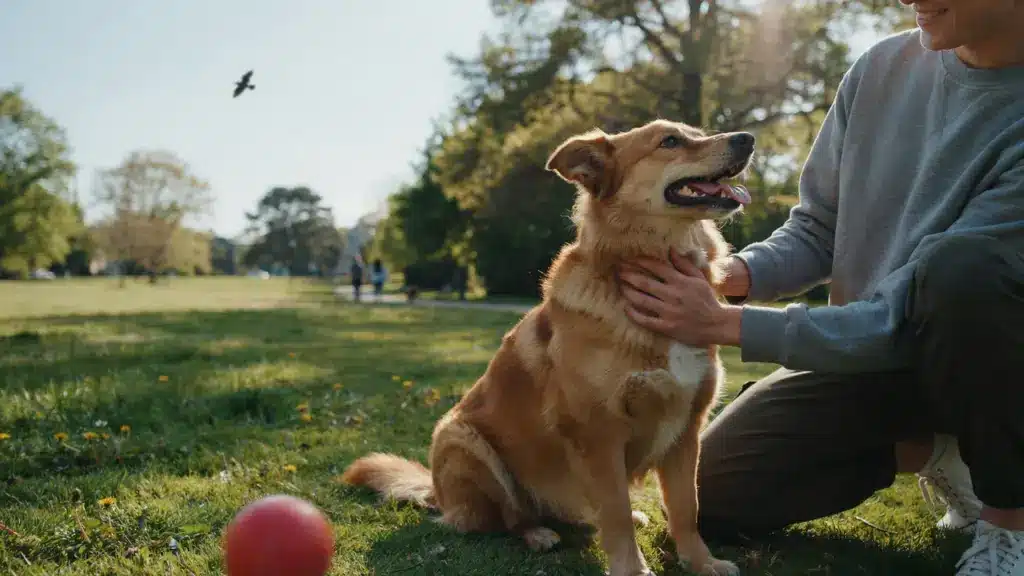


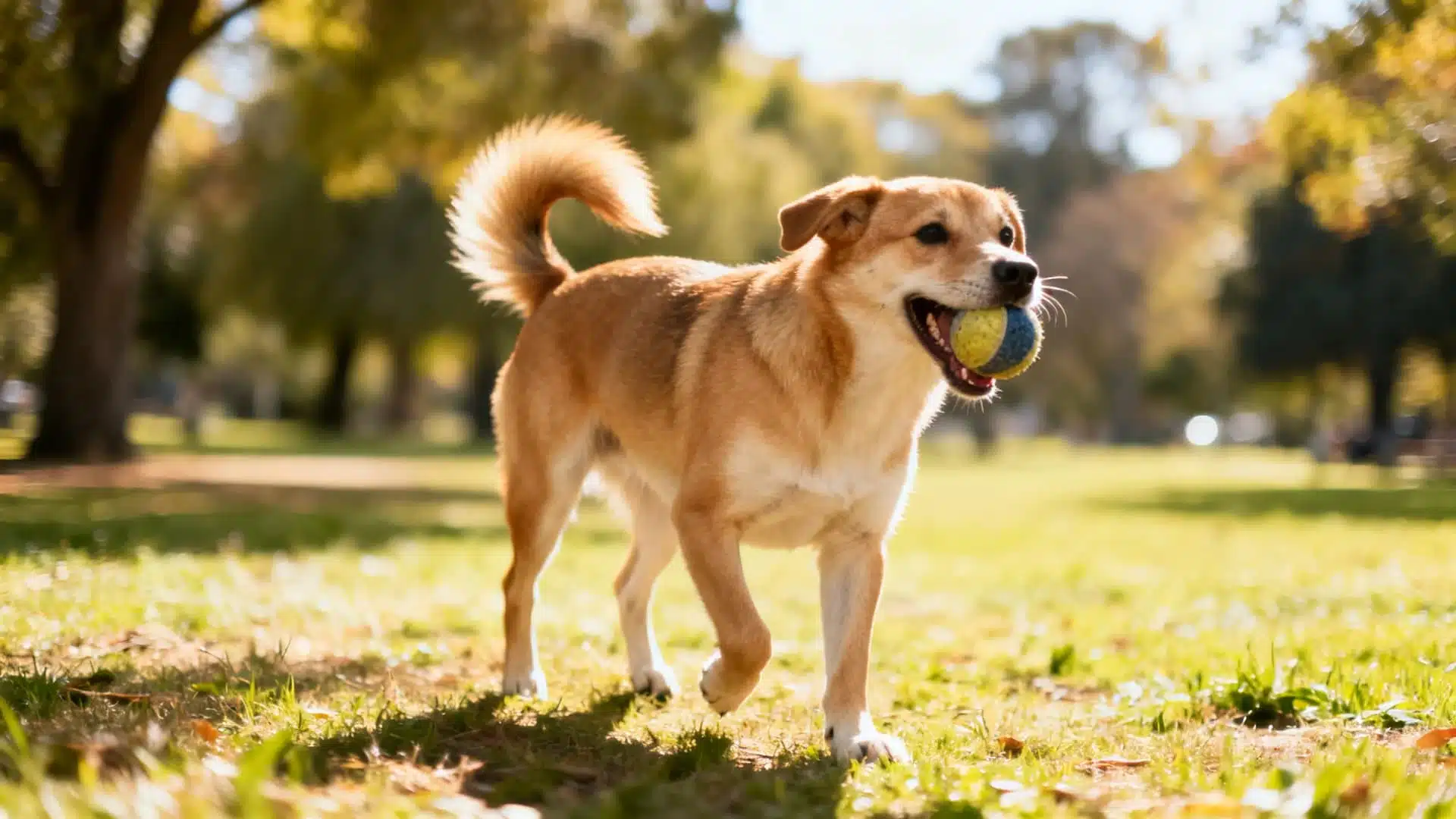
You toss the ball. Your dog looks at it. Then looks at you. And just stands there like, “You threw it, you go get it.”
So now you’re the one jogging across the yard while your dog watches. Not exactly how fetch is supposed to work.
In this blog, you will find a complete, step-by-step breakdown of how to teach your dog to fetch, from building toy interest to getting a clean return, along with alternative methods for stubborn dogs and fixes for the most common mistakes.
Fetch is not just a game. It helps your dog burn energy, stay mentally sharp, and strengthen the bond between the two of you.
Yet in my 14 years of working with dogs, from eager Labrador puppies to rescue mixes with zero toy drive, the number one reason owners give up on fetch training is that they try to rush past the foundation steps. That is the first thing we are going to fix here.
Most dogs can learn fetch with the right approach, regardless of breed. If you have been thinking about how to teach your dog to fetch without frustration, you are in the right place.
Why Some Dogs Don’t Fetch Naturally?
Not every dog is built the same, and that is the first thing most owners miss. Retrieving breeds like Labrador Retrievers, Golden Retrievers, and Chesapeake Bay Retrievers are genetically wired for this kind of work; their instinct to chase, grab, and carry objects was selectively bred over generations.
There is also a mix of instinct and learning. Even dogs with strong retrieving instincts still need guidance to understand what you expect.
I have personally trained several Shiba Inus and Chow mixes to fetch reliably, breeds that are not exactly famous for wanting to please. It takes more patience, but it is very doable.
If you are still figuring out your dog’s personality and energy level, small dog breeds can help you understand what instincts and traits to expect from your specific dog.
On the flip side, dogs without that instinct can still learn through repetition and rewards.
In many cases, dogs lose interest because the game is confusing, too repetitive, or simply not rewarding enough. If it is not fun or clear, they just stop engaging.
What You Need Before You Start?
Before jumping into fetch training, a quick setup check will save you a lot of frustration later. What you will need:
- The right toy: Choose a toy that fits comfortably in your dog’s mouth, not too large, not too small. Soft rubber or rope toys are great starting points. Avoid sticks from the yard, as these can splinter and cause mouth injuries. For puppies, pick something extra-soft to protect sensitive gums.
- High-value treats: Small, soft, smelly treats work best, think small pieces of cooked chicken, cheese, or commercial soft training treats.
- The right space: Start indoors or in a small, enclosed area, such as a hallway or a fenced backyard. This keeps your dog focused and limits the places they can run off to with the toy. Open parks are for later, once the basics are solid.
Note: If your dog is prone to joint issues, hip dysplasia, or is a senior dog, check with your vet before starting a high-intensity fetch routine. Keep throws short and low, and always allow a brief warm-up of walking or light movement before any ball throwing begins.
Step-by-Step: Teaching Your Dog to Fetch from Scratch
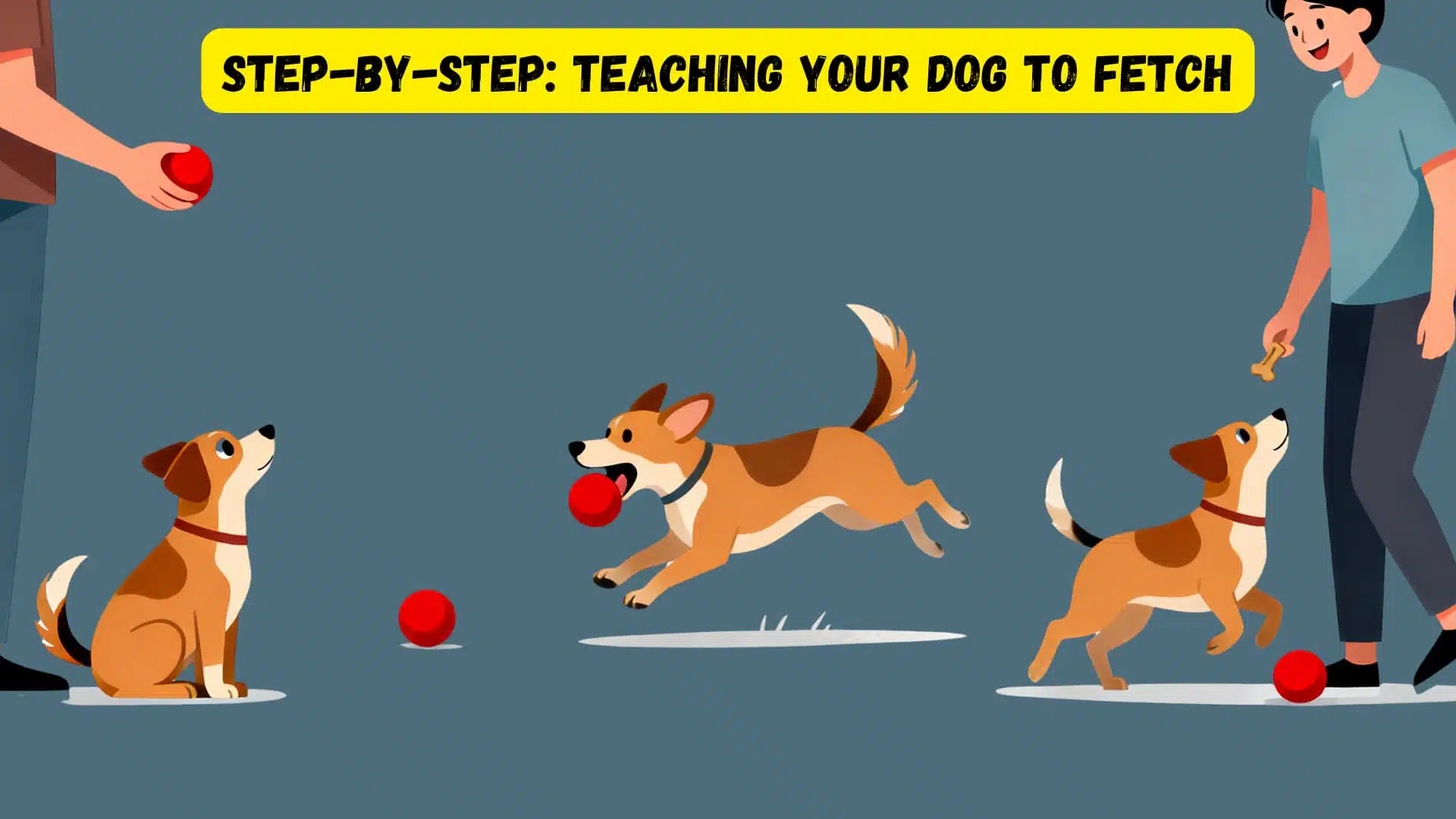
Teaching fetch works best when you break it down into simple steps and build excitement gradually. Aim for sessions of 5 to 10 minutes maximum, especially in the early stages. Short, focused sessions keep your dog engaged and prevent the fatigue and frustration that stall progress.
Step 1: Build Interest in the Toy
Start by making the toy the most exciting thing in your dog’s world. Move it around, tease a little, and use an upbeat voice to grab attention.
Do not just hand it over; create curiosity. Let your dog grab it and feel like they won something. I often keep the fetch toy put away and only bring it out during training sessions.
Scarcity builds desire. A toy that is always on the floor becomes furniture. This builds a positive connection and makes them want to engage again without forcing the interaction.
Step 2: Teach the Chase
Now focus on getting your dog to move toward the toy. Keep throws very short so they stay engaged and do not get overwhelmed.
The goal here is not perfect fetching; it is simply chasing. Praise any effort they make toward the toy.
Keep sessions quick and fun. If your dog stops engaging mid-session, that is a signal that the session has already run long enough. End it there, not five minutes later
Step 3: Introduce the Return
Once your dog starts chasing, the next step is getting them back to you. Call them in a happy, inviting tone rather than a commanding one.
You can use treats to guide them back while they hold the toy. Avoid running after your dog, as this turns it into a game of chase.
One trick I use with reluctant returners: the moment your dog picks up the toy, turn around and walk briskly in the opposite direction.
Most dogs will follow out of curiosity, and suddenly they are “returning” without even realizing it. You want them to choose to return, not feel pressured or confused.
Step 4: Teach “Drop It”
When your dog comes back with the toy, teach them to release it calmly. Offer a treat in exchange so they learn that letting go leads to something better.
Do not say “drop it” until your dog is already starting to release; you want the word to mark the action, not become background noise they learn to ignore.
Do not pull the toy or force it out, as that creates resistance. Stay relaxed and repeat the exchange consistently until your dog understands the pattern and starts dropping the toy without hesitation.
Step 5: Put It All Together
Now combine everything into one smooth sequence. Throw the toy, let your dog chase it, encourage them to return, and ask for a drop.
As they improve, gradually increase throw distance, and eventually move practice sessions outdoors to a fenced yard or quiet park.
New environments can be distracting, so bring high-value treats and expect a small step back before you see improvement in the new setting. That regression is normal and temporary.
As they improve, slowly increase the distance of your throws. Over time, the full fetch routine will start to feel natural and automatic.
Alternative Methods That Work for Stubborn Dogs
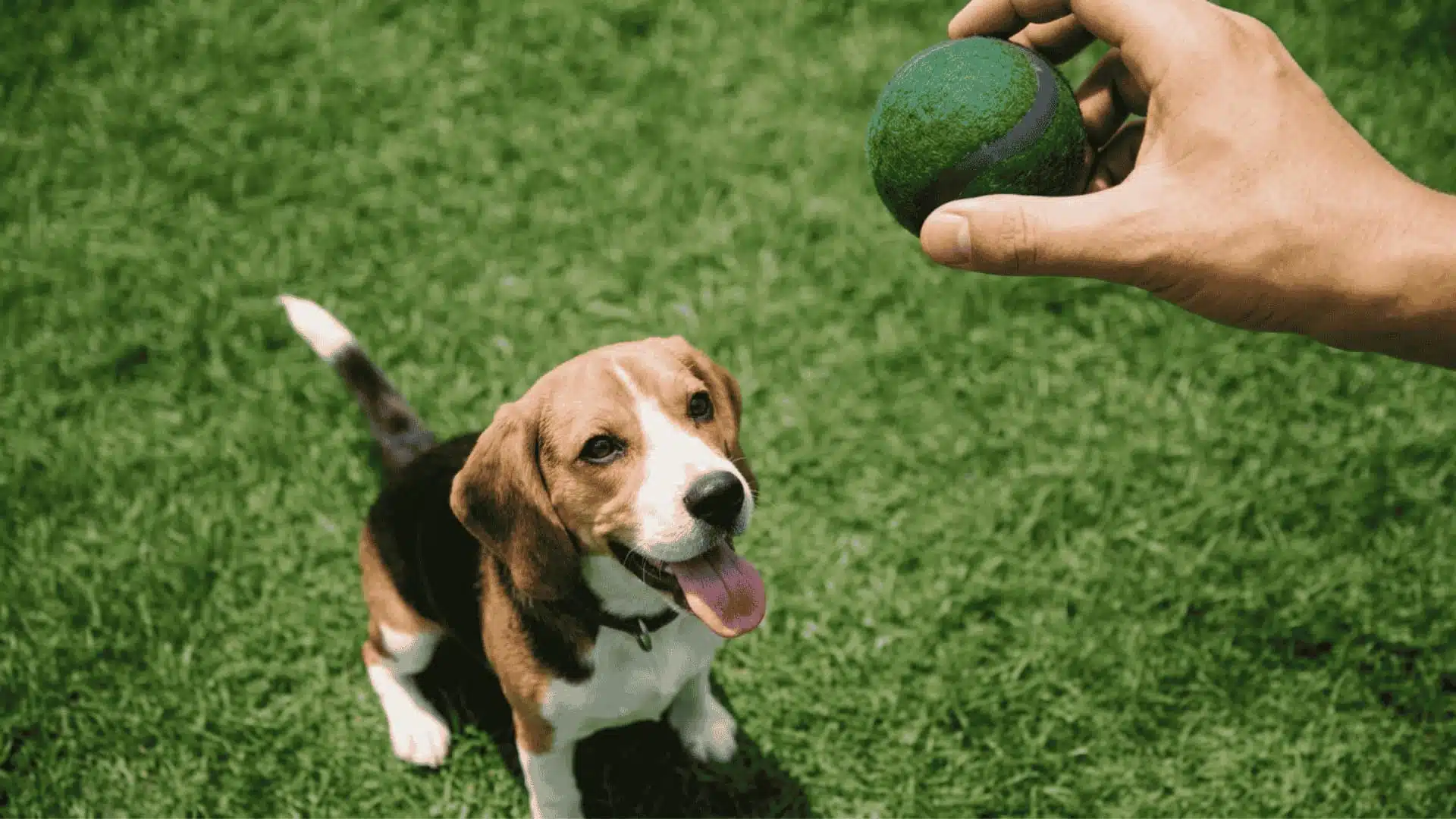
If your dog ignores classic fetch training, these backup methods can make the game easier, clearer, and more rewarding without turning practice into a battle.
Method 1: The Two-Toy Trick
The two-toy trick works well for dogs that grab a toy but refuse to return it. Start with two similar toys your dog already likes.
Toss the first one a short distance. When your dog picks it up, show the second toy and make it seem exciting.
Most dogs will come back out of curiosity, giving you the perfect chance to reward the return and repeat the pattern.
Method 2: Leash Training Fetch
Leash training fetch is useful when your dog gets distracted, runs off, or turns the game into keep-away.
Use a long leash in a quiet space and toss the toy only a few feet away. Once your dog grabs it, gently guide them back toward you while calling them in a cheerful voice.
Reward every successful return so they start linking the action with something positive and familiar.
Method 3: Treat Trail Method
The treat trail method helps dogs that will pick up the toy but do not understand the return part.
After they grab the toy, use a treat to lead them back in small steps rather than expecting a full return right away.
Reward each bit of progress, even if it is just a few steps toward you. This keeps the lesson simple and builds confidence fast.
Common Mistakes That Slow Down Progress
Small mistakes during training can confuse your dog and delay results, even if your effort and intentions are right.
- Throwing too far too soon: Long throws overwhelm beginners and break focus. Start small so your dog understands the full cycle before increasing distance.
- Overtraining in a single session: Sessions longer than 10 minutes quickly drain interest. Keep it short so your dog stays eager the next time the toy comes out.
- Getting frustrated or impatient: Your tone affects your dog. Frustration creates confusion, while calm repetition builds trust and better learning.
- Using the wrong rewards: Not all rewards motivate equally. Find what excites your dog: treats, toys, or praise, and use that consistently.
- Ignoring small wins: Progress happens in steps. Reward partial success, like chasing or returning halfway, to build confidence and momentum.
How Long Does It Take to Teach Fetch?
There is no fixed timeline for fetch training, as it depends on your dog’s age, breed, and overall energy levels.
Puppies often pick it up faster because they are naturally playful, while older dogs may need more patience and repetition.
For most beginners, you can expect to see progress within a few days to a couple of weeks if you stay consistent. Full, reliable fetch may take a bit longer depending on how often you practice.
In my experience, dogs with no prior toy engagement can take two to four weeks of consistent short sessions before the full fetch loop becomes reliable.
Dogs that already enjoy chasing can often be taught to fetch within a few days.
You will know your dog is improving when they start chasing without hesitation, return the toy more often, and drop it with less resistance. Small improvements are a strong sign you are on the right track.
Quick Note: Some high-drive dogs like Border Collies or Malinois can become obsessed with fetch. Signs include constant staring, whining, or inability to relax. Keep sessions short, avoid letting your dog demand play, and balance with calm activities like sniff walks or puzzle feeders. A proper wind-down space also helps, and using a dog crate size chart ensures your dog has the right place to settle after play.
Tips to Make Fetch More Fun and Consistent
Consistency improves faster when fetch feels like a game, not a task, and your dog looks forward to every session.
- Keep sessions short and upbeat: Short sessions maintain energy and focus. Stop before your dog gets bored so they stay excited for the next round.
- End on a positive note: Always finish on a high note. This leaves your dog with a win and builds stronger motivation over time.
- Rotate toys to keep interest high: Switching toys prevents boredom and keeps curiosity alive. New textures or shapes can quickly boost engagement.
- Match energy with your dog: Some dogs prefer calm play; others love high-energy play. Adjust your tone and pace to fit their style.
- Use consistent cues and timing: Using the same commands and timing reduces confusion. Clear patterns help your dog learn faster and respond with confidence.
- Take it outdoors gradually: Once the indoor or backyard routine is solid, move to a quiet fenced park. Bring extra treats for the transition, since new environments temporarily increase distraction and reduce responsiveness.
When Your Dog Still Refuses to Fetch?
Sometimes, despite your best effort, your dog just does not take to fetch, and that is completely fine. Not every dog enjoys chasing and retrieving objects, especially if it does not align with their natural instincts or personality.
In that case, tug, hide-and-seek, and scent-based nose work games can provide the same combination of physical exercise and mental stimulation without pushing a behavior your dog finds unrewarding.
A dog who is fully engaged in the right game will always make more progress than one being pushed toward the wrong one.
If your dog seems interested but struggles to learn, it may be worth getting help from a trainer. A professional can spot small issues and guide you with a more tailored approach.
Conclusion
Teaching your dog something new takes time, but it is also one of the most rewarding parts of being a pet owner.
When you understand how to teach your dog to fetch in a way that matches their pace and personality, the process becomes smoother and far more enjoyable.
Some dogs learn quickly, others take a bit longer, but consistency always pays off. The dogs I have seen struggle most with fetch training were not “bad” at it; their owners were just skipping steps or misreading what the dog needed.
Slow down, reward generously, and let your dog show you the pace that works for them.
Focus on small wins, keep sessions fun, and avoid rushing the process. In the end, it is not just about the game; it is about building trust and connection.
If you have tried these methods or have your own tips, drop your comments below and share your experience.