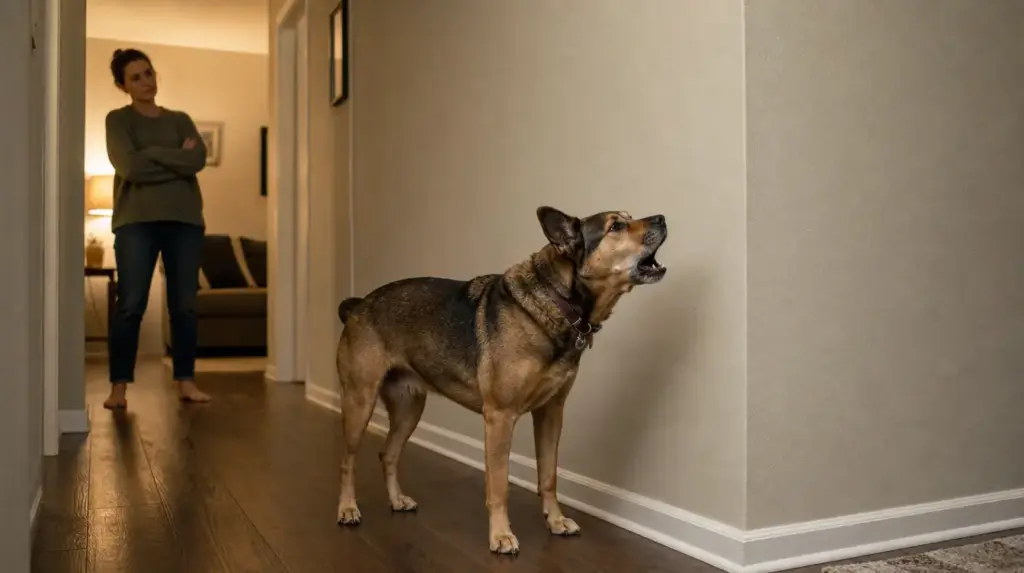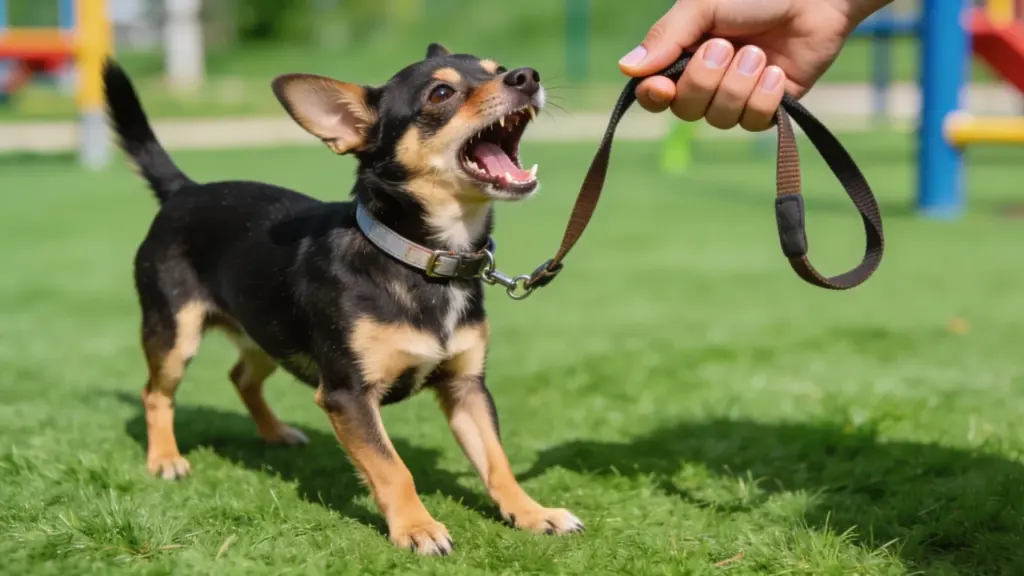
If you have ever lived with a Chihuahua, you have probably found yourself wondering, why do Chihuahuas bark so much, especially during moments that seem completely ordinary to you.
A simple knock on the door, a passing car, or even a faint noise outside can suddenly turn into a full barking episode that feels hard to control.
It can be frustrating at times, especially when the behavior seems constant and without reason.
But the more time I spent observing, the more I realized that this barking is not random at all. It comes from instinct, emotion, and awareness.
Chihuahuas are small, but they experience the world in a very intense way, and once you start understanding that, their behavior begins to make much more sense.
Are Chihuahuas Naturally More Vocal Than Other Dogs?
Yes, Chihuahuas are naturally more vocal than many other dogs, but there is context behind it.
Like other small breeds such as Yorkshire Terriers and Pomeranians, Chihuahuas were bred to be alert and responsive to their surroundings.
This makes them quick to react with barking when they notice something unusual. Their personality also plays a big role.
Many Chihuahuas are confident, protective, and highly aware, which leads to more frequent vocal responses. Barking is not random noise for them; rather, it is a way of communicating.
They use it to signal danger, express excitement, seek attention, or respond to unfamiliar situations.
Compared to larger breeds that may stay quiet longer, Chihuahuas tend to react faster, making them seem louder in everyday environments.
According to the American Kennel Club, the Chihuahua is classified as an alert, projecting, and self-confident breed, traits that directly feed into vocal reactivity.
Why Do Chihuahuas Bark So Much: The Real Reasons

Chihuahuas are not just noisy for no reason. Their barking usually comes from a mix of instinct, personality, and daily experiences. From what I have seen, once you understand the reason behind the barking, it starts to make a lot more sense.
1. Strong Protective Instinct Despite Small Size
I have always noticed that Chihuahuas act like they are much bigger than they really are. This “big dog in a small body” behavior makes them very protective of their space and people.
They often bark at doorbells, new guests, or even small sounds outside because they see it as their job to guard. Their territorial nature shows up quickly around strangers or other pets.
This barking is closely tied to loyalty. They form strong bonds and feel responsible for keeping their person safe, even if the threat is not real.
2. High Alertness and Sensitivity to Surroundings
Chihuahuas are extremely alert, and even the smallest sound can set them off.
This becomes even more noticeable in apartments where there is constant noise from neighbors. In quieter homes, the barking may be less frequent, but the sensitivity is still there.
Because they react so quickly to changes in their environment, it often leads to repeated barking episodes throughout the day.
3. Separation Anxiety and Attachment Issues
One thing I have personally noticed is how deeply Chihuahuas attach themselves to one person. They love being close and often follow their owner from room to room.
When left alone, this strong bond can turn into anxiety. Many owners describe it as their dog panicking the moment they leave.
This attachment has evolutionary roots. Historically, Chihuahuas lived in tight groups where separation from the pack meant vulnerability.
Dogs with stronger separation anxiety were less likely to wander off and more likely to survive, passing that trait down through generations. That ancient wiring is still very present today.
According to the Humane Society of the United States, dogs with separation anxiety commonly express their distress through howling, barking, and whining.
Barking becomes their way of coping with that stress. It is not just noise; it is emotional. This kind of behavior shows how dependent they can become if not trained to feel comfortable on their own.
4. Communication and Attention-Seeking
Sometimes barking is simply how Chihuahuas communicate. There is a clear difference between alert barking and demand barking.
Alert barking happens when they notice something unusual, while demand barking is more about getting what they want. Over time, patterns become easy to spot.
Once you understand what they are trying to say, it becomes much easier to respond in the right way and manage the behavior.
5. Learned Behavior from Owners
In many cases, I have noticed that barking becomes a habit because of how owners respond.
It might start off as something cute, like barking for attention, but over time it turns constant. Picking them up, talking to them, or reacting quickly can reinforce the behavior.
Small dogs are often not trained as strictly as larger breeds, which makes this worse. Many people later realize that what felt harmless at first has become a daily challenge that is harder to control.
6. Lack of Mental and Physical Stimulation
Even though Chihuahuas are small, they still need activity. When they do not get enough playtime or interaction, they start barking out of boredom.
Most Chihuahuas benefit from at least 30 minutes of active play or exercise per day. When that outlet is missing, barking becomes the release valve.
Staying all day indoors without stimulation can make this worse. Regular walks, toys, and simple games can make a big difference.
When their mind is engaged and their energy is used properly, the need to bark constantly tends to go down.
Incorporating regular mental enrichment activities into your Chihuahua’s daily routine can do more than keep boredom away, and it directly reduces the urge to bark.
7. Fear-Based Barking
Not all barking comes from confidence. Sometimes, Chihuahuas bark because they feel unsure or scared. This often happens around bigger dogs or unfamiliar people.
What looks like aggression is usually a defensive reaction. They bark to create distance and protect themselves; therefore, early socialization plays a big role here.
Dogs that are exposed to different environments and situations tend to feel more secure. Without that exposure, fear-based barking becomes more common and harder to manage over time.
As the ASPCA explains, territorial and alarm barking is often driven by both fear and anticipation of a perceived threat.
How to tell if your Chihuahua is fear barking: Watch for these physical signals alongside the barking ears pinned back, tail tucked low, fur raised along the spine, and a hunched or lowered body posture.
8. Excitement Barking
This is a category that often gets overlooked: some Chihuahuas bark simply because they are excited.
Walks, mealtime, seeing a favorite person, or even a toy coming out of the closet can trigger rapid, high-pitched barking that has nothing to do with fear or territory.
This type of barking is usually easy to identify; the dog’s whole body is loose and wiggly, the tail is high, and there is no tension in the posture.
While harmless, it can still be reduced through calm reinforcement and “four paws on the floor” rules before engagement.
Chihuahua Bark Types
Some barks are about alerting, while others come from fear, excitement, or boredom. Recognizing these differences matters because it tells you how to respond rather than react. Responding to a fear bark the same way you would a demand bark will make both problems worse.
| Bark Type | Sound | Body Language | Likely Cause |
|---|---|---|---|
| Alert | Short, sharp bursts | Stiff, ears forward | Doorbell, stranger, noise |
| Fear/Defensive | High-pitched, repeated | Ears back, tail low, fur raised | Larger dog, unfamiliar person |
| Separation | Howl-bark combination | Pacing, destructive behavior nearby | The owner left, being alone |
| Boredom | Monotone, repetitive | Flat affect, lying down while barking | No stimulation, long periods alone |
| Demand/Attention | Persistent, escalating | Pawing, direct eye contact | Wants food, play, or access |
| Excitement | Fast, high-pitched | Wiggling, loose body, jumping | Walk, meal, favorite person |
When Chihuahua Barking Becomes Excessive?
Chihuahua barking becomes excessive when it goes beyond normal communication and starts happening constantly without a clear reason.
Occasional barking at sounds, strangers, or alerts is normal, but nonstop barking at everything can signal a deeper issue.
Signs like barking for long periods, reacting to very small triggers, or not calming down even after reassurance.
Chronic excessive barking is also hard on the dog itself. Sustained vocal stress and the physiological arousal that comes with it can contribute to exhaustion, anxiety escalation, and in some cases, vocal strain.
This can affect daily life, causing stress for owners and complaints from neighbors, especially in close living spaces. It can also mean the dog is feeling anxious, bored, or insecure.
When barking starts interfering with routine, sleep, or social situations, it is time to take it seriously. Early attention and proper training can prevent it from becoming a long-term behavior problem.
Real Owner Experiences on Chihuahua Barking

Many Chihuahua owners on Reddit agree that excessive barking is common, especially after a move or change in environment.
Instead of using harsh tools like shock collars, most users lean toward positive reinforcement.
One popular method involves acknowledging the dog’s alert, then calmly reassuring them that everything is under control. This helps the dog feel heard and reduces repeated barking.
Others shared that rewarding quiet behavior with treats or praise works better than punishment. Some even introduce neighbors slowly so the dog stops seeing them as a threat.
A few mentioned bark collars, but only as a last option, and often temporary.
Overall, the community strongly favors patience, consistency, and communication over strict corrections, noting that Chihuahuas respond well when they feel safe and understood.
Simple Training Approaches That Actually Work
Training a Chihuahua to bark less does not have to be complicated, but it does require patience and consistency. The single most important rule before starting any of these approaches: stop rewarding the bark, even accidentally. Eye contact, raised voices, or picking your dog up in response to barking all count as rewards to them.
1. Ignore Attention-Seeking Barking
One of the first things I learned is that reacting to barking can make it worse. When a Chihuahua barks for attention and gets a response, it quickly becomes a habit.
The best approach is to stay calm and ignore the behavior until it stops. This may feel difficult at first, especially if the barking is loud, but consistency is key.
Once the dog realizes that barking does not get attention, it starts to reduce. Then, reward calm behavior instead, so the dog understands what works.
2. Reward Calm and Quiet Behavior
Positive reinforcement makes a big difference. This can be done with treats, praise, or even a gentle pat.
The key is timing; reward the dog when it chooses to stay quiet, especially in situations where it would normally bark.
This teaches the dog that being calm brings positive results. Over time, this creates a habit where quiet behavior feels more rewarding than barking.
3. Teach the “Quiet” Command
Teaching a clear command like “quiet” can help control barking in the moment. I tell my clients to start by letting the dog bark once or twice, then calmly say the command and wait.
When the dog pauses, reward it immediately. Repeating this process helps the dog connect the word with the action. It takes practice, but it becomes effective with time.
This method works best when combined with rewards, so the dog learns that listening leads to something positive.
4. Reduce Exposure to Triggers
Sometimes barking happens because of constant triggers in the environment.
Closing curtains, limiting window access, or using background noise can lower the number of things that set the dog off. In busy areas, this makes a big difference.
Once the dog feels less overwhelmed, barking naturally decreases. This approach does not remove the problem completely, but it creates a calmer environment that supports better behavior.
5. Use Gradual Desensitization
Desensitization helps a Chihuahua get used to things that usually trigger barking. This works well with sounds like doorbells or footsteps.
Start by exposing the dog to the trigger at a low level, then reward calm behavior. Slowly increase the exposure over time.
Pairing desensitization with brain-stimulating toys gives the dog something positive to focus on during the process, which can speed up progress.
This teaches the dog that the trigger is not a threat. It requires patience, but the results are long-lasting. The dog becomes more relaxed and less reactive in everyday situations.
When To See a Professional Or a Vet?
If your Chihuahua’s barking starts suddenly, becomes more intense without a clear reason, or shows up along with changes like pacing, aggression, accidents in the house, or loss of appetite, it is important to see a vet first.
I have seen cases where barking was linked to discomfort or health issues rather than behavior.
Conditions like pain, hearing loss, thyroid problems, or age-related changes can increase vocalization.
Ruling out medical causes gives you a clear starting point.
If the barking continues despite consistent training for 4 to 6 weeks, it is a good idea to consult a certified professional dog trainer or a veterinary behaviorist who uses positive, evidence-based methods.
Conclusion
Chihuahua barking often feels constant, but it usually comes from clear reasons like protection, sensitivity, fear, or the need for attention.
These small dogs react quickly to their surroundings and form strong bonds, which explains why they are so vocal.
Why do chihuahuas bark so much? Understanding this helps shift the focus from frustration to better handling.
Simple training, routine, and awareness of triggers can reduce unnecessary barking and create a calmer environment over time.
Each Chihuahua has its own personality, so progress may look different for every owner, depending on consistency and patience.
Have you experienced nonstop barking with your Chihuahua, or found a method that actually worked? Drop your thoughts and tips in the comments below.
Frequently Asked Questions
Do Chihuahuas Bark More at Night?
Yes, Chihuahuas often bark more at night because quiet surroundings make small sounds more noticeable. Their alert nature causes quick reactions to unfamiliar noises, movement, or reduced visibility.
Do Male Or Female Chihuahuas Bark More?
No, barking is not linked to gender. It depends more on personality, training, and environment. Any Chihuahua without proper structure or social exposure may bark more frequently.
Can Age Affect How Much a Chihuahua Barks?
Yes, age plays a role. Puppies bark while learning, older dogs may bark due to confusion or hearing changes, and trained adults usually show more controlled and stable behavior.