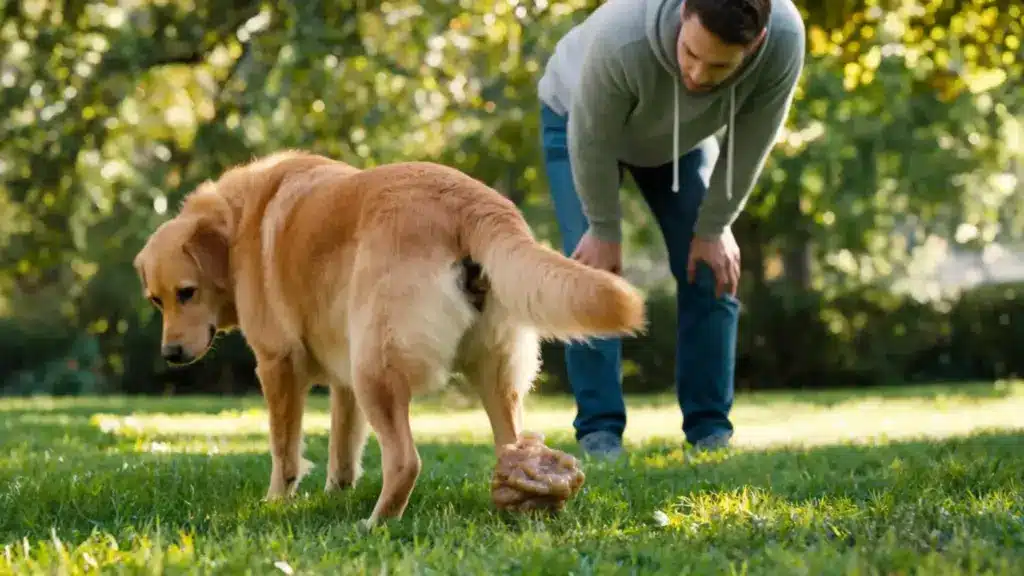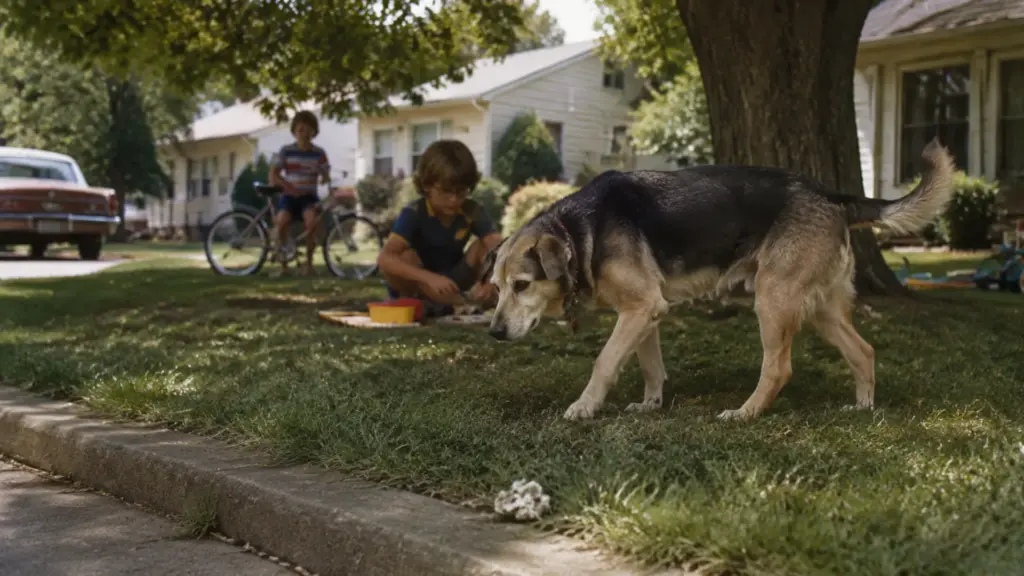
Do you remember chalky white piles scattered across lawns and sidewalks when you were younger? It was such a familiar sight in the 1970s and 1980s that realizing it has vanished can feel oddly surprising.
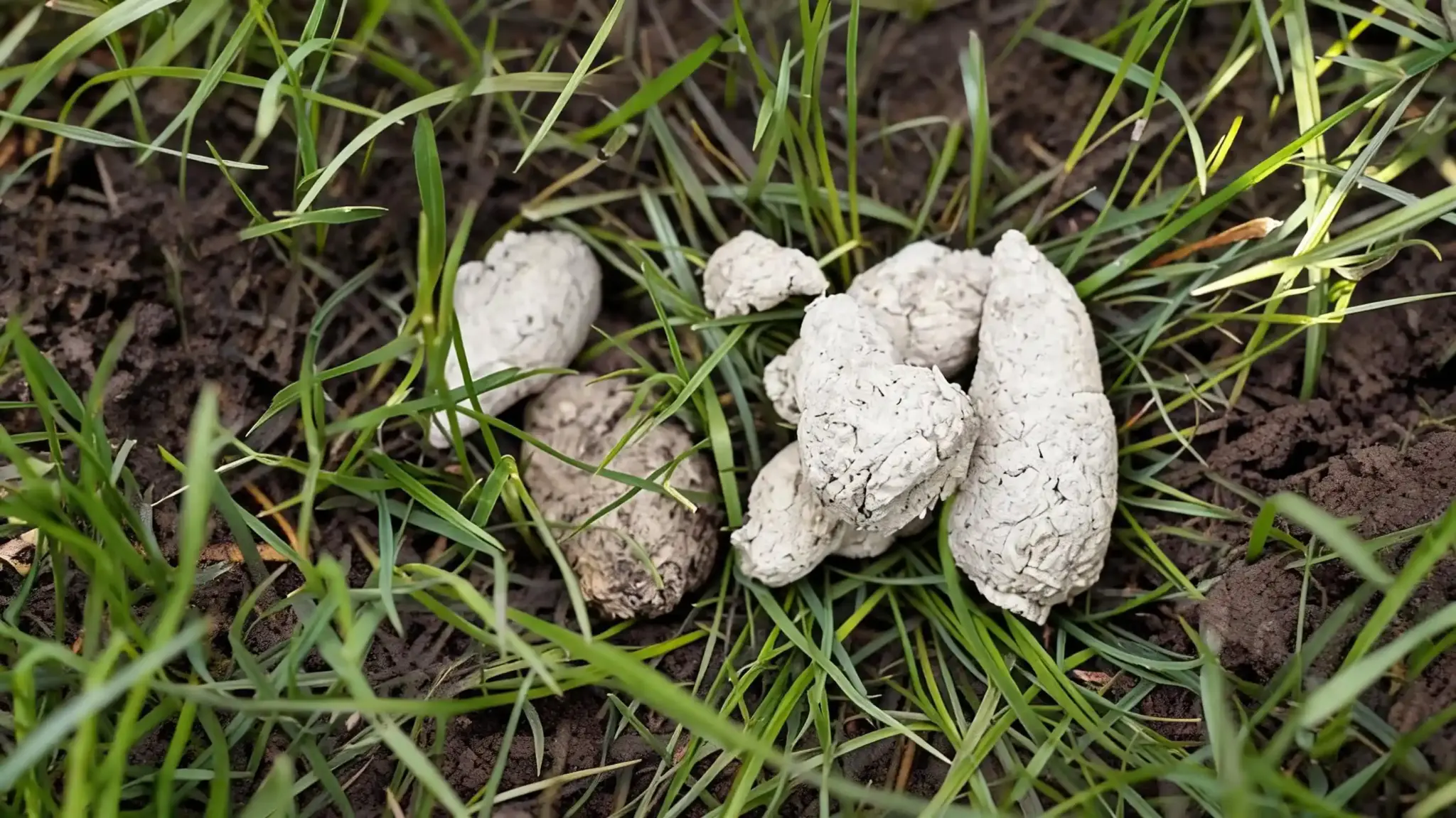
That memory is real. White dog poop was mainly linked to older dog foods containing more bone meal and calcium-rich material. Most stool began brown, then dried outdoors until a pale, brittle mineral residue remained.
Changes in commercial food recipes made that result far less common, while faster waste collection gave feces less time to sit in the sun. If your dog passes white stool today, however, that is different from an old pile changing color outside.
Why Did Dog Poop Used to Turn White?
The familiar white color resulted from a combination of older dog-food recipes and several days of outdoor exposure.
Many products contained larger amounts of ground bone and calcium-rich animal material than most current formulas. Dogs usually passed brown stool, but sun, heat, wind, and dry air gradually removed its moisture.
Softer organic matter broke down, while pale minerals remained behind. The pile then became hard, chalky, and sometimes powdery enough to crumble. Sunlight helped the process, but it was not the only cause.
The food created mineral-heavy feces, and time outside revealed the residue. This is why the effect was most noticeable on dry lawns where waste was left uncollected, and the same scrutiny of fillers and ingredient sourcing shows up in reviews of mainstream commercial dog food formulas sold today.
Why White Dog Poop Is Rarely Seen Today
Dogs did not suddenly change. The food placed in their bowls changed, and so did the way people handled waste in public and at home.
1. Commercial Dog-Food Recipes Changed
Older foods often relied more heavily on meat-and-bone meal and other mineral-rich animal ingredients. Over time, manufacturers moved toward more controlled recipes and more consistent ingredient proportions.
With less excess bone-derived material passing through many dogs, fewer bowel movements dried into the bright, chalky remains associated with earlier decades, though a fast food transition can still shift stool color today for reasons unrelated to that old mineral residue.
2. Nutrient Standards Became More Precise
Calcium and phosphorus are still necessary, but their amounts and ratio matter. Modern products sold as complete and balanced must meet nutrient profiles or pass recognized feeding trials, according to the Food and Drug Administration.
The first Association of American Feed Control Officials dog-food nutrient profiles arrived in 1991 and were updated as nutritional knowledge developed.
3. Owners Began Collecting Waste Sooner
Changes outside the food bowl also mattered. Leash rules, sanitation concerns, apartment living, smaller yards, and common use of waste bags meant feces were removed sooner.
A pile cannot become a white lawn marker if someone collects it before several days of dry weather alter its appearance.
Food reformulation was the main reason for the decline, while faster cleanup made the old sight even less common. Both changes happened gradually, which is why no single year marks its disappearance.
Was White Dog Poop Really Everywhere?
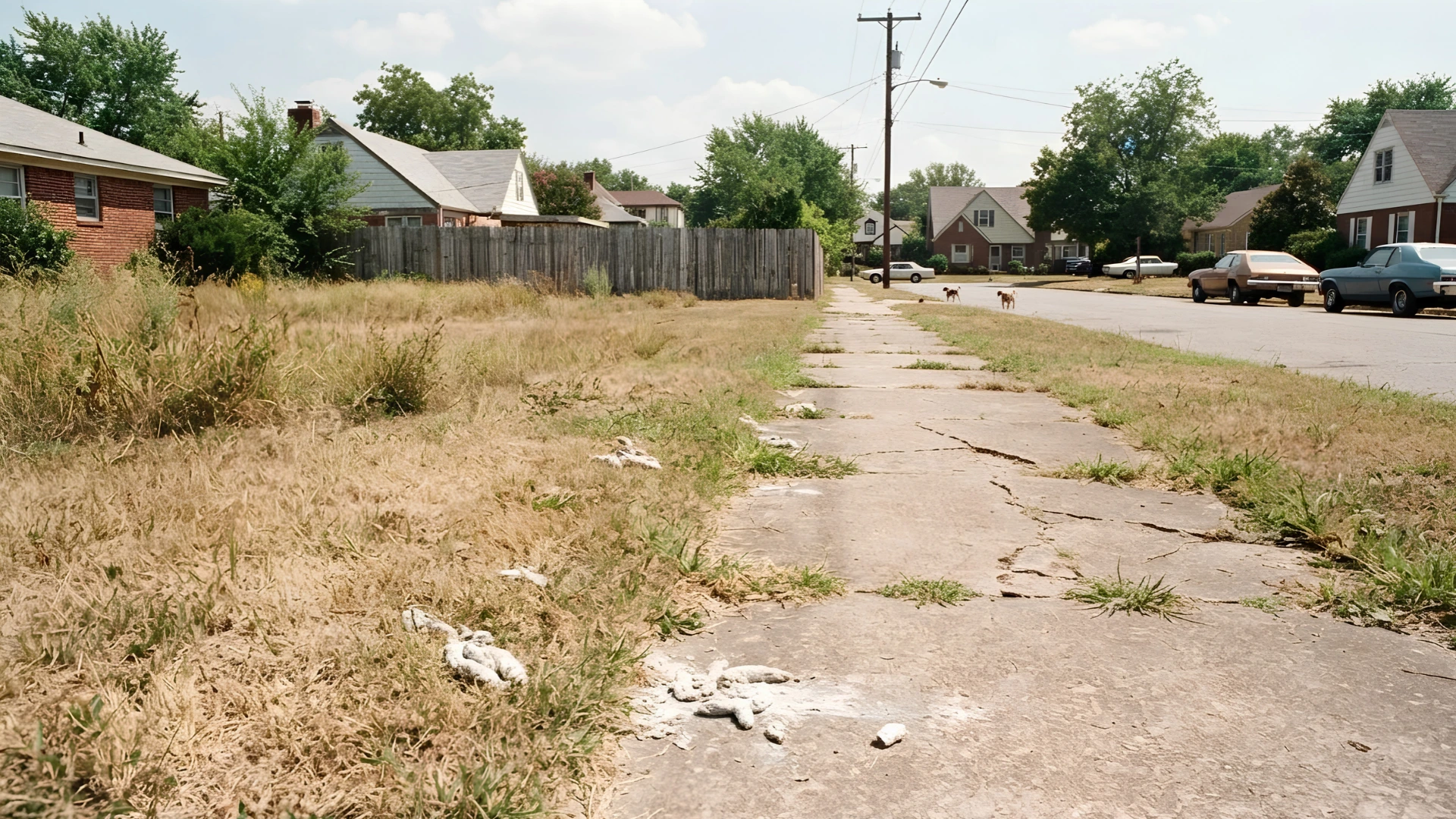
The memory is widespread, although the piles were not literally on every lawn or produced by every dog. People who grew up in the 1970s and 1980s often recall pale, crusty waste along sidewalks, parks, alleys, and empty lots. More free-roaming dogs and less routine cleanup allowed feces to remain outside long enough to dry fully.
Climate and diet shaped what each person saw. Dry, sunny weather preserved the chalky residue, while rain could soften or wash it away. Dogs eating foods with more ground bone were also more likely to leave recognizable white remains.
Those differences explain why some people remember it clearly, while others of the same age barely remember seeing it at all, a distinction worth keeping in mind since a white coating on fresh stool today usually points to something entirely different from old mineral residue.
How Old White Stool Differs From Fresh White Stool
For dog owners today, timing is the most useful clue. Stool that changes after days outdoors does not carry the same meaning as feces that look pale when passed.
What You See | What It May Mean | What to Do |
|---|---|---|
Brown stool that fades after sitting outside | Drying and weather exposure | Collect it and check the next fresh bowel movement |
Fresh, hard, chalky stool | Excess bone or calcium may be involved | Review recent foods and call a veterinarian if it repeats |
Fresh gray, clay-colored, greasy, or bulky stool | Digestion or bile coloring may be affected | Arrange veterinary advice |
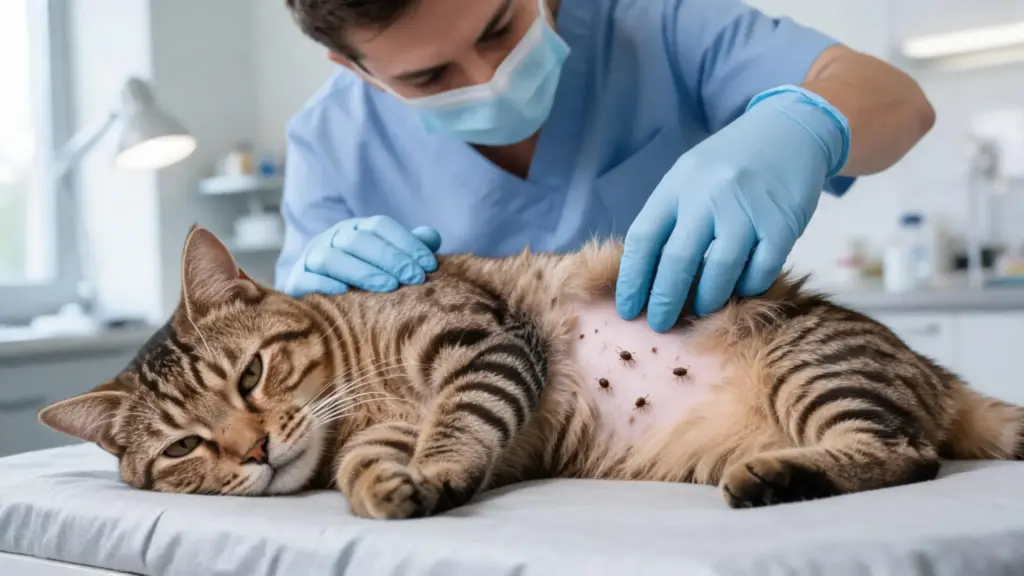
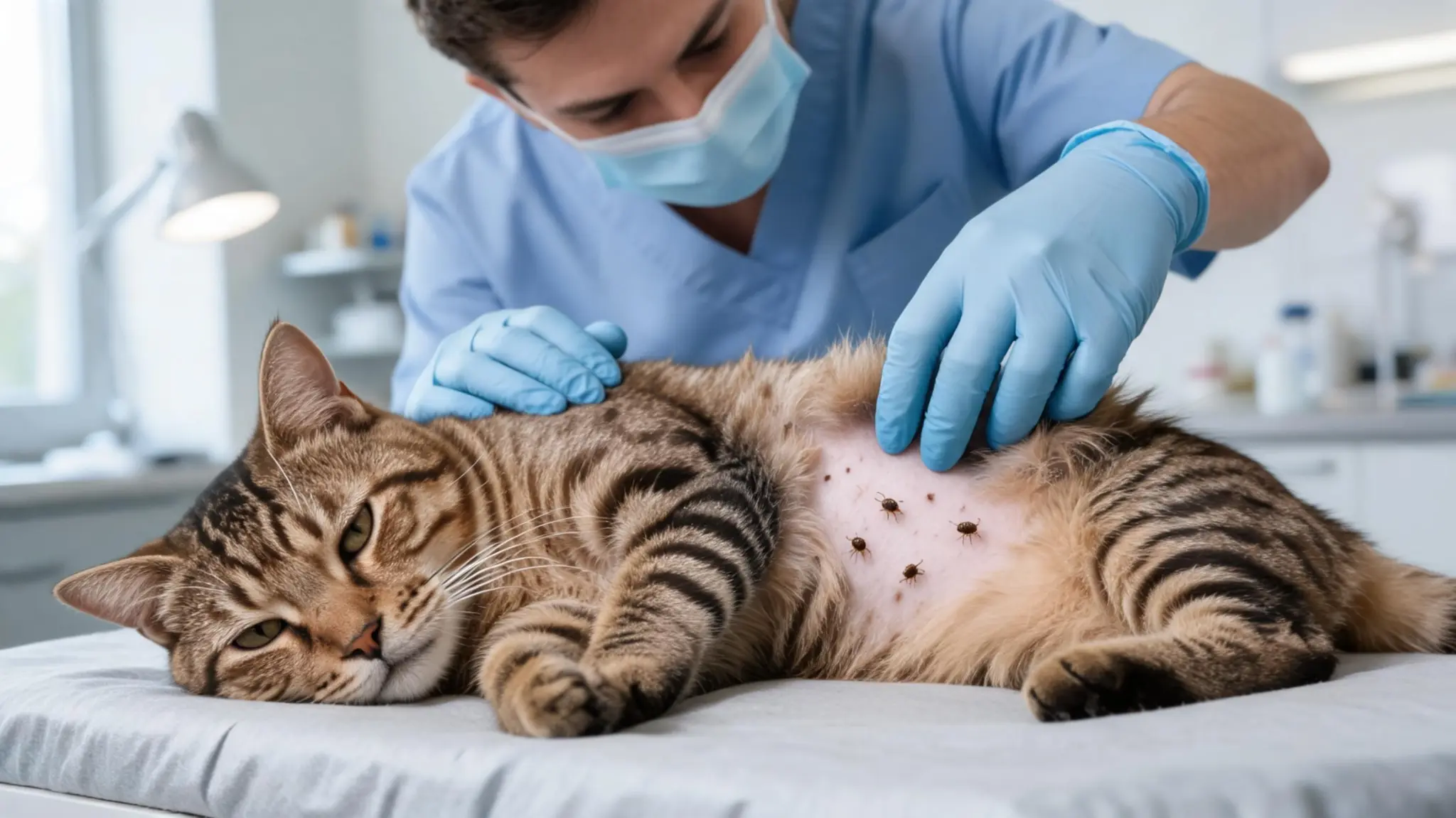
Small white pieces resembling rice | Possible tapeworm segments | Save a photo or sample and contact a veterinarian |
White or clear coating around brown stool | Mucus may be present | Monitor the dog and seek advice if it continues |
Tapeworm segments generally look like individual grains of rice rather than turning the full bowel movement white. The Companion Animal Parasite Council explains that dogs commonly acquire Dipylidium caninum by swallowing an infected flea.
A photo taken immediately after the bowel movement gives a veterinarian better information than a pile examined days later. Record its texture, frequency, and recent dietary changes as well as its color.
What Fresh White or Pale Poop Can Mean
Fresh discoloration is not the nostalgic lawn effect. It deserves attention when it returns, looks greasy, causes straining, or appears with other physical changes.
Too much bone, bone meal, or a calcium supplement can produce hard, chalky feces. Gray or clay-colored stool may occur when bile coloring is reduced, while pale, loose, bulky feces can accompany poor digestion.
The Merck Veterinary Manual lists weight loss, loose high-volume stools, and increased appetite among common signs of exocrine pancreatic insufficiency. White mucus may instead indicate intestinal irritation.
Appearance alone cannot identify the cause. The dog’s diet, stool texture, frequency, behavior, appetite, and other symptoms all help a veterinarian decide which examinations or tests are appropriate.
What to Do After Seeing White Dog Poop
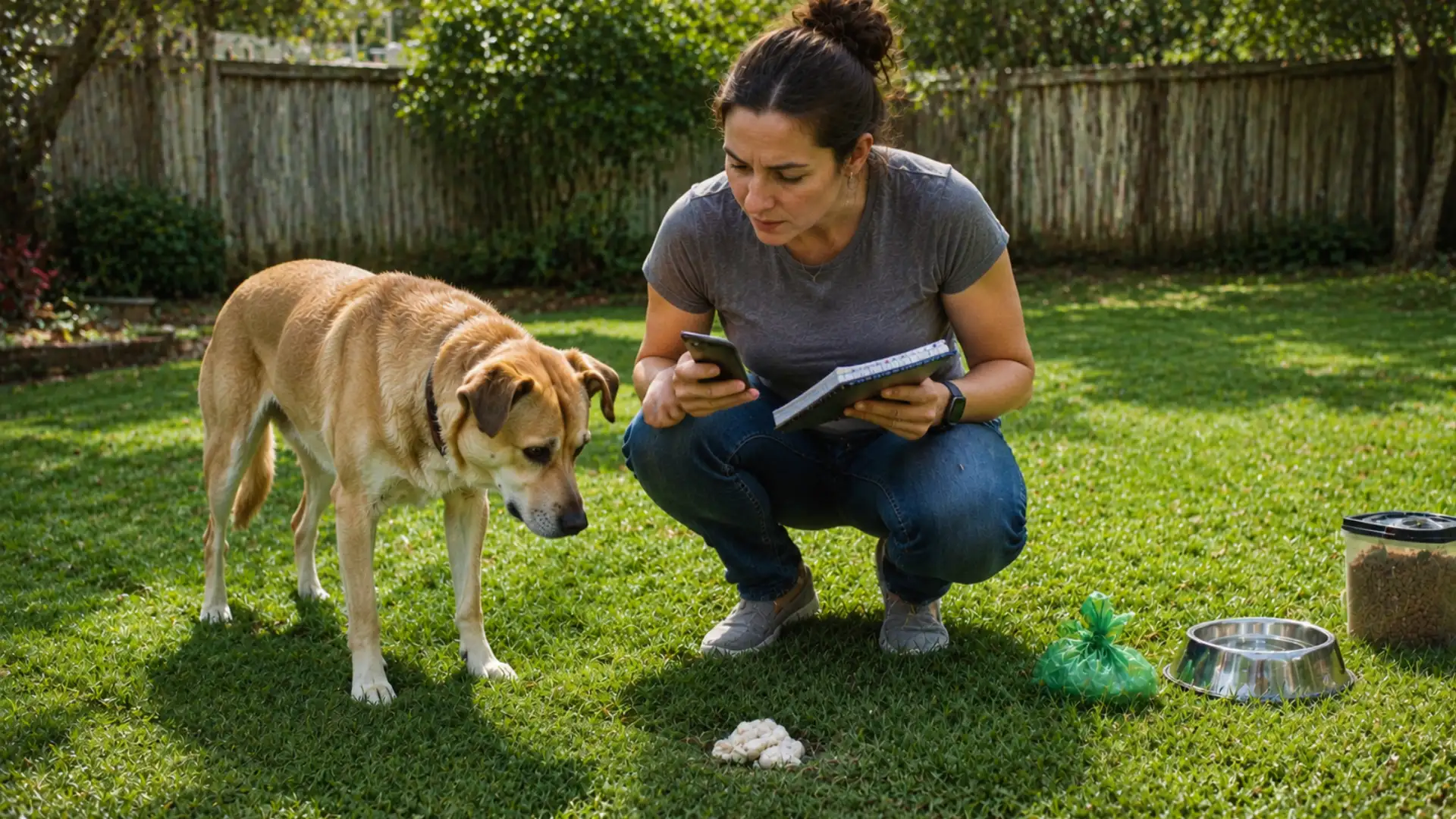
First establish whether the stool is fresh or weathered. Then check how your dog feels before deciding how quickly to seek help.
- Check its age. Waste found during yard cleanup may have faded after several days outside.
- Take a clear photo. Capture the color, consistency, coating, and any rice-like pieces before you dispose of it.
- Review recent intake. Look for raw bones, new food, calcium products, table scraps, or missing household items.
- Watch the next bowel movement. One isolated change in a comfortable dog may not continue, but repetition matters.
- Save a fresh sample if requested. A veterinarian may use it for parasite or digestive testing.
- Skip unapproved remedies. Do not give dewormers, laxatives, or supplements without identifying the problem first.
Schedule an appointment if pale or chalky stool returns, the dog strains, rice-like pieces appear, or weight loss develops. Seek prompt care for repeated vomiting, severe pain, inability to pass feces, marked weakness, yellow eyes or gums, blood, or suspected foreign-object ingestion.
Final Thoughts
If white dog poop feels tied to childhood sidewalks and lawns, your memory has a practical explanation. Older foods often contained more bone-derived calcium, and uncollected stool had time to dry until pale mineral residue remained.
Newer nutritional standards and changing recipes made that result less common, while routine cleanup removed waste before weather could finish the process.
The key distinction today is timing. An old pile that faded outdoors is usually weathered waste, while fresh white, gray, chalky, or greasy feces can point to diet or health concerns.
Check when it was passed, photograph unusual changes, and contact your veterinarian if the problem continues. Share this answer with someone who remembers those strange piles and asks where they went.
Frequently Asked Questions
Did Every Dog-Food Brand Change at the Same Time?
No. Product formulas, ingredient sourcing, and manufacturing standards changed across different companies over many years. There was no universal removal date, which helps explain why white piles faded gradually rather than disappearing from every neighborhood at once.
Can Cold Weather Make Dog Poop Turn White?
Freezing can lighten the surface by forming frost or drying exposed feces, but it does not create the classic calcium-heavy residue on its own. The pile may darken again after thawing if its pale appearance came only from ice.
Did Certain Dog Breeds Produce More White Poop?
Breed was not the main factor. Dogs eating food with more bone-derived minerals were more likely to leave chalky remains, regardless of breed. Body size could affect pile size, but diet and outdoor conditions controlled the color change.
Is Old Chalky Waste Safe to Handle?
Never handle dog feces with bare hands, even if it looks dry and old. Parasites and bacteria may remain present. Use a bag or scoop, discard the waste properly, and wash your hands afterward.