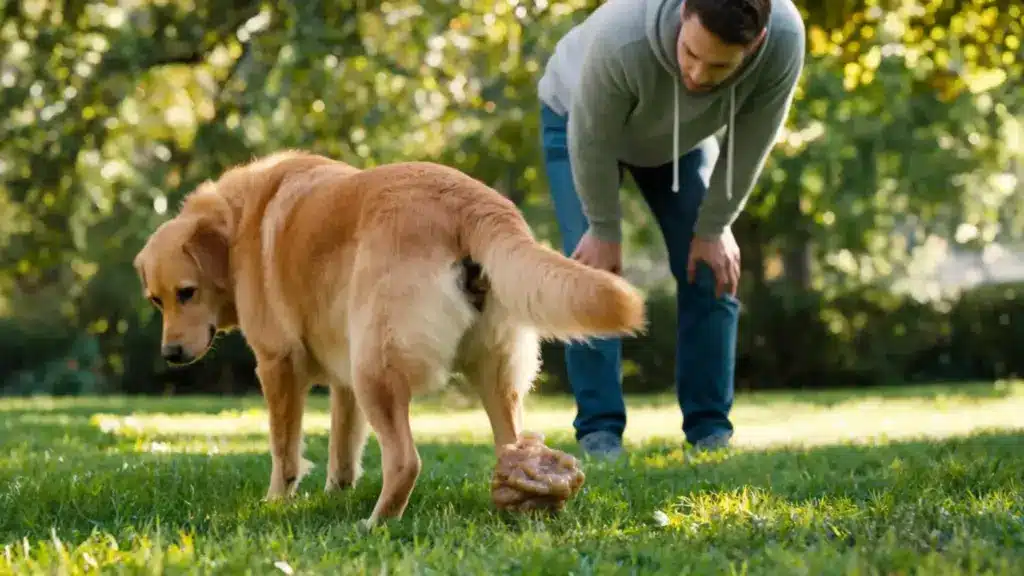
Few things catch a pet parent’s attention faster than an unexpected slimy coating on an otherwise normal bowel movement.
In more than 15 years of veterinary practice, I have seen mucus in dog poop appear after minor digestive irritation and alongside problems that need prompt care.
If you notice it, the amount, frequency, stool consistency, and your dog’s behavior matter more than the mucus alone.
Diet changes, stress, parasites, infections, and colon inflammation can all cause it. Puppies require closer attention because soft stool can lead to dehydration quickly.
The sections ahead explain what the mucus may mean, which changes deserve monitoring, how veterinarians find the cause, and what steps can help protect your dog while avoiding unsafe home treatment.
What Mucus in Dog Poop Means
Your dog’s intestines naturally produce a thin mucus layer that lubricates stool and protects the digestive lining. Most of it stays inside the bowel, so it is rarely visible.
When the colon becomes irritated, mucus-producing cells release more, creating clear slime, a white coating, jelly-like strands, or a shiny film around formed or soft stool.
This often happens with large-bowel irritation, commonly called colitis. A single small amount may settle without treatment when the dog remains active, comfortable, and interested in food.
Repeated mucus deserves closer attention, especially with diarrhea, blood, vomiting, straining, pain, loss of appetite, or low energy. The pattern and the dog’s overall condition provide more useful information than appearance alone.
Common Causes of Mucus in Dog Poop
Mucus is a response to intestinal irritation, not a diagnosis. Recent meals, routine changes, exposure risks, and repeated symptoms help narrow the most likely explanation.
1. Sudden Diet Changes and New Foods
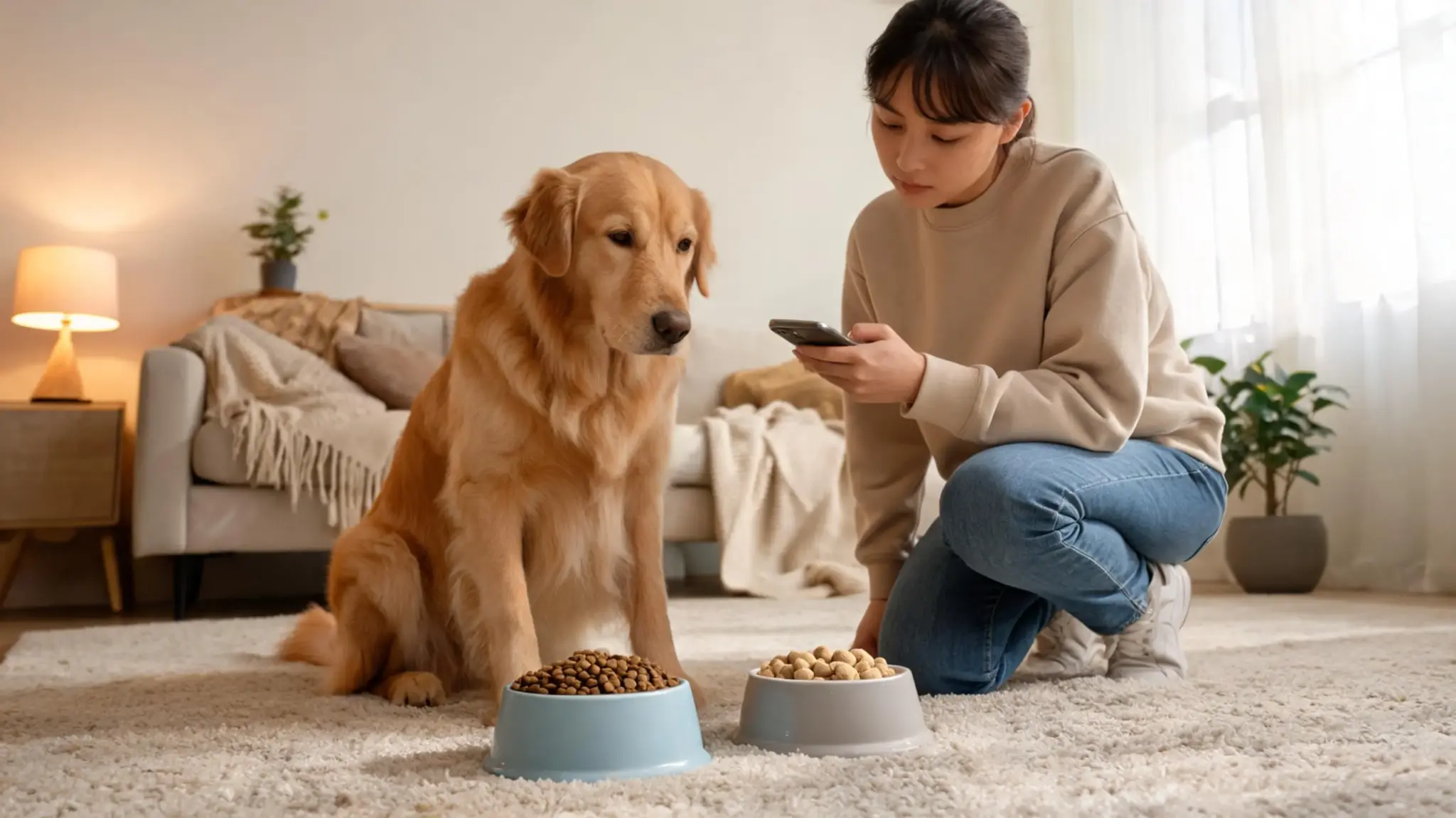
A sudden food switch can upset the intestinal microbiome before the digestive tract adjusts to new ingredients. Rich table scraps, fatty chews, unfamiliar treats, garbage, compost, or overeating can cause the same short-term irritation.
Diet-related mucus often appears with soft stool, gas, or urgency soon after the change. Transitioning food gradually over several days helps reduce the chance of digestive irritation, and knowing how to settle a dog’s upset stomach quickly can help if loose stool develops alongside it.
2. Stress and Colon Irritation
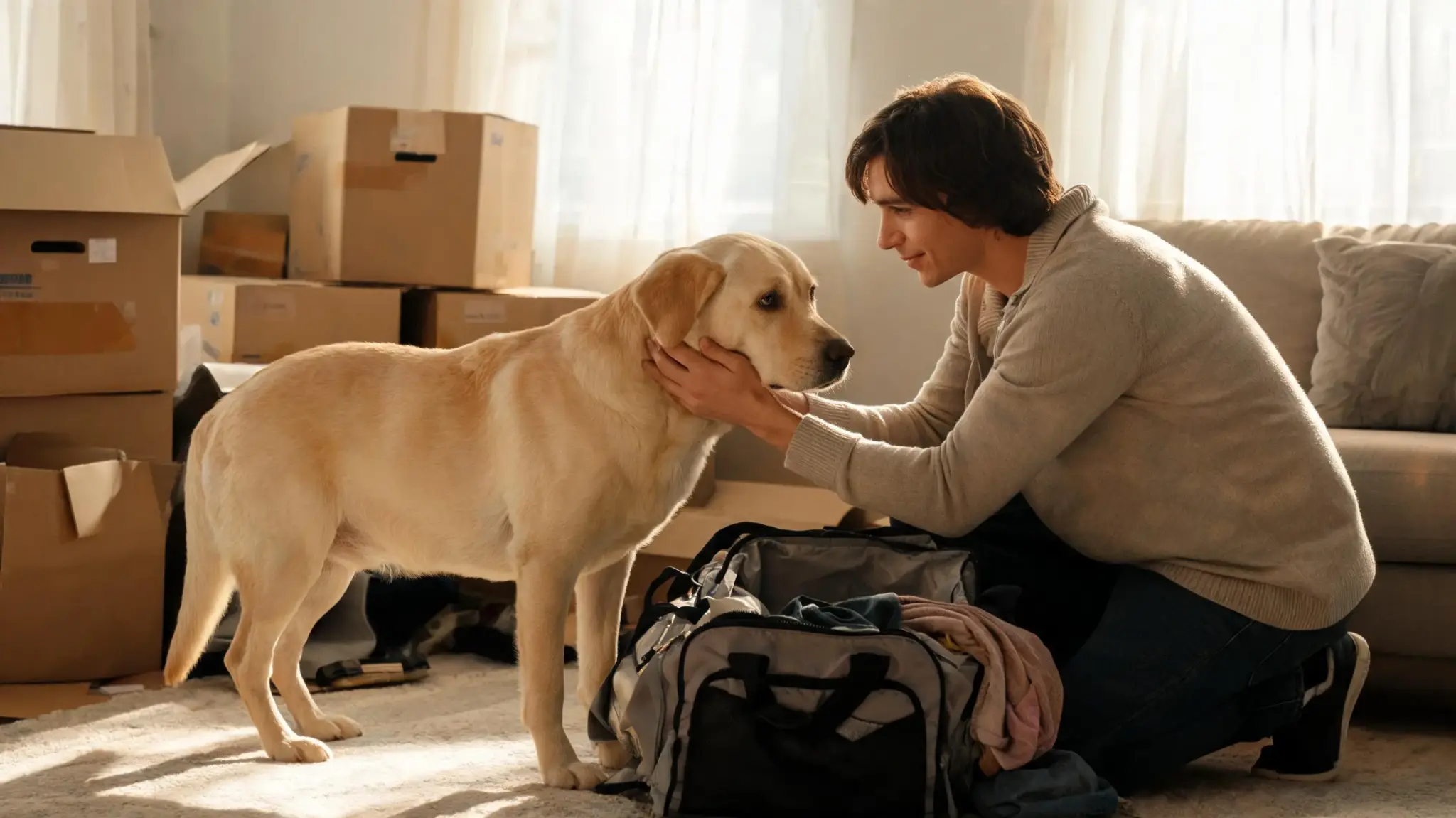
Stress can change colon movement and trigger inflammation known as stress colitis. Common triggers include boarding, daycare, travel, moving, visitors, fireworks, or a sudden routine change.
Dogs may pass small amounts of loose stool more frequently, often with mucus, straining, or fresh red streaks. Symptoms may settle after the stressful event, but persistent changes still need prompt veterinary assessment.
3. Parasites and Intestinal Infections
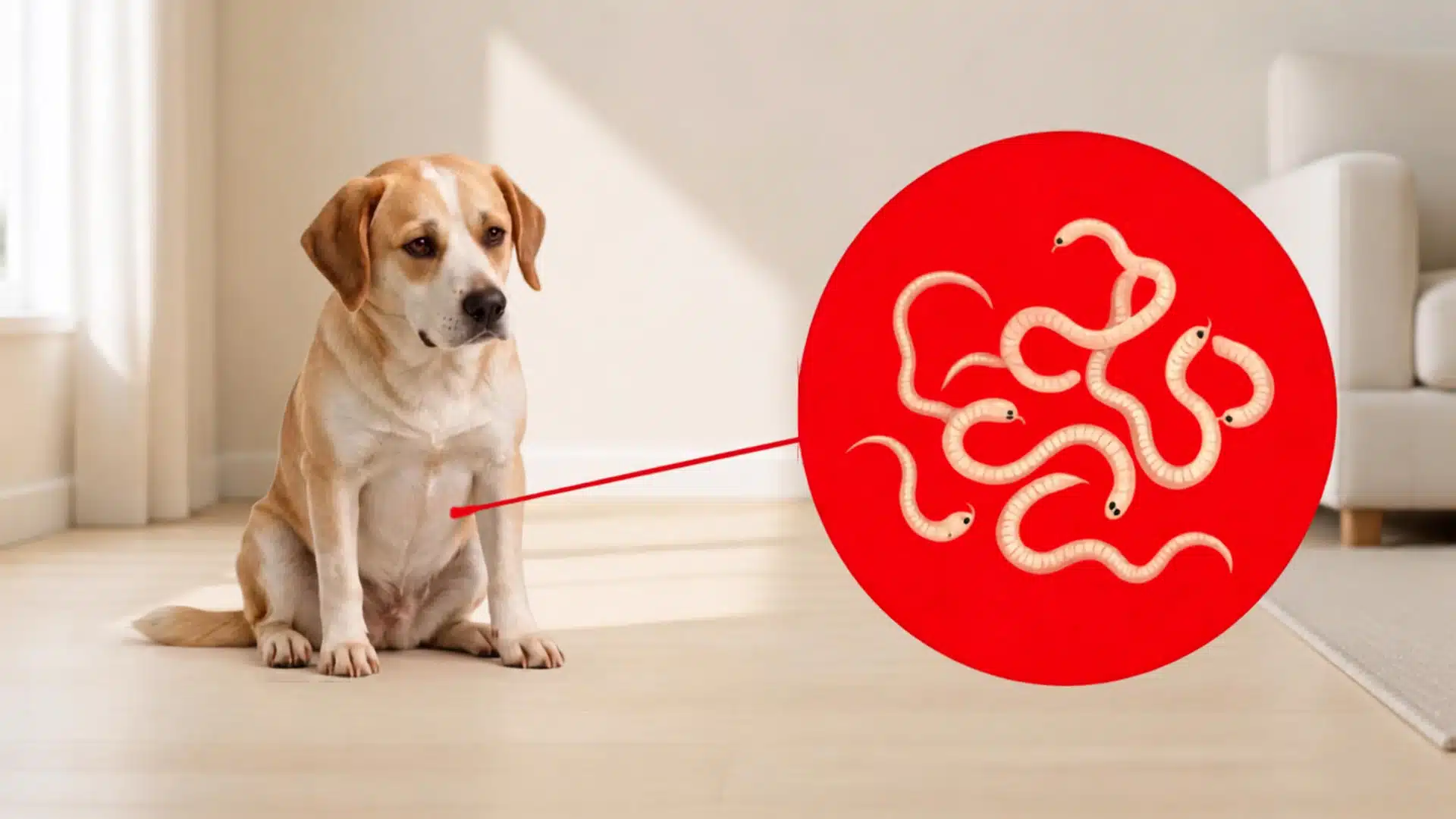
Intestinal parasites such as Giardia, whipworms, roundworms, hookworms, and coccidia can irritate the bowel lining and produce mucus or diarrhea, and recognizing the specific symptoms hookworms cause can help you describe what you’re seeing more precisely to your vet.
Risk rises after contact with infected feces, contaminated soil, standing water, shared yards, or crowded dog areas. Stool appearance alone cannot reliably identify parasites.
A veterinarian may request fecal testing, and some infections require repeated or specialized tests because shedding can be intermittent.
4. Food Sensitivities and Intolerances
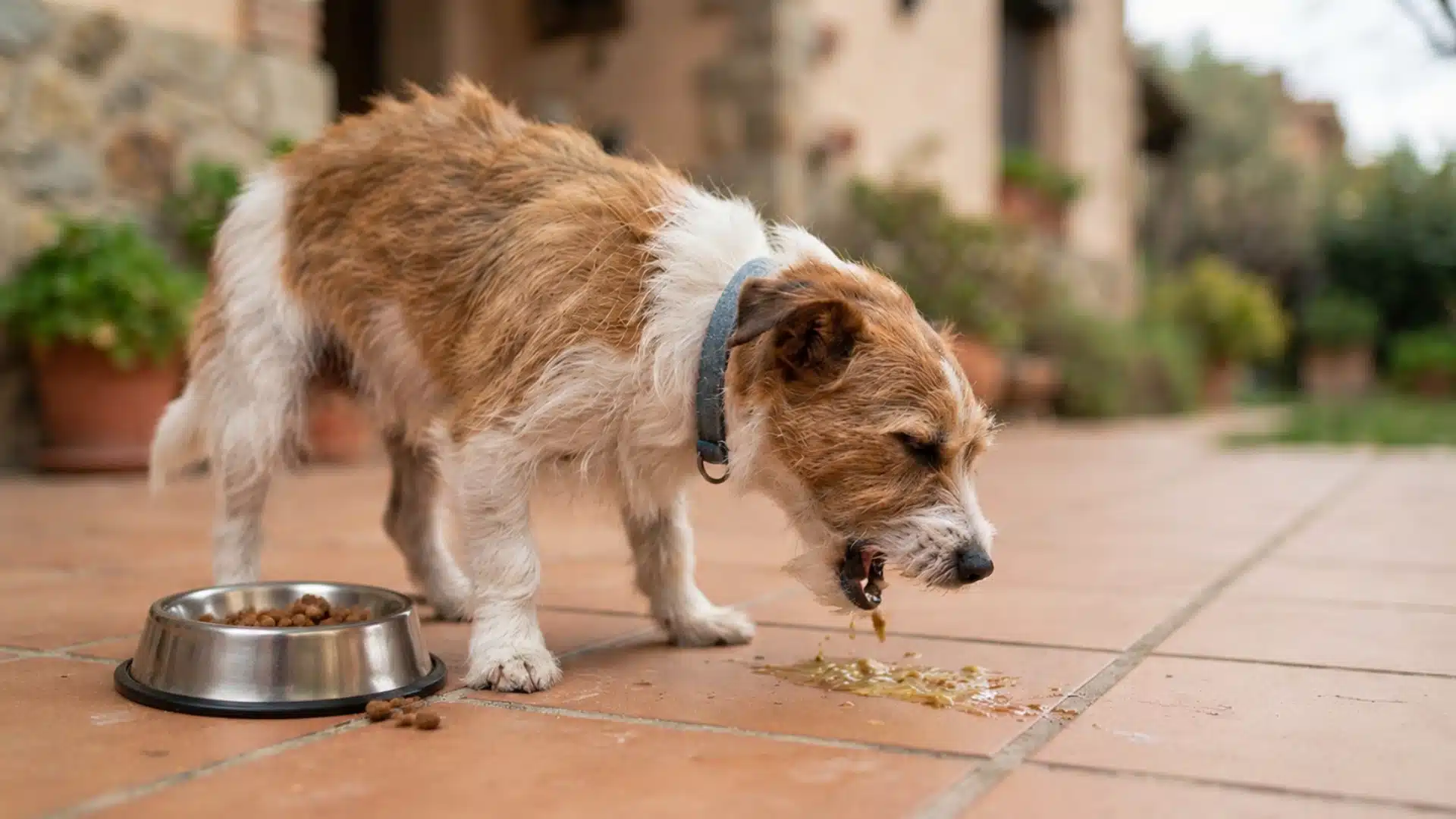
A food sensitivity or intolerance can cause recurring inflammation after a dog eats a poorly tolerated ingredient.
The pattern may include repeated mucus, soft stool, gas, or urgency rather than one isolated episode. Frequent food switching makes the trigger harder to identify.
A veterinarian may recommend a controlled diet trial using one suitable diet, fed consistently without extra treats or flavored supplements.
5. Chronic Digestive Conditions
Mucus that repeatedly returns may point to chronic colitis, chronic enteropathy, or another inflammatory digestive disorder.
These conditions are more likely when stool problems continue for weeks or occur with frequent urgency, appetite changes, weight loss, or poor body condition.
Diagnosis may require blood work, fecal tests, imaging, or a diet trial. Long-term treatment depends on the confirmed condition, not mucus alone.
Common causes can look remarkably similar at home. Tracking timing and accompanying signs gives the veterinarian stronger clues and prevents guesswork from delaying appropriate care.
Why Puppy Soft Stool Needs Closer Attention
Puppy soft stool with mucus may begin after routine changes, but young dogs can lose fluids quickly. Check the cause and accompanying symptoms before monitoring at home, the same close monitoring that applies when a puppy also shows signs of nausea alongside digestive changes.
- Common triggers: Rapid food changes, new treats, overeating, scavenging, travel, vaccination-day stress, and moving into a new home may temporarily upset digestion.
- Infection risks: Parasites and gastrointestinal infections become more likely after contact with shared yards, feces, standing water, or unfamiliar dogs.
- When to call: Contact a vet for repeated loose stool, increasing mucus, blood, vomiting, poor appetite, weakness, pain, reduced drinking, or watery diarrhea.
- Safe next step: Avoid fasting or human diarrhea medicines. Ask about stool testing if symptoms persist, or if vaccination and parasite-prevention histories are incomplete.
Careful monitoring helps separate a brief digestive upset from a problem needing veterinary care, especially when loose stool or mucus continues in a young puppy.
What Different Stool Changes Can Mean
Stool appearance offers useful context, but no color or texture can diagnose the cause on its own. Use the pattern below to decide which details deserve attention.
What Appears | What It May Suggest | Sensible Response |
|---|---|---|
Clear or white coating | Mild colon irritation, especially when seen once | Monitor the next bowel movements and overall behavior. |
Mucus with soft stool | Active digestive upset caused by food, stress, parasites, or illness | Note frequency and call the veterinarian if it repeats. |
Mucus with bright red blood | Lower-bowel irritation, straining, or colitis | Request veterinary advice, especially if the blood returns or increases. |
Black, sticky, tar-like stool | Digested blood rather than ordinary mucus | Seek prompt veterinary assessment. |
A photograph taken in natural light can preserve details that change before an appointment.
Record frequency, appetite, energy, and recent exposures alongside the image, then continue observing during the next several hours.
What to Do After Seeing Mucus
Simple observations can help during a mild episode and make a veterinary call more productive. These steps focus on useful evidence, hydration, and avoiding added irritation.
- Check the dog: Note energy, appetite, drinking, pain, vomiting, stool frequency, and straining.
- Review recent events: List new food, treats, scavenging, travel, boarding, stress, puddle water, and missed parasite prevention.
- Pause extras: Avoid introducing new food, chews, supplements, or rich treats while the pattern is unclear.
- Keep water available: Encourage normal access, but seek advice if drinking stops or vomiting prevents fluids from staying down.
- Take a photograph: Capture color, consistency, blood, and approximate mucus amount in good light.
- Save a sample: Place a fresh stool sample in a clean, sealed container if the clinic requests one.
Do not use leftover antibiotics or human antidiarrheal medicine. If symptoms persist, worsen, or include a red flag, contact a veterinarian instead of continuing home monitoring.
Common Prevention Mistakes to Avoid
Immediate observation handles the current episode. Preventing another depends on sanitation, consistent feeding practices, and completing veterinary care correctly after identifying an underlying cause.
- Leaving bowls unwashed: Wash food and water bowls daily and clean measuring scoops and containers regularly to limit bacterial buildup.
- Storing food poorly: Keep kibble sealed in the original bag inside an airtight container, check dates, and discard spoiled food.
- Guessing portions: Measure meals and use a consistent schedule to prevent overfeeding and make appetite changes easier to notice.
- Stopping treatment early: Complete prescribed parasite or infection treatment as directed, including repeat doses or retesting, even when stool improves.
- Skipping cleanup after parasites: Remove yard feces promptly and wash contaminated bedding and crate surfaces to reduce reinfection.
These habits address risks that daily symptom tracking cannot prevent. Ask the veterinarian which sanitation, feeding, and follow-up steps best fit the dog’s confirmed diagnosis.
Final Thoughts
One unusual bowel movement does not always point to serious illness, but the surrounding signs can change the situation quickly.
Mucus in dog poop may follow dietary upset, stress, parasites, infection, or colon irritation. I recommend watching stool frequency, appetite, energy, hydration, vomiting, pain, and any blood.
You should contact a veterinarian when mucus returns, diarrhea continues, or concerning symptoms appear. Puppies need earlier attention because they can lose fluids faster.
A photograph, recent food history, and fresh stool sample can also help the clinic assess the problem.
Avoid human medicines and leftover treatments unless a veterinarian approves them. If these tips helped, share your experience in the comments or read another dog health blog.
Frequently Asked Questions
Can Intense Exercise Cause Mucus in Dog Poop?
Intense exercise can briefly speed intestinal movement and upset digestion. Repeated mucus is not expected, so contact a veterinarian if abnormal stool continues or other symptoms appear.
Does a Dog’s Breed Affect Mucus Risk?
Breed alone rarely explains mucus. Some breeds are prone to specific intestinal disorders, so assess repeated episodes using breed, age, history, and other symptoms.
Why Does Mucus in Dog Poop Smell Strong?
Mucus usually has little odor. Strong smells may come from stool bacteria, diet changes, poor digestion, or infection, and they can’t confirm the underlying cause.
Can a Dog Pass Mucus Without Stool?
Yes. Colon irritation can cause urgency that passes mucus without much stool. Repeated episodes, blood, pain, weakness, or vomiting require veterinary advice.