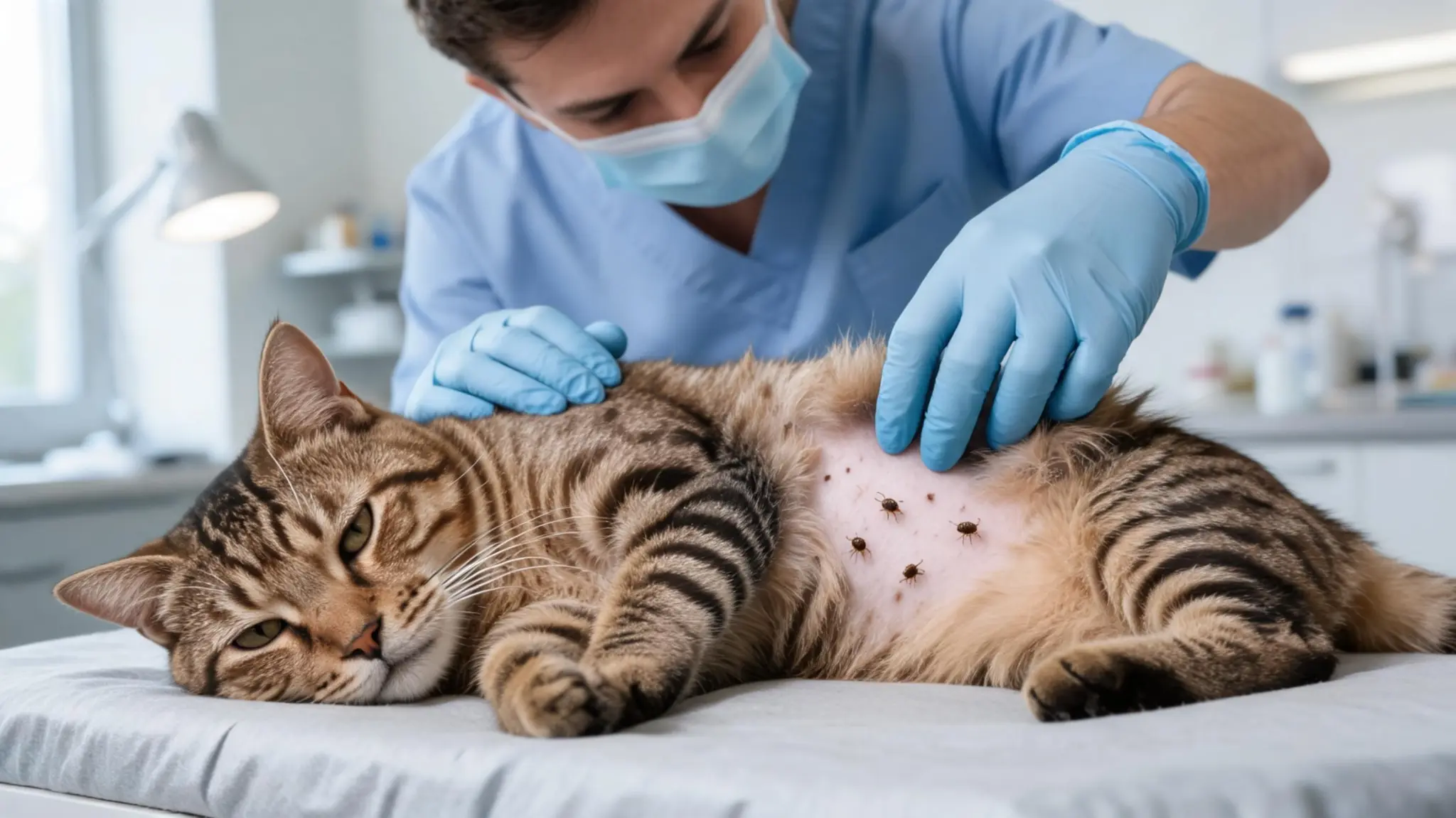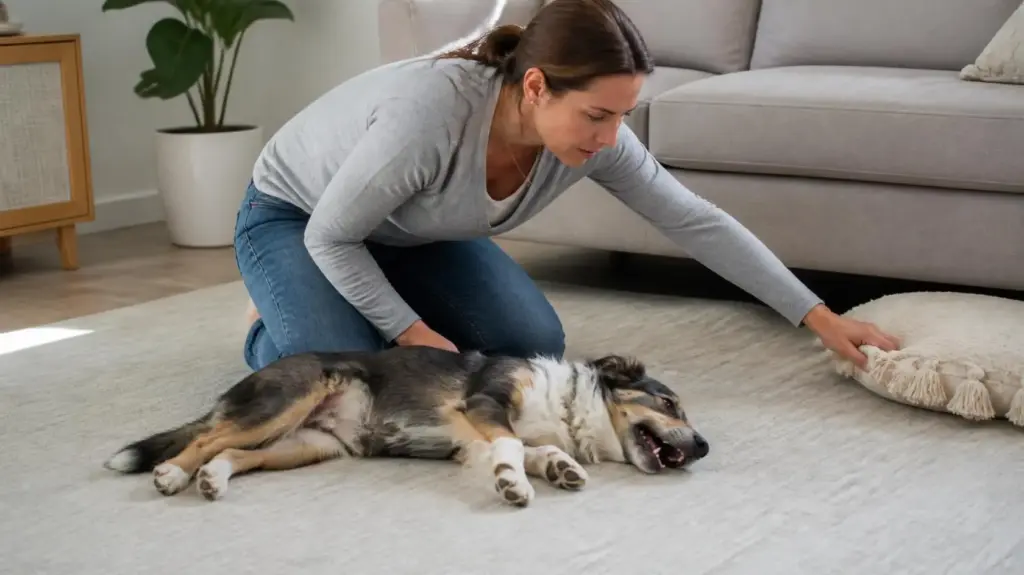
Seeing your dog fall, stiffen, paddle, drool, or stop responding can make every second feel much longer. Your next few actions matter, but they can stay simple.
If the seizure is happening now, start a timer, move dangerous objects away, and keep your hands clear of your dog’s mouth. Do not hold your dog down or try to give food, water, or medicine by mouth.
Knowing what to do when a dog has a seizure helps you protect your pet without putting either of you at risk. The steps below cover the active episode first, followed by emergency warning signs, safe recovery care, and details your veterinarian will need today.
What to Do If Your Dog Is Seizing Right Now
Your first job is to prevent injury, not stop the seizure. Follow these steps in order while keeping yourself a safe distance from your dog’s head.
- Start a phone timer: Record the full length of the episode rather than estimating afterward.
- Move nearby hazards: Shift furniture, lamps, cords, and sharp objects out of the way.
- Block dangerous areas: Prevent access to stairs, pools, fireplaces, balconies, and open doors.
- Lower stimulation: Dim bright lights, reduce noise, and move children and other animals into another room.
- Keep your hands away from the mouth: Your dog cannot control jaw movements during a seizure.
- Record a short video if it is safe: The footage may help your veterinarian identify the episode type.
If your dog is near stairs, position yourself below the dog when it is safe, but do not grab the head or legs. Move surrounding hazards before attempting to move your pet.
Keep watching the timer throughout the episode. Call an emergency veterinary clinic if the seizure reaches five minutes.
Common Reactions That Can Cause Harm
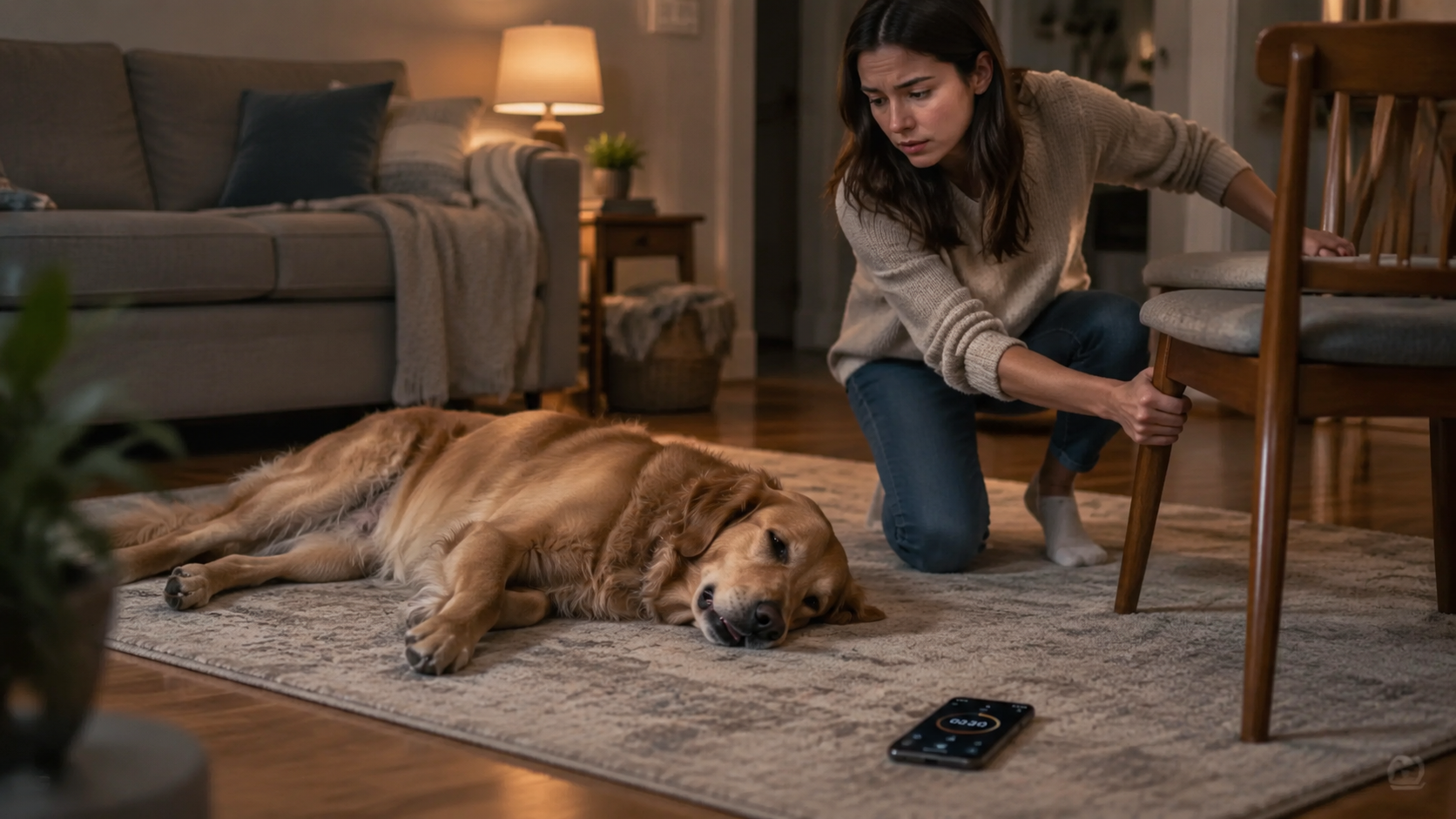
A seizure can make you feel as though you need to hold, wake, or physically help your dog. Those reactions may increase the risk of injury without shortening the episode.
1. Keep hands and objects away from the mouth
Dogs do not swallow their tongues during seizures. Placing fingers, cloth, spoons, or other objects inside the mouth can cause broken teeth, choking, or a serious accidental bite.
2. Let the movements pass without restraint
Do not hug, pin, shake, or hold your dog down. Restraint cannot stop the abnormal brain activity and may injure your dog’s muscles, joints, or spine.
3. Wait before giving anything by mouth
Food, water, pills, and liquid medicine can enter the airway while swallowing and coordination are impaired. Wait until your dog is alert, steady, and able to swallow normally, the same caution that applies to any home attempt to get a dog to vomit without veterinary guidance.
4. Skip unapproved treatments
Ice, cold water, strong smells, essential oils, and human medicine are not appropriate seizure first aid. Use rescue medication only when your veterinarian has prescribed it for this dog and provided exact instructions, the same reasoning behind why inducing vomiting at home carries real risk without professional direction.
Your safest role is to control the surroundings, monitor the time, and seek veterinary help when needed. Physical intervention rarely helps and can place both you and your dog at risk.
Does Your Dog Need Emergency Care?
Not every short seizure requires an emergency hospital visit, but certain signs should never be monitored at home. Use the event length, recovery, and surrounding circumstances to choose the next action.
What Is Happening? | What to Do |
|---|---|
Seizure reaches five minutes | Go to an emergency veterinary clinic |
Another seizure begins, or several occur within 24 hours | Seek emergency care |
Breathing changes, gums discolor, or recovery stalls | Seek emergency care immediately |
Poisoning or injury is possible | Contact an emergency veterinarian |
First seizure ends with normal recovery | Call your regular veterinarian promptly |
A 2024 American College of Veterinary Internal Medicine consensus statement supports rapid treatment for status epilepticus and cluster seizures. A seizure lasting longer than five minutes or repeated episodes without full recovery can become life-threatening.
When the correct response is unclear, call a veterinary clinic and report the duration, recovery signs, medical history, and possible exposures. Calling early is safer than waiting for another warning sign.
Possible Reasons a Dog Has a Seizure
A seizure is a sign, not a single diagnosis. A veterinarian will consider several possible causes based on your dog’s age, health, symptoms, and medical history.
- Blood or organ problems: Low blood sugar, electrolyte changes, liver disease, or kidney disease
- Brain-related conditions: Head trauma, inflammation, infection, stroke, or a brain tumor
- Toxic substances: Xylitol, chocolate, caffeine, antifreeze, alcohol, certain rodenticides, or medications
- Epilepsy: Repeated seizures without an identified structural or metabolic cause
- Diagnostic factors: Age, breed, seizure pattern, examination findings, and previous health problems
Do not induce vomiting unless a veterinarian or animal poison specialist instructs you to do so. Keep any product packaging and report the possible amount consumed, exposure time, and your dog’s weight, since recognizing the fuller range of poisoning symptoms in dogs can help you describe the episode accurately when you call.
Your veterinarian may recommend blood tests, urine tests, heart assessment, imaging, or neurological testing to identify the cause.
Caution: If you suspect your dog got into a toxic substance, don’t wait for symptoms to worsen. Contact an emergency vet or a pet poison hotline right away, even if your dog still seems fine.
What Happens After a Seizure?

Your dog may not return to normal immediately after the shaking stops. The recovery period can last from several minutes to a few hours.
During this time, your dog may seem confused, walk unsteadily, pace, bump into furniture, act temporarily blind, or become unusually tired, hungry, or thirsty. These reactions should gradually improve.
Keep the room quiet and dim. Block stairs, pools, sharp corners, and open doors. Speak softly, avoid crowding your dog, and keep children and other animals away.
Wait until your dog is fully alert, standing steadily, and swallowing normally before offering a small amount of water. Food can follow once coordination has returned.
Watch your dog’s breathing, gum color, movement, and awareness. Seek urgent veterinary care if recovery stalls, breathing changes, another seizure begins, or your dog remains unresponsive.
Caution: Don’t offer food, water, or medication until your dog can stand steadily and swallow normally. Doing so too early raises the risk of choking or aspiration pneumonia.
What Real Dog Owners Say
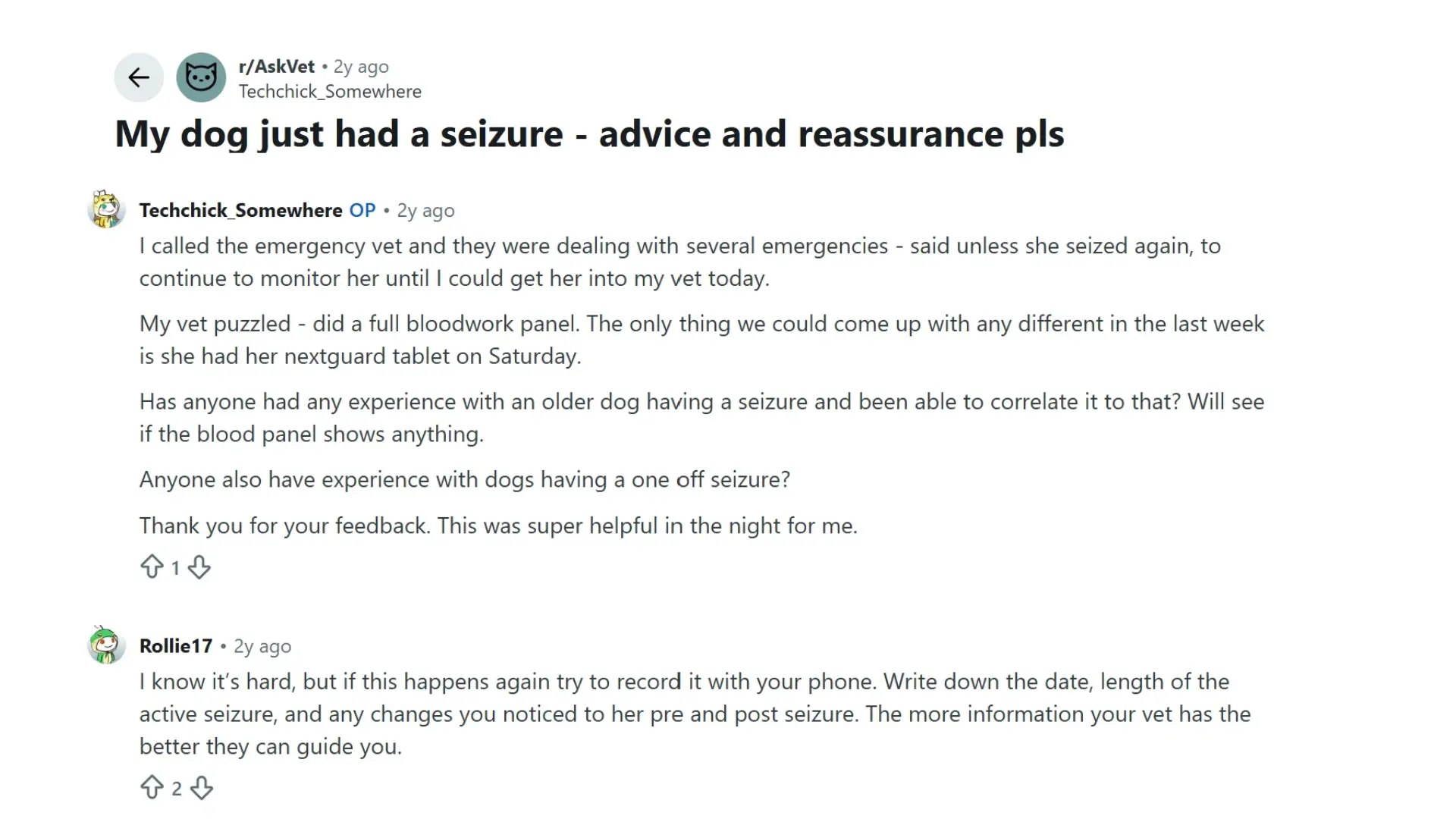
On Reddit’s r/AskVet, one owner described her 9-year-old Australian Shepherd’s first seizure. It started with the dog running in circles as if chasing something invisible, ignoring her name entirely.
Within seconds, the dog reached the end of the room, collapsed, and began seizing, foaming at the mouth and twitching for about 30 seconds. The owner stayed close, holding and comforting her dog until the episode passed and she regained awareness.
She called her regular vet right away, planning to head to an emergency clinic only if another seizure happened before morning.
Afterward, the dog appeared mostly normal, just panting heavily, a pattern common in first-time seizure cases: a sudden episode followed by a calm response and a same-day vet call.
How To Prepare for Another Dog Seizure?
Preparation can reduce hesitation during a future episode. Build a written plan with the veterinarian who knows your dog’s diagnosis, medicines, and seizure pattern.
Save the phone numbers and addresses for your regular clinic and nearest emergency hospital. Keep medication schedules consistent, maintain the seizure record, and ask exactly when an episode requires travel.
Some dogs with diagnosed seizure disorders receive intranasal or rectal rescue medicine. When rescue treatment is prescribed, clear instructions and a practical home protocol matter. Use such medicine only for the dog named on the prescription and exactly as directed.
Secure common household hazards and keep a leash, towel, carrier, or transport board accessible for your dog’s size. Recheck the written plan after any change in seizure frequency, recovery, treatment, or general health.
Conclusion
When fear takes over, return to the few actions that matter most. Start the timer, clear nearby hazards, reduce noise and light, and keep your hands away from the mouth.
Do not restrain your pet or give anything by mouth during the episode. Knowing what to do when a dog has a seizure also means recognizing the five-minute emergency threshold, repeated episodes, breathing trouble, possible poisoning, and poor recovery.
Afterward, keep your dog in a quiet, secure area and record the event for the veterinarian. Save your regular clinic and emergency hospital numbers now, then ask your veterinarian for a written seizure plan suited to your dog’s health and history.
Frequently Asked Questions
Can an Episode Happen While a Dog Is Sleeping?
Yes. A sleeping dog may also twitch in its sleep, but seizure movements tend to be more rigid or forceful and may continue despite normal attempts to wake the dog. Confusion after waking also deserves veterinary review.
Are These Episodes Painful for Dogs?
Dogs are often unaware during a generalized episode, so the electrical event itself may not cause conscious pain. Muscle strain, falls, overheating, biting the tongue, or an underlying illness can still cause discomfort requiring assessment.
Can a Dog Live a Normal Life With Epilepsy?
Many dogs with epilepsy maintain good daily function when treatment, medication monitoring, and home records are consistent. Prognosis varies with the underlying cause, episode frequency, treatment response, and complications, so individual veterinary follow-up remains important.
Should Other Pets Be Kept Away During Recovery?
Yes. Other pets may crowd, startle, or react defensively toward a confused dog. Separate them with a closed door or secure barrier until the dog’s awareness and movement return to normal, then supervise a calm, gradual reintroduction later.