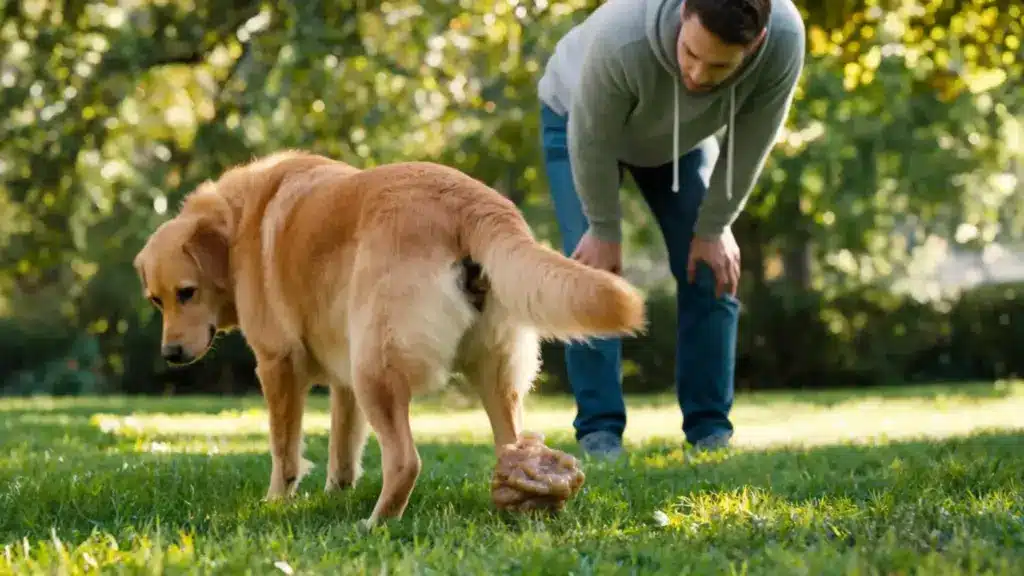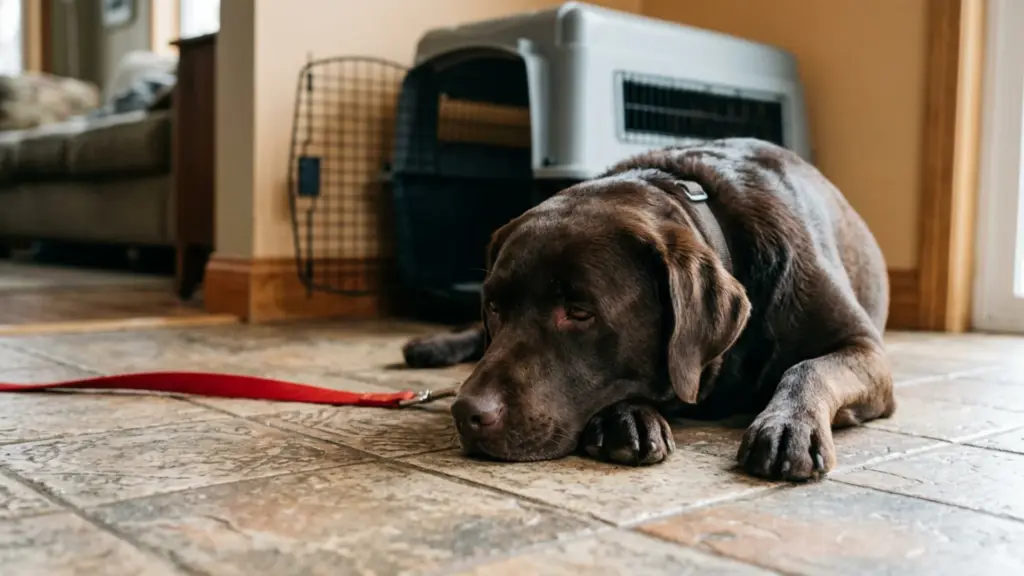
It starts with something that seems easy to dismiss. Your dog asks to go outside again, strains to pee, or suddenly has an accident indoors.
At first, it might not seem urgent, but these changes can sometimes indicate bladder stones in dogs, a common urinary problem that warrants attention. I remember assuming it was just a minor bladder irritation the first time I noticed these signs.
After looking into it, I realized the same symptoms can have several causes, including bladder stones. These mineral deposits form when certain substances in the urine crystallize rather than remain dissolved.
Some remain tiny like grains of sand, while others grow much larger. Knowing what they are and recognizing the early warning signs can help you understand what your veterinarian may be looking for and what comes next.
What are Bladder Stones in Dogs?
Vets call them uroliths, and the term simply describes rock-like mineral formations that form inside the urinary tract.
Most of the time, they sit in the bladder, though they can occasionally travel toward the kidneys or get stuck lower down in the urethra.
They form when the concentration of certain minerals in the urine becomes too high, or when the urine’s pH shifts in a way that allows crystals to stick together instead of flushing out.
Some stones take a few weeks to grow. Others take months, depending on how quickly crystals accumulate and how much they’re diluted by water intake. Several types of bladder stones can develop in dogs.
Struvite and calcium oxalate stones together account for the overwhelming majority of cases, with purine, cystine, and silica stones occurring far less often and usually in specific breeds with a genetic predisposition.
Common Signs of Bladder Stones in Dogs
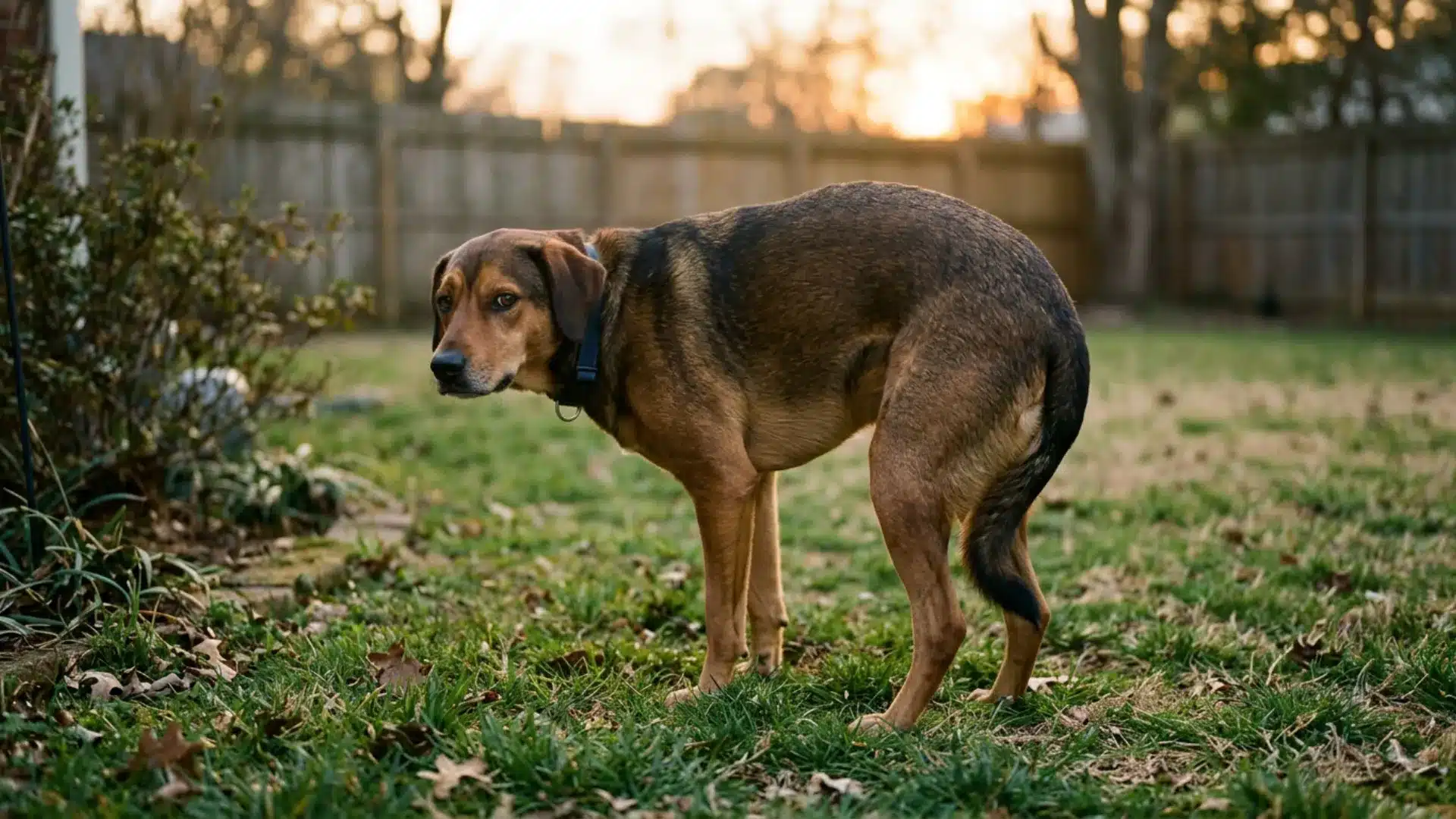
Most symptoms of bladder stones in dogs result from the stones repeatedly irritating the bladder lining.
- Straining to Urinate: Your dog squats longer than usual but passes only a few drops of urine or none at all.
- Frequent Urination: More trips outside with only small amounts of urine each time.
- Blood in the Urine: Pink, red, or rust-colored urine caused by irritation of the bladder lining.
- Accidents Indoors: Even house-trained dogs may lose bladder control due the a constant urge to urinate.
- Licking the Genital Area: Repeated licking often indicates urinary discomfort.
- Pain While Urinating: Whining, yelping, or a tense posture.
Some dogs show few or no symptoms, especially when the stones are small, making routine veterinary checkups important.
If your dog seems unusually withdrawn or restless, it’s also worth reading about sudden behavior changes, as bladder pain can sometimes affect behavior before obvious urinary signs appear.
Note: These symptoms can also occur with urinary tract infections and other urinary conditions. Contact your veterinarian promptly if your dog develops any of these signs.
What Causes Bladder Stones in Dogs?
Bladder stones usually develop when conditions inside the urinary tract allow minerals to crystallize and stick together.
Several health and lifestyle factors can increase the chances of this happening.
- Bladder Stones in Dogs: usually develop from a combination of urine chemistry, hydration, infections, and genetics rather than a single cause.
- Urinary Tract Infections (UTIs): Certain bacteria make urine more alkaline, creating ideal conditions for struvite stones.
- Urine PH Imbalance: Struvite stones form more easily in alkaline urine, while calcium oxalate stones are more common in acidic, concentrated urine.
- Low Water Intake: Concentrated urine allows minerals to clump together more easily. Dogs that don’t drink enough water are at higher risk, so it’s important to recognize early signs of dog dehydration and encourage proper hydration.
- Diet: Diets high in certain minerals or those that significantly alter urine pH may increase the risk in some dogs.
- Genetics & Metabolism: Some breeds inherit traits that predispose them to certain stone types, regardless of diet or hydration.
Even dogs with good nutrition and plenty of water can develop bladder stones if an underlying infection or metabolic condition is present.
Note: These are common risk factors and are not a substitute for a veterinary diagnosis or treatment plan.
Risk Factors for Bladder Stones in Dogs
Some dogs are simply built in a way that makes stones more likely, and knowing where your dog falls on this list can help you catch symptoms earlier rather than later.
| Stone type | Higher-Risk dogs | Typical pattern |
|---|---|---|
| Struvite | Shih Tzus, Miniature Schnauzers, Bichon Frises, Lhasa Apsos, Yorkshire Terriers, Cocker Spaniels | More common in females, often tied to UTIs, average age around 2 to 4 years |
| Calcium oxalate | Miniature Schnauzers, Yorkshire Terriers, Bichon Frises, small-breed males | More common in older, neutered males |
| Purine (urate) | Dalmatians, dogs with liver shunts | Linked to a metabolic quirk in how the body processes uric acid |
| Cystine | English Bulldogs, Dachshunds, Newfoundlands | Caused by a genetic mutation affecting amino acid reabsorption |
Female dogs get struvite stones more often, largely because their shorter, wider urethras make it easier for bacteria to travel into the bladder.
In some studies, up to 85% of dogs with struvite stones were female. Male dogs, meanwhile, face a higher risk of a complete blockage if a stone forms, since their urethra is longer and narrower.
Spay-and-neuter status plays a role, too. Neutered males are overrepresented in calcium oxalate cases, and spay-and-neuter timing affects metabolism and weight in ways that contribute to stone risk over a dog’s life.
When to Contact Your Veterinarian
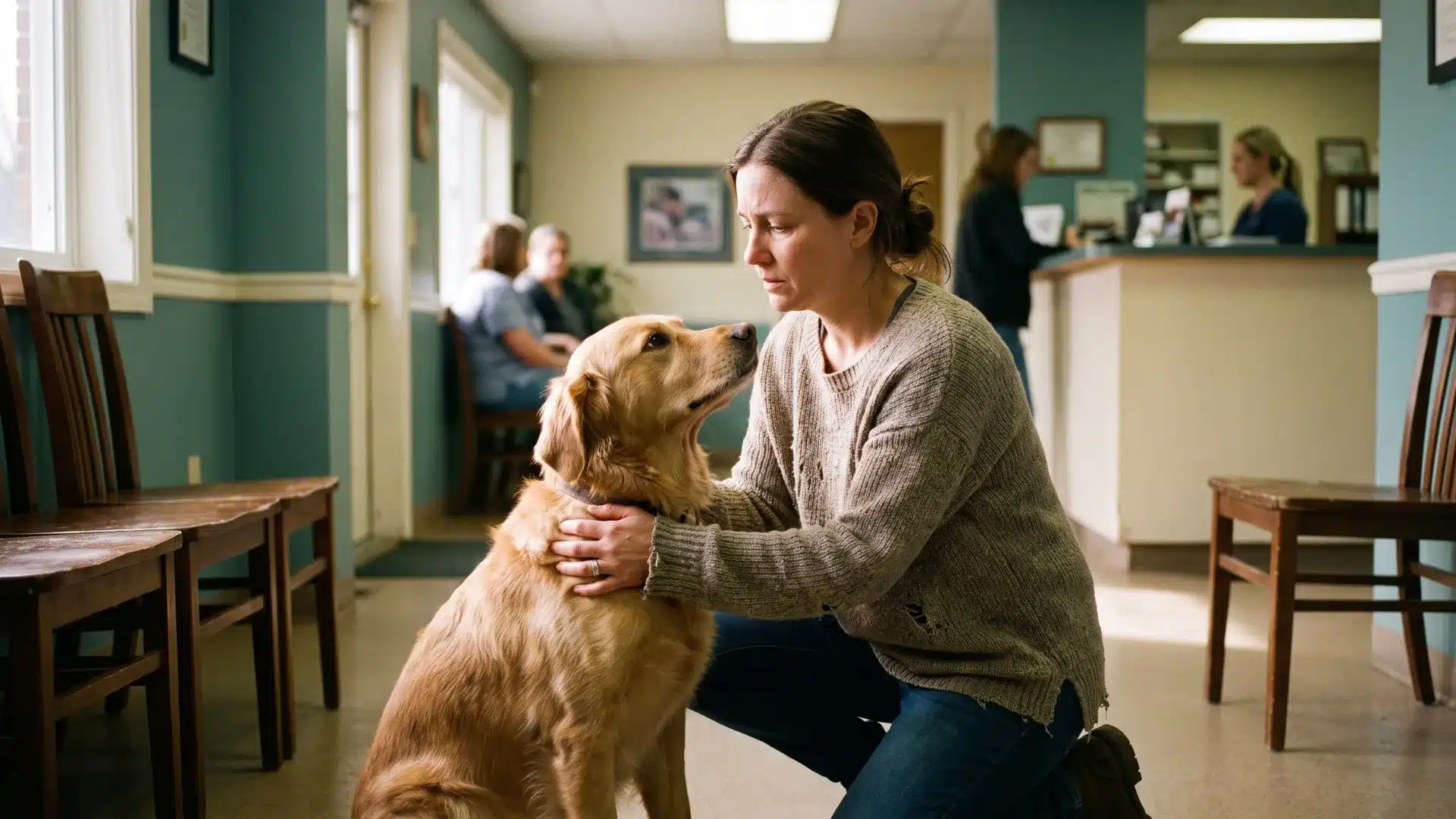
Urinary symptoms should never be ignored. If your dog is straining to urinate, passing blood in the urine, urinating more often than usual, or showing signs of pain, schedule a veterinary visit as soon as possible.
Early treatment can prevent stones from causing more serious problems. Seek emergency care immediately if your dog repeatedly strains but cannot pass any urine.
This usually means a stone is blocking the urethra, a life-threatening emergency that is more common in male dogs.
Vomiting, severe lethargy, or a swollen, painful abdomen alongside an inability to urinate are additional signs that your dog needs immediate veterinary attention.
How Vets Diagnose Bladder Stones
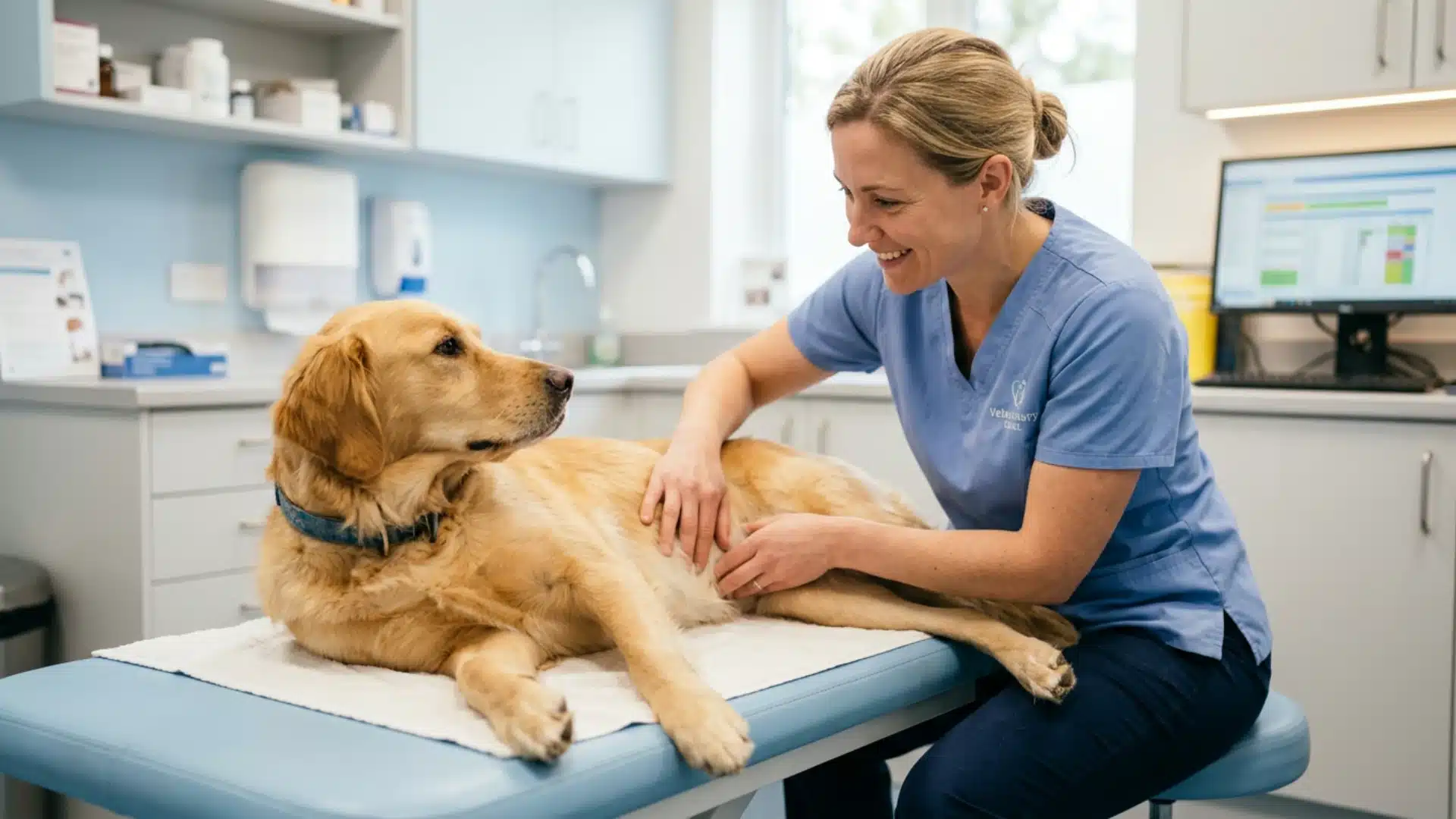
Diagnosis usually starts with a physical exam, since larger stones can sometimes be felt through the abdominal wall.
From there, most vets move to imaging. X-rays catch the majority of stones, since struvite and calcium oxalate are typically dense enough to show up clearly.
If a stone doesn’t appear or the picture isn’t clear, an ultrasound or a contrast X-ray can fill in the gaps. A urinalysis rounds things out, checking urine pH, looking for crystals, and screening for the bacteria behind most struvite cases.
Blood tests may also be recommended if kidney damage or severe urinary blockage is suspected.
The only way to confirm exactly what a stone is made of is to send it to a lab for analysis. Everything before that stays an educated guess based on imaging and urine chemistry.
How Bladder Stones in Dogs Are Treated
The right treatment depends on the type, size, and location of the stones, as well as whether they are causing a blockage or infection. After diagnosing the stones, your veterinarian will recommend the safest option based on your dog’s condition.
1. Dietary dissolution
For struvite stones without a risk of blockage, a prescription urinary diet is often the first step. These diets are formulated to make urine more acidic and to limit the minerals that struvite needs to form.
Combined with antibiotics for any underlying infection, dissolution can take anywhere from two weeks to a few months, depending on stone size.
Calcium oxalate stones, unfortunately, don’t respond to dietary dissolution and need to be physically removed.
2. Non-Surgical Removal
Small stones can sometimes be flushed out using a technique called urohydropropulsion, in which sterile saline fills the bladder, and the stones are expelled through a catheter.
Some clinics also offer cystoscopy, which uses a small camera and instrument to retrieve stones without an open surgical incision.
3. Surgical Removal
Surgical removal, called a cystotomy, is typically recommended for larger stones, multiple stones, or any case where a blockage is a real risk.
It’s also the go-to option for calcium oxalate stones and any case where dietary management has already failed. Male dogs with stones are more often steered toward surgery because of their higher blockage risk.
Can Bladder Stones Be Prevented?
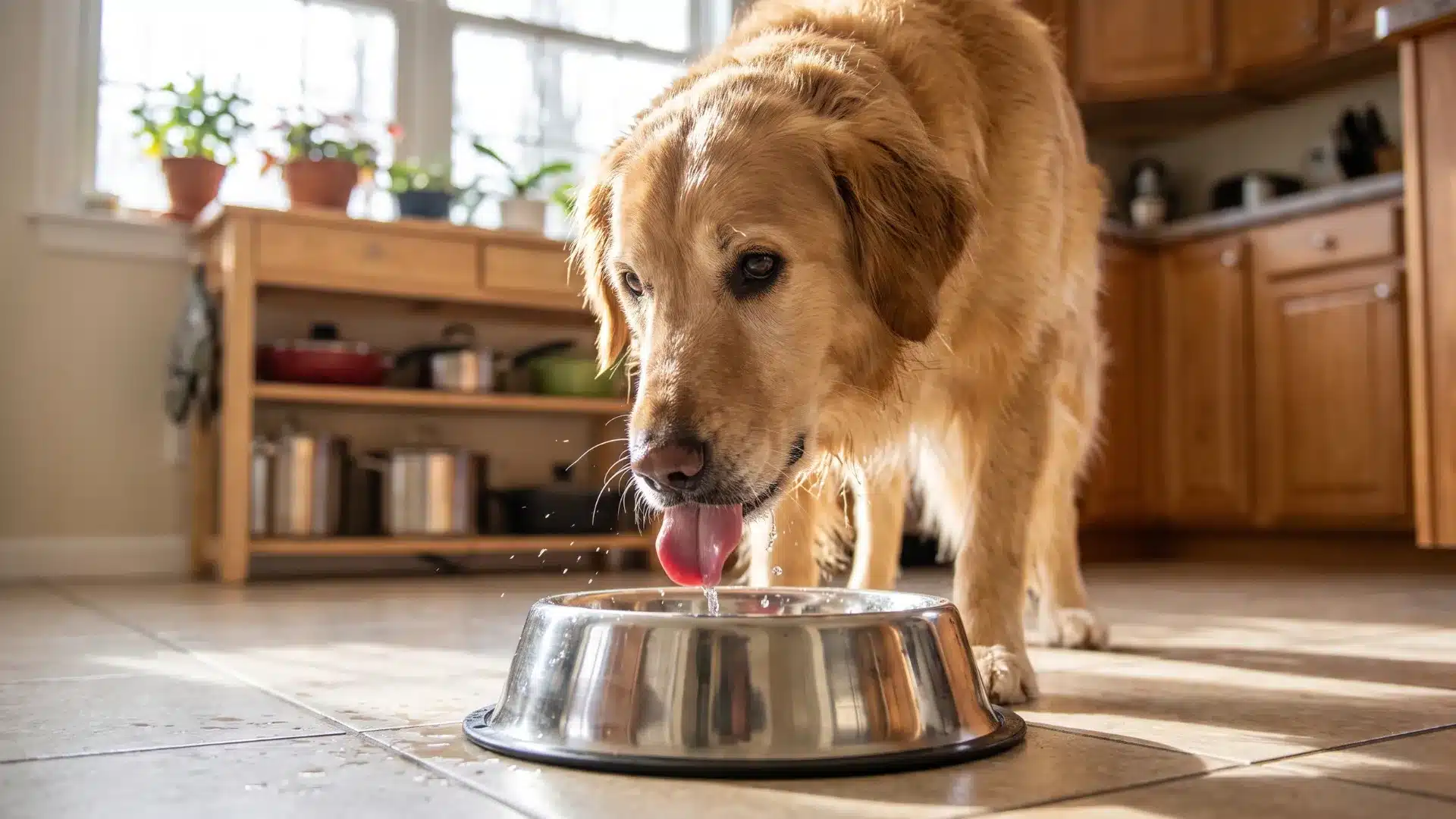
Prevention depends heavily on which stone type your dog is prone to, but a few habits help across the board.
- Keep Water Intake Up: Diluted urine makes it less likely for minerals to bind together, especially for dogs who aren’t naturally big drinkers.
- Treat UTIs Quickly: Since infections drive the majority of struvite cases, getting on top of urinary symptoms early can prevent the problem from becoming a stone.
- Stick to the Prescribed Diet: Dogs who’ve already had stones often need a therapeutic diet for life, not just during active treatment.
- Schedule Regular Urine Checks: For dogs with a history of stones, periodic urinalysis and imaging can detect recurrence before it becomes a crisis.
None of this guarantees a dog will never develop stones. While prevention can’t eliminate the risk completely, these habits greatly reduce the chances of future stones in many dogs.
Conclusion
If there’s one thing I’ve learned, it’s that bladder stones in dogs can happen even when you’re doing everything right.
They often result from a mix of genetics, urine chemistry, infections, and other factors that aren’t always within your control.
What matters most is noticing the early signs and getting your dog checked before a small problem becomes an emergency. Most dogs recover well with the right treatment and follow-up care, so a diagnosis isn’t the end of the road.
Have you ever noticed symptoms that turned out to be bladder stones, or is your dog currently recovering? Share your experience in the comments. Your story could reassure someone else who’s searching for answers.
Frequently Asked Questions
Can a Dog Pass a Bladder Stone Naturally?
Very small stones may pass on their own, but they can also become lodged in the urethra and cause a dangerous blockage. Always consult your veterinarian before waiting for a stone to pass.
Are Bladder Stones in Dogs Always an Emergency?
Not always. Mild symptoms can often wait until a veterinary appointment, but a dog straining to urinate without producing urine needs emergency care immediately.
Can Bladder Stones Come Back After Treatment?
Yes. Some dogs are prone to recurrent stones, especially if the underlying cause, such as a urinary tract infection or a urinary imbalance, isn’t well controlled. Regular follow-up checks help reduce the risk.
Can Diet Dissolve All Types of Bladder Stones?
No. Prescription diets can dissolve many struvite stones, but calcium oxalate, cystine, and purine stones usually require non-surgical removal or surgery.