A red patch on my dog’s belly would make me check two things first: how long he had been outside and if I had missed a tick. Those clues matter, but they do not point to the same condition.
The search phrase lyme disease dog heat rash brings together two problems with different causes.
Heat-related skin irritation is usually localized, while Lyme disease more often affects movement, energy, appetite, and general comfort. Knowing the difference can prevent unsafe home treatment or a delayed veterinary visit.
The following sections explain what the redness may mean, safe care steps, when a clinic visit is needed, how canine Lyme disease is tested and treated, and ways to reduce skin and tick problems.
Veterinary caution: Skin appearance alone cannot confirm Lyme disease or reveal the cause of a rash. Seek veterinary advice if the affected area worsens or the dog develops symptoms elsewhere in the body.
Dog Heat Rash or Lyme Disease: What the Redness Means
Skin irritation and tick exposure often occur during the same warm months. That timing does not mean the skin problem is caused by Lyme disease.
Dogs rarely develop the bull’s-eye rash associated with Lyme disease in people. A small bump may remain where a tick was attached, but it only shows a local skin reaction. Canine Lyme symptoms commonly appear weeks or months after infection.
“Heat rash” is an informal term rather than a precise canine diagnosis. Dogs primarily cool themselves by panting, not by sweating through their skin. Redness observed in hot weather may be due to dermatitis rather than Lyme disease.
| Condition | Usual Appearance | Other Clues |
|---|---|---|
| Heat-related irritation | Redness, bumps, or inflamed folds | Heat, moisture, friction, or licking |
| Tick-bite reaction | One raised or irritated spot | Tick attached or recently removed |
| Lyme disease | Usually no visible rash | Body-wide symptoms rather than a rash |
The skin provides only one part of the answer. Timing, tick exposure, body location, and behavioral changes offer more useful clues.
How Heat Rash Appears on Dogs

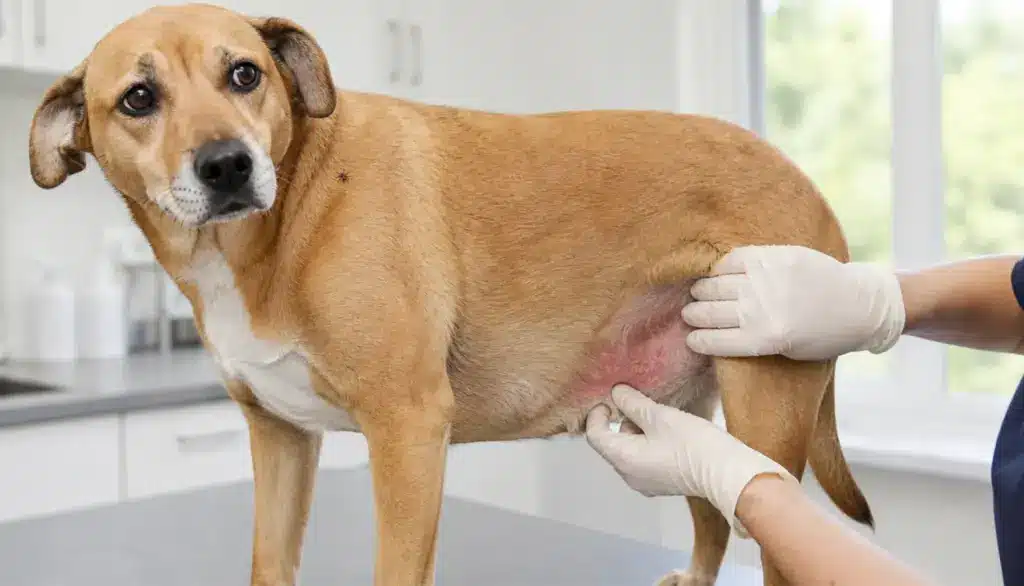
Several canine skin problems look alike during hot weather. The most useful first step is checking the location, size, texture, and number of affected areas. Possible early signs include:
- Pink or blotchy redness
- Small bumps
- Warm or tender skin
- Mild swelling
- Licking or scratching
These changes often affect the belly, groin, inner thighs, armpits, chest, neck, or skin folds. Such areas receive less airflow and may retain moisture after bathing, swimming, or outdoor activity.
Repeated licking can cause hair loss, scabs, broken skin, or a wet and raw surface. A moist, inflamed patch may be a hot spot, especially if the dog keeps licking or chewing it.
Check the area twice daily to track any changes. Record whether it expands, changes texture, or begins to affect the dog’s behavior.
Safe Care for a Mild Skin Reaction

A small area of redness may receive brief home care if the dog otherwise behaves normally. The aim is to lower skin temperature, remove surface irritants, and prevent further damage.
- Move the dog indoors: Choose an air-conditioned or well-ventilated room and stop strenuous activity.
- Rinse gently: Use cool or lukewarm water to remove dirt, plant material, or other surface irritants. Do not scrub the skin.
- Dry thoroughly: Pat the area with a clean towel, paying close attention to folds and thick fur.
- Use a cool compress: Hold a clean, damp cloth against the area for five to ten minutes, then dry the skin again. Never place ice directly on the skin.
- Prevent licking: Supervise the dog or use a properly fitted recovery collar if licking continues.
- Avoid unapproved products: Human pain creams, zinc oxide, essential oils, powders, and steroid products may cause problems if swallowed. Check with a veterinarian before applying topical treatments.
Mild redness should begin settling after these steps. Stop home care and contact a veterinarian if the condition worsens.
If the redness is accompanied by mild facial swelling, use only safe home remedies for a dog’s swollen face approved by your veterinarian, and watch closely for any breathing difficulties or worsening swelling.
When the Dog Needs a Veterinarian
Skin problems can worsen quickly once infection or persistent scratching begins. Contact a veterinarian if redness spreads, swelling increases, or the area becomes painful, wet, or foul-smelling.
Pus, bleeding, blisters, open sores, uncontrollable scratching, or irritation across several body areas also require professional assessment.
Possible tick exposure becomes more concerning when fever, marked fatigue, loss of appetite, new lameness, vomiting, or urinary changes occur. Even mild redness should be examined if it shows no clear improvement within one or two days.
Heavy panting, confusion, weakness, seizures, vomiting, or collapse may indicate heatstroke rather than a skin condition. Move the dog into the shade or air conditioning, wet its coat with cool water, place it near moving air, and take it to an emergency veterinary hospital. Do not use ice or delay transport.
Facial swelling can also develop from insect stings, allergic reactions, or other causes. Mild cases may respond to safe home remedies for a dog’s swollen face, but rapid swelling or trouble breathing requires emergency veterinary care.
Other Conditions That Resemble Heat Rash
If urgent symptoms are absent, the rash pattern and recent exposures may help narrow the possible skin condition. Warm weather can increase moisture, insect activity, and contact with plants.
| Possible Cause | Helpful Clues |
|---|---|
| Hot spot | Wet, raw, painful patch that expands quickly |
| Allergic dermatitis | Paw chewing, ear trouble, or recurring itchiness |
| Flea bites | Small bumps near the tail, back, belly, or groin |
| Hives | Raised, swollen patches that appear suddenly |
| Bacterial infection | Pus, crusts, odor, pain, or hair loss |
| Yeast infection | Greasy skin, musty odor, or darkening |
| Ringworm | Scaling with circular or patchy hair loss |
| Contact dermatitis | Redness after plants, cleaners, or grooming products |
A veterinarian may use skin scrapings, cytology, fungal testing, or parasite checks to separate these conditions. Once local skin causes have been considered, possible tick exposure should be judged by changes in movement, appetite, energy, and general health.
Bacterial infections can develop when irritated skin is repeatedly scratched or licked. Knowing the common signs of an infected dog wound can help you decide when home care is no longer appropriate.
How Lyme Disease Appears in Dogs
Lyme disease is caused by the bacterium Borrelia burgdorferi, transmitted by infected blacklegged ticks. Most exposed dogs remain healthy, while a small percentage develop symptoms such as:
- Fever
- Reduced appetite
- Low energy
- Joint pain or swelling
- Stiffness
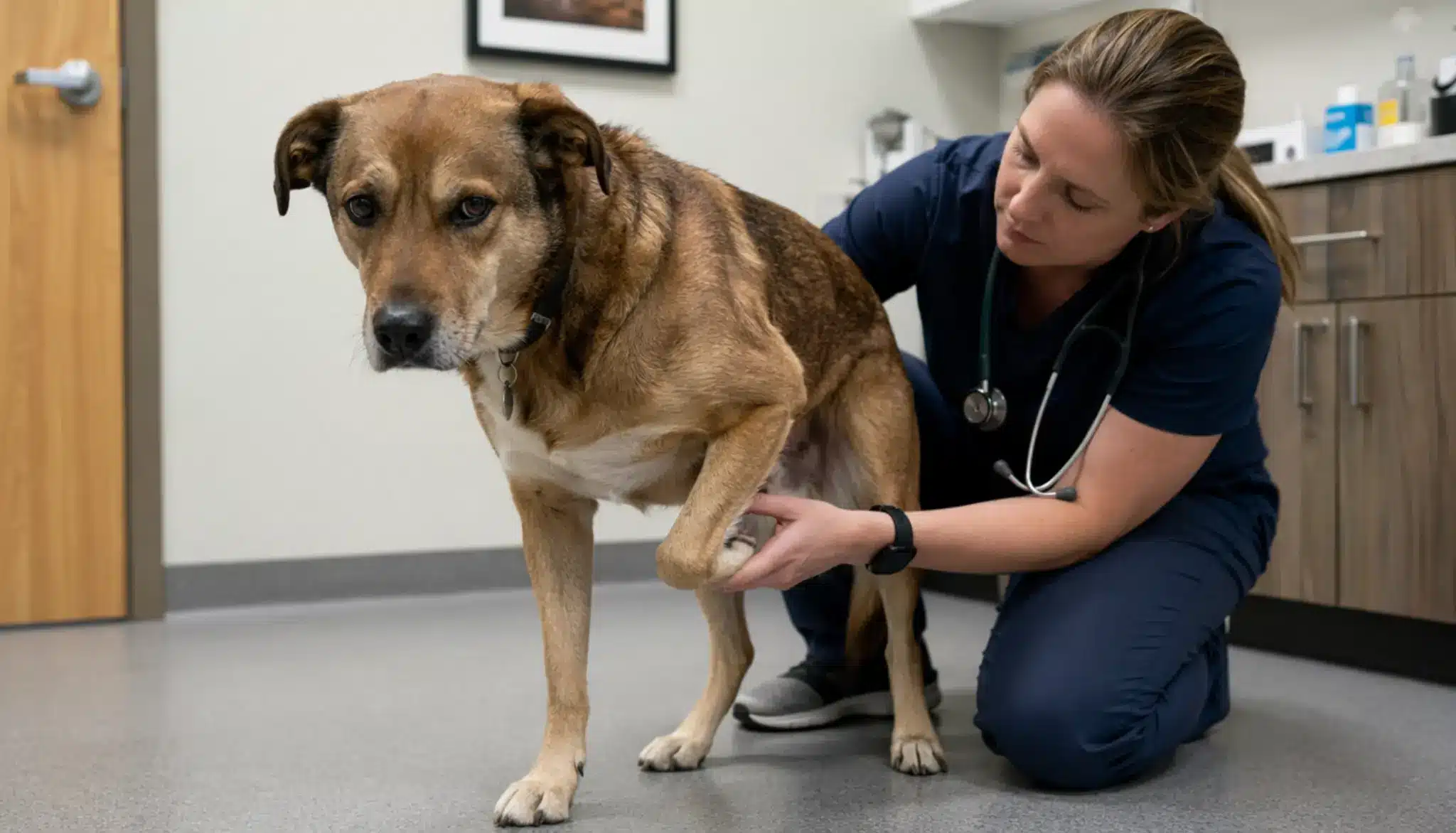
- Lameness that may shift between legs
- Swollen lymph nodes
- Reluctance to walk, climb, or play
Canine Lyme disease does not always follow three fixed clinical stages. Its course may involve:
- Exposure: An infected tick may transmit bacteria after remaining attached for an extended period.
- Silent infection: Antibodies develop without outward illness.
- Clinical illness: Symptoms may appear two to five months after the infected tick bite.
- Kidney syndrome: A small number of Lyme-positive dogs develop severe protein-losing kidney disease called Lyme nephritis.
A consensus paper led by Meryl P. Littman of the University of Pennsylvania School of Veterinary Medicine describes Lyme nephritis as a serious condition associated with Lyme exposure, while recognizing uncertainty about direct causation.
Kidney warning signs may include vomiting, weight loss, increased thirst, altered urination, weakness, and fluid-related swelling. These symptoms require prompt veterinary care.
The timing and body-wide pattern matter more than the original bite site. New joint or kidney symptoms after possible exposure warrant testing.
Lyme Disease Testing, Treatment, and Life Expectancy
Symptoms may raise suspicion, but they cannot confirm Lyme disease alone. Veterinarians combine the dog’s history, examination findings, and test results before making a diagnosis.
1. Testing for Lyme Disease
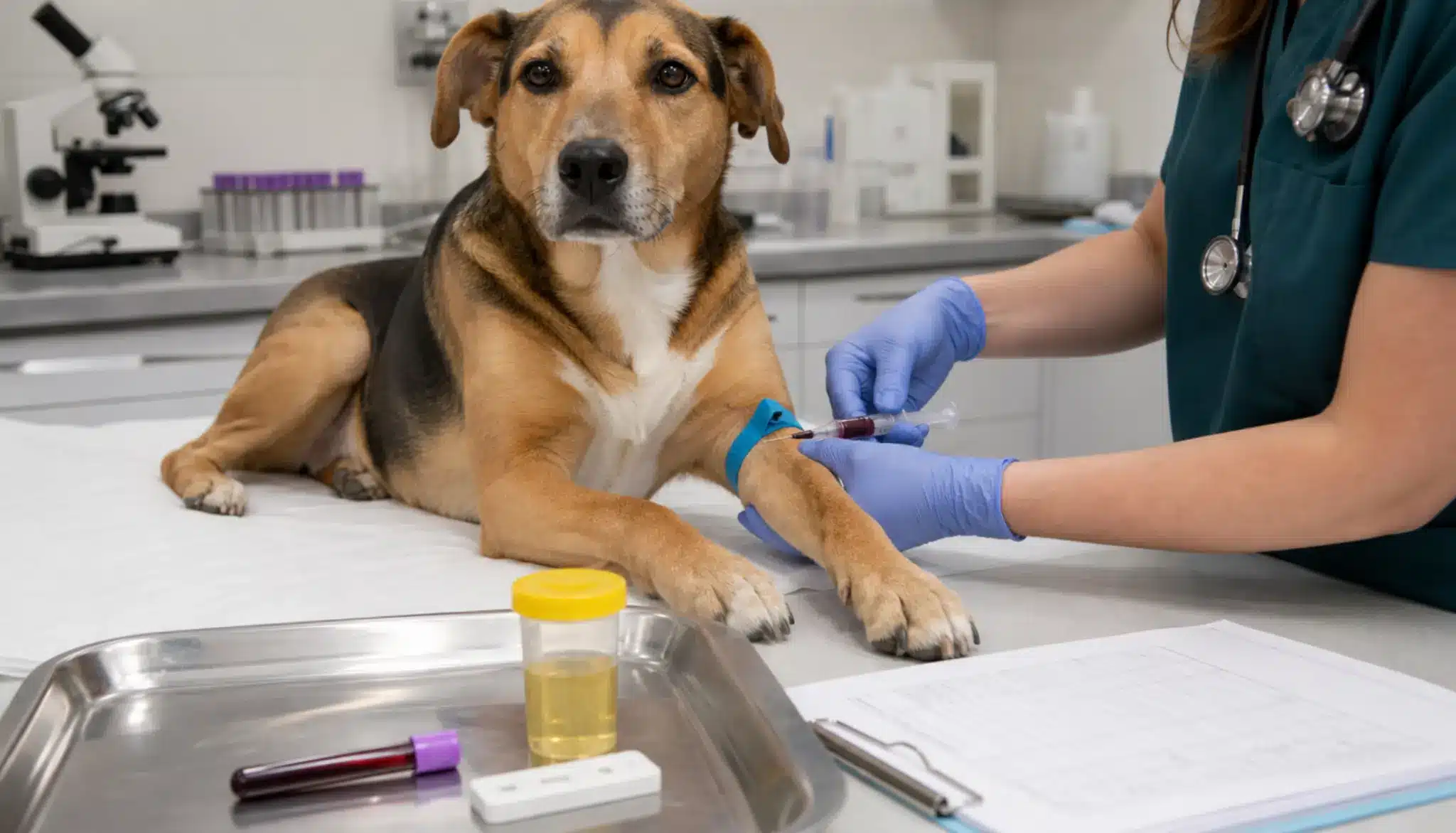
An in-clinic blood test can detect antibodies to Borrelia burgdorferi. A positive result shows exposure rather than active illness, so it must be considered alongside symptoms and examination findings.
Additional testing may include a complete blood count, blood chemistry, urinalysis, urine protein measurement, and screening for other tick-borne infections. Urine testing is particularly important when kidney involvement is suspected.
2. Treating Clinical Illness
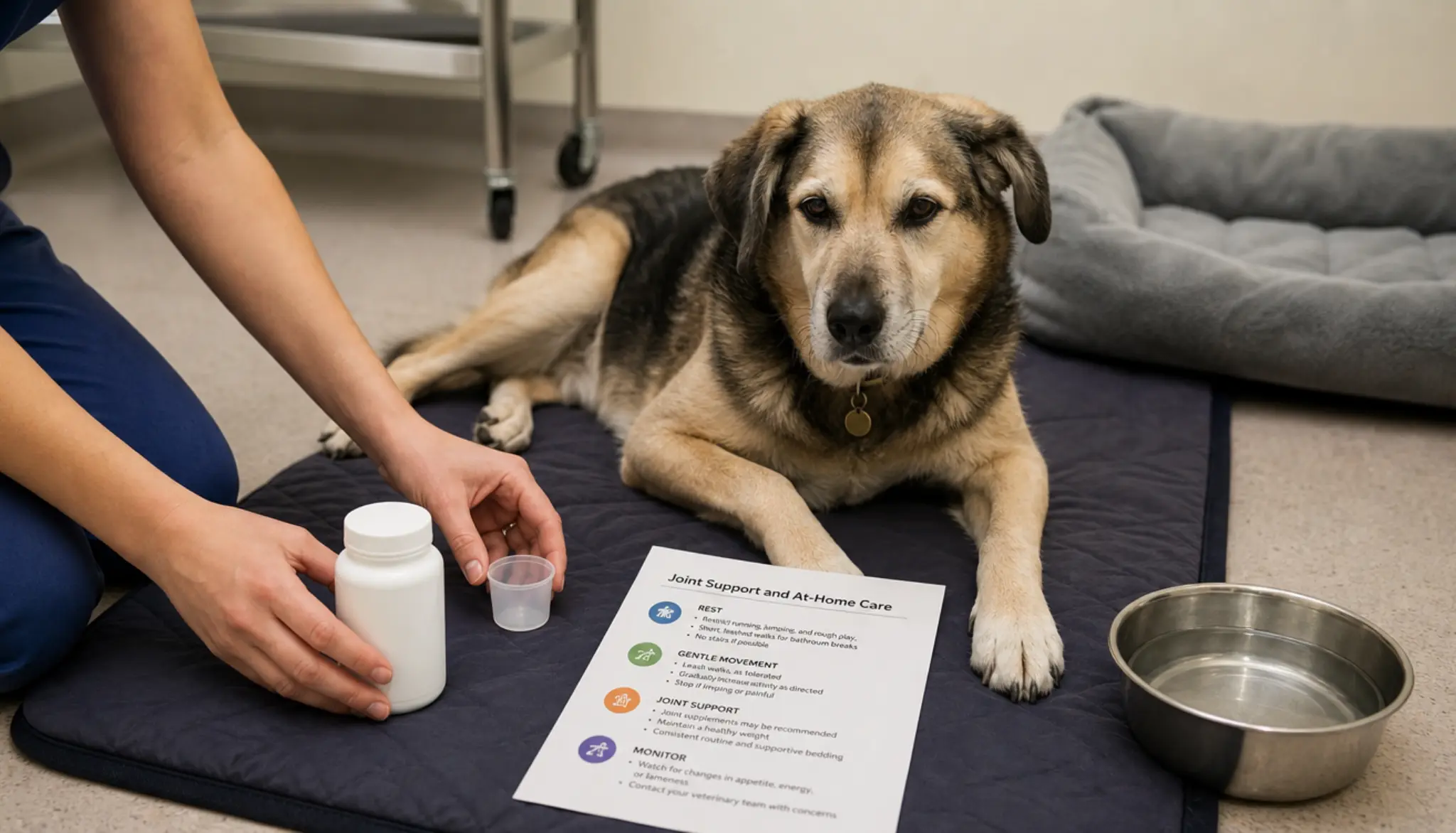
Doxycycline is commonly prescribed for about four weeks, while veterinarian-approved pain relief and reduced activity may help dogs with joint discomfort.
Medication should be completed as directed, even if symptoms improve quickly. Asymptomatic dogs may only need observation and routine follow-up.
Suspected Lyme nephritis may require hospitalization, intravenous fluids, nutritional support, antiemetic medication, blood pressure control, antibiotics, and treatment for protein loss.
3. Recovery and Life Expectancy

Reliable research does not provide one fixed dog Lyme disease life expectancy. Dogs with uncomplicated Lyme arthritis generally respond well to treatment and have a good prognosis.
Symptoms may return because of reinfection, persistent inflammation, or another joint condition.
Lyme nephritis carries a poor prognosis, with the outcome depending heavily on kidney damage and treatment response. Returning lameness or body-wide illness requires reassessment.
Treatment and recovery vary depending on the symptoms and complications present. Scheduled veterinary rechecks help track improvement and identify new concerns.
Preventing Skin Flare-Ups and Tick Exposure
Heat-related skin irritation and Lyme disease have different causes, so prevention must address the skin and tick exposure separately. Daily checks can help reduce both risks.
For healthier skin:
- Exercise during cooler hours
- Provide shade, water, and indoor cooling
- Dry the coat after swimming or bathing
- Brush thick fur and keep skin folds dry
- Check hidden areas for irritation
For tick protection:
- Use veterinarian-recommended prevention year-round
- Follow CDC pet tick guidance and inspect the ears, neck, armpits, groin, tail, and toes daily
- Check the ears, neck, armpits, groin, tail, and toes daily
- Remove ticks promptly with tweezers or a tick tool
- Trim grass and clear leaf litter
- Ask about Lyme vaccination in higher-risk regions
These steps cannot prevent every rash or tick-borne infection. Ask your veterinarian about coat care, tick control, and Lyme vaccination based on your dog’s needs.
Final Thoughts
Finding a red patch can be unsettling, especially when a tick may have been nearby. Heat rash in dogs is an informal term, so the affected area and behavioral changes matter more than the label itself.
Mild irritation may settle with brief home care, but spreading sores or illness require veterinary assessment. Lyme disease follows a different pattern, with diagnosis based on tick exposure, clinical symptoms, and testing rather than skin appearance.
Most dogs with uncomplicated joint symptoms respond well to treatment, while suspected kidney disease carries a poorer outlook.
I would photograph the area, record heat and tick exposure, and watch the dog closely. Contact a veterinarian today if the skin worsens or the dog seems unwell.
Frequently Asked Questions
Can One Tick Carry More Than One Infection?
Yes. One tick can carry multiple pathogens, so coinfection is possible. A veterinarian may test for Lyme disease, anaplasmosis, and ehrlichiosis. Some screening panels also test separately for heartworm, which is transmitted by mosquitoes rather than ticks.
Can Vaccination Change a Test Result?
Vaccination can affect some Lyme antibody assays, but C6-based tests are designed to detect antibodies from natural infection and generally do not react to vaccine antibodies. The veterinarian should interpret the results in light of vaccination history and clinical signs.
Should a Removed Tick Be Saved?
Place the tick in a sealed container or plastic bag, label it with the removal date and body location, and ask the clinic if it is useful. Do not delay veterinary care while waiting for tick identification.
Can a Dog Pass the Infection to People?
No. Dogs do not directly transmit Lyme disease to people through touch, saliva, or shared living space. An infected dog does indicate that disease-carrying ticks may be present where the dog and household members spend time.