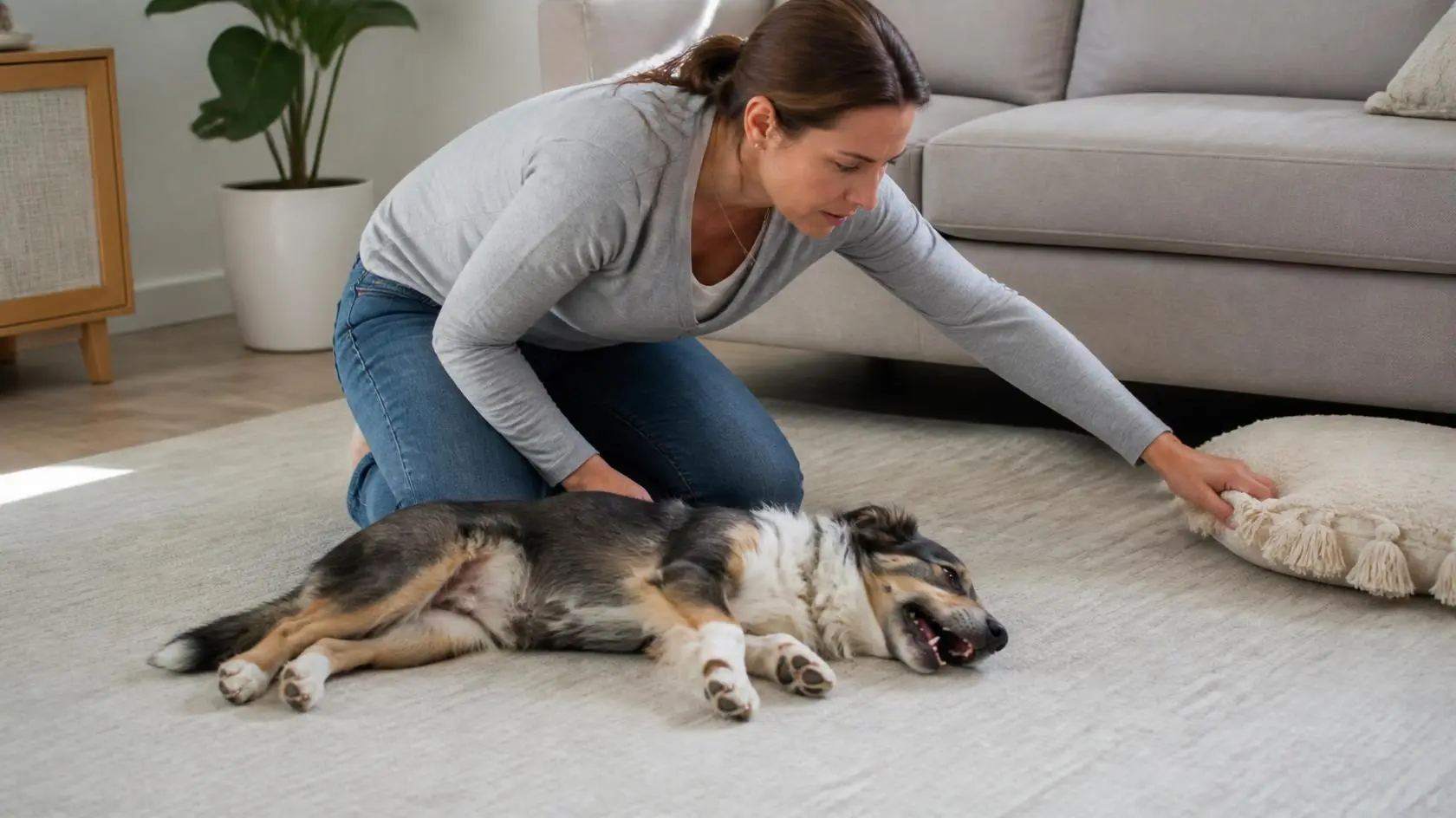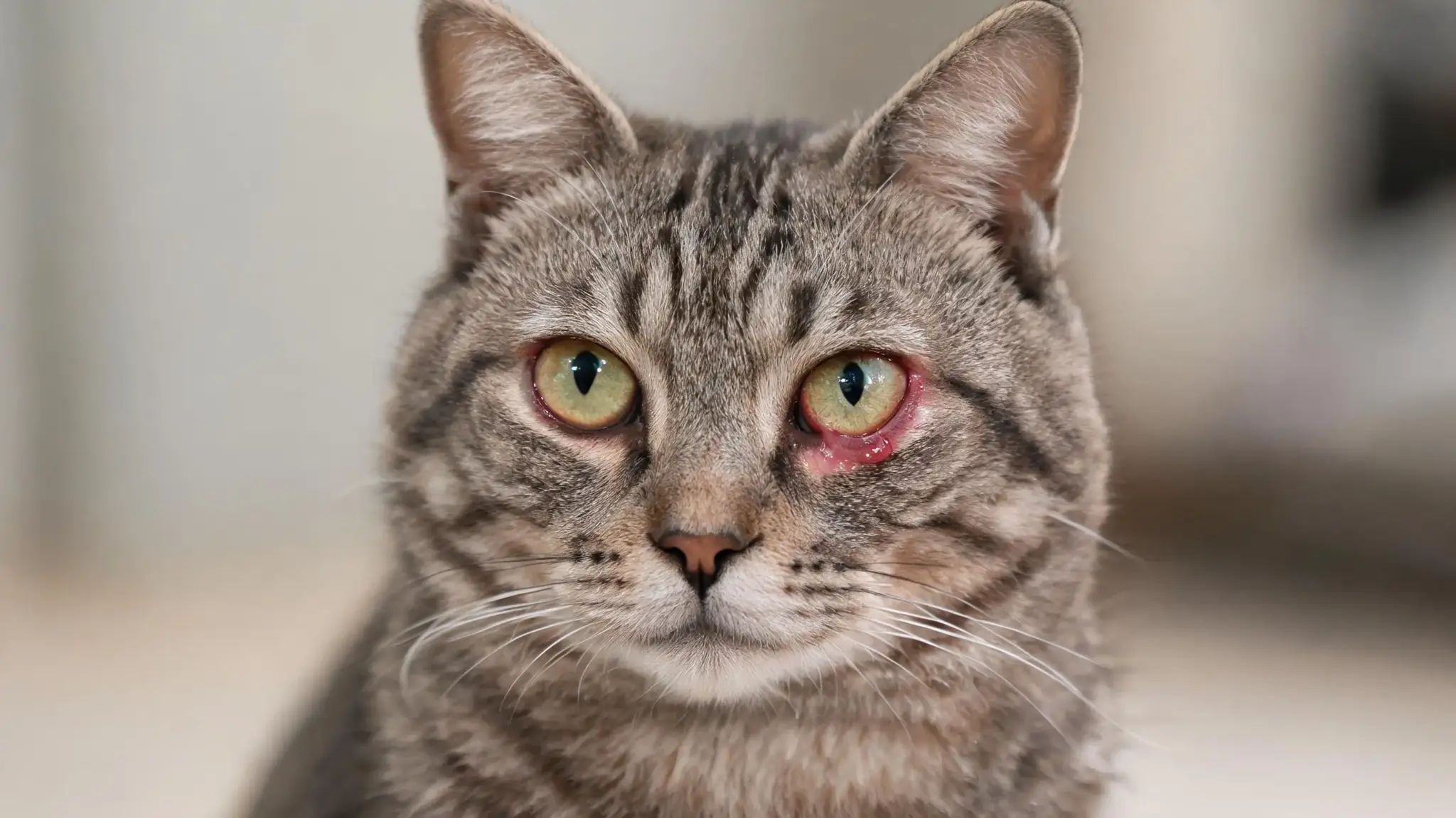
Something feels off, and it is hard to ignore. A dog that usually greets with excitement suddenly seems quiet, restless, or even shaky.
That moment makes any pet owner pause and wonder, why is my dog acting weird?
When a dog is shaking and acting weird all of a sudden, it can feel confusing and even a little scary. Dogs do not speak, but their behavior often says more than words ever could.
A missed meal, unusual pacing, or hiding in a corner can quickly turn into worry.
Noticing a dog acting weird often brings a mix of concern and curiosity, especially when the change happens without warning.
Sometimes it is nothing serious, but other times it is the first sign that something needs attention. Understanding these signals starts with recognizing what is different and why it matters.
Understanding Normal Dog Behavior
Dogs follow patterns that reflect comfort, health, and emotional balance.
Normal behavior usually includes consistent eating habits, regular sleep cycles, playful interaction, and predictable responses to familiar people or environments.
Working with dogs across all temperaments and breeds, one thing I always tell owners: you know your dog better than any chart does.
A Labrador that normally bounces off the walls going quiet for a day is a different situation than a naturally calm Basset Hound doing the same. The baseline is individual, not universal.
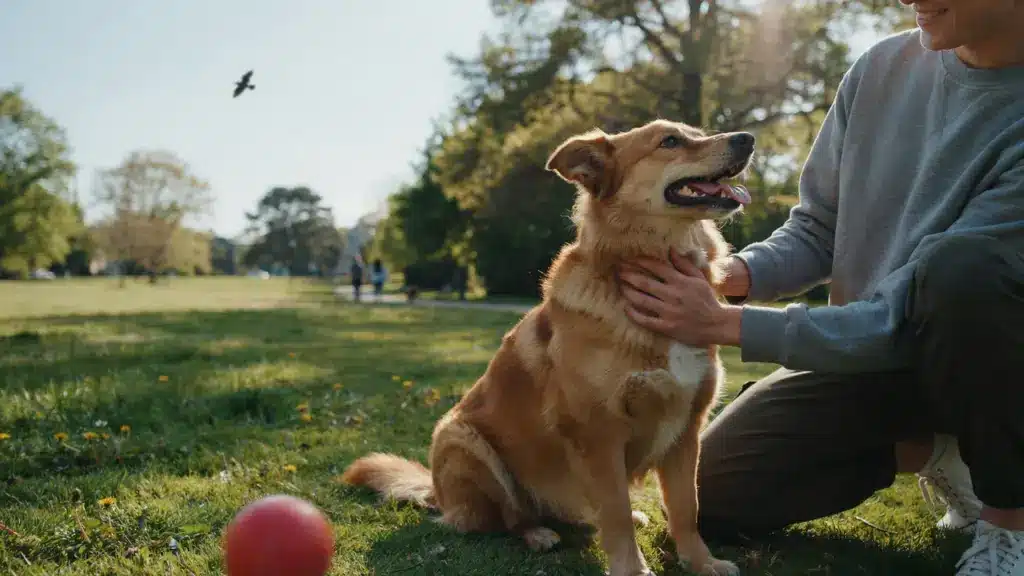
A healthy dog may show excitement during walks, curiosity when exploring surroundings, and calmness when resting.
Body language also plays a key role, with relaxed ears, steady breathing, and a loose posture indicating ease.
Small variations can happen depending on age, breed, and personality, but overall behavior tends to remain stable over time.
Recognizing this baseline is essential because it helps identify when a dog is acting weird. Even subtle shifts, like reduced interest in play or unusual quietness, can signal discomfort or stress.
From a behavioral standpoint, early changes are often the first indicators that something is wrong, making it important to stay attentive to daily routines and reactions.
Common Signs Your Dog is Acting Strange
Changes in behavior often manifest as clear physical or emotional signs. Paying attention to these signals can help determine whether the issue is temporary or requires immediate attention.
- Shaking, trembling, or shivering: Often linked to fear, anxiety, pain, or underlying medical conditions like poisoning, neurological issues, or sudden environmental stress.
- Loss of appetite: A sudden refusal to eat can indicate illness, stress, dental pain, digestive problems, or even emotional changes affecting normal eating habits. Learning more about a dog refusing regular meals can help determine whether the cause is medical or behavioral.
- Vomiting or diarrhea: Common signs of stomach upset, infections, parasites, or ingestion of something harmful that may require immediate veterinary attention.
- Excessive panting without exercise: May point to stress, overheating, pain, internal discomfort, or even heart and respiratory issues.
- Limping or difficulty moving: Suggests injury, joint pain, muscle strain, or underlying orthopedic issues that can worsen without proper care or medical evaluation.
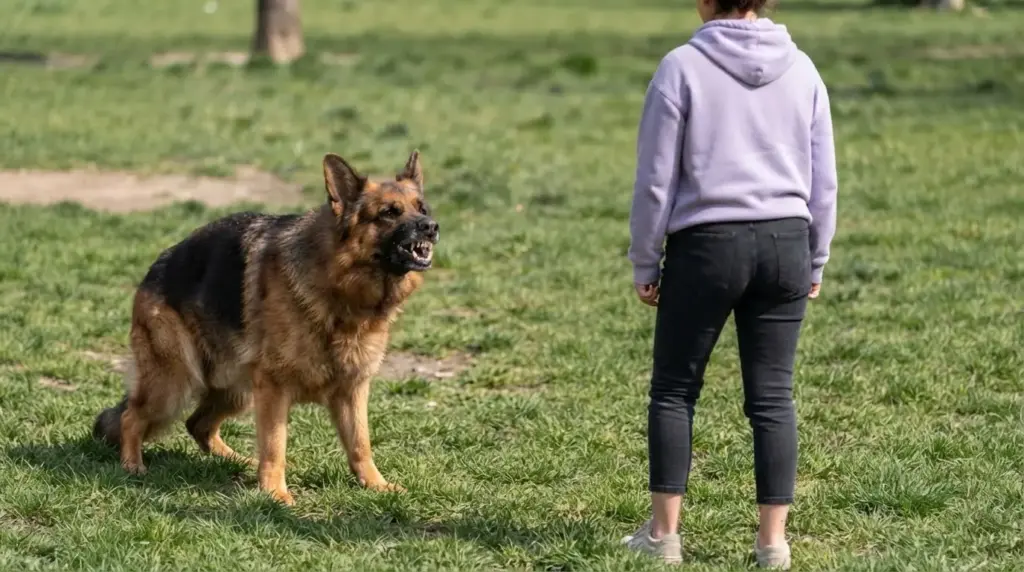
- Sudden aggression or fearfulness: Behavioral shifts can result from pain, trauma, past negative experiences, or environmental stressors that trigger defensive reactions.
- Clinginess or separation anxiety: Increased dependence may signal insecurity, fear, routine disruption, or emotional distress caused by changes in environment or ownership.
- Restlessness or pacing: Often associated with anxiety, discomfort, cognitive issues, or, in serious cases, bloat (GDV), a life-threatening condition where the stomach twists. If your dog is pacing, retching without producing vomit, and has a visibly swollen abdomen, go to an emergency vet immediately.
- Hiding or avoiding interaction: A strong indicator of a dog acting weird is feeling unwell, stressed, scared, or in pain and trying to isolate itself for safety.
- Confusion or disorientation: Can be linked to aging, cognitive decline, neurological disorders, or exposure to toxins affecting normal brain function and awareness.
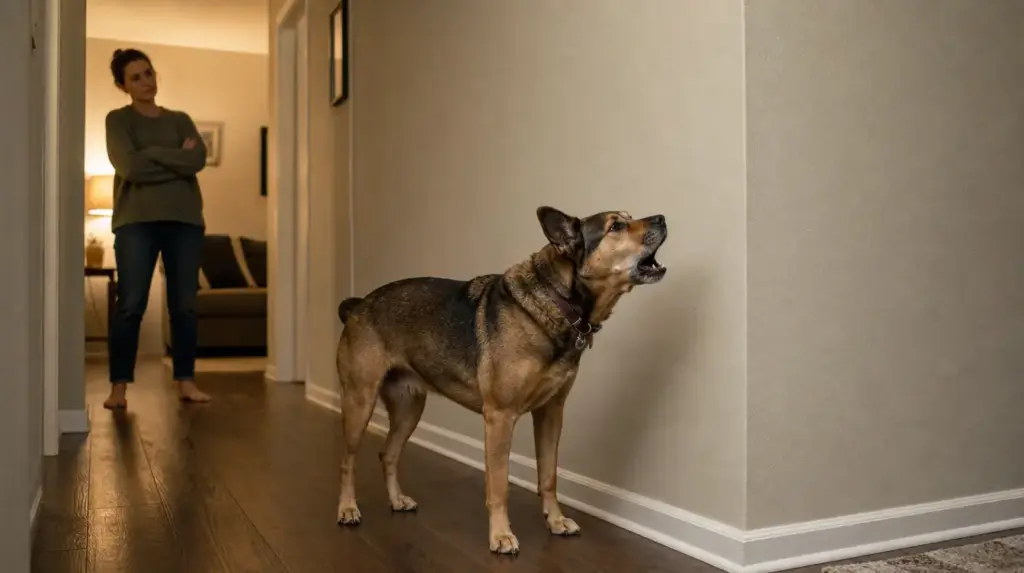
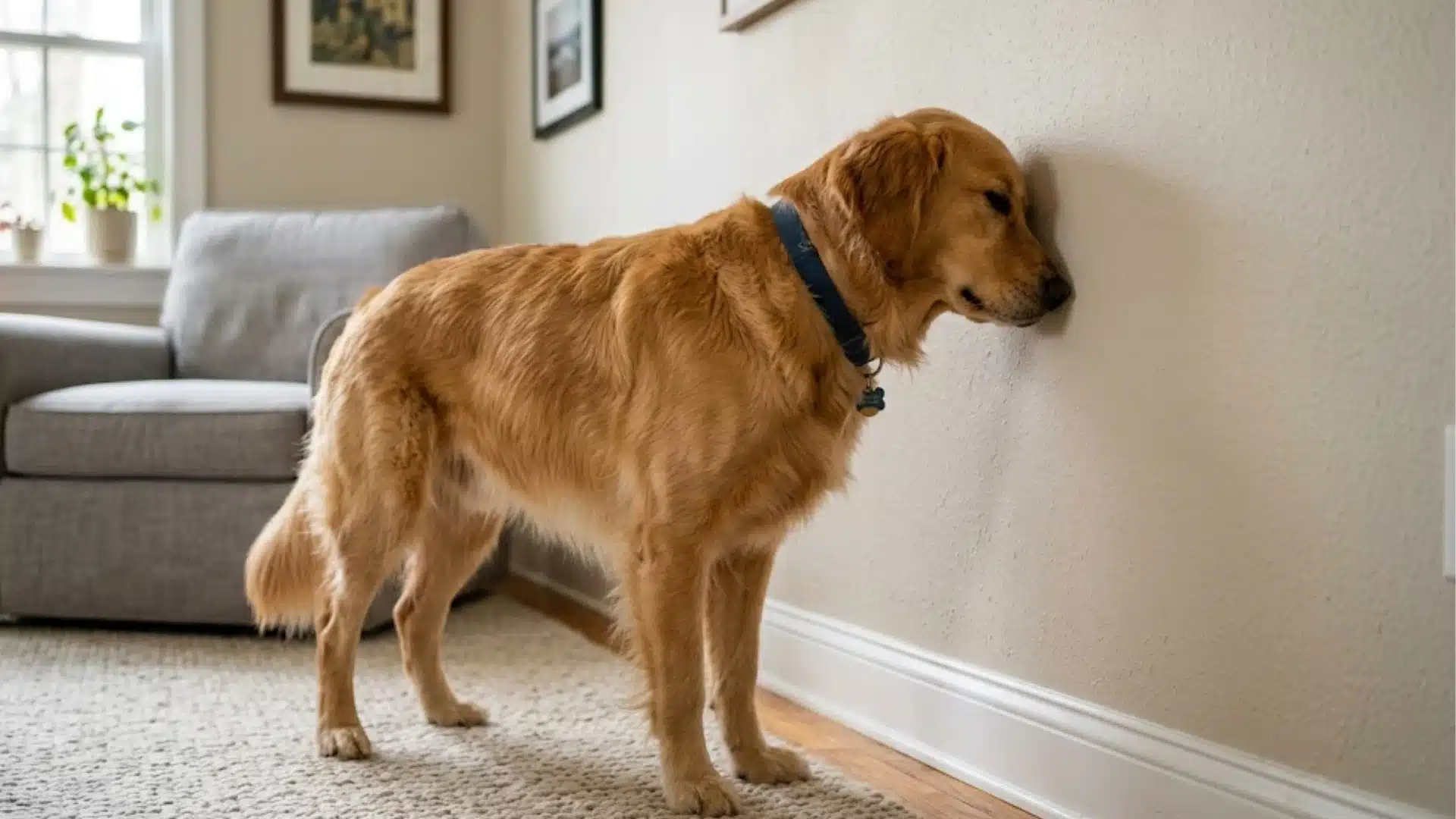
- Head pressing against walls or furniture: This is a red flag that most owners miss. It can signal neurological damage, toxic ingestion, or a brain-related condition and warrants immediate veterinary attention.
Why is My Dog Shaking and Acting Weird All of a Sudden?
A sudden change in behavior can feel alarming, especially when there is no clear reason. In many cases, dogs act differently because something is bothering them physically or emotionally.
1. Medical Issues and Hidden Pain
Pain is one of the most common reasons a dog suddenly starts acting strangely. Dogs often hide discomfort, so behavior changes may be the only visible clue.
Injuries, whether internal or external, can cause limping, restlessness, or withdrawal. Joint pain or arthritis may lead to stiffness or reluctance to move.
Dental pain is one that I see chronically underestimated. I have worked with multiple dogs labeled as “suddenly moody” or “off their food for no reason,” and in several cases, a broken tooth or gum infection was the entire cause.
A dog that flinches when you touch its jaw or drops food mid-chew deserves a dental check, not just a behavioral one.
Staying consistent with routine dental care can help prevent these issues from quietly turning into more serious problems.
2. Illness or Infection
Illness is another major cause of a dog acting weird or exhibiting strange behavior. Fever or infections can make a dog feel weak, tired, or uninterested in normal activities.
Digestive issues often lead to vomiting, diarrhea, or loss of appetite. Ear infections are especially common and can cause shaking, head tilting, or discomfort.
Common household toxins include chocolate, grapes and raisins, xylitol (found in sugar-free gum and some peanut butters), certain medications, and plants like sago palm or azalea.
If you suspect your dog has eaten something toxic, do not wait for symptoms to worsen; call the ASPCA Animal Poison Control Center (888-426-4435) or your vet immediately.
3. Anxiety, Stress, or Fear Triggers
Emotional factors can also cause sudden behavior changes in dogs. Loud noises like fireworks or thunder often trigger fear, leading to shaking or hiding.
Changes in the home, such as new people, pets, or routines, can create stress.
From a trainer’s perspective, it is important to distinguish between three types of fear-based weird behavior.
Situational fear that is triggered by a specific event, resolves once it passes, generalized anxiety, which is background nervousness that shows up across many situations, and separation anxiety, specifically triggered by being left alone.
4. Neurological or Serious Conditions
Some behavior changes may be linked to the dog acting weird or more serious neurological issues. Seizures or tremors can cause sudden shaking, confusion, or loss of control.
Vestibular disease affects balance, leading to head tilting, dizziness, or difficulty walking. Head trauma from accidents can also result in unusual behavior or disorientation.
Exposure to toxins may impact the nervous system and cause rapid changes in movement or awareness. These conditions often require immediate medical attention.
Cognitive Dysfunction Syndrome (CDS) is essentially canine dementia, and it is far more common in senior dogs than most owners realize.
5. Hormonal Changes
Hormonal shifts are an often overlooked cause of sudden behavioral changes, particularly in intact dogs.
A female dog in heat may become restless, unusually clingy, or more reactive than normal. An intact male that detects a female in heat nearby may pace, whine, or refuse food.
Post-surgical hormonal changes after spaying or neutering can also cause temporary personality shifts.
These behaviors typically resolve on their own, but it is worth noting so you are not chasing a medical cause that is not there.
6. Boredom and Under Stimulation
A dog acting weird is not always in distress; sometimes it is simply bored.
Dogs that do not receive enough physical exercise and mental stimulation often develop restlessness, destructive behavior, excessive barking, or what owners describe as acting out of character.
This is especially common in high-drive working breeds like Border Collies, Belgian Malinois, or Jack Russell Terriers.
If your dog’s behavior worsens on low activity days and improves after exercise or training, understimulation is likely the cause.
What to Do at Home If Your Dog is Acting Weird?

It is normal for dogs to have off moments, but certain signs should never be ignored.
It becomes a concern when unusual behavior lasts more than 24 hours without improvement.
If a dog becomes extremely lethargic or does not respond to familiar sounds or touch, that is a clear warning sign. Difficulty breathing is always serious and needs immediate attention.
When a dog acts weird, the first step is to stay calm and observe closely. In my experience working with different dogs, small details often reveal what might be wrong.
I usually begin by checking for visible signs, such as injuries, swelling, or anything stuck in the paws or mouth.
It helps to notice changes in eating, movement, or energy levels. I always make sure the environment is safe by removing anything harmful the dog could have eaten.
Keeping the dog comfortable, quiet, and hydrated is important while monitoring behavior.
If the dog seems anxious, try to create a calm space and avoid sudden noise or interaction. However, if symptoms continue, worsen, or include shaking, vomiting, or confusion, you should not wait.
At that point, reaching out to a veterinarian becomes the safest and most responsible next step.
How Vets Diagnose Strange Dog Behavior?
For a dog acting weird, I always recommend getting a proper diagnosis instead of guessing the cause.
From what I have seen, vets usually begin with a detailed physical examination to check for pain, injuries, or visible health issues.
They may gently examine the body, eyes, ears, and overall movement. If the cause is not obvious, blood tests are often done to detect infections, organ problems, or other internal conditions.
In some cases, imaging like X-rays or MRI scans is needed to look deeper, especially if there are signs of injury or neurological issues.
Vets also rely heavily on behavioral history. I always tell owners to share every detail, even small changes, because it helps narrow down the cause.
This step-by-step approach ensures the problem is identified accurately and treated the right way.
Conclusion
When a dog acting weird becomes noticeable, it is usually a sign that something needs attention, not something to ignore.
Small changes in behavior, whether physical or emotional, often point to discomfort, stress, or an underlying health issue.
Understanding the signs, identifying possible causes, and knowing when to act can make a real difference in keeping a dog safe and healthy.
From simple anxiety triggers to more serious medical concerns, early awareness always helps.
Trust what feels off and do not hesitate to take the next step if needed. Every dog behaves differently, and personal experience can help others learn, too.
Have you ever noticed your dog acting unusually or out of character? Share what happened, what signs you saw, and how you handled it in the comments below.
Frequently Asked Questions
What is The 3-3-3 Rule For Dogs?
The 3-3-3 rule explains adjustment periods in dogs after adoption: 3 days to decompress, 3 weeks to learn routines, and 3 months to fully settle and feel comfortable.
What is a Red Flag in a Dog’s Behavior?
Red flag behavior includes sudden aggression, extreme fear, withdrawal, excessive shaking, or unresponsiveness. These signs often indicate stress, pain, or underlying health issues that need attention.
What is Cobbing In Dogs?
Cobbing is a gentle nibbling behavior where a dog uses its front teeth on people, toys, or other dogs. It is usually a sign of affection or playful interaction.
What is Nooking In Dogs?
Nooking is a self-soothing behavior where a dog gently sucks or mouths on soft objects like blankets or toys. It is often linked to comfort, anxiety relief, or early weaning habits.