

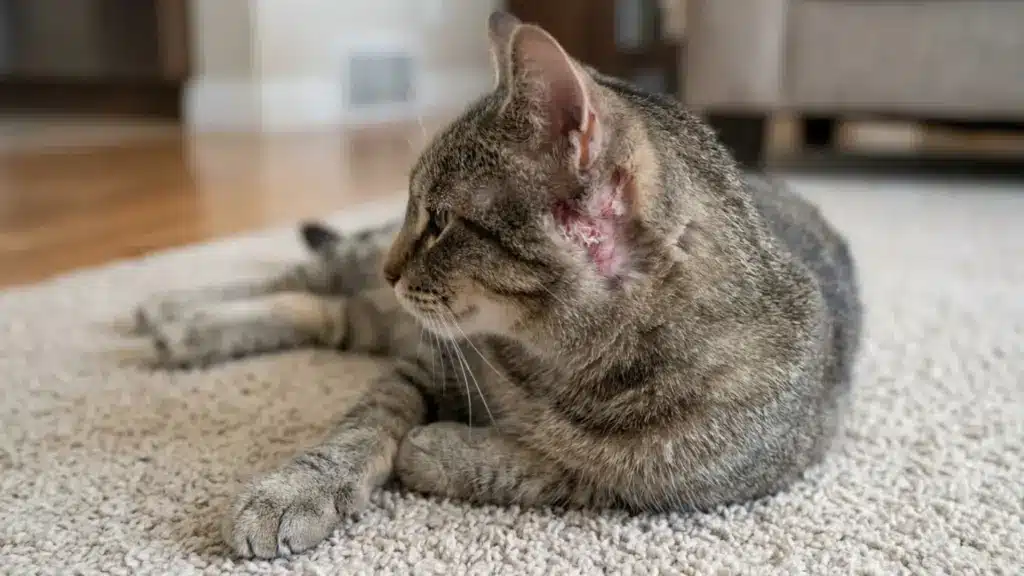
It can be unsettling to notice your cat constantly scratching, licking, or losing patches of fur without a clear reason.
Many cat owners go through a phase where nothing seems to work, even after trying different treatments.
Cat skin conditions often create this kind of confusion because the signs overlap and the causes are not always obvious.
One issue can look exactly like another, making it hard to figure out what is really happening. This leads to frustration, repeated vet visits, and a lot of guesswork at home.
What makes it more challenging is that some problems appear mild at first but gradually become more serious.
Understanding these patterns is not always straightforward, but noticing the early changes can help you make better decisions for your cat’s health.
Understanding Cat Skin Conditions
Cat skin conditions can show up in ways that are easy to miss at first, which is something I have noticed many cat owners struggle with.
Sometimes the skin may look flaky or greasy, and in other cases, there might be bumps or sores.
These signs often point to underlying cat skin conditions, but the exact cause is not always obvious.
Common causes include fleas, allergies, fungal infections, mites, or even stress-related overgrooming.
In my practice, I regularly see cat owners managing what seems like a single skin issue, only to discover during examination that multiple problems are happening at the same time.
A cat may be dealing with flea allergy dermatitis, along with a secondary bacterial infection and stress-related overgrooming all at once.
Common Cat Skin Conditions
Cat skin conditions often look very different at home compared to textbook descriptions. Many signs appear subtle in the beginning, then slowly become more noticeable over time.
1. Flea Allergy Dermatitis
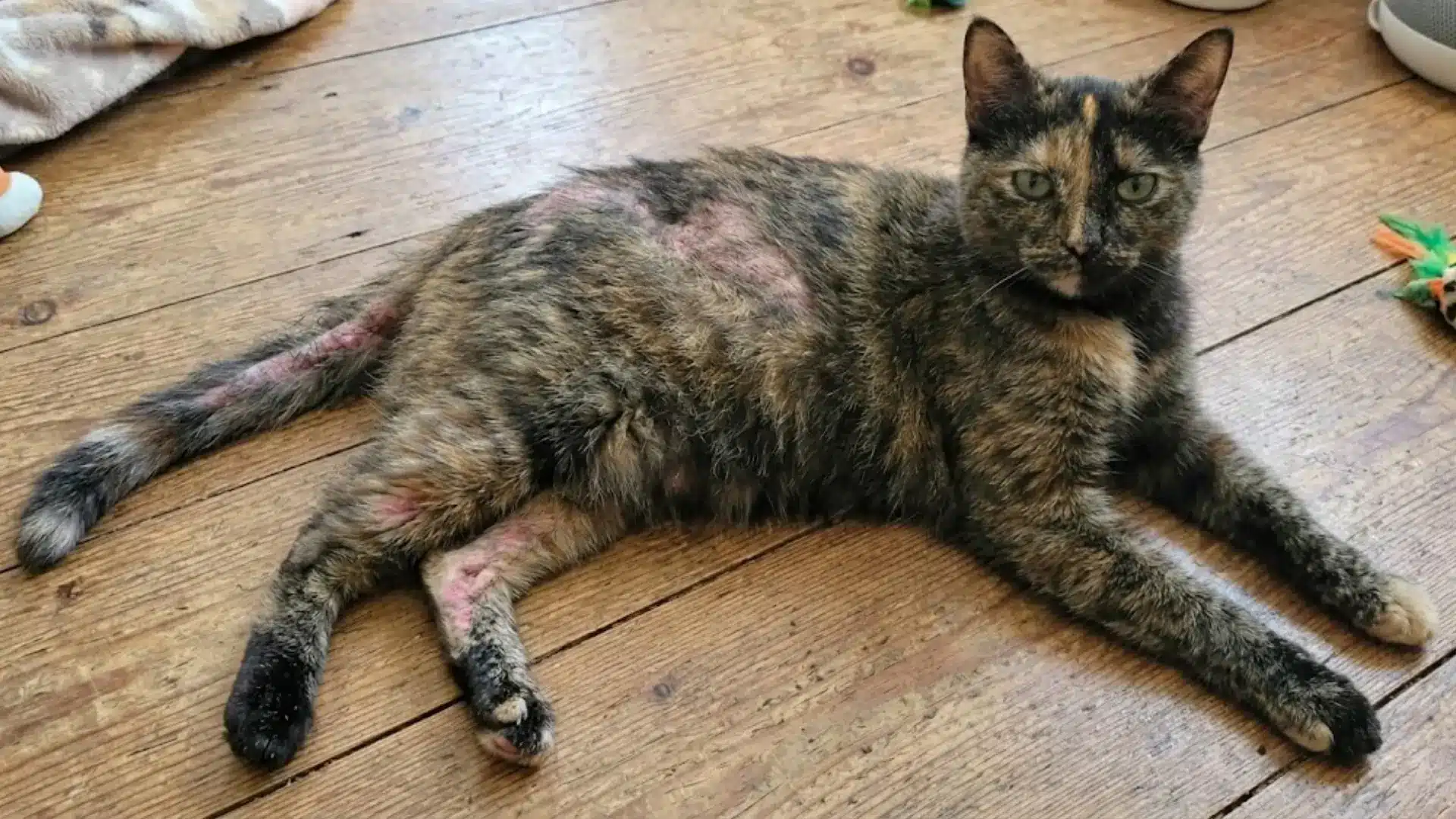
Flea allergy dermatitis is one of the most common cat skin conditions, yet it is often overlooked because fleas are not always visible.
Cats with this issue tend to itch intensely, especially near the tail base and lower back. Many start overgrooming, biting, or scratching until small scabs form.
Owners may assume stress or food allergies instead, especially when no fleas are seen. In reality, fleas can be hard to spot, and their presence can still be the root cause of the irritation.
In my clinic, I make it a point to use a fine-toothed flea comb even when owners are sure their cat has never had fleas.
What I look for is flea dirt, which appears as tiny dark specks of flea waste that turn reddish brown when placed on a damp paper towel.
2. Ringworm
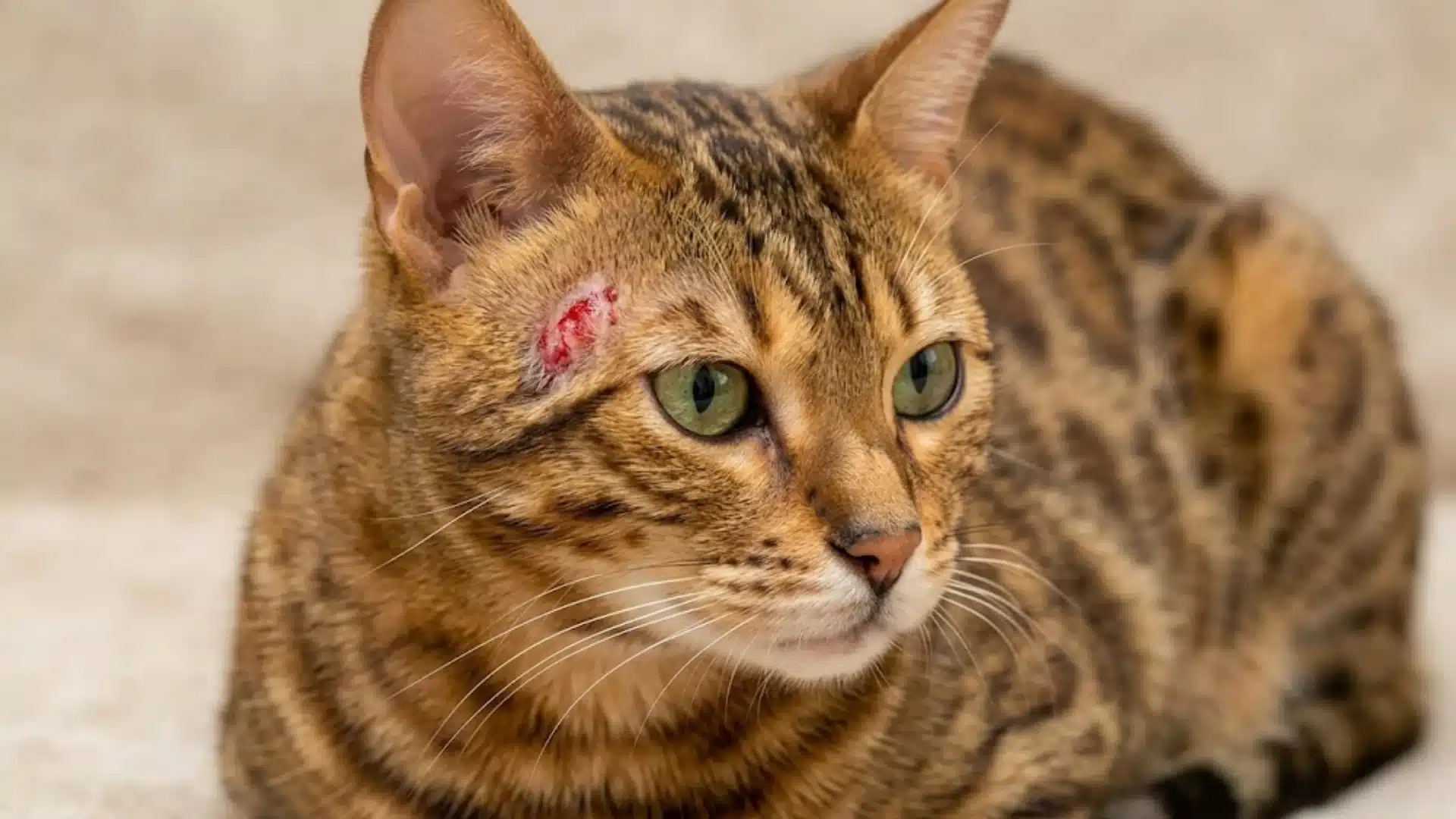
Ringworm is a fungal infection that is commonly mistaken for other skin conditions. It usually appears as circular patches of hair loss with dry, crusty skin.
These patches can slowly spread across different parts of the body, including the face, ears, and paws.
Because it can look like a minor wound or allergy, it is often misdiagnosed at first.
The pattern of spreading and the distinct shape of the lesions are key signs that help set it apart from other issues.
3. Mange
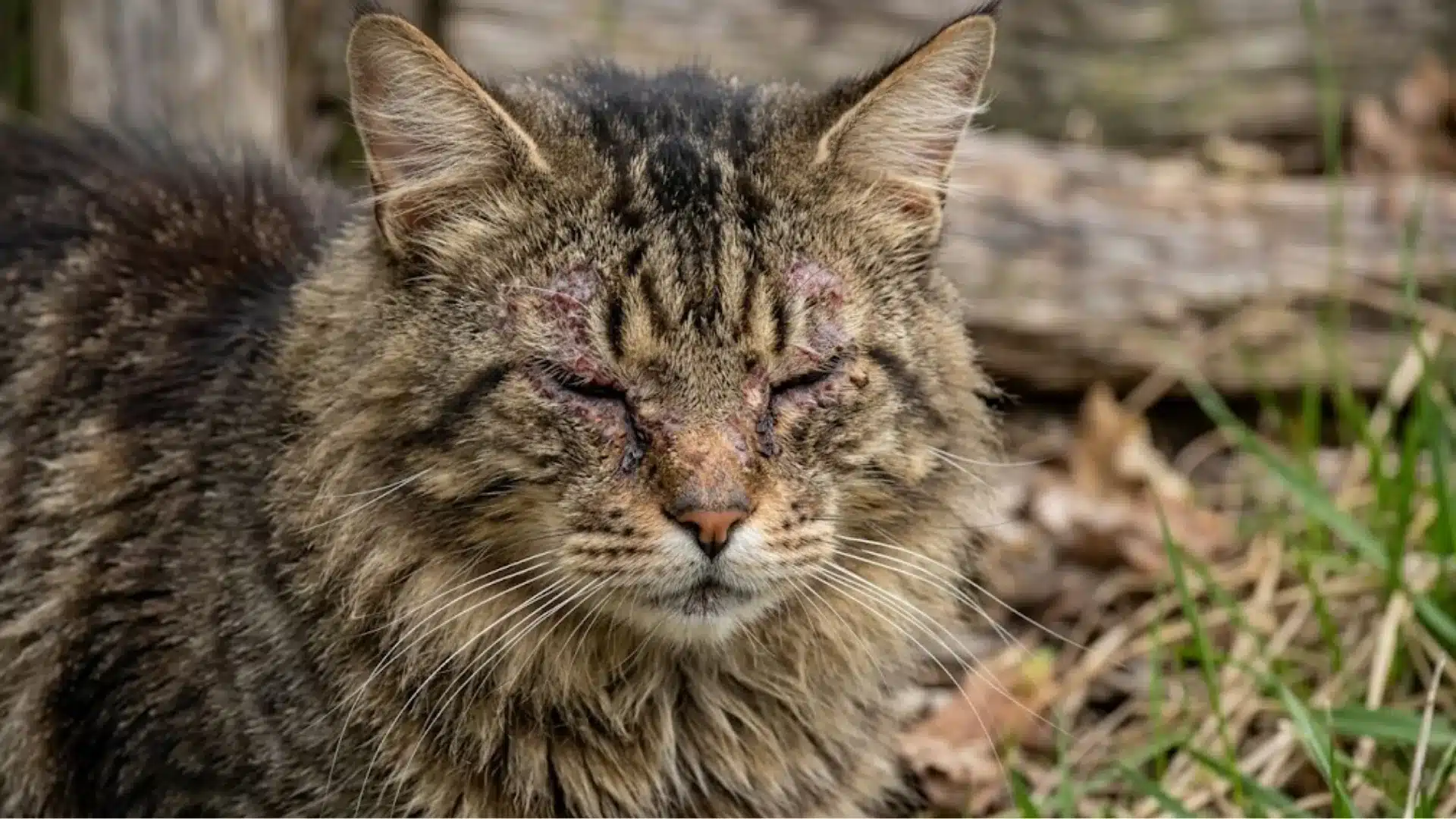
Mange is less common but still an important condition among cat skin conditions. It is caused by mites and can lead to patchy hair loss, irritated skin, and sometimes thickened or crusty areas.
The ears, face, and legs are often the first places affected. Demodex mites tend to cause localized issues, while sarcoptic mange can spread quickly and cause intense itching.
Because the symptoms can resemble allergies, mange may not be considered right away.
However, when itching is severe and focused in specific areas, mites should be considered as a possible cause.
4. Fungal and Yeast Infections
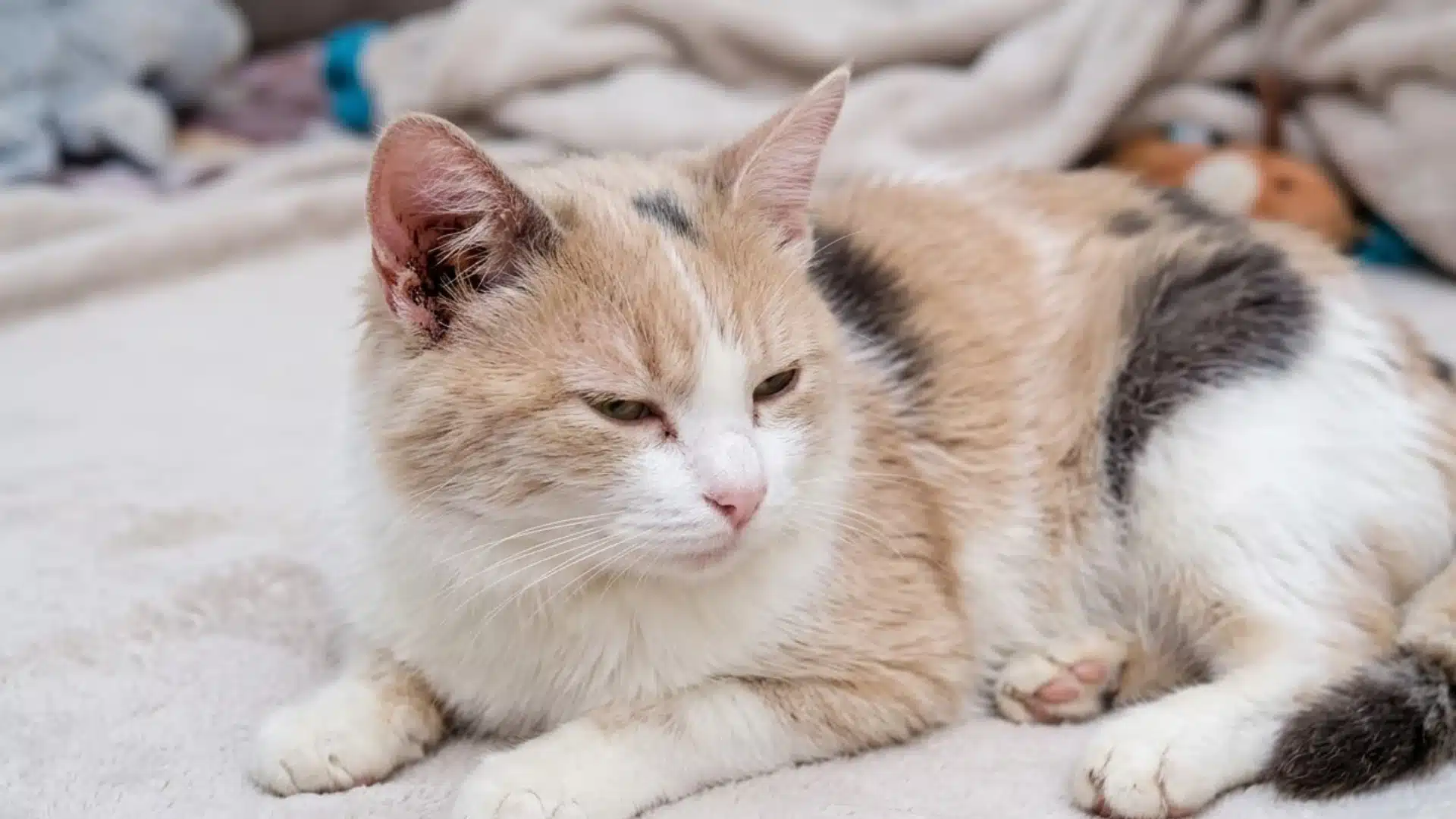
These often show up as red, irritated skin that may feel greasy or have a noticeable odor.
Cats may scratch or lick the area repeatedly, which can lead to secondary infections and worsen the problem.
These infections are sometimes confused with bacterial issues because the symptoms overlap.
The difference is that fungal and yeast problems often involve changes in skin texture and smell. If the skin looks inflamed and feels oily, it may point toward this type of condition.
5. Cat Acne
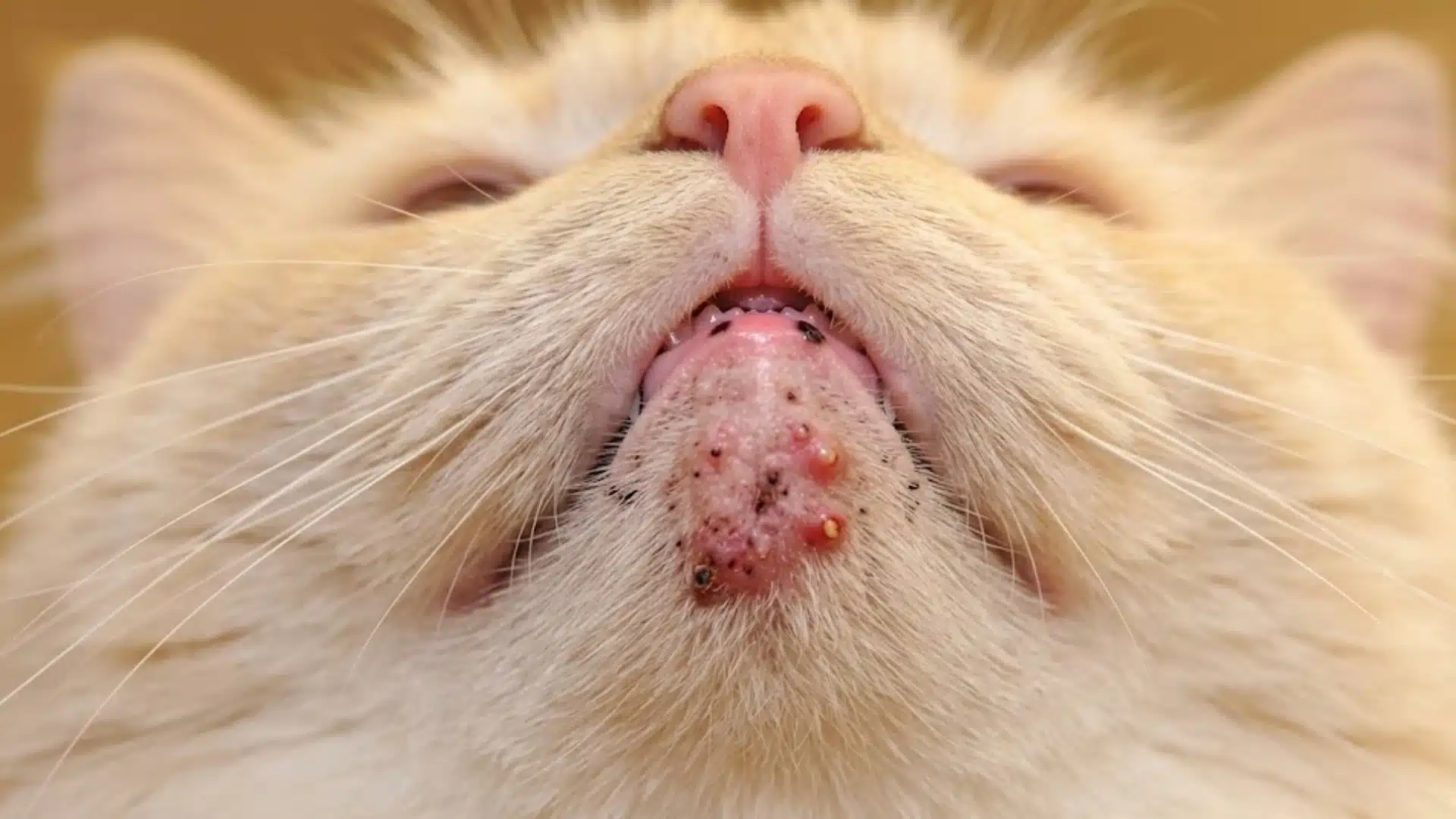
Cat acne is one of the more overlooked cat skin conditions, but it is fairly common. It usually appears as small blackheads on the chin and around the lips.
In mild cases, it may not cause discomfort, but in more difficult situations, the area can become swollen, red, and even infected.
Many owners mistake it for dirt or ignore it completely. Common triggers include the use of plastic food bowls, poor hygiene, or excess oil buildup.
Switching from plastic to stainless steel or ceramic bowls is one of the most effective changes I recommend for recurring feline chin acne.
Plastic can develop tiny scratches over time that trap bacteria and buildup, even after regular cleaning.
I have seen many cats with ongoing chin acne show clear improvement within two to three weeks after making this simple change alone.
6. Allergic Dermatitis
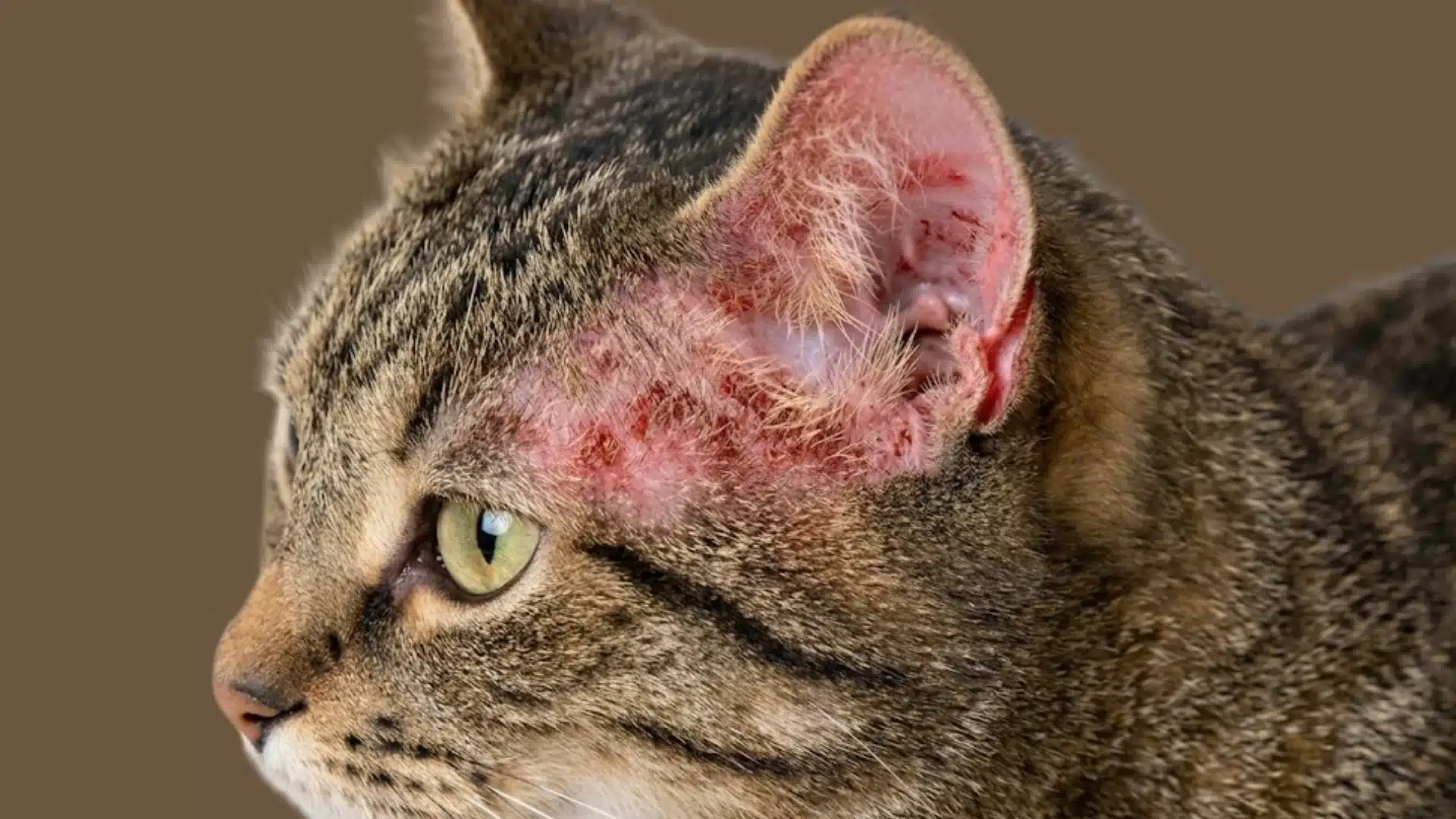
Cats may scratch their face, shake their heads due to ear irritation, or constantly lick their paws.
Some allergies are seasonal, caused by pollen or dust, while others are present year-round. Many people assume food is the main cause, but environmental factors are often more common.
This leads to frequent misdiagnosis and ineffective diet changes.
I often advise clients to keep a simple symptom diary, noting when flare-ups happen, what changed in the environment, and whether symptoms follow a seasonal pattern.
I have noticed a clear trend where cats with environmental allergies tend to get worse in spring due to tree pollen and again in late summer from mold spores.
Many of these cases improve during winter when windows stay closed, and exposure is reduced.
7. Bacterial Skin Infections
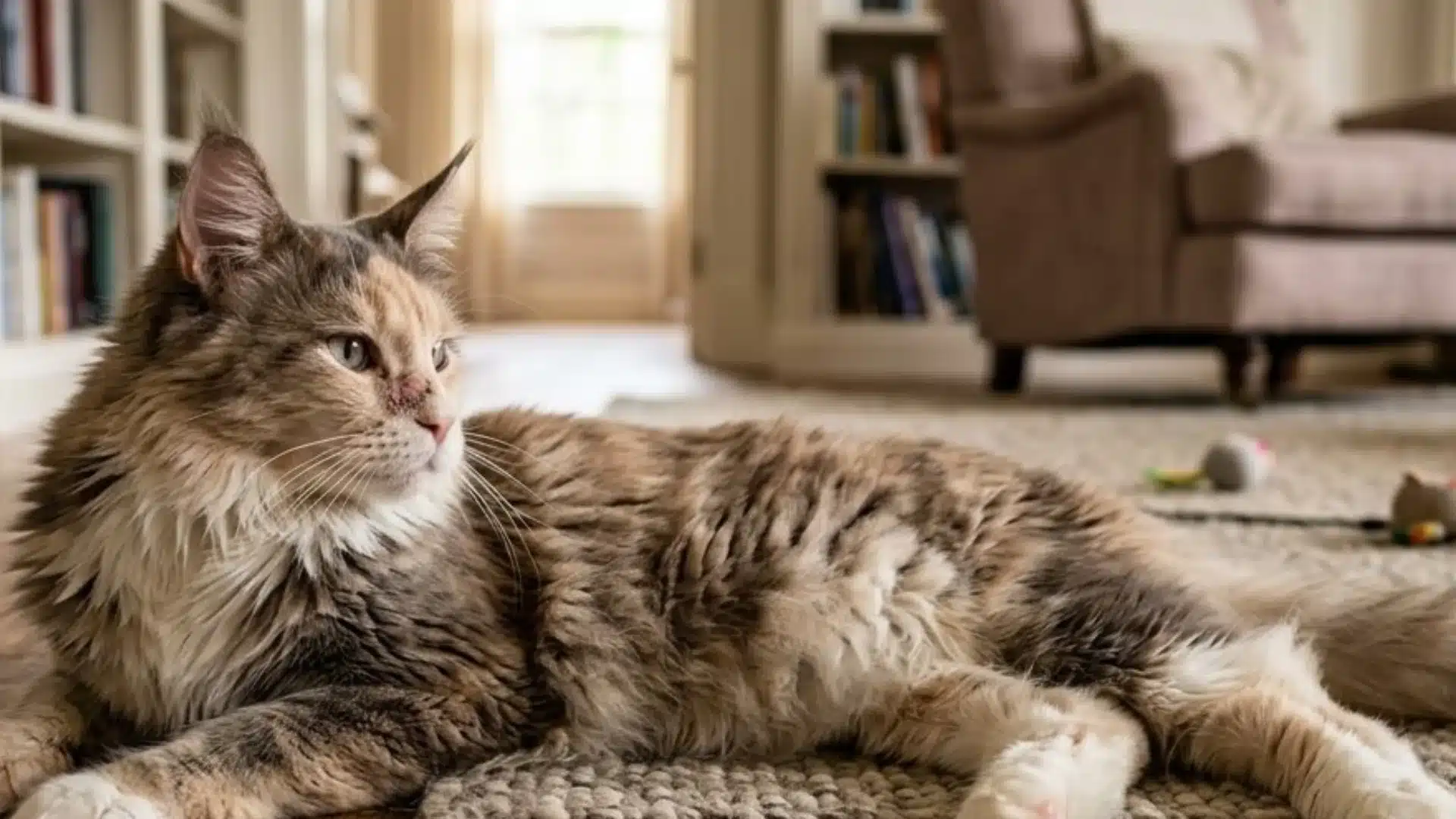
Bacterial infections are common among cat skin conditions, especially when the skin has already been irritated or damaged.
These infections often appear as red, swollen areas with pus, sores, or crusty lesions. Cats may scratch or lick excessively, making the infection worse over time.
In many cases, the bacteria are not the original problem but develop after issues like allergies, flea bites, or wounds.
This is why treating only the infection may not fully solve the issue. Identifying the underlying cause is important to prevent the infection from returning.
8. Eosinophilic Granuloma Complex
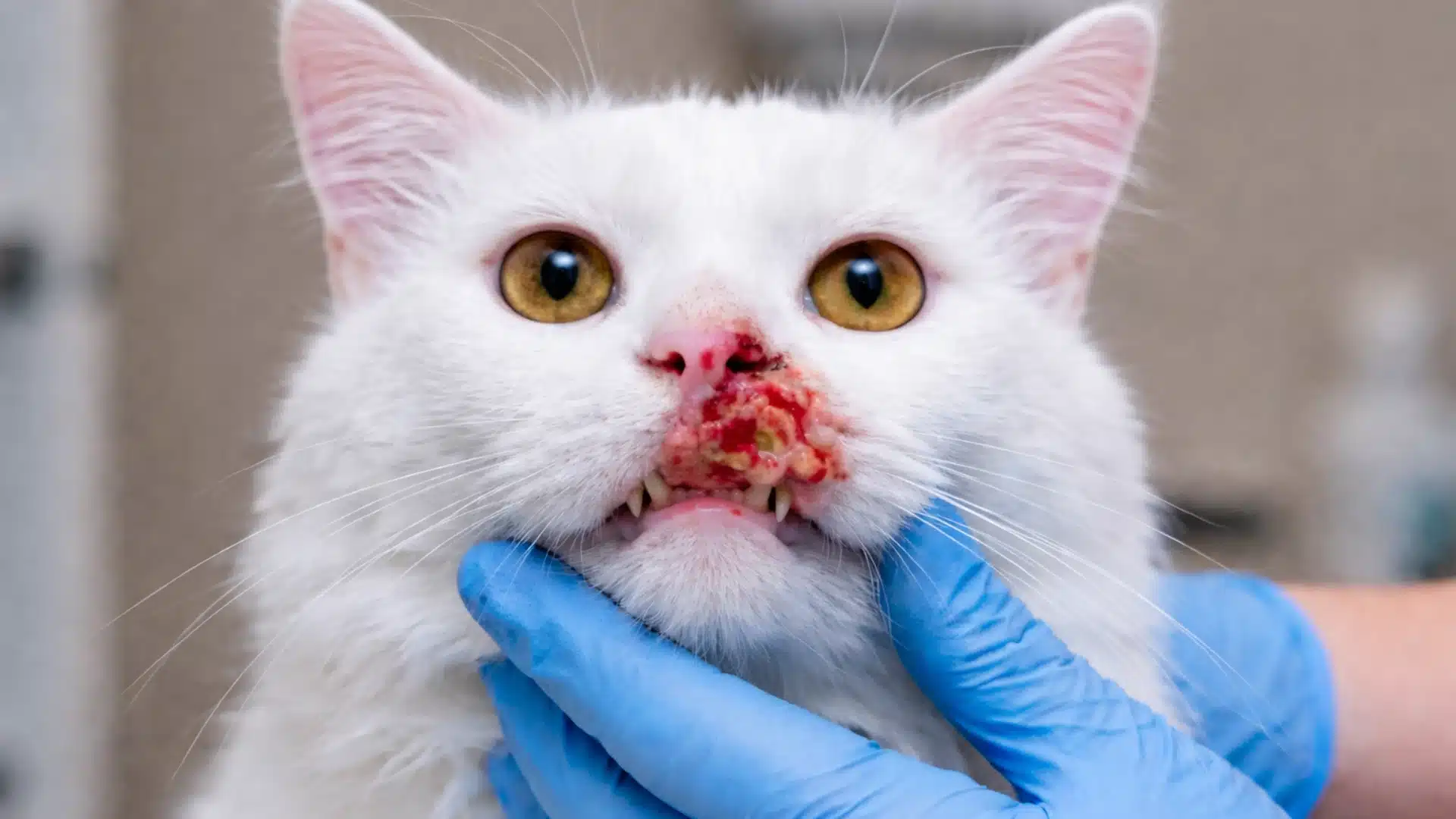
This is one of the more unique cat skin conditions and can show up in different forms.
Cats may develop raised lesions, ulcers on the lips, or thickened patches on the skin.
These areas can look alarming, but are often linked to allergic reactions, especially fleas or environmental triggers.
The lesions may appear on the face, thighs, or inside the mouth. Because of how different it can look, it is sometimes mistaken for infections or even tumors.
9. Dry Skin
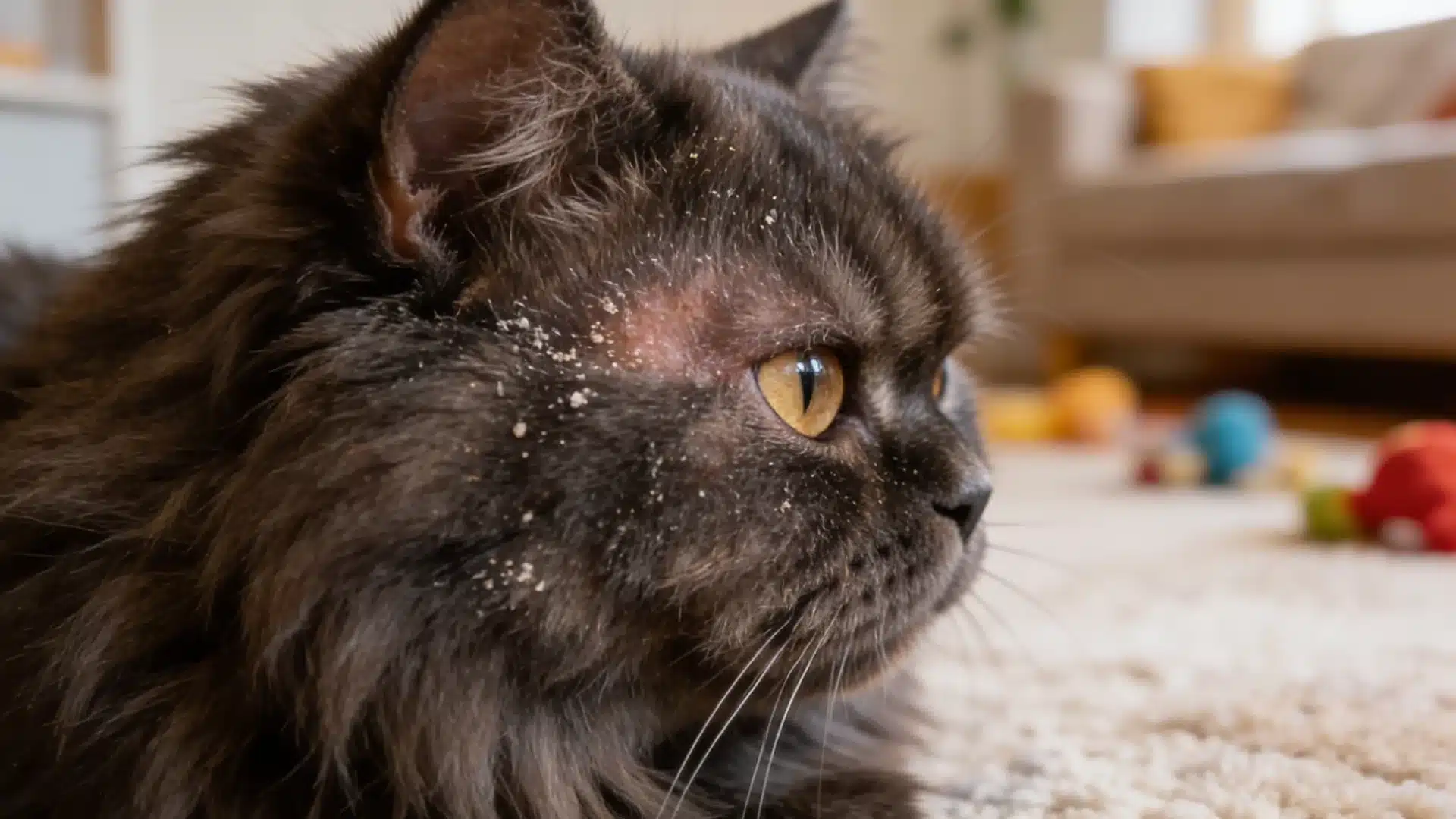
It may show up as flaking, dandruff-like particles, or dull fur. Cats with dry skin might groom more often or seem slightly itchy, though not as intensely as with other conditions.
Causes can include low humidity, poor diet, dehydration, or even frequent bathing.
While it may not seem serious, dry skin can make cats more prone to irritation and other skin issues. Addressing hydration, diet, and environment can often improve this condition significantly.
One often overlooked dietary factor is omega-3 fatty acid deficiency.
In my experience, cats fed low-quality dry kibble with degraded or poor-quality fats are much more likely to develop dry, flaky coats and dull fur.
In some cases, stress or anxiety can lead to excessive grooming, or, in clinical terms, known as psychogenic alopecia. Cats may lick certain areas repeatedly, leading to hair loss and irritated skin.
Symptoms Cat Owners Often Notice First
Before a clear diagnosis is made, many cat skin conditions start with small but noticeable changes at home. In many cases, owners notice something “off” before any visible skin problem becomes obvious.
- Excessive grooming or licking: Constant licking in one area is often the first sign of irritation, and cats may focus on the belly, legs, or tail base.
- Bald patches appearing suddenly: Hair loss without an obvious cause can signal deeper issues. These patches may start small and expand, often linked to overgrooming or infections.
- Scabs, bumps, or sores: Small crusty spots or raised bumps can appear on the skin. These are commonly felt before they are seen and may indicate flea reactions or infections.
- Behavioral changes (irritation, hiding): Cats may become more restless, irritable, or withdrawn. Discomfort from skin issues often affects mood and daily behavior.
- Skin color or texture changes: Redness, darkening, flakiness, or greasy skin can develop. These changes often point to inflammation or infection beneath the surface.
Real User Insights on Skin Conditions in Cats
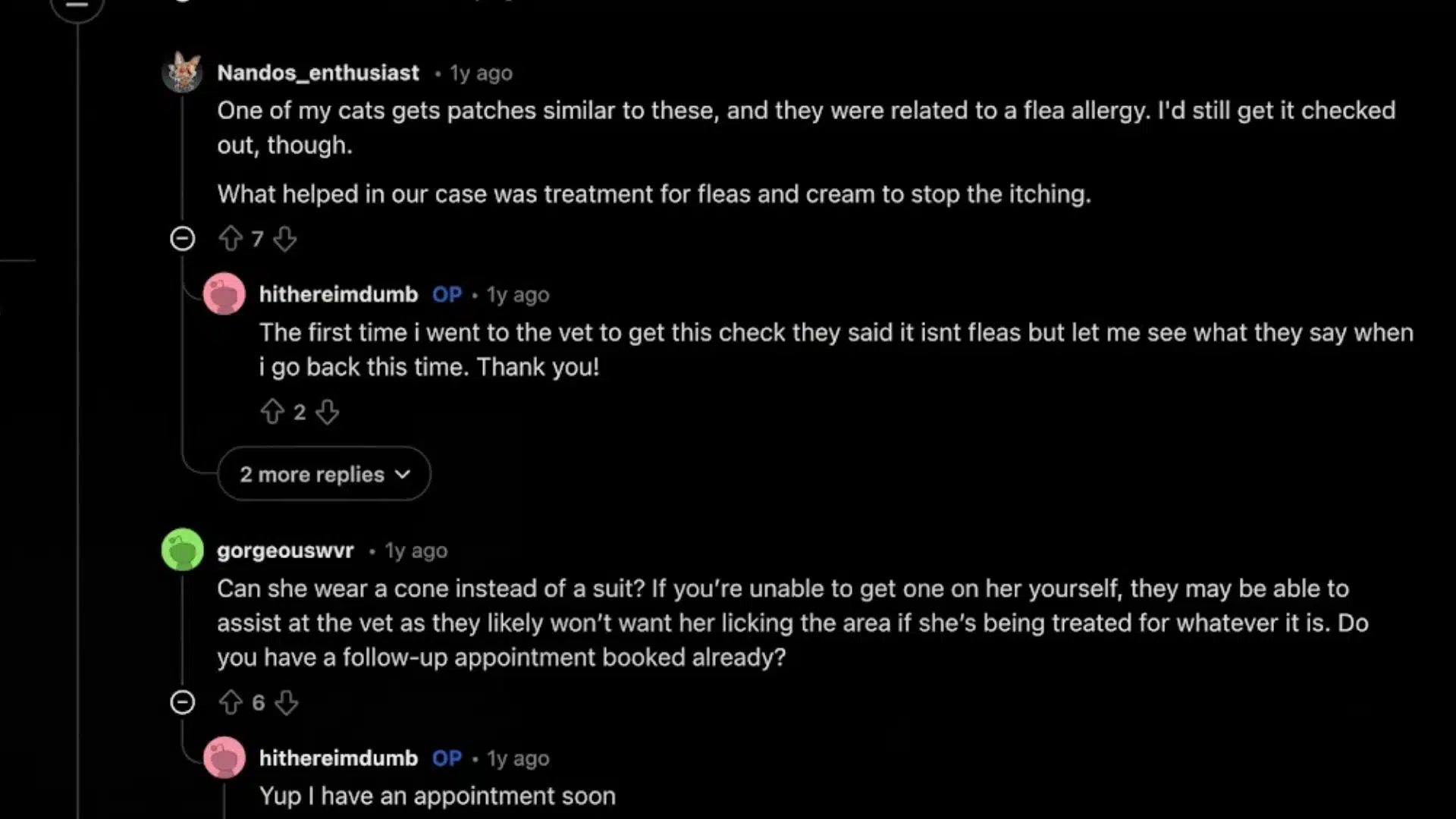
Many Reddit users dealing with similar cat skin problems point toward one common pattern: persistent itching, scabbing, and fur loss, often linked to underlying triggers rather than a single clear cause.
A large number of pet owners suspect flea allergy dermatitis, even when fleas are not visible.
Some shared that their cats improved only after consistent flea treatment and medication to reduce itching.
Others highlighted allergies, including food or environmental triggers, as a major factor behind excessive scratching and licking.
There were also suggestions like using cones instead of recovery suits, as some cats easily remove or damage protective clothing.
A few cases mentioned more complex causes, such as thyroid issues or stress-related overgrooming.
Overall, the common advice remains consistent: follow up with a vet, consider allergies seriously, and focus on preventing further scratching while treatment begins.
How Vets Diagnose Cat Skin Conditions?
When it comes to diagnosing cat skin conditions, vets usually rely on a mix of basic tests and observation.
This can include flea combing to check for live fleas or flea dirt, skin scraping to detect mites, and cytology, which is a microscopic exam of skin cells to identify bacteria or yeast.
Fungal cultures may also be used, though they can take two to four weeks to confirm conditions like ringworm.
In some cases, vets may recommend intradermal allergy testing or even a skin biopsy.
For suspected food allergies, an elimination diet using a hydrolyzed or novel protein source is considered the standard approach.
From what I have seen, this process is not always quick or straightforward.
Many cat skin conditions look similar on the surface, which makes visual diagnosis limited. Some issues require multiple visits, repeat testing, or time-based trials to confirm the real cause.
This can be frustrating for owners, especially when symptoms continue. Cost and time also play a role, as not every test is done immediately.
Because of this, cat skin conditions are sometimes treated step by step rather than diagnosed in one visit.
One thing I tell my clients early on is to keep a photo log of their cat’s skin from the first sign of trouble. Progression photos taken a week apart can be more useful than anything during a follow-up visit.
They show whether a condition is spreading, changing shape, or responding to treatment, which often influences the next diagnostic step far more than memory alone.
Treatment Approaches Based on Condition Type
Treating cat skin conditions depends on identifying the root cause rather than just managing the visible symptoms. The goal is to reduce discomfort, clear the underlying issue, and prevent the problem from coming back.
1. Parasite-Based Conditions
Parasites are a leading cause of cat skin conditions, and treatment usually focuses on eliminating fleas or mites completely.
According to the Companion Animal Parasite Council (CAPC), common flea treatments include medications like selamectin (Revolution), fipronil (Frontline), and fluralaner (Bravecto).
These are applied topically or given orally. For mites, treatments such as ivermectin or lime sulfur dips may be used under veterinary guidance.
It is important to treat not just the cat but also the home environment, since fleas can live in bedding and carpets.
2. Fungal Infections
Fungal-related cat skin conditions, such as ringworm, are treated with antifungal medications.
Veterinary sources like the Cornell Feline Health Center recommend topical treatments like miconazole or lime sulfur dips for mild cases.
More severe infections may require oral medications such as itraconazole or griseofulvin. These treatments often continue for several weeks, even after visible signs improve.
Cleaning the environment and using medicated shampoos is also important because fungal spores can spread easily.
3. Allergies
Allergy-related cat skin conditions are managed by identifying and reducing exposure to triggers.
This may include food trials using limited-ingredient or prescription diets recommended by veterinary organizations.
As per AAHA, antihistamines like chlorpheniramine are sometimes used to reduce itching, although results can vary.
In some cases, vets may suggest medications such as corticosteroids or newer options like cyclosporine (Atopica) to control inflammation.
Environmental changes, like reducing dust or switching cleaning products, can also help.
When Treatments Don’t Work: Possible Reasons
There are times when treating cat skin conditions does not lead to the expected results, and that can be frustrating.
In my experience, one of the biggest reasons is that the root cause was not correctly identified in the first place.
Sometimes, more than one condition is present at the same time, such as fleas along with allergies, which makes treatment more complex.
Another common problem is stopping treatment too early, especially when symptoms start to improve.
Environmental triggers like bedding, dust, or cleaning products are also often overlooked.
Reinfection is another factor, especially with parasites or fungal issues, where the source is still present.
This is why skin conditions often require patience, observation, and sometimes a step-by-step approach to fully resolve.
Simple Prevention Habits for Cat Skin Conditions
Small, consistent habits can reduce the chances of common issues like parasites, infections, and allergies. Focusing on hygiene, environment, and routine care helps keep a cat’s skin healthy and reduces recurring problems.
- Regular flea prevention: Consistent use of vet-recommended flea treatments helps avoid one of the most common triggers of cat skin conditions, even if fleas are not visible.
- Clean feeding setup: Switching to stainless steel or ceramic bowls instead of plastic can prevent issues like cat acne and reduce bacteria buildup.
- Routine grooming and skin checks: Grooming techniques and checking for scabs, bumps, or hair loss help catch early signs of cat skin conditions before they worsen.
- Maintain a clean environment: Washing bedding, vacuuming carpets, and keeping living areas clean reduces exposure to parasites, dust, and allergens.
- Balanced diet and hydration: Proper nutrition supports skin health and helps prevent dryness or irritation linked to certain cat skin conditions.
- Limit exposure to irritants: Avoid harsh cleaning products or strong fragrances that may trigger allergic reactions in sensitive cats.
- Regular vet checkups: Routine visits help detect early signs of cat skin conditions and ensure preventive care stays on track.
- Monitor breed-specific risks carefully: If you have a Himalayan, Persian, or Rex breed, it is important to discuss grooming and skin care routines with your vet. These cats often need more frequent skin checks and personalized preventive care.
Conclusion
Cat skin conditions are rarely simple, and that is what makes them challenging for many cat owners.
What I have learned over time is that these issues rarely have a quick fix, and every case can be a little different, but careful observation and patience play a big role in understanding what is really going on.
Small changes in behavior or skin appearance can offer important clues over time.
While veterinary care is essential, owner awareness at home is just as important in managing cat skin conditions effectively.
Combining both leads to better outcomes and fewer recurring problems. Instead of rushing to conclusions, taking a step-by-step approach helps in making informed decisions.
Have you experienced similar issues or noticed something unusual with your cat? Share your thoughts or tips in the comments.
Frequently Asked Questions
Are Cat Skin Problems Contagious To Humans?
Some cat skin conditions, like ringworm, are contagious and can spread to humans. Most other issues, such as allergies or acne, are not contagious but still require proper care.
Is Water With Sugar Good For Cats?
No, sugar water is not recommended for cats. It offers no real health benefit and may upset digestion. Clean, fresh water is always the safest and healthiest option.
Can I Use Human Skin Creams Or Treatments On My Cat?
No, human creams should not be used on cats, as many ingredients can be harmful or toxic. Always use veterinary-approved treatments specifically made for cat skin conditions to ensure safety.