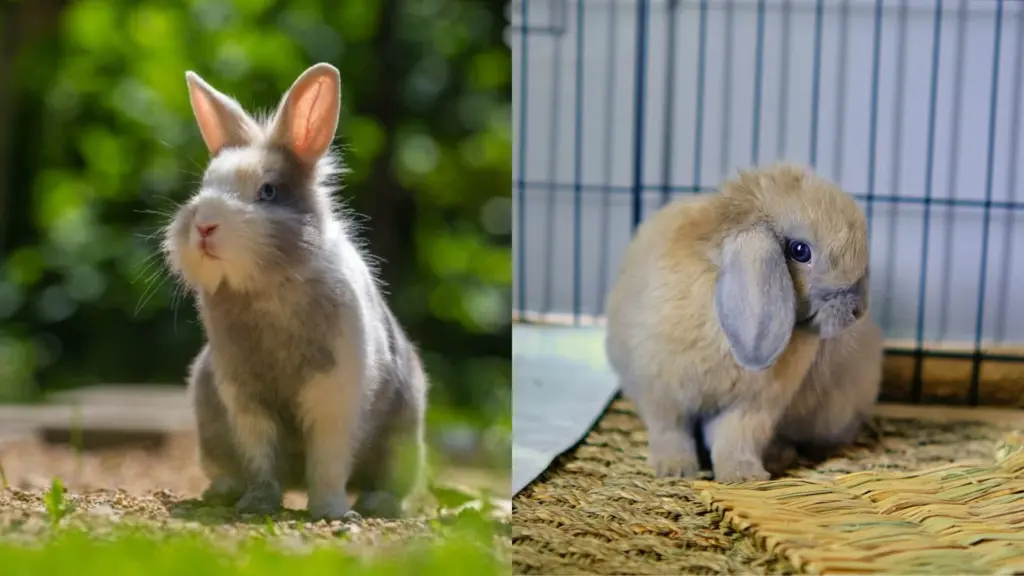
Indoor or Outdoor Rabbit Life is one of the first things that comes to mind when bringing a rabbit home.
Rabbits are social and curious animals with specific needs that cannot be ignored, so this decision shows up early for most new owners and goes beyond simple convenience.
Many vets and rabbit care groups agree that indoor living is generally safer and supports better long-term health, mainly because it allows more control and reduces common risks.
At the same time, the choice is not always straightforward, since the right setup depends on what can be managed consistently.
Some rabbits live freely inside a home, while others stay in outdoor hutches with garden access, and these setups create very different lifestyles shaped by safety, space, time, and daily care.
Understanding How Rabbits Live and Behave
Rabbits are prey animals, so their behavior is built around survival. Digging, chewing, and hiding are natural instincts, not bad habits, and without proper outlets, they can become stressed or destructive.
They also rely on routine, as regular feeding, cleaning, and interaction help them feel secure. On top of that, rabbits are sensitive to noise, heat, and sudden changes, which can quickly cause discomfort.
Another important point is how well rabbits hide illness. They often show signs only when a problem becomes serious, which makes the living setup more important for early detection.
The environment shapes both health and lifespan, and indoor rabbits often live longer due to fewer risks and better monitoring.
Indoor Rabbit Life: Daily Reality
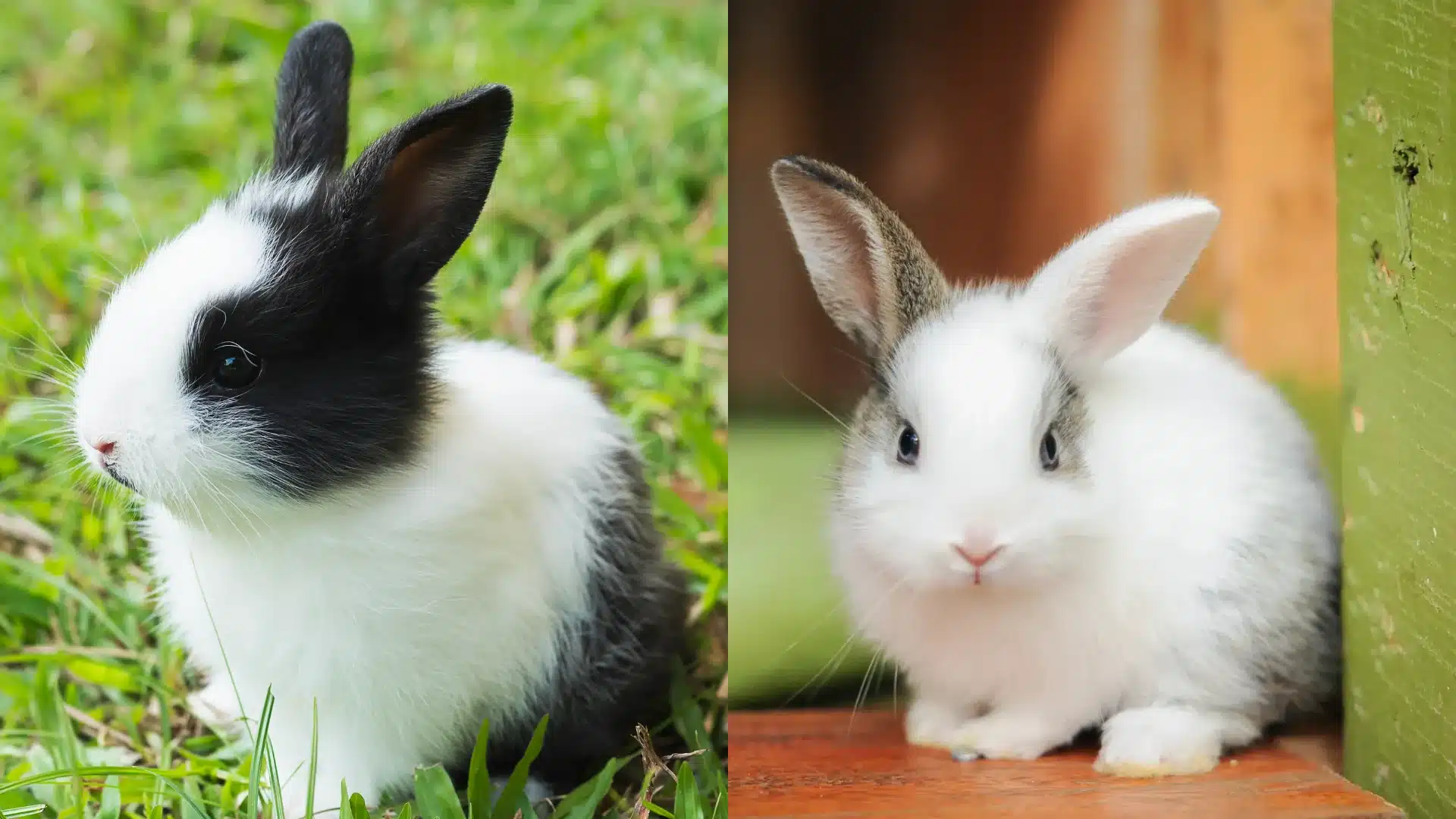
Indoor rabbits live closely with the household and become part of daily activities.
Some are allowed to move freely, while others stay within limited spaces, but in both cases, they interact regularly with people and adapt to the home’s routine.
This constant presence helps them settle in quickly and build strong bonds, which matters since rabbits are highly social and can become stressed when left alone for long periods.
Many owners prefer indoor living because it offers better safety and control. It allows close monitoring of health and behavior while reducing risks from predators, insects, and weather.
If you are still figuring out the terminology around your new pet, understanding the difference between bunny vs rabbit can also help you communicate more clearly with vets and fellow owners.
At the same time, indoor setups require effort, as chewing, cleaning, and rabbit-proofing are ongoing responsibilities.
Outdoor Rabbit Life: What it Really Involves
Outdoor rabbits usually live in hutches with attached runs or garden enclosures that give them more space to move and access to fresh air and natural light.
This setup allows more independence, especially during the day, and can work for homes with limited indoor space or specific constraints.
A well-built outdoor setup offers benefits like room for movement, natural grazing, and better indoor cleanliness. It also supports natural behaviors like digging, which keeps rabbits mentally active.
However, the risks are serious and need constant attention. Predators, parasites, and extreme weather can all harm rabbits, even in strong enclosures.
Monitoring health is also harder outdoors, which can delay spotting problems. Keeping rabbits outside safely requires consistent effort and careful setup.
Indoor or Outdoor Rabbit Life: What Actually Makes the Difference
This comparison shows how indoor setups offer more control and safety, while outdoor setups depend heavily on effort, structure quality, and consistent daily management.
| Factor | Indoor Rabbit Life | Outdoor Rabbit Life |
|---|---|---|
| Safety | Controlled space with no predator access and stable conditions | Exposure to predators, weather changes, parasites, and flystrike risk |
| Comfort | Stable temperature and predictable routine with low stress | Conditions vary and depend heavily on enclosure quality |
| Owner Interaction | High, as the rabbit is part of daily household life | Limited, requires intentional and regular visits |
| Health Tracking | Easy to notice changes through daily observation | Harder to detect issues early due to less visibility |
| Parasite Exposure | Minimal, indoor spaces reduce exposure to pests | High, direct exposure to fleas, ticks, and insects |
| Average Lifespan | Around 8 to 12 years with proper care | Around 3 to 5 years due to environmental stress |
Rabbit Housing Mistakes That Affect Health and Safety
These mistakes often come from underestimating daily care needs, which leads to avoidable risks that directly affect a rabbit’s safety, comfort, and long-term health.
- Assuming outdoor rabbits need less care: Outdoor setups still need daily checks, weather control, and strong protection. Less visibility often increases risk instead of reducing effort.
- Keeping rabbits in small cages all day: Limited space causes stress and health issues. Rabbits need daily movement, and space quality matters more than indoor or outdoor location.
- Ignoring weather impact: Rabbits struggle with heat and cold. Even short exposure to high temperatures can be dangerous, making seasonal adjustments necessary for safety.
- Not rabbit-proofing indoor spaces: Free roaming without preparation leads to damage and risk. Securing wires, furniture, and harmful items prevents avoidable accidents.
- Skipping veterinary visits: Rabbits hide illness well, so regular vet checks are needed to catch problems early, even when no clear symptoms are visible.
Beyond environment choices, feeding errors are just as common. Many owners are unaware of what rabbits can and cannot eat safely, so brushing up on rabbit diet basics is a practical step alongside getting the housing right.
Factors That Decide the Right Rabbit Living Setup
Several practical factors shape which environment actually works for both the rabbit and the owner.
- Living space: Apartments limit outdoor options, and small hutches in shared spaces are unsafe. A well-planned indoor pen is often the more practical and secure choice.
- Time available for care: Indoor setups need cleaning and interaction, while outdoor setups need checks and weather management. Both require daily effort, just in different ways.
- Experience level with pets: New owners benefit from indoor setups, as close contact helps them understand behavior and notice health changes earlier without guesswork.
- Budget for setup and maintenance: Outdoor setups need strong enclosures and protection, while indoor setups need rabbit-proofing and supplies. Both require proper investment to stay safe.
- Existing household pets: Dogs or cats can stress rabbits indoors, but separation works better than moving outside, where predator risks and environmental dangers are much higher.
Conclusion
For most homes, an indoor setup offers a safer and more practical way to raise a rabbit.
It allows closer health monitoring, steady interaction, and stable living conditions, which support better long-term wellbeing and lifespan.
Outdoor setups can still work, but they need more preparation, stronger protection, and consistent upkeep to manage risks.
The difference often comes down to how well the space is built and maintained over time.
When indoor or outdoor rabbit life is judged based on real limits like space, time, and effort, the better option usually becomes clear.
What setup does your rabbit currently have, and what has worked best for you? Share your experience in the comments below.
Frequently Asked Questions
Can Rabbits be Left Alone for Long Hours?
Rabbits should not be left alone for long periods without interaction or checks. They need daily attention, fresh food, and monitoring to stay healthy and stress-free.
Do Rabbits Need a Companion or Can They Live Alone?
Rabbits are social animals and often do better in pairs. A bonded partner can reduce loneliness, but proper introductions and compatibility are important.
What Type of Flooring is Best for Rabbits?
Rabbits need non-slip, soft flooring to protect their feet. Hard or wire surfaces can cause injury, so mats, rugs, or padded areas work better for comfort and safety.