

I’ve often heard people use “bunny” and “rabbit” like they mean the same thing, and honestly, I used to do the same. But as I looked closer, I realized there’s more behind these two words.
I’ll help you see how they differ, not in the animal itself, but in how we use the words. The difference comes from language and feeling, not science.
This is what you’ll find:
- What “bunny” and “rabbit” really mean
- How these words started and changed over time
- When you should use one or the other
By the time you’re done reading, you’ll see that while a bunny and a rabbit are the same creature, the choice of word says a lot about how you feel and speak about them.
What Do the Words “Bunny” and “Rabbit” Mean?
The words “bunny” and “rabbit” might sound alike, but they carry different meanings in how we use them.
“Rabbit” is the proper name for the animal itself, a small mammal with long ears, strong back legs, and a habit of hopping around fields and gardens.
It’s the word you’d find in science books, farm settings, or wildlife talks.
“Bunny,” on the other hand, is a softer, more affectionate term. People use it when they want to sound caring, playful, or childlike.
You’ll often hear “bunny” in stories, pet names, and phrases like “Easter Bunny.”
So while both words point to the same creature, their use depends on tone and setting. “Rabbit” describes the species, while “bunny” adds warmth and emotion.
One feels factual; the other feels friendly. Both belong in our language; they just serve different moods.
The Origin of the Terms: A Quick History
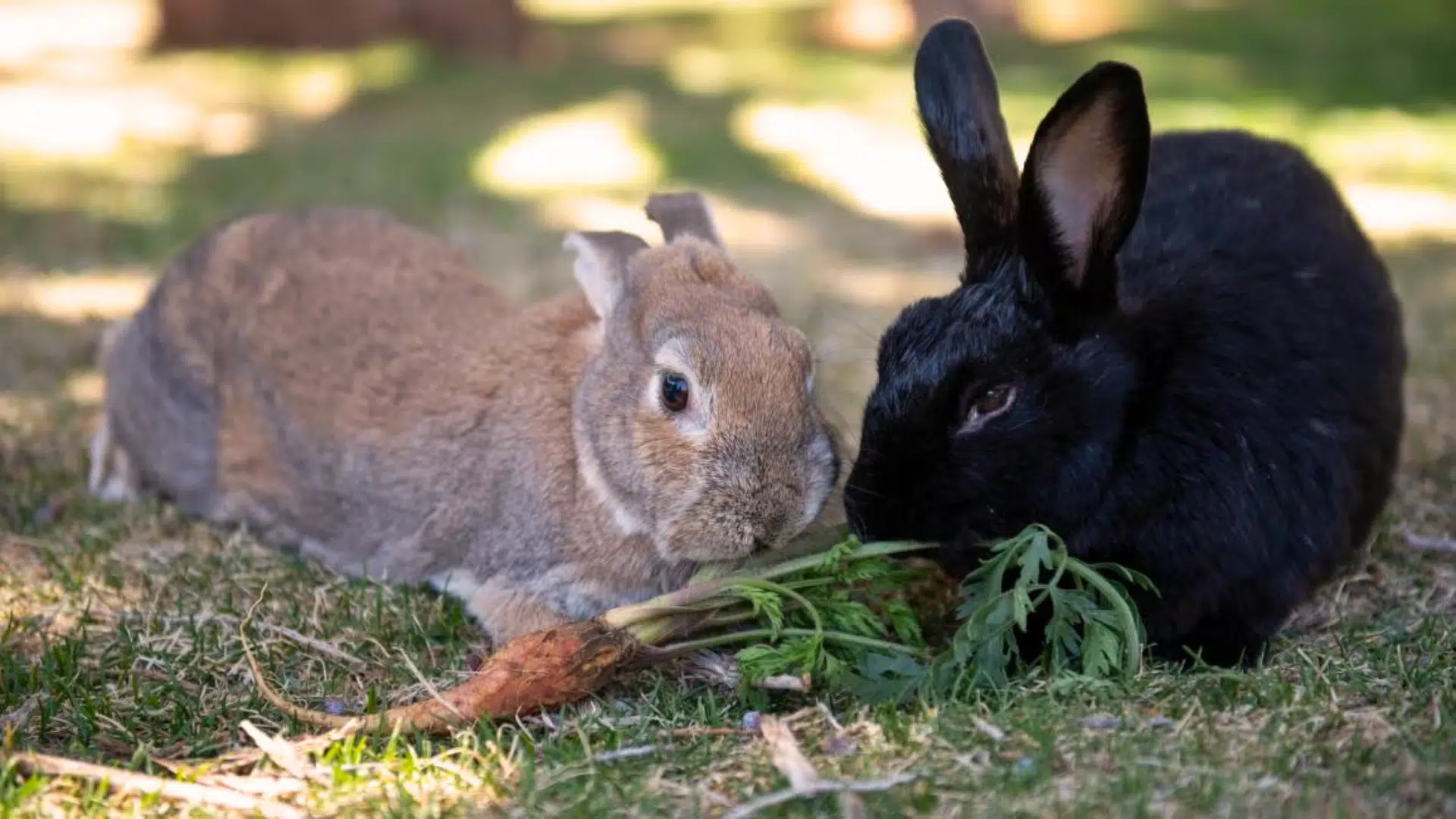
The word “bunny” actually began as “bun,” a term people once used for small animals like squirrels or young rabbits.
Over time, “bun” turned into “bunny,” a softer and friendlier version that became common in children’s speech and stories. It carried a sense of warmth and affection, which stuck.
The word “rabbit” replaced an older English word, “coney,” which was once common but faded as it began to sound awkward in speech.
“Rabbit” became the standard in the 18th century and stayed that way, sounding formal, while “bunny” stayed playful.
So, both words grew from history, shaped by how people spoke and what felt natural. What began as slang and a habit turned into the way we still talk about rabbits today.
Common Facts About Rabbits
Rabbits are fascinating little animals with habits and traits that make them both adorable and interesting to care for. Here are some simple facts to help you understand them better.
- Rabbits belong to the Leporidae family, closely related to hares.
- They are herbivores and eat mainly hay, greens, and vegetables.
- An adult rabbit’s lifespan is usually between 8 and 12 years.
- They have strong hind legs designed for jumping and quick escapes.
- Rabbits are most active at dawn and dusk, which is when they like to eat and play.
- They communicate through gentle thumps, nudges, and ear movements.
- A rabbit’s teeth never stop growing, so they need hay and chew toys.
- They groom themselves often, much like cats.
- Rabbits need companionship and can get lonely if left alone too long.
Age and Usage Differences Between a Rabbit and a Bunny
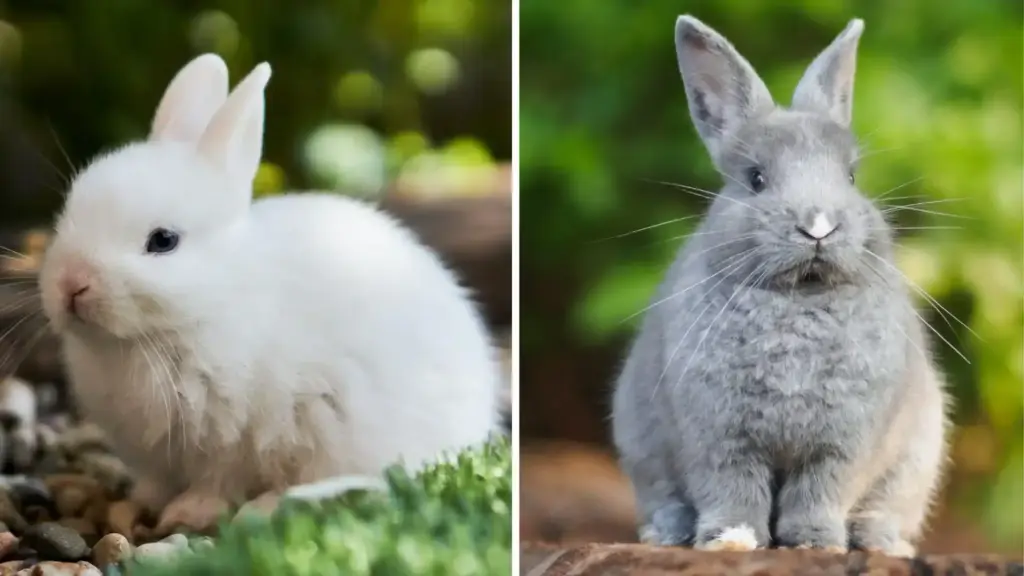
People often use “bunny” for baby or smaller rabbits, while “rabbit” fits grown ones. The choice usually depends on tone and setting.
When talking about a pet or a gentle creature in a story, “bunny” feels right; it sounds soft and friendly.
But if you’re describing a wild animal in a field or reading about it in a science book, “rabbit” makes more sense.
It’s more neutral and factual. So, when someone says “bunny,” they’re often showing affection or talking casually. “Rabbit,” however, gives a straightforward, mature tone.
You might notice that in children’s books, it’s almost always a bunny, but in wildlife articles, it’s a rabbit.
Both words are correct; it just depends on how you want to sound and what kind of picture you’re painting for the reader.
When to Use “Bunny” in Everyday Language?
People often use the word “bunny” when they want to sound friendly, playful, or affectionate. It’s a softer term that fits casual talk, stories, and anything meant to feel warm or lighthearted.
- When talking to kids, “bunny” sounds gentle and easy to say.
- When referring to your pet rabbit in an affectionate way.
- In storybooks or fairy tales where the tone is sweet or fun.
- In phrases like “Easter Bunny” or “bunny hops” that evoke joy and innocence.
- When writing cards, captions, or social posts with a cheerful tone.
- While describing soft toys, art, or crafts inspired by rabbits.
- When you want to add personality or warmth to your words, instead of sounding formal.
- Use “rabbit” instead when your goal is to sound factual, serious, or scientific.
Bunny vs Rabbit in Popular Culture
In popular culture, the word “bunny” often takes the spotlight because it sounds friendly and playful.
The most famous example is the Easter Bunny, a symbol of joy and new beginnings that children look forward to every spring.
Then there’s Bugs Bunny, the clever cartoon character who made the word even more familiar and fun.
“Bunny” is often used in stories, movies, and toys because it feels soft, warm, and appealing.
On the other hand, “rabbit” usually appears in more serious or realistic contexts, such as nature documentaries or classic tales like Watership Down. It carries a tone that’s factual rather than playful.
Both words describe the same animal, but in entertainment, “bunny” captures imagination and emotion, while “rabbit” reminds us of the animal’s true, natural side.
Are Bunnies and Rabbits the Same as Hares?
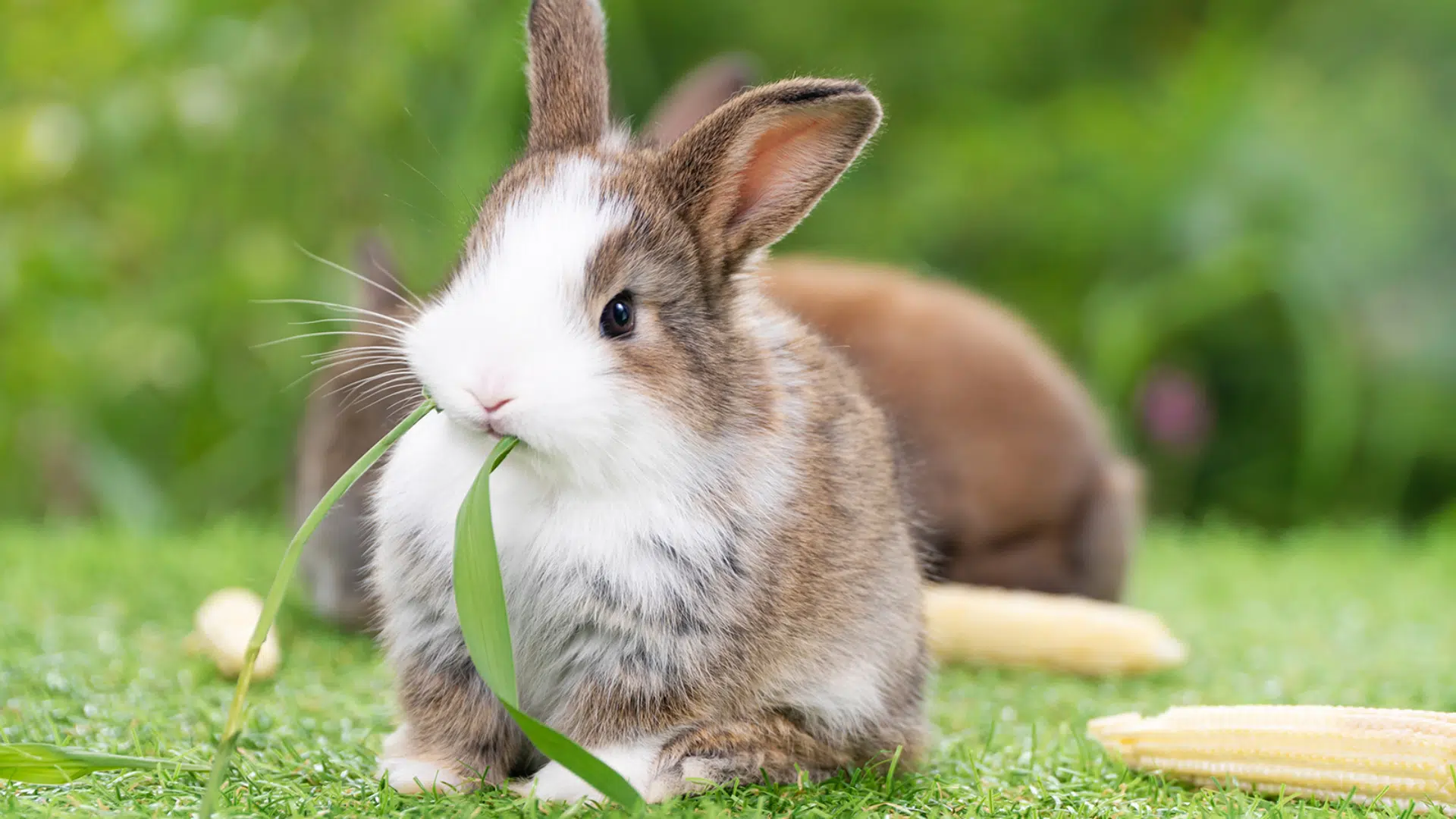
Bunnies and rabbits are not the same as hares, even though they look alike. The biggest difference is in their size, speed, and lifestyle.
Hares are bigger and built for speed, while rabbits are smaller and stay near their burrows. Unlike rabbits, hares don’t dig tunnels; they live above ground in simple nests called “forms.”
Baby hares, known as leverets, are born with fur and open eyes, ready to move almost right away.
Rabbit kits, on the other hand, are born blind and hairless, needing care and protection in underground nests.
You’ll often see hares in wide, grassy areas, while rabbits are more common in gardens or forests. So, while they belong to the same family, their habits and homes make them quite different.
Conclusion
At the end of the day, “bunny” and “rabbit” describe the same animal, but the words feel different when you say them.
“Bunny” carries warmth, affection, and a sense of playfulness; it’s what you’d call a pet or a storybook friend.
“Rabbit,” on the other hand, sounds clear and factual, used when you’re talking about the animal itself.
The word we choose shows how we see and connect with animals. Words shape our emotions, even when they describe the same thing.
If you’ve ever called your pet a bunny or read about a wild rabbit, you’ve already felt the difference.
Next time you talk about them, notice which word comes naturally; it might say more about you than you think.
Frequently Asked Questions
Why do Children Learn the Word “Bunny” Before “Rabbit”?
Children usually learn “bunny” first because it sounds softer, easier to pronounce, and is widely used in stories, toys, and early learning materials designed to feel friendly and comforting.
Do Different Regions Prefer “Bunny” or “Rabbit” More?
Yes, language preferences can vary by region and culture. Some places use “rabbit” more in everyday speech, while others casually use “bunny,” especially in informal conversations or family settings.
Can Using “Bunny” Instead of “Rabbit” Change Perception?
Using “bunny” can make the animal seem cuter, more gentle, and less wild, while “rabbit” often presents a more neutral or realistic image, especially in educational or serious contexts.