I have spent years studying dog breeds, speaking with trainers, veterinarians, and people who work closely with dogs, and one thing always stands out: the right breed depends on the job.
A dog working beside an officer is not chosen only because it looks impressive. Every police dog breed is selected for specific traits that help it succeed in demanding situations.
From tracking a missing person to detecting dangerous substances, K-9 dogs support law enforcement in many ways.
Their success comes from a combination of focus, health, scent ability, confidence, and training. Understanding these differences helps explain why certain breeds appear so often in police work.
What Makes a Police Dog a K-9 Partner?
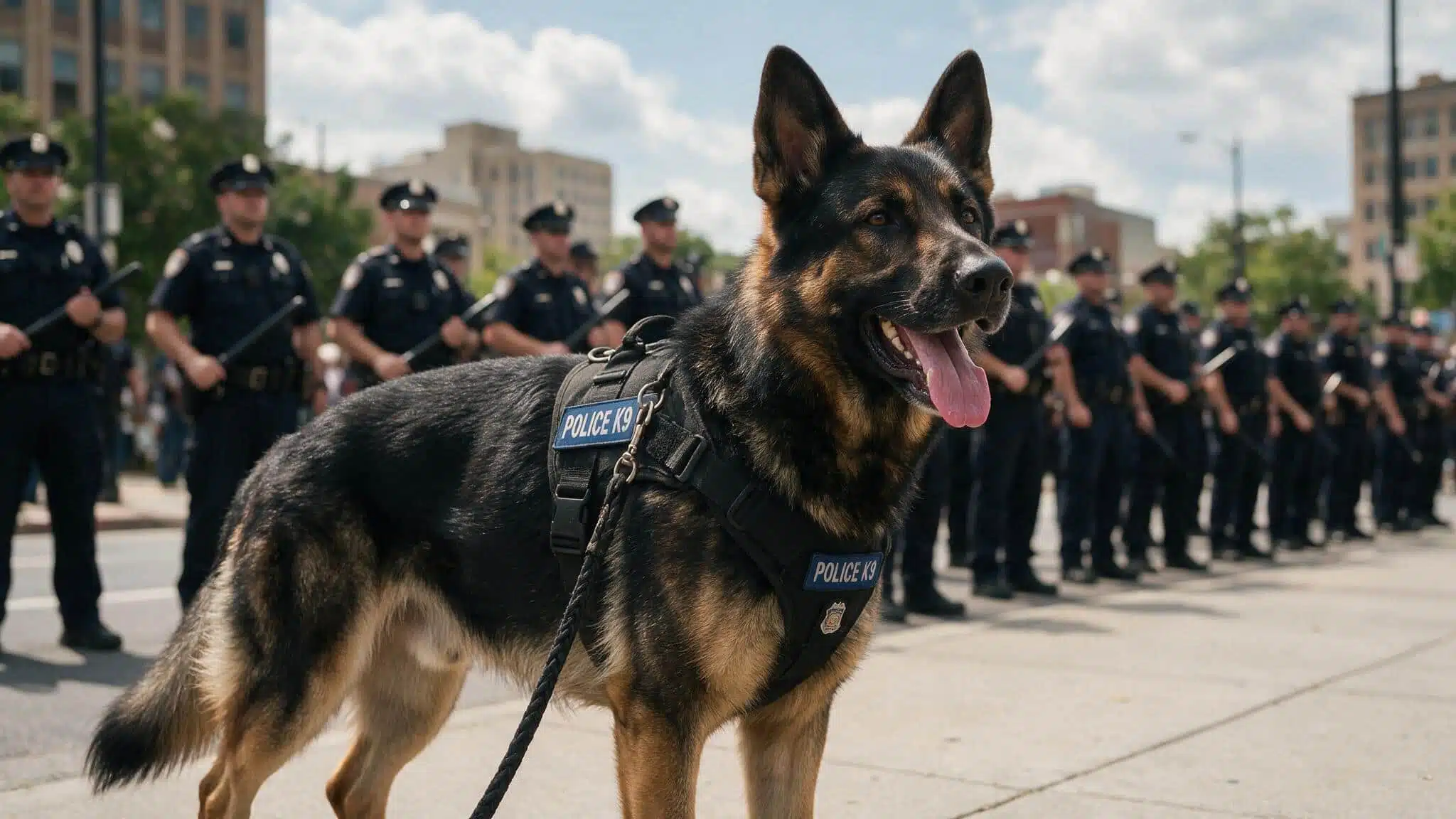
A police dog, often called a K-9, is trained to work alongside law enforcement officers in specialized roles. The term K-9 comes from the word “canine” and is commonly used by police departments when referring to working dogs.
These dogs are not simply pets that accompany officers. They complete structured training before being assigned to a handler and must demonstrate the skills needed for their specific duties.
Police departments have used working dogs for many years, but breed selection has changed as agencies have learned more about behavior, training methods, and job requirements.
A dog suited for detecting scents may have very different qualities from one trained for patrol work.
Single-Purpose vs. Dual-Purpose K-9s
Police departments train K-9s based on the duties they need them to perform. Some dogs specialize in one area, while others receive broader training that allows them to handle multiple responsibilities.
A single-purpose K-9 focuses on one specialized assignment, such as explosives detection, scent detection, or tracking. These dogs spend their training time developing a specific skill set for their role.
A dual-purpose K-9 receives training for multiple tasks, often combining patrol work with another ability such as tracking or detection. This approach allows one dog and handler team to support a wider range of operations.
Both types play important roles in law enforcement. The right choice depends on department needs, available resources, and the specific duties assigned to the K-9 team.
Top Police Dog Breeds Used in K-9 Work
Different police departments choose breeds based on the role they need a dog to perform. A patrol dog, detection dog, or tracking specialist may require different physical and behavioral traits, which is why several breeds appear in law enforcement work.
1. German Shepherd

The German Shepherd is one of the most recognized police dog breeds because of its balance of intelligence, confidence, strength, and trainability.
I have often found that this breed represents the traditional image many people have of a working K-9 because it can adapt to several demanding roles, a versatility detailed further by the American Kennel Club.
German Shepherds are commonly used for patrol duties, tracking, searches, and handler protection. Their ability to learn commands quickly while remaining focused in stressful situations makes them valuable partners for many law enforcement teams.
The breed’s working history also contributes to its success. A well-bred German Shepherd combines physical ability with a steady temperament, which is important when a dog must respond to an officer’s direction in unpredictable environments.
2. Belgian Malinois
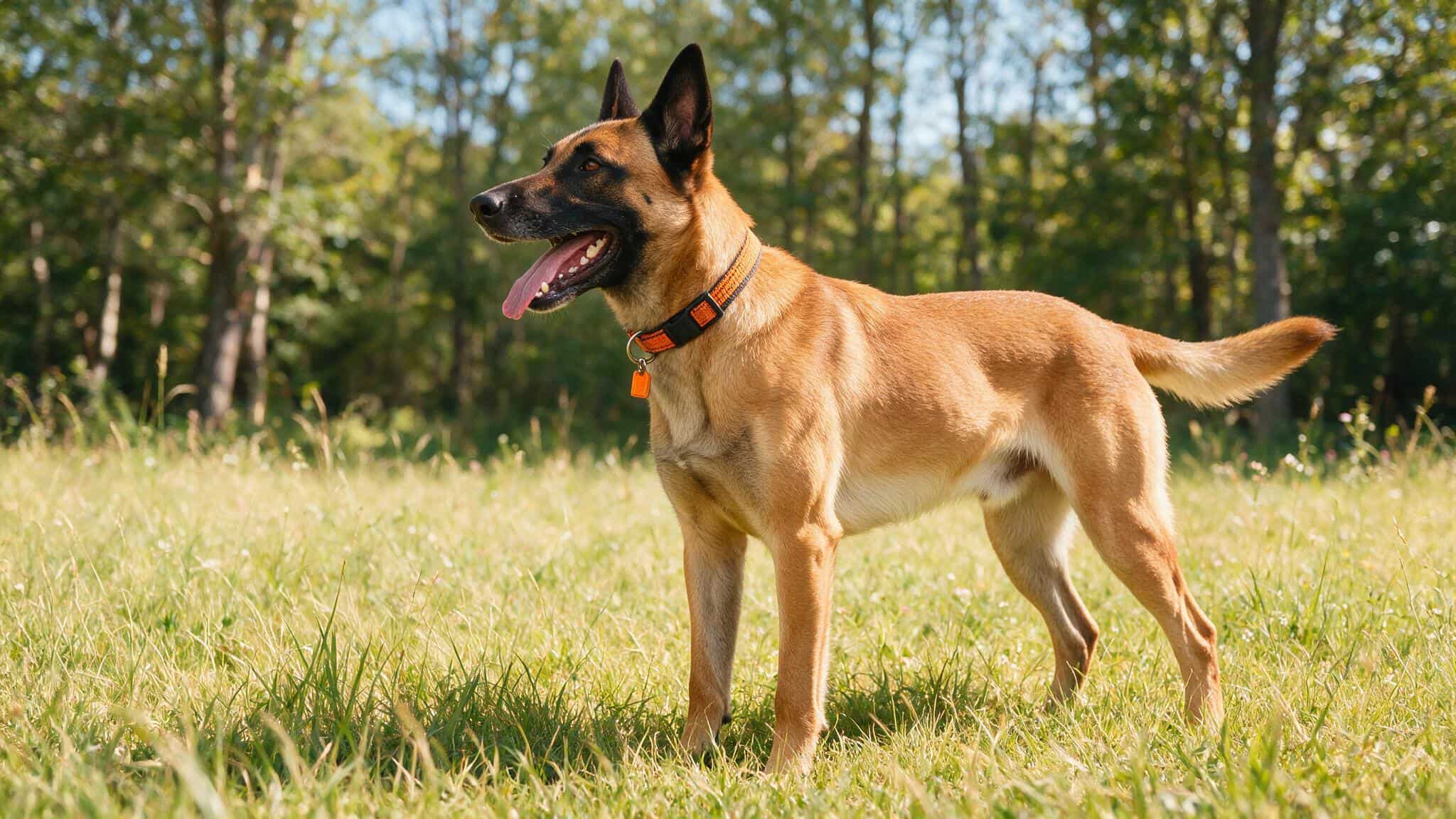
Belgian Malinois have become highly valued in police and military work because of their athletic ability, focus, and willingness to perform demanding tasks.
They are similar in appearance to German Shepherds but are generally lighter and more agile, a distinction the AKC breaks down in detail when comparing the two breeds side by side.
These dogs are often used for patrol, tracking, detection, and tactical support roles. Their speed, energy, and strong work drive help them perform jobs that require quick movement and consistent attention.
However, their high activity level means they require experienced handling, structured training, and regular physical and mental work. A Belgian Malinois is selected because of its working ability, not simply its appearance.
3. Bloodhound

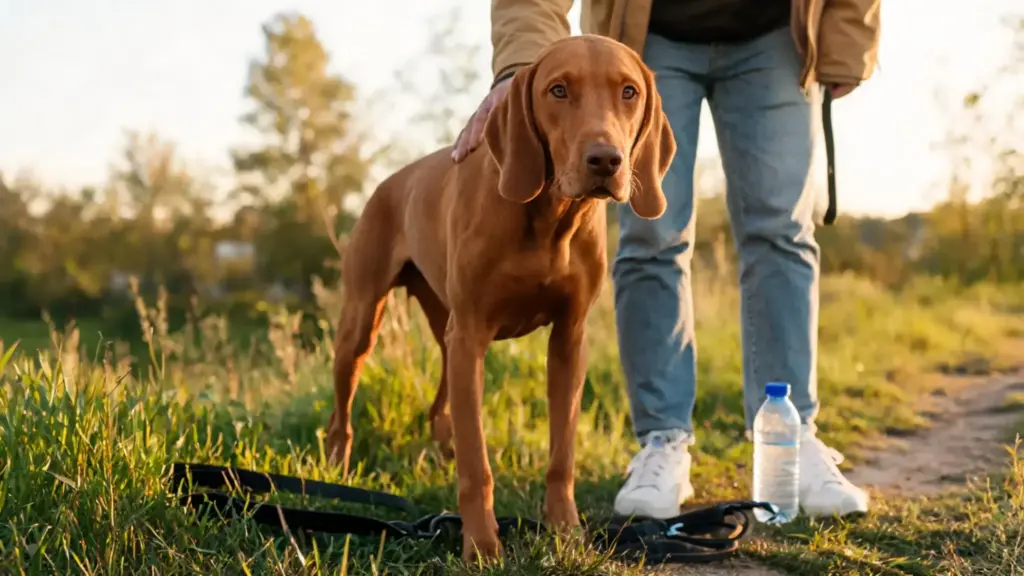
Bloodhounds serve a different purpose from many patrol breeds. Their greatest strength is scent tracking, which allows them to follow individual human trails over long distances.
Law enforcement agencies may use Bloodhounds to help locate missing people, track suspects, or follow scent trails in search operations.
Their long ears, large nose structure, and persistence contribute to their reputation as specialized tracking dogs, a reputation documented across more than a century of law enforcement use.
Unlike patrol breeds, Bloodhounds are not typically selected for protection work. Their value comes from their ability to focus on scent information and continue following a trail through challenging conditions.
4. Labrador Retriever
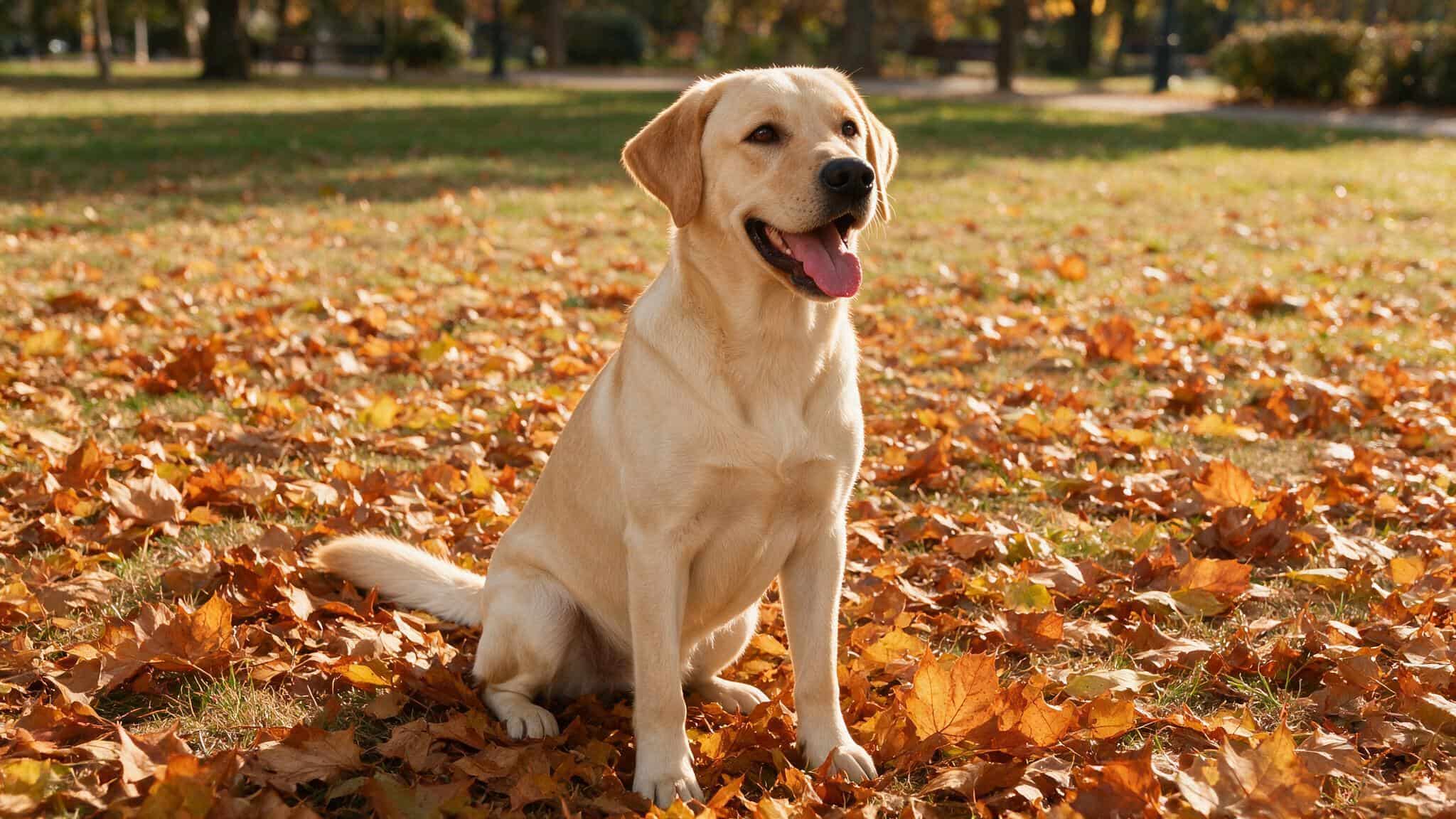
Labrador Retrievers bring a different set of qualities to K-9 work. Their friendly nature, strong motivation, and ability to learn quickly make them useful for detection assignments.
Many Labradors work in roles involving explosives detection, substance detection, and search tasks. Their calm appearance can also make them suitable for public environments such as airports and transportation areas.
Their food motivation is often used during training, and nutritious training rewards help reinforce scent identification skills. This combination of enthusiasm, focus, and cooperation makes Labradors reliable working dogs beyond their reputation as family companions.
5. Dutch Shepherd
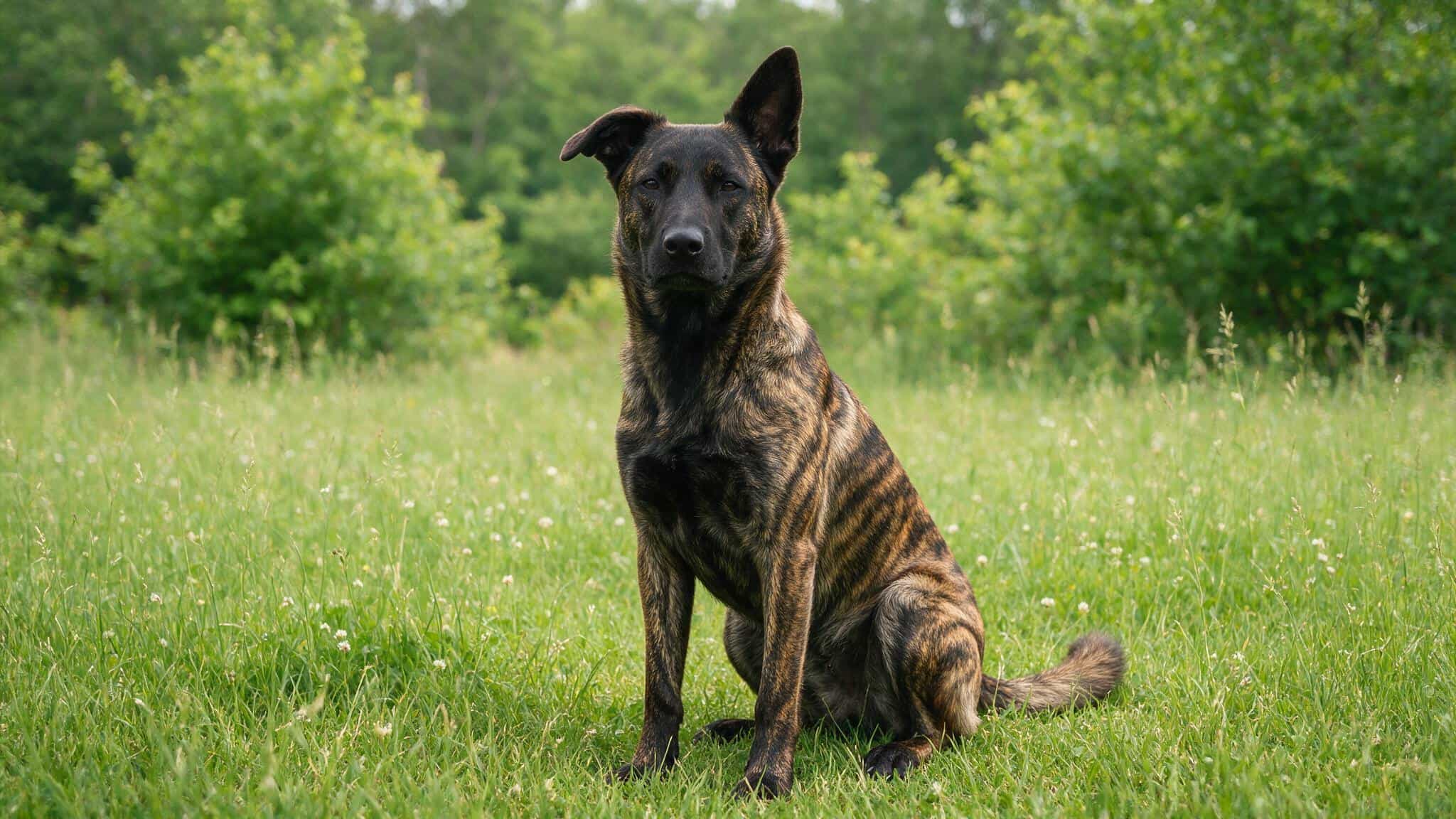
Dutch Shepherds are athletic working dogs known for their focus, endurance, and willingness to complete demanding tasks. Some law enforcement agencies use them for patrol and protection roles because of their physical ability and working drive.
They share some qualities with Belgian Malinois and German Shepherds, including intelligence and responsiveness during training. Their versatility allows them to support different operational needs when matched with the right handler and program.
Like other working breeds, Dutch Shepherds require proper training, structure, and daily activity to perform at their best.
6. Rottweiler

Rottweilers have a long history as working dogs and have been used in roles requiring strength, confidence, and reliability. Their powerful build and protective instincts can make them suitable for certain police tasks.
They may be used for patrol and protection work when they receive appropriate training and socialization. A stable temperament is especially important because working dogs must remain controlled around officers, the public, and changing environments.
Rottweilers are less common in modern K-9 units than German Shepherds or Belgian Malinois, but their working qualities remain valuable in suitable programs.
7. Doberman Pinscher

Doberman Pinschers were developed as protection dogs and have qualities that support alertness, loyalty, and quick responses. Their athletic build and strong bond with handlers can make them effective working companions.
Some police programs have used Dobermans for patrol and protection duties. Their intelligence allows them to learn commands, while their awareness helps them respond quickly to changes around them.
Although less common in current police work, Dobermans remain recognized as capable working dogs when matched with proper training and handling.
8. Springer Spaniel
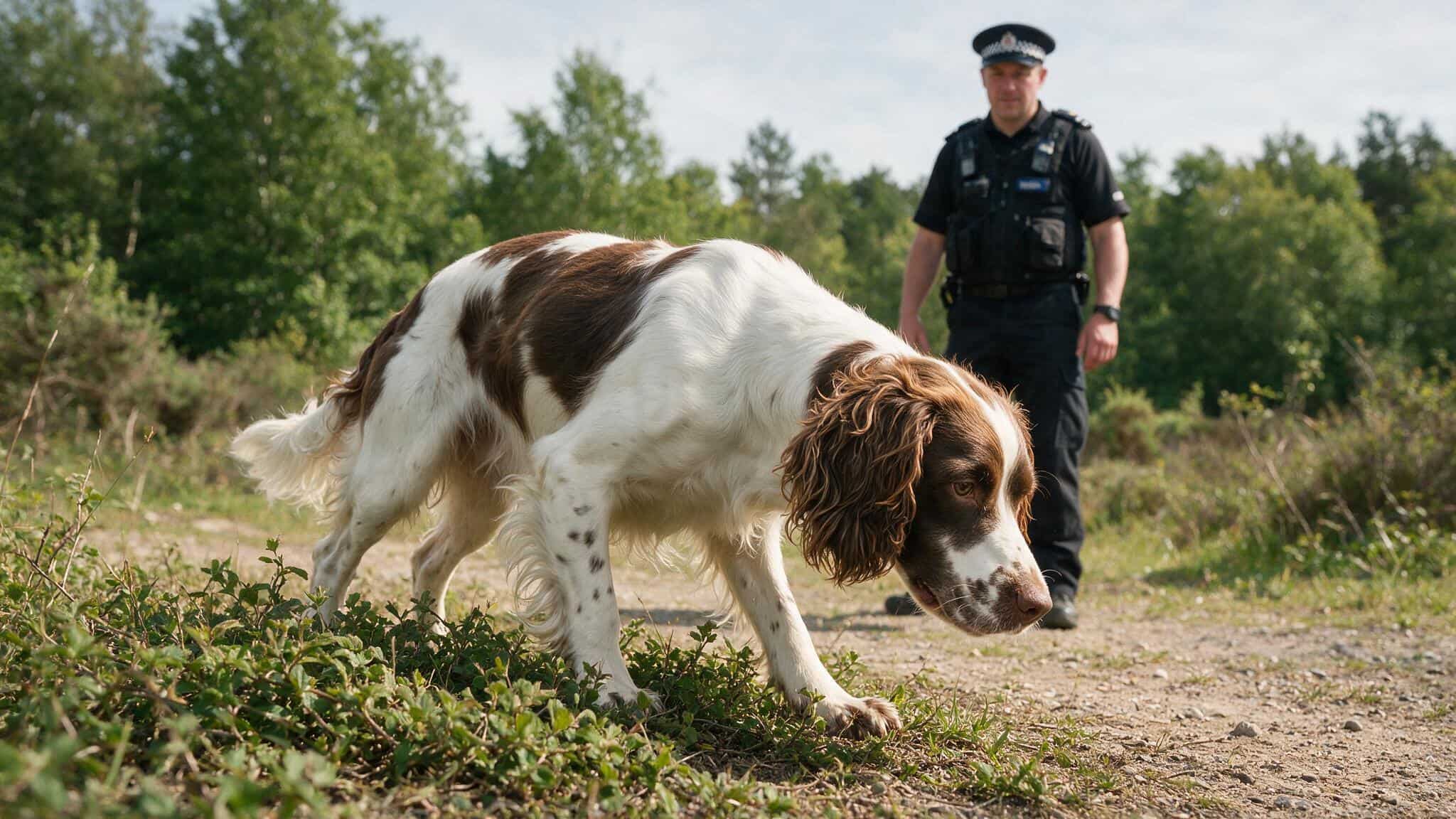
English Springer Spaniels may not be the first breed people picture for police work, but they are highly valued for detection tasks. Their strong scent ability, energy, and eagerness to work make them useful in specialized roles.
These dogs are often involved in searching for substances, evidence, or other target scents. Their smaller size can also help them move through tight spaces where larger breeds may have difficulty.
Their success comes from scent ability and focus rather than physical strength or patrol skills.
9. Beagle
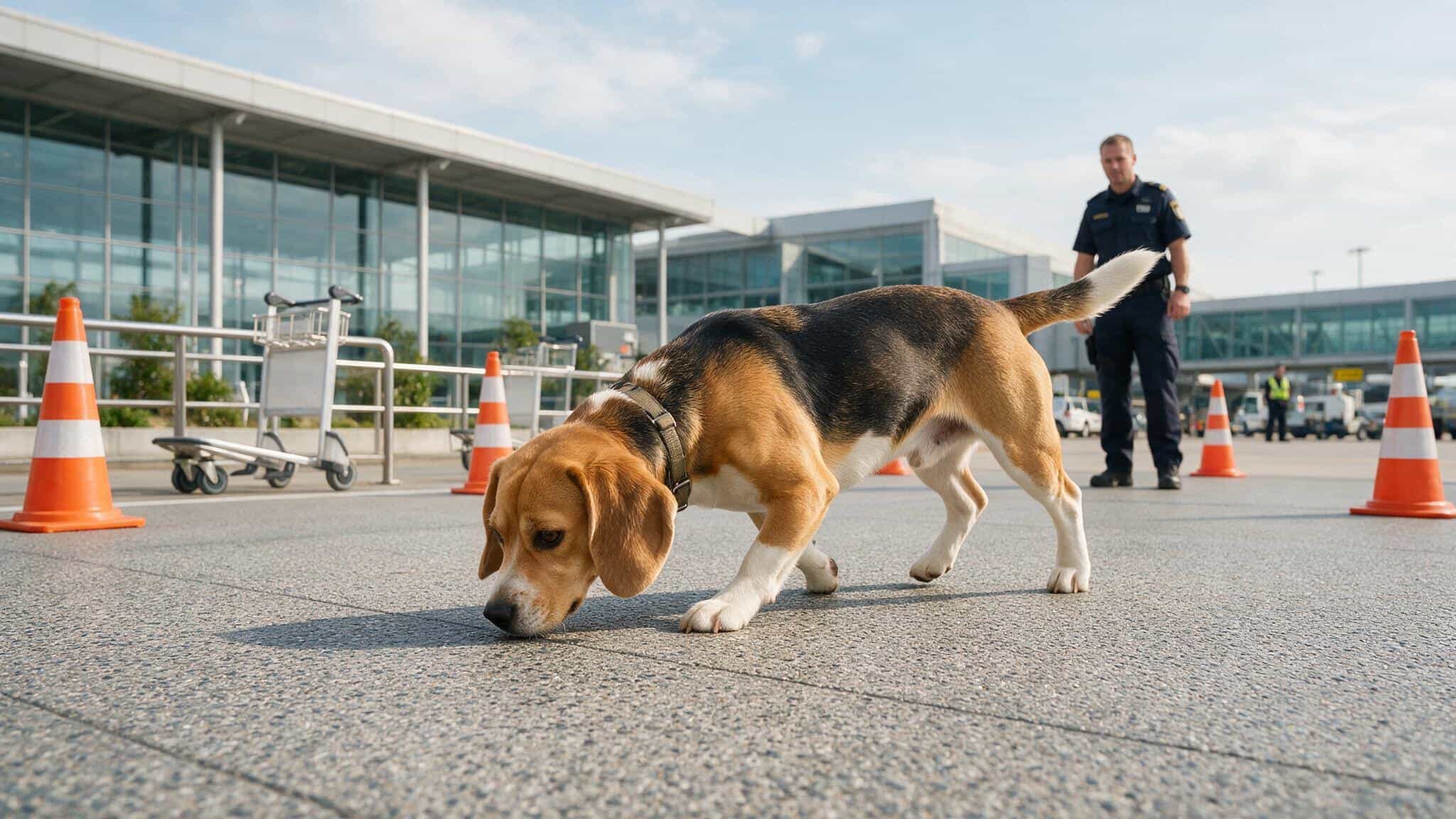
Beagles are another example of how police work is not limited to large protection breeds. Their powerful noses and persistence make them useful for scent detection.
Some agencies use Beagles for tasks involving prohibited items, agricultural inspections, and detection work in public spaces. Their smaller size and approachable appearance can make them less intimidating around travelers and visitors.
Their role highlights an important point about K-9 work: the best breed depends on the job, not simply size or appearance.
Why These Breeds Get Chosen for Police Work
A police dog’s success depends on more than breed alone. Departments evaluate each dog’s health, behavior, motivation, and ability to perform the specific tasks required for the role.
Important qualities considered during selection include:
- Work drive: The dog needs the motivation to continue performing demanding tasks.
- Focus: A reliable K-9 must follow commands despite distractions from people, sounds, and surroundings.
- Scent ability: Strong detection skills support tracking, searches, and locating specific targets.
- Trainability: The dog must learn commands and repeat behaviors consistently.
- Stable temperament: Controlled responses are important around crowds, vehicles, loud noises, and unfamiliar situations.
- Physical health: Dogs must have the strength, stamina, and overall condition required for active duty.
- Individual ability: A dog’s performance and personality matter more than appearance alone.
A breed may have natural strengths, but individual temperament and training determine whether a dog is suitable for police work. This is why departments evaluate each candidate carefully before placing them with a handler.
How are Police Dogs Trained?

Training helps turn a capable dog into a reliable K-9 partner. Each program focuses on obedience, communication, confidence, and skills needed for the dog’s assigned role.
Most police dogs begin with basic obedience before moving into specialized training. They learn commands, focus around distractions, and build trust with their handler through consistent practice. Training may include:
- Basic commands and social behavior
- Confidence-building exercises
- Scent detection or tracking skills
- Patrol and search techniques
Patrol dogs and detection dogs follow different training paths based on their duties. Patrol dogs focus on tracking, officer support, and controlled responses, while detection dogs learn to identify specific scents and alert their handlers.
The handler relationship is also essential. Daily training and care help build trust, allowing the K-9 team to communicate effectively during real-world situations.
A Day in the Life of a K-9
A K-9’s daily routine includes much more than responding to calls. Their schedule usually combines active assignments, training sessions, care routines, and recovery time to keep them healthy and prepared for work.
| Work Area | What K-9s Do | Skills Involved |
|---|---|---|
| Patrol Duties | Assist officers during shifts by supporting searches, tracking, and situations that require additional help. | Obedience, focus, controlled responses, and teamwork |
| Detection Work | Search for specific scents, including substances, explosives, or other target odors. | Scent detection, concentration, and handler communication |
| Search and Rescue | Help locate missing people in areas such as forests, disaster sites, or urban environments. | Tracking ability, endurance, and problem-solving |
| Training Sessions | Practice commands and job-specific skills to maintain reliability during assignments. | Discipline, learning, and coordination with handlers |
| Rest and Daily Care | Receive proper meals, grooming, exercise, veterinary care, and recovery time between duties. | Health maintenance and long-term performance |
A police dog’s work depends on balance. Regular training keeps skills sharp, while proper care and rest help these dogs remain physically and mentally ready for service.
What Happens When Police Dogs Retire?
A police dog’s working career eventually ends because of age, health changes, or reduced ability to perform daily duties. Retirement allows these dogs to move into a quieter stage after years of service.
Many police dogs retire around eight to ten years old, although the timing depends on their health, workload, and individual condition. Dogs in less physically demanding roles may sometimes continue working longer if they remain capable.
Many retired K-9s stay with their handlers because of the strong bond built during years of working together. If that is not possible, departments often help find a suitable home with people who understand the needs of a former working dog.
After retirement, these dogs usually enjoy a slower routine with regular exercise, family time, and continued care. Their working years may be over, but their loyalty and connection with their handlers remain an important part of their lives.
Final Thoughts
I have always found working dogs fascinating because their abilities show how much purpose and personality can shape a breed.
While researching police dog breeds and speaking with people involved with dogs, one thing becomes clear: no single breed is perfect for every role.
German Shepherds, Belgian Malinois, Labradors, Bloodhounds, and other K-9 dogs succeed because their natural abilities match the work they are trained to perform. Their health, temperament, focus, and relationship with their handler all matter.
If you have a favorite police dog breed or a story about a working dog, share your thoughts in the comments and tell other dog lovers about these remarkable partners.
Frequently Asked Questions
Can Female Dogs Work as Police Dogs?
Female dogs can work in police units when they meet the same health, temperament, training, and performance requirements as male dogs. Selection focuses on individual ability, not sex alone.
Can Any Dog Become a Police Dog?
Not every dog is suited for police work. Candidates must show the right combination of health, confidence, motivation, focus, and physical ability required for their assigned role.
Are Police Dogs Friendly Outside Work?
Many police dogs can be calm and social outside duty, but their behavior depends on training, temperament, and handling. People should always ask permission before approaching a working K-9.
Do Police Dogs Stay with their Handlers After Retirement?
Many retired police dogs remain with their handlers because of their close working relationship. When that is not possible, departments often help arrange another suitable home.