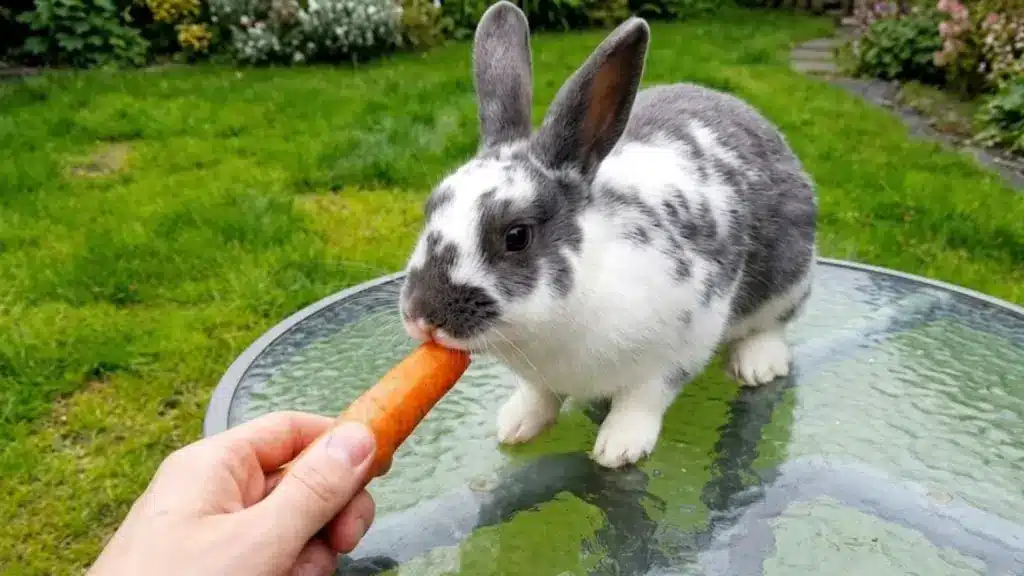
Pick up almost any children’s book, and you will see a rabbit munching a bright orange carrot. It is one of the most common images out there. It looks harmless, but it has shaped how people feed their pets.
The problem is, most of it is wrong. Many owners follow this idea without much thought. Over time, small feeding mistakes start to add up.
Understanding why carrots can harm health makes a bigger difference than it seems. A carrot-heavy routine can slowly affect a rabbit’s body.
Things like digestive strain and reduced gut motility are not uncommon when the diet is off. This blog focuses on what really matters.
Where the myth came from, what rabbits should actually eat, and how to spot early signs before things get worse. It also points toward foods that support a longer, healthier life.
The Popular Carrot Myth
The connection between rabbits and carrots did not come from real-life habits; it was shaped by entertainment over time.
A big reason for this is Bugs Bunny, who has been shown eating carrots on screen since the 1940s, and that simple image slowly became fixed in people’s minds.
This idea kept growing because it was repeated everywhere. Children’s books, greeting cards, Easter themes, and even pet product packaging continued to show rabbits sitting next to carrots.
The same media culture that built this myth also blurred how people even name and think about these animals; the terms “bunny” and “rabbit” are often used interchangeably, when they actually carry different meanings depending on the context.
In reality, that is not how it works. Wild rabbits rarely come across root vegetables, and pet rabbits share the same digestive system, which means their diet should be based on what their bodies are actually built to handle.
What Rabbits Actually Eat in Nature
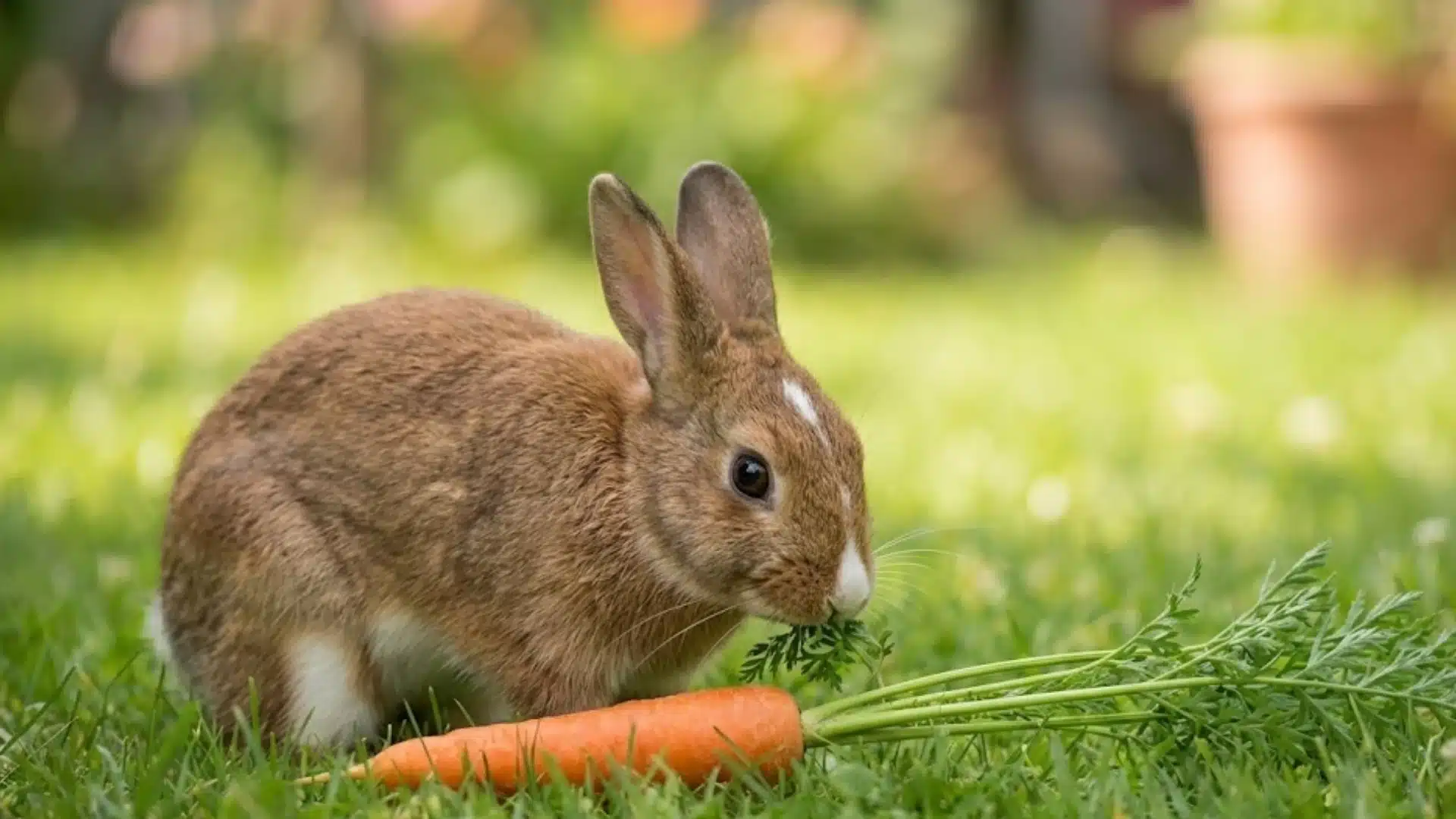
Wild rabbits are natural grazers, and their eating habits depend on a steady intake of simple plant matter throughout the day.
In the wild, they spend close to 70% of their time feeding on grass and other low-growing plants, which keeps their digestive system active and stable.
Grass and hay form the base of their diet because they are rich in fiber, and that fiber helps maintain proper gut movement. When fiber intake drops, digestion slows down, and health issues can develop quickly.
Leafy greens add balance without disrupting digestion. Plants like dandelion leaves, clover, and common weeds provide hydration and light nutrients.
Even from the carrot plant, the leafy tops are closer to what rabbits naturally eat than the root, which rarely appears in their diet.
Why Carrots Can Harm Your Rabbit’s Health
Carrots are not toxic, but the issue comes from how often they are fed. They contain a noticeable amount of sugar, which does not suit a rabbit’s fiber-based digestive system.
Regular intake can upset gut balance, leading to soft stools, bloating, and, in serious cases, gastrointestinal stasis, in which digestion slows or stops.
They also contain more calcium than many expect. In small amounts, calcium is fine, but too much can lead to urinary sludge and bladder issues, especially when combined with other rich foods.
Over time, the effects add up. High sugar intake increases the risk of weight gain and puts stress on the body.
It also affects dental health, as soft foods do not wear down teeth properly, which can lead to overgrowth and alignment problems.
Understanding safe rabbit bonding becomes much more difficult when the animal is already dealing with physical discomfort linked to diet.
Signs of an Unhealthy Rabbit Diet
Spotting diet issues early can help avoid serious health problems. A rabbit’s body often shows clear signs when something is off.
- Weight gain: A rounded belly or difficulty feeling the ribs usually points to excess calorie intake, often from too many treats or unrestricted pellets.
- Digestive problems: Soft droppings, smaller pellets, or signs of bloating suggest the digestive system is not functioning properly, since healthy digestion stays regular and consistent.
- Low energy levels: A rabbit that becomes less active, sits hunched, or shows less interest in movement may be dealing with gut discomfort linked to diet.
- Dental irregularities: Drooling, trouble chewing, or dropping food can signal overgrown or misaligned teeth due to a lack of fibrous food.
- Selective eating: Ignoring hay and waiting for treats usually means the diet has become too focused on sugary or rich foods.
Better Food Options for Rabbits
A healthy rabbit diet starts with one clear base: unlimited fresh hay. Timothy hay or orchard grass should make up most of the daily intake, close to 80%.
It keeps digestion steady, reduces hair buildup, and supports natural tooth wear through constant chewing.
Leafy greens can be added in moderate amounts to bring variety. Options like romaine lettuce, cilantro, parsley, arugula, and broccoli leaves work well when rotated.
Iceberg lettuce is best avoided due to its low nutrition and its effect on digestion. New greens should always be introduced slowly to prevent stomach issues.
Fruits and sugary vegetables, including carrots, should be limited. Small portions given a few times a week are enough, while younger rabbits should avoid them until their system matures.
Common Feeding Mistakes to Avoid
Small feeding habits can lead to bigger health issues over time, especially when they go unnoticed. These are some of the most common mistakes.
- Overfeeding treats: Giving treats daily, even in small amounts, builds a habit where the rabbit prefers sugary foods over hay, and the total sugar intake rises quickly, especially when more than one person is feeding them.
- Ignoring hay: Many assume pellets are the main food, but hay should always come first. A low hay intake can slow digestion and lead to dental issues within a short time.
- Sudden diet changes: Switching foods or adding new vegetables too quickly can upset gut balance, so changes should be gradual over a week or more.
- Too many pellets: Pellets are meant to support the diet, not replace it, and excess feeding can reduce hay consumption while increasing calorie intake.
- Lack of fresh water: Limited or stale water can affect digestion and overall health, so clean water should always be available.
Conclusion
The carrot image has been around for so long that it feels normal, but moving past it makes a real difference in how a rabbit stays healthy.
Carrots are better seen as an occasional treat, not something to feed every day, because regular use can slowly affect digestion and overall health.
Once the common rabbit diet myths are set aside, feeding becomes much simpler.
A steady focus on unlimited hay, a mix of safe leafy greens, and very limited sugary treats creates a balanced routine that supports the body properly.
A rabbit fed this way tends to have smoother digestion, stronger teeth, a steady weight, and better energy over time.
Does your rabbit currently get carrots as a daily snack, or have you already made the switch to a hay-first routine? Share your experience in the comments below.
Frequently Asked Questions
Can Rabbits Eat Carrot Peels Instead of Whole Carrots?
Carrot peels still contain sugar, so they do not solve the main issue. Even in smaller forms, they should be treated the same way as carrots, meaning only small amounts and not on a daily basis.
Is it Safe to Feed Store-Bought Rabbit Food Mixes?
Many store-bought mixes contain seeds, dried fruits, and colored bits that are high in sugar and low in fiber. These mixes can lead to selective eating and poor nutrition, so plain hay and controlled pellets are a better choice.
Do Rabbits Need Vitamin Supplements in Their Diet?
In most cases, rabbits do not need extra supplements if they are fed a proper diet of hay, leafy greens, and limited pellets.