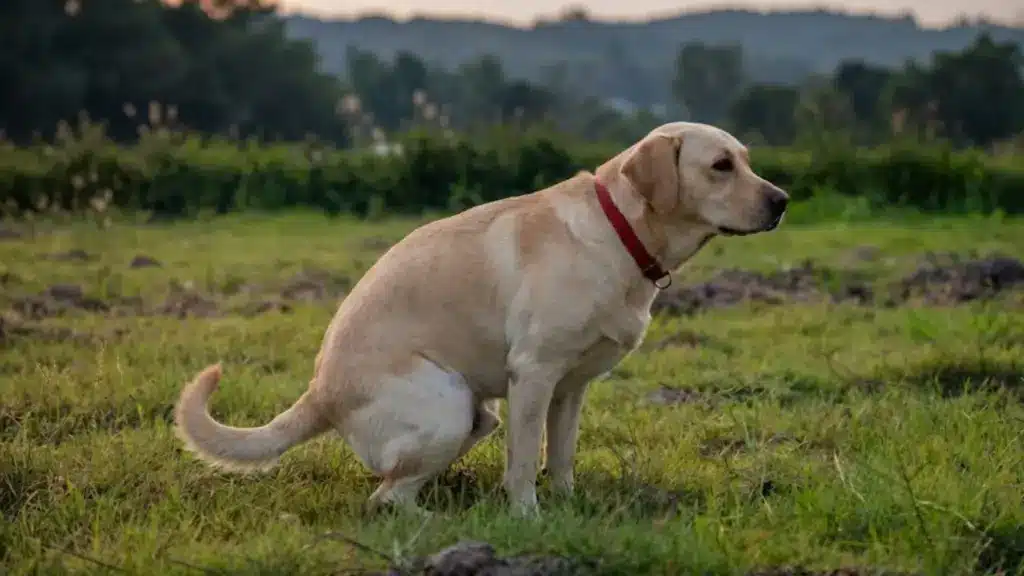
It can feel confusing, even a little worrying, when you start noticing your dog going to the bathroom more often than usual.
One day everything seems normal, and the next you are asking yourself, why does my dog poop so much?
I have seen many pet owners stress over this, unsure if it is just a minor change or something more serious.
The truth is, your dog’s habits can shift for many reasons, and not all of them are alarming. Still, it is hard to ignore when the pattern keeps repeating.
That moment of uncertainty is what leads most people to start paying closer attention.
Understanding what is normal, what is not, and what might be causing it can bring a lot of clarity to the mind for both you and your dog.
What Counts as “too Much” Pooping in Dogs?
From what I’ve seen in practice, “too much” pooping really depends on the dog’s age, breed, diet, and daily routine.
Puppies usually go more often because their digestive systems are still developing, while adult dogs typically poop 1 to 3 times a day, and senior dogs can vary based on health and metabolism.
According to the American Kennel Club , a healthy range for most dogs is about 1 to 2 times daily, especially depending on food quality and activity level.
If a dog suddenly starts going more often than usual, or if the stool becomes loose, urgent, or leads to accidents indoors, that’s worth attention.
Body size also plays a role, as larger breeds tend to produce more stool volume, while smaller dogs may go more frequently due to faster metabolisms.
A 10-pound Chihuahua and a 90-pound Labrador are not going to follow the same schedule, and that is completely normal.
I also look for other signs like weight loss, low energy, or appetite changes. Factors like diet quality, portion size, and stress all directly influence how often a dog needs to go.
Why Does My Dog Poop So Much?
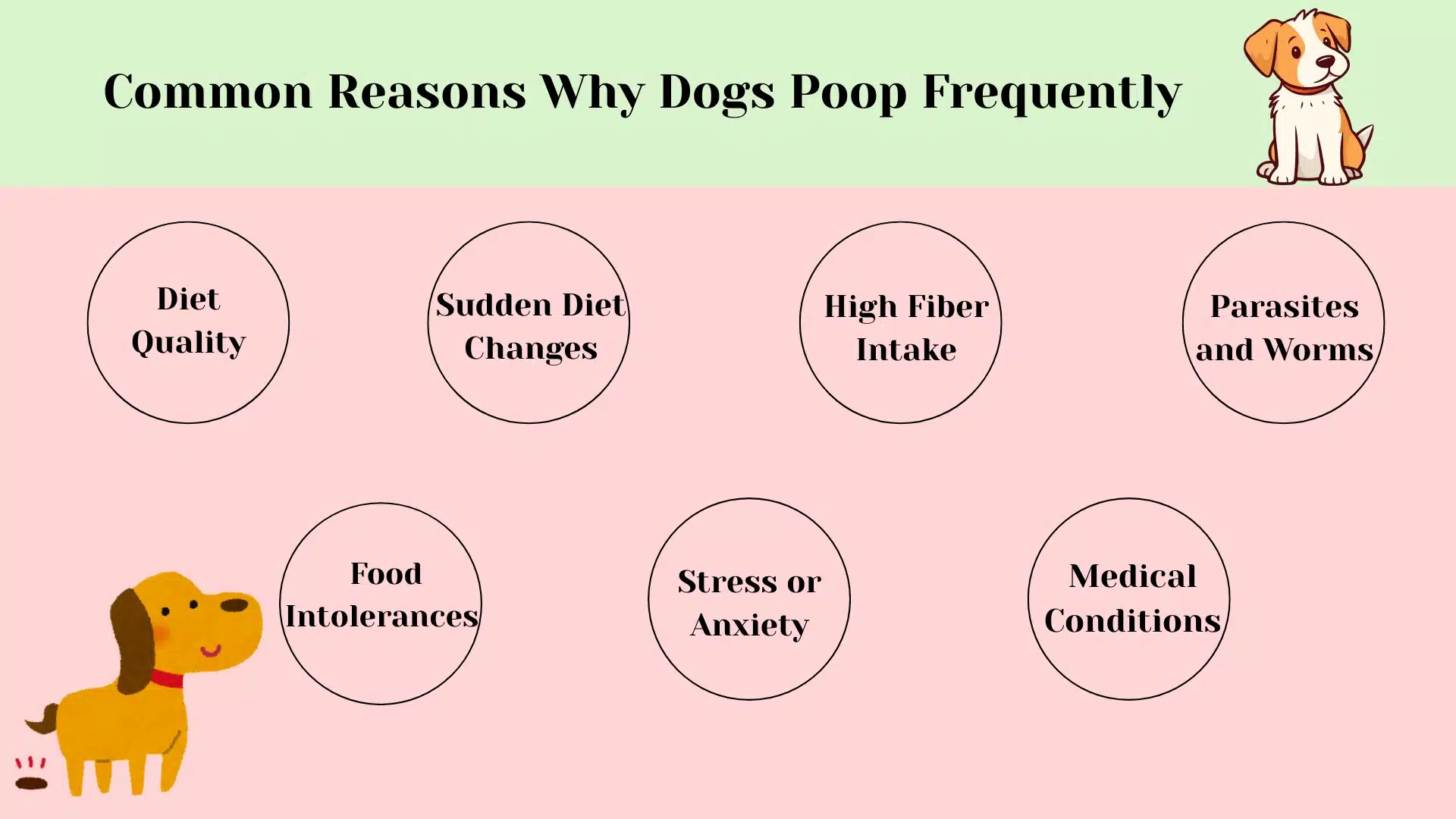
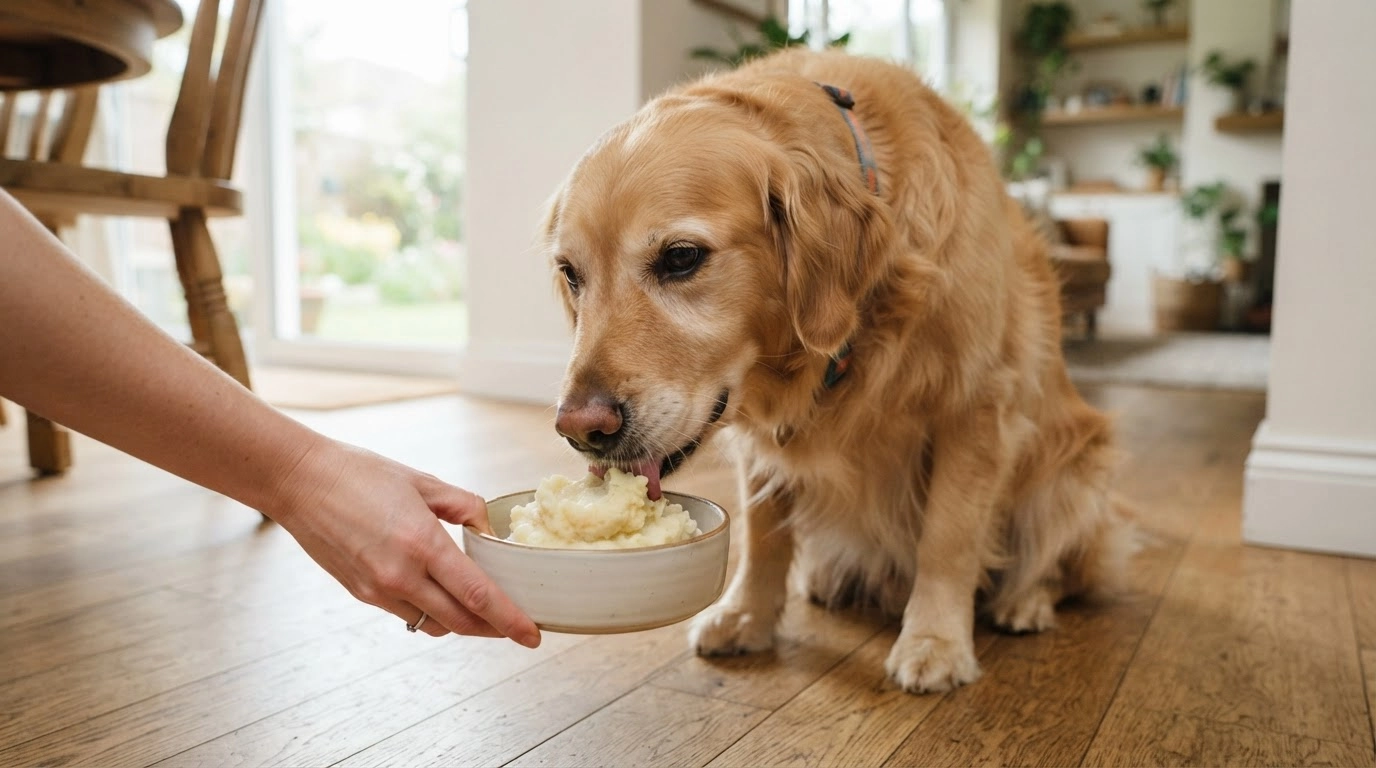
Frequent pooping usually comes down to a mix of diet, digestion, lifestyle, and overall health. A dog’s body responds quickly to what it eats, how much it eats, and even how it feels emotionally.
1. Diet Quality and Digestibility
The quality of your dog’s food plays a major role in how often it poops. Low-quality dog food often contains fillers and byproducts that the body cannot fully digest.
As a result, more waste is produced. Nutrient-dense food, on the other hand, is easier for the body to absorb, which means less stool.
Overfeeding is another common issue; giving larger portions than needed leads to excess waste. Even too many treats can increase poop frequency.
2. Sudden Diet Changes
Switching your dog’s food too quickly can upset its digestive system. A dog’s gut needs time to adjust to new ingredients.
When the change is too fast, it can disrupt the balance of healthy bacteria in the gut. This imbalance often leads to loose stools or more frequent bathroom trips.
Dogs may also show signs like gas or mild discomfort; therefore, gradual transitions over several days help the digestive system adapt smoothly.
This also applies to switching between food types, from kibble to raw, or kibble to fresh-cooked meals.
3. High Fiber Intake
Fiber is important for digestion, but too much of it can increase how often your dog poops. Fiber adds bulk to the stool, which can lead to more frequent bowel movements.
In the right amount, it helps regulate digestion and keeps things moving properly.
However, excessive fiber from certain foods or supplements can have the opposite effect. It may cause larger or more frequent stools.
4. Food Intolerances or Allergies
Some dogs have trouble digesting certain ingredients, which can lead to frequent pooping. Common triggers include chicken, dairy, and grains.
When a dog’s body reacts poorly to food, it can cause symptoms like gas, itching, or soft stools.
In some cases, the dog may also scratch more or show signs of discomfort after eating.
Understanding your dog’s reaction to certain foods can be an important first step in narrowing down what may be upsetting its digestive system.
These reactions can happen even with foods that seem normal. Identifying and removing the trigger ingredient often helps reduce symptoms and improve digestion over time.
5. Parasites and Worms
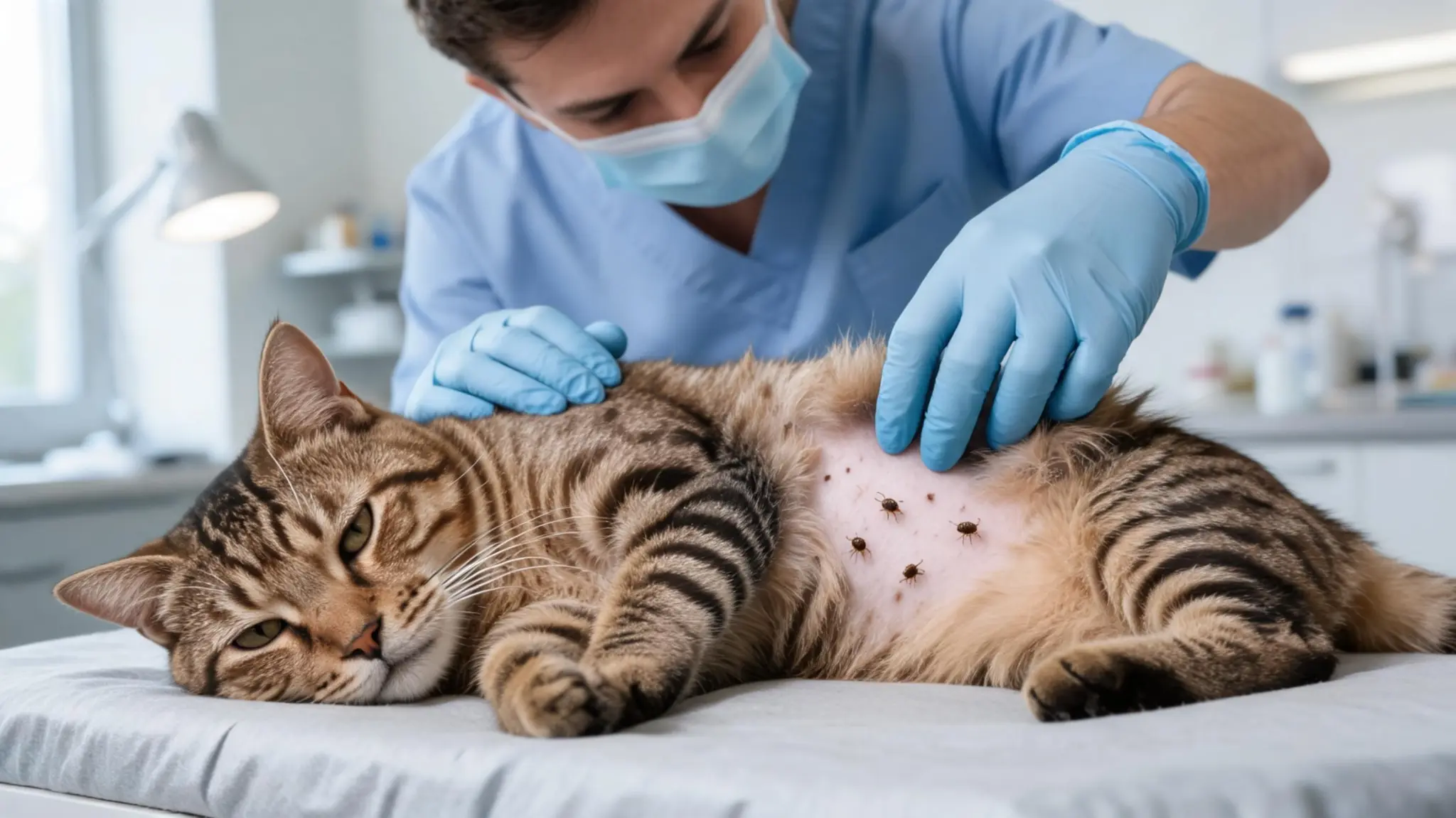
Parasites are a common reason why dogs poop more than usual.
Worms like roundworms and hookworms, along with infections like Giardia, can irritate the digestive system.
This often leads to frequent stools, sometimes with mucus or a strong, unusual smell. In some cases, you may even notice changes in your dog’s energy levels or appetite.
Parasites can affect dogs of any age, especially those that spend time outdoors. Regular vet checkups and proper deworming are important to keep your dog healthy.
6. Stress or Anxiety
A dog’s emotional state can directly affect its digestion, and stress or anxiety can lead to more frequent bowel movements.
Common triggers include travel, changes in routine, new pets, or loud noises like fireworks.
Dogs have a strong gut-brain connection, which means emotional changes can quickly show up as digestive issues.
The ASPCA confirms that dogs experiencing separation anxiety or distress often urinate and defecate indoors, not because of poor training, but as a direct physiological stress response.
Some dogs may also become restless or show unusual behavior during stressful times.
7. Medical Conditions
Conditions like inflammatory bowel disease or pancreatic insufficiency can affect how nutrients are absorbed. This can lead to more frequent or abnormal stools.
Exocrine pancreatic insufficiency, or EPI, is one I see underdiagnosed in general practice.
Dogs with EPI cannot produce enough digestive enzymes, so food passes through largely undigested.
The result is voluminous, greasy, foul-smelling stool and significant weight loss despite a good appetite. German Shepherds are genetically predisposed to it, but any breed can develop it.
Infections or inflammation in the gut can also cause similar issues. Dogs with these conditions may show additional signs like weight loss, low energy, or ongoing digestive upset.
Signs That Indicate a Serious Problem
Not all cases of frequent pooping are harmless, but when certain warning signs appear together, it is a clear indication that something is wrong and should not be ignored.
- Blood in stool: Bright red or dark stool may point to internal irritation, infection, or bleeding somewhere in the digestive tract.
- Persistent diarrhea: Loose stool lasting more than 24 to 48 hours can quickly lead to dehydration and may signal infection or serious gut issues.
- Sudden increase in frequency: A sharp change from your dog’s normal routine often indicates dietary issues, parasites, or an underlying illness developing.
- Mucus in stool: A slimy coating can suggest inflammation in the intestines, irritation, or possible parasite presence that needs attention.
- Unusual smell: Extremely foul-smelling stool may be linked to poor digestion, infections, parasites, or an imbalance in gut bacteria.
- Weight loss: Frequent pooping combined with noticeable weight loss can mean poor nutrient absorption or chronic digestive conditions.
- Lethargy: Low energy, along with digestive changes, may signal infection, discomfort, or a more serious underlying health issue.
- Vomiting with frequent pooping: When both occur together, it often points to gastrointestinal illness, infection, or possible toxin exposure.
- Loss of appetite: Refusing food while having frequent stools can indicate discomfort, nausea, or illness affecting digestion.
- Accidents in the house: Loss of control or urgency may suggest digestive distress, inflammation, or inability to hold bowel movements properly.
Solutions to Reduce Excessive Pooping in Dogs
If your dog is pooping too often, the good news is that simple changes can make a big difference. The goal is to improve digestion, reduce waste, and create a steady routine.
1. Improve Diet Quality
One of the first things I look at is the quality of food being fed. Start by reading the ingredient label on your dog’s current food.
Swapping out heavily processed snacks for healthier treat options is a simple step that can also reduce the overall digestive load on your dog.
Look for real protein sources like chicken, beef, or fish listed as the main ingredient. Avoid foods packed with byproducts or artificial additives.
A cleaner diet helps the body use more nutrients and produce less unnecessary stool.
2. Adjust Portion Sizes
Overfeeding is a very common reason for frequent pooping. Even good food can lead to excess waste if the portion size is too large.
I always recommend following weight-based feeding guidelines provided on the food label or by your vet. Free feeding, where food is always available, can also lead to overeating.
Instead, set specific meal times and control portions. This helps regulate digestion and keeps bowel movements more predictable throughout the day.
3. Introduce Food Changes Gradually
Dogs need time to adjust to new food, and sudden changes can upset the digestive system and lead to more frequent or loose stools.
I usually suggest a slow transition over 7 to 10 days. Start by mixing a small amount of the new food with the current one, then gradually increase the amount of the new food each day.
This allows the gut to adapt and keeps digestion stable. A gradual switch reduces the risk of stomach upset and helps maintain normal poop patterns.
4. Add Probiotics for Gut Health
A healthy gut plays a big role in how often your dog poops. Probiotics help balance the good bacteria in the digestive system, which supports better digestion and nutrient absorption.
I’ve seen that adding a vet-approved probiotic can help reduce loose or frequent stools over time. It can also improve overall gut health and reduce gas.
Research from the Cornell University College of Veterinary Medicine shows that probiotics are a well-established therapy for diarrhea and gastrointestinal upset in dogs.
Probiotics are especially helpful after diet changes or mild digestive upset. Always choose products made specifically for dogs.
5. Deworming and Parasite Control
Parasites can quietly cause frequent pooping without obvious signs at first. Regular deworming is essential to keep your dog’s digestive system healthy.
Routine stool checks can also help detect hidden infections early. Preventive care is much easier than treating an active problem.
Keeping parasites under control helps maintain normal digestion and reduces unnecessary bathroom trips.
The Color Code: What Different Poop Colors Mean
Your dog’s poop color can tell you a lot about its health. A healthy stool is usually brown, but changes in color can point to diet changes, parasites, infections, or even serious internal problems.
| Poop Color | What it Means |
|---|---|
| Brown (Normal) | Healthy digestion and proper nutrient absorption |
| Black (Tarry) | May indicate digested blood in the upper digestive tract |
| Bright Red | Fresh blood from the lower digestive tract |
| Green | Food passing too quickly or ingestion of grass |
| Yellow / Orange | Poor digestion or bile issues |
| Gray / Pale / Greasy | Fat is not properly digested |
| White or Chalky | Excess calcium or possible imbalance |
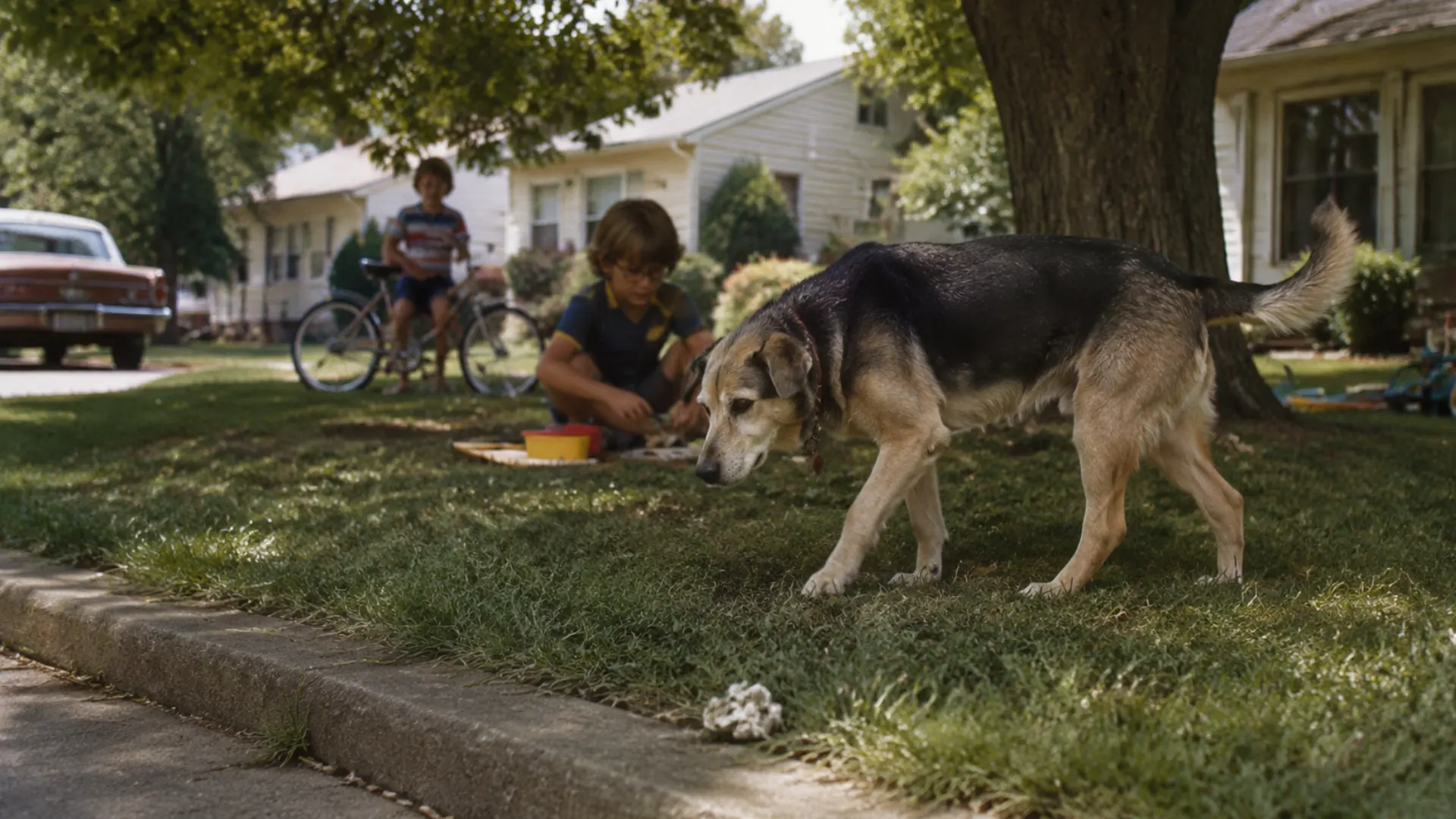
| White Specks (Rice-like) | Likely parasite segments |
When to See a Veterinarian?
From my experience in clinical practice, most cases of frequent pooping are manageable at home, but some situations need medical attention right away.
I always tell dog owners to watch for red flags like signs of dehydration, such as dry gums or low energy, diarrhea that lasts more than 48 hours, or a dog that suddenly refuses to eat.
These signs often point to something more serious than a simple diet issue.
During a visit, I typically check stool samples for parasites, run basic blood work if needed, and closely review the dog’s diet and feeding routine.
This helps identify whether the problem is nutritional, infectious, or related to a deeper health condition. Acting early can prevent complications and make treatment much easier.
Conclusion
Frequent bathroom trips can be confusing, especially when trying to understand why my dog poop so much.
In most cases, the cause comes down to diet, feeding habits, or daily routine. It is not always a sign of illness, but it should never be ignored.
I always encourage paying attention to patterns rather than just counting how many times your dog goes.
Small changes in food quality, portion size, or routine can make a big difference early on.
Taking action sooner helps prevent long-term digestive problems and keeps your dog comfortable and healthy.
Have you noticed your dog pooping more than usual, or found something that helped improve it? Drop your experience in the comments below.
Frequently Asked Questions
Can Exercise Affect Poop Frequency?
Yes, regular exercise stimulates digestion and can increase poop frequency. A consistent feeding and walking routine helps regulate bowel movements, making your dog’s bathroom habits more predictable and easier to manage.
How Long Does it Take For a Dog to Poop After Eating?
Most dogs poop within 5 to 30 minutes after eating due to the gastrocolic reflex. This natural response triggers digestion and signals the body to eliminate waste shortly after meals.
Should I Be Concerned About Hair in My Dog’s Poop?
No, small amounts of hair can be normal, especially in shedding breeds. However, frequent hair in stool may indicate excessive grooming, stress, or digestive issues that should be monitored closely.
What is the 3 to 3 Poop Rule?
The 3 to 3 poop rule suggests most healthy dogs poop about 1 to 3 times daily. More or less can still be normal depending on diet, age, activity level, and health.