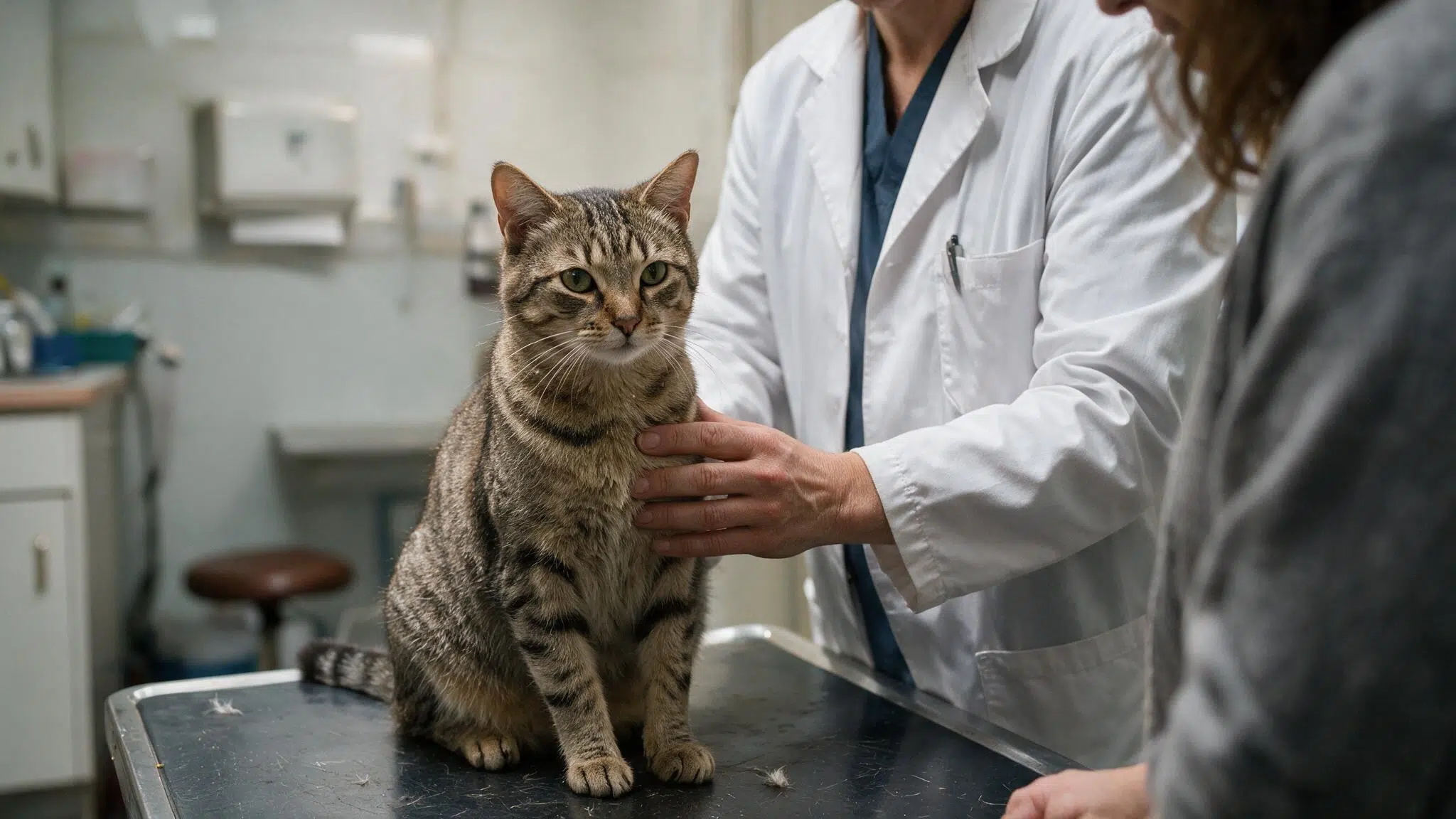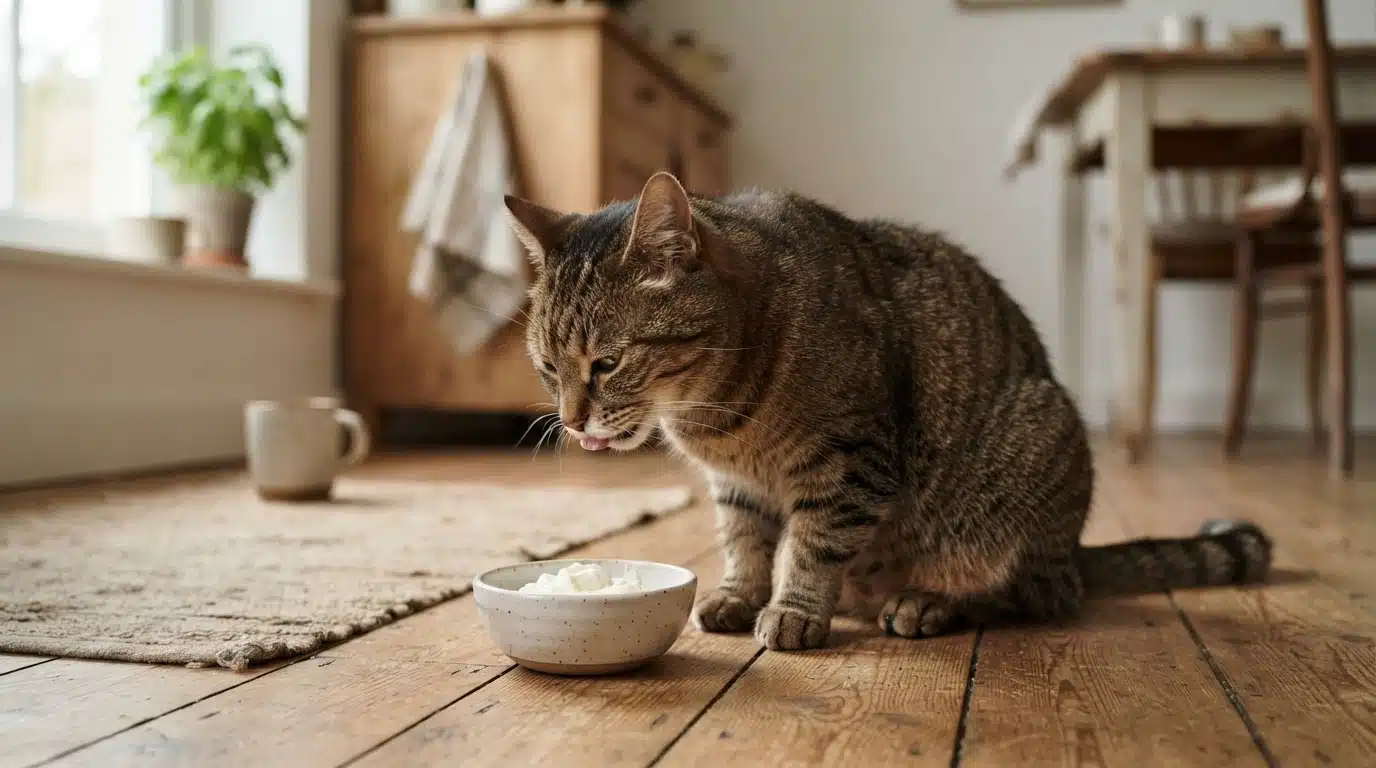



Most cat owners assume their feline is healthy until a vet visit proves otherwise.
Studies show that nearly 70% of cats develop oral disease by age 3, often without a single visible symptom at home.
Cats are hardwired to mask pain, a survival instinct carried over from wild ancestors who could not afford to look weak.
That silence costs owners time, money, and sometimes the life of their pet.
The good news is that a healthy cat drops clear signals every single day through its eyes, coat, weight, gums, and even litter box habits.
You just need to know where to look. A quick monthly check at home can catch problems weeks before they turn serious, and none of it requires medical training.
Why Cats Hide Illness and Why It Matters?
Cats evolved as both predators and prey in the wild.
Showing weakness meant becoming a target. That survival instinct still drives your house cat’s behavior today. A sick feline will eat, groom, and move around normally for as long as it physically can.
By the time you notice something off, the problem may already be days or even weeks old.
This is exactly why regular home health checks make such a difference.
I have caught early kidney disease, dental infections, and thyroid issues in cats whose owners said everything seemed fine at home.
The signs were there, just hidden behind routine behavior.
Once you train your eyes to read the right signals, you become your cat’s first line of defense. That is a role no one else can fill.
Key Signs of a Healthy Cat You Can Spot at Home
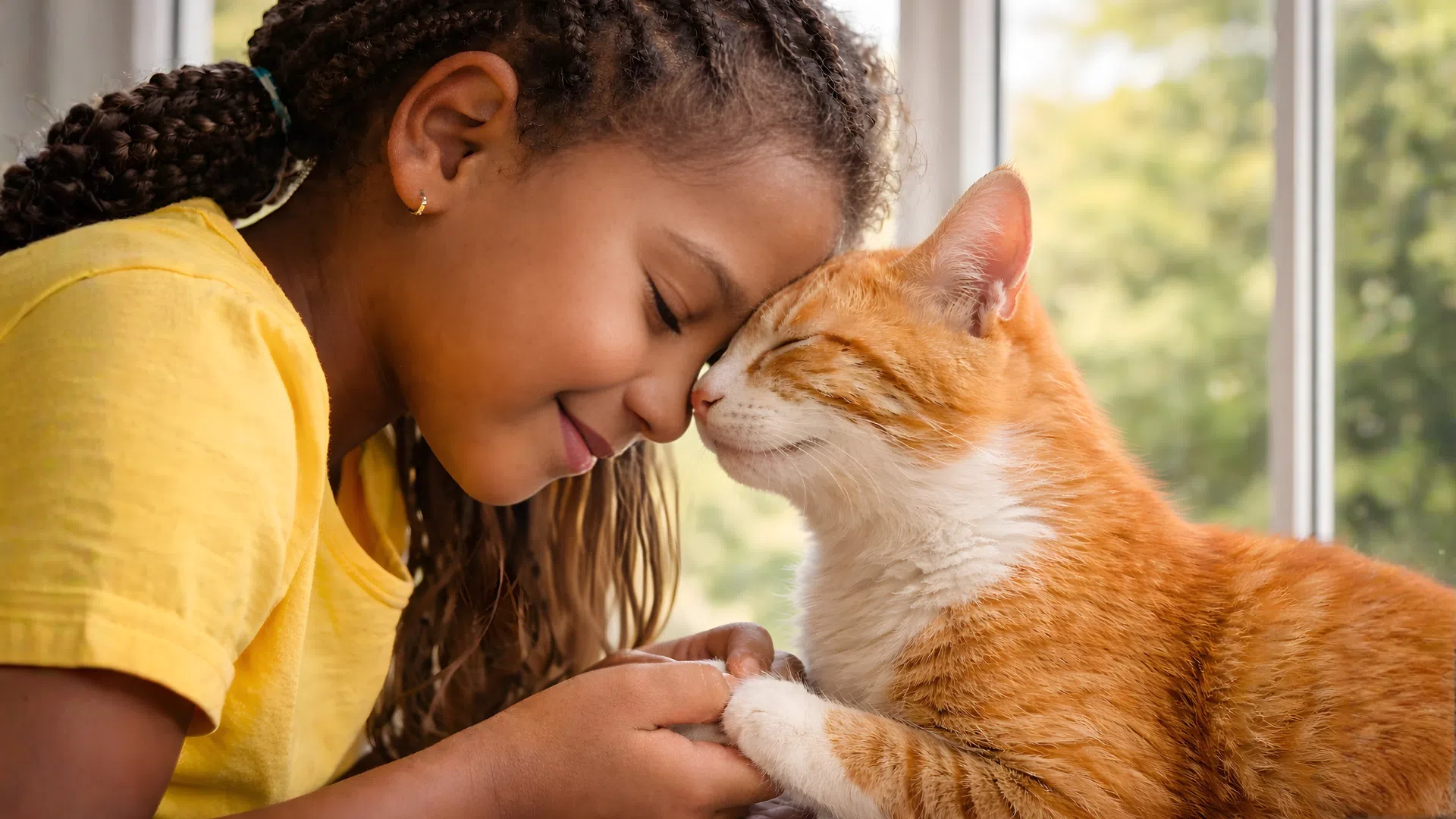
Your cat cannot tell you when something feels off. But its body gives clear signals every single day. Knowing what to look for across 7 core areas helps you act fast and keep your feline in top shape.
1. Bright, Clear Eyes
A healthy cat has bright, focused eyes with equally sized pupils. They should respond normally to light changes. Watery eyes or crusty buildup near the corners often signal infection. Redness or swelling around the eyelids can point to conjunctivitis.
Pay attention to pupil symmetry. Anisocoria, where one pupil is dilated and the other is constricted, can indicate a neurological issue, high blood pressure, or eye disease, and should prompt an immediate vet call.
According to the AVMA, regular eye checks help catch feline herpesvirus early.
If the third eyelid remains visible at the inner corner of the eye, your cat is likely unwell. A glance during calm feeding time is usually enough to spot this.
2. Shiny Coat and Healthy Skin
Fur is one of the most reliable signs of a healthy cat. A well-nourished feline has a smooth, glossy coat that lies flat. The skin underneath should feel clean without flakes or redness.
Two specific coat issues worth watching for: dander and alopecia.
Some dander is normal, but excessive white flaking can indicate allergies, parasites, or malnutrition. Alopecia, or patchy hair loss, is never considered normal in a healthy cat. It may signal overgrooming due to stress, ringworm, or an underlying medical condition.
Cats spend 30% to 50% of their waking hours grooming, so a cat that stops grooming raises a red flag.
3. Body Weight and Shape
Maintaining the right weight is a core health sign.
Most domestic cats weigh between 8 and 12 pounds. However, this varies by breed and frame size. Gently place your hands along the ribcage.
You should feel the ribs beneath a thin layer of fat, without pressing hard.
From above, a slight waist should show behind the ribs. If ribs feel buried, your cat may carry excess weight. If bones jut out, your cat could be underweight.
For breed-specific ranges and hands-on methods, I recommend checking your cat’s ideal weight before your next vet visit.
4. Clean Teeth and Pink Gums
A healthy cat has white teeth with minimal tartar.
The gums should look pink, firm, and free of swelling. Bad breath is not normal and often signals dental disease or kidney issues.
According to the Cornell Feline Health Center, about 70% of cats show oral disease signs by age 3.
At home, lift your cat’s lip to check the gum line. Brown buildup, puffy gums, or drooling all point to oral pain.
Annual cleanings by your vet prevent bigger problems. I have written a practical walkthrough on brushing your cat’s teeth safely for daily care between visits.
5. Consistent Litter Box Habits
The litter box reveals more about your cat’s health than almost anything else.
Healthy stools are firm, brown, and sausage-shaped. Your cat should pass them 1 to 2 times daily. Loose, watery, or rock-hard stools suggest digestive trouble.
Blood in stool or urine always calls for a vet visit.
A healthy cat urinates 2 to 3 times per day. Straining, crying, or going outside the box are serious warning signs. Scoop daily and clean each week fully.
This routine gives you a clear view of changes before they worsen.
6. Behavior and Energy Levels
A healthy cat stays curious, active, and engaged with its space.
Playfulness, food interest, and social interaction reflect strong physical and mental health. Every cat has its own personality. The key is tracking what is normal for you.
Two behavioral cues that are easy to overlook: purring and tail posture. Contented purring during rest or interaction is a reliable sign of a relaxed, healthy cat.
Changes in the frequency or tone of purring, particularly if your cat is purring while hunched or showing tension, can signal pain or distress. A healthy cat will also hold its tail upright as a sign of confidence and ease.
A social cat hiding under the bed could be in pain. Cats sleep 12 to 16 hours daily on average.
But sleeping more than usual or refusing to move are signs of a problem. Changes in vocalization also matter.
I have put together a helpful resource on recognizing early anxiety signs that many of my clients use regularly.
7. Clean Ears and Nose
Healthy ears look light pink inside, with no wax buildup or odor.
Your cat should not often scratch its ears or shake its head repeatedly. Dark, crumbly debris inside the ear suggests ear mites.
Redness or a foul smell can indicate a bacterial infection.
According to the American Association of Feline Practitioners, untreated ear issues may cause hearing loss over time.
The nose should feel slightly moist and clean.
Thick or colored nasal discharge paired with sneezing points to upper respiratory infections. Also, gently pinch the skin between the shoulders.
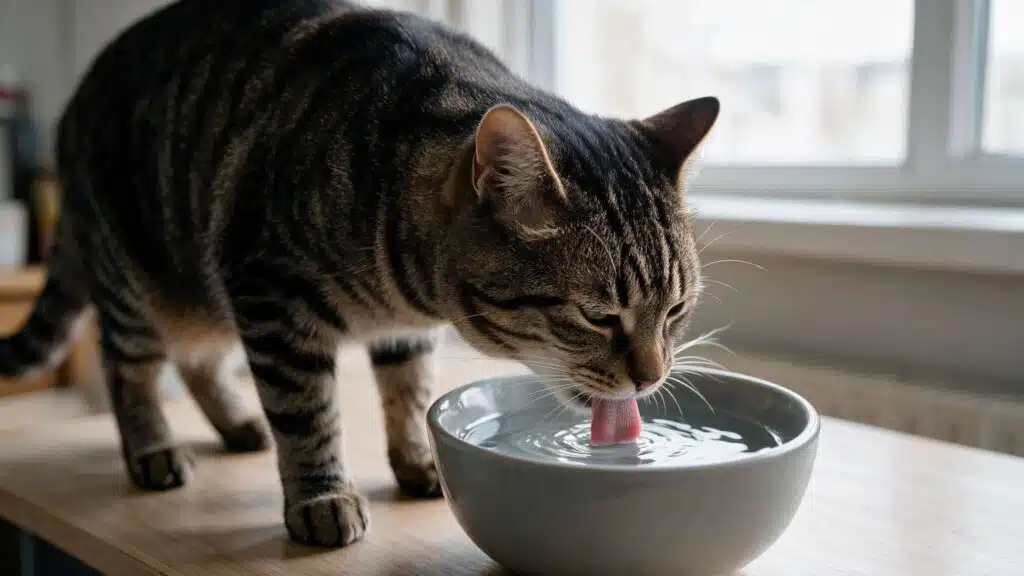
It should snap back fast. Slow return signals dehydration.
What Cat Owners Say Online?

Real experiences from cat owners add a strong perspective to this topic.
One Reddit user shared that their 7-year-old tabby stopped grooming one side of its body. A vet visit revealed a painful tooth abscess.
The user said they would never have caught it without first spotting the grooming change.
Another cat owner on X (formerly Twitter) tracked litter box habits after reading about it online. Within a week, they noticed their cat visiting the box more often.
That led to an early diagnosis of a urinary tract infection.
These stories reinforce one key point. Knowing your cat’s baseline habits is the strongest tool you have at home.
At-Home Health Checklist for Your Cat
Run through this checklist once a month for adult cats and every two weeks for cats over 10 years old.
| What to Check | Healthy Sign | Warning Sign |
|---|---|---|
| Eyes | Bright, clear, equal pupils | Discharge, redness, visible third eyelid, unequal pupils |
| Coat | Glossy, flat, no bald patches | Dull, matted, patchy hair loss, excessive dander |
| Skin | Clean, no flaking or redness | Flakes, sores, redness, parasites visible |
| Weight and ribs | Ribs felt, not seen; waist visible | Ribs buried in fat or jutting out prominently |
| Gums and teeth | Pink gums, white teeth, fresh breath | Pale or red gums, tartar, bad breath, drooling |
| Litter box | Firm brown stools, normal urination | Straining, blood, diarrhea, going outside the box |
| Behavior | Curious, playful, grooming normally | Hiding, overgrooming, lethargy, and appetite changes |
| Ears | Light pink, clean, no odor | Dark debris, scratching, head shaking, foul smell |
| Nose | Moist, clean, clear | Colored discharge, sneezing, crusting |
| Hydration | Skin snaps back immediately | Skin stays tented after a pinch |
When to Call Your Vet?
Not every change needs a clinic trip. But certain signs should never wait.
- Refusing food for over 24 hours: This behavior can lead to fatty liver disease in cats, a serious condition that can occur when they do not eat for an extended period.
- Straining or inability to urinate: This is a medical emergency, especially in male cats, as it can indicate a blockage that could lead to severe health complications.
- Rapid breathing at rest: This may indicate underlying heart or lung problems in cats and warrants immediate veterinary attention.
- Sudden weight loss without dieting: If a cat loses weight unexpectedly without any changes to their diet, immediate testing is required to determine the cause.
- Vomiting or diarrhea lasting over 1 day: Ongoing gastrointestinal issues can indicate serious health problems and should be evaluated by a veterinarian.
- Limping or reluctance to jump: These signs may indicate joint pain or an injury and warrant a veterinary examination to identify the issue.
- Mouth breathing or panting at rest: Not normal in cats. This almost always indicates respiratory distress or severe pain and warrants an emergency visit.
- Sudden behavior changes: A friendly cat becoming aggressive, or a confident cat hiding persistently, can signal pain, neurological changes, or acute illness.
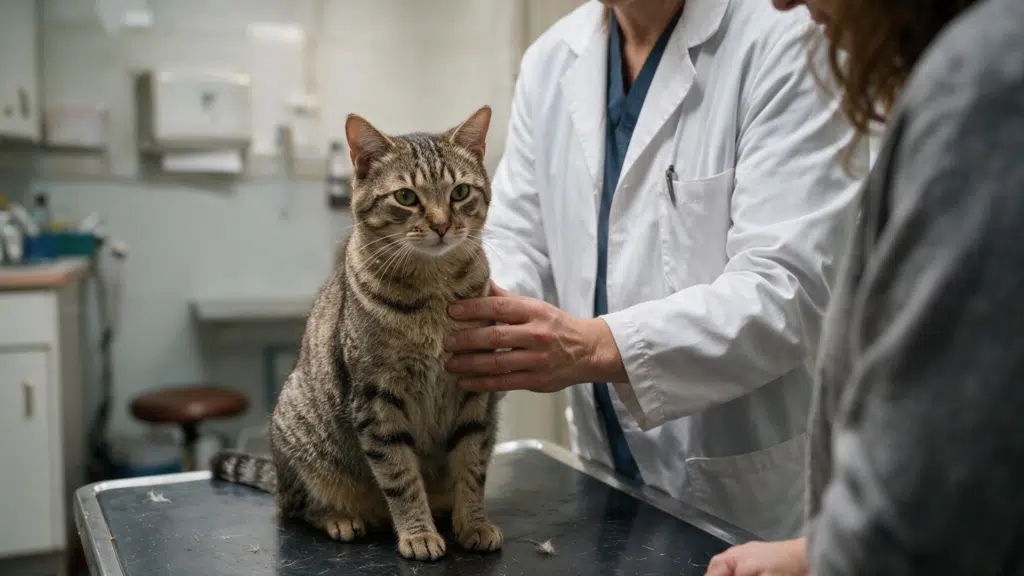
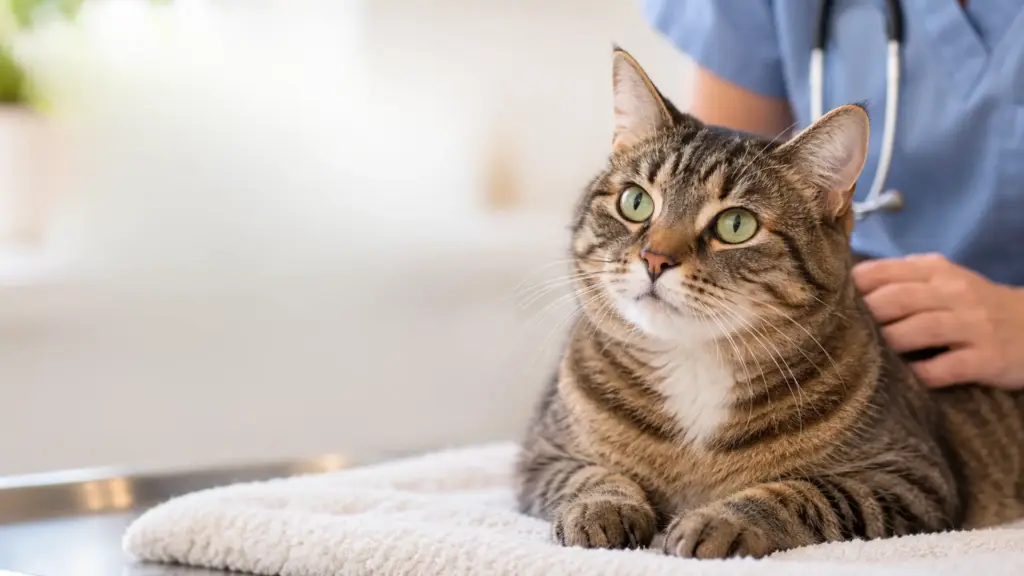
Twice-yearly wellness exams give your vet the chance to catch silent issues. Bloodwork, dental checks, and weight tracking build a strong health profile over time.
What Comes Next for Cat Wellness?
The field of feline preventive care continues to move forward.
Wearable health monitors for cats are gaining traction across the U.S. These small collar devices track activity, sleep, and real-time heart rate.
Telemedicine for pets also continues to grow.
Virtual vet consultations now make it easier to get quick advice without the stress of a car ride. As home tracking tools improve, early detection will keep getting better for cat owners everywhere.
Conclusion
After treating thousands of cats over my career, I have learned that the smallest changes carry the biggest meaning.
A dull coat, a skipped meal, or a shift in litter box habits can reveal problems days before they grow serious.
Now you know what signs of a healthy cat look like, from clear eyes to firm stools to balanced weight. The real work starts at home with consistent, daily observation.
Make it part of your routine during feeding or grooming time.
Your cat depends on you to notice what they cannot say out loud. Drop a comment below and share the one thing you always check during your cat’s daily routine.
Frequently Asked Questions
How Often Should I Check My Cat’s Health at Home?
Regular monthly nose-to-tail checks are effective for most cats. For those over 10 years, biweekly checks are advisable to monitor age-related issues, including lumps, coat condition, eyes, and behavioral changes.
Can Indoor Cats Still Get Sick?
Indoor cats are at risk for dental disease, obesity, urinary issues, and stress. They can also encounter parasites. Regular vet visits are essential, as indoor living reduces but doesn’t eliminate health risks.
What Is the Normal Heart Rate for a Healthy Cat?
Most cats have a resting heart rate of 140 to 200 beats per minute. To measure, place your hand on the left side of the chest behind the front leg, count for 15 seconds, and multiply by 4.