



A small change in a dog’s diet can feel like a big decision to be made.
Standing in the kitchen, holding a piece of fish, it is natural to pause and think, can dogs have fish, or is it better to stick with what is already familiar?
Fish is often seen as healthy, packed with nutrients, and even recommended in many dog foods.
But then comes the uncertainty, because not all fish are the same, and one wrong choice can lead to discomfort or health issues.
That mix of curiosity and caution is something many dog owners face. Wanting to do better, to offer something more nutritious, but without taking unnecessary risks.
The good news is that, with the right understanding, fish can become a safe and beneficial part of a dog’s diet.
Nutritional Benefits of Feeding Fish to Dogs
Fish is a very good addition to a dog’s diet when served the right way.
One nutrient worth highlighting specifically is DHA (docosahexaenoic acid), a type of omega-3 that is especially important for puppies.
DHA supports early brain and vision development, which is why many quality puppy formulas list fish or fish oil as an ingredient.
For senior dogs, the same EPA and DHA compounds help manage inflammation associated with aging joints.
Research published in the Journal of the American Veterinary Medical Association (AVMA) found that dogs supplemented with EPA and DHA from fish sources showed significant improvements in coat quality, reduced skin inflammation, and better overall comfort over time.
Fish also provides important nutrients like vitamin D, B vitamins, and selenium, all of which support overall health and energy levels.
I have worked with many dogs that struggle with food sensitivities, and fish-based diets are often easier for them to digest compared to common proteins like chicken or beef.
That is one reason many dog food brands use fish in their formulas.
Fish is also classified as a novel protein, meaning most dogs have not been exposed to it long enough to develop an immune response.
In my experience, when chosen carefully and prepared simply, fish can be both safe and highly beneficial for dogs.
What Types of Fish Can Dogs Eat Safely?
Not all fish are the same when it comes to feeding dogs. Some are packed with nutrients and safe when prepared properly, while others should only be given in small amounts.
1. Salmon (Cooked Only)

Salmon is one of the best fish options for dogs because it is rich in omega-3 fatty acids, which support skin, coat, and joint health.
It also supports brain function and helps reduce inflammation over time.
Raw salmon specifically poses the risk of Salmon Poisoning Disease (SPD), caused by a parasite called Neorickettsia helminthoeca.
Avoid adding oil, butter, salt, or seasoning, and serve once or twice a week.
Portion Size:
- Small dogs can have 1 to 2 tablespoons
- Medium dogs can have 2 to 3 tablespoons
- Large dogs up to 1/4 cup occasionally
2. Sardines

Sardines are small fish, which means they are naturally low in mercury and considered very safe for dogs.
They are rich in calcium, omega-3 fatty acids, and protein, making them a nutrient-dense option. Canned sardines in water with no added salt are the safest choice. Avoid versions packed in oil or sauces.
I often recommend one sardine added to dry kibble 2 to 3 times a week for dogs with dull coats or dry skin. It is one of the most cost-effective ways to boost omega-3 intake without buying supplements.
Portion Size:
- Small dogs can have one sardine
- Medium dogs 1 to 2
- Large dogs up to 3 sardines at a time
3. Whitefish

Whitefish such as cod, haddock, and pollock are lean protein sources that are easy on a dog’s digestive system.
They are low in fat and ideal for dogs with sensitive stomachs or those needing a lighter diet.
These fish are also commonly used in commercial dog foods for their digestibility and clean nutrient profile. Always cook thoroughly and remove all bones before serving.
Portion Size:
- Small dogs can have 1 to 2 tablespoons
- Medium dogs around 1/4 cup
- Large dogs up to 1/2 cup occasionally
4. Tuna

Tuna can be given to dogs, but only in limited amounts due to its higher mercury content compared to other fish.
While it provides protein and some beneficial nutrients, it should not be a regular part of a dog’s diet. Choose canned tuna in water with no added salt or flavoring.
Avoid frequent feeding to prevent mercury buildup over time.
There are several simple, nutritious treat options to round out your dog’s diet alongside fish.
Portion Size:
- Small dogs should have 1 to 2 teaspoons
- Medium dogs, a few tablespoons
- Large dogs up to 1/4 cup
5. Flounder and Sole
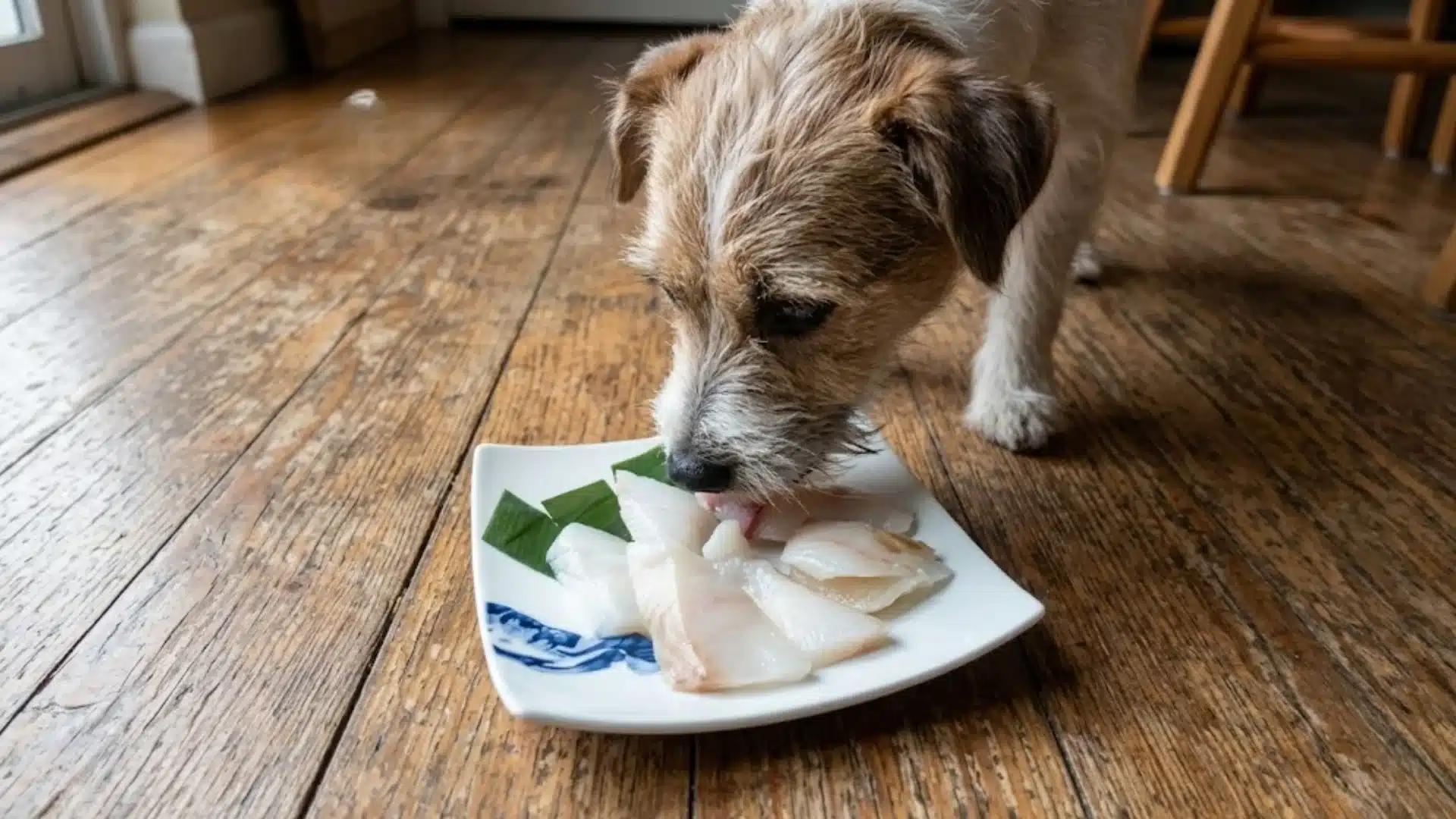
Flounder and sole are mild-tasting, low-fat fish that are gentle on a dog’s digestive system.
They are suitable for dogs that need a lighter protein source or are trying fish for the first time. These fish are easy to cook and generally well tolerated when served plain.
Always remove bones and avoid any added seasoning or oils.
Portion Size:
- Small dogs can have 1 to 2 tablespoons
- Medium dogs about 1/4 cup
- Large dogs up to 1/2 cup
What Fish Should Dogs Avoid?
It is important to understand these risks before adding fish to a dog’s diet. Avoiding the wrong types can prevent long-term health issues, digestive problems, and even emergencies.
1. High-Mercury Fish
High-mercury fish should be avoided because mercury can build up in a dog’s body over time and cause toxicity.
A PubMed study found salmon-based dog foods rarely reach toxic mercury levels, but long-term exposure from high-mercury fish is risky, so lower-mercury species are recommended for dogs.
Fish like shark, swordfish, king mackerel, and tilefish are known to contain high mercury levels. Regular consumption can lead to serious health issues, including damage to the nervous system, kidneys, and overall development.
Symptoms may not appear immediately, which makes it even more risky. Even in small amounts, these fish are not considered safe for dogs.
Choosing low-mercury options is always a better and safer approach for long-term health.
2. Raw Fish
Raw fish can be dangerous for dogs due to the risk of parasites and harmful bacteria.
One major concern is salmon poisoning disease, which can be life-threatening if untreated. Raw fish may also carry bacteria like Salmonella or Listeria, leading to vomiting, diarrhea, and weakness.
These risks make raw feeding unsafe without proper handling and veterinary guidance. Cooking fish properly helps eliminate these threats and makes it safer to digest.
Feeding raw fish regularly increases the chances of infection, so it is best to avoid it completely.
3. Fish with Bones
Fish bones are a serious hazard for dogs and should always be removed before feeding.
Small, sharp bones can easily get stuck in the throat, causing choking or breathing problems. Even if swallowed, they can scratch or damage the mouth, esophagus, or digestive tract.
This can lead to internal injuries, pain, and possible emergency situations.
Cooked fish bones are especially brittle and more likely to splinter. To keep feeding safe, always check the fish carefully and remove every visible bone before serving it to a dog.
4. Fried or Seasoned Fish
Fried or seasoned fish is not suitable for dogs due to added oils, salt, and spices.
These ingredients can upset a dog’s stomach and lead to vomiting or diarrhea. Excess oil and fat may also increase the risk of weight gain and pancreatitis over time.
Ingredients like garlic, onion, and certain seasonings can be toxic to dogs and should never be included. Even small amounts of heavily seasoned fish can cause discomfort.
Plain, cooked fish without any additives is always the safest way to serve fish to dogs.
How to Safely Prepare Fish for Dogs?
Preparing fish the right way makes all the difference when feeding it to dogs.
Make sure the fish is fully cooked, whether boiled, grilled, or steamed, because this helps remove harmful bacteria and parasites.
And follow the 10% rule to feed any treat to your loving dog in their daily diet.
Before serving, carefully remove every bone since even small ones can cause choking or internal injury. Keep it completely plain with no salt, oil, garlic, onion, or sauces, as these can upset a dog’s system or even be toxic.
Portion size depends on the dog’s size, breed, and overall diet, so I treat fish as an addition rather than a main meal.
In my experience, small amounts once or twice a week work best. Fish should not replace a balanced dog food diet, but can be a healthy supplement when used correctly and in moderation.
Signs Your Dog May Not Tolerate Fish
Some may have sensitivities or allergies that show up after eating fish for the first time or even after repeated exposure. It is important to watch closely for any unusual changes in behavior, skin, or digestion.
- Itching or scratching: Frequent scratching, licking paws, or rubbing against surfaces may indicate an allergic reaction developing over time.
- Red or irritated skin: Look for redness, rashes, or inflamed areas, especially around the ears, belly, or paws after meals.
- Ear infections: Repeated ear infections, foul smell, or constant head shaking can be linked to food sensitivities like fish.
- Vomiting: Throwing up shortly after eating fish may signal that the dog’s stomach is not handling it properly.
- Diarrhea: Loose stools, frequent bowel movements, or sudden digestive changes can be a clear sign of intolerance.
- Gas or bloating: Excess gas, discomfort, or a swollen belly may indicate poor digestion of fish proteins or fats.
- Loss of appetite: Refusing meals or showing hesitation after eating fish can suggest discomfort or developing food aversion.
- Lethargy: Low energy levels, unusual tiredness, or lack of interest in activities may occur if the dog reacts negatively.
If any of these signs appear after introducing fish, stop feeding it and consult your veterinarian. You can also reach the ASPCA Animal Poison Control Center at (888) 426-4435 for guidance if you suspect your dog has consumed something harmful.
Conclusion
Fish can be a healthy and tasty addition to a dog’s diet when chosen and prepared the right way.
As covered above, the answer to: can dogs have fish depends on the type, portion, and preparation.
Safe options like salmon, sardines, and whitefish offer real benefits, while high mercury or poorly prepared fish should always be avoided.
Keeping meals simple, cooked, and balanced makes all the difference. Every dog is different, so paying attention to how a dog responds is just as important as choosing the right fish.
If done right, fish can support overall health without replacing a complete diet.
Have you tried feeding fish to a dog? Share your experience, what worked, and what did not in the comments below.
Frequently Asked Questions
What Annoys Dogs The Most?
Dogs are often annoyed by loud noises, sudden movements, strong smells, and a lack of routine. Ignoring their needs, rough handling, or constant interruptions during rest can also make them uncomfortable.
Are Bananas Good For a Diabetic Dog?
Bananas can be given in small amounts to diabetic dogs, but they contain natural sugars. It is best to consult a veterinarian and offer only controlled portions occasionally.
Can Dogs Have Fish Oil Or Fish Cakes?
Fish oil is safe and beneficial for dogs when given in proper doses. Fish cakes are not recommended due to the added salt, spices, and oils that may harm digestion.