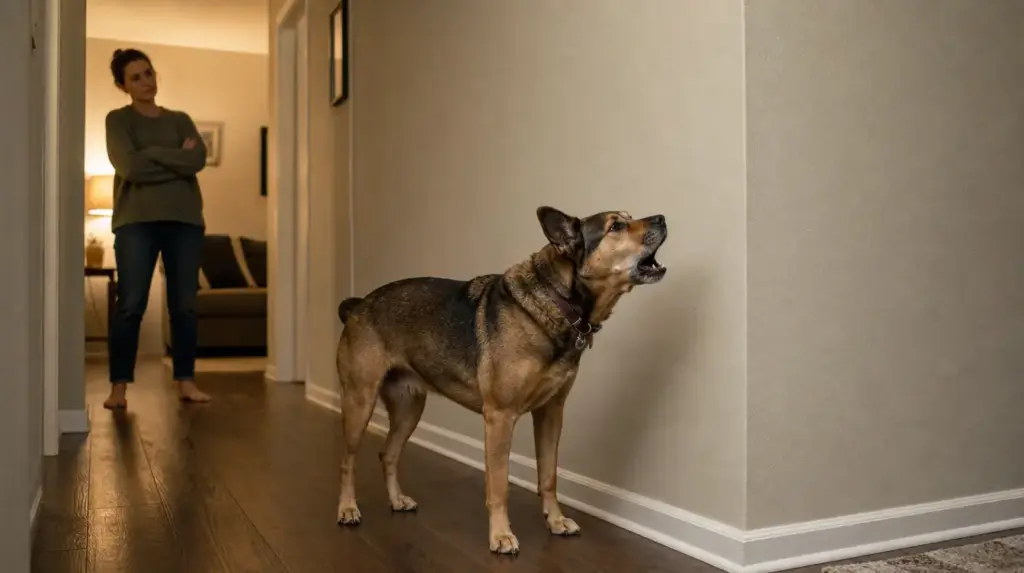
If you’ve ever seen your dog pawing, scratching, or circling in their bed, you might be wondering, “Why do they do that?”
The truth is, bed digging is a very common behavior, and in most cases, it’s completely normal. Dogs dig for many reasons-some are playful, some are instinctual, and some are ways to get comfortable.
Puppies and younger dogs often dig out of curiosity or excitement, while certain breeds, like terriers or huskies, may dig more because it’s in their nature.
Sometimes, digging can also indicate stress, boredom, or discomfort.
Understanding what drives your dog to dig helps you respond with patience, provide safe alternatives, and ensure your furry friend stays happy, healthy, and comfortable in their bed.
Is Bed Digging Normal for Dogs?
Yes, many dogs dig in their beds, and most of the time, it’s perfectly normal. Puppies and younger dogs often dig to play or make their bed more comfy.
Some breeds, like terriers or huskies, dig more because it’s in their nature.
Older dogs may dig less, but still enjoy rearranging blankets or making a “nest.” Sometimes, digging can hint at stress, boredom, or even discomfort.
If a dog digs excessively, scratches at its bed, or appears restless, it may be a sign that it is anxious or not feeling well.
Watching when and how your dog digs can help you tell the difference between a playful habit and a sign that they need attention.
Common Reasons Dogs Dig in Their Beds
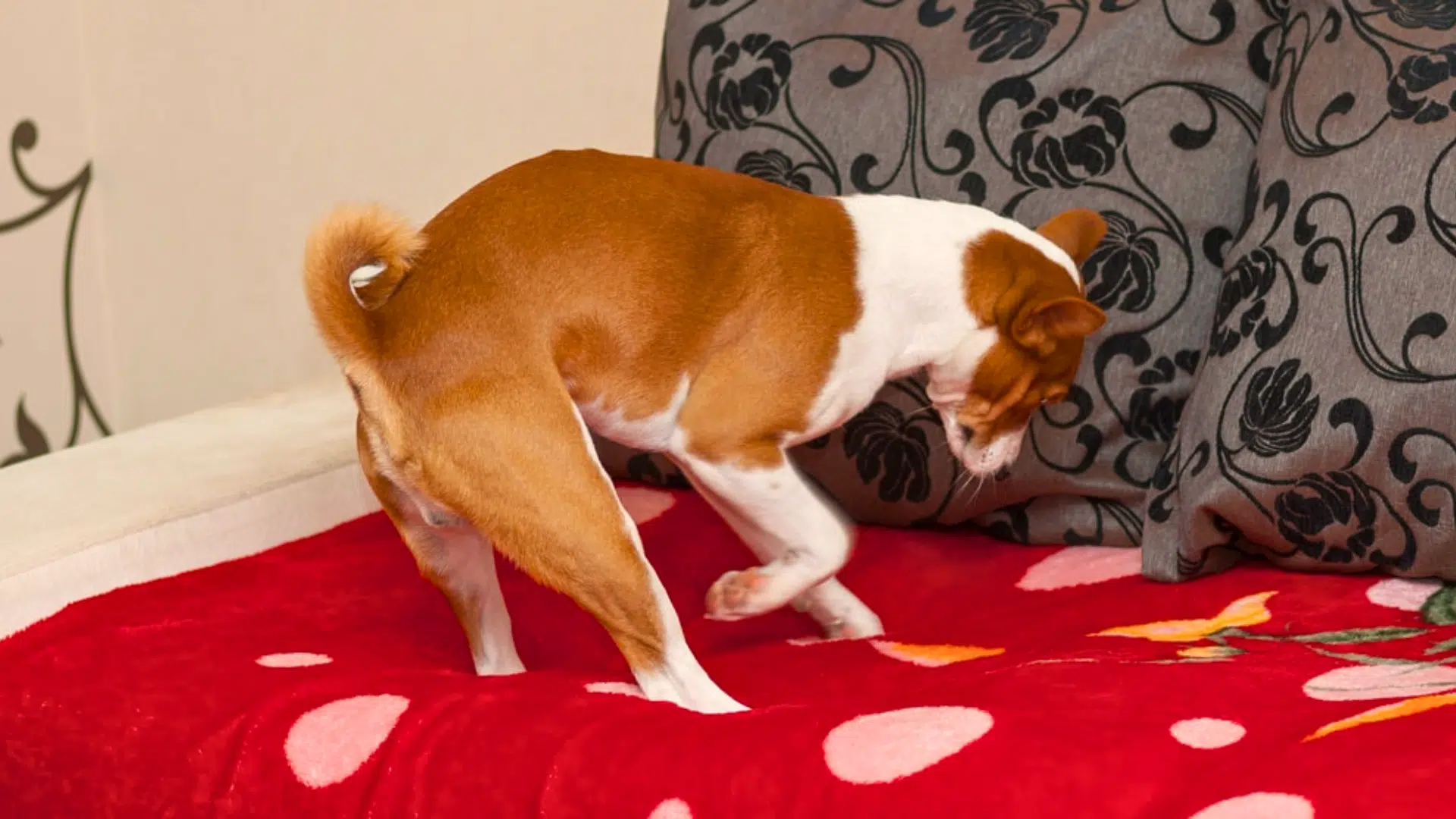
Many dogs dig in their beds, and this behavior can occur for several reasons. Understanding why helps owners decide if it’s just a quirky habit or something that needs attention.
1. Instinct to Create a Nest
When I see my dog digging in his bed, I remind myself it’s just instinct. Dogs in the wild dig to make a soft, safe nest before resting.
Your dog may be doing the same thing. It’s his way of getting comfortable and marking the spot as his own.
If your dog circles and digs before lying down, it’s not bad behavior.
It’s simply an old survival habit showing up in a cozy, modern home. You don’t need to stop it unless it damages the bed.
2. Temperature Control
Sometimes, I notice my dog digging more on warm days. That’s because dogs dig to cool down or warm up their spot. In nature, they dig into the soil to find a comfortable temperature.
When your dog scratches or digs his blanket, he’s just trying to adjust the bedding to feel better.
You might notice it happens before sleep or naps. It’s your dog’s way of making sure his bed feels just right. You can help by keeping his sleeping area cool or cozy, depending on the weather.
3. Anxiety or Restlessness
If your dog digs more than usual, it can be a sign of anxiety. I’ve seen this when my dog feels stressed or bored.
Dogs dig to release nervous energy or to distract themselves from something that’s bothering them. If your dog does it often, look for triggers like loud noises, new guests, or changes in routine.
You can help by offering comfort, playtime, and calm routines to reduce his restlessness. Giving him a chew toy or gentle exercise can also ease his mind.
4. Marking Territory
Dogs have scent glands in their paws, and when they dig, they leave their scent behind. I noticed my dog doing this after another pet used his bed. It’s his way of saying, “This is mine.”
If your dog digs and sniffs his bedding often, he’s marking territory, not misbehaving.
It’s a natural way to feel safe in his space. You can wash the bedding regularly to remove extra scent buildup, but let him have a little freedom to claim his comfort zone.
5. Boredom or Lack of Activity
When I skip walks or playtime, my dog sometimes digs just for something to do. Digging can be his way to burn off extra energy or grab your attention.
If your dog is left alone for long periods, this habit might increase. Try adding more mental and physical stimulation, like puzzles, training games, or a longer walk.
Keeping your dog active and engaged can turn digging time into happy, relaxed rest time.
Personal Experiences: Why Dogs Dig Their Beds

Many pet owners share funny stories about their dogs digging in beds. Some tell of puppies turning blankets into a “nest” before naps, leaving fur and fluff everywhere.
Kathy said, “It’s a very common, instinctual, innate behavior for dogs. They used to dig into the dirt to make beds for themselves as wild dogs, so they still try to even when domesticated.”
“Our puppy is terribly ineffective at it: never gets the blankets arranged well-and we finally have to tell her to lie down.”
“If your dog is digging at her bed enough, I’d probably look into something like the heavy-duty Kong crate pads. Should stand up to her digging.”
These stories show that digging is not just normal-it can be playful, comforting, and full of personality, giving each dog a unique bedtime ritual.
Preventing Bed Digging Before It Starts
Stopping bed digging early is much easier than fixing it later. I’ve learned that a few simple habits can keep your dog calm, comfortable, and less likely to dig.
- Create a cozy spot from day one: Make your dog’s bed soft, warm, and place it in a quiet area. When they feel safe, they won’t dig for comfort.
- Give enough daily exercise: Tired dogs are relaxed dogs. Regular walks or playtime help release extra energy that can lead to digging.
- Use positive crate or bed training: Praise calm behavior when your dog settles instead of digging.
- Offer mental stimulation: Use puzzle toys or chew items to keep your dog occupied and prevent boredom-driven digging.
- Stick to a routine: A steady schedule helps your dog feel secure, reducing anxious digging before bedtime.
How to Respond to Your Dog Digging Their Bed?
When your dog digs in their bed, it’s important to respond calmly and guide them gently. I’ve noticed that rewarding calm behavior works much better than scolding.
Praise or give a treat when your dog relaxes in the bed instead of digging, which helps them understand what you want.
You can offer safe options like a snuffle mat, digging box, or toy to satisfy their digging urge.
If the behavior comes from discomfort, try adjusting the bedding by adding soft blankets or ensuring the bed is the right size and not too warm or cold.
With time, consistency, and patience, your dog will learn to settle comfortably, keeping their bed a cozy and peaceful resting spot.
Fun Ways to Encourage Healthy Digging
Digging is a natural behavior for many dogs, and you can guide it in safe, fun ways. Providing alternatives lets your dog express instincts without damaging furniture or beds.
- Create a digging zone: Set up a sandbox or a small dirt area where your dog can dig freely without getting in trouble.
- Hide treats or toys: Bury a few safe, non-toxic toys or treats in the digging area to make it exciting and rewarding.
- Join the fun: Play with your dog while they dig; this builds trust and keeps the activity positive.
- Rotate toys often: Changing toys in the digging area keeps things interesting and prevents boredom.
- Reward calm behavior afterward: Praise your dog once playtime ends to help them relax and learn limits.
When to Seek Professional Help?
Most bed digging is harmless, but sometimes it can point to an underlying issue.
I’ve learned that when a dog suddenly starts digging more, seems restless, or can’t settle even after walks or play, it’s time to look deeper.
Health problems like skin irritation, joint pain, or stomach discomfort can cause digging as a way to find relief.
In other cases, stress, anxiety, or compulsive habits might be the reason.
You can visit your vet to rule out medical causes first. If your dog is healthy, a certified trainer or behaviorist can help with emotional triggers.
Getting professional help early keeps your dog safe, comfortable, and happy while giving you peace of mind that the behavior is properly understood and managed.
Conclusion
Digging is a normal, natural behavior for dogs. Puppies, young dogs, and certain breeds may dig more frequently, while older dogs may dig less.
Most of the time, it’s harmless and even a way for your dog to make their space cozy, play, or satisfy their instincts.
That said, digging can sometimes signal stress, boredom, or health issues.
Watching your dog’s habits and offering comfort, digging spots, or toys can manage the behavior gently and without stress.
Understanding why your dog digs helps you respond with patience and care.
By understanding their needs and instincts, you can keep your dog happy, healthy, and turn digging into a normal, fun habit.