I’ve spent a decade sitting in shelter kennels with dogs everyone assumed were slow, and every single time, the truth was more interesting than the label.
So when someone asks me what the dumbest dog breed actually is, my honest answer is: it depends entirely on what you’re measuring.
The obedience data behind these rankings is real, and I’ll walk you through it breed by breed.
But stubborn isn’t the same as unintelligent, and the dogs at the bottom of this list are often the ones I’d trust most to solve a problem without me.
What Does “Dumbest Dog Breed” Actually Mean?
Before you write off a breed, it helps to know where this reputation actually comes from. The phrase gets thrown around a lot, but it almost never means what people think it means.
A dog labeled here isn’t lacking in intelligence; it’s simply slower to respond to commands or harder to train using conventional methods.
Many of the breeds on this list are independent thinkers, developed for jobs that required split-second decisions without a handler standing nearby.
Psychologist Stanley Coren’s obedience research measured how quickly a dog learns commands and how often it obeys on the first try, not how cleverly it solves a problem or how loyal it is at home. A breed can score low here while still being remarkably capable in every other sense.
Different Types of Dog Intelligence
Trainability is only one slice of what a dog is actually capable of. Coren’s own framework splits canine intelligence into three categories, and understanding them explains a lot about why certain breeds land where they do.
- Instinctive intelligence: A dog’s natural abilities tied to its original purpose, like tracking, guarding, or herding.
- Adaptive intelligence: Its capacity to learn from experience and solve problems on its own.
- Working and obedience intelligence: How quickly it learns commands and responds to human direction.
Most rankings you’ll find online, including this one, are built almost entirely on that last category. That’s a narrow lens, and it’s worth keeping in mind as you read through the list below.
The Dog Breeds Often Considered the Dumbest
These are the breeds that consistently land at the bottom of Coren’s obedience data, needing dozens of repetitions to learn a new command and obeying a first request less than 25 percent of the time in his lowest tier. Here’s what’s actually driving that reputation, breed by breed.
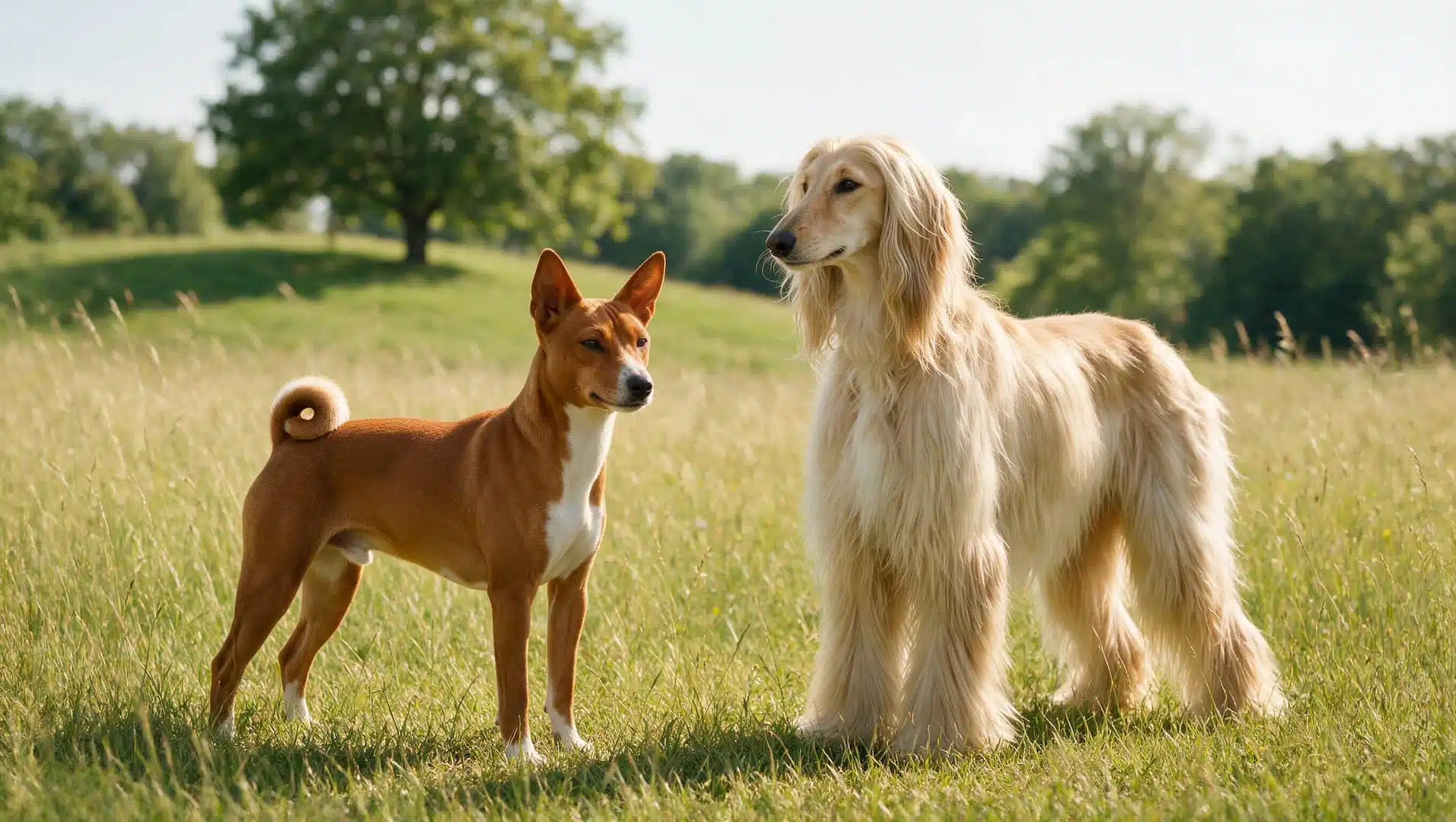
1. Afghan Hound

The Afghan Hound sits at the very bottom of Coren’s list, needing 80 or more repetitions to learn a command. Bred as an independent sighthound in Afghanistan’s mountains, it relied on its own judgment during a hunt rather than waiting on instructions.
Training challenge: Long, repetitive drills lose its attention fast, so short and varied sessions work better.
2. Basenji
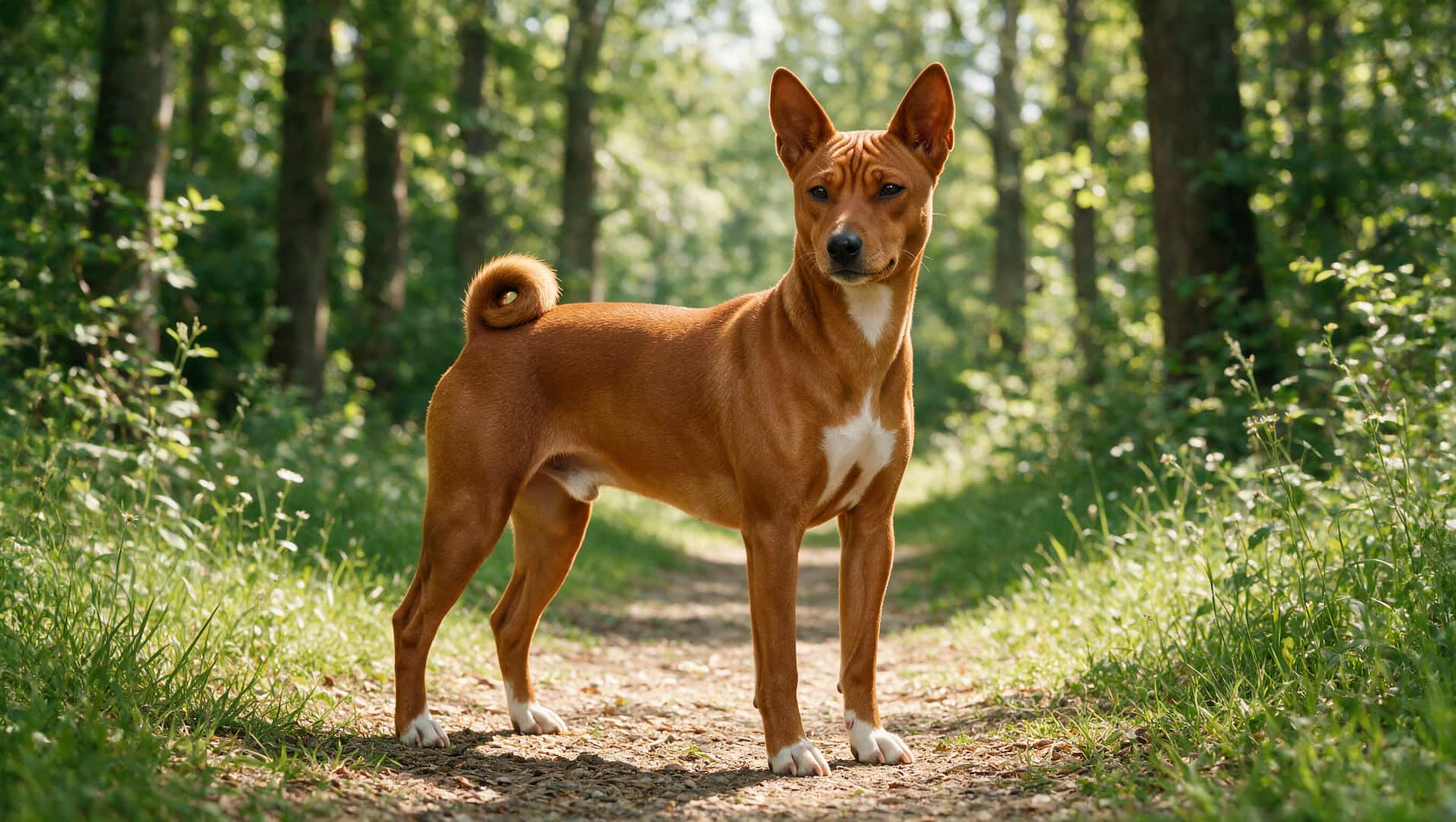
Known for not barking at all, the Basenji is often described as catlike, both in its independence and its fastidious grooming habits.
It isn’t disinterested in people; it’s just genuinely uninterested in performing tricks for the sake of it, which is exactly the trait that lands it near the bottom of Coren’s rankings.
Training Challenge: Standard reward repetition rarely works, since it disengages quickly from anything that feels pointless.
3. English Bulldog

Docile, affectionate, and famously low-energy, the English Bulldog’s low ranking has as much to do with laziness as with actual learning ability, a trait it shares with several other breeds suited to a calmer, low-key lifestyle.
It’s also one of the gentlest breeds around children, patient almost to a fault, which explains why its popularity hasn’t dipped despite the reputation.
Training Challenge: Short, low-energy sessions work better than long ones, since motivation drops off fast once it’s comfortable.
4. Chow Chow

Coren once remarked that furniture might be more trainable than a Chow Chow, but the breed’s real strength lies outside the obedience ring.
Originally bred in China for guarding and hunting, the Chow Chow is intensely loyal to its own family while remaining aloof and suspicious of everyone else.
Training Challenge: Early socialization matters more than drilling, since its guarding instinct can tip into suspicion without it.
5. Borzoi

This tall, slender sighthound was bred to chase down wolves across open Russian terrain, a job that rewards split-second independent decision-making over waiting for instructions.
Borzois need significant mental stimulation but remain famously difficult to train, preferring their own sharp eyesight over a handler’s cues, and structured activities built around problem-solving can help satisfy that need at home.
Training Challenge: Reliable recall is especially hard to teach, since anything moving in the distance instantly pulls its attention.
6. Bloodhound

Few dogs on earth can track a scent like a Bloodhound, but that same singular focus makes it easy to distract during obedience work, since the nose takes priority the moment it catches something interesting.
This is part of why search-and-rescue teams work with its instincts rather than against them.
Training Challenge: Off-leash reliability is hard to build, since a strong scent trail overrides commands almost instantly.
7. Pekingese

Bred for centuries purely as a lapdog for Chinese royalty, the Pekingese never needed to learn commands to earn its keep, since companionship alone was the entire job description.
It’s affectionate and suited to a calm household, but reliably fetching a ball or walking to heel simply isn’t in its skill set.
Training Challenge: Low food motivation combined with genuine stubbornness makes reward-based training noticeably less effective.
8. Beagle

Beagles are famously scent-driven, and that nose can override just about any command the moment it catches an interesting trail.
Combined with a stubborn streak, this makes them one of the harder breeds to keep off-leash reliably. It’s also part of why Beagles show up so often in shelters, despite being wonderful family dogs.
Training challenge: Leash training takes patience, and starting with solid leash walking fundamentals can make that patience pay off faster, since a strong scent can override almost any command mid-walk.
9. Mastiff

Mastiffs learn commands slowly and inconsistently, according to Coren’s data, though their calm, protective temperament makes them excellent guard dogs regardless.
Their sheer size means training really does matter for day-to-day safety, so early, patient, consistent work pays off more here than with smaller breeds on this list.
Training Challenge: Progress is naturally slow, but its size makes early, consistent obedience work essential rather than optional.
10. Basset Hound
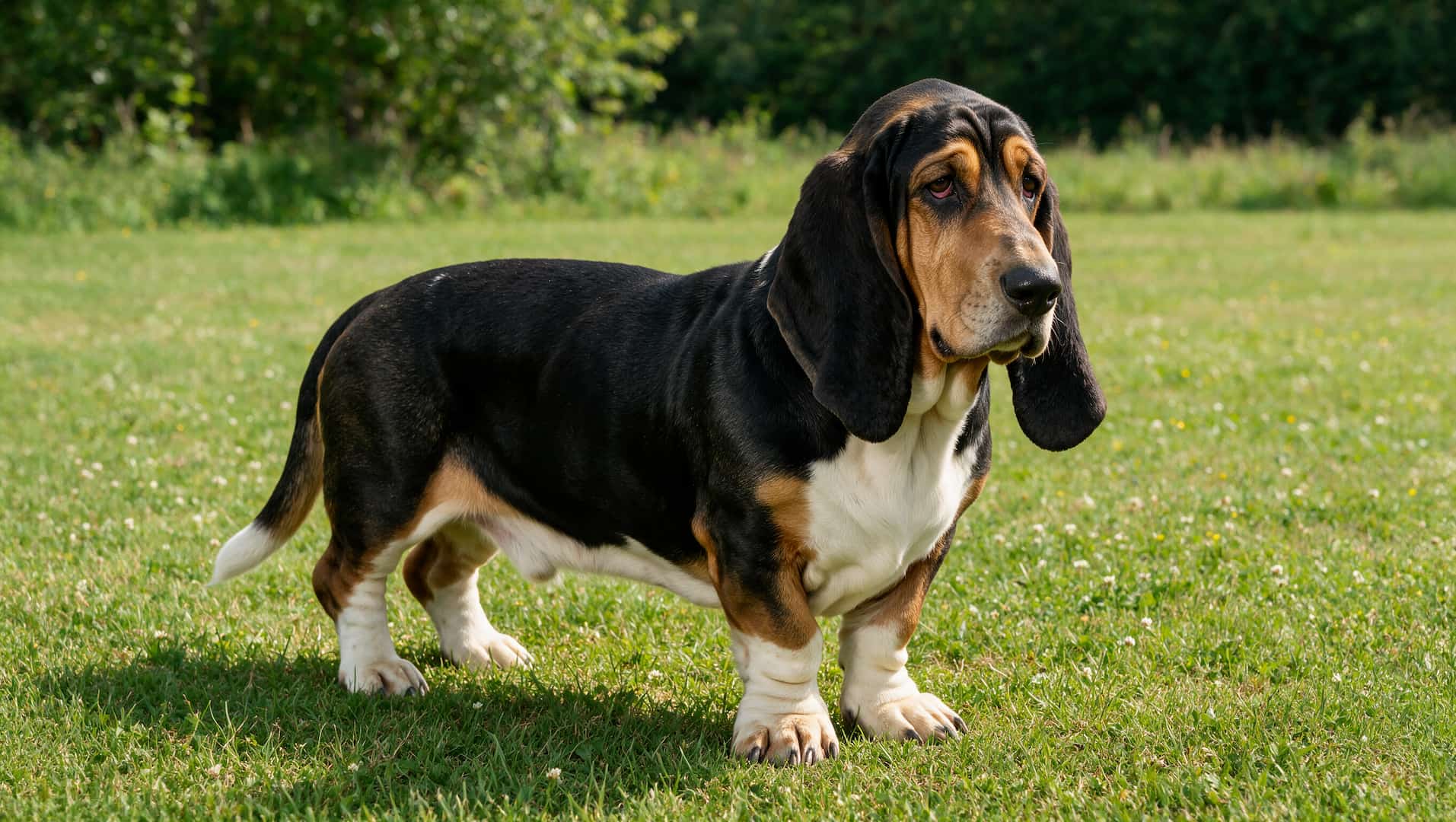
Low-slung, laid-back, and always charming, the Basset Hound shares the Beagle’s scent-driven distractibility and stubborn streak, often trailing a scent well past the point a command would register.
Both traits combine to make training a slow process, but its easygoing nature makes it a relaxed addition to a household.
Training Challenge: Consistency matters more than intensity here, since repetition without patience tends to lead nowhere.
11. Shih Tzu

Bred as a companion lapdog rather than a working breed, the Shih Tzu reportedly obeys a first command less than 25 percent of the time in Coren’s data, one of the lowest rates on the list.
It’s affectionate and deeply people-focused, and simply never needed obedience skills to fulfill its role.
Training Challenge: Commands often need constant repetition, since first-time compliance stays rare even with steady training.
12. Bullmastiff
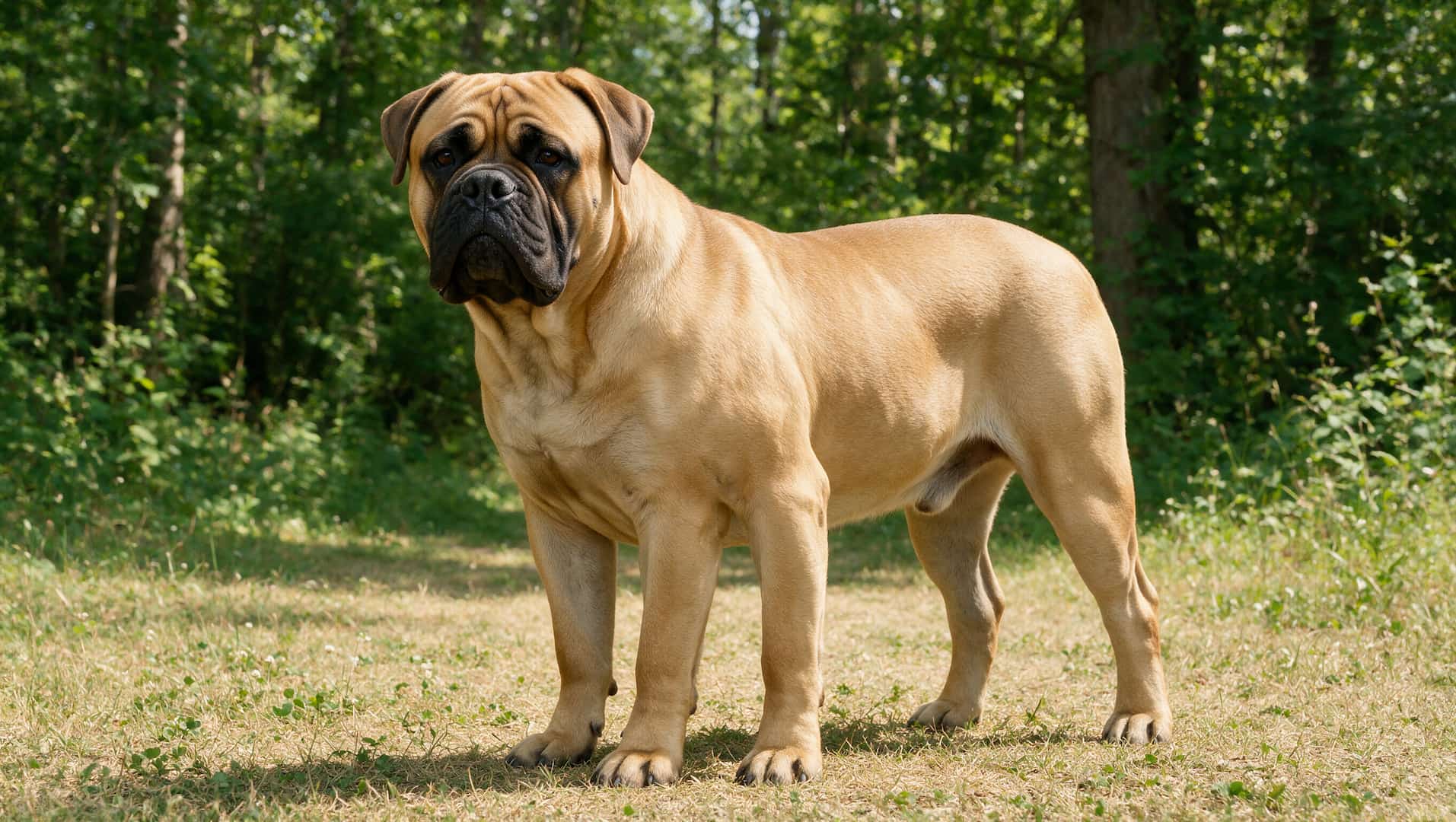
Bred to guard estates by intimidation rather than command-following, the Bullmastiff is protective, calm, and notably slow to warm up to strangers.
Training takes real patience, though its natural wariness toward intruders means it needs little instruction to do its original job well.
Training Challenge: Early socialization is just as critical as obedience work, since wariness can tip into overprotectiveness without it.
13. Bull Terrier

Playful, stubborn, and famously strong-willed, the Bull Terrier’s independent streak makes it one of the more challenging terriers to train, often testing a handler’s patience before a command actually sticks.
That same determination, redirected into play instead of drills, makes it an entertaining, high-energy companion.
Training Challenge: Redirecting its stubborn energy into play or exercise usually works better than straightforward obedience drilling.
14. Lhasa Apso
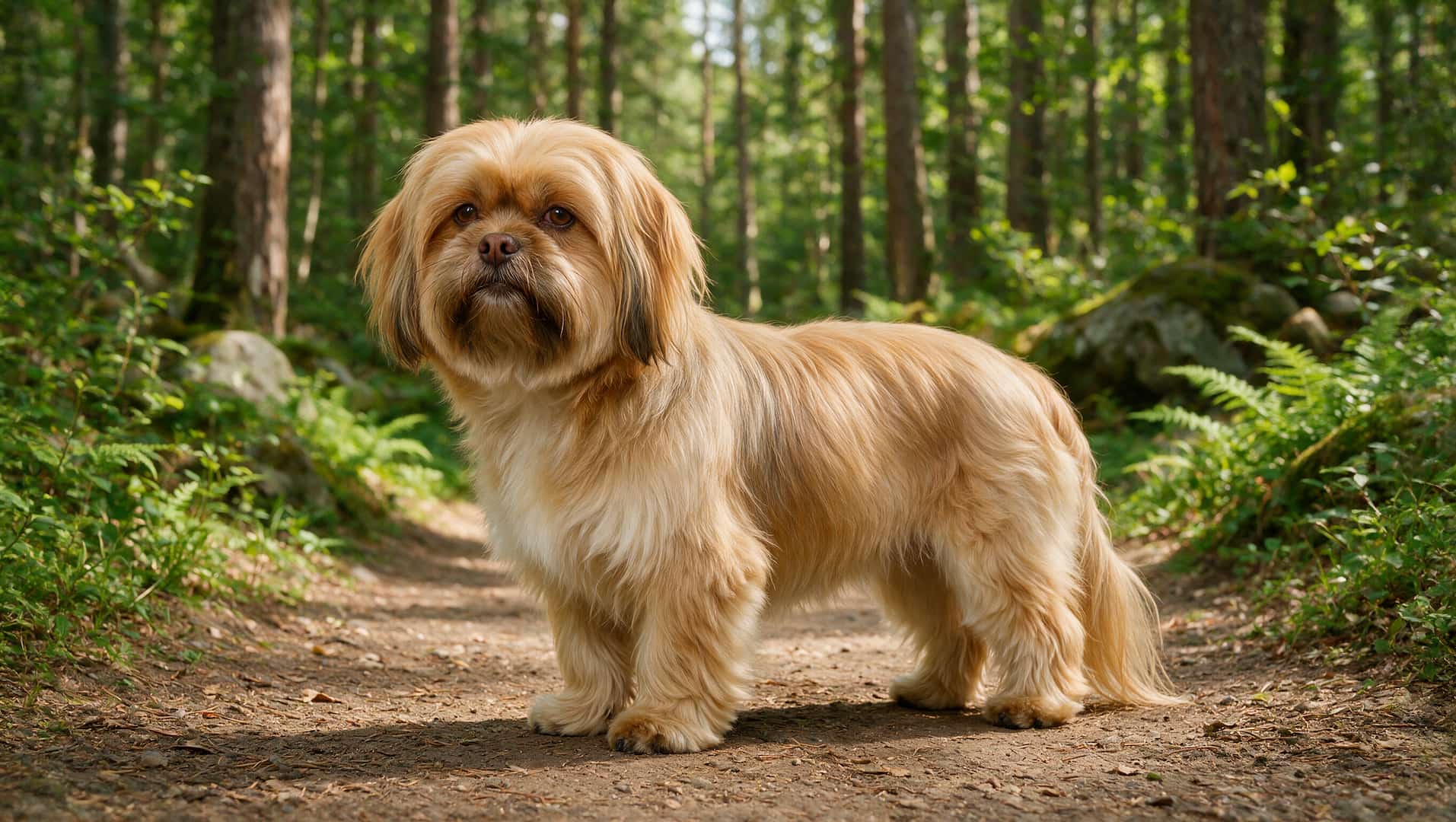
Originally bred in Tibetan monasteries as a watchdog that alerted on instinct rather than waiting for a command, the Lhasa Apso tends to be independent and a little aloof with unfamiliar people.
It’s fiercely loyal to its own family, which is really what it was bred to prioritize.
Training Challenge: Building genuine trust with a new owner tends to take longer than teaching commands.
15. St. Bernard

Famous for mountain rescue work, the St. Bernard operated largely on instinct and its own judgment when finding stranded travelers, not on step-by-step commands from a handler.
That same independent streak shows up in training today, even though its gentle temperament makes it a beloved family dog.
Training Challenge: Sheer size turns inconsistent training into a real safety concern, not just an inconvenience.
16. Chinese Shar-Pei
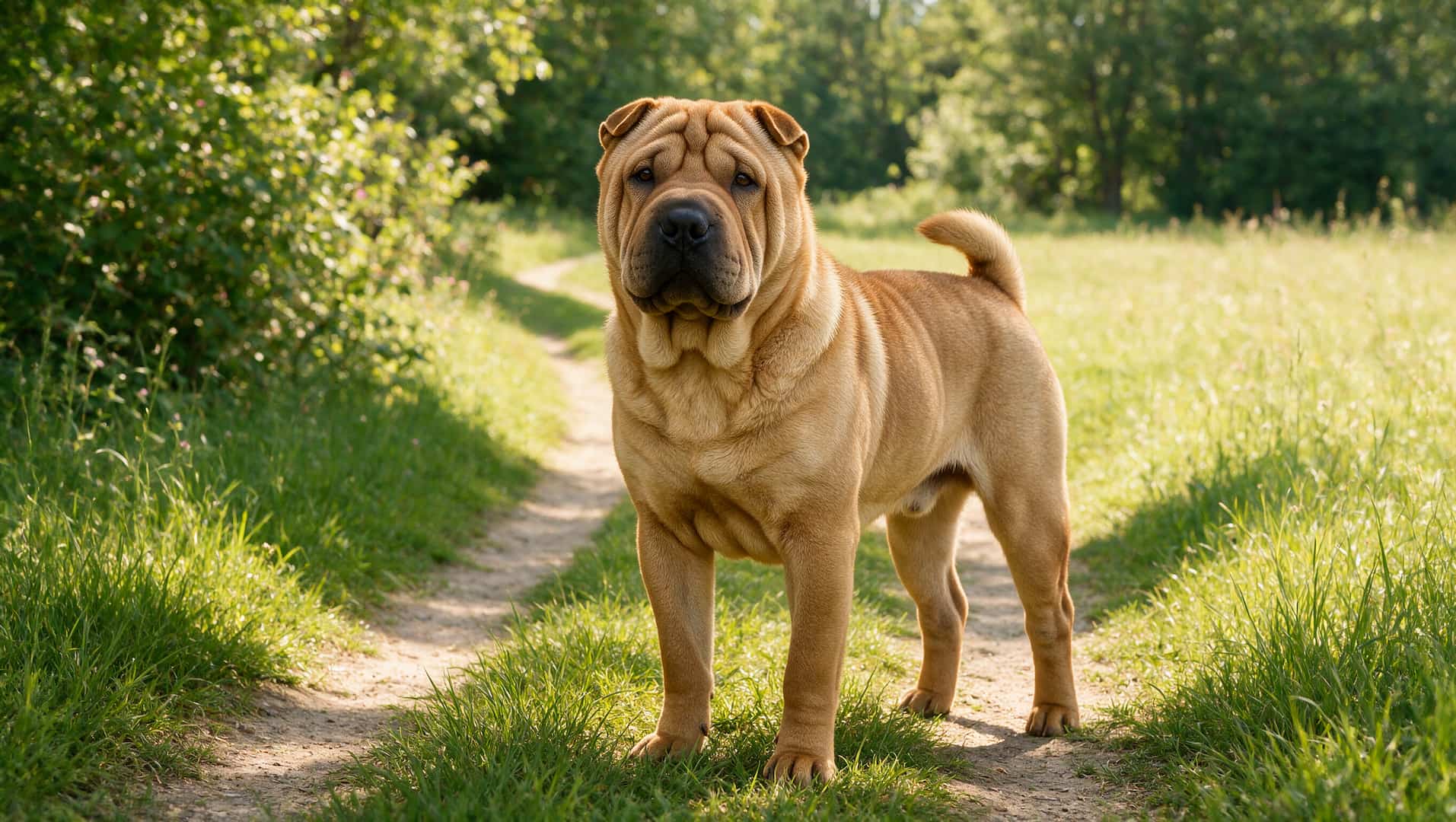
Bred as a guard and hunting dog, the Chinese Shar-Pei is naturally independent and can be noticeably aloof with anyone outside its immediate family.
Training requires real consistency early on, but its loyalty and calm demeanor at home make it a rewarding companion once that groundwork is in place.
Training Challenge: Aloofness toward strangers makes early socialization just as important as command-based training.
17. Skye Terrier

Originally bred to hunt vermin independently in the Scottish Highlands, the Skye Terrier developed a strong-willed, self-reliant streak that carries into how it responds to modern obedience work.
It remains deeply devoted to its family, a trait that’s made it a favorite of dog fanciers for centuries.
Training Challenge: Independence means sessions work better when they feel like bonding time rather than strict drilling.
18. Siberian Husky

The Siberian Husky was bred to pull sleds across vast, unsupervised distances, a job that rewarded independent decision-making over waiting on a handler.
That same instinct shows up today as a strong prey drive and a talent for slipping past fences that seem secure.
Training Challenge: Recall is notoriously unreliable off-leash, since the urge to run outweighs almost any command.
19. Shiba Inu

Bred in Japan to hunt small game largely on its own, the Shiba Inu approaches commands the way it approaches everything else: on its own terms.
It simply weighs how much a command is actually worth the effort. That same independence shows up in a strong prey drive and a tendency to bolt if off-leash.
Training Challenge: The reward has to be worth it; generic praise rarely moves a Shiba the way food or play does.
20. Akita

Originally bred to hunt independently in Japan’s mountains, the Akita tends to observe a command before deciding on its own to respond.
That same watchfulness makes it a naturally excellent guardian, since it reads a situation rather than waiting for direction. Akitas bond deeply with their families but rarely seek approval the way more obedience-driven breeds do.
Training Challenge: Results come slower than expected, since the breed responds better to earned respect than repetition alone.
21. Jack Russell Terrier

Bred to chase foxes into underground dens without a handler nearby, the Jack Russell Terrier developed a fearless, independent streak that carries straight into obedience work.
Its energy and intelligence work against standard training just as often as they help, since the same drive that makes it a skilled hunter also makes it quick to get bored.
Training Challenge: Short, high-energy sessions work far better than calm, repetitive drills, which lose its attention almost immediately.
22. Rottweiler

Bred for driving cattle and guarding property largely on its own judgment, the Rottweiler carries a confident, strong-willed streak that can look like stubbornness during training.
It’s highly intelligent and capable of complex work, but it tends to question repetitive commands that feel pointless rather than comply automatically.
Training Challenge: Consistency across every handler matters enormously, since the breed quickly identifies and exploits any inconsistency.
23. Dachshund

Bred to chase badgers into narrow underground tunnels alone, the Dachshund developed a bold, independent streak entirely disproportionate to its size.
That same instinct now shows up as digging, chasing, and a general disinterest in commands that don’t align with whatever it’s already decided to do.
Training Challenge: Its hunting instinct competes directly with obedience training, especially around anything that moves or smells interesting.
24. Chihuahua

Small enough to be carried everywhere, the Chihuahua never needed obedience skills to secure its place as a companion, and that history shows in its strong-willed, sometimes bossy personality.
It’s fiercely loyal to its owner but often skeptical of commands that don’t come with an obvious reward attached.
Training Challenge: Its small size makes owners inconsistent with boundaries, which reinforces stubborn habits faster than with larger breeds.
25. Boston Terrier

The Boston Terrier’s independent streak is a little surprising given its friendly, people-oriented reputation, but it’s genuinely more interested in play than in repeating a command for its own sake.
It responds far better to games than drills, and tends to lose interest quickly once training starts feeling repetitive.
Training Challenge: Keeping sessions playful rather than repetitive is the difference between steady progress and a bored, disengaged dog.
26. Australian Cattle Dog
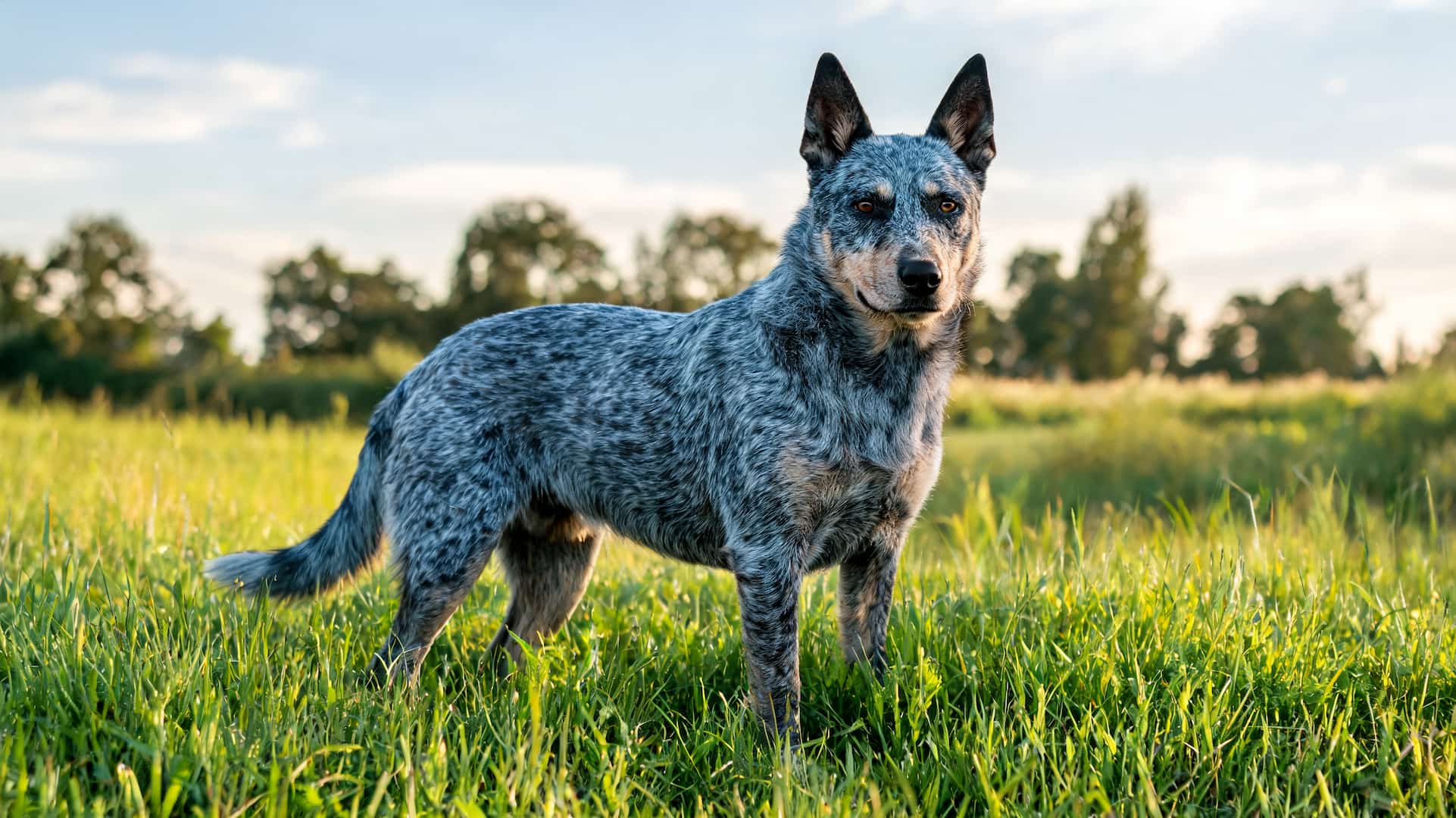
Bred to make split-second herding decisions without waiting on a handler, the Australian Cattle Dog is highly intelligent but genuinely independent-minded when it comes to obedience.
It often decides for itself if a command matches what the situation actually calls for, a trait that made it excellent at driving cattle.
Training Challenge: Its instinct to problem-solve independently means it sometimes overrides commands it deems unnecessary in the moment.
27. Weimaraner

Bred to hunt large game across long distances, the Weimaraner is a high-energy, independent-minded breed that expects a job to do rather than repetitive commands.
Without enough mental and physical outlet, that same intelligence turns toward mischief instead of obedience, and it rarely settles down enough to focus on a drill.
Training Challenge: Insufficient exercise undermines training faster than almost any other factor, since a bored Weimaraner rarely listens well.
28. Dalmatian

Originally bred to run alongside carriages for hours, the Dalmatian carries a strong independent streak paired with high energy that can overwhelm standard obedience sessions.
It’s an intelligent breed, but one that often prefers movement over sitting through repetitive commands, especially before it’s had a real chance to burn off energy.
Training Challenge: Burning off physical energy before training even starts tends to matter more than the training session itself.
29. Airedale Terrier

Known as the King of Terriers, the Airedale was bred for independent vermin hunting and carries a confident, sometimes headstrong personality as a result.
It’s highly capable of learning complex tasks but tends to decide on its own if a command is worth following in the moment.
Training Challenge: Its confident, opinionated nature means commands often need to feel like a negotiation rather than an order.
30. Scottish Terrier
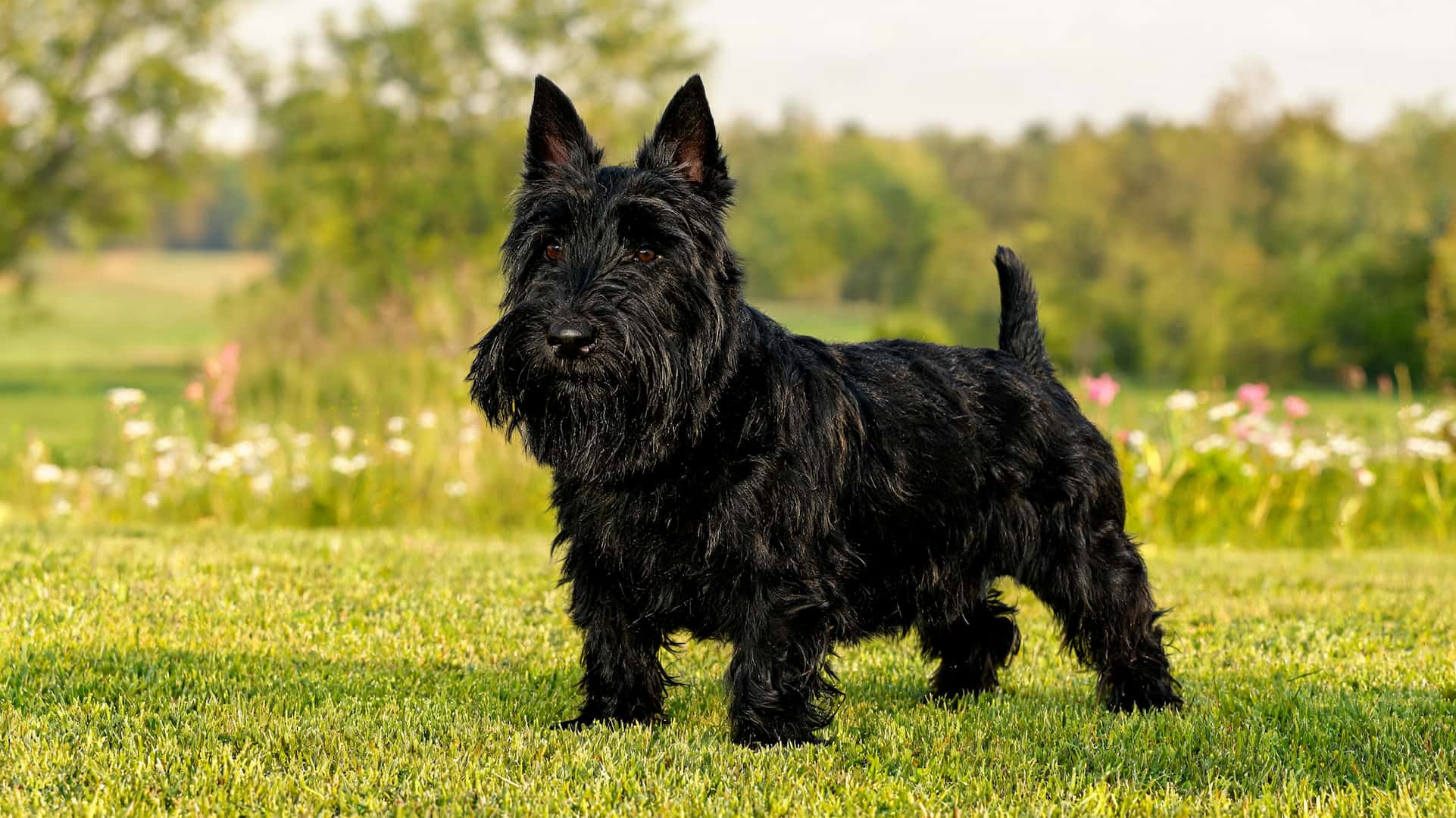
Bred for solo underground hunting in Scotland, the Scottish Terrier developed a famously independent, dignified personality that doesn’t take well to repetitive obedience drills.
It’s deeply loyal to its family but tends to approach commands with a certain amount of skepticism, preferring to size up a situation before responding.
Training Challenge: Its stubborn streak means training sessions often feel more like a standoff than straightforward instruction.
31. West Highland White Terrier

Bred to hunt small game independently, the West Highland White Terrier carries a spirited, self-assured personality that can look like defiance during training.
It’s an intelligent breed that learns quickly when motivated, but rarely complies simply because it was asked to, especially once a scent or sound catches its attention.
Training Challenge: Motivation has to be specific and immediate, since generic praise alone rarely holds its attention for long.
32. Cairn Terrier

Bred to hunt vermin in rocky terrain without human direction, the Cairn Terrier developed a curious, independent streak that shows up clearly during obedience work.
It’s alert and intelligent, but easily distracted by anything that moves, digs, or smells worth investigating, often mid-command.
Training Challenge: Its curiosity competes directly with focus, so training works best in an environment with minimal distractions nearby.
33. Rhodesian Ridgeback
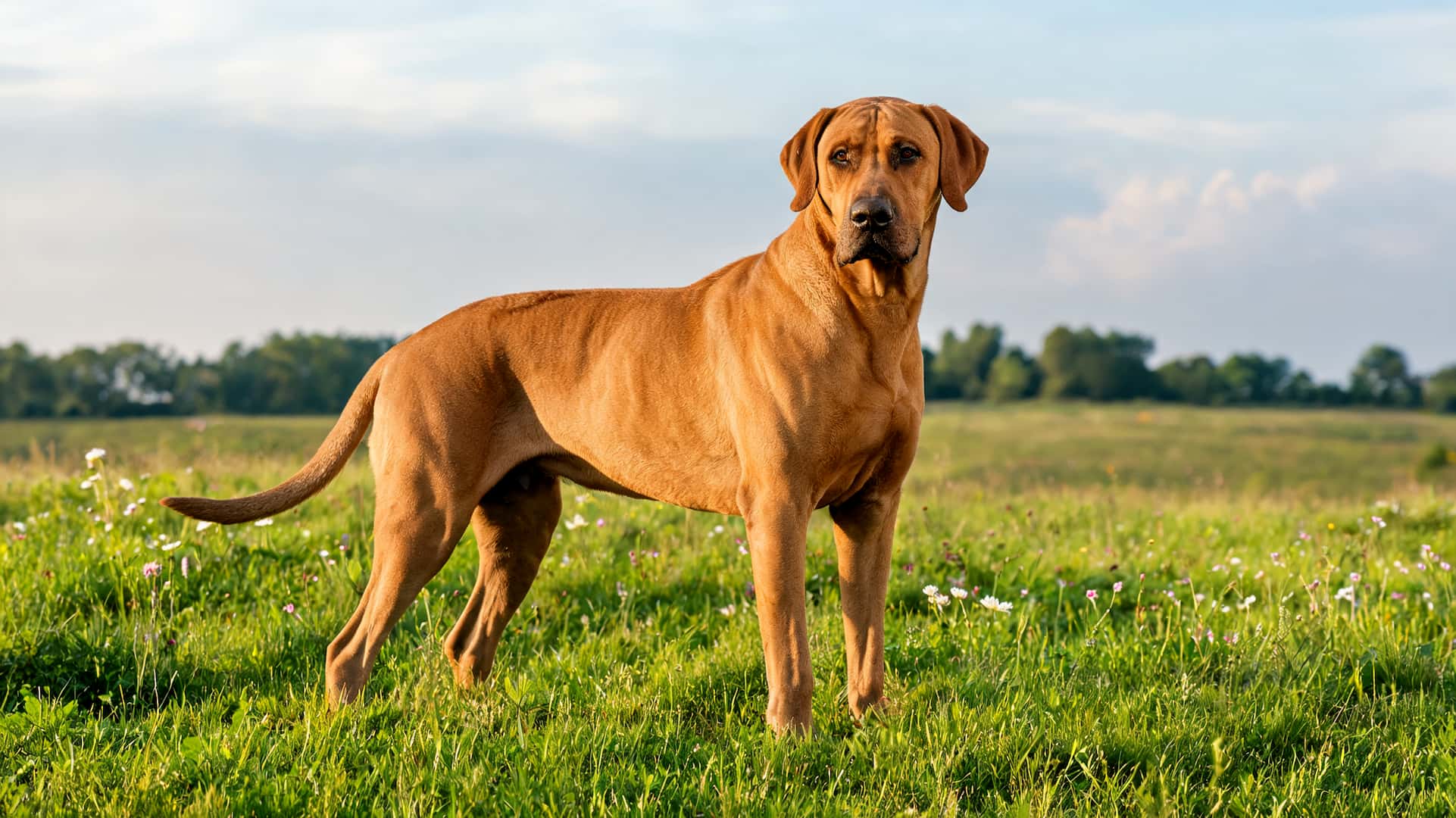
Bred in southern Africa to track and hold lions at bay largely on its own, the Rhodesian Ridgeback carries a calm but genuinely independent-minded temperament.
It’s intelligent and capable, but tends to question commands that don’t feel necessary rather than comply automatically, especially once it’s grown confident in a routine.
Training Challenge: Its natural confidence means it responds far better to calm authority than repetition or forceful correction.
34. Wire Fox Terrier

Bred to hunt foxes independently underground, the Wire Fox Terrier is energetic, clever, and famously difficult to keep focused during obedience work.
Its curiosity and prey drive tend to override commands the moment something more interesting catches its attention, which happens often given how alert the breed stays.
Training Challenge: Short, high-energy sessions with real rewards work far better than long, repetitive drills for holding its attention.
35. Norwegian Elkhound
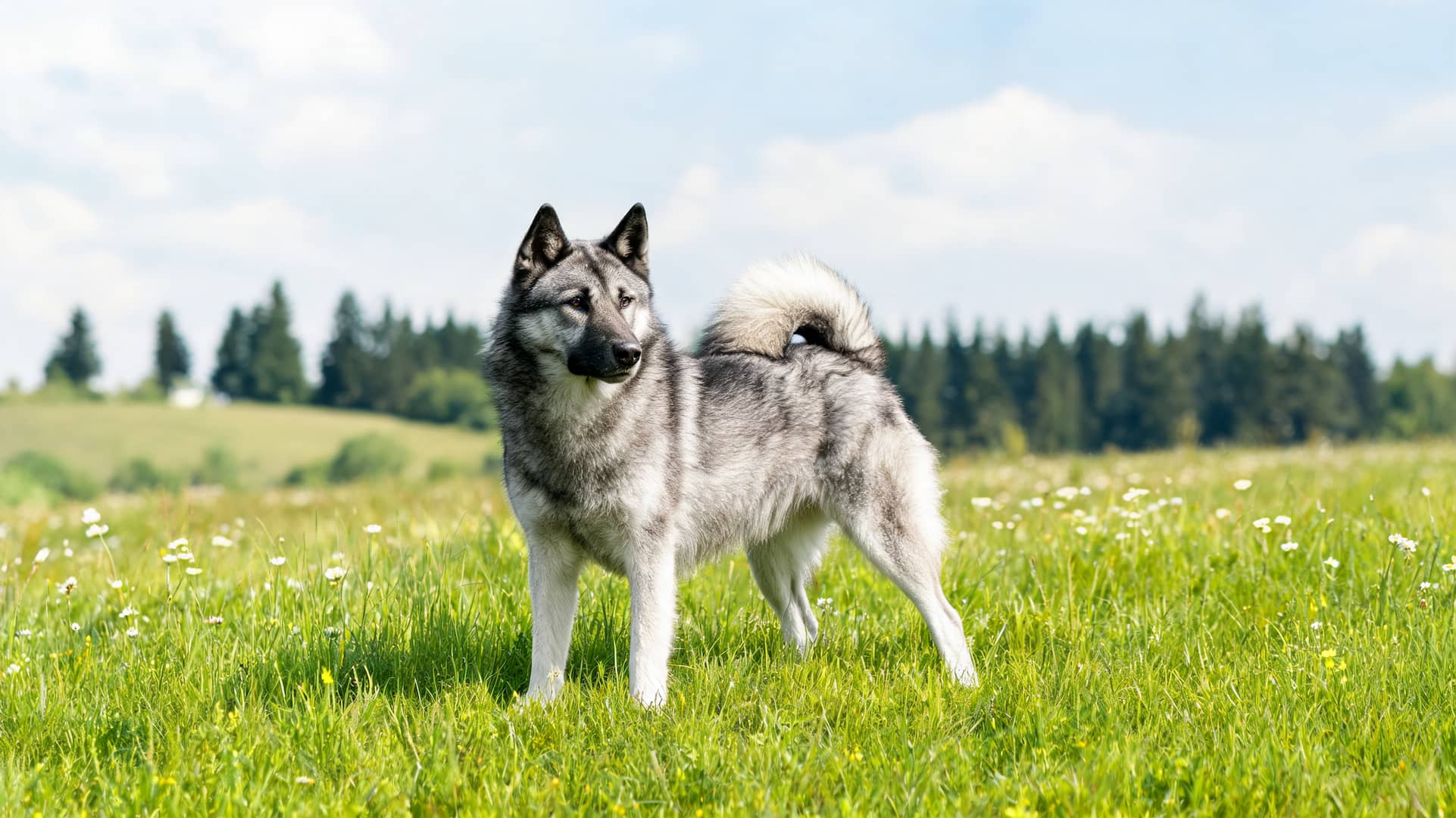
Bred to hunt moose and other large game independently across Scandinavian terrain, the Norwegian Elkhound carries a bold, self-reliant streak into modern households.
It’s intelligent and alert, but tends to make its own decisions about which commands are actually worth following in a given moment.
Training Challenge: Its independent hunting instinct means recall around wildlife or interesting scents is especially hard to build reliably.
36. Great Pyrenees

Bred to guard livestock overnight without any human direction at all, the Great Pyrenees developed a calm but deeply independent temperament built entirely around making its own decisions.
It’s gentle and patient with family, but rarely defers to commands the way more handler-focused breeds do.
Training Challenge: Its instinct to act independently at night made it an excellent guardian, but a genuinely slow learner in obedience drills.
37. Alaskan Malamute

Bred to haul heavy loads across long distances as part of a working team, the Alaskan Malamute developed the same independent streak seen in the Siberian Husky, just in a larger, more powerful frame.
It’s intelligent and driven, but rarely obedient purely for the sake of it.
Training Challenge: Its size and strength make consistent training essential, since an untrained adult Malamute is genuinely difficult to manage.
Which Dog Breeds are Easier to Train?
Since independence explains most of the breeds above, it helps to see what the opposite end looks like.
A handful of breeds show up again and again at the top of obedience rankings, and they tend to share the same underlying traits.
- Border Collie: Bred for herding, which demands constant attention to a handler’s signals.
- Poodle: Originally bred as a working retriever, with a strong drive to solve problems alongside a person.
- German Shepherd: Developed for structured working roles like police and service work.
- Golden Retriever: Bred to work closely with hunters, building in high motivation to stay engaged.
- Labrador Retriever: Combines strong food and praise motivation with an eagerness to repeat commands correctly.
What ties these five together is high motivation to work with a person and fast command learning, traits that were never bred for in most of the breeds ranked lowest above.
Are Less Trainable Dog Breeds Still Good Pets?
A low obedience ranking says very little about how good a companion a breed can be. In many cases, the same traits that make training more challenging also create qualities owners value in everyday life.
Many breeds considered less trainable, including the Bulldog, Basset Hound, and St. Bernard, are known for their patience, calm nature, and strong family bonds. Independent breeds like the Afghan Hound and Borzoi may not need constant direction, while guarding breeds such as the Mastiff and Bullmastiff often bring natural protective instincts and confidence.
Breeds like the Chow Chow and Shar-Pei can form deep connections with their families even if they are more reserved with unfamiliar people. These qualities rarely appear on obedience scorecards, but they often matter far more in daily life than how quickly a dog learns a command.
Final Thoughts
Calling something the dumbest dog breed says more about a narrow obedience test than it does about the dog itself.
Every breed on this list was shaped by a job that rewarded independence over instruction-following, from hunting to guarding to simply being a devoted companion.
That doesn’t make training impossible. It just means patience and consistency matter more than they would with a breed built for obedience trials.
After years of watching independent-minded dogs in shelters get passed over for exactly this reason, I’d encourage you to look past the ranking.
If one of these dogs is already part of your family, lean into what the breed was actually built for, and work with that instinct instead of against it. That’s where the real bond starts.
Frequently Asked Questions
Do Mixed-Breed Dogs Follow the Same Intelligence Rankings?
Not directly. Coren’s rankings apply to purebred dogs evaluated by breed standard, so a mixed-breed dog’s trainability depends on which traits it inherited from each parent breed.
Do Easier-to-Train Breeds Ever Struggle with Independence-Based Tasks?
Sometimes. A Border Collie or German Shepherd bred for constant handler focus can actually struggle with tasks that reward independent decision-making, the same tradeoff working in reverse.
Does a Dog’s Age Affect Where It Falls on These Rankings?
Yes, to an extent. Puppies typically need more repetitions across the board, so these rankings assume a fully mature, healthy adult dog rather than one still developing.