

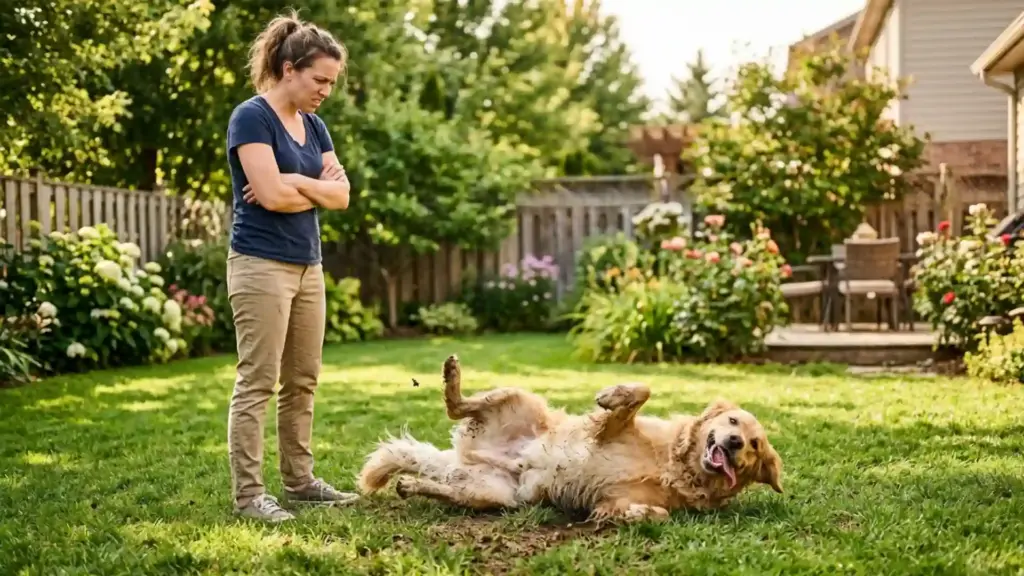
One moment, your dog is happily sniffing along, and the next, they’re enthusiastically rolling in something you’d rather not identify.
If you’ve ever caught your dog coating themselves in poop, you’re not alone in asking: Why do dogs roll in poop?
While this behavior may seem baffling and downright disgusting to humans, dogs see the world very differently.
What smells awful to us can be incredibly interesting, exciting, or even meaningful to them.
This messy habit isn’t just random mischief. In fact, it may be linked to ancient instincts passed down from their wild ancestors, as well as their natural curiosity and unique way of communicating through scent.
Before you reach for the shampoo, let’s understand the surprising reasons dogs roll in poop and what this quirky behavior reveals about your canine companion.
Is Rolling in Poop Normal Dog Behavior?
Yes, completely. Dogs are descended from wolves, and wolves have been observed rolling in the feces and carcasses of other animals for thousands of years.
A 2024 study published in the journal Biology on captive wolves at Osijek Zoo found that scent rolling is triggered primarily by novel or unfamiliar odors.
The wolves didn’t roll in scents they already knew; they rolled in new, interesting scents, which tells us something important about what drives the behavior.
Your dog is not being rebellious. They are following a wiring that predates their relationship with humans by a very long time.
The Most Common Reasons Dogs Roll in Poop
There is no single answer, and that is part of what makes this behavior so persistent. Most dogs are driven by a mix of two or three of these at once, and the balance shifts depending on the individual dog, the environment, and how much attention the behavior has earned over time.
1. The Scent-Masking Theory: Hiding from Prey
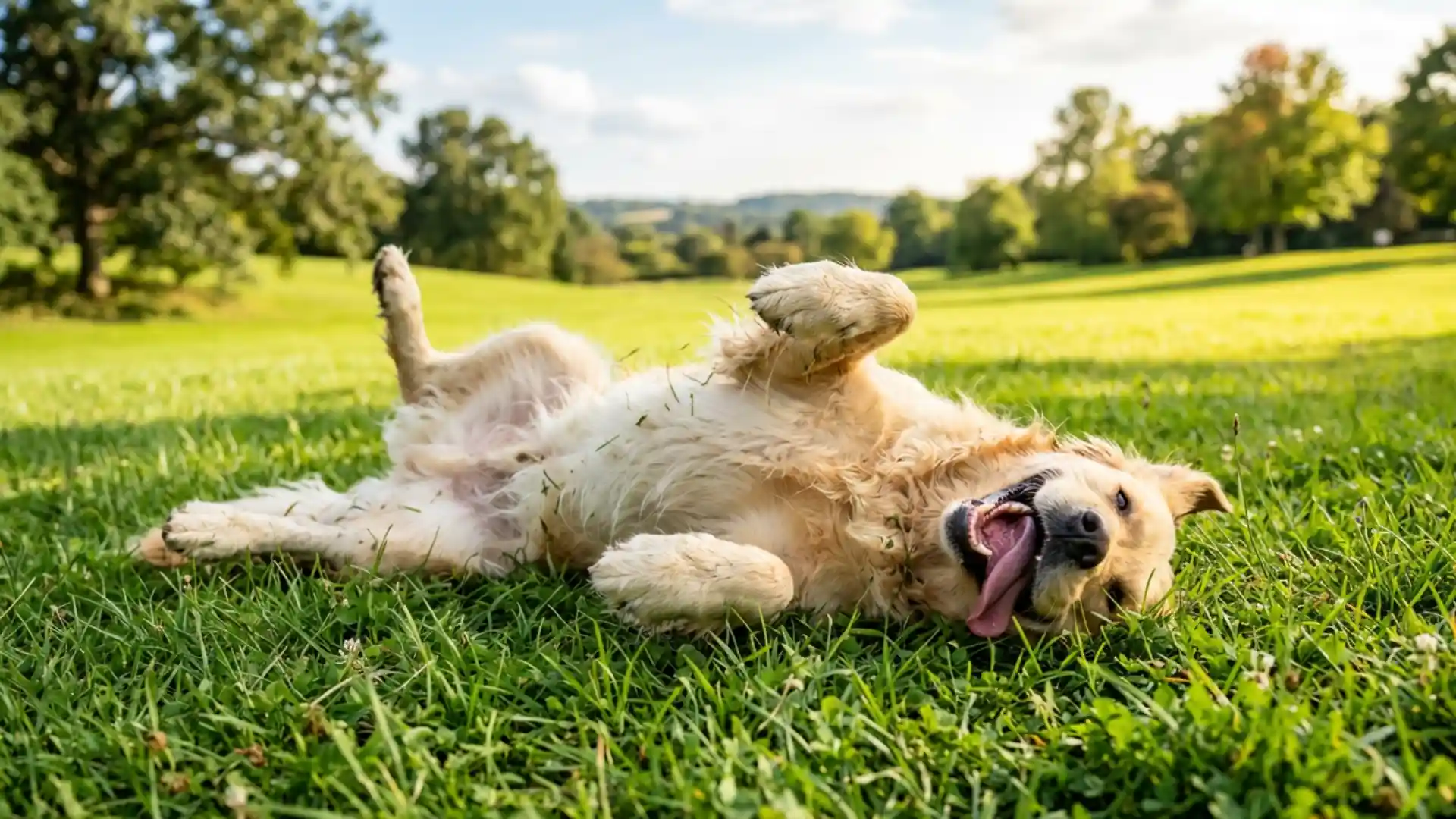
One of the oldest explanations is that wild dogs roll in strong-smelling substances to mask their own scent while hunting.
By covering themselves in the odor of prey animals or other creatures, they could get closer without alerting their target.
Dogs have natural greeting instincts that go back to their pack ancestors, and scent strategy was a big part of survival in those early days.
Your pet is obviously not stalking deer in your backyard, but that ancient program is still running in the background.
The behavior persisted even though the need to hunt had largely disappeared.
2. Rolling as a Form of Communication
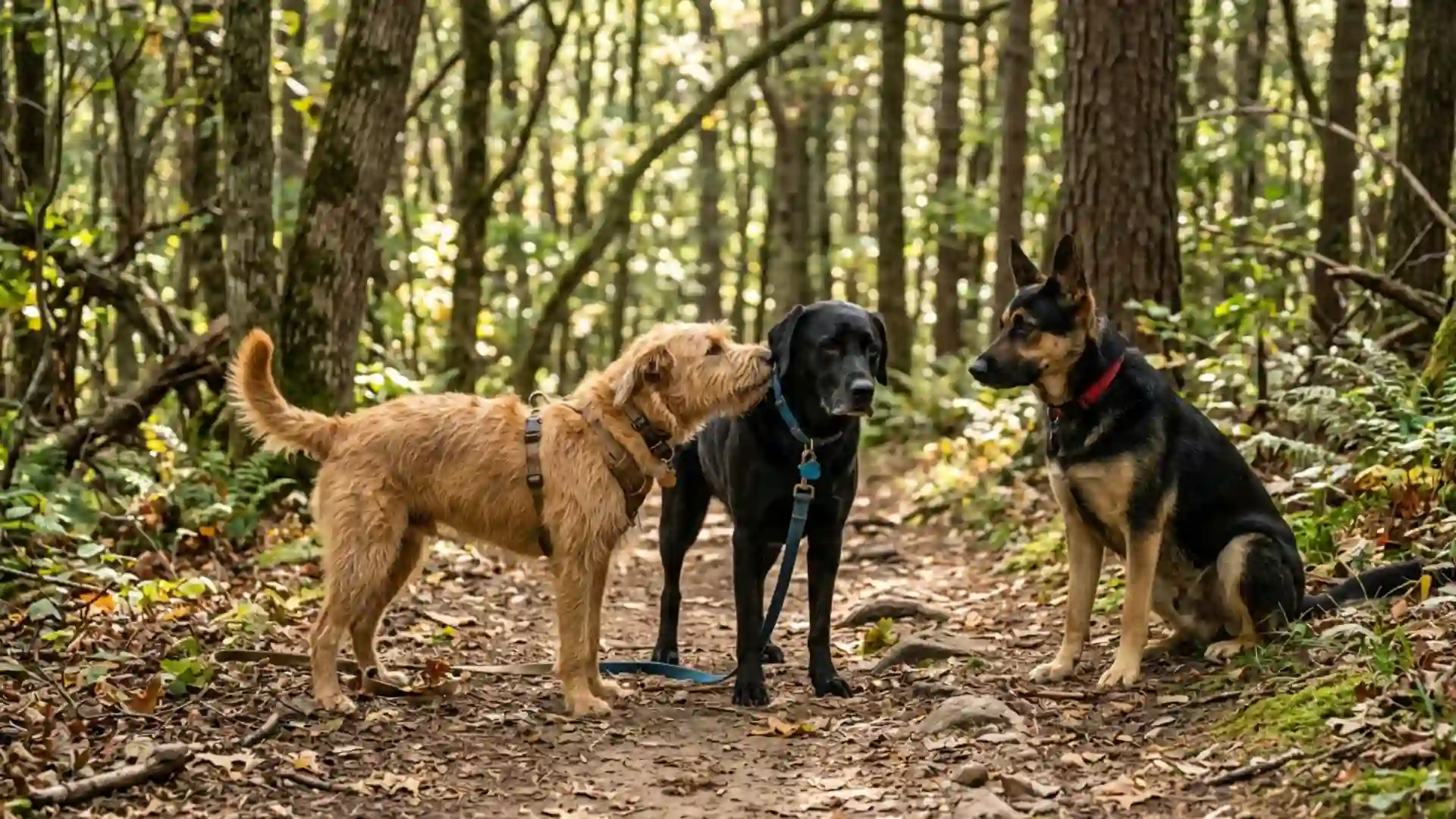
Here is a theory that genuinely changed how I think about this behavior.
A preliminary study of captive wolves at Wolf Park in Indiana notes that scent rolling is a documented behavior in wolves, and earlier observations at Wolf Park suggest that packmates may inspect the rolled-in scent afterward.
Rolling in something is, in a very real sense, a message. It says: “I found something interesting, come see.”
When your dog trots back to you reeking of something terrible, part of what they are doing is sharing information. They are reporting back to the pack, which is now you.
It is less gross when you frame it as your dog trying to show how dogs communicate with you, even if the medium leaves something to be desired.
3. Their Nose Lives in a Completely Different World than Yours
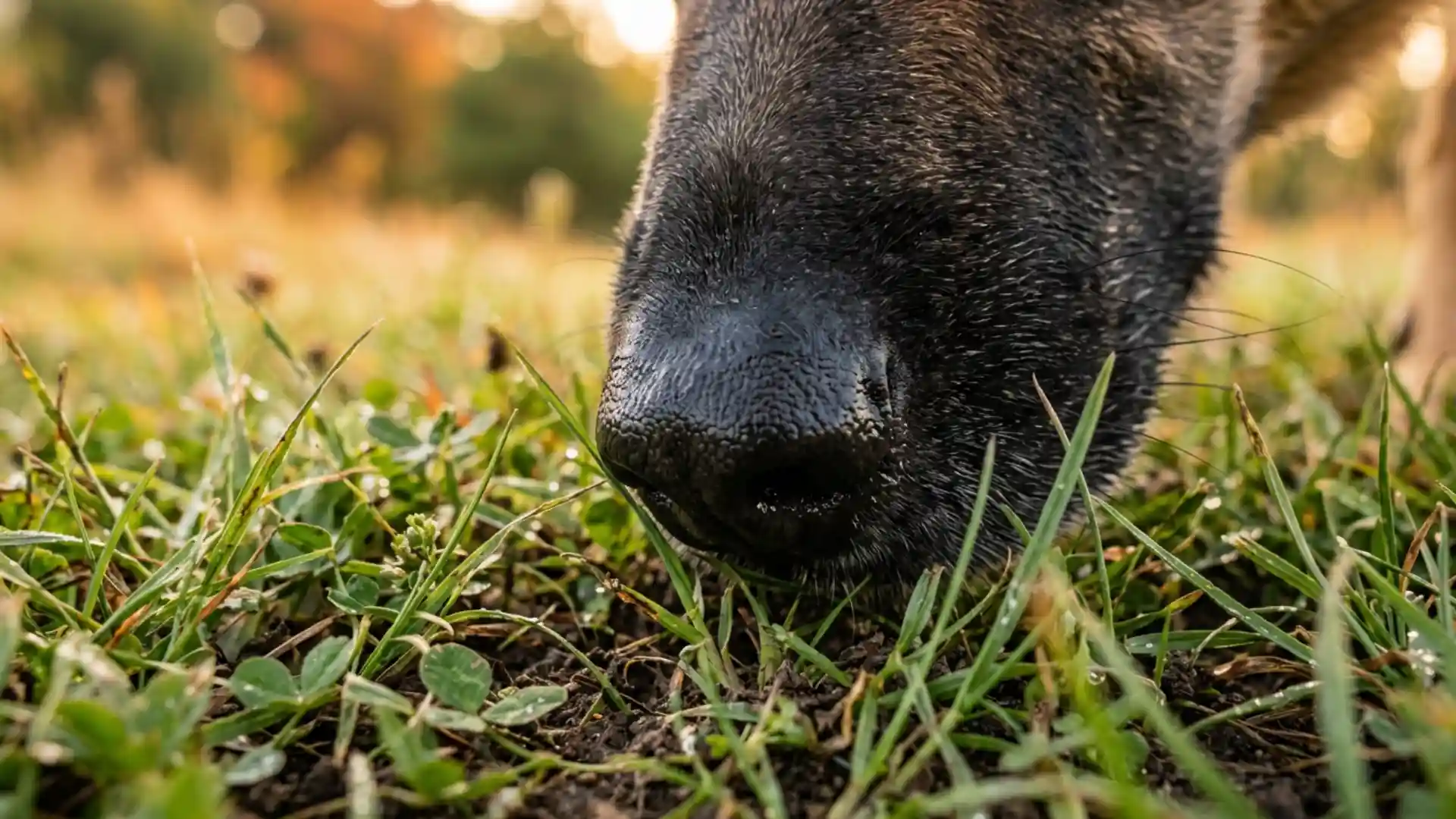
To understand why poop smells inviting to a dog, you need to appreciate just how different their olfactory world is.
Dogs have up to 300 million scent receptors in their noses, compared to roughly 6 million in humans.
The section of a dog’s brain dedicated to processing smell is proportionally about 40 times larger than ours, as noted by veterinary sources.
What registers as a revolting stench to you is, for your dog, an extraordinarily rich and layered piece of information.
Animal feces carry data about species, diet, health, and recent activity. To a dog’s nose, it is not disgusting. It is fascinating.
That is not me trying to make you feel better about your laundry situation. It is just the biological reality.
4. Boredom and Attention-Seeking Play a Bigger Role than Most People Realize
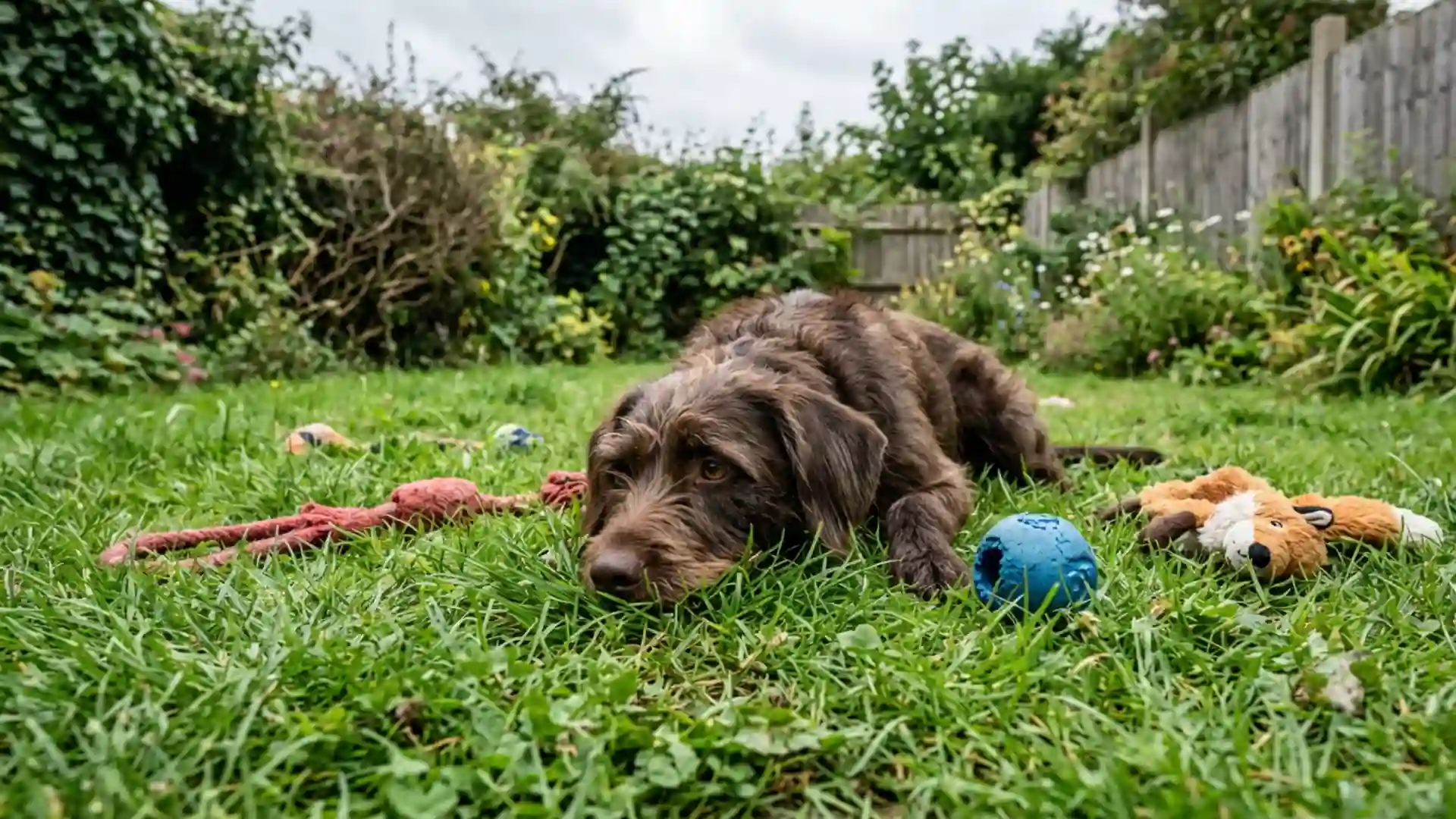
Not every roll in poop is driven by instinct. Sometimes it’s simply a bored dog finding something interesting to do.
Dogs that lack enough physical exercise or mental stimulation are more likely to engage in scent-rolling for entertainment.
Attention-seeking dog habits can also develop when a behavior consistently earns a strong reaction from the owner. Even negative attention, such as chasing the dog or giving an immediate bath, can reinforce the behavior.
Rolling in powerful, unfamiliar smells may also feel rewarding to dogs, making them more likely to repeat it. This helps explain why some dogs become frequent rollers while others show little interest.
5. Territory Marking and Scent-Leaving Behavior
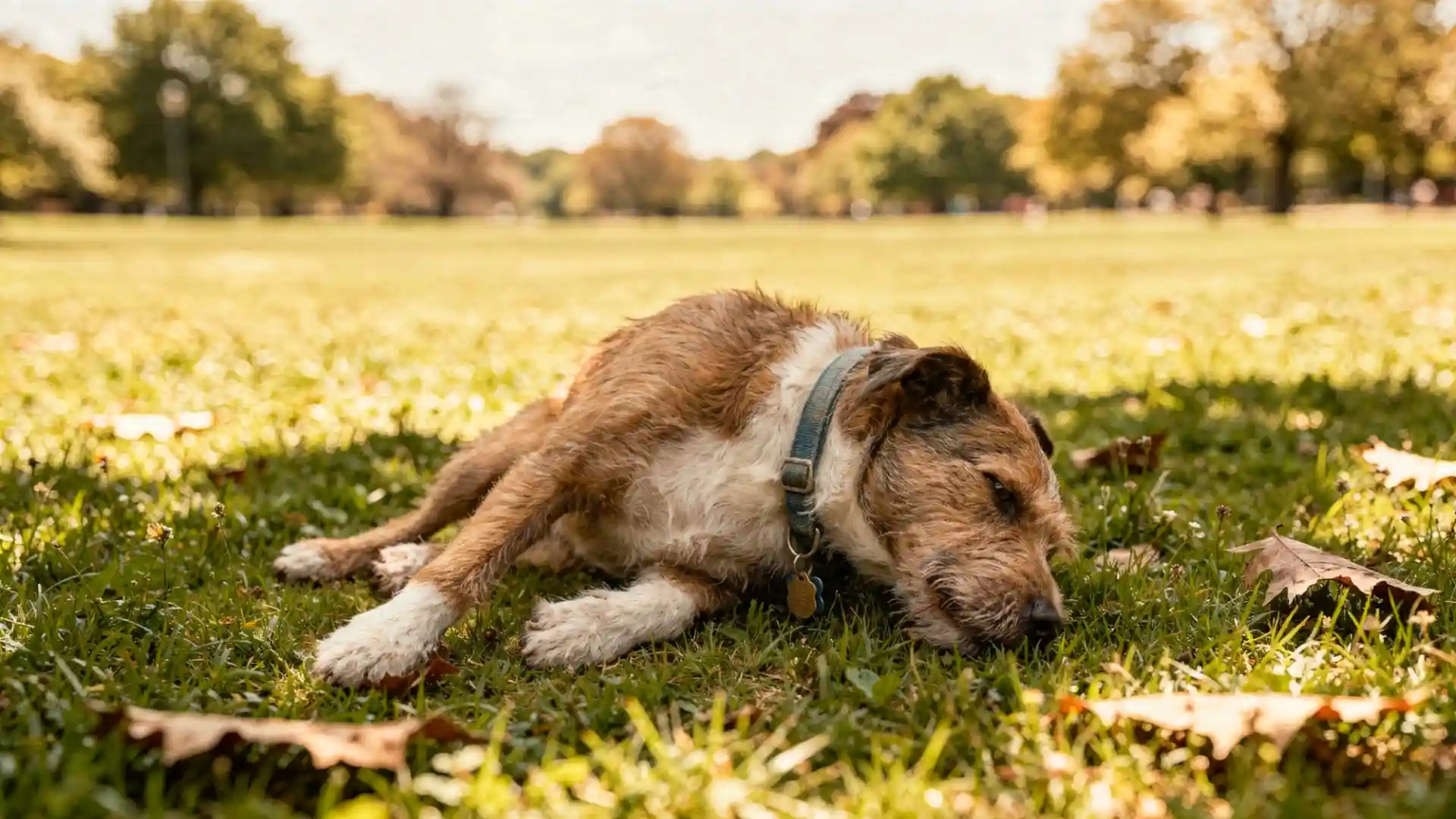
There is a less-discussed theory that scent rolling is not just about picking up a smell but about leaving one behind.
Dogs produce scent from glands near their ears and on their paw pads, so when they rub their head and neck into something, they may also be depositing their own scent onto it.
Think of it as claiming the discovery rather than just reporting it.
This overlaps with other territorial behaviors, like the way dogs investigate and re-mark spots that smell of other animals.
It is all part of the same instinct-driven system that governs instinct-driven puppy habits more broadly.
Real Dog Owner’s Explanation About Why Dogs Roll in Poop
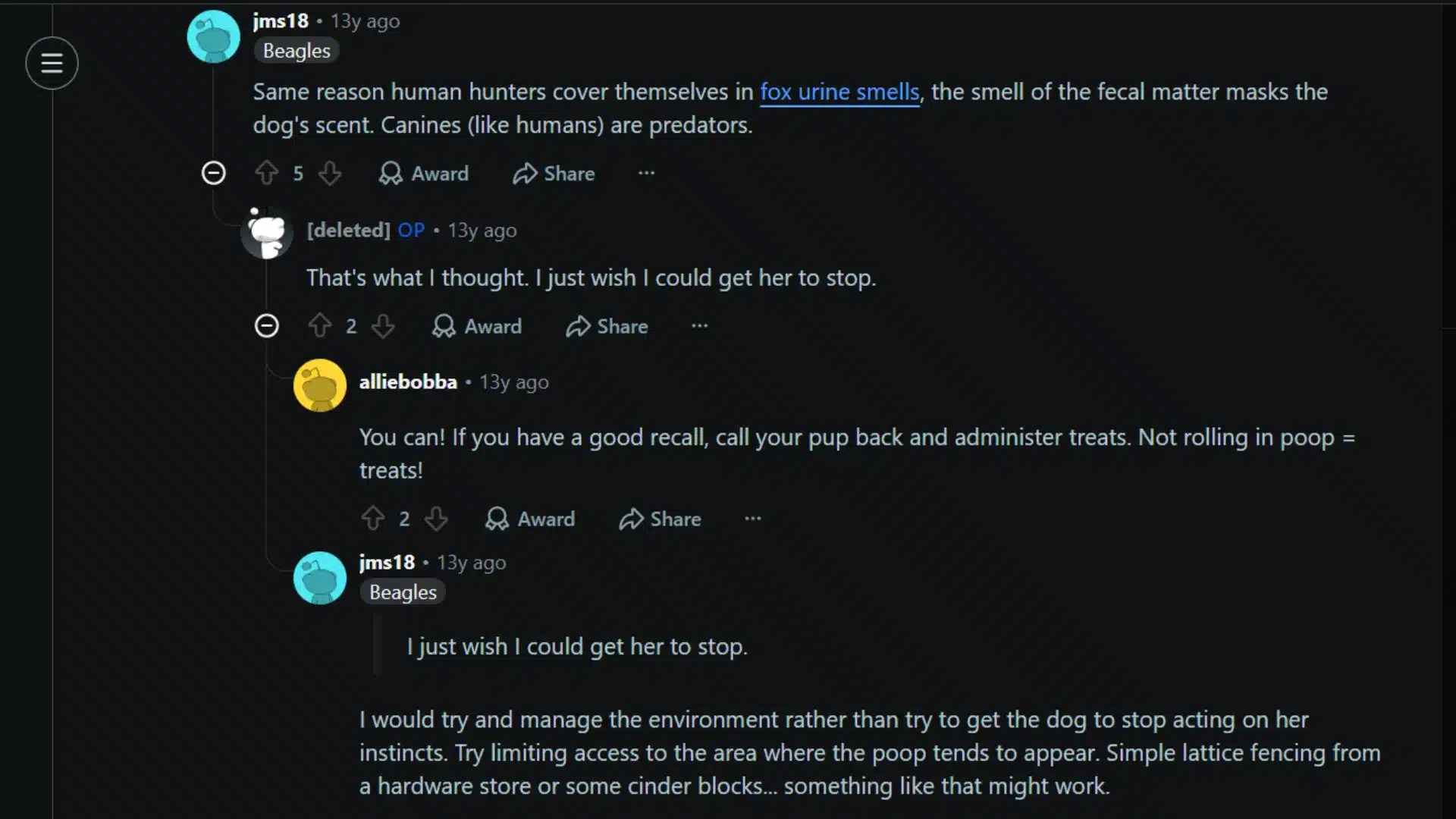
A discussion on Reddit reveals several key insights into why dogs roll in poop and how owners perceive the behavior.
One user suggests that dogs roll in poop to mask their natural scent, similar to how hunters use strong odors to conceal their presence.
The original poster agrees with the theory but expresses frustration about getting their dog to stop the behavior.
Other commenters explain that while training and recall commands can help reduce the habit, it is often driven by instinct.
They recommend managing the environment, such as limiting access to areas where poop is commonly found, rather than expecting the dog to completely stop the behavior.
I agree with that framing.
In my experience, the owners who get the best results are the ones who focus on spotting the pre-roll signal early and redirecting before the behavior completes, rather than waiting for the bath to happen and reacting after the fact.
What Does Your Dog’s Body Language Say Right Before They Roll
Most owners only notice the roll after it happens. But dogs almost always give a readable signal in the two to three seconds before they commit.
Learning to spot it is the fastest way to interrupt the behavior before you reach for the shampoo. The sequence usually looks like this:
- Sudden stop and intense sniffing: Your dog halts mid-walk and drops their nose to a specific patch of ground with obvious focus. Normal sniffing is casual; pre-roll sniffing is locked in.
- Head lowering and circling: They begin moving in a slow, deliberate circle around the spot, keeping their nose close to the surface. This is the clearest warning sign.
- The shoulder drop: One shoulder dips toward the ground. At this point, the roll is about to happen. A sharp recall or “leave it” cue right here can still work if your dog responds reliably.
- Full-body contact: They drop sideways and begin rubbing their neck, shoulders, and back against the source. Once this starts, the behavior is already done.
Recognizing the first two signals gives you a real window to redirect. The shoulder drop is your last chance. By the time all four paws are off the ground, you are just waiting for it to finish.
How to Stop a Dog from Rolling in Poop?
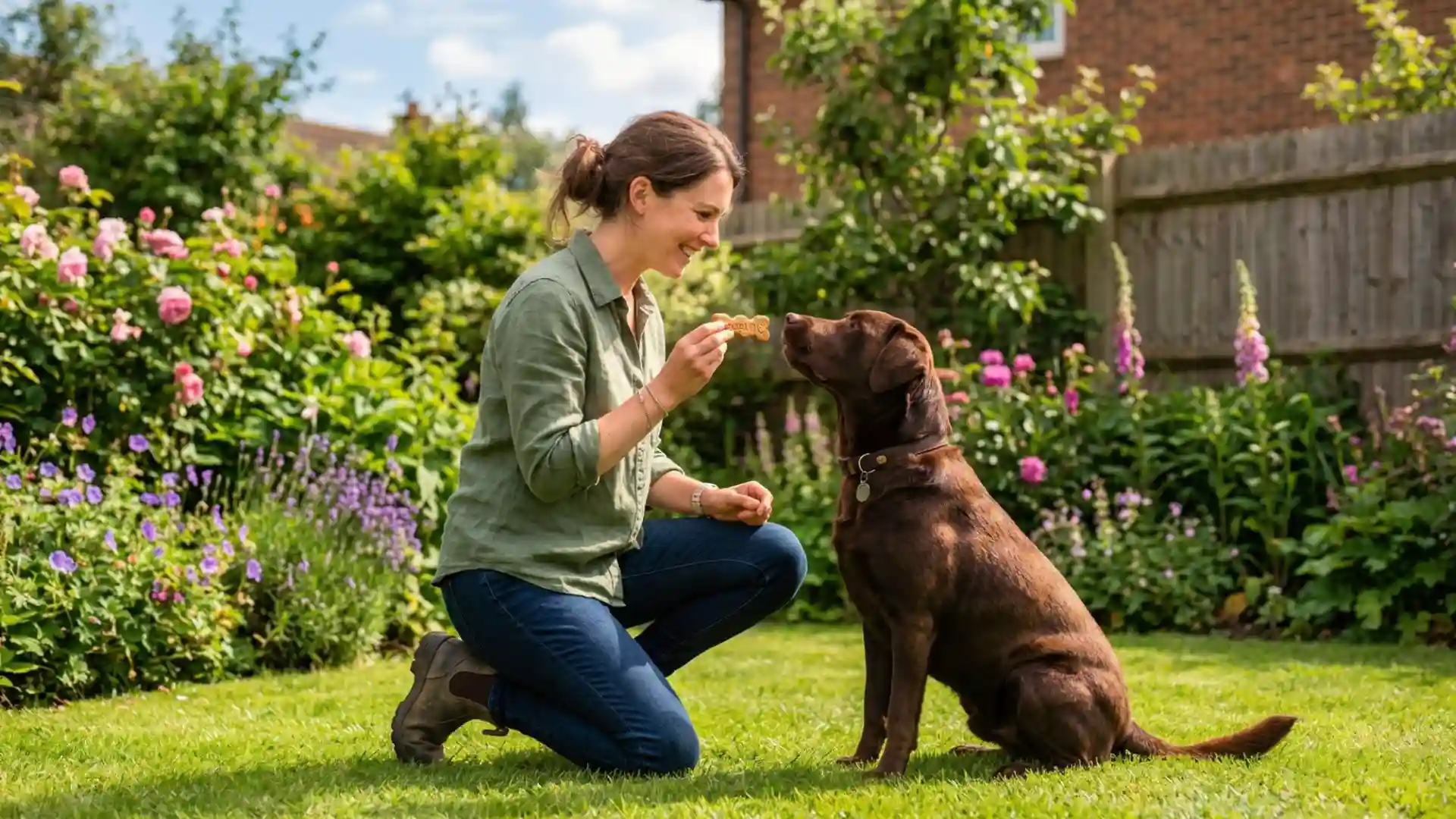
You probably cannot eliminate the instinct entirely, and it is worth accepting that upfront.
What you can do is manage the opportunity and build better habits over time. Here are the approaches that actually work:
- Remove the source: Pick up poop in your yard immediately. No access, no rolling. It sounds obvious, but it is the single most effective prevention step.
- Keep them on leash in high-risk areas: Parks and wooded trails where other animals pass through are prime rolling zones. A leash gives you the ability to redirect before the dive happens.
- Watch for the pre-roll signal: Most dogs pause, lower their head toward a spot, and circle slightly before dropping a shoulder. That two-second window is your opportunity to call them away with a happy, high-value cue.
- Teach a solid “leave it” command: This takes consistent practice, but a reliable leave-it is one of the most practical tools you can build. Reward heavily when they comply near smelly distractions. Building a solid recall follows the same distraction-based training principles and is worth developing alongside leave-it.
- Add more mental enrichment: Puzzle feeders, sniff games, and structured nose work give your dog a legitimate outlet for their scent obsession. A dog that has already had a proper sniff session is less likely to seek out extreme smells for stimulation.
If your dog is a dedicated, persistent roller and nothing seems to slow it down, a session with a certified trainer can help you develop a more targeted plan built around your dog’s specific triggers.
Is Rolling in Poop Harmful to Dogs?
Note: This section is for informational purposes only. If your dog shows symptoms after rolling in unknown animal feces, consult a licensed veterinarian before acting on general advice.
Most of the time, no. Rolling in poop is messy and smelly, but the behavior itself is not usually dangerous.
The main concern is the type of feces your dog is rolling in. Feces from wildlife or other unknown animals can carry parasites, bacteria, and other pathogens that dogs may be exposed to through skin contact or subsequent grooming.
In some cases, these contaminants can lead to infections or gastrointestinal issues.
If your dog frequently rolls in wild animal feces, talk to your veterinarian about appropriate parasite prevention and ensure their vaccinations and deworming schedule are up to date.
Rolling in their own poop or the waste of a familiar household pet is generally lower risk, though it should still be cleaned off promptly.
Contact your veterinarian if your dog develops vomiting, diarrhea, lethargy, skin irritation, or excessive scratching after rolling in feces.
Conclusion
When your dog rolls in poop, the core message is this: their instincts are intact, their nose is extraordinary, and they are doing something that made complete sense long before humans were part of the picture.
That does not mean you have to love it, but understanding it makes it easier to manage calmly rather than react in ways that accidentally reinforce the cycle.
Build good leave-it habits, reduce the opportunities, and give your dog’s nose something better to do.
Most dogs get better with consistent redirection and a little enrichment.
Have you found a trick that actually stops your dog from rolling in things? Drop it in the comments below. Other dog parents dealing with this exact situation would love to hear what worked for you.
Frequently Asked Questions
Why Does My Dog Roll in Poop Right After a Bath?
A freshly bathed dog may roll in strong smells to replace the unfamiliar scent of shampoo. It is an instinctive behavior, not an act of spite.
Do All Dogs Roll in Poop or Just Some Breeds?
Dogs of all breeds can roll in poop, though scent-driven breeds like hounds and terriers may do it more often. Individual personality matters too, as some dogs simply find scent-rolling more rewarding than others.
Is Rolling in Fox Poop the Same as Rolling in Dog Poop?
The motivation is the same, but fox poop is harder to remove because of its strong musk. It can also carry roundworm eggs, so bathe your dog promptly and keep parasite prevention up to date.
Can You Train a Dog to Completely Stop Rolling in Poop?
Most dogs won’t completely lose the urge to roll in poop, but consistent training can greatly reduce it. Focus on reliable recall, a strong leave-it command, and managing their environment.