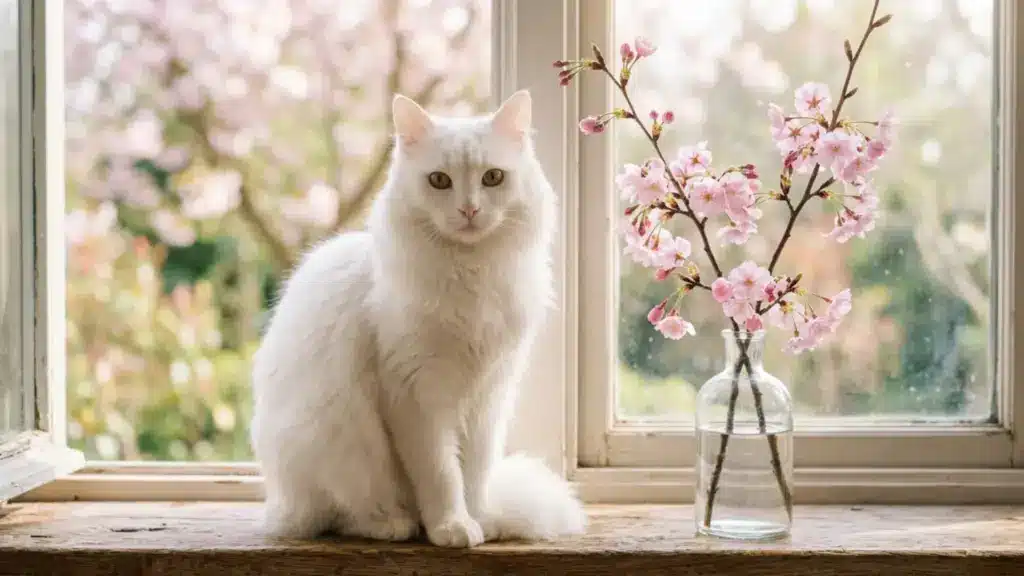
Japanese cat names are popular because they sound beautiful, carry meaningful definitions, and often reflect traits, colors, nature, seasons, or cultural traditions.
Whether you’re looking for a cute, elegant, unique, or anime-inspired name, Japanese cat names offer plenty of options that feel both distinctive and memorable.
When I brought home a new cat, I found myself scrolling through endless name ideas, trying to find one that actually felt right. What drew me to Japanese names was that each one had a meaning behind it.
Instead of choosing a name that simply sounded nice, I could pick something that matched my cat’s personality, appearance, or even a favorite part of Japanese culture.
Below, you’ll find Japanese cat names organized by gender, personality, colors, nature, anime, and kawaii-inspired themes to help you find the perfect fit.
Why Do Japanese Cat Names Work So Well?
Japan’s love of cats goes back centuries, and that long connection is one reason Japanese cat names feel so fitting. Many names are tied to nature, seasons, colors, food, and personality traits, which makes them easy to match with a cat’s look or behavior.
Japanese names also sound soft and clear. Short names like Mochi, Hana, Yuki, Kumo, and Sora are easy to say and simple for cats to hear often.
Some names feel cute, while others sound calm, elegant, or bold.
That mix of meaning, sound, and personality makes Japanese cat names a good choice for owners who want something beautiful, memorable, and personal.
Japanese Male Cat Names
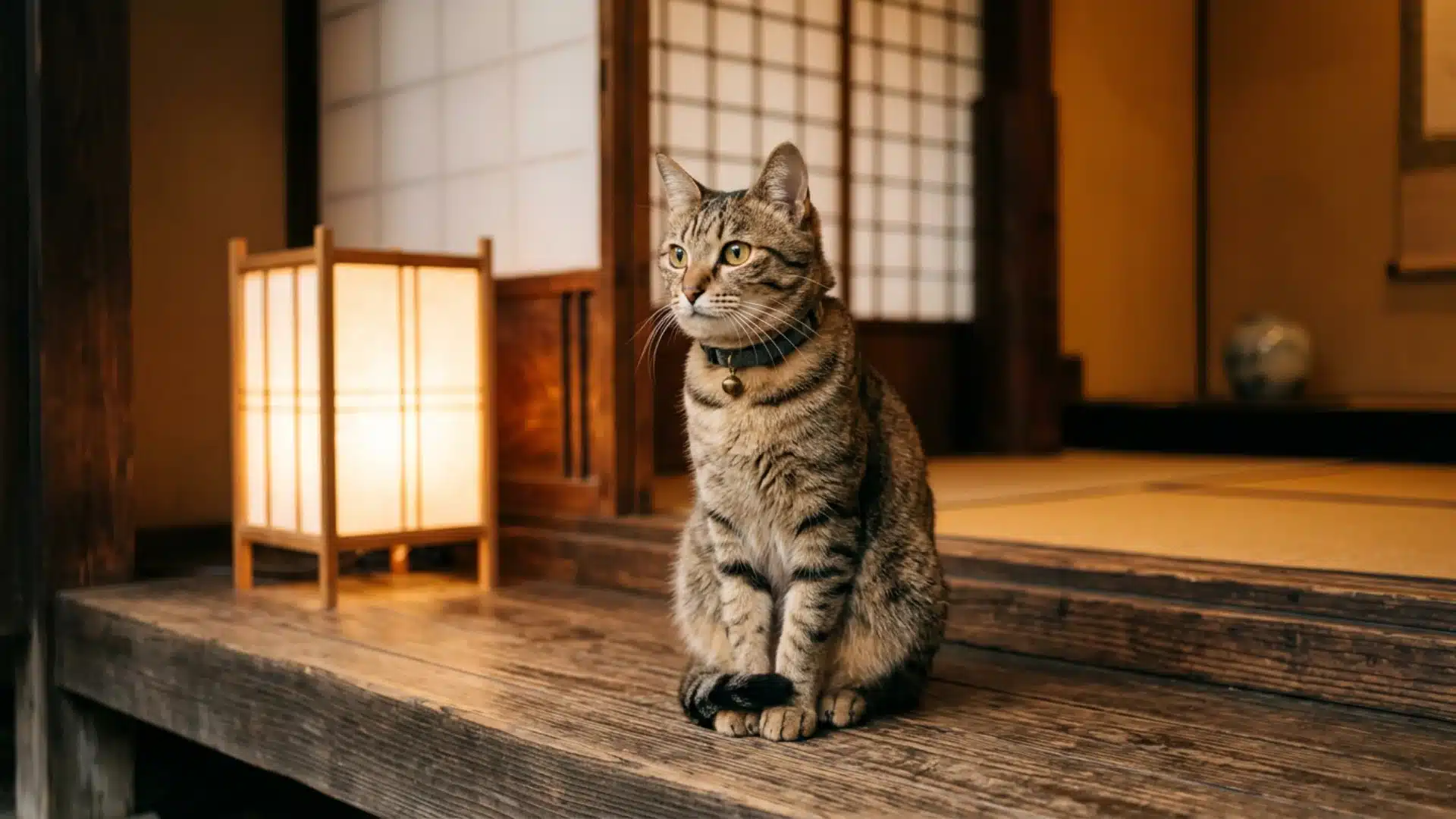
Whether your boy cat is bold, gentle, wild, or a total homebody, there’s a Japanese name that fits him. These lean toward strong, nature-driven, and traditional sounds.
- Ryu (dragon)
- Kuma (bear)
- Tora (tiger)
- Hiro (generous, broad)
- Kenji (strong, second son)
- Ryota (refreshing, thick)
- Taiki (great radiance)
- Jiro (second son)
- Kazuki (harmonious hope)
- Shun (fast, talented)
- Daiki (great glory)
- Haruki (spring tree)
- Yuuki (gentle hope)
- Riku (land, earth)
- Toshi (wise, quick)
- Ren (lotus, love)
- Shu (excel, surpass)
- Nao (honest, docile)
- Kaito (ocean flying)
- Kohei (vast peace)
- Makoto (sincerity)
- Noboru (ascend, rise)
- Akio (bright man)
- Satoshi (wise, fast-thinking)
- Isamu (courage)
- Hayate (smooth, swift wind)
- Minoru (truth, to bear fruit)
- Akira (bright, clear)
- Goro (fifth son)
- Takeshi (warrior, fierce)
- Ichiro (first son)
- Katsu (victory)
- Yori (trust, rely on)
- Souta (sudden sound of wind)
- Fumio (literary man)
- Jin (tenderness, benevolence)
- Takumi (artisan, skilled)
- Kenta (healthy and strong)
- Masa (just, righteous)
- Ryuu (imperial dragon)
- Tobi (soar, fly)
- Kai (ocean)
- Shinji (true second son)
- Yusei (gentle star)
- Daigo (great wisdom)
Japanese Female Cat Names
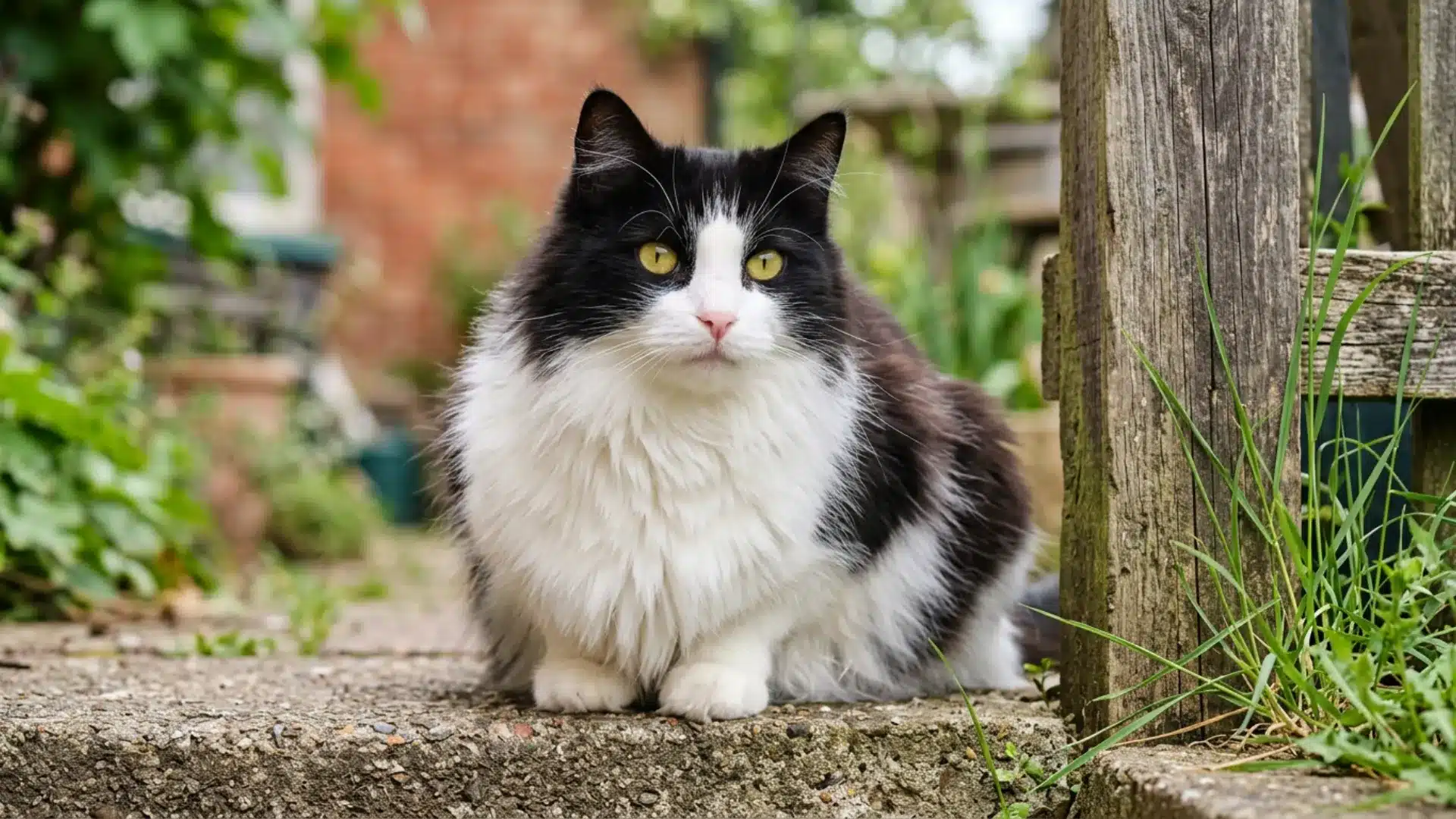
These names lean soft, graceful, and rooted in beauty. They pull from nature, flowers, light, and traditional Japanese femininity without being generic.
- Hana (flower)
- Sakura (cherry blossom)
- Yuki (snow, happiness)
- Kira (glitter, shine)
- Momo (peach)
- Aiko (beloved child)
- Nana (seven, greens)
- Suki (beloved, loved one)
- Ami (friend, Asia)
- Emi (beautiful blessing)
- Yuri (lily)
- Koko (stork, here)
- Nori (ceremony, rule)
- Hoshi (star)
- Akane (deep red, madder)
- Mizuki (beautiful moon)
- Hikari (light, radiance)
- Yume (dream)
- Koharu (small spring)
- Riko (Jasmine, child)
- Sora (sky)
- Nanami (seven seas)
- Asahi (morning sun)
- Chika (near, scatter)
- Fumika (ancient, beautiful flower)
- Hotaru (firefly)
- Izumi (fountain, spring)
- Kanon (flower sound)
- Kiyomi (pure beauty)
- Mayu (true, gentle)
- Midori (green)
- Miku (beautiful sky)
- Natsuki (summer hope)
- Rin (dignified, severe)
- Shiori (poem, bookmark)
- Tsuki (moon)
- Umeko (plum blossom child)
- Yoko (sunlight child)
- Yukiko (Snow Child)
- Ayaka (colorful flower)
- Chiyo (a thousand generations)
- Fumi (history, sentence)
- Hanako (flower child)
- Hinata (sunny place)
- Kasumi (mist, haze)
Gender-Neutral Japanese Cat Names
These names work for any cat. They’re some of the most widely used Japanese cat names because they travel well and most carry meanings tied to nature or calm personality traits.
- Maru (circle, round)
- Sora (sky)
- Haru (spring, sunshine)
- Mochi (rice cake, soft)
- Kumo (cloud)
- Kaze (wind)
- Niko (smile)
- Tama (jewel, ball)
- Kiri (fog, mist)
- Shiro (white)
- Kuro (black)
- Rei (spirit, zero)
- Nami (wave)
- Yoru (night)
- Hoshi (star)
- Tsuyu (morning dew)
- Neko (cat)
- Chibi (small, tiny)
- Fuyu (winter)
- Natsu (summer)
- Aki (autumn)
- Umi (sea, ocean)
- Koi (love, affection)
- Raiko (thunder and lightning)
- Yama (mountain)
- Asa (morning)
- Tsuki (moon)
- Mugi (barley)
- Kohaku (amber)
- Latte (latte, soft brown)
- Kiku (chrysanthemum)
- Kage (shadow)
- Suzu (bell, little bell)
- Beru (bell, beautiful)
- Mio (beautiful cherry blossom)
- Rui (lapis lazuli, type)
Japanese Cat Names Inspired by Nature
Japan’s connection to the natural world runs through almost everything in its culture, including the names given to children and pets.
These names draw on seasons, landscapes, plants, and weather, and they tend to suit cats with calm, watchful, or free-spirited energy.
- Kawa (river)
- Mori (forest)
- Shizen (nature)
- Setsu (snow season)
- Arashi (storm)
- Sakura (cherry blossom)
- Taki (waterfall)
- Oka (hill)
- Shimo (frost)
- Nami (wave)
- Umi (sea)
- Hasu (lotus)
- Kaze (wind)
- Kiri (mist)
- Tsuta (ivy)
- Fuji (wisteria, also Mt. Fuji)
- Matsu (pine tree)
- Take (bamboo)
- Ume (plum blossom)
- Tsukimi (moon viewing)
- Sazanami (gentle ripple)
- Hayashi (woods, grove)
- Hotaru (firefly)
- Yoake (dawn)
- Izumi (spring, fountain)
- Hanami (flower viewing)
- Tsubaki (camellia)
- Asagao (morning glory)
- Suzume (sparrow)
- Niwatori (rooster, bird)
- Tobira (door, gateway, also a plant)
- Sorata (sky)
- Shizuku (droplet)
- Yama (mountain)
- Koyo (autumn leaves)
Cute and Kawaii Japanese Cat Names
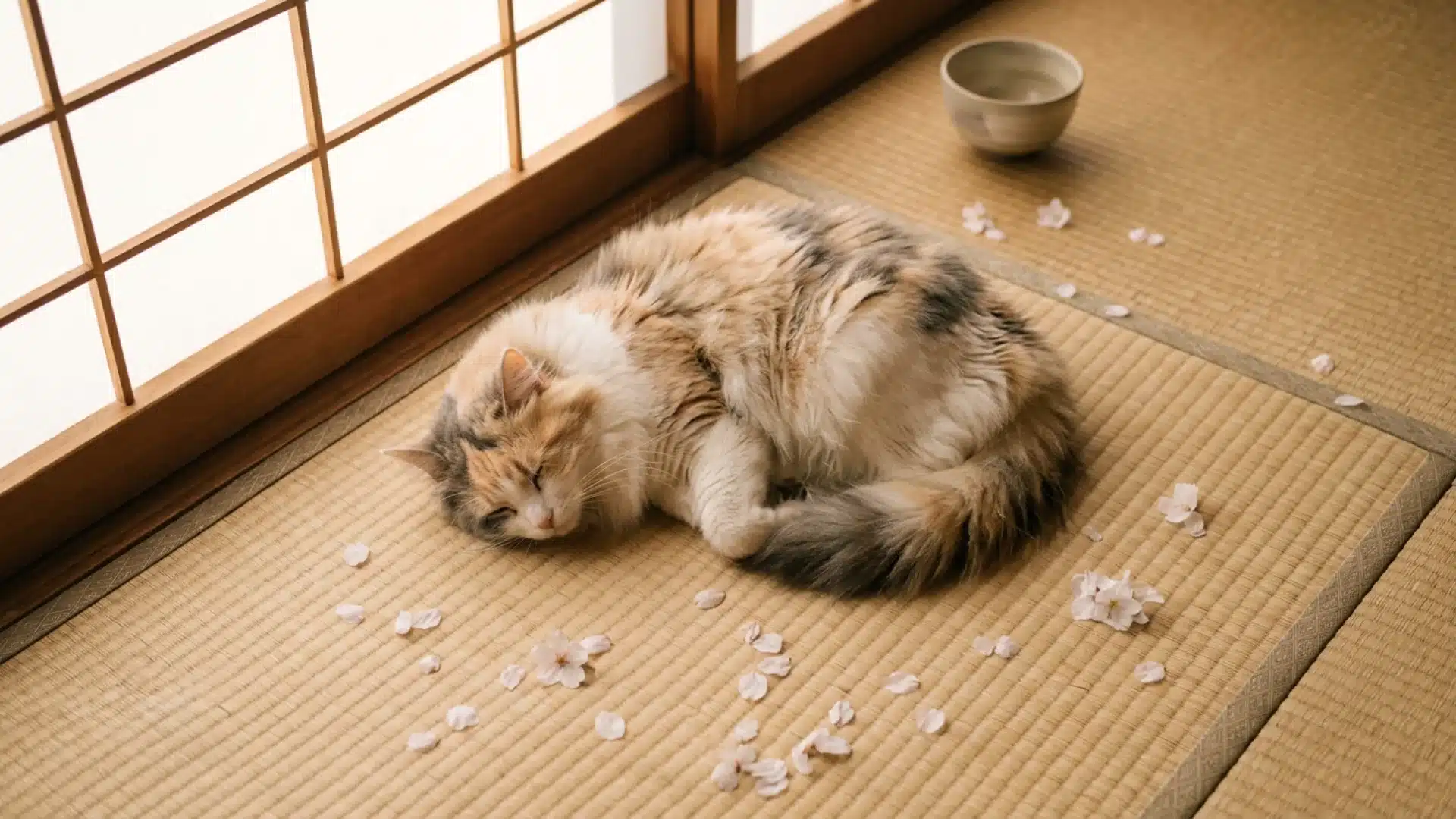
Kawaii (可愛い) means adorable, endearing, and small. It’s one of the most recognized concepts in Japanese culture, and it describes roughly 80% of cats.
These names are round-sounding and playful, and they feel like they were made for a cat who still acts like a kitten at three years old.
- Choco (chocolate)
- Momo (peach)
- Pochi (spot, dot)
- Chibi (tiny)
- Fuwa (fluffy, soft)
- Keke (cute sound)
- Komugi (wheat, soft grain)
- Daifuku (lucky rice cake)
- Anko (sweet red bean paste)
- Nyan (meow)
- Purin (pudding)
- Mame (bean, small)
- Kurimu (cream)
- Azuki (small red bean)
- Tapioka (tapioca)
- Mitsu (honey)
- Panda (black and white, playful)
- Goma (sesame seed)
- Kinako (soybean flour, golden)
- Ichigo (strawberry)
- Yuzu (citrus fruit)
- Natto (fermented soybean)
- Dango (sweet dumpling)
- Mikan (mandarin orange)
- Ramunesu (ramune, sweet soda)
- Fuku (good luck, happiness)
- Hime (princess)
- Mochi (soft rice cake)
- Maru (round, cute)
- Chibiko (tiny child)
Japanese Cat Names from Anime and Pop Culture
Japan has given the world some of its most memorable fictional cats. Anime cat names have a natural charm because they come attached to a personality you already know and love.
These picks draw on iconic characters and moments, with a few broader pop-culture nods thrown in.
- Jiji (spirit, from Kiki’s Delivery Service)
- Luna (moon, from Sailor Moon)
- Artemis (deity of the hunt, from Sailor Moon)
- Neko (cat, from various anime)
- Totoro (friendly forest spirit, My Neighbor Totoro)
- Doraemon (robotic cat, Doraemon)
- Meowth (pay homage, from Pokemon)
- Kuro (black cat, from Blue Exorcist)
- Blair (witch cat, from Soul Eater)
- Kirara (two-tailed fire cat, from Inuyasha)
- Happy (flying blue cat, from Fairy Tail)
- Buyo (fat lazy cat, from Inuyasha)
- Yoruichi (night one, from Bleach)
- Madara (spots, from Natsume’s Book of Friends)
- Nyanko (little cat, from Natsume’s Book of Friends)
- Chomusuke (tiny black cat, from Konosuba)
- Nekobasu (cat bus, from My Neighbor Totoro)
- Karupin (toy-like cat, from Fullmetal Alchemist)
- Chi (from Chi’s Sweet Home)
- Sakamoto (classic cat name, from Nichijou)
- Kuroneko (black cat, common anime reference)
- Hello (as in Hello Kitty, pop culture icon)
- Tama (classic Japanese cat name, widely used in anime)
- Puck (spirit cat, from Re: Zero)
- Nyaa (cat sound, onomatopoeia)
Japanese Cat Names Based on Color
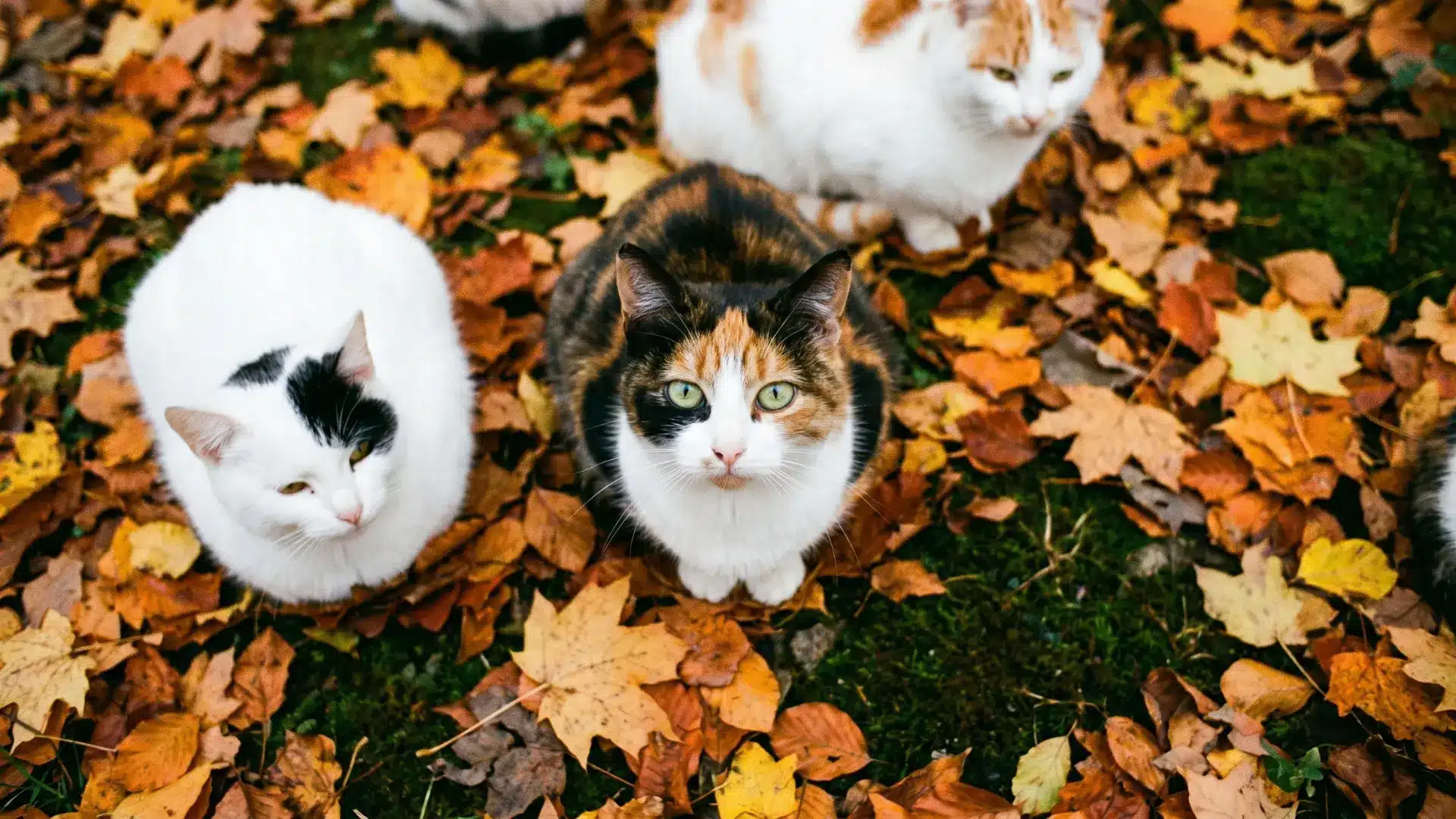
Coat color is one of the most natural starting points for a cat name in Japan. Many of the most traditional Japanese cat names come from color words, and they’ve stayed popular because they’re simple, direct, and true.
If you’re going for a lion cut look or your cat’s natural coat shines on its own, these names match a cat’s coat beautifully.
1. Black Cats
- xKuro (black)
- Kuroko (little black)
- Yami (darkness)
- Kage (shadow)
- Kuroneko (black cat)
- Ankoku (deep darkness)
- Sumire (violet-black, also violet flower)
- Karasu (crow)
2. White Cats
- Shiro (white)
- Mashiro (pure white)
- Shirayuki (white snow)
- Shiron (little white)
- Shizuku (pure droplet)
- Hakua (white and beautiful)
- Shinju (pearl)
- Tsuru (crane, pure white bird)
3. Orange and Ginger Cats
- Akane (deep red)
- Kohaku (amber)
- Kin (gold)
- Kibou (hope, golden radiance)
- Nichi (sun)
- Tobi (copper-tone kite bird)
- Momiji (autumn red maple)
- Hi (fire, flame)
4. Multicolor and Calico Cats
- Ayame (iris)
- Nishiki (brocade, multi-colored fabric)
- Bokashi (shaded pattern)
- Ichimatsu (checkered pattern)
- Torafu (tiger stripe)
- Fubuki (blizzard, mixed white and grey)
- Kasane (layered, multi-toned)
- Irodori (coloring, vivid hues)
- Tsubame (swallow, two-toned bird)
- Karakusa (arabesque pattern, swirling coat)
- Fuchi (border, rimmed with color)
How to Choose the Right Japanese Cat Name
Choosing the right Japanese cat name becomes easier when the name matches your cat’s look, habits, sound, and everyday personality.
- Watch Their Personality: A calm cat may suit Shizuka, while a bold or energetic cat may fit Raiden or Arashi.
- Look at Their Coat: Names like Kuro, Shiro, and Kohaku work well because they naturally match black, white, or ginger coats.
- Keep the Name Short: One or two-syllable names like Hana, Yuki, Maru, and Sora are easier to call and remember.
- Say It Out Loud: Test the name a few times to see if it feels natural during feeding, playtime, or calling your cat.
- Choose Meaning Over Trend: Pick a name that reflects your cat’s real charm instead of choosing one only because it sounds popular.
Tips for Teaching Your Cat Their New Japanese Name
Choosing the name is easy. Teaching your cat to respond to it takes a little more patience. Fortunately, a few simple habits can speed up the process.
- Use It During Meals: Say the name before placing food down so your cat connects the sound with something rewarding.
- Call Before Playtime: Use the name before tossing a toy or starting a game to build quick recognition.
- Reward Eye Contact: Give a treat or gentle praise when your cat looks at you after hearing the name.
- Avoid Extra Nicknames: Use the chosen name only for the first few weeks so the sound stays clear.
- Keep Sessions Short: Practice for a minute or two at a time, since cats learn better through brief, repeated moments.
Conclusion
Choosing a name for your cat should feel easy, personal, and meaningful. Japanese names give plenty of choices because they can reflect color, nature, food, seasons, personality, or a favorite character.
A playful cat may suit Mochi or Chibi, while a calm cat may feel more like Sora, Yuki, or Hana. The best name is the one you enjoy saying every day, and your cat slowly begins to recognize.
Take time to test a few names, say them out loud, and see which one feels most natural. With so many Japanese cat names available, there is likely one that fits your cat perfectly.
Found a favorite name? Share it in the comment section below.
Frequently Asked Questions
Can Japanese Cat Names Be Used for Kittens?
Yes. Many Japanese names suit kittens because they are short, soft, and easy to grow into as the cat gets older.
Are Food-Inspired Japanese Cat Names Popular?
Yes. Names like Mochi, Momo, Dango, and Yuzu are popular because they sound cute and feel playful for pets.
Do Japanese Cat Names Follow Specific Rules?
No. Japanese cat names can come from nature, colors, food, seasons, personality traits, or cultural references. Most tend to be short and easy to say, which is why they work so well as pet names.