

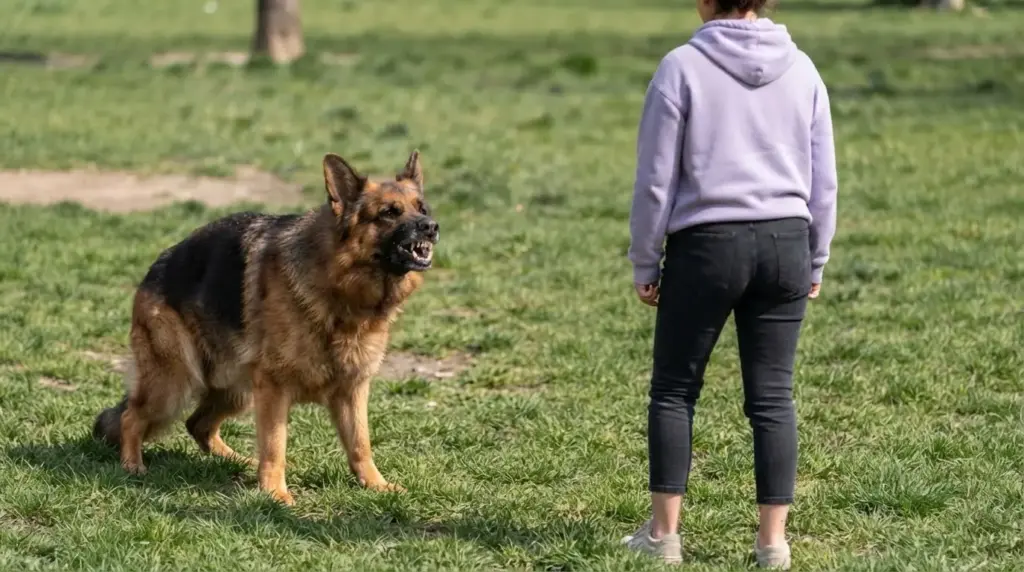
A sudden growl from a dog can make any owner pause, especially when the reason behind it is unclear.
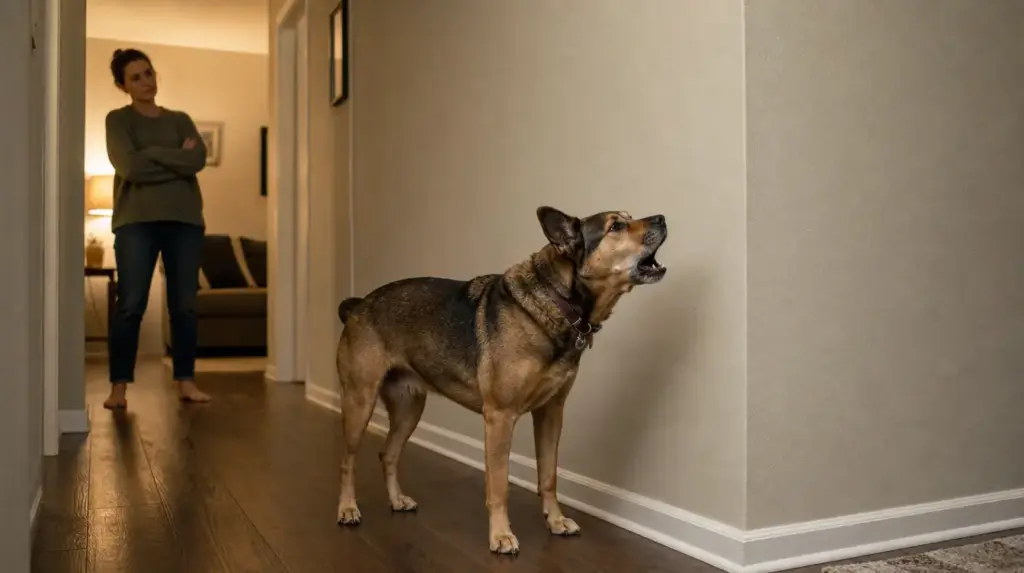
Dog snarling is not always a sign of aggression; it is often a way for dogs to communicate discomfort, fear, excitement, or a need for space.
The meaning depends on the situation, facial expression, and the rest of the body language. A dog showing teeth during play has a different message than a dog doing the same when feeling threatened.
Understanding these signals helps prevent misunderstandings and creates safer interactions. Ahead explains why dogs growl, what different growls mean, and how to respond when this behavior appears.
What Does Dog Snarling Mean?
Dog snarling is a facial expression where a dog may pull back its lips, wrinkle its nose, and show its teeth. Many people immediately connect this behavior with aggression, but snarling can communicate several emotions depending on the situation.
A dog may snarl as a warning when feeling uncomfortable, scared, or overwhelmed. It can also happen during intense play when the dog is excited but relaxed.
The expression itself does not tell the complete story. A loose body, wagging tail, and playful movement suggest a different meaning than a stiff posture, fixed stare, and tense muscles.
Dogs often snarl to communicate before reacting further. Instead of ignoring this signal, paying attention to the reason behind it can help identify what the dog is trying to express.
Why Do Dogs Growl? Common Reasons Behind Dog Growling
Dogs growl for different reasons, and the sound alone does not explain what they feel. Looking at the situation and body language helps understand the message behind the behavior.
- Fear or Feeling Threatened: Dogs may growl when they feel unsafe or want distance. Strangers, sudden movements, loud noises, or stressful situations can trigger this response.
- Stress, Anxiety, or Overstimulation: Too much handling, crowded places, or unfamiliar situations can overwhelm a dog. Growling may be a way of asking for space after signs like moving away or avoiding contact.
- Pain or Discomfort: A dog may growl when hurt or uncomfortable. Touching a sore area, lifting it, or approaching during pain can trigger this behavior and may require a health check.
- Resource Guarding: Some dogs growl while protecting food, toys, sleeping spots, or personal items. Freezing, a stiff posture, or hovering over an item may accompany this behavior.
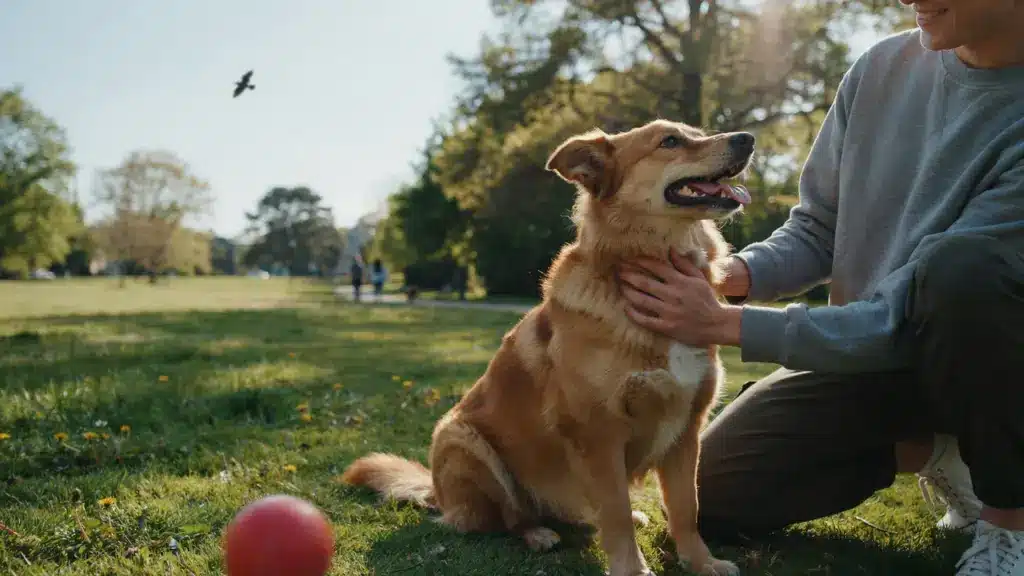
- Play and Excitement: Dogs may growl during play, such as tug games or wrestling. Relaxed movements, a loose body, and playful behavior usually show it is not a warning.
- Setting Boundaries: A growl can mean a dog wants space or feels uncomfortable. Respecting this signal can prevent stress and help avoid further reactions.
Understanding the reasons behind this behavior can help owners respond appropriately rather than focusing solely on the sound. The situation and body language provide more information than the sound alone.
Dog Snarling vs Dog Growling: What Is the Difference?
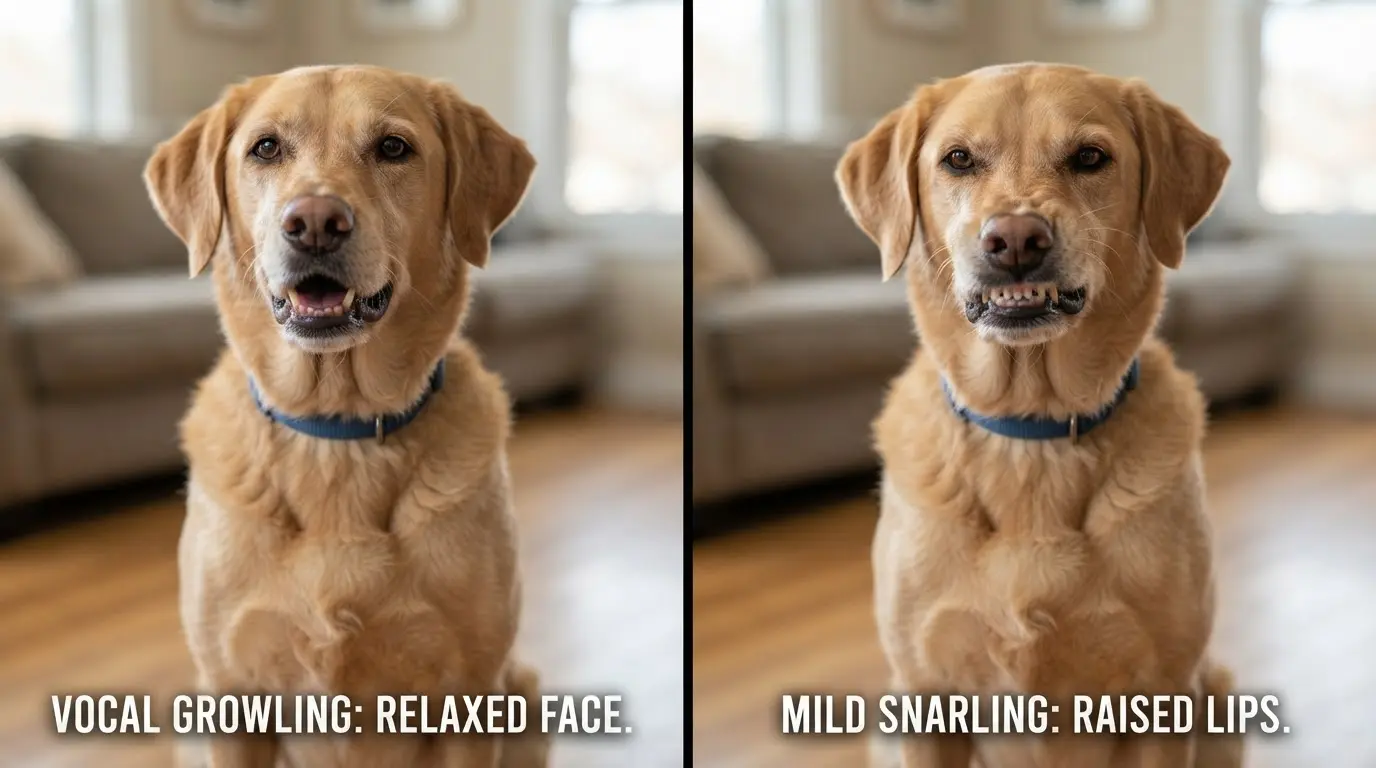
Many people use “snarling” and “growling” interchangeably, but they describe different aspects of a dog’s communication. Understanding these signals can help identify what a dog is feeling and why the behavior is happening.
Dog Growling: A growl is a vocal signal that dogs use to express emotions such as fear, discomfort, excitement, playfulness, or the need for space. The sound, tone, and situation often provide clues about its meaning. A playful growl may sound different from a warning growl, but the sound alone does not explain the full message.
Dog Snarling: Snarling is a facial expression in which a dog may raise its lips, show its teeth, and wrinkle its nose. It can be a warning sign, but it does not always mean aggression. Some dogs may also display this expression during intense play or stressful moments.
How They Work Together: Growling and snarling can happen separately or at the same time. A dog may growl without showing teeth or snarl as part of a larger warning display. Looking at body language and the surrounding situation helps understand what the dog is communicating.
Check out this video on deciphering your dog’s sounds:
Different Types of Dog Growls and What They Mean
Dogs do not have one single type of growl with one fixed meaning. The sound, length, pitch, and body language around it can provide clues about the emotion behind the behavior. A low rumble during play may mean something completely different from a deep growl when a dog feels cornered:
| Type of Growl | Possible Meaning | Common Situation |
|---|---|---|
| Low rumbling growl | Warning, discomfort, or guarding | Protecting food, toys, or personal space |
| Short sudden growl | Surprise or irritation | Being touched unexpectedly or disturbed |
| Play growl | Excitement and engagement | Tug games, wrestling, or chasing |
| Continuous growling | Stress, fear, or defensive behavior | Feeling trapped or threatened |
| Growl with snarling | Strong warning signal | Asking for distance during discomfort |
The surrounding body language matters more than the sound itself. A relaxed dog with playful movements may be communicating excitement, while a stiff dog with a fixed stare may be showing distress.
How to Read a Dog’s Body Language During Growling
A growl is only one part of a dog’s message. The rest of the body often reveals whether the dog feels playful, nervous, uncomfortable, or defensive. Learning these signals helps avoid misreading the situation.
1. Signs a Dog May Be Afraid or Stressed
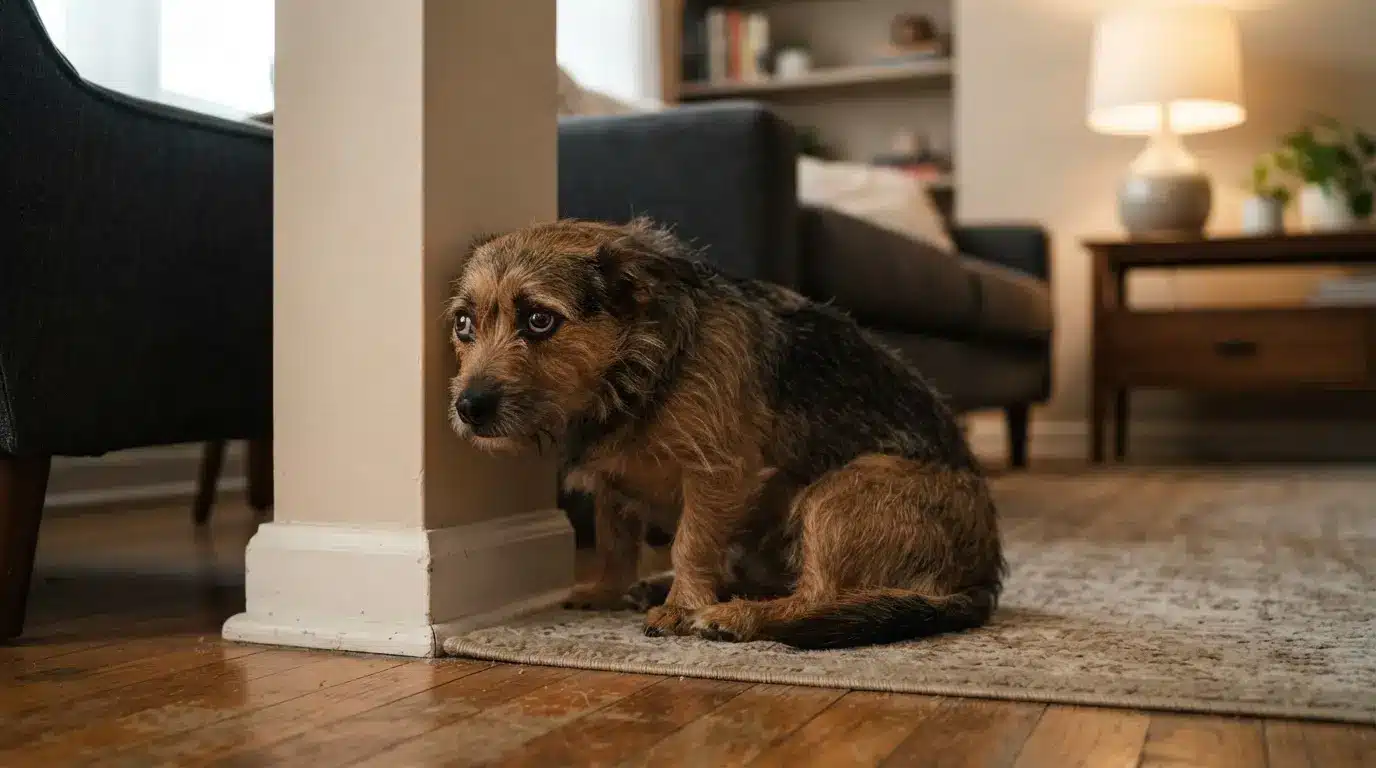
Fear-based growling often accompanies body language that signals uncertainty or a desire to avoid interaction. A fearful dog is often trying to create distance rather than start a confrontation.
Giving the dog room and reducing the pressure can help it feel safer. Recognizing stress and discomfort signs can help owners understand when a dog needs space.
- Tucked tail: Held close to the body as a sign of fear or uncertainty.
- Ears pulled back: Shows discomfort or nervousness.
- Lowered body: The dog may crouch or make itself appear smaller.
- Moving away: Trying to avoid interaction or create space.
- Lip licking or yawning: Common stress signals during uncomfortable moments.
- Avoiding eye contact: a way to show uncertainty or to calm the situation.
2. Signs a Dog May Be Warning or Defensive
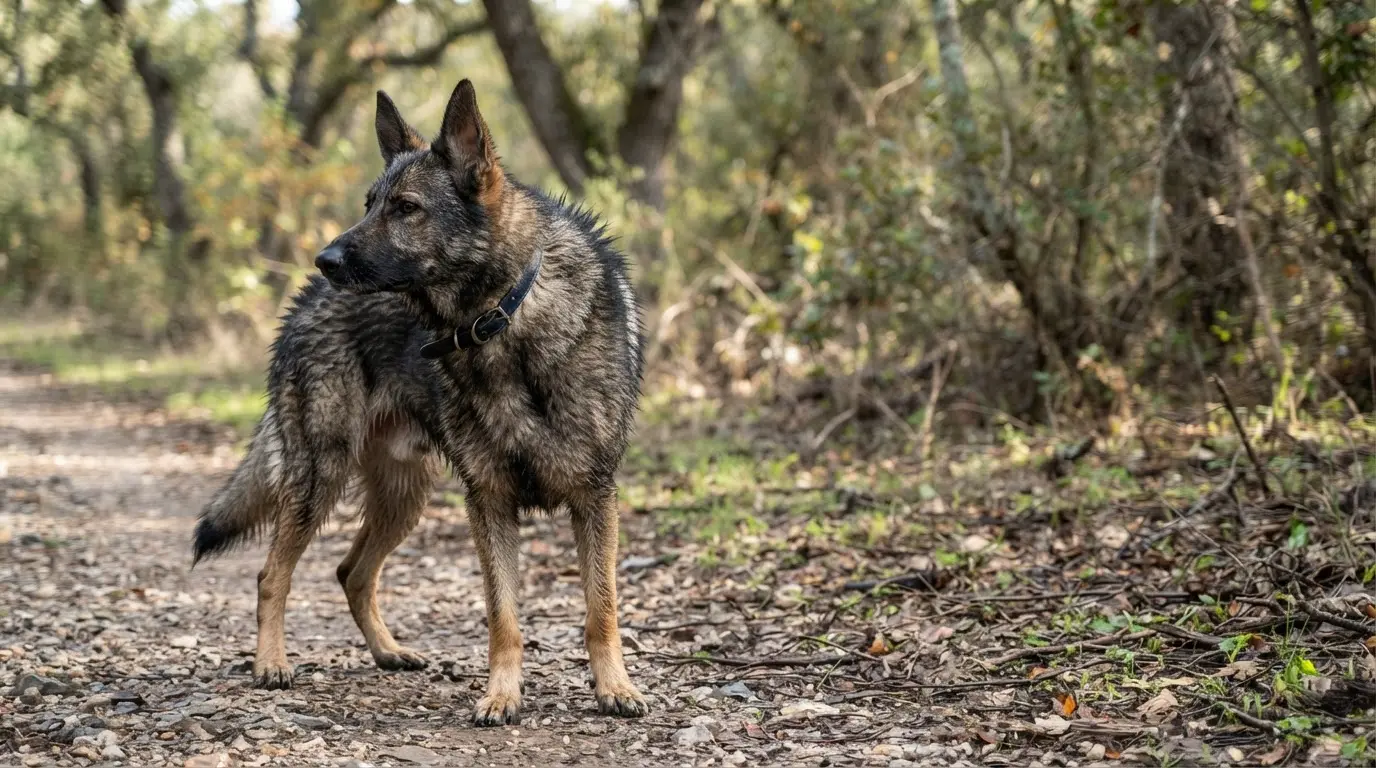
A defensive growl may appear when a dog feels threatened or wants someone to move away. These signals suggest the dog is uncomfortable and should not be pushed further. Respecting the warning can prevent the situation from worsening. Warning signs can include:
- Stiff posture: The body becomes tense and less flexible.
- Direct staring: A focused look that may signal discomfort.
- Raised hackles: Hair along the back may stand up during stress.
- Showing teeth: A stronger warning signal that the dog wants distance.
- Freezing in place: Remaining completely still before reacting.
- Forward weight shift: Leaning forward while feeling tense or alert.
3. Signs of Playful Communication
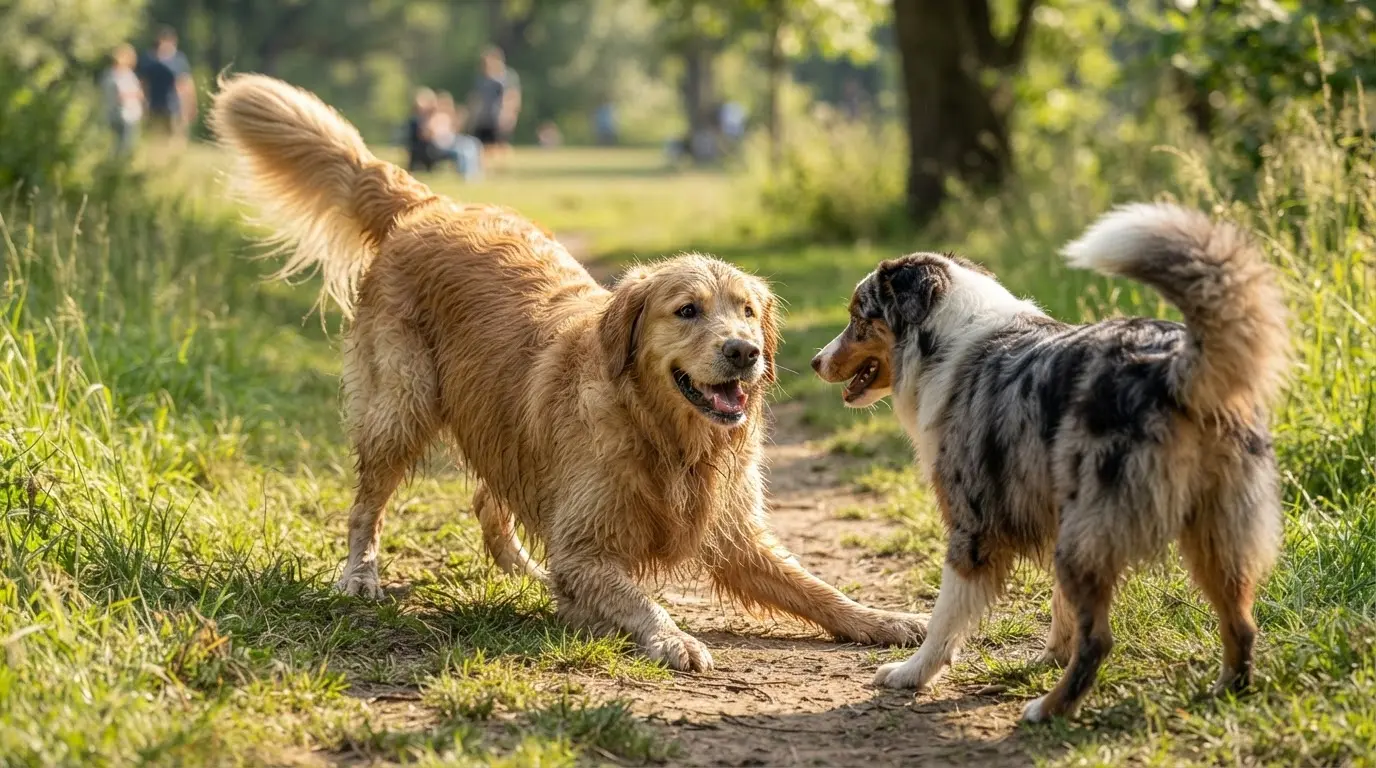
Playful growling usually accompanies relaxed, friendly body language. Dogs may sound intense during play, especially during tug or wrestling, but their overall body language remains comfortable and flexible. Common signs include:
- Loose body movements: The dog remains relaxed and flexible.
- Play bow: Front legs lowered while the back stays raised.
- Relaxed facial expression: No signs of tension or fear.
- Taking breaks: Pausing during play before continuing.
- Returning for interaction: Choosing to continue the game willingly.
Learning these signals helps avoid misreading the situation. Paying attention tocanine body language signssuch as posture, facial expressions, and movement can make communication between dogs and owners clearer.
Is a Growling Dog Always Aggressive?
No, A growl can sound intimidating, but it does not always mean a dog is preparing to attack. In many situations, growling is a warning signal that helps dogs communicate discomfort before they react further.
A dog may growl because it feels scared, wants space, is protecting something valuable, or is experiencing pain.
Removing the reason behind the behavior is more helpful than focusing only on stopping the sound.
Punishing a dog for growling can sometimes remove an important warning sign, making it harder to understand when the dog feels uncomfortable.
A better approach is to identify the trigger, respect the dog’s boundaries, and work on changing the situation that causes stress. Understanding why dogs growl helps owners respond calmly instead of assuming every growl is aggressive.
What Should You Do When a Dog Growls or Snarls?
A growling or snarling dog is communicating discomfort, fear, excitement, or a need for space. The safest response is to stay calm, understand the trigger, and avoid actions that increase stress. The right approach can prevent the situation from becoming worse.
- Stay Calm and Avoid Sudden Movements: Loud voices, quick movements, or sudden attempts to touch the dog can increase stress. Staying relaxed gives the dog time to feel less threatened.
- Give the Dog Space: Avoid moving closer or forcing interaction when a dog shows warning signs. Creating distance allows the dog to settle and reduces pressure.
- Identify the Trigger: Notice what happened before the growl or snarl. Touching, eating, resting, meeting new people, or interacting with other animals may reveal the reason behind the behavior.
- Respect the Warning Signal: A growl is useful communication that shows the dog is uncomfortable. Ignoring it or punishing the behavior may increase stress and remove an important warning sign.
- Remove the Source of Discomfort: Stop the activity that caused the reaction when possible. Allow the dog to move away, take a break, or relax in a quieter space.
- Use Positive Training Methods: For repeated growling, focus on changing the underlying cause of the behavior. Rewarding calm responses and working with a trainer or veterinarian when needed can help manage fear, guarding, or anxiety.
Learning calm behavior training methods can support better responses when dogs react to stressful situations
Disclaimer: If a dog becomes highly aggressive or tries to bite, do not approach or force contact. Move to a safe distance and seek help from a qualified trainer or veterinarian.
Real Owner Experiences with Dog Growling Behavior
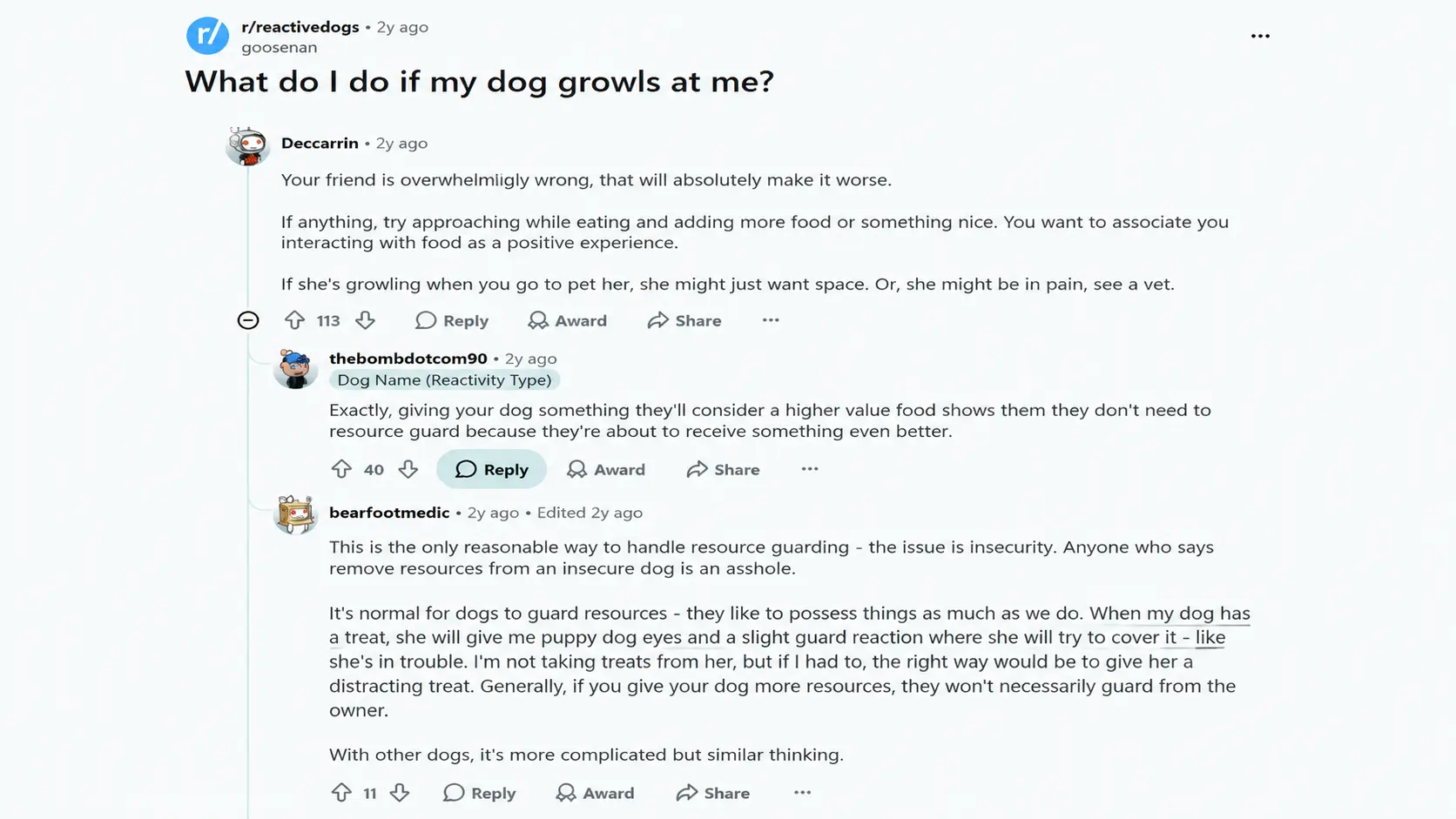
Reddit users discuss a dog owner’s concern about their dog growling at them and share advice on understanding the reason behind the behavior.
The conversation focuses on resource guarding, personal space, and why punishing a growl may not solve the actual issue.
Many users explain that growling is a warning signal that helps dogs communicate discomfort before reacting further.
The discussion also highlights the use of positive associations, such as offering rewards in food-related situations, rather than creating additional stress.
Some commenters note that growling during petting or handling may also indicate a need for space or potential pain, suggesting that owners should observe the situation and seek professional guidance when needed.
How to Prevent Unwanted Growling Behavior
Preventing unwanted growling starts with understanding what makes a dog feel uncomfortable or stressed. Creating a safe environment, teaching good habits, and noticing early warning signs can help reduce situations where a dog feels the need to growl.
| Prevention Step | How It Helps |
|---|---|
| Build Positive Experiences | Regular positive interactions with people, animals, and new surroundings help dogs feel more comfortable. Rewarding calm behavior can reduce fear-based reactions. |
| Teach Boundaries Early | Basic training, controlled introductions, and consistent rules help dogs understand expectations and respond better in different situations. |
| Provide Physical and Mental Activity | Regular exercise, play, and mental stimulation activities can also help reduce boredom and frustration that may contribute to unwanted behaviors |
| Respect Personal Space | Allowing dogs to rest uninterrupted and avoiding unnecessary handling helps reduce stress and discomfort. |
| Monitor Behavior Changes | Sudden changes in mood, eating habits, activity, or reactions may indicate stress, pain, or other concerns that need attention. |
Creating a supportive routine does not mean stopping every growl. It means reducing situations where a dog feels uncomfortable enough to use warning signals and helping them communicate in healthier ways.
Dog Snarling and Growling: When Professional Help Is Needed
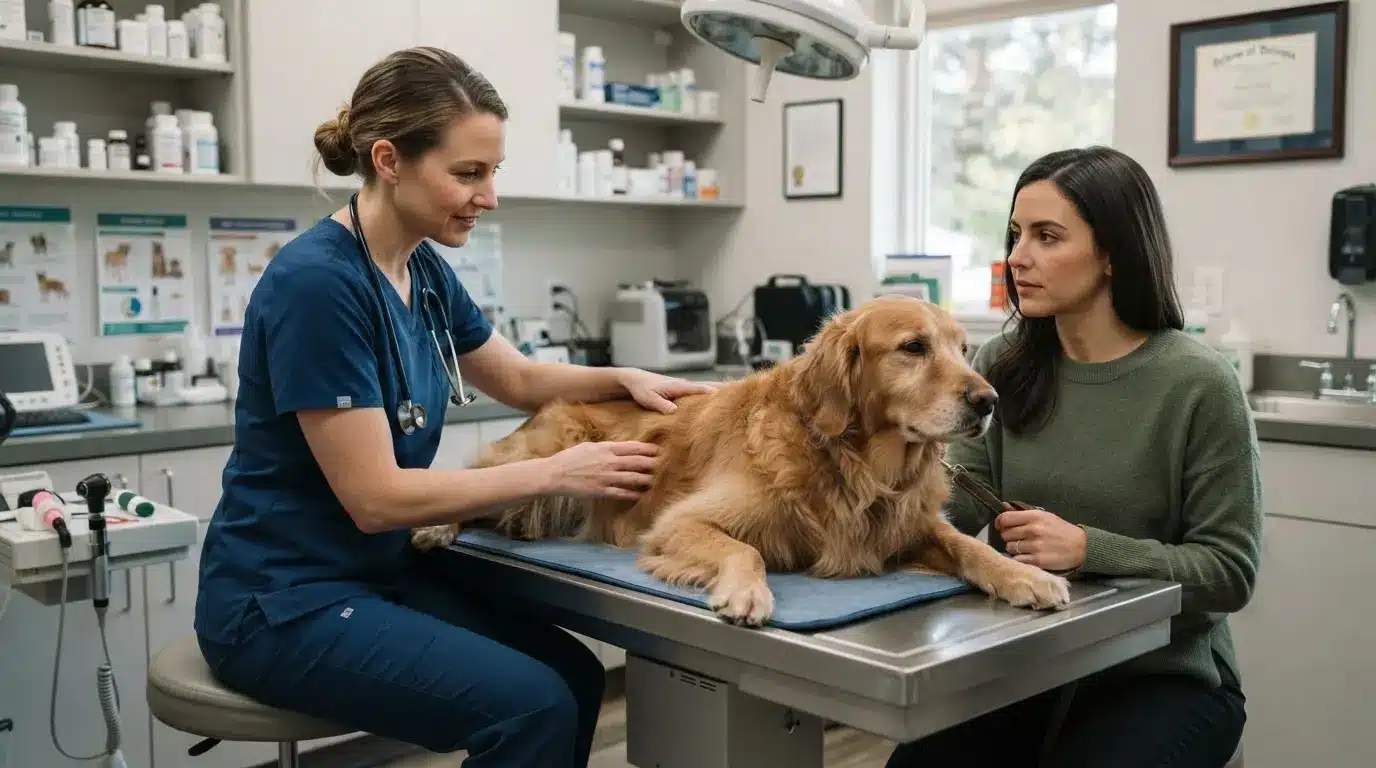
Some growling situations can be managed with patience and better understanding, but certain behaviors may require professional support. Getting help early can prevent fear or defensive reactions from becoming stronger.
Consider speaking with a veterinarian or qualified dog behavior professional if:
- Growling appears suddenly without an obvious reason
- The behavior increases over time
- The dog snaps or attempts to bite
- The dog guards food, toys, or people intensely
- Growling happens during regular handling
- Fear or anxiety affects daily activities
A veterinarian can check for health problems that may influence behavior, while a behavior professional can help address emotional triggers. The right support depends on the reason behind the growling.
Seeking help does not mean a dog is dangerous. It means the behavior is being properly understood and the dog is receiving guidance toward a calmer response.
Final Thoughts
Dogs communicate through sounds, facial expressions, and body movements, and a growl is one part of that language. Learning what triggers the behavior can prevent unnecessary fear and improve daily interactions.
I believe paying attention to the full picture makes it easier for you to understand what a dog is trying to say.
A dog’s snarling may look alarming, but it often conveys important information about discomfort, fear, stress, or boundaries.
Staying calm, respecting warning signs, and responding with patience can build better trust. Try observing these signals in everyday situations and share your experiences or tips in the comments. You can also check related dog behavior topics for more helpful guidance.
Frequently Asked Questions
Why Do Some Dogs Growl During Sleep?
Some dogs growl, twitch, or make sounds while sleeping because they may be dreaming. These noises are usually harmless unless the dog wakes up confused or shows unusual behavior afterward.
Do Certain Dog Breeds Growl More than Others?
Breed alone does not determine growling behavior. Individual personality, experiences, training, health, and environment influence how often a dog uses growling as communication.
Can a Dog Stop Growling as It Gets Older?
A dog’s growling habits may change with age due to experiences, health changes, training, or changes in confidence. Sudden changes should be discussed with a veterinarian.