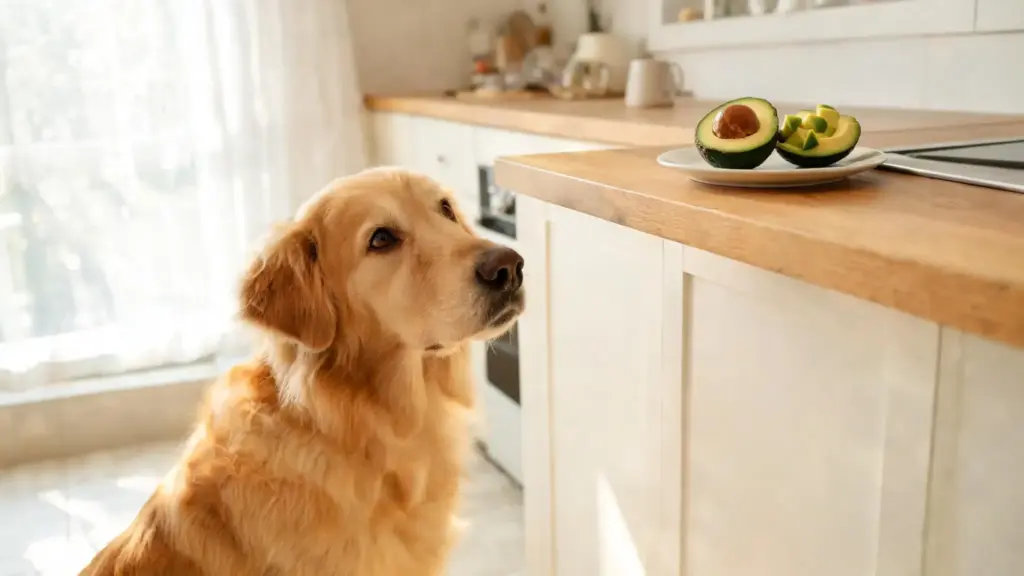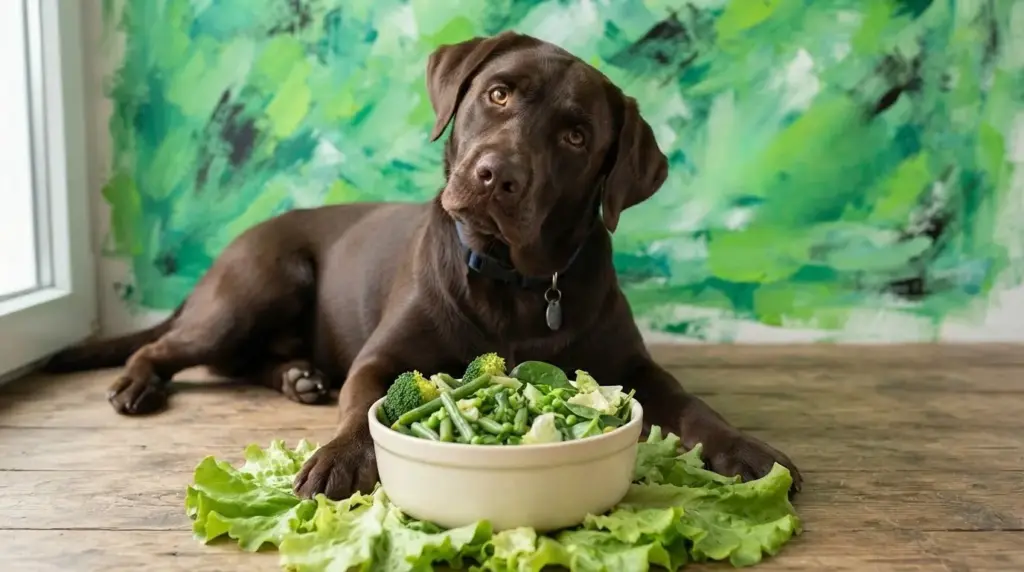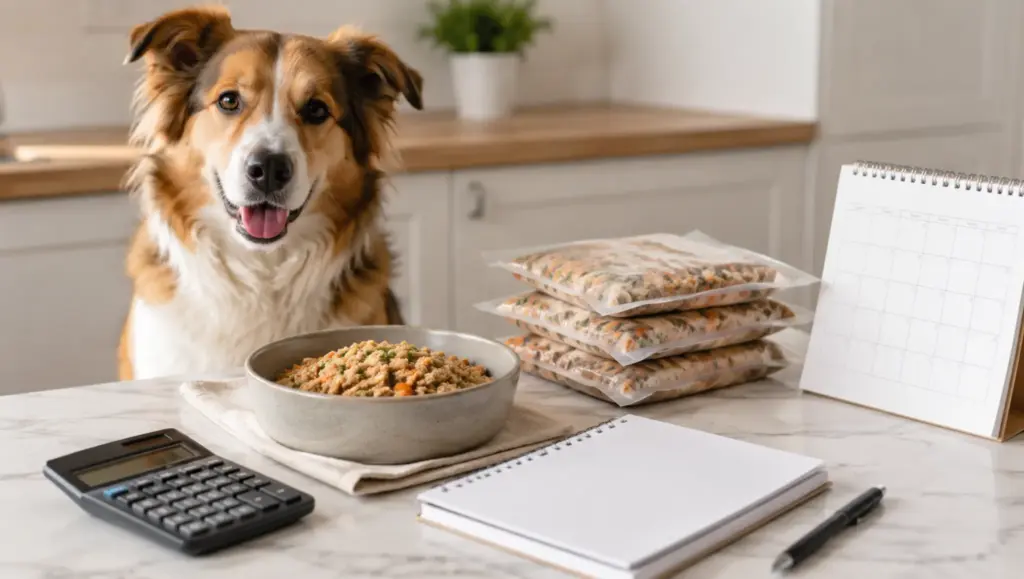
Vet-approved homemade dog food recipes can turn a plain bowl into something safer, fresher, and more useful for your dog.
They use balanced protein, gentle carbs, dog-safe vegetables, healthy fats, and the right supplements, so meals are not just tasty but complete.
That matters even more for senior dogs, who may need easier digestion, steady protein, and joint-friendly support.
I know homemade food sounds simple at first, but guessing with a dog’s diet can leave serious nutrient gaps.
The goal is not to replace vet care with kitchen confidence. It is to make better meals with the right guidance. This blog breaks down safe recipes, senior dog needs, foods to avoid, and storage tips.
Are Vet-Approved Homemade Dog Food Recipes Safe for Dogs?
Yes, with the right guidance. A vet-approved homemade dog food recipe is reviewed by a licensed vet or board-certified veterinary nutritionist to ensure complete nutrition.
It should match AAFCO nutrient profiles, where every ingredient has a clear purpose and key nutrients are not missing. This matters because many online recipes are not balanced.
A UC Davis study found that 95% of 200 home-cooked dog food recipes lacked at least one essential nutrient, and 83% missed more than one. The right recipe also depends on your dog.
Age, weight, breed, activity level, and health issues all change what a meal should include. A young Labrador and a senior Cavalier may need very different food.
Disclaimer: This section is for informational purposes only and does not constitute medical or nutritional advice. Consult your veterinarian or a board-certified veterinary nutritionist before switching your dog’s diet.
Why Does Homemade Dog Food Need Proper Balance?
Random recipes can miss key nutrients because dogs need around 40 nutrients in the right balance each day. Whole foods help, but they rarely cover everything without proper vet-guided supplements like:
- Calcium: Muscle meat contains high phosphorus but very little calcium, which can weaken bones if no proper calcium source is added.
- Vitamins D, E, and B12: Meat and vegetables may provide some vitamins, but they rarely supply enough for long-term daily nutrition.
- Iodine: Most homemade diets lack sufficient iodine unless a vet-approved supplement or a precise source of iodine is included.
- Zinc and copper: These minerals are easy to miss in homemade meals, especially when recipes rely heavily on vegetables, grains, or lean meats.
- Essential fatty acids: Dogs need omega-3 and omega-6 fats in the right balance to support skin, coat, brain, and immune health.
Nutrient gaps build slowly and can harm bones, coat, and immunity. Always get homemade recipes checked by a vet first.
Vet-Approved Homemade Dog Food Recipes for Adult Dogs
Each recipe is designed with complete nutrition in mind, but consult your veterinarian before making homemade food your dog’s regular diet.
1. Classic Chicken, Brown Rice, and Veggie Bowl
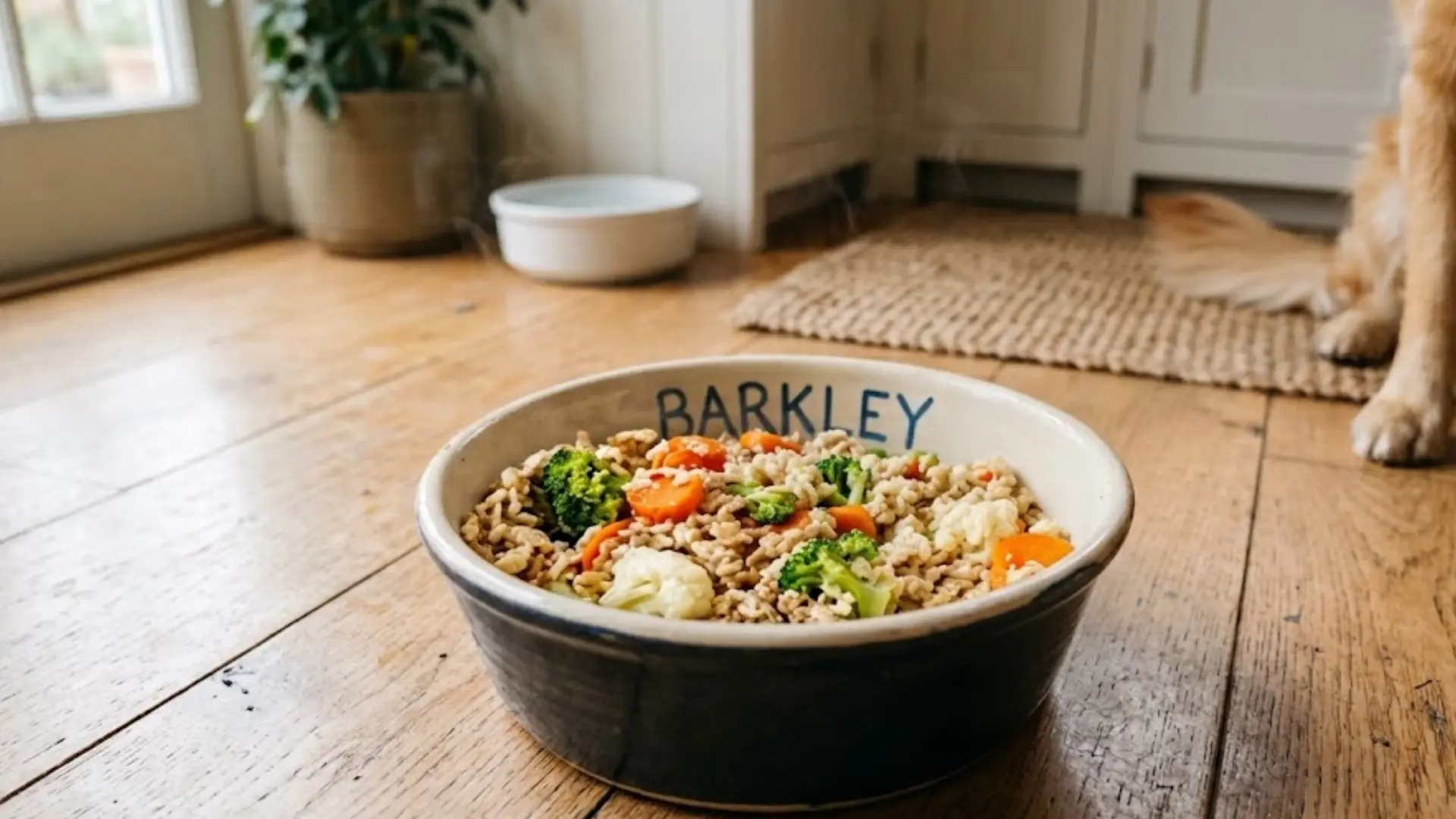
A reliable everyday recipe that most dogs take to immediately. Chicken provides a complete protein, brown rice provides digestible energy, and the vegetables add fiber and natural vitamins.
Ingredients (makes approximately 4 cups):
- 1 lb boneless, skinless chicken breast or thigh
- 1.5 cups cooked brown rice
- 1/2 cup chopped carrots
- Vet-recommended calcium supplement and canine multivitamin (dosage per your vet)
Cooking steps:
- Cook the chicken in a pan without oil, salt, or seasoning until cooked through. Let cool, then shred or dice into small pieces.
- Cook brown rice according to package instructions. Set aside.
- Steam or boil carrots, green beans, and peas until soft. Let cool.
- Combine all ingredients in a large bowl. Add fish oil and mix well.
2. Ground Turkey, Sweet Potato, and Pumpkin Meal
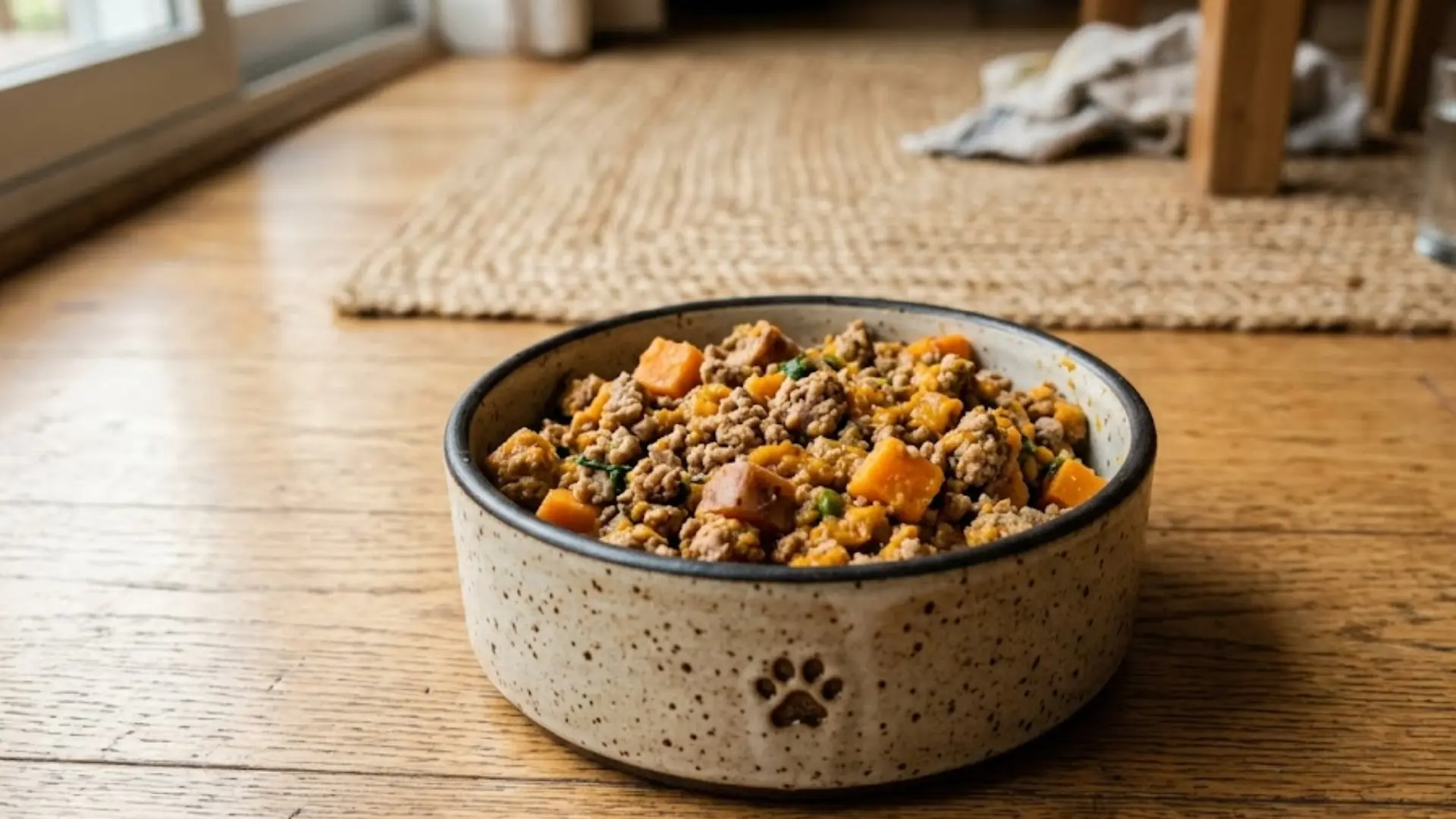
This recipe works well for dogs with mild digestive sensitivity. Turkey is a lean, easily digestible protein, and pumpkin is one of the most reliable, gentle sources of fiber for dogs with sensitive stomachs. The sweet potato adds beta-carotene and a natural sweetness most dogs enjoy.
Ingredients (makes approximately 4 cups):
- 1 lb ground turkey (93% lean)
- 1 cup cooked, mashed sweet potato
- 1/2 cup pureed pumpkin (plain, not pie filling)
- 1/2 cup chopped zucchini
Cooking steps:
- Brown ground turkey in a skillet over medium heat. Drain any fat. Let cool.
- Bake or microwave a sweet potato until soft. Mash and set aside.
- Steam zucchini until tender.
- Mix turkey, sweet potato, pumpkin, zucchini, and coconut oil together in a large bowl.
3. Lean Beef, Egg, and Brown Rice Bowl
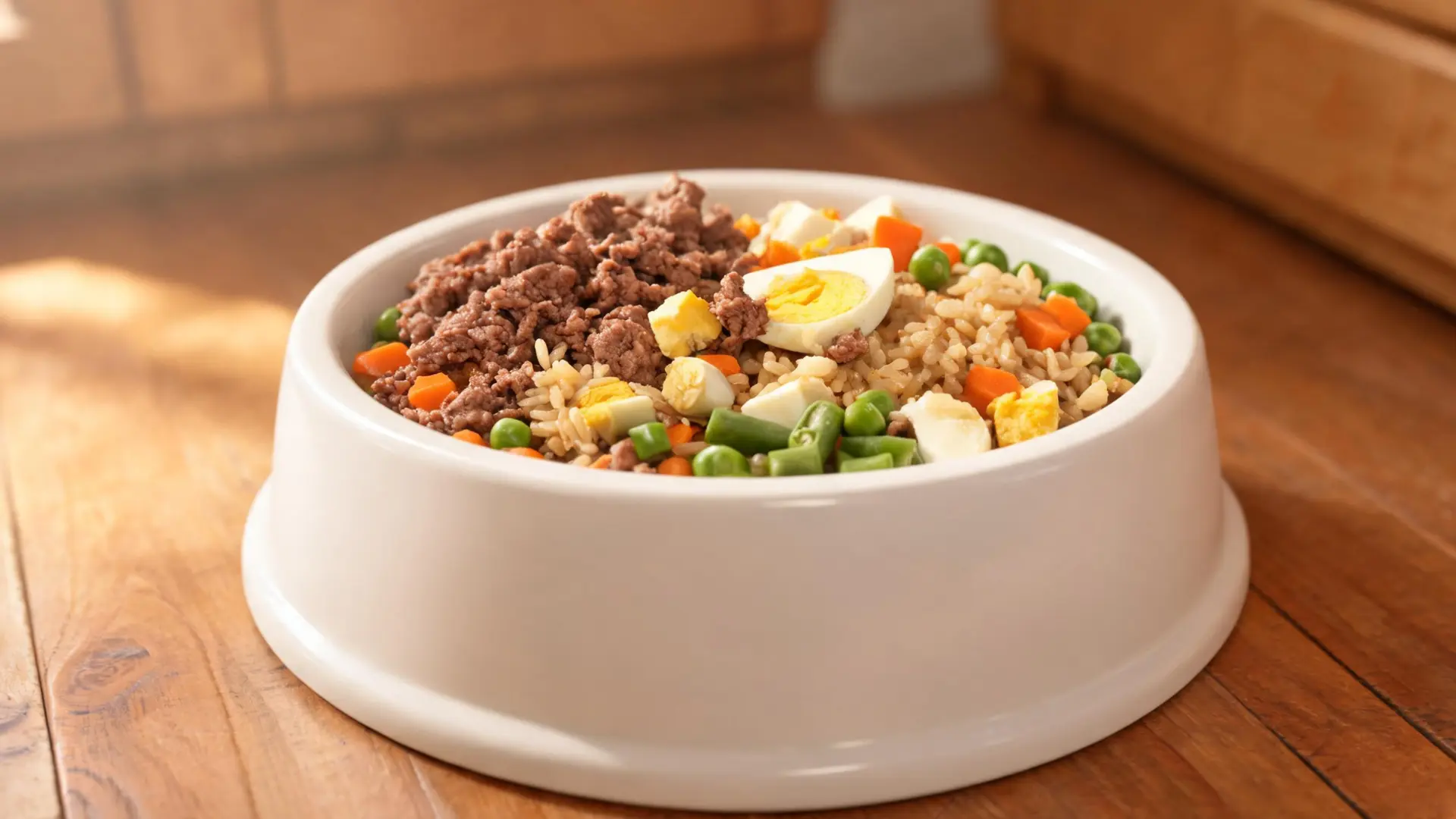
Ground beef provides iron and zinc alongside protein, and the hard-boiled egg adds one of the most bioavailable protein sources available. This is a satisfying, nutrient-dense option for homemade dog food for senior dogs.
Ingredients (makes approximately 4 cups):
- 3/4 lb lean ground beef (90% lean)
- 2 hard-boiled eggs, shelled and mashed
- 1.5 cups cooked brown rice
- 1/2 cup diced carrots
- Vet-recommended calcium supplement and canine multivitamin
Cooking steps:
- Brown ground beef in a skillet until fully cooked. Drain fat. Let cool.
- Hard-boil eggs, cool fully, peel, and mash.
- Cook brown rice and set aside.
- Steam or boil carrots until soft. Add spinach and stir through the warm carrots until wilted.
4. Salmon, Quinoa, and Green Bean Meal
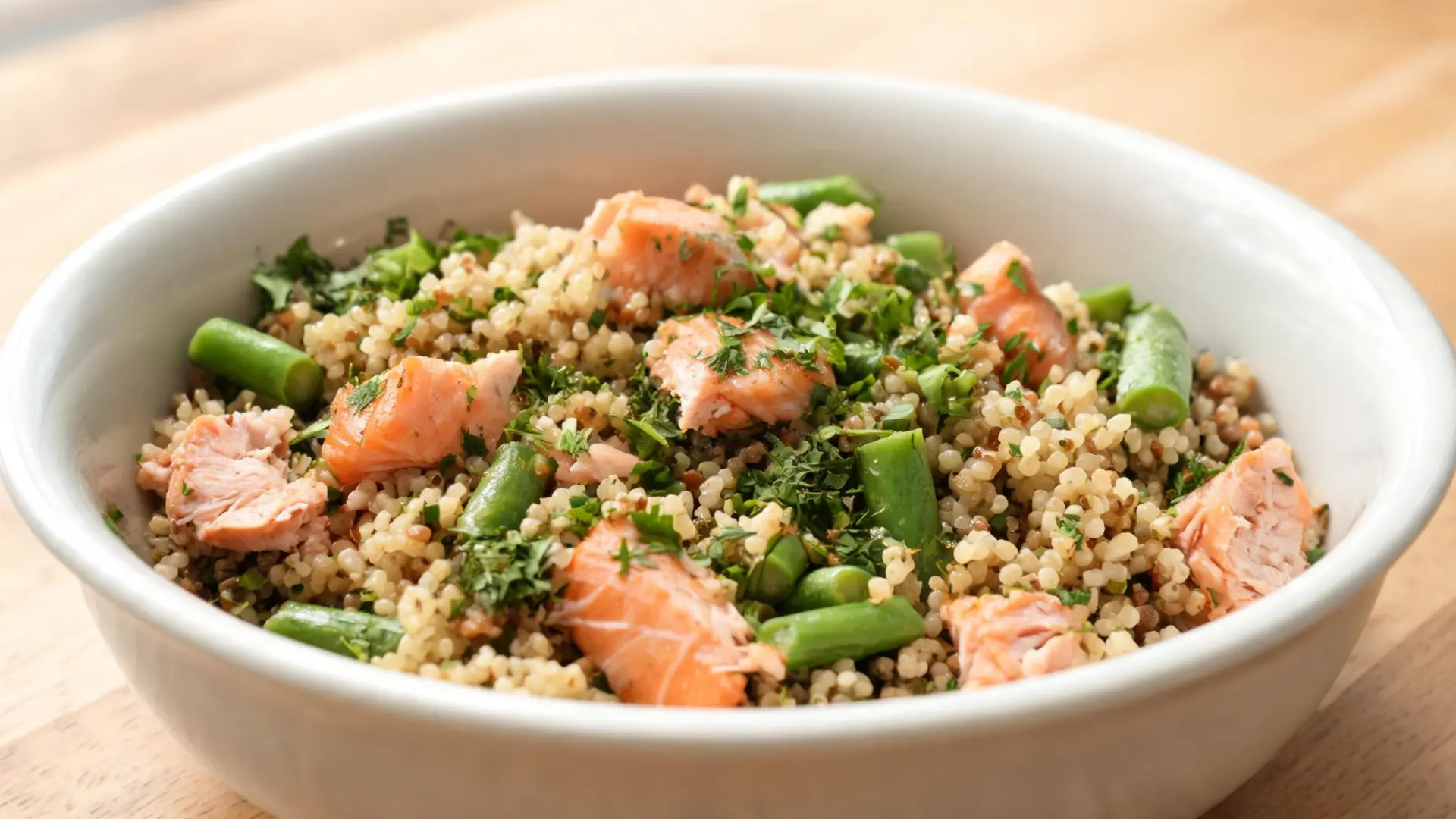
Salmon brings the best natural omega-3 fatty acid content of any common protein source. Paired with quinoa, a complete protein grain that contains all essential amino acids, this recipe works exceptionally well for dogs with skin sensitivities or dull coats.
Ingredients (makes approximately 4 cups):
- 1 lb salmon fillet (fresh or canned in water, no salt added)
- 1 cup cooked quinoa
- 1/2 cup chopped green beans
- 1/2 cup diced carrots
- Vet-recommended calcium supplement and canine multivitamin
Cooking steps:
- If using fresh salmon, bake at 375°F for 15 to 18 minutes with no seasoning. Remove all bones carefully. Flake into small pieces.
- Cook quinoa according to package instructions. Let cool.
- Steam green beans and carrots until tender.
- Combine all ingredients. Add fish oil and mix. Add supplements after fully cooled.
5. Turkey, Sweet Potato, and Blueberry Bowl
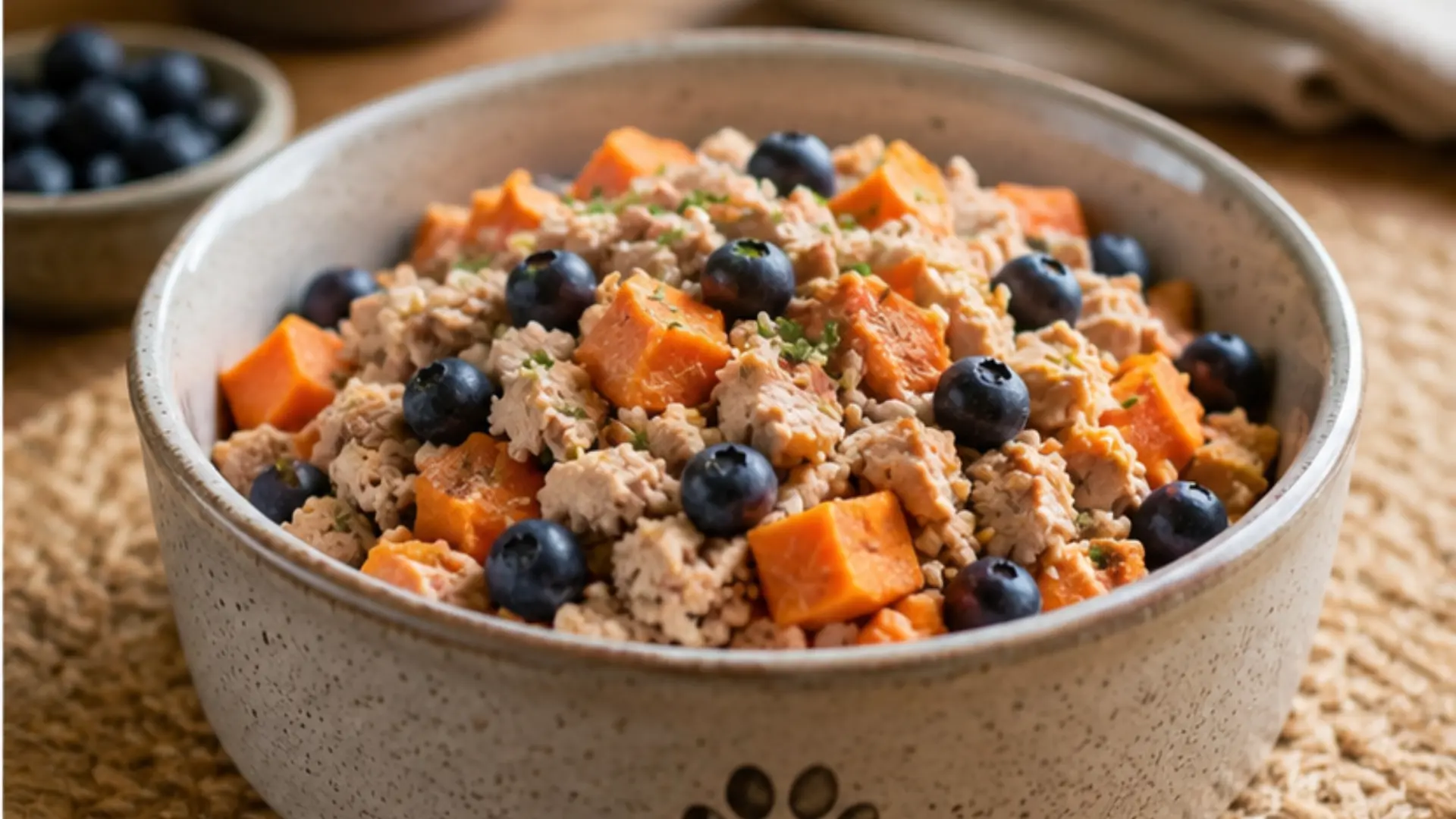
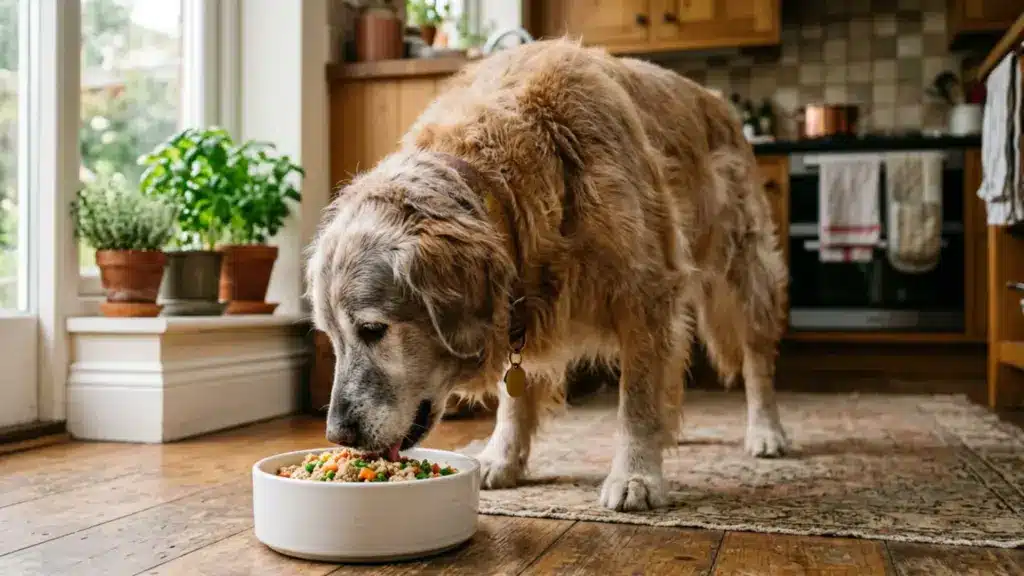
This recipe is built around the nutritional priorities of older dogs: lean protein to preserve muscle, antioxidants from blueberries to support cellular health, and healthy fats from fish oil to reduce joint inflammation.
Ingredients (makes approximately 4 cups):
- 1 lb ground turkey (93% lean)
- 1 cup cooked, mashed sweet potato
- 1/2 cup cooked quinoa or brown rice
- 1/2 cup steamed carrots, finely chopped
- 1/4 cup fresh or frozen blueberries
- Fish oil (omega-3 source, per vet dosing)
- Vet-prescribed calcium and vitamin-mineral supplement
Cooking Steps:
- Cook quinoa or brown rice per package directions. Set aside to cool.
- Brown ground turkey in a skillet over medium heat until fully cooked. Drain fat and let cool.
- Steam carrots until very tender (softer than adult recipes to ease chewing).
- Combine turkey, sweet potato, grain, and carrots in a large bowl.
- Add blueberries. Add fish oil and supplements only after the food has cooled completely.
Foods to Keep Out of Your Homemade Dog Food for Senior Dogs
Some foods can cause serious health problems for dogs, even in small amounts. Keeping these ingredients out of homemade meals is essential.
| Food | Why It Is Unsafe |
|---|---|
| Onions and garlic | Can damage red blood cells and cause anemia in all forms, including raw, cooked, and powdered. |
| Grapes and raisins | Even small amounts can lead to sudden kidney failure in some dogs. |
| Xylitol | Found in some peanut butter, gum, and baked goods, it can cause a rapid and dangerous drop in blood sugar. |
| Chocolate and caffeine | Contain compounds that can harm the nervous system and heart. |
| Cooked bones | Can splinter into sharp pieces and cause serious internal injuries. |
Also, avoid excess salt, fatty meat scraps, processed deli meats, and anything with artificial sweeteners. The way to safely feed vegetables to dogs can help with safer produce choices. When unsure, check first, because some human foods can be dangerous for dogs.
How to Transition Your Dog to Homemade Food
Switching your dog’s food abruptly is one of the most common causes of digestive upset in dogs moving to a homemade diet. The gut microbiome needs time to adjust to new ingredients, protein sources, and fiber levels.
A gradual transition over 7 to 10 days reduces the risk of vomiting, diarrhea, and food refusal:
- Days 1 to 3: Mix 25% homemade food with 75% current food.
- Days 4 to 6: Move to a 50/50 split.
- Days 7 to 9: Mix 75% homemade with 25% current food.
- Day 10 onward: Full homemade diet, if digestion has been stable throughout
If loose stools or vomiting appear, hold the same ratio for two to three extra days. Senior dogs or dogs with health issues may need 14 days.
Tell your vet before switching, since bloodwork after four to six weeks may help. A 30-50% homemade split with kibble can also work.
How to Safely Store, Portion, and Serve Homemade Dog Food?
Getting the recipe right is only half the work. Safe storage, careful portions, and gentle serving keep homemade meals fresh and useful.
- Fridge storage: Keep cooked homemade dog food in an airtight container for 3 to 4 days. Fish-based meals should be used within 3 days.
- Freezer storage: Freeze meals in individual daily portions sized to your dog’s weight. Most recipes stay fresh for 2 to 3 months.
- Reheating: Thaw overnight in the fridge. Warm gently, stir well, and check the temperature before serving. It should be lukewarm, not hot.
- Portion control: Use a kitchen scale rather than eyeballing. A small daily miscalculation in either direction affects weight and nutrient balance over time.
- Supplement timing: Add vet-approved supplements only after food has fully cooled. Heat degrades some nutrients and reduces the nutritional value of the meal.
Conclusion
A balanced homemade diet can support better digestion, steady energy, and a healthier coat. When done correctly, it gives dogs nutrition tailored to their needs.
But the love that goes into the cooking only translates into real health when the recipes are balanced.
Start with a vet-reviewed recipe, weigh your portions, never skip the supplements, and pay attention to how your dog responds over the first few weeks.
For senior dogs especially, a conversation with your vet before you start isn’t just helpful; it’s the difference between a recipe that helps and one that quietly harms.
If you try any of these recipes, drop a comment below and tell us which one your dog loved most. Seeing those happy bowls is genuinely the best part.
Frequently Asked Questions
How Much Homemade Food Should I Feed My Dog per Day?
Start with 2-3% of body weight daily, split into two meals. Senior or less active dogs usually need less.
Can I Mix Homemade Food with Commercial Kibble?
Yes. A 30-50% homemade split can work well, but supplements and calorie intake should be adjusted under a vet’s guidance.
Do I Need to Add Supplements to Homemade Dog Food?
Yes. Homemade diets need vet-formulated supplements for calcium, iodine, vitamin D, zinc, and other nutrients. Human multivitamins are not safe.