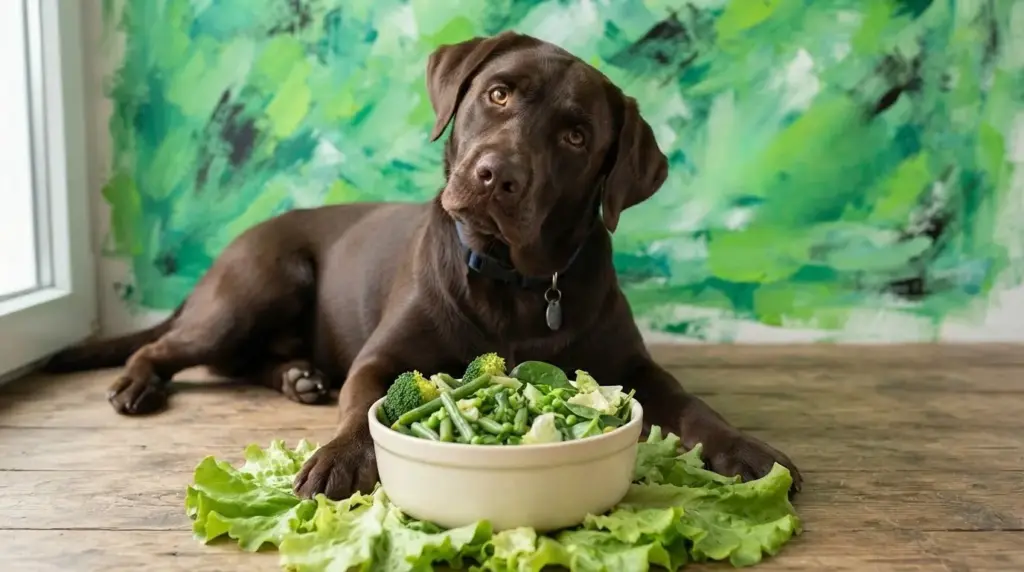
Your dog locks onto a stray kale leaf, eats it, and seems perfectly pleased. That quick snack can still leave you asking if other owners allow it and what happened when their dogs tried it.
If you are asking, “is kale good for dogs,” the short answer is that a small amount of plain kale is unlikely to trouble many healthy dogs, but it offers no benefit they cannot get from complete dog food.
Reactions differ, and dogs with urinary stones, digestive sensitivity, thyroid disease, or a prescribed diet need added caution.
Below, you will find practical serving advice, possible reactions, and a careful look at what owners report online, with veterinary evidence kept separate from personal stories.
Is Kale Good for Dogs in Small Amounts?
A small amount of plain kale is unlikely to harm many healthy dogs, but it should be treated as an occasional extra rather than a required part of their diet.
The U.S. Food and Drug Administration explains that complete and balanced food is formulated to meet a dog’s nutritional requirements.
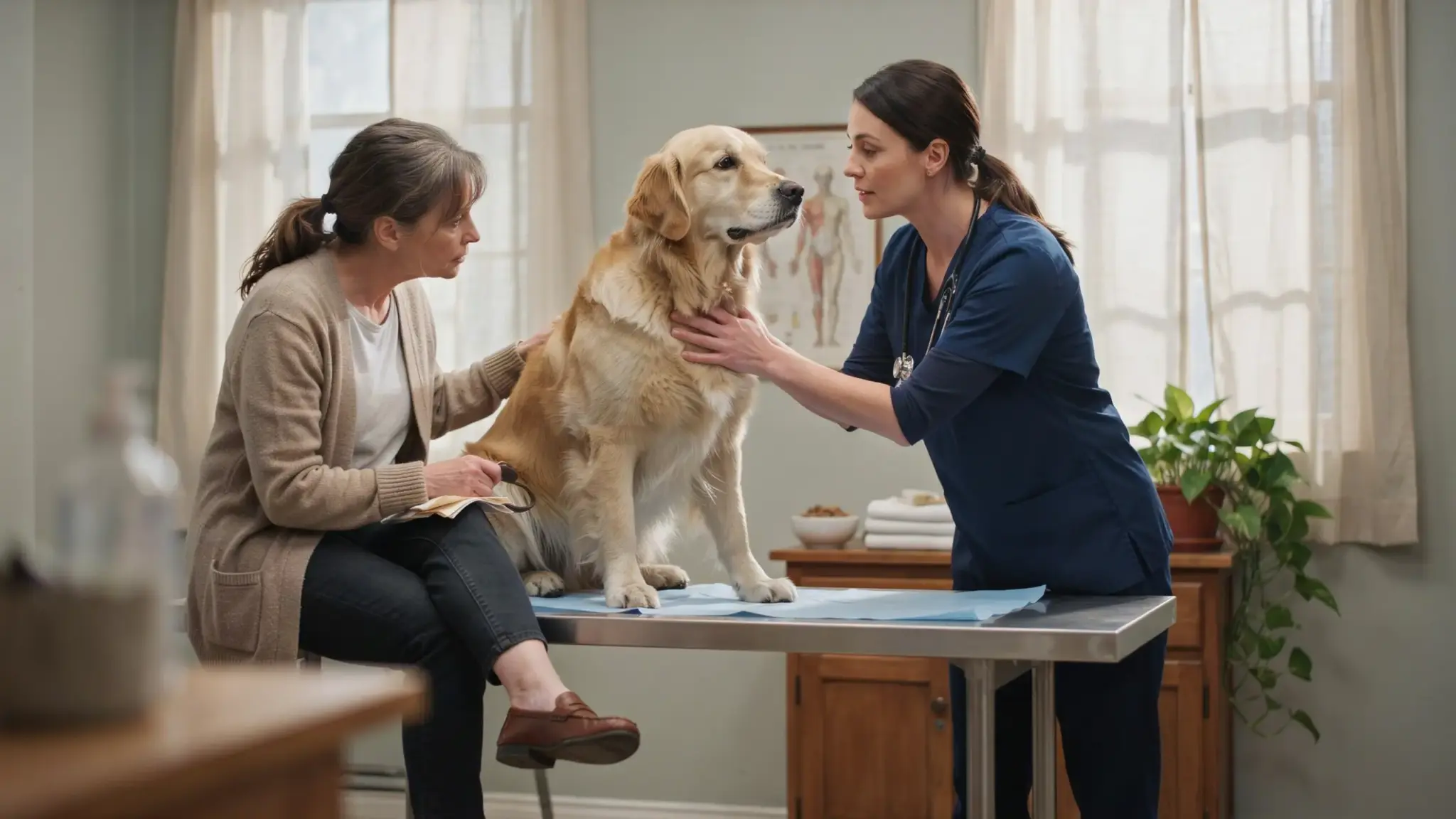
Individual health still matters. Ask your veterinarian before serving kale if your dog has urinary stones, thyroid disease, recurring digestive trouble, diabetes, or a prescribed diet.
For a healthy dog trying it for the first time, begin with one small, finely chopped piece and watch for changes in appetite, stool, or comfort.
Nutritional Benefits of Kale for Dogs
Kale provides useful nutrients, but it should remain an occasional addition alongside other dog diet essentials, not a replacement for your dog’s complete and balanced diet.
| NUTRIENT | BENEFITS |
| Vitamin A | Supports eye health and immune function |
| Vitamin C | Acts as an antioxidant |
| Vitamin K | Plays a role in normal blood clotting |
| Calcium | Supports bone strength and muscle function |
| Magnesium | Helps muscle and nerve function |
| Fiber | Aids digestion and regular bowel movements (in moderation) |
| Antioxidants (lutein & zeaxanthin) | Support eye health and cell protection |
A complete, balanced dog food already covers these bases; kale simply adds a small extra on top.
These nutrients are a welcome bonus on top of a complete, balanced dog food, not a gap that needs filling. Feed it small, feed it occasionally, and let your dog’s regular diet do the heavy lifting.
Potential Risks of Feeding Kale to Dogs
Kale isn’t dangerous for most dogs, but three concerns show up consistently in veterinary literature: bladder stones, digestive upset, and thyroid effects from large amounts. Understanding each helps you feed kale safely, without treating an otherwise healthy vegetable as something to fear.
1. Urinary-Stone Concerns
Kale contains oxalate, but available evidence does not show that an occasional serving causes urinary stones. A University of Minnesota study examined 258,898 canine stone submissions and identified breed, age, and sex patterns, but it did not assess kale consumption.
Dogs with previous calcium oxalate stones should follow their veterinarian’s diet plan. A general serving recommendation cannot account for stone composition, medication, urine chemistry, or a prescribed diet.
2. Digestive Issues
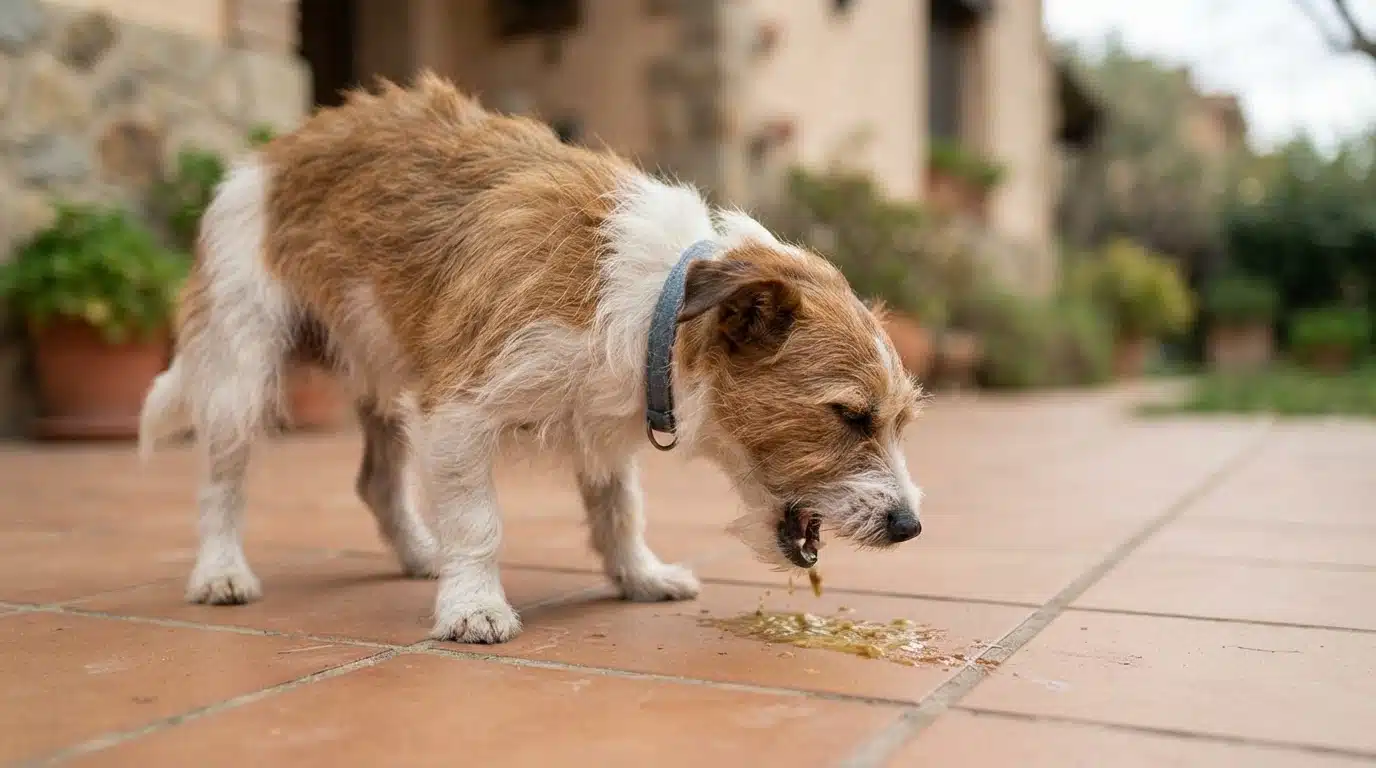
Feeding too much kale, especially in a single serving, can cause digestive issues such as gas, diarrhea, vomiting, or general stomach discomfort, and knowing how to begin settling an upset stomach can help afterward.
This usually happens because a dog’s digestive system may struggle to handle a sudden increase in fiber. Since kale is a fibrous vegetable, introducing a large amount at once can upset your dog’s stomach.
As with any new food, start with a small piece or two, wait to see how your dog responds, and only increase the amount if there are no signs of digestive trouble.
3. Thyroid Considerations
Cruciferous vegetables contain compounds that can affect iodine use under some conditions, but direct evidence from occasional kale feeding in dogs is limited. The concern should not be presented as a proven effect from a few pieces.
If your dog has thyroid disease or takes thyroid medication, ask your veterinarian before offering kale regularly. Healthy dogs receiving an occasional small serving face a different situation from dogs eating large quantities repeatedly.
The practical concern is not that one plain leaf automatically causes disease. Your dog’s medical history, total diet, serving size, and reaction should determine whether kale is a reasonable extra.
How Much Kale Can Dogs Eat?
There is no standard kale serving that suits every dog. The amount depends on body size, calorie needs, health history, regular diet, and previous reactions to fibrous vegetables.
For the first serving, offer one small, finely chopped piece rather than starting with tablespoons. Wait until the following day before offering it again so you can notice any digestive changes.
Kale should count toward your dog’s total treats and extras, similar to other nutritious snack options, which should remain below 10% of daily calories. Dogs with urinary stones, thyroid disease, digestive sensitivity, or a prescribed diet need veterinary advice before adding kale.
If vomiting, diarrhea, gas, reduced appetite, or discomfort appears, stop serving kale. Contact your veterinarian if symptoms are severe, repeated, or do not improve.
How Owners Serve Kale to Their Dogs

Kale should be washed, trimmed, and served without added ingredients. Following a simple order keeps the pieces easier to chew and limits avoidable risks.
- Wash the Leaves: Rinse the kale thoroughly under clean running water.
- Remove the Stems: Cut away thick stems that may be difficult to chew.
- Choose Raw or Steamed: Serve it raw or steam it lightly to soften the leaves.
- Cut Small Pieces: Chop the leaves finely before mixing them into regular food or offering them separately.
- Keep It Plain: Do not add butter, oil, salt, sauces, onion, garlic, chives, or seasoning.
- Start With One Piece: Watch for vomiting, gas, loose stool, reduced appetite, or discomfort before serving kale again.
Careful preparation does not guarantee that every dog will tolerate kale, so stop serving it if any digestive changes appear.
Can Dogs Eat Kale Every Day?
Daily kale feeding generally isn’t necessary. A dog’s core nutrition should come from a complete, balanced dog food formulated to meet all their nutritional needs on its own.
Kale works best as an occasional addition, a small bonus layered on top of that foundation, rather than something offered every single day.
There’s also a practical reason to avoid daily feeding: consistent, large amounts of any single vegetable, kale included, can compound the very risks discussed earlier, like oxalate buildup or excess fiber intake.
Rotating in different dog-safe vegetables, such as carrots, green beans, or the occasional cucumber, adds variety to your dog’s diet without repeatedly overloading on any one nutrient or plant compound.
It keeps things interesting for your dog too, rather than the same green square every day
Kale vs Other Vegetables for Dogs
Kale isn’t the only vegetable dog owners consider adding to mealtime, and it’s worth seeing how it stacks up against other common options.
Here’s a quick side-by-side look at some popular choices and what to keep in mind with each.
| Vegetable | Benefits | Things to Consider |
|---|---|---|
| Kale | Vitamins, fiber, antioxidants | Feed in moderation |
| Spinach | Nutrient-rich leafy green | Contains oxalates |
| Carrots | Crunchy, low-calorie snack | Contains natural sugars |
| Green beans | Fiber-rich option | Usually easy to digest |
| Broccoli | Vitamins and fiber | May cause gas |
No single vegetable comes without a trade-off; the goal isn’t finding a “perfect” one, but rotating a few safe options so your dog gets variety without over-relying on any single nutrient or compound
What Dog Owners Say About Feeding Kale
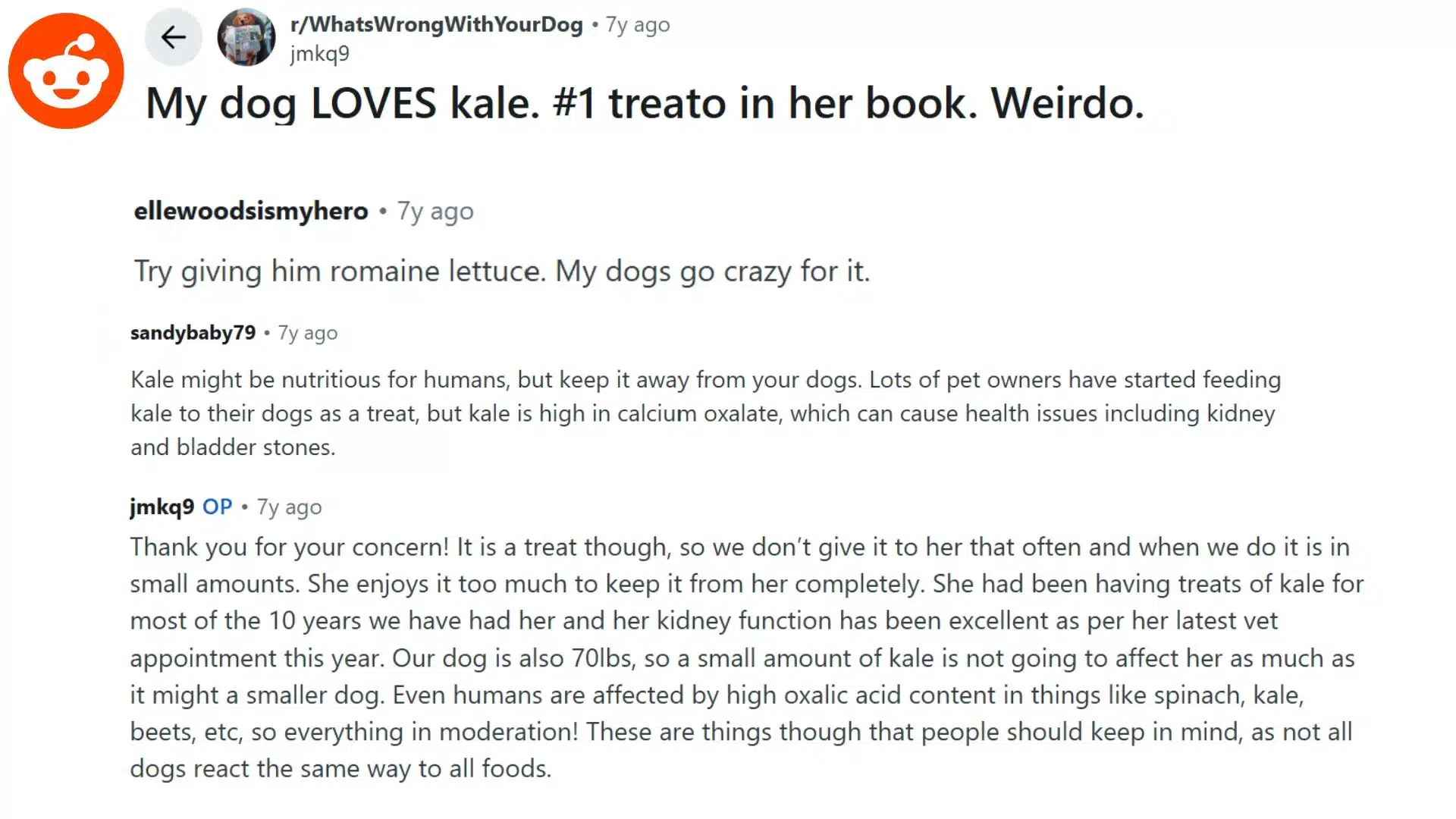
Beyond the nutrition facts, a lot of dog Reddit owners have their own take on feeding kale, and opinions are pretty mixed. Nobody calls kale dangerous, but nobody calls it necessary either.
- Some owners say their dogs enjoy kale as an occasional treat.
- Owners commonly recommend small portions instead of frequent large servings.
- Some commenters raised concerns about kale’s oxalate content and possible kidney or bladder risks.
- Experiences vary, as some dogs tolerate kale well while others may be more sensitive.
- Many owners agree that treats should stay limited and not replace a balanced diet
Most sources treat kale as an occasional extra, although opinions differ on how often it should be offered.
Signs Your Dog May Not Tolerate Kale
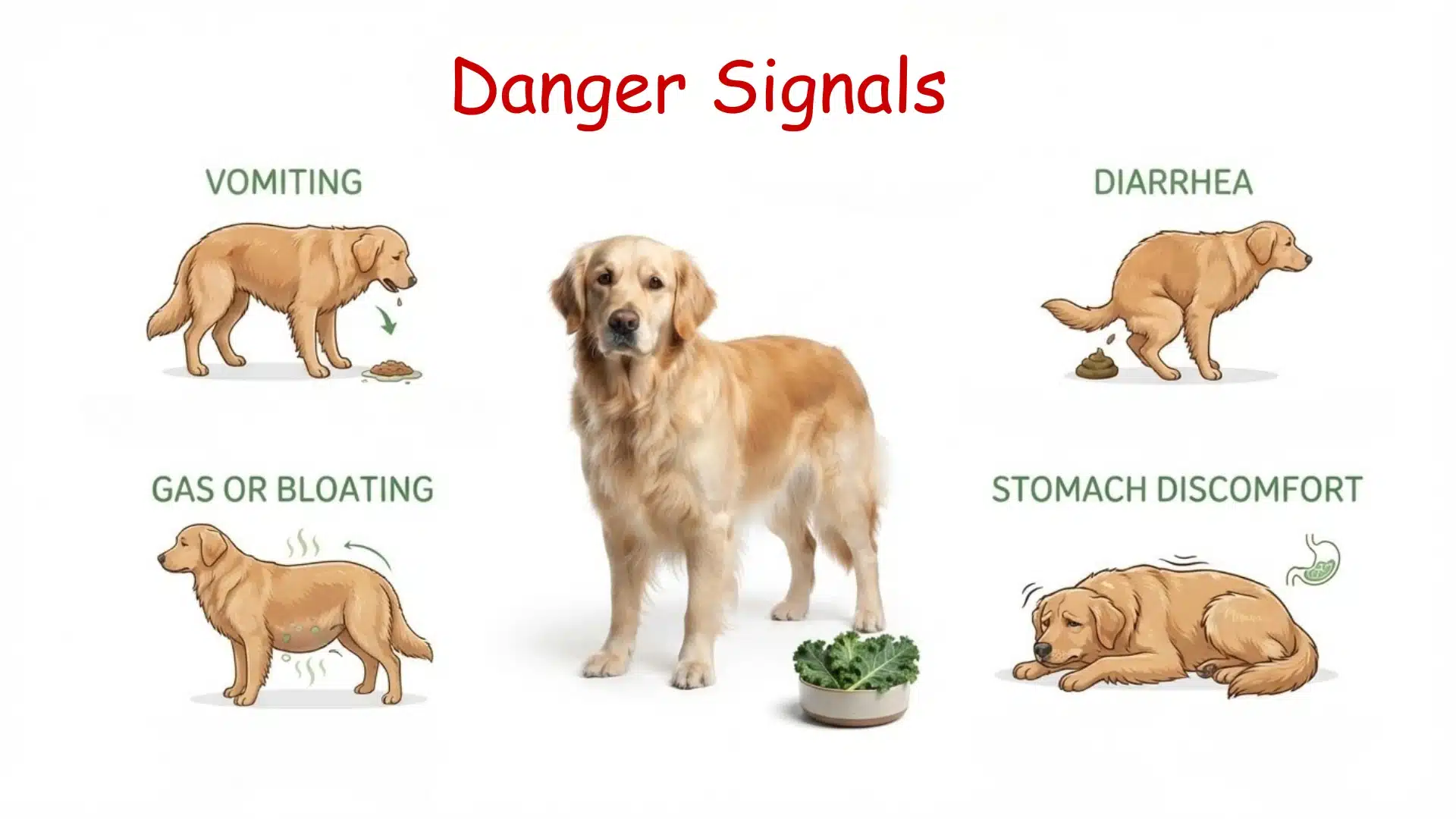
Dogs can react differently after trying a new food. Watch for changes in digestion, appetite, comfort, or urination after your dog eats kale.
- Vomiting: One or more episodes after eating kale.
- Loose Stool: Soft stool or diarrhea after feeding.
- Excess Gas: Increased flatulence or visible bloating.
- Reduced Appetite: Less interest in regular meals.
- Abdominal Discomfort: Restlessness, a tense belly, or a hunched posture.
- Urinary Changes: Straining, altered urine output, or unusual thirst.
Stop serving kale if any of these signs appear. Contact your veterinarian if symptoms are severe, repeated, or accompanied by weakness, breathing trouble, blood, abdominal swelling, or difficulty urinating.
Disclaimer: Every dog is different, so always consult your veterinarian before adding kale or any new food to your dog’s diet, especially if your dog has an existing health condition or is on medication.
The Final Verdict
Is kale good for dogs? For many healthy dogs, a bite or two of plain, finely chopped kale can be an occasional extra, but it is not needed for good nutrition.
Owner reports show that some dogs enjoy it while others develop loose stool, gas, or little interest in it. Those stories can help you know what to watch for, yet they cannot predict your dog’s response.
Skip seasoned kale and ask your veterinarian first if your dog has urinary stones, thyroid disease, digestive trouble, diabetes, or a prescribed diet.
Begin with one small bite and stop if symptoms appear. Use the serving and warning signs above before deciding if kale belongs in your dog’s treat rotation.
Frequently Asked Questions
What Should I Do After a Large Serving?
Remove access to the food and note how much was eaten, when it happened, and any seasonings present. Contact your veterinarian or a pet poison service promptly if vomiting, weakness, abdominal pain, or urinary changes develop.
Can Puppies Try Leafy Vegetables?
A healthy puppy may tolerate a tiny piece of plain kale, but growth diets must remain nutritionally complete. Ask your veterinarian before adding extras, especially when the puppy has digestive trouble, receives medication, or follows a prescribed diet.
Can Frozen Leaves Be Served?
Plain frozen kale is not automatically unsafe, but a hard or oversized piece may be difficult to chew. Thaw it, remove thick stems, chop it finely, and offer only a small amount while supervising your dog.