A cat who suddenly stops jumping onto the couch or slips away from family time may be showing more than a new habit. Small changes can be the first sign that something hurts.
In more than 15 years as a veterinarian, I have learned to compare each cat’s current behavior with what is normal for that individual. Knowing how to tell if cat is in pain means watching movement, posture, appetite, grooming, social behavior, vocalization, and litter box habits together.
One change cannot identify the cause, but a new or persistent pattern deserves attention. The checklist below explains what to watch for, what to record, and when your cat needs prompt or emergency veterinary care.
| Medical disclaimer: This information is educational and cannot diagnose your cat. Contact a veterinarian about new, persistent, worsening, or severe symptoms. |
Do Cats Hide Their Pain?
Cats often show pain through quiet changes in movement, behavior, and daily routines. The signs may be easy to miss because a painful cat does not always cry, limp, or react dramatically.
An expert consensus study published through the National Institutes of Health identified reduced appetite, hiding, decreased grooming, mobility problems, posture changes, and sensitivity to handling as core behavioral signs of pain in cats.
Many painful cats become less active, but others grow restless or repeatedly change position because they cannot get comfortable. Some seek more affection, while others avoid interaction.
The most useful clue is a change from your cat’s normal behavior. Even one new, persistent, or worsening change can justify a call to your veterinarian.
How to Tell if Cat Is in Pain
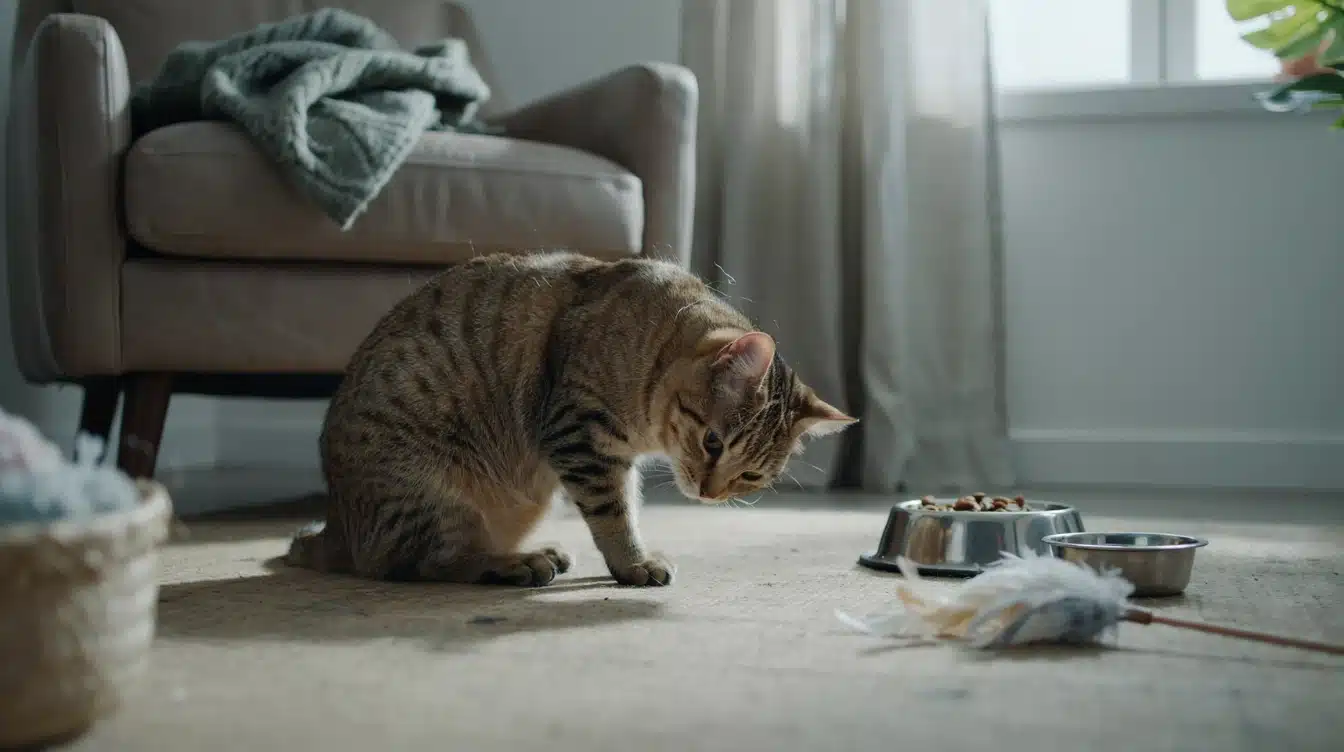
Pain can affect nearly every part of a cat’s routine. Check for changes across several areas rather than relying on one behavior alone.
Compare what you see with your cat’s usual habits. Record when each change started and whether it is becoming more noticeable.
1. Behavioral and Social Changes
A cat in pain may hide, withdraw from family activity, resist handling, or become unusually irritable. Some cats become clingier and seek more attention instead.
Other changes can include reduced interest in play, hesitation before jumping, aggression toward other pets, or avoiding previously comfortable resting places.
No single behavior identifies the cause, but one new, persistent, or worsening change can justify a call to your veterinarian, and sudden irritability alongside unusual tail movements is one combination worth mentioning.
2. Vocal Changes
Pain may cause more meowing, growling, hissing, or crying, but some painful cats become quieter. A new sound or change in frequency matters more than whether your cat is normally vocal.
Notice whether the change appears during handling, eating, movement, litter box use, or rest.
3. Posture, Movement, and Facial Changes
A painful cat may crouch, hunch the back, lower the head, guard one body area, or keep the abdomen tense. You may also notice limping, stiffness, slower walking, difficulty rising, or reluctance to use stairs.
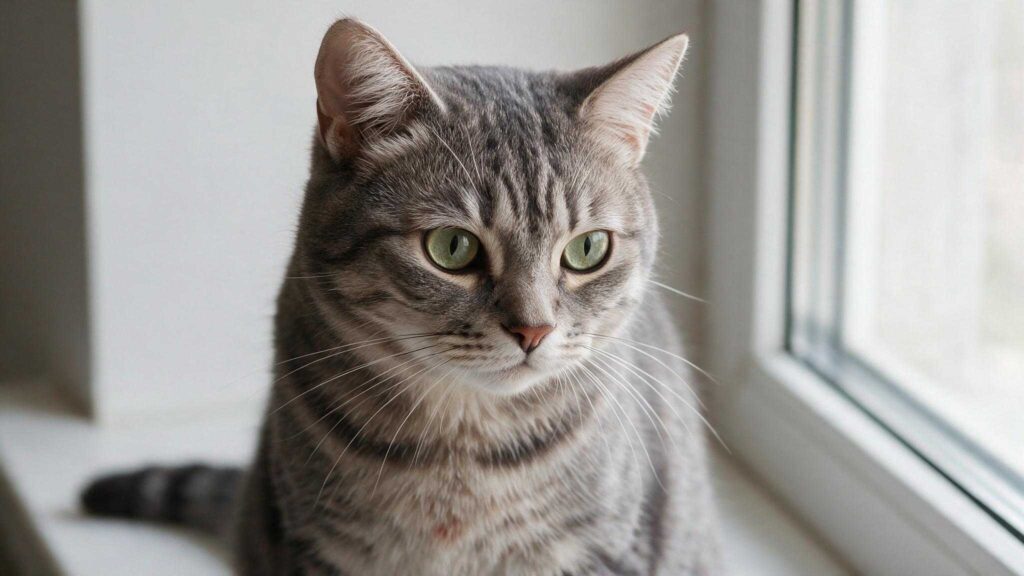
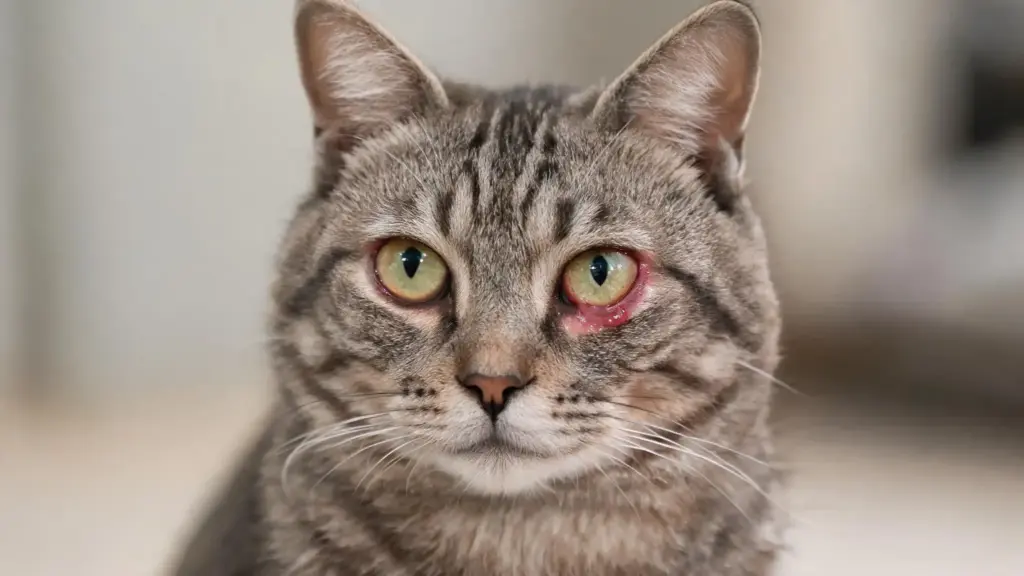
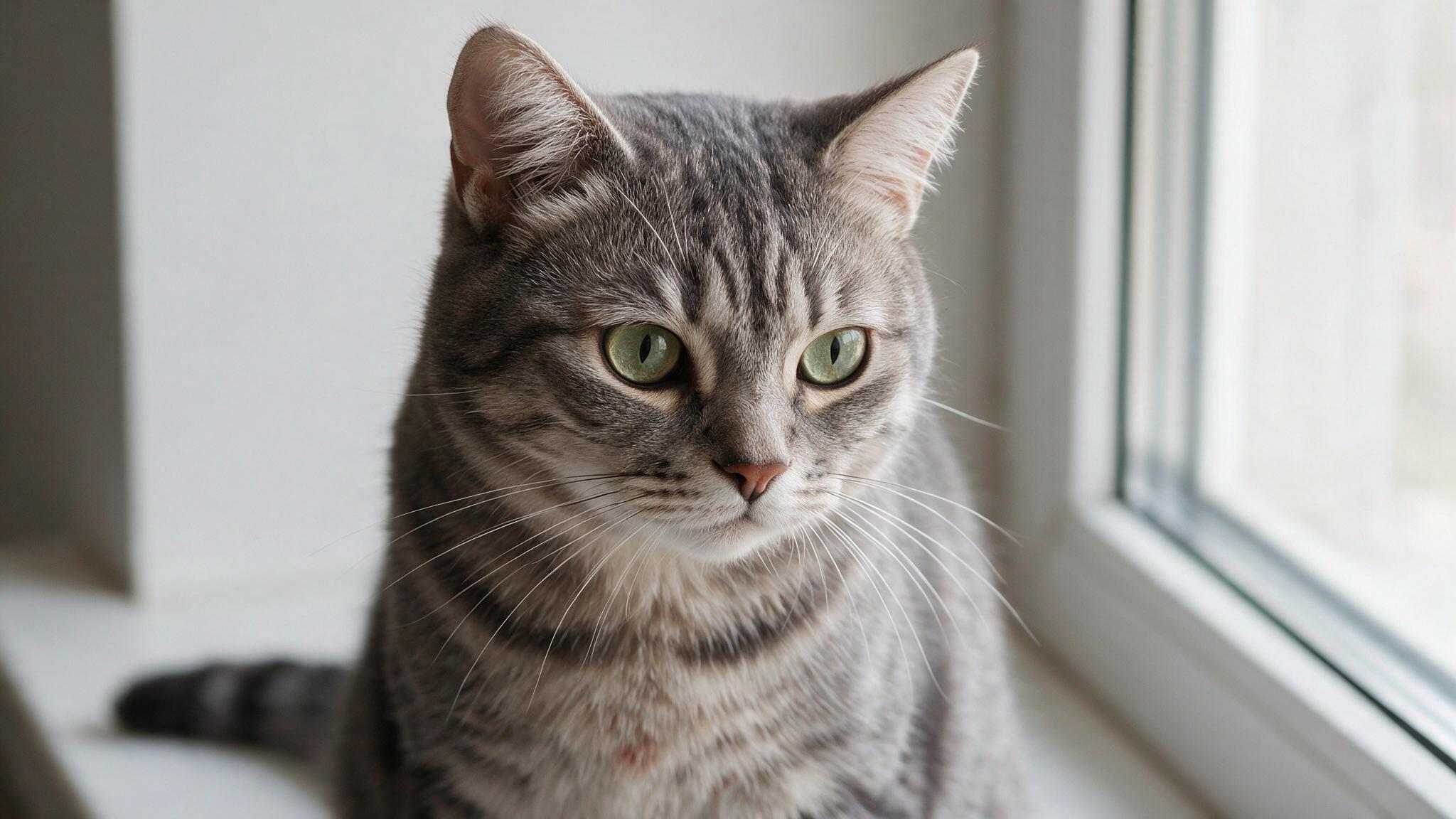
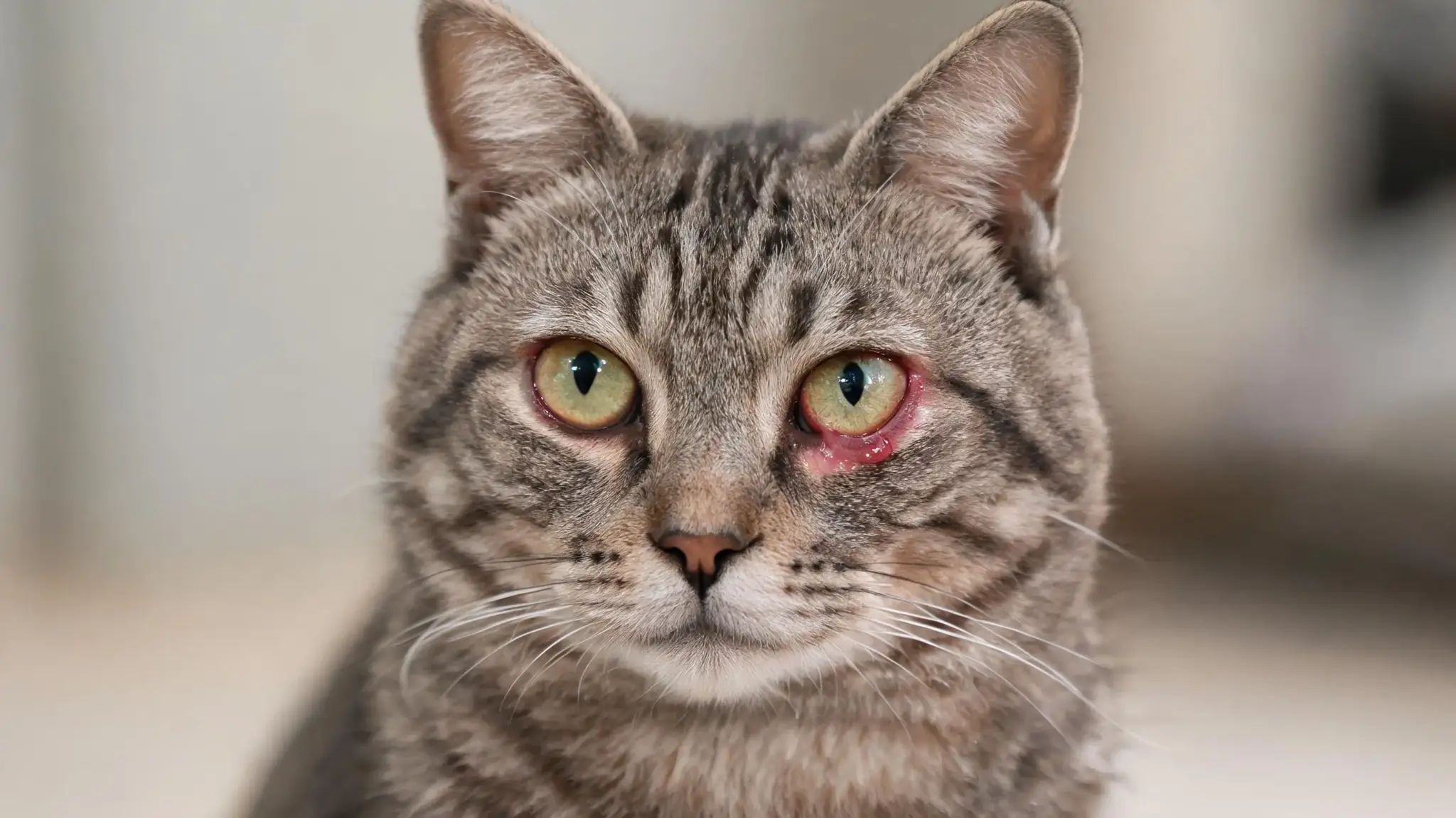
Pain can affect facial expression as well as posture. Squinted eyes, altered ear position, muzzle tension, changed whisker position, and a lowered head may appear together.
The original validation study, hosted by the National Institutes of Health, describes the Feline Grimace Scale as a tool for assessing acute pain.
4. Appetite and Grooming Changes
Pain may reduce appetite or make reaching food and water uncomfortable. Eating slowly, dropping food, chewing on one side, or walking away from meals may occur with dental pain, nausea, or another illness and deserves veterinary attention.
A painful cat may groom less, leaving the coat oily, tangled, or matted. Repeated licking or biting at one area may occur with pain, but skin disease, parasites, allergies, wounds, and altered nerve sensation can cause the same behavior; that’s why keeping up with basic coat maintenance makes new grooming changes easier to notice early.
5. Litter Box, Sleep, and Restlessness Changes
Pain may change how often your cat sleeps or how easily they settle. A painful cat may sleep more, pace, repeatedly change position, or appear unable to get comfortable, a pattern that can sometimes resemble episodes of feline hyperesthesia syndrome.
Watch for urination or defecation outside the litter box, difficulty stepping over high sides, or trouble positioning inside it. These changes may reflect pain, urinary disease, constipation, or reduced mobility.
Changes in drinking can also accompany illness. Record what changed and when rather than trying to identify the cause at home.
Taken together, these observations give your veterinarian a clearer view of what has changed and how urgently your cat may need care.
Normal Behavior vs. Signs of Pain
Not every quiet afternoon or missed jump means your cat is hurting. Compare the change with your cat’s normal routine and look for persistence, worsening, or other signs of illness.
Avoid relying on fixed waiting periods. Some changes require attention as soon as they appear.
| Possible Normal Variation | More Concerning Change |
|---|---|
| Resting after play | New reluctance to rise, walk, jump, or change position |
| Brief hiding after a noise or visitor | Unexplained withdrawal with appetite or mobility changes |
| Normal grooming routine | Matted coat, reduced grooming, or repeated licking |
| Occasional food preference | Eating less, dropping food, or refusing meals |
| Choosing another sleeping spot | Hunched posture or difficulty getting comfortable |
| Brief litter box hesitation | Straining, crying, accidents, or difficulty entering |
Use the table to notice changes, not diagnose pain. Call your veterinarian when a change is sudden, persistent, worsening, or unusual for your cat.
When Cat Pain Becomes an Emergency
Pain can accompany conditions ranging from minor injuries to life-threatening emergencies. The urgency depends on the specific sign, its severity, how quickly it began, and your cat’s overall condition.
Call a veterinary clinic when you are uncertain. Seek emergency care immediately for:
- Open-mouth, labored, or visibly difficult breathing
- Collapse, loss of awareness, or seizure-like activity
- Sudden inability to stand, walk, or use one or more limbs
- Repeated straining with little or no urine
- Major trauma, uncontrolled bleeding, or a severe wound
- Repeated vomiting with weakness or collapse
- Pale, blue, or gray gums
- Severe pain that prevents normal movement or handling
One severe symptom can be enough to require emergency care. Do not wait for several warning signs to appear.
Any cat with breathing difficulty needs immediate veterinary care. Passing little or no urine during repeated attempts is a possible urinary obstruction, which is an emergency.
A cat who stops eating also needs prompt advice, since sustained appetite loss can seriously affect a mature cat within 24 hours.
A cat who stops eating also needs prompt advice. Cornell University College of Veterinary Medicine notes that sustained appetite loss can seriously affect a mature cat within 24 hours.
What to Do if You Suspect Your Cat Is in Pain
Once you notice a change, record what happened and contact your veterinarian. Home observations can help, but they cannot identify the cause or replace an examination.
Write down when the change began, what makes it better or worse, and how it affects eating, drinking, grooming, movement, sleep, and litter box use. Short videos of walking, jumping, climbing stairs, or entering the litter box may also help.
Never give human pain medicine or another pet’s prescription. A documented case report hosted by the National Institutes of Health shows that common human pain relievers can cause severe poisoning in cats.
Keep food, water, bedding, and a low-sided litter box within easy reach. Do not force exercise, massage a painful area, apply a splint, or repeatedly test your cat’s movement unless your veterinarian gives specific instructions.
These steps can reduce unnecessary strain while you arrange appropriate care.
How Veterinarians Assess Pain in Cats
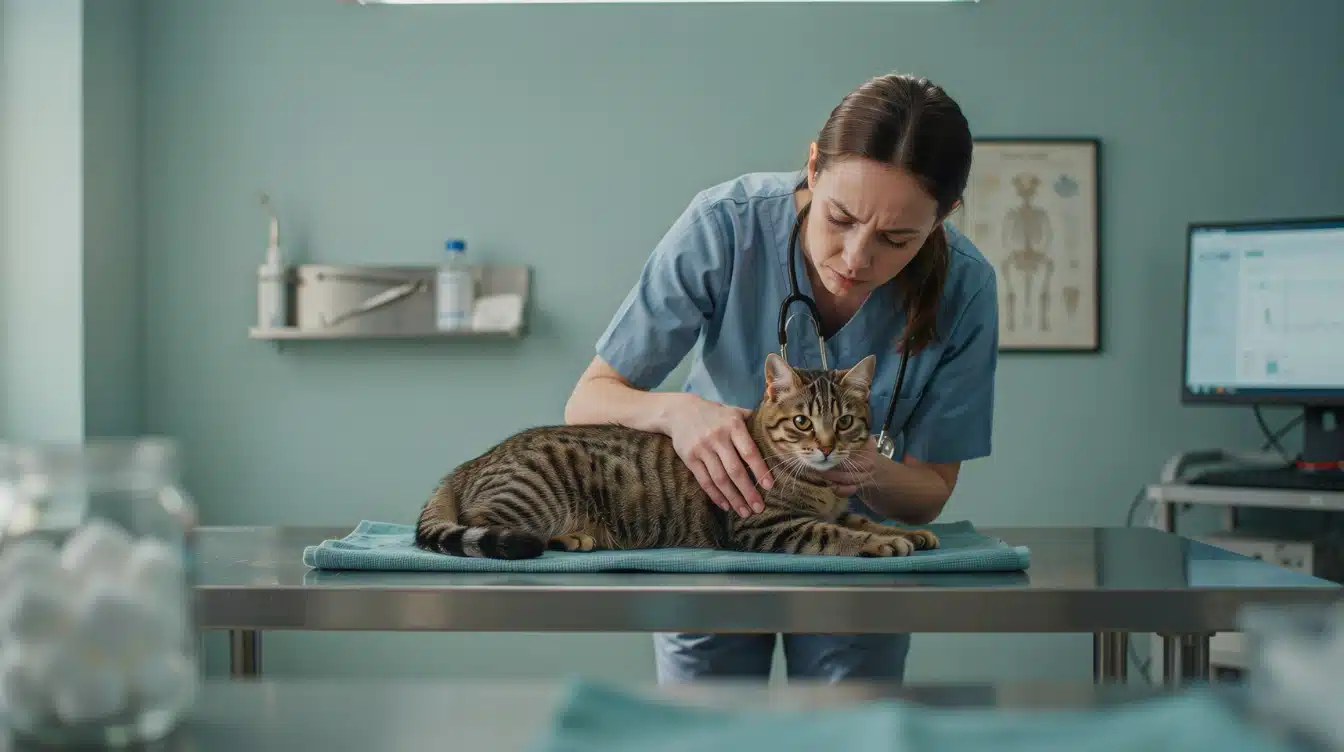
Veterinarians assess pain by combining information from home with observation and a physical examination. No single expression, posture, heart rate, or test confirms pain on its own.
During an assessment, I consider:
- How the cat rests, walks, turns, and responds to handling
- Changes in appetite, grooming, litter box habits, and daily activity
- Caregiver notes about when the changes began
- Home videos showing walking, jumping, or other unusual behavior
- Guarding or sensitivity when a specific area is examined
- Blood and urine test results when indicated
- Dental radiographs, X-rays, ultrasound, or other imaging
- The cat’s response to a veterinarian-supervised treatment plan
- Findings from follow-up examinations
The tests chosen depend on the cat’s history and examination findings. Identifying the cause may require more than one visit, especially when the signs are subtle or have several possible explanations.
Final Thoughts
Knowing how to tell if cat is in pain begins with noticing changes from your cat’s normal routine. In my veterinary work, I look at movement, posture, appetite, grooming, litter box habits, facial expression, and willingness to interact.
A single change may have several causes, but new, persistent, or worsening signs warrant a call to your vet. Never give human pain medicine or another pet’s prescription.
Seek emergency care for breathing difficulty, collapse, sudden inability to walk, major trauma, or repeated straining with little or no urine.
Your observations and home videos can help the veterinarian assess changes that may not appear during an appointment. If your cat seems uncomfortable or behaves unusually, contact your veterinarian today.
Frequently Asked Questions
Can Purring Occur During Pain?
Purring does not always mean a cat feels comfortable. Some cats purr when frightened, stressed, or painful. Read purring alongside posture, appetite, movement, facial expression, and other changes, rather than using it as proof of comfort.
Why Does My Cat Become Clingy?
Pain can make a cat seek reassurance, but some painful cats withdraw or become irritable instead. Any sudden change in affection, handling tolerance, or social behavior deserves attention, especially when paired with appetite or movement changes.
Can Pain Cause Unplanned Weight Loss?
Yes. Dental pain, chronic illness, nausea, and reduced mobility can contribute to weight loss or difficulty eating. Because unplanned weight loss has many possible causes, schedule a veterinary examination rather than assuming pain is responsible.
What Can Shaking or Trembling Mean?
Trembling can occur with pain, fear, weakness, low body temperature, toxin exposure, or neurological illness. Repeated shaking, collapse, breathing changes, weakness, or altered awareness needs prompt veterinary advice and may require emergency care at once.