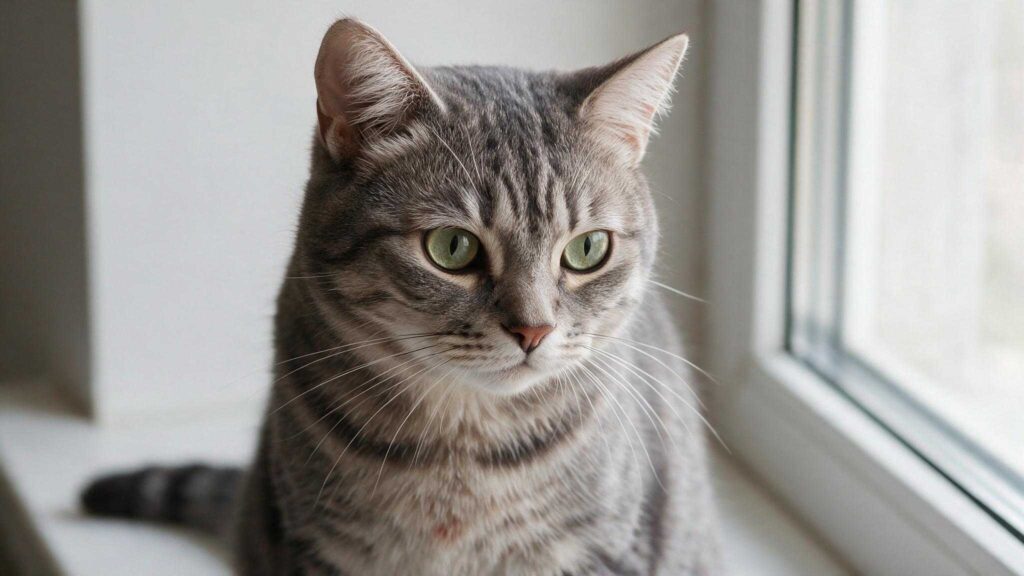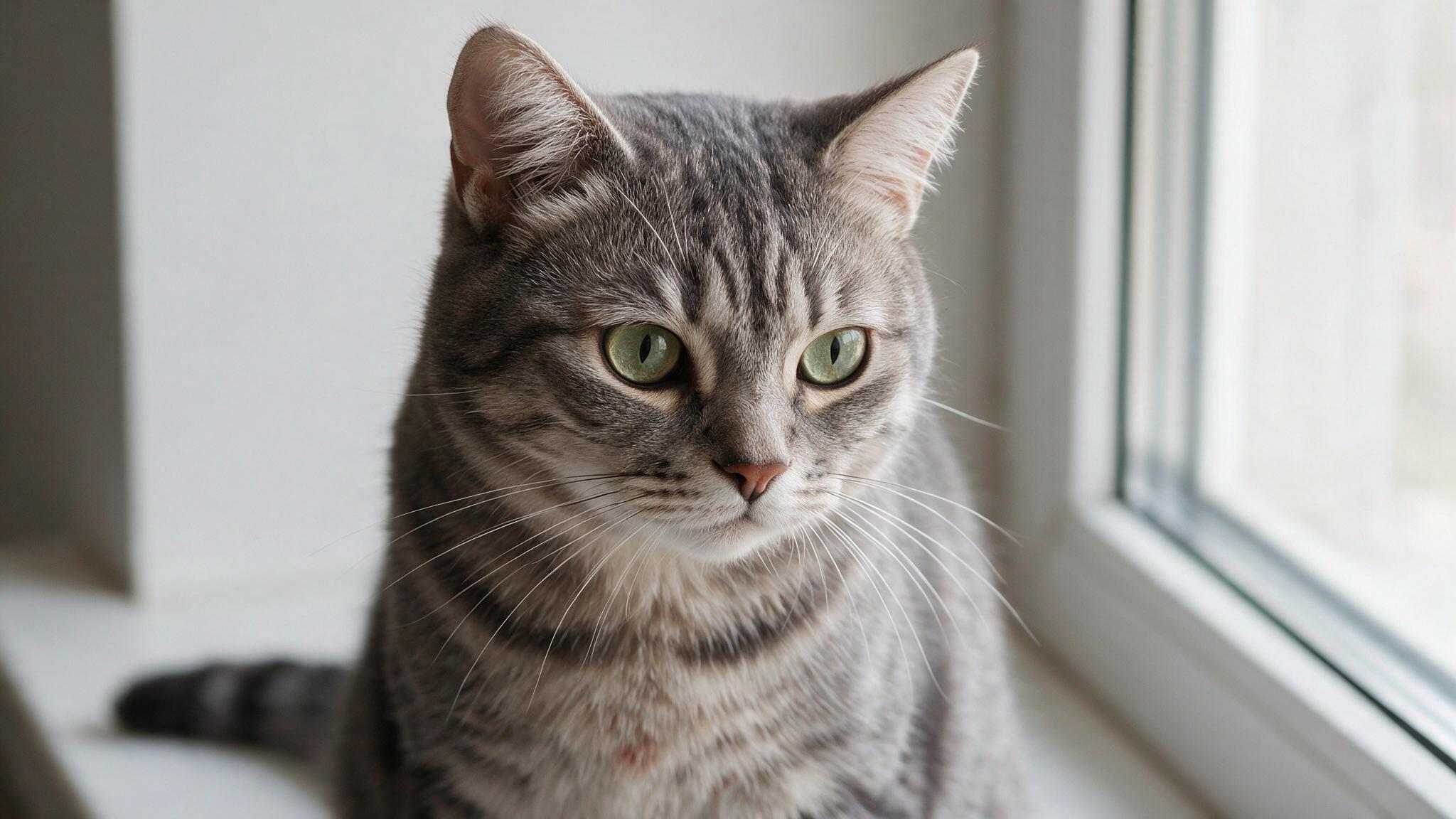


When your cat’s back ripples without warning and they spin toward their tail, the moment can be frightening. The episode may stop quickly, leaving you unsure about what happened or how serious it might be.
In more than 15 years as a veterinarian in Minnesota, I have treated thousands of patients with concerns ranging from common skin irritation to complex health problems. That experience has taught me not to judge unusual behavior from one sign alone.
Feline hyperesthesia syndrome is one possible explanation, but pain, parasites, allergies, spinal conditions, and seizure disorders can look similar.
I will explain the signs, possible causes, diagnostic process, treatment choices, home care, and warning signs that need urgent veterinary attention.
What Is Feline Hyperesthesia Syndrome?
Feline hyperesthesia syndrome describes a poorly understood pattern of episodic skin sensitivity and unusual behavior. It is also called twitchy cat syndrome or rolling skin syndrome.
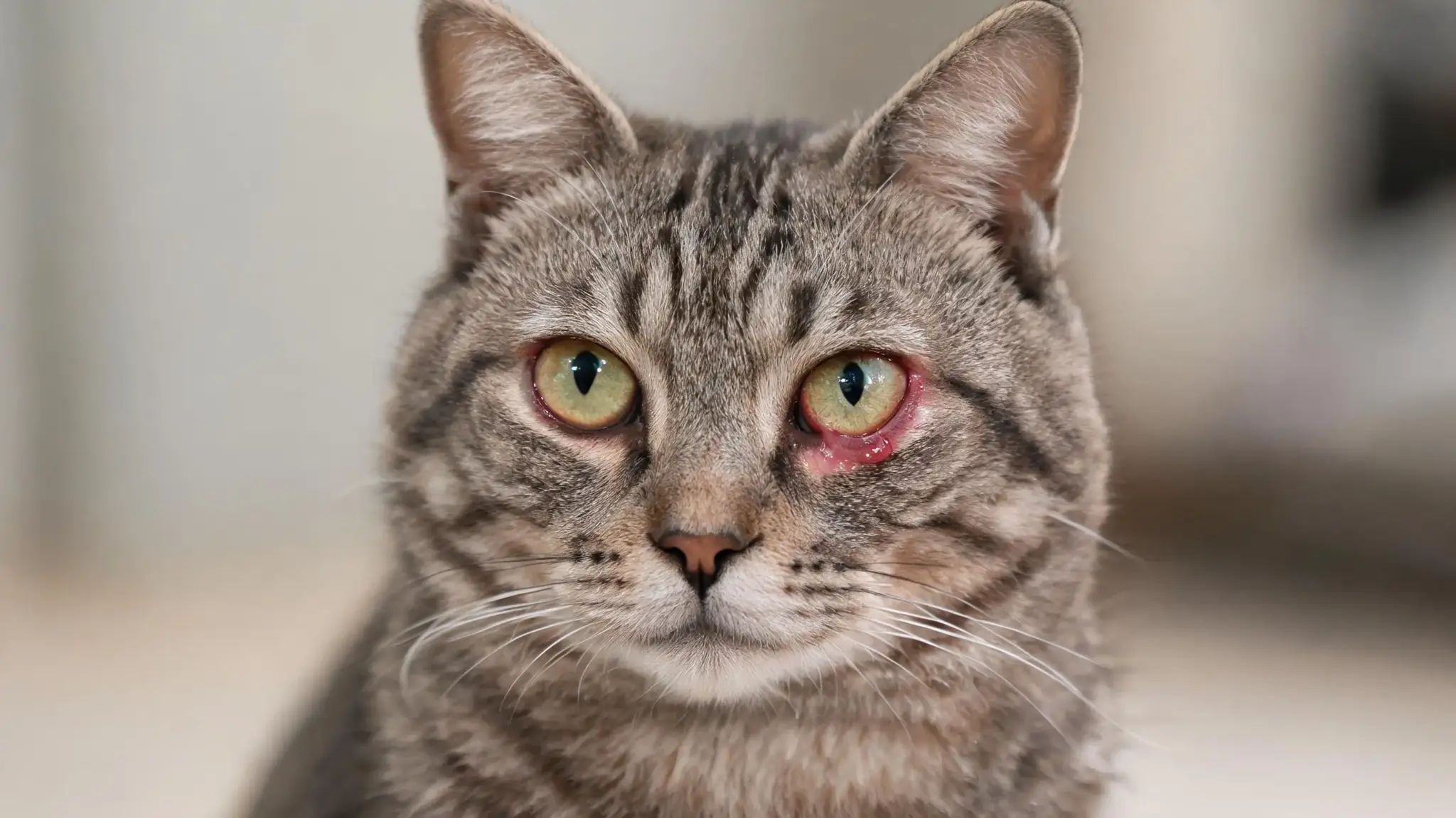
Affected cats may react suddenly when the lumbar area or tail base is touched. Episodes can also occur without an obvious trigger. Possible signs include skin rippling, dilated pupils, sudden running, vocalization, tail chasing, or biting at the back or tail.
A retrospective case series published through the National Institutes of Health found that pain, parasites, allergies, fungal infections, and spinal conditions must all be considered.
Because several problems can look similar, recognizing the pattern is only the first step. A veterinary examination is needed before treatment begins.
| Important: Skin rippling, tail chasing, or sensitivity near the lower back does not confirm this condition. Pain, parasites, allergies, spinal problems, and other medical issues can cause similar signs. |
Common Signs and Symptoms
The syndrome can look different from one cat to another. These signs may appear alone or in clusters, and none confirms the condition without a veterinary assessment.
Watch the entire episode rather than focusing on one movement. The surrounding behavior and your cat’s recovery can provide useful clues.
| Sign You Notice | What It Tells You |
|---|---|
| Skin rippling along the back | An episode may be occurring, but skin irritation and pain can look similar |
| Sudden running or jumping | The cat is highly aroused or distressed, but the cause is not clear from this sign alone |
| Biting or licking the tail base | The area may be itchy, painful, or unusually sensitive |
| Tail chasing | May occur during an episode but does not confirm the syndrome |
| Aggression after petting | Stop touching the cat because discomfort, fear, or pain may be involved |
| Dilated pupils or drooling | May accompany an episode or another neurological or stress response |
| Sudden vocalization | Suggests distress but does not identify the cause |
No single sign confirms the diagnosis, and even common tail movements in cats can look similar to a hyperesthesia episode without being one. Record the complete episode and share it with your veterinarian.
What May Cause Similar Episodes?
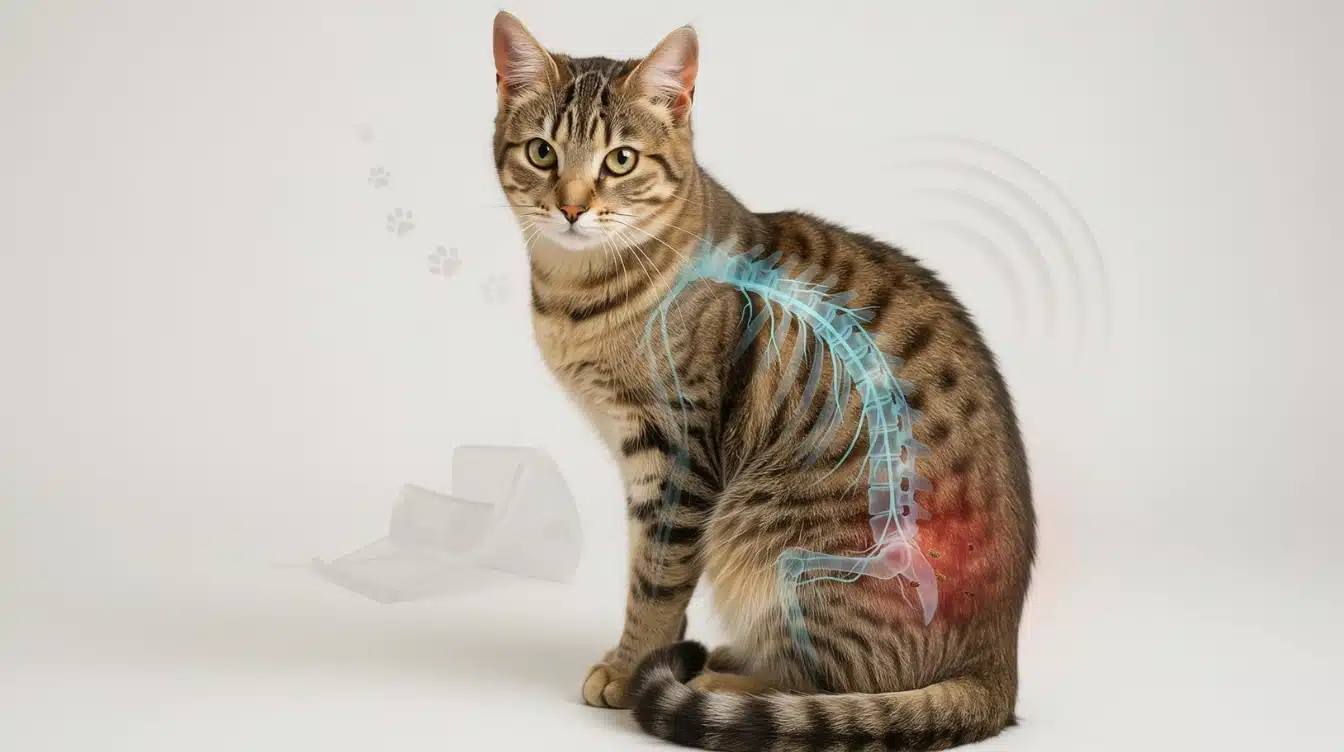
No single cause explains every suspected case. Veterinarians first look for separate, treatable problems that can create the same skin rippling, sensitivity, or tail-directed behavior.
This integrated approach considers skin disease, pain, neurological disorders, and behavior together, since treatment differs for each cause.
1. Skin Problems
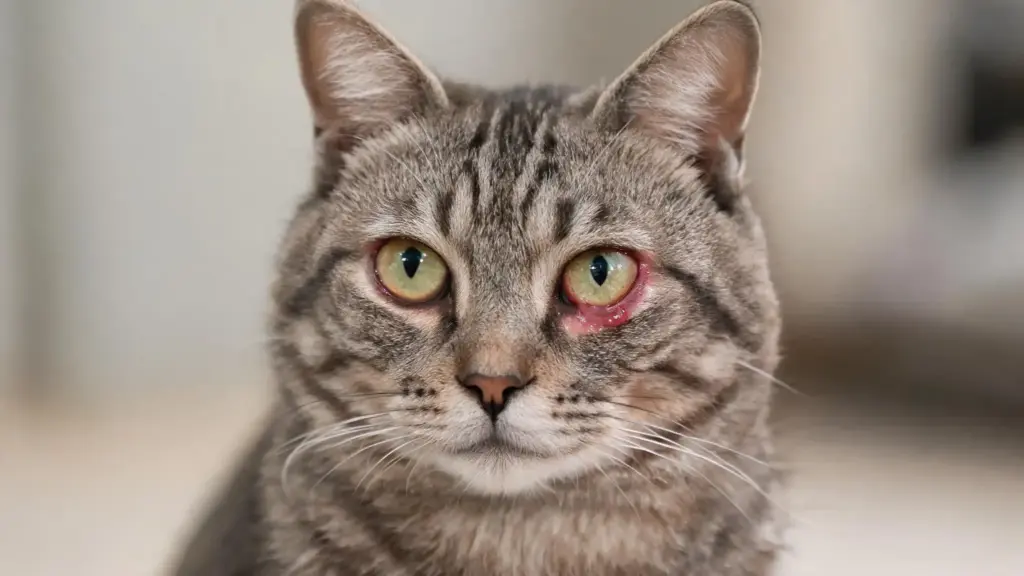
Fleas, allergies, infections, and other skin problems can cause itching, grooming, biting, and sensitivity near the tail. A cat may react strongly when irritated skin is touched.
Parasite control and a skin examination may therefore be early parts of the work-up, and staying on top of routine coat and skin care at home can make new irritation easier to notice early. Finding and treating a skin problem may explain the signs without requiring an FHS diagnosis.
2. Pain and Neurological Problems
Spinal pain, intervertebral disc disease, tail trauma, altered nerve sensation, and seizure disorders may produce overlapping signs. A veterinarian may recommend a neurological examination or imaging when the history and physical findings support it.
Some descriptions report Siamese cats more often, but no confirmed inheritance pattern or genetic test exists, and working through a broader checklist of pain signs can help you describe what you’re seeing more precisely. Cats of any breed can show similar behavior.
3. Stress and Behavior
Stress, anxiety, and compulsive behavior may contribute to episodes or make them more noticeable. Changes in the household, conflict between cats, and unpredictable handling can matter.
A stress pattern does not rule out pain or another medical problem. Track possible triggers and share them as one part of the veterinary history.
Because these possibilities overlap, the next step is a veterinary examination rather than an at-home diagnosis.
How FHS Differs from Similar Conditions
Several conditions can produce skin movement, sudden activity, sensitivity, or tail-directed behavior. The differences are not always visible at home, so this comparison should help you describe the signs rather than diagnose them.
Your veterinarian will use the history, examination, and selected tests to assess each possibility.
| Condition | Overlapping Signs | Clues the Veterinarian May Assess |
| Flea allergy or skin disease | Biting, scratching, licking, and hair loss | Itching, crusts, inflammation, parasites, infection, or an allergy pattern |
| Seizure disorder | Sudden movement, vocalization, drooling, or altered behavior | Loss of awareness, repeated motor activity, abnormal recovery, or other neurological findings |
| Spinal or tail pain | Sensitivity, aggression when handled, or reduced activity | Pain in a consistent location, altered gait, weakness, or reduced jumping |
| Suspected hyperesthesia syndrome | Skin rippling, sudden running, tail chasing, or self-biting | Episodic signs remain after other reasonable explanations have been assessed |
These clues guide the work-up but do not diagnose the condition at home. Videos and detailed notes can help the veterinarian decide which tests are appropriate.
How Veterinarians Diagnose FHS
There is no single blood test or scan that confirms feline hyperesthesia syndrome. Diagnosis begins with the history, videos of episodes when available, and a complete physical examination.
The veterinarian may examine the skin and coat, look for parasites, assess painful areas, and perform orthopedic and neurological checks. Blood and urine tests may identify systemic illness or help guide further testing.
Depending on the findings, the veterinarian may consider skin testing, a diet trial, parasite treatment, imaging, or referral. A veterinary dermatologist, neurologist, or veterinary behaviorist may become involved when the cause remains unclear.
FHS is a diagnosis of exclusion because other reasonable explanations must be assessed first. The work-up should be individualized rather than identical for every cat.
Treatment Options That Can Help
Treatment depends on the suspected cause and the severity of each cat’s episodes. A veterinarian should first assess skin disease, parasites, pain, spinal problems, and other conditions that can produce similar signs.
- Prescription medication: A veterinarian may prescribe fluoxetine, gabapentin, or another medication based on the cat’s symptoms. Do not give these drugs, change the dose, or stop treatment without veterinary instructions.
- Environmental support: Your veterinarian may recommend changes at home as part of an individual treatment plan. Practical steps appear in the home-management section below.
- Protection from self-injury: Cats that bite or damage their tails need prompt veterinary care. Use temporary protective measures only under professional direction.
- Ongoing monitoring: Record when episodes happen, how long they last, possible triggers, and any medication effects. A short video can help the veterinarian assess the behavior.
- Follow-up appointments: Treatment may need adjustment if episodes continue or side effects appear. Keep every recommended follow-up appointment, even when the episodes improve.
A retrospective study by Pauciulo et al. reviewed 28 cats followed for at least one year. Twenty-three cats, or 82 percent, had no episodes for at least nine months. This included 15 of the 16 cats treated with fluoxetine alone.
The findings are encouraging but do not prove that fluoxetine is right for every cat. The groups were small, were not randomized, and differed in treatment and case severity. Half of the cats were still receiving medication at the one-year follow-up.
Treatment works differently for each cat. Diagnosis, careful monitoring, and regular veterinary follow-up remain central to a safe plan.
What to Do During an Episode
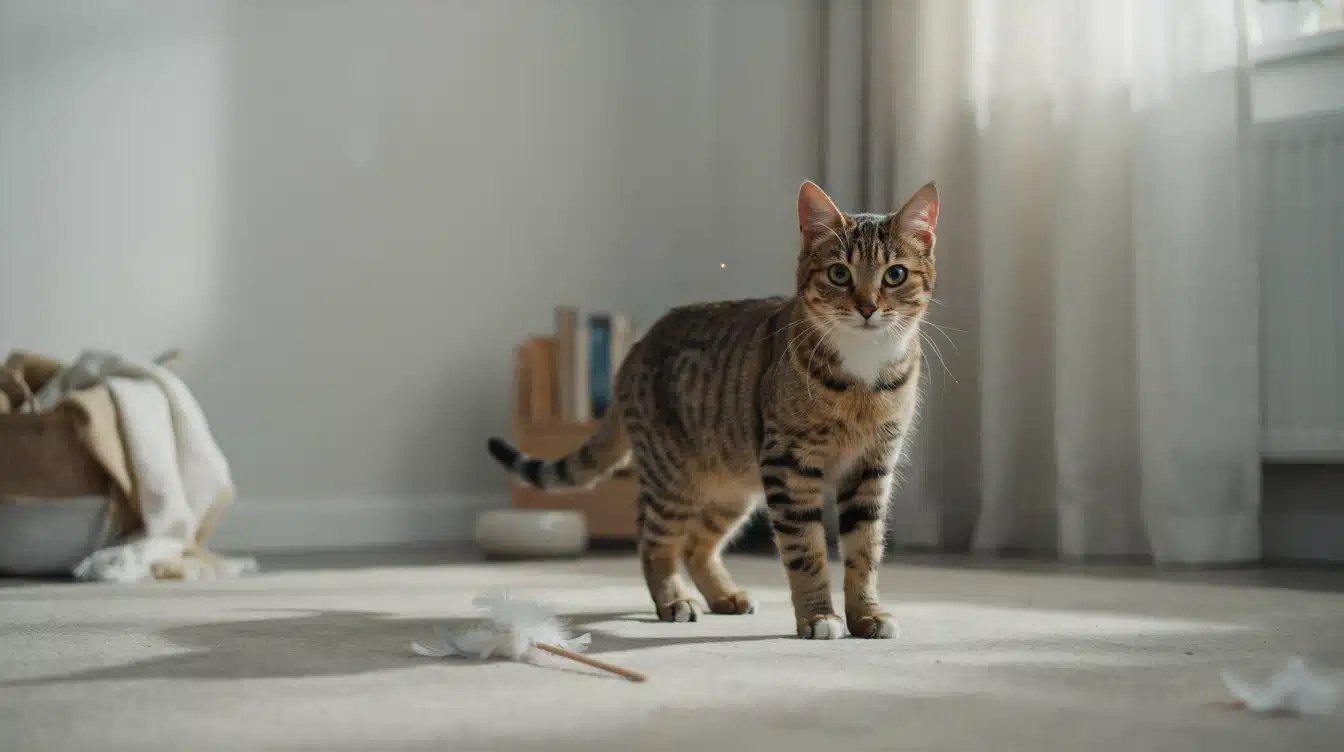
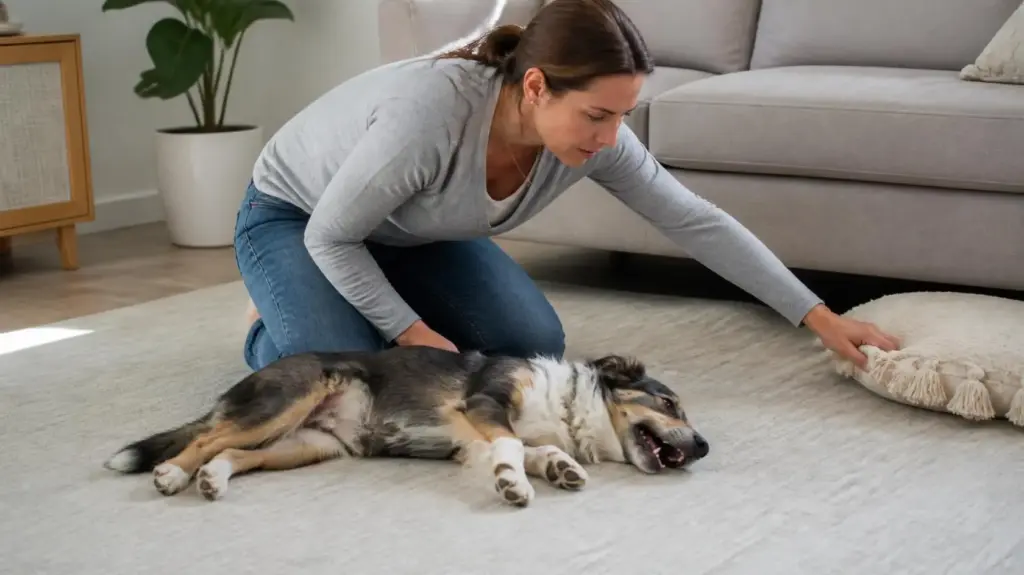
An episode can look frightening, especially when your cat suddenly runs, bites at their tail, or reacts aggressively. Focus first on preventing injury and reducing stimulation.
Do not attempt to identify the cause while the episode is happening. Follow these steps:
- Stop touching the sensitive area.
- Step back and avoid holding or restraining your cat.
- Reduce noise and keep other pets or people away.
- Move nearby objects only when you can do so safely.
- Record a video from a safe distance when possible.
- Note the start time, duration, possible trigger, and recovery.
- After your cat settles, allow them to approach you instead of forcing contact.
Contact your veterinarian when episodes are new, recurring, or becoming more intense. Severe self-injury, collapse, or seizure-like activity requires faster help.
How to Reduce Stress at Home
A predictable environment may reduce stress-related triggers and support your cat’s treatment plan. It cannot prevent every episode or replace veterinary care.
NIH-hosted veterinary research recommends safe resting places, separated resources, play opportunities, and consistent human interaction.
- Keep feeding and play times as consistent as possible.
- Provide quiet hiding and resting spaces.
- Separate food, water, litter boxes, and resting areas in multi-cat homes.
- Offer regular play without using hands as toys.
- Let your cat choose when petting begins and ends.
- Avoid punishment during or after an episode.
- Introduce household changes gradually when possible.
Make one change at a time and track your cat’s response. Environmental support is one part of care, and its effect will differ from cat to cat.
Can This Condition Be Cured?
There is no guaranteed cure, but some cats respond well to individual treatment. The goal is to reduce episodes, prevent self-injury, manage any underlying problem, and protect quality of life.
Published case series report improvement with medication, environmental management, behavior support, or a combination of approaches. Some cats remain episode-free for extended periods, while others have recurring signs or need continued medication.
Response time differs between cats. Medication may need adjustment if side effects occur or symptoms continue.
Prompt assessment is especially important when a cat damages the skin or tail. Even after improvement, continue monitoring and follow the veterinarian’s instructions for medication and follow-up care.
When to Contact a Veterinarian
New or recurring episodes deserve veterinary attention, even when your cat appears normal afterward. The level of urgency depends on the severity, recovery, and risk of injury.
Use the following signs to decide how quickly to seek help:
| Situation | Recommended Response |
| Brief new episode with full recovery | Contact your regular veterinarian for advice and an appointment |
| Repeated or increasingly frequent episodes | Arrange a prompt veterinary assessment |
| Open wounds or repeated self-biting | Seek same-day veterinary advice |
| Appetite loss, persistent pain, or major behavior change | Contact your veterinarian promptly |
| Sudden weakness or loss of limb use | Seek emergency veterinary care |
| Collapse, breathing trouble, or seizure-like activity | Seek emergency veterinary care immediately |
| Significant trauma or inability to urinate | Seek emergency veterinary care immediately |
Seizures, collapse, significant trauma, sudden limb weakness, and inability to urinate are all considered urgent-care emergencies.
When uncertain, call a veterinary clinic and describe the episode. A professional can help determine the safest level of care.
| Emergency warning: General online information cannot determine the urgency of your cat’s condition. Contact an emergency veterinary clinic immediately for collapse, breathing trouble, seizure-like activity, sudden weakness, serious wounds, or severe self-injury. |
Final Take
Feline hyperesthesia syndrome can look alarming, but I want you to remember that skin rippling or tail chasing does not confirm the condition on its own.
In my veterinary work, I begin by considering treatable causes such as parasites, skin disease, pain, and spinal or neurological problems.
Once those possibilities are assessed, medication, environmental changes, and behavior support may help reduce episodes and protect your cat from self-injury. Keep notes about each event, including its timing, length, possible trigger, and your cat’s recovery.
Seek urgent care for severe wounds, collapse, breathing trouble, sudden weakness, or seizure-like activity. If the episodes are new, recurring, or becoming more intense, schedule a veterinary examination today and bring any videos you recorded.
Frequently Asked Questions
Is This Condition Contagious?
No. The condition is not known to spread between cats or from cats to people. If two cats in one home develop similar behavior, assess environmental stressors, parasites, skin disease, or another shared factor.
Can Cats Appear Normal Between Episodes?
Many affected cats appear normal between episodes, especially when events are brief. Persistent pain, weakness, skin damage, appetite changes, or unusual behavior between events may point to another problem and should be reported to the veterinarian.
Does Every Back Ripple Need a Vet Visit?
An occasional skin movement can occur when a cat responds to touch, irritation, or a nearby insect. Arrange an examination when rippling is new, frequent, distressing, or accompanied by biting, running, vocalization, pain, or behavior changes.
Can the Condition Shorten a Cat’s Life?
The condition itself is not known to shorten a cat’s life, but severe self-injury and untreated underlying disease can affect health and comfort. Regular monitoring and veterinary follow-up help protect overall long-term quality of life.