Has your cat suddenly raced across the room, jumped on furniture, or sprinted through the house for no clear reason?
These sudden bursts of energy can make many owners wonder if something is wrong or if their cat is simply being playful. Understanding why cats get the zoomies can help explain these quick runs and what they mean.
Cat zoomies are usually a normal part of feline behavior and often show that a cat is active, comfortable, and releasing stored energy.
These bursts can happen after sleeping, eating, playing, or using the litter box. Learning what triggers them can help you recognize normal behavior and know when something may need attention.
What are Cat Zoomies?
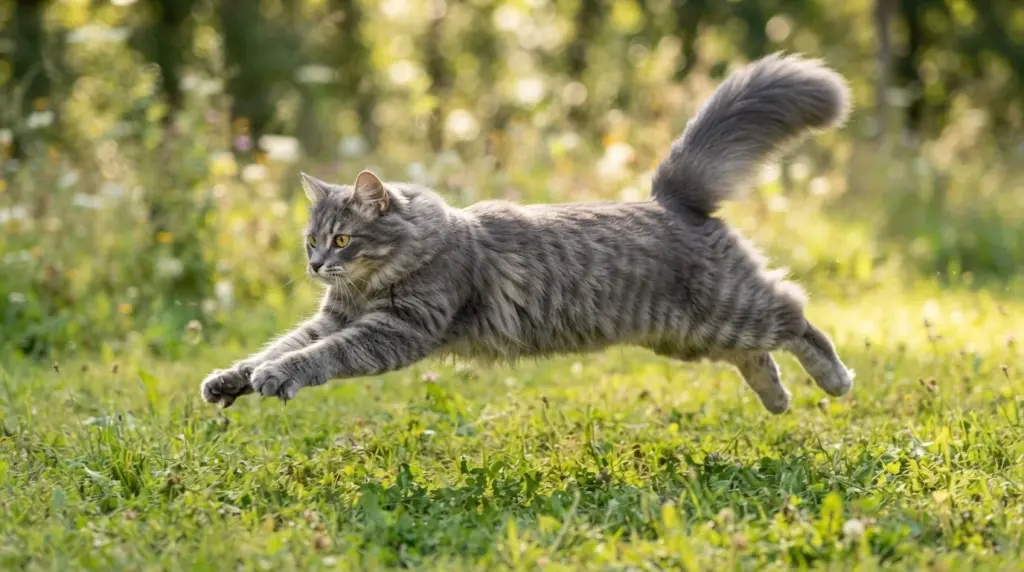
Cat zoomies are short bursts of frantic energy when a cat suddenly runs, jumps, spins, or races around the house. Veterinarians even have a name for them: Frenetic Random Activity Periods, or FRAPs. They show up in cats of every age and almost always reflect healthy, instinct-driven behavior rather than a problem.
During a zoomie, your cat might bolt from room to room, skid around corners, chase something invisible, or scramble up and over the furniture.
It looks chaotic, but the movements echo natural feline instincts: stalking, chasing, and pouncing, packed into a few intense minutes. Indoor cats are especially prone to them because they have fewer chances to hunt and roam, so these bursts become their main outlet for pent-up energy.
For general background on feline behavior, the ASPCA’s guide to common cat behavior issues is a good starting point.
Why Do Cats Get the Zoomies?
There’s rarely a single cause. Most zoomies come down to a cat releasing built-up energy and acting on natural instincts. The most common triggers:
- Stored energy after rest: Cats sleep for much of the day, and after a long nap, the body has energy to burn. A quick sprint lets them stretch and move at full speed.
- Hunting instinct: The running, sharp turns, and pouncing mimic the movements wild cats use to catch prey. It’s practice, not aggression.
- Post-litter box relief: Many cats dash off right after using the litter box, likely due to a mix of physical sensations and plain relief. Occasional bathroom-time zoomies are normal.
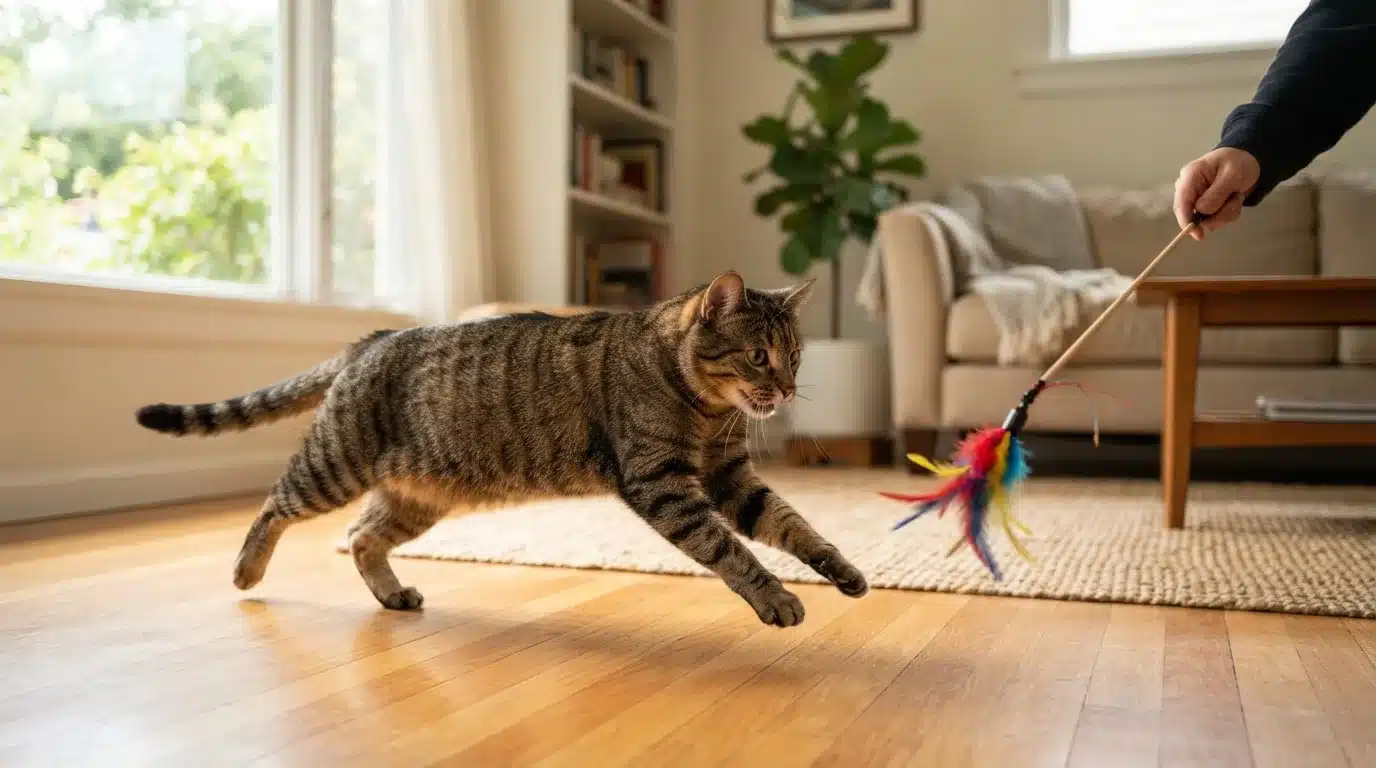
- Play and excitement: A fun play session or a favorite toy can tip a cat into a full-speed burst.
- Mealtime energy: Some cats get a spark of energy right after eating, especially on a familiar feeding schedule.
Most episodes last only a couple of minutes and end on their own once the cat feels tired or satisfied, after which they slip straight back into grooming, resting, or lounging.
When Do Cats Usually Get the Zoomies?
Zoomies rarely happen at random. Most cats have predictable periods when their energy peaks, often linked to their natural body clock.
Normal sleep patterns in cats often leave them most active around dawn and dusk. A cat that sleeps throughout the day may start racing around at midnight or before sunrise. An evening play session can release some energy before bedtime.
Some cats also run around after meals before settling down. Age affects the frequency as well. Kittens may have several bursts each day, while adult and senior cats usually have shorter, less frequent episodes.
Once you recognize your cat’s usual schedule, timing play before its most active period may reduce late-night running and support quieter sleep.
Are Cat Zoomies a Sign of a Problem?
For the vast majority of cats, no. A cat that runs around happily and then returns to normal is simply being a cat. The behavior itself is almost never the concern.
What matters is whether anything unusual shows up alongside it. It’s worth paying closer attention to if zoomies come with:
- Signs of stress: hiding, excessive meowing, or fearful body language
- Signs of pain: limping, reluctance to move, or sensitivity after running
- Litter box trouble: straining, frequent trips, crying, or changes in habits
- Sudden hyperactivity in a senior cat, especially alongside other new symptoms
- Coordination problems: stumbling, disorientation, or unusual movements
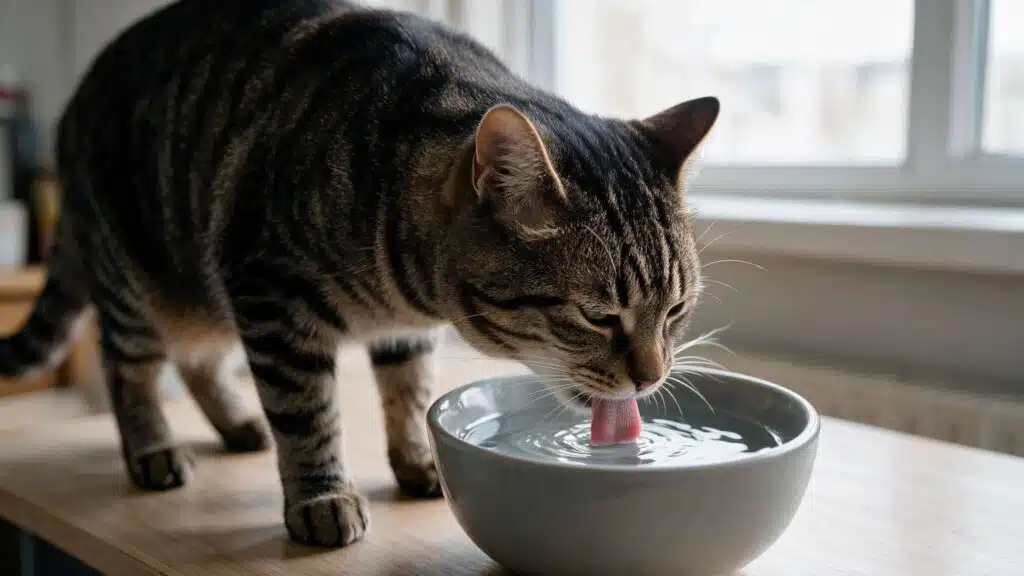
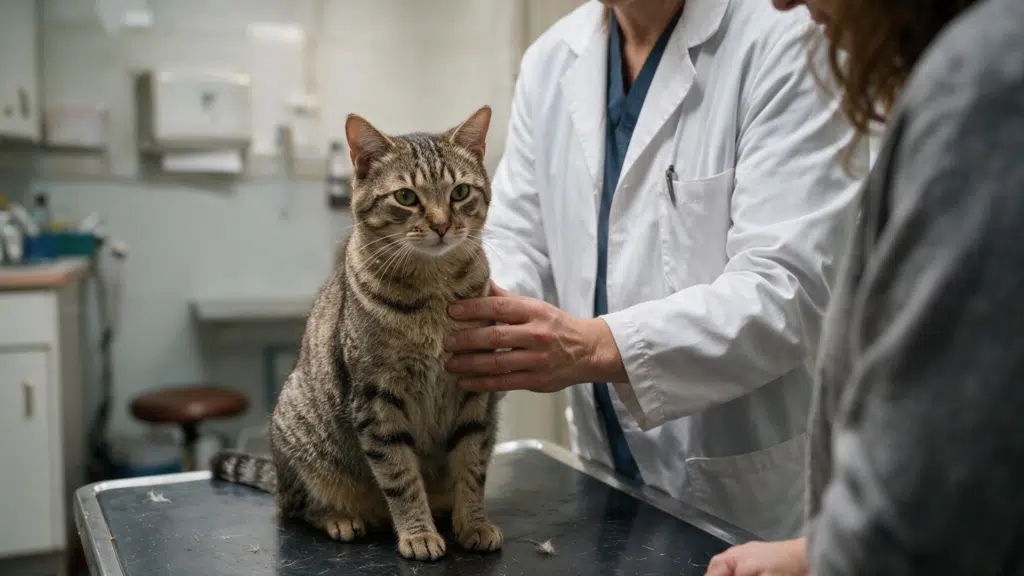
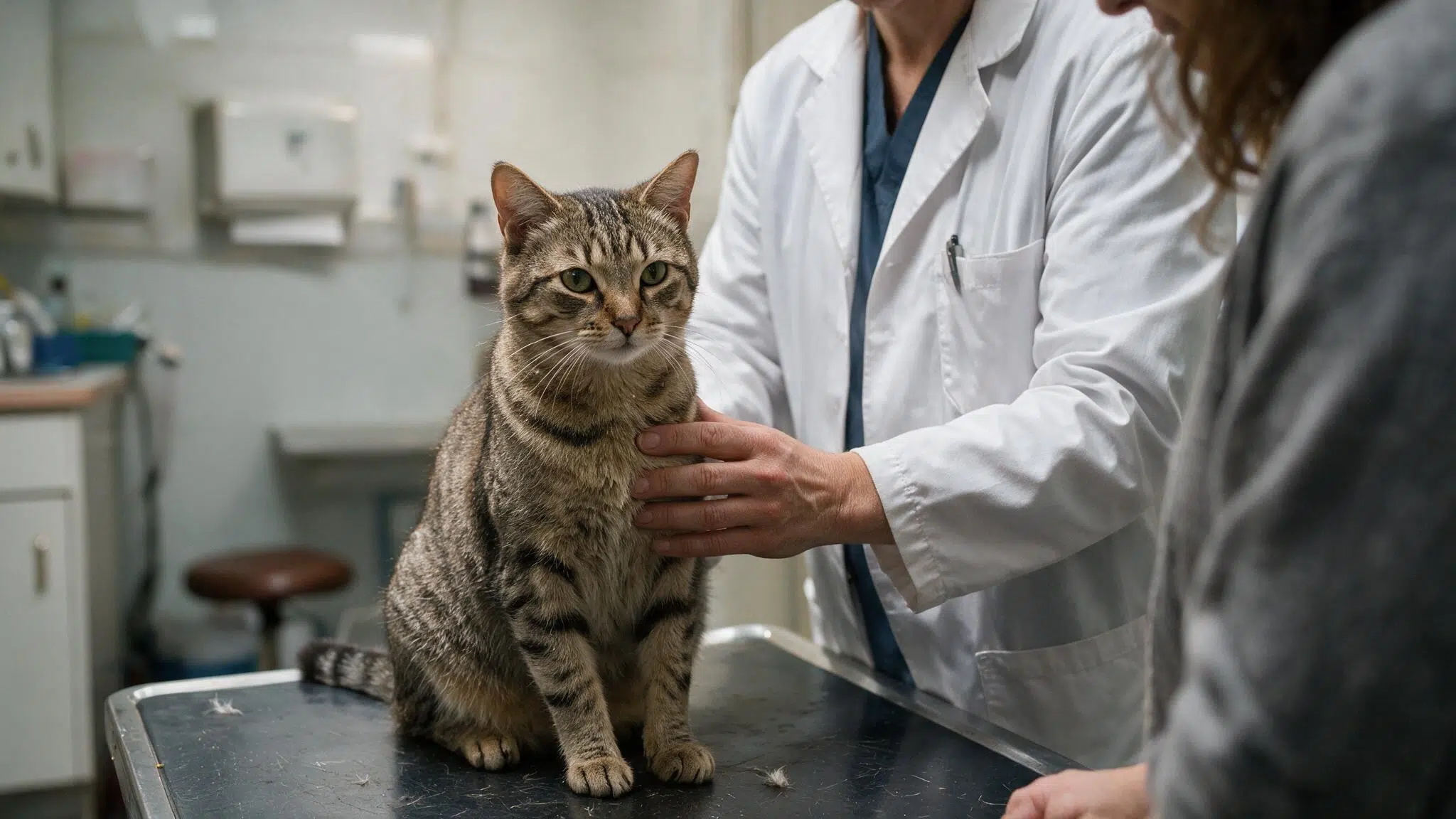
A healthy cat keeps a steady rhythm of eating, sleeping, grooming, and playing, and a normal zoomie session ends with a return to those everyday activities. But if the running is accompanied by weight loss, increased thirst, confusion, or a marked change in behavior, check in with your veterinarian.
In older cats, a sudden increase in energy can occasionally point to a health issue. Restlessness, weight loss, increased thirst, or a stronger appetite may be symptoms of hyperthyroidism in cats, so mention these changes during a veterinary checkup.
| Caution: A sudden change in how often or how intensely your cat zooms, especially in a senior cat, is worth a vet’s attention even if nothing else seems obviously wrong. It can be an early sign of pain, an overactive thyroid, or another underlying issue. |
What Cat Owners Say About Zoomies
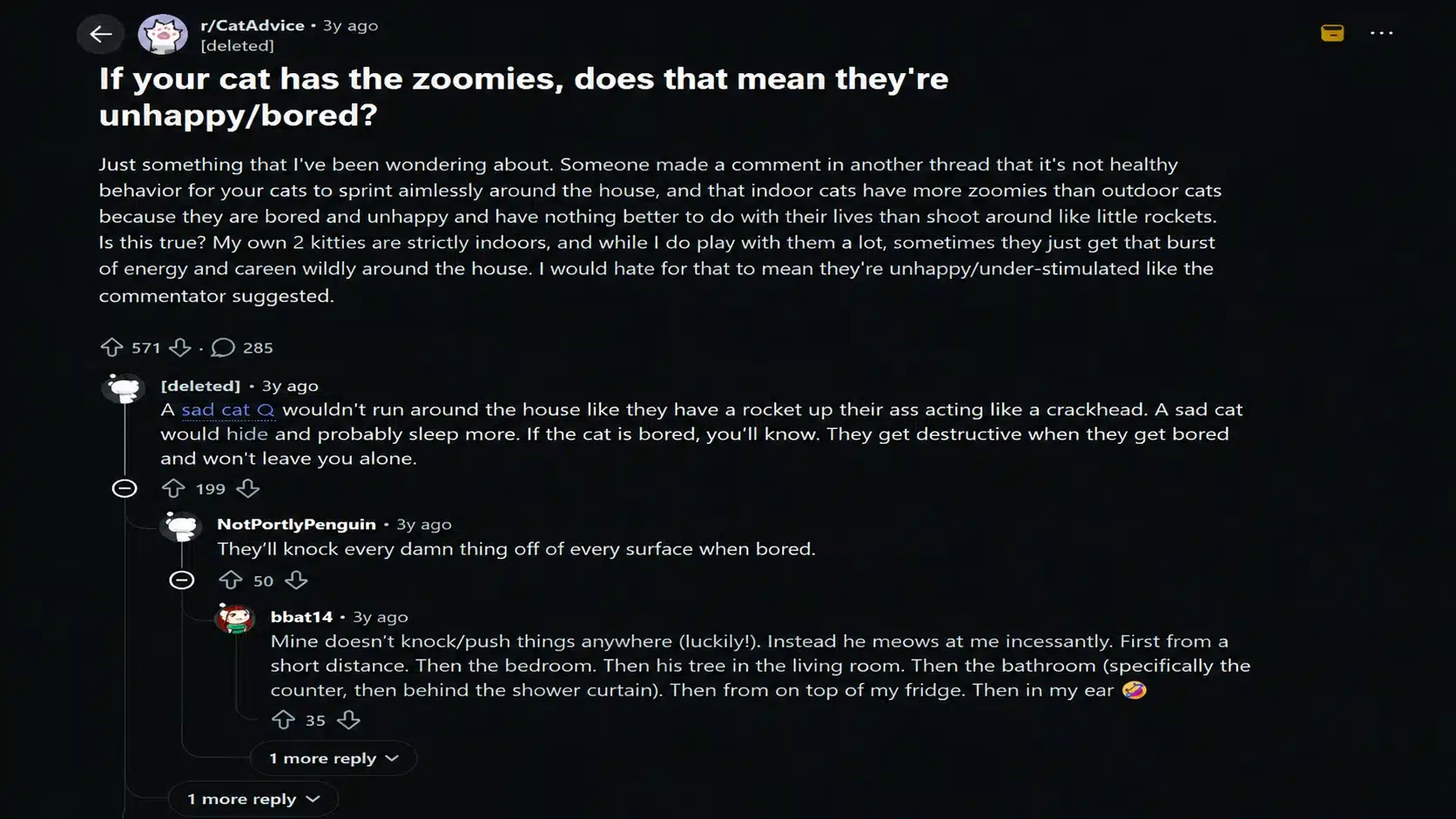
Zoomies come up often among cat owners. In one thread, an owner asked whether a cat racing around the house meant something was wrong.
Most replies landed on the same reassuring point: zoomies are usually just energy release and a sign the cat feels at home.
Owners described cats zooming after naps, at night, and after the litter box with no signs of distress, and noted that even older cats still get the urge.
A common theme is that the bursts only became a concern when paired with something else, such as a change in litter box habits or signs of discomfort, which served as the cue to book a checkup. These are personal anecdotes, of course, not a substitute for veterinary advice if your cat seems unwell.
How to Manage Cat Zoomies Safely
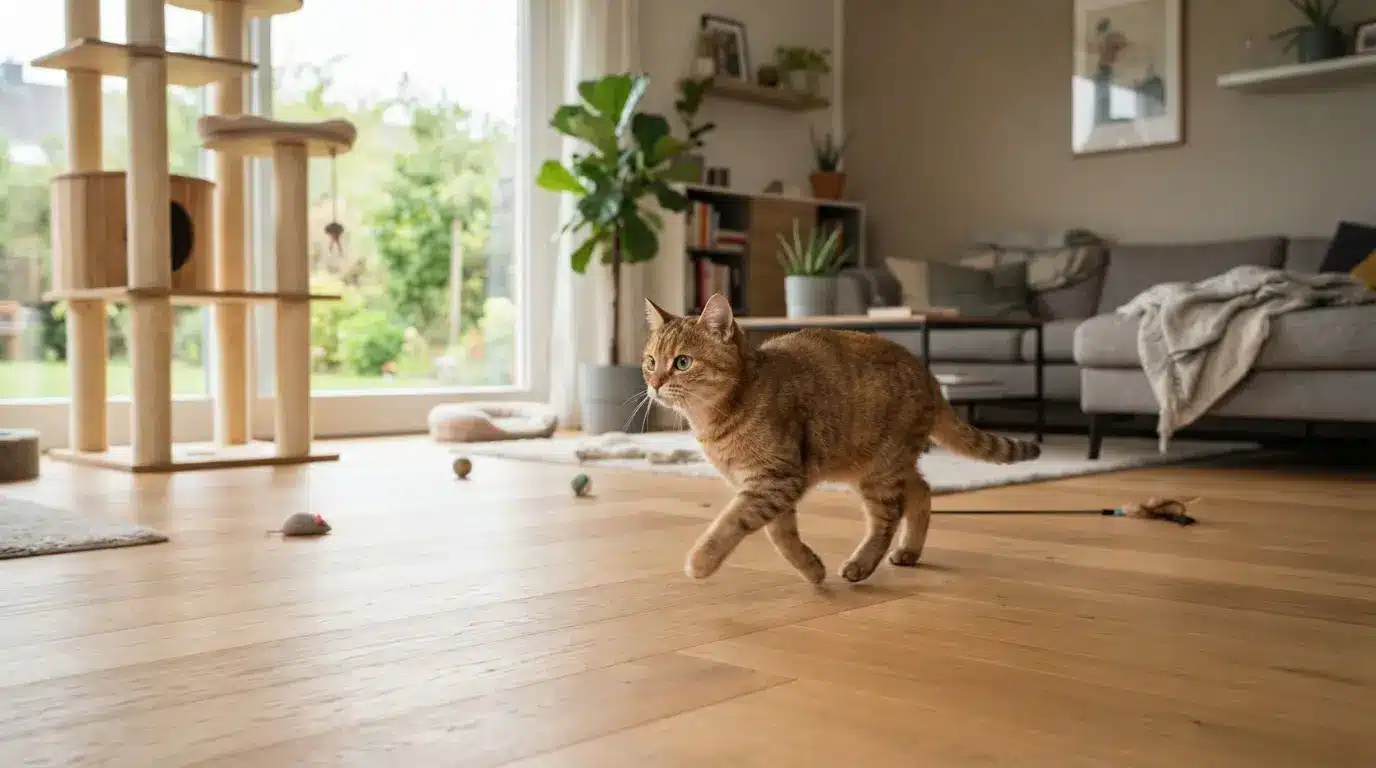
The goal isn’t to stop zoomies (they’re healthy) but to make sure your cat can let loose without getting hurt.
Set up a safe space: Clear running paths of clutter, secure any wobbly furniture your cat might launch onto, tidy away anything breakable or slippery, and offer sturdy toys without small parts that could be swallowed.
Build in daily play: Regular cat enrichment activities, including wand-toy sessions, puzzle feeders, and chase games, provide a controlled outlet for energy and reduce boredom. Playing shortly before your cat’s usual active period may also help them settle afterward.
One thing to avoid: chasing, shouting at, or physically grabbing a cat mid-zoomie. It won’t stop the behavior and can leave your cat anxious. Let the burst run its course.
Handled this way, zoomies stay exactly what they should be: a safe, satisfying way for your cat to burn off steam. A little planning up front means you can relax and enjoy the show instead of worrying about it.
| Tip: Rotate your cat’s toys every week or two instead of leaving them all out at once. A “new” toy reignites interest and gives indoor cats a fresh reason to burn energy, which can quietly cut down on restless late-night zoomies. |
Common Mistakes to Avoid
Even well-meaning owners can turn a harmless zoomie into a stressful moment. Most of the slip-ups below come from reading the behavior as a problem rather than a normal burst of energy. Here’s what to skip and what to do instead.
| Mistake | Better Approach |
|---|---|
| Punishing a cat for running | Let them move safely and redirect energy with a toy |
| Assuming every zoomie signals a problem | Look for other symptoms before worrying |
| Leaving hazards in the way | Clear the space before active periods |
| Skipping playtime | Add regular play to support healthy energy release |
| Forcing a cat to stop | Allow the natural burst to finish |
The common thread here is simple: respond to the reason behind the behavior, not just the behavior itself. Once you stop treating zoomies as a problem to be corrected, they become one of the easier parts of living with a cat to enjoy.
Conclusion
Cat zoomies are usually a fun and harmless part of living with a healthy, energetic cat. These sudden bursts often happen after a nap, a meal, a litter box visit, or during early morning and evening hours when cats naturally become more active.
Understanding why cats get the zoomies makes it easier to recognize these moments as normal behavior rather than something to worry about.
While most zoomies do not need any intervention, sudden changes, signs of pain, or unusual behavior alongside them may need a closer look.
By paying attention to your cat’s usual patterns and keeping their environment safe, you can let them enjoy these energetic bursts comfortably. Share your cat’s funniest zoomie habit in the comments below.
Frequently Asked Questions
Are Cat Zoomies the Same as Dog Zoomies?
Pretty much. Both are what vets call Frenetic Random Activity Periods: a short, harmless release of pent-up energy. The style and triggers differ a little between species, but the underlying idea is the same.
Can Fleas or Itchy Skin Cause Sudden Zoomies?
Sometimes. A cat that suddenly bolts while biting or twitching at its back or tail may be reacting to fleas or skin irritation rather than having a happy burst. If the running is accompanied by frantic scratching or over-grooming, it’s worth a visit to the vet.
Do Some Cat Breeds Get Zoomies More than Others?
Often, yes. High-energy, athletic breeds such as Bengals, Abyssinians, and Siamese tend to be more active and playful, so they may zoom more frequently. That said, an individual cat’s personality usually matters more than its breed.
Can Zoomies Happen in Multi-Cat Households?
Definitely. Cats often set each other off, chasing and zooming together as a form of play. As long as it stays playful and no cat seems frightened or cornered, group zoomies are a healthy social outlet.