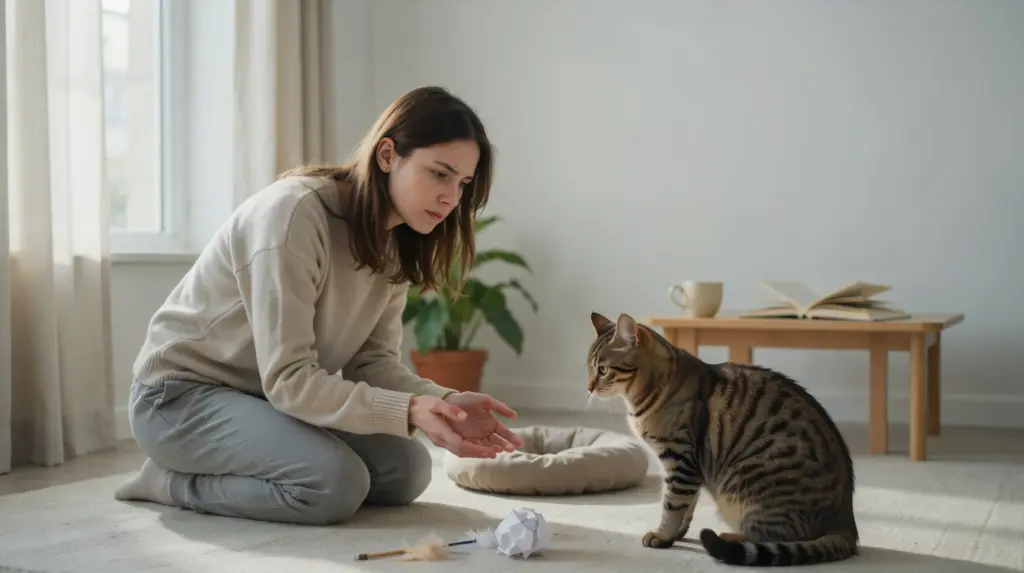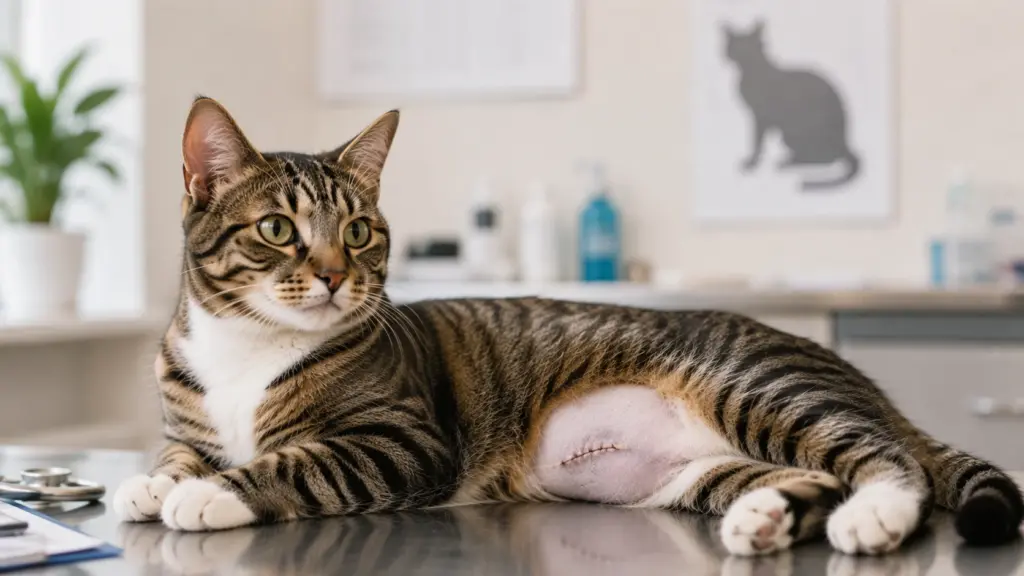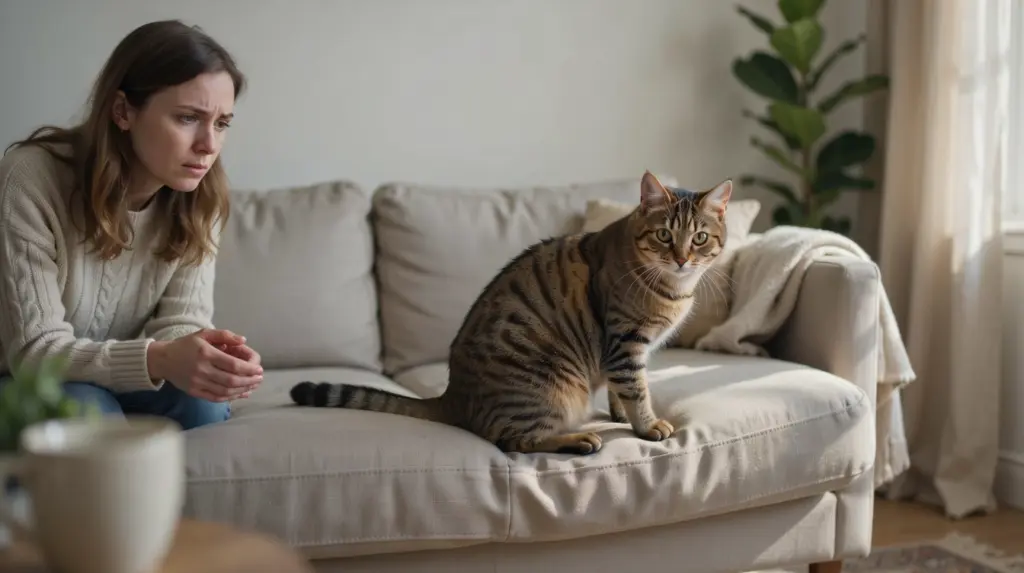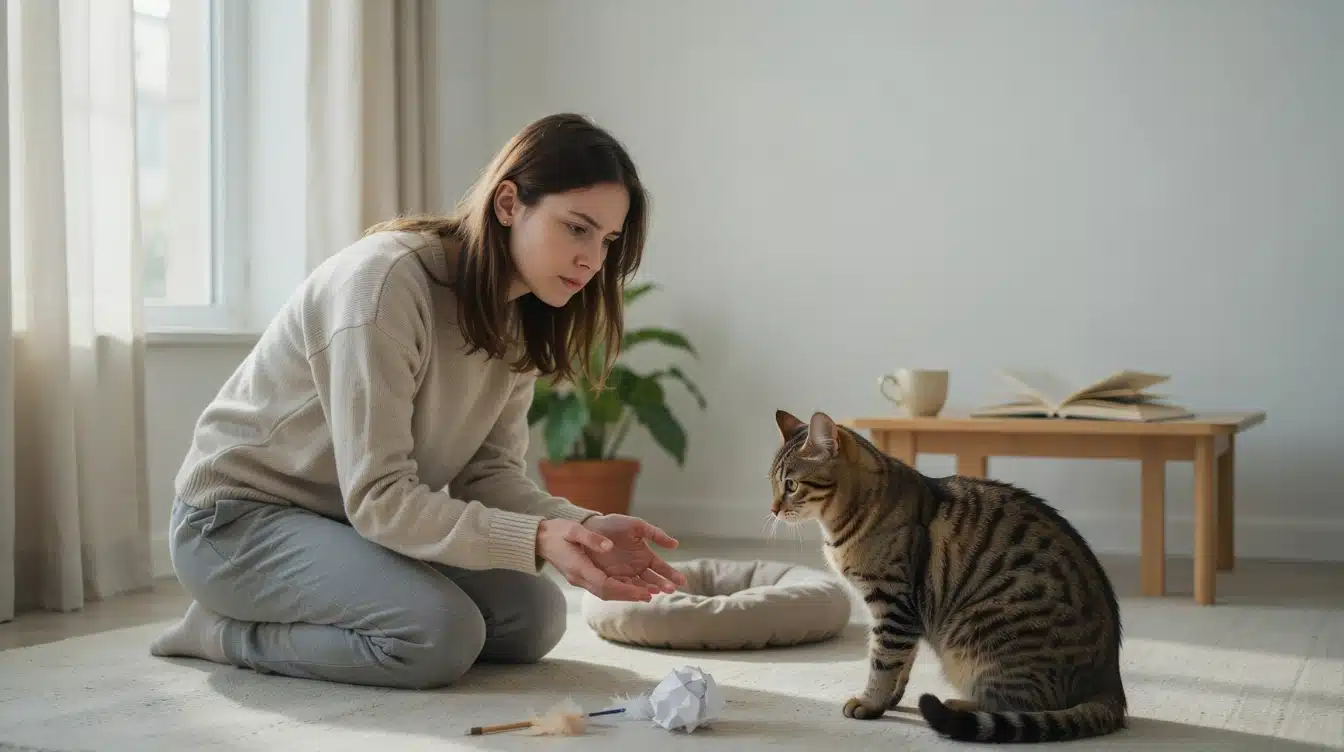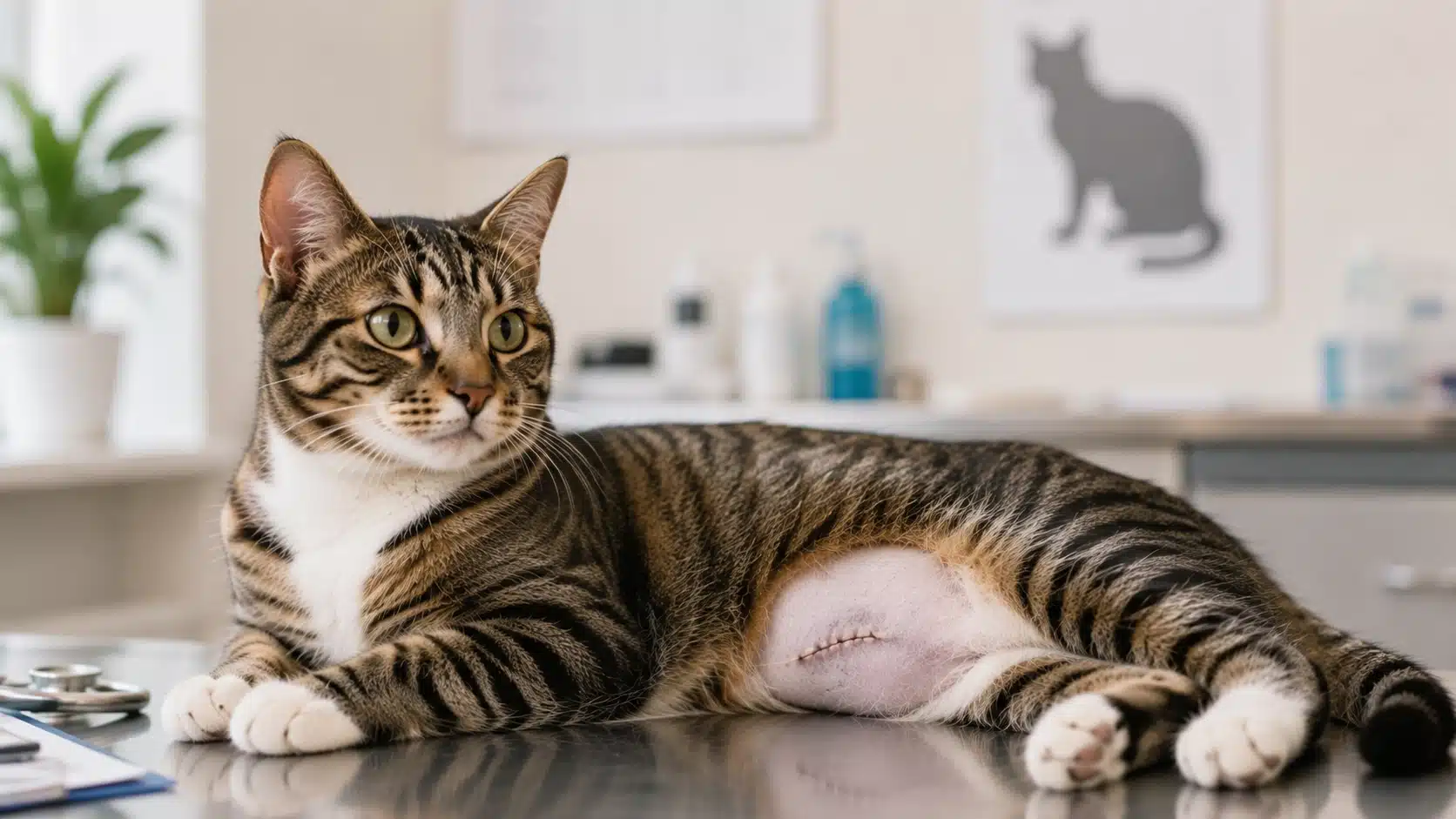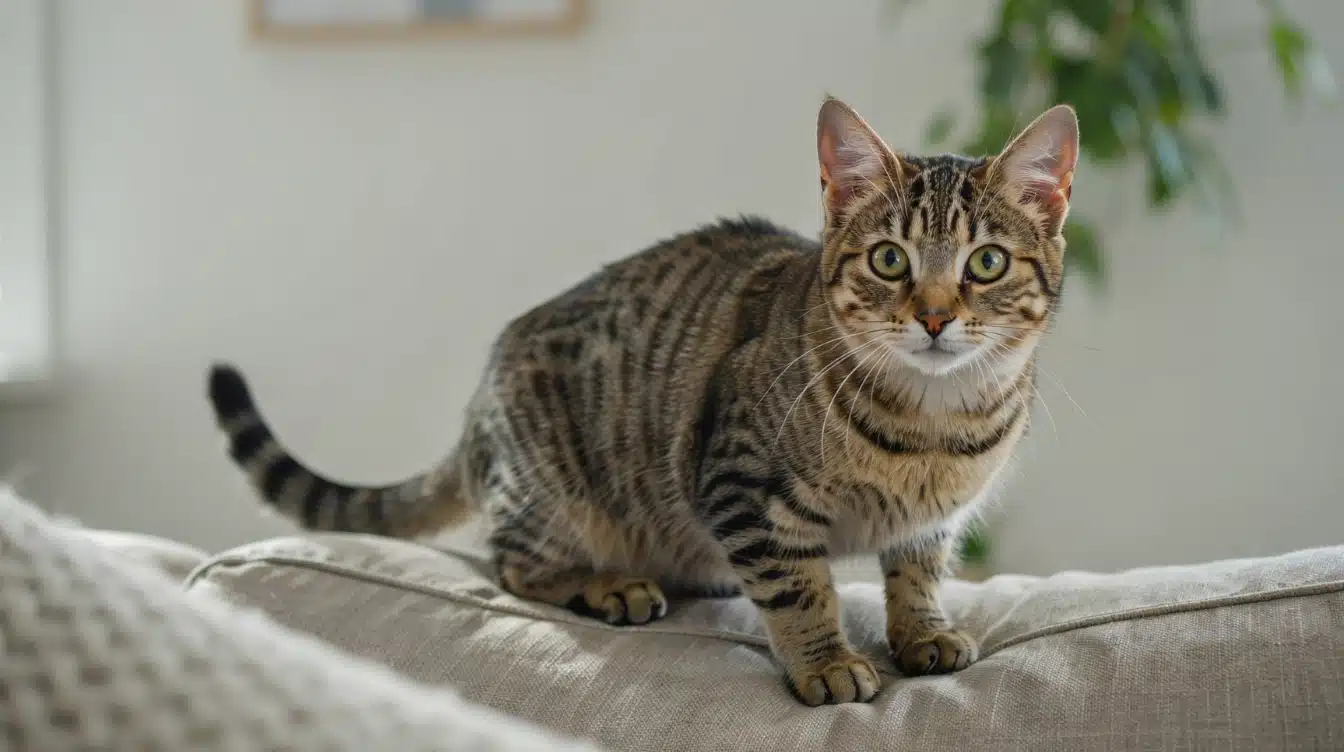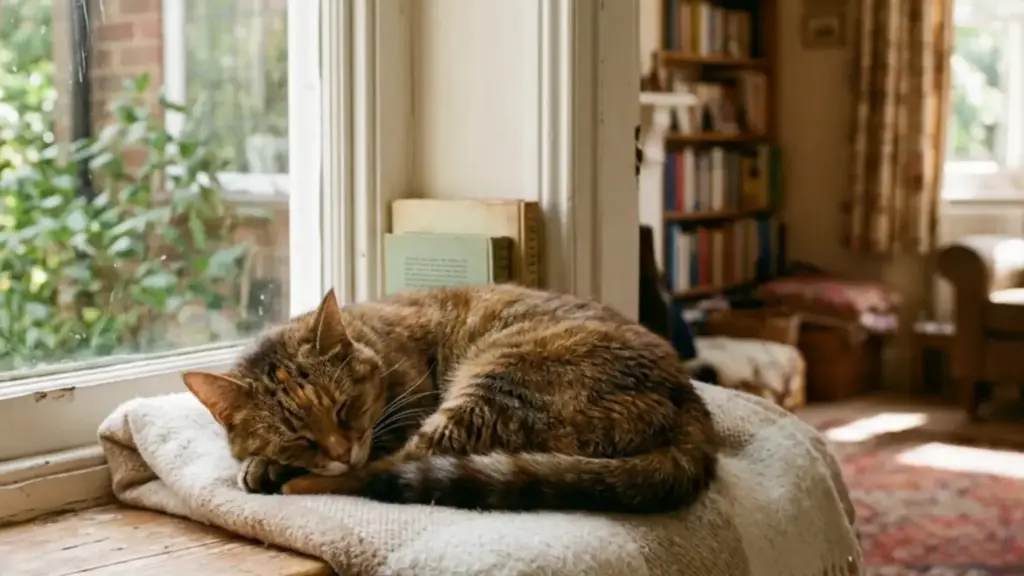
If you’ve found yourself wondering, why is my cat sleeping so much?, you’re definitely not alone.
Many cat owners notice their pet dozing through most of the day and start questioning whether it’s completely normal or a sign that something is wrong.
A common question is how long cats sleep, and the answer depends on their age, health, and daily routine.
While cats are naturally champion nappers, changes in their usual sleeping habits can sometimes signal an underlying issue.
By the end of this, you will know: what’s considered normal, when extra sleep deserves attention, and how to tell the difference between healthy rest and a potential health concern.
How Long Do Cats Sleep Each Day?
Cats are not light sleepers in the human sense. They’re polyphasic, meaning they sleep in many short bursts rather than one long stretch, a pattern backed by Sleep Foundation-documented sleep research.
A typical catnap runs somewhere between 50 and 113 minutes, and most of that time is light sleep, where your cat stays alert to sound and movement even while curled up tight.
Deep sleep, the kind with twitching paws and fluttering whiskers, makes up a much smaller share of the day.
Sleep Cycle of Cats by Life Stage
- Kittens: Sleep up to 20 hours a day. Growth and brain development take enormous energy, so naps come fast and often between short bursts of play.
- Adult cats: Average 12 to 16 hours a day, usually settling into a recognizable rhythm tied to feeding and your own schedule.
- Senior cats (10+ years): Often sleep 18 to 20 hours. Lower activity, slower metabolism, and age-related joint stiffness all add up to more time resting.
Note: This section is for informational purposes only and does not constitute medical advice. Consult a qualified veterinarian before making any decisions about your cat’s health.
Why is My Cat Sleeping so Much?
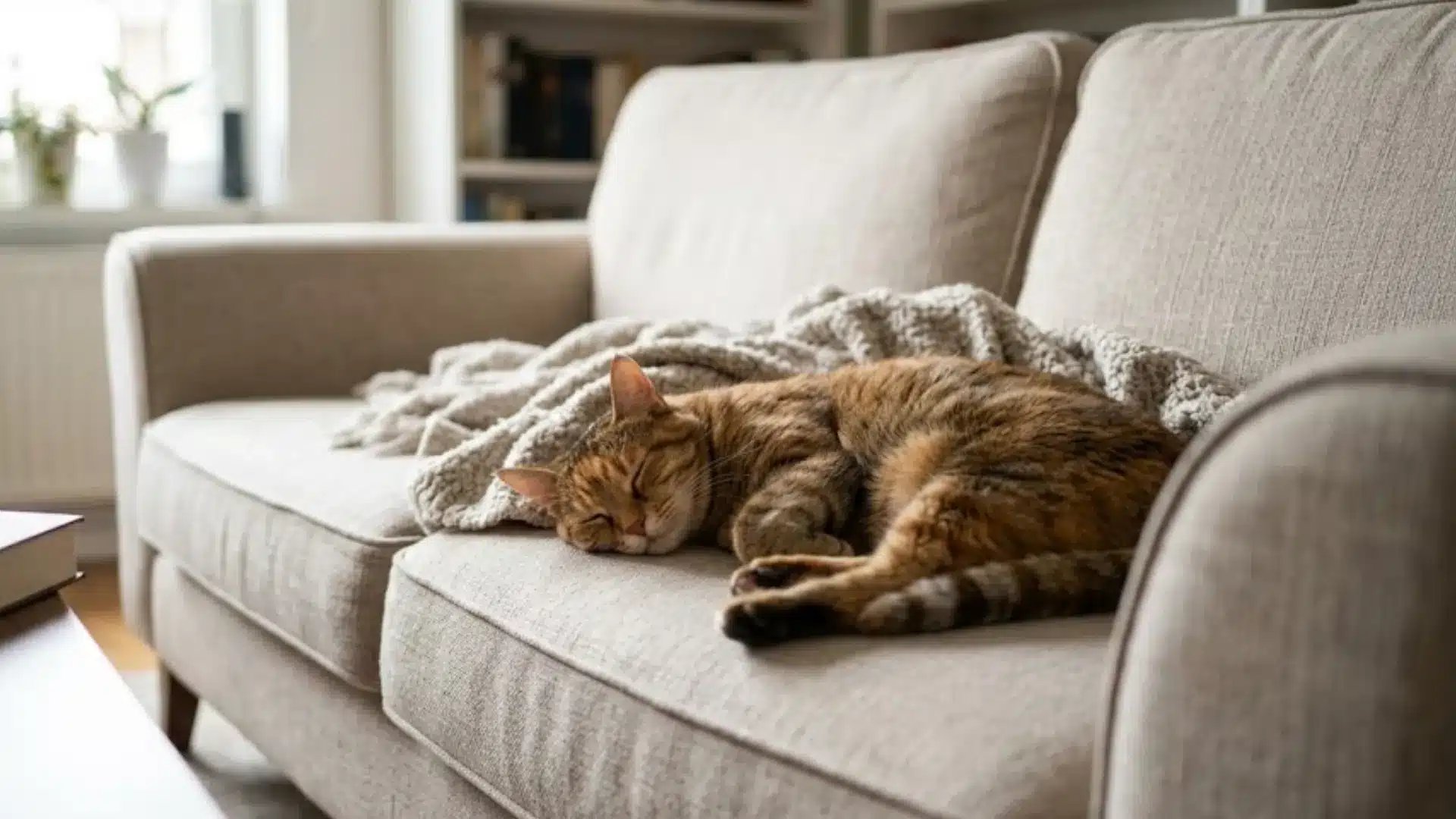
Cats sleep so much because their bodies are built for short bursts of activity followed by long periods of rest. This behavior comes from their wild instincts, even if they live safely indoors.
1. Energy Conservation
Cats are natural energy savers. In the wild, hunting takes quick speed, focus, and strength, so cats rest for many hours to prepare for those active moments.
Even house cats follow the same pattern. A short play session, climbing, chasing a toy, or running through the house can use a lot of energy.
This rhythm of sleep, hunt, eat, groom, and sleep again is simply how a cat’s day is built.
This same energy-saving instinct also explains many other quirky cat behaviors that often confuse new owners but make perfect sense once you understand feline instincts.
2. Natural Hunting Instincts
Even a well-fed indoor cat still has hunting instincts. Cats are wired to stalk, chase, pounce, and rest, just like their wild relatives.
After a hunt or play session, the body naturally shifts into recovery mode. That is why a cat may play hard for ten minutes, then sleep for hours.
Toys, moving shadows, insects, or sounds outside a window can trigger this instinct. Sleep supports the cycle of watching, chasing, resting, and getting ready to do it again.
3. Dawn and Dusk Activity Patterns
Cats are most active around dawn and dusk, so they may sleep more during the day and at night. This pattern is called crepuscular behavior.
In the wild, these times are useful for hunting because prey animals are often active then.
At home, this may look like early morning zoomies, evening play, or sudden bursts of energy when the house gets quiet.
4. Light Sleep vs Deep Sleep
Not all cat sleep is the same. Many cats spend a large part of their rest in light sleep, where they can wake quickly if they hear movement, smell food, or sense activity nearby.
You may notice twitching ears, half-open eyes, or a quick response to sound. Deep sleep happens too, but usually in shorter stretches.
During deeper rest, the body repairs and restores energy. This mix of light and deep sleep helps cats stay rested while still feeling alert and safe.
5. Indoor Comfort and Boredom
Indoor cats often sleep more because their daily life is safe, quiet, and predictable. They do not need to search for food, avoid predators, or patrol large outdoor areas.
A warm bed, sunny window, or peaceful couch can make napping very tempting. Sometimes, extra sleep can also come from boredom.
If a cat has little play, few climbing spots, or not much to watch, sleeping may become the main activity. Daily toys, window views, and short play sessions can help.
Common Factors That Affect Your Cat’s Sleep
Sleep amount isn’t fixed. Several everyday factors nudge it up or down without anything being wrong.
- Age: Kittens and seniors sleep more; cats in their prime years usually sleep the least.
- Breed and activity level: More energetic breeds may sleep slightly less during waking hours, while mellow breeds nap more readily.
- Boredom: Indoor cats without enough mental stimulation often fill the gap with extra sleep. Regular play sessions, or even short clicker training, can help break up long periods of inactivity and keep your cat mentally and physically engaged.
- Weather and season: Shorter, darker winter days can nudge sleep time up slightly, similar to the way light affects human sleep cycles.
- Household changes: A new pet, a move, or a shift in your schedule can temporarily increase sleep as your cat adjusts.
A consistent daily care routine, including a good dental care habit, also helps you notice subtle shifts in comfort or mood that might otherwise hide behind “just sleeping a lot.”
Signs Your Cat’s Sleep Cycle is Still Normal
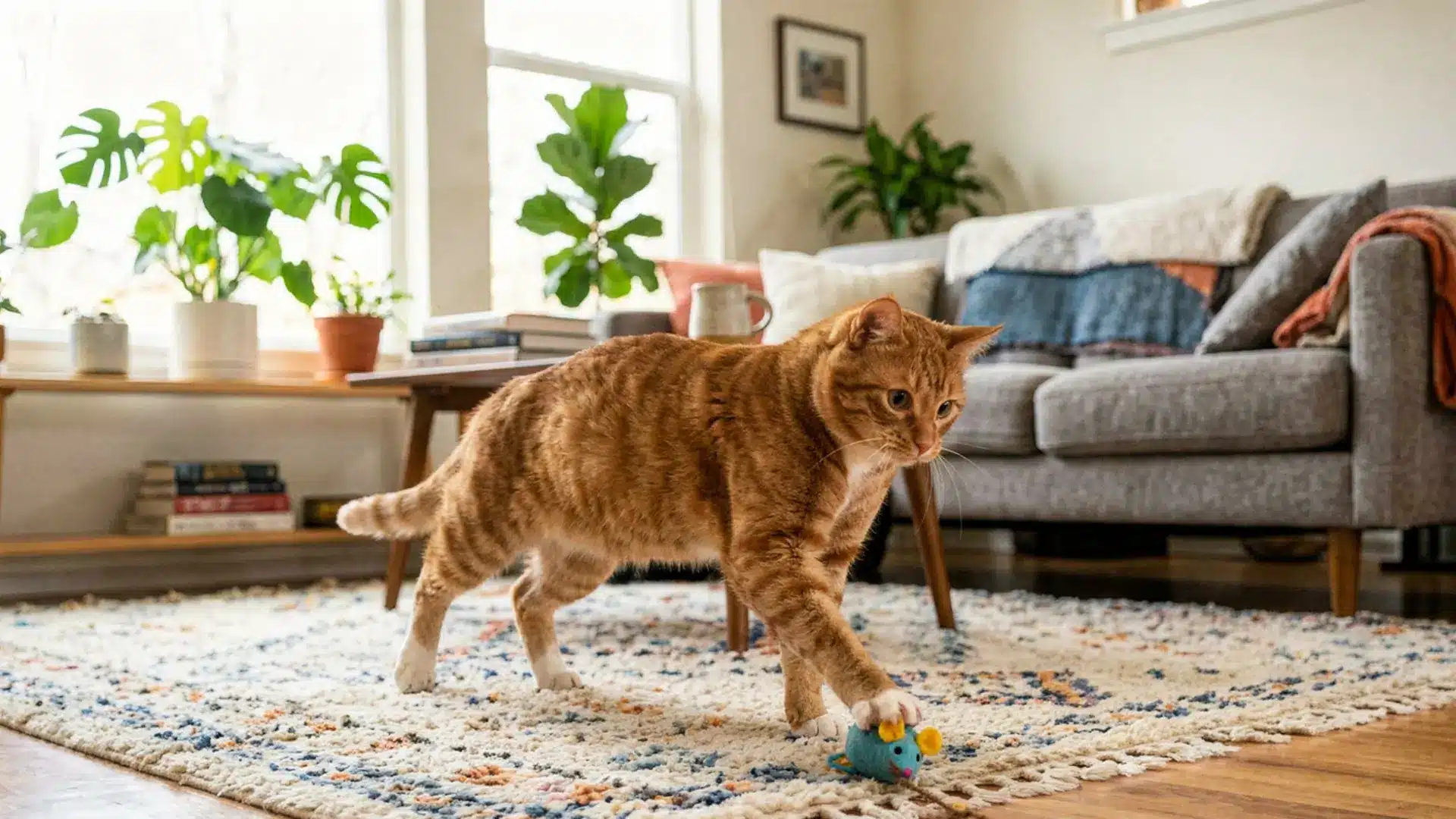
A cat that sleeps a lot can still be healthy when the rest of its routine looks normal. The main thing to watch is consistency in the following signs:
- Wakes up easily when called or when hearing familiar sounds
- Eats meals with normal interest and appetite
- Drinks water without a sudden increase or decrease
- Uses the litter box with no major changes
- Still grooms, stretches, plays, or explores
- Has short bursts of energy during the day
- Returns to sleep calmly after checking the environment
These signs show that your cat is resting, not truly unwell. Many cats sleep for long hours, then wake for meals, play, grooming, or window watching.
If appetite, movement, litter box habits, and personality remain the same, frequent sleeping is usually not a cause for panic.
Lethargy vs Napping: How to Tell the Difference
A simple comparison makes it easier to tell the difference between a cat that’s enjoying a healthy nap and one that may need veterinary attention.
| Normal Sleeping Cat | Lethargic Cat |
|---|---|
| Sleeps comfortably and looks relaxed. | Appears unusually tired, weak, or withdrawn. |
| Wakes easily when called or touched gently. | Responds slowly or is difficult to wake. |
| Becomes alert when hearing treats, toys, or familiar sounds. | Shows little or no interest in food, toys, or people. |
| Moves normally after waking. | May appear stiff, weak, or floppy when moving. |
| Eats, grooms, and uses the litter box as usual. | Often has changes in appetite, grooming, or litter box habits. |
| Returns to normal naps after a brief period of activity. | Remains inactive or sleeps excessively without normal wakeful periods. |
Sleep by itself is rarely a cause for concern. If your cat is sleeping more and you notice changes in appetite, grooming, mobility, or responsiveness, it’s a good idea to contact your veterinarian.
Warning Signs That Need a Vet Visit
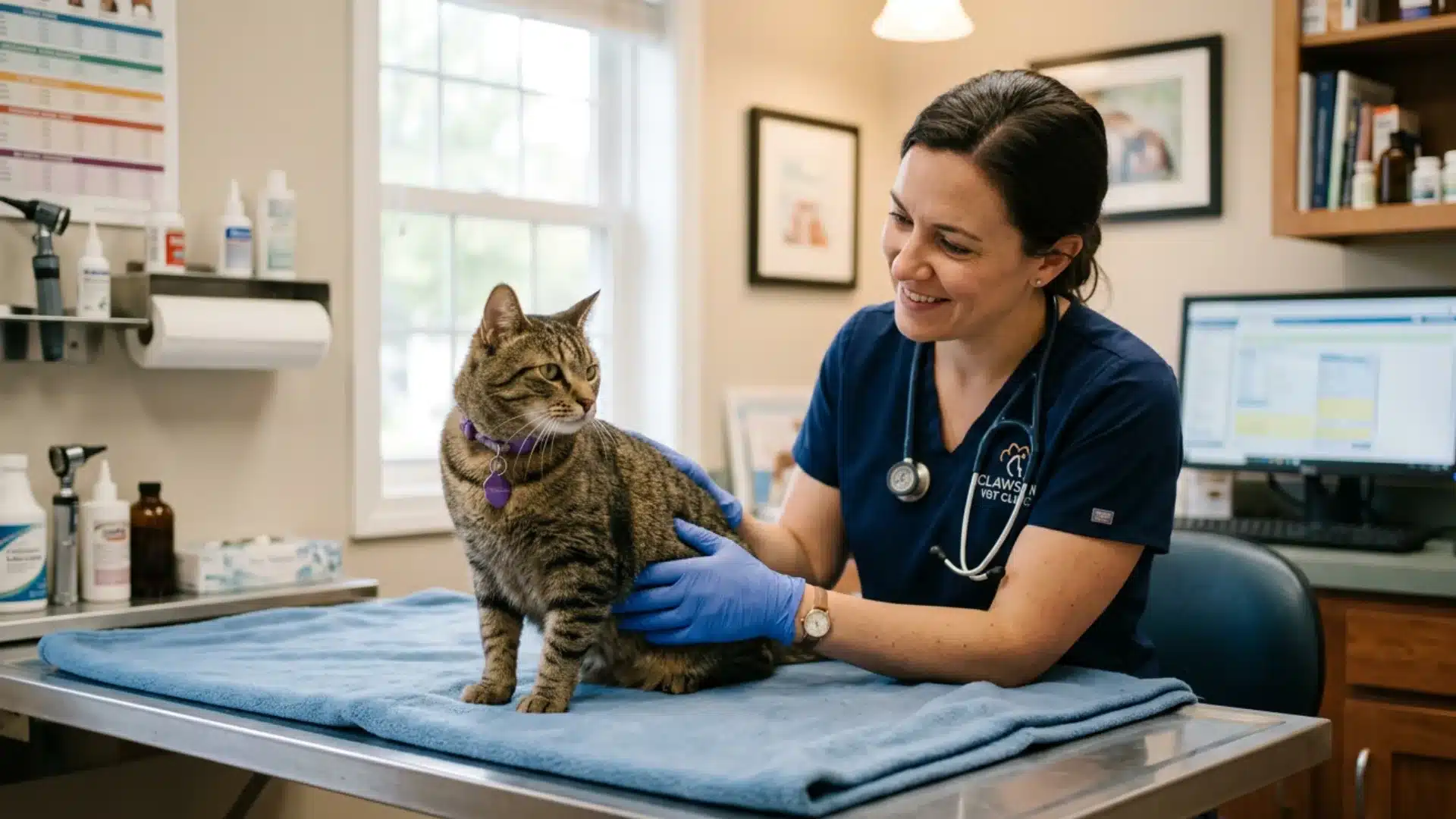
Most extra sleep is normal, but certain changes can point to illness, pain, or stress. Watch for warning signs that appear suddenly, last longer than a day, or occur alongside unusual behavior.
- Sudden change from baseline: An active cat that abruptly sleeps far more than usual, especially over just a few days.
- Hiding more than normal: Retreating to unusual, secluded spots instead of typical resting areas.
- Dull or matted coat: Reduced self-grooming is often one of the earliest visible clues that something feels off.
- Difficulty waking: A cat that seems hard to rouse, disoriented, or weak once awake, rather than alert and stretching.
- Limping or reluctance to move: Pain or joint discomfort can present as excessive resting and stiffness.
- Respiratory symptoms alongside sleep changes: Sneezing, watery eyes, or nasal discharge combined with extra sleep can point to feline respiratory illness and deserve a prompt checkup.
A handful of medical conditions most often show up when vets investigate a cat that’s suddenly sleeping more. These include arthritis and joint pain, kidney disease, diabetes, and anemia.
Senior cats can also develop feline cognitive dysfunction, a condition similar to dementia in people, which can disrupt normal sleep and wake cycles.
How to Track Your Cat’s Sleep at Home?
Track your cat’s sleep by watching what is normal for your cat, not by comparing it to every other cat.
Note when your cat sleeps, how long the naps seem to last, and whether they wake easily for meals, play, or familiar sounds.
Pay attention to appetite, water intake, litter box habits, grooming, and mood at the same time.
A simple notebook or phone note works well for this. Write down any sudden changes, such as hiding more, sleeping in unusual places, refusing food, or seeming weak after waking.
Videos can also help if breathing, walking, or behavior looks different. If the change in sleep lasts more than a day or comes with other symptoms, share your notes with your vet.
Simple Ways to Support Healthy Sleep Habits
You can’t control your cat’s biology, but you can shape the environment around it. A few small habits make it easier to spot when something’s off and help your cat settle into a comfortable rhythm.
- Keep a consistent feeding schedule: Regular meal times help anchor your cat’s daily rhythm and make changes in appetite easier to notice.
- Offer a few warm, quiet resting spots: Cats gravitate toward sunny windowsills or soft beds away from foot traffic. Having a few options reduces stress-driven hiding.
- Build in short daily play sessions: Even five or ten minutes of active play reduces boredom-driven sleep and keeps joints and muscles moving.
- Track sleep changes informally: A quick mental note (or a calendar app) of “more tired than usual” over a few days gives you something concrete to share with your vet if needed.
- Schedule routine wellness checkups: Annual exams catch slow-developing issues like kidney disease or arthritis well before sleep changes become dramatic.
None of this requires anything fancy. It just gives you a baseline to compare against, which is the single most useful thing you can have when deciding whether extra sleep is nothing or something.
Conclusion
Sleeping the day away is simply what cats do. Knowing how long do cats sleep at each life stage makes it easier to tell the difference between a contented catnap and a sign that something’s off.
The most important thing is to watch for changes in your cat’s usual routine, especially if excessive sleep is accompanied by reduced appetite, poor grooming, weight loss, or lower activity levels.
Trust what you know about your cat’s normal behavior, and contact your veterinarian if something feels noticeably different.
How many hours does your cat usually sleep in a day? Share your cat’s nap routine in the comments below.
Frequently Asked Questions
Can Stress Make a Cat Sleep More?
Yes. Cats often respond to stress or anxiety by changing their sleep patterns, frequently sleeping more as a coping response. New household members, moving homes, or schedule changes are common triggers worth ruling out first.
Do Indoor Cats Sleep More than Outdoor Cats?
Generally, yes. Indoor cats don’t expend energy hunting or patrolling their territory, so they tend to nap more throughout the day than cats with outdoor access.
Does Diet Affect How Much a Cat Sleeps?
It can. A heavy meal triggers a natural post-eating drowsiness, and cats on a poor or unbalanced diet sometimes sleep more simply because they have less energy to spend. A consistent feeding schedule tends to keep sleep patterns more predictable.
Should I Wake My Cat Up if They Seem to Be Sleeping Too Much During the Day?
There’s usually no need to wake a resting cat. Disturbing sleep can cause stress without giving you useful information; instead, observe their behavior once they wake naturally to check for normal alertness.