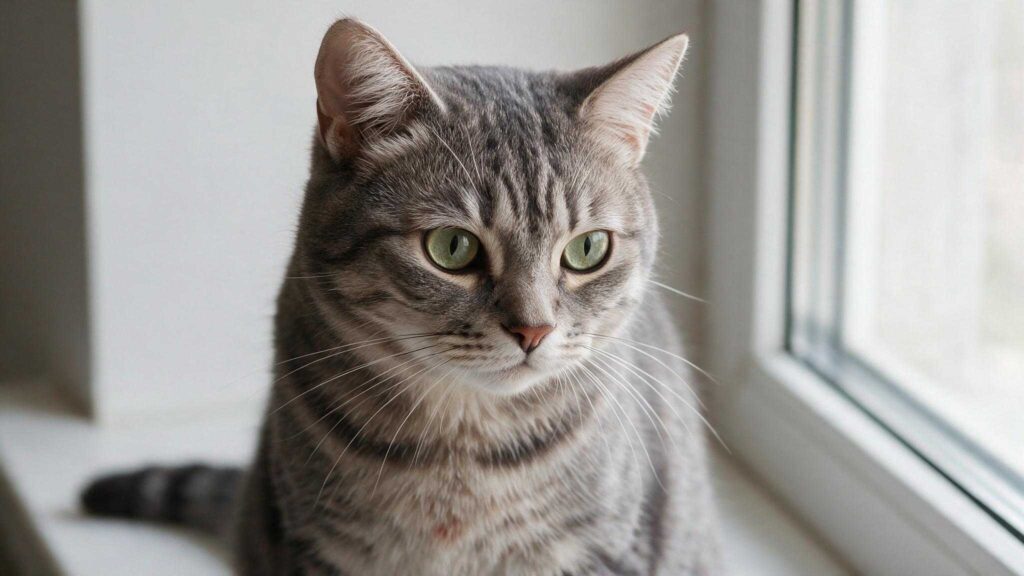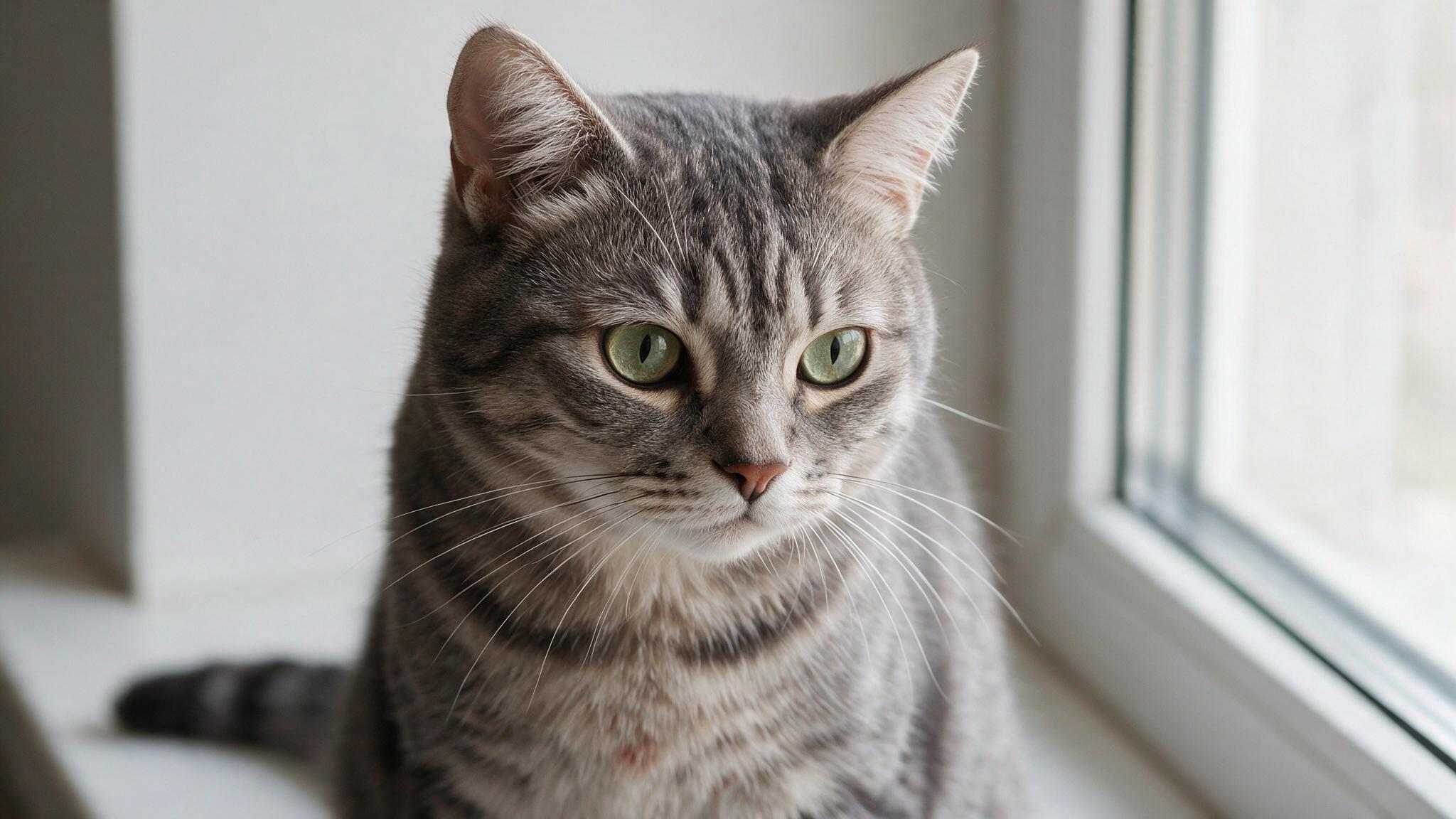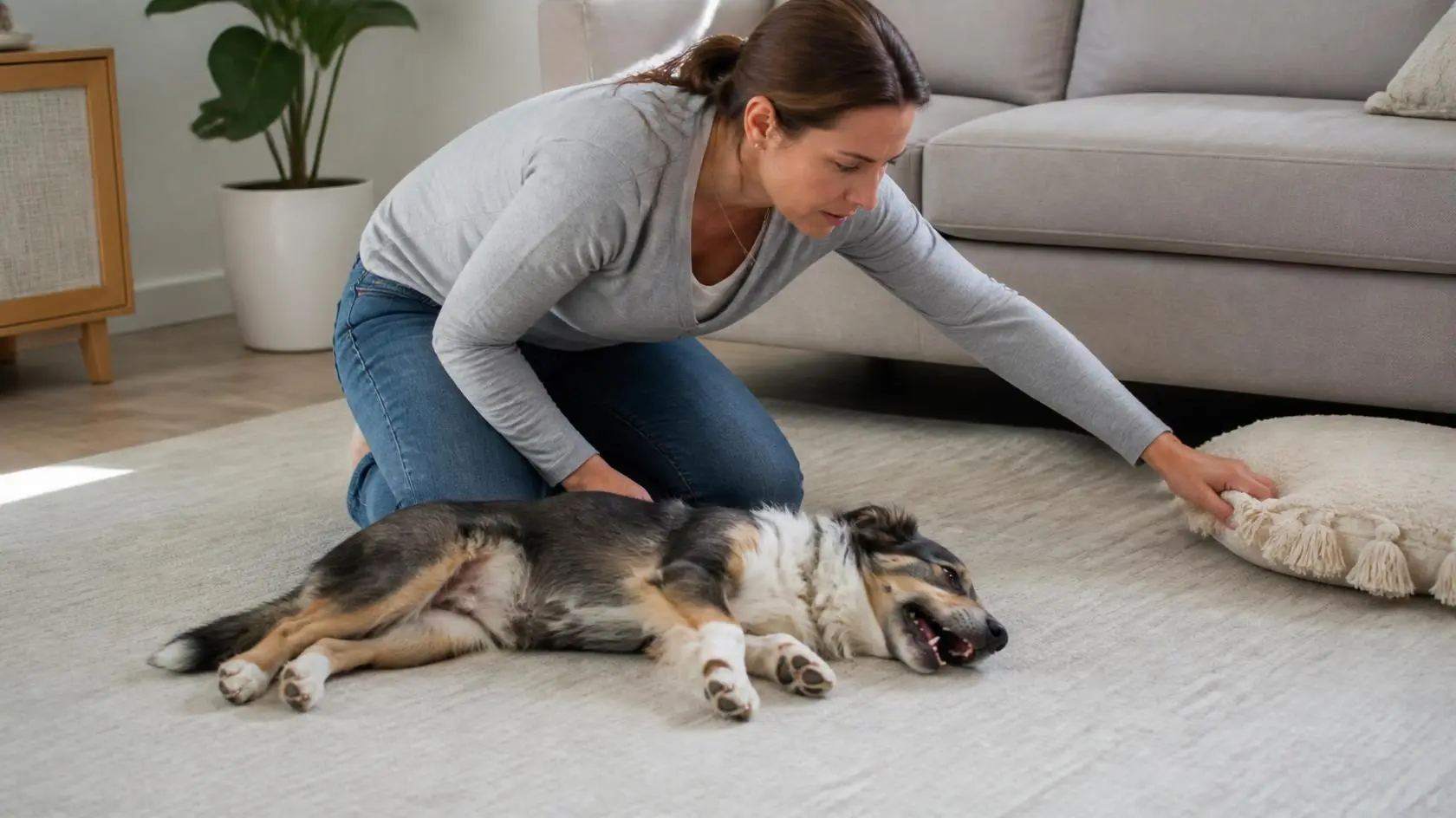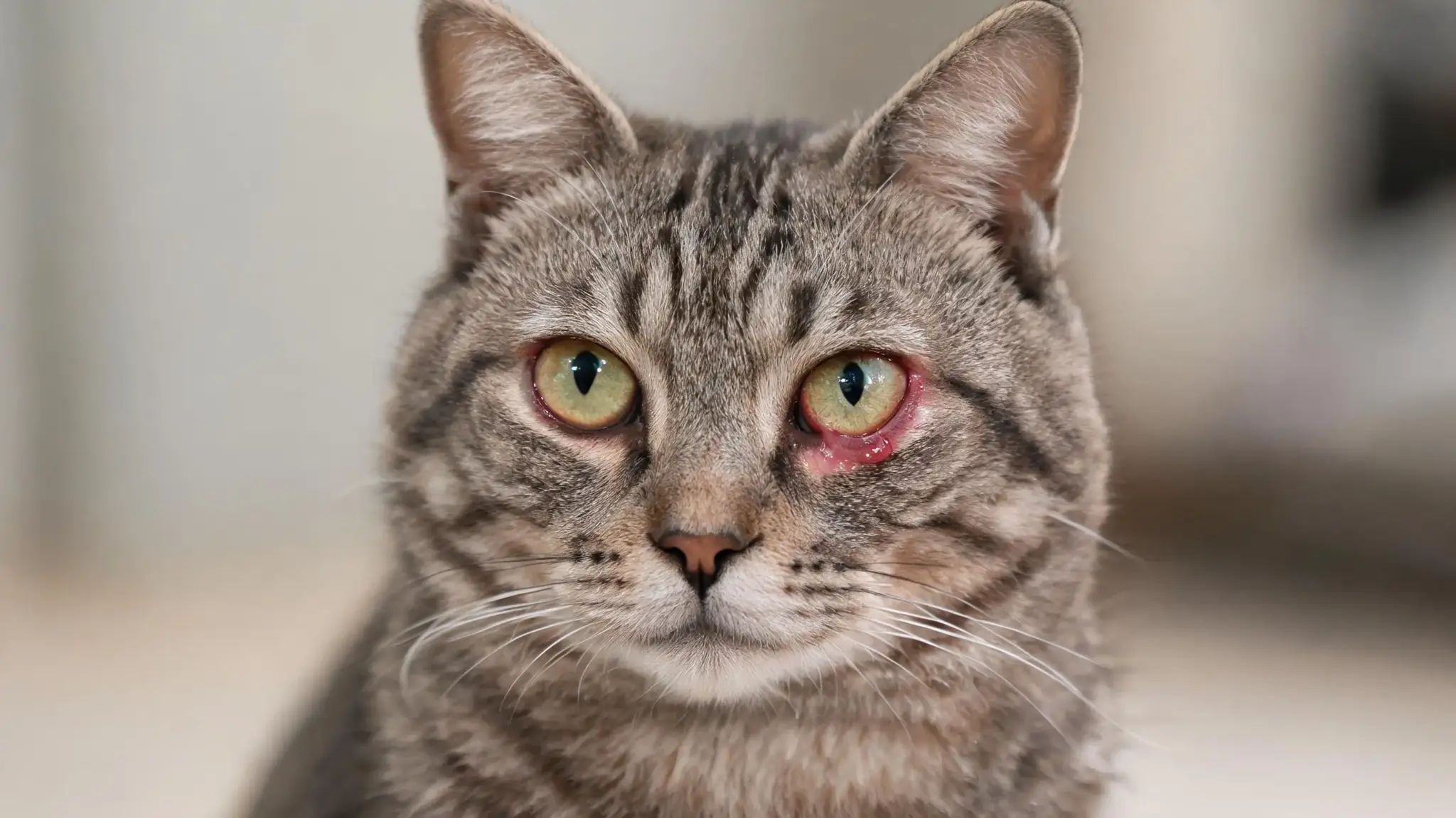
One small splash can turn a calm cat into a furry escape artist. That reaction may look funny, but it usually has a clear reason.
If you have ever wondered why cats do not like water, the answer is not only about fear. Water can change how a cat feels, moves, smells, and reacts to its surroundings.
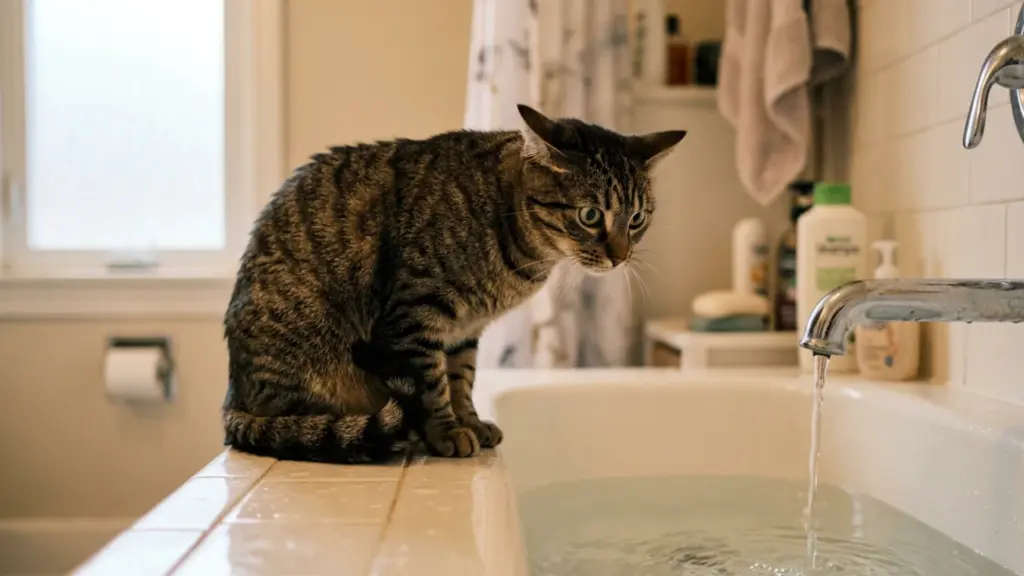
A dripping faucet may seem interesting because the cat can watch it from a safe distance. A bath feels very different because it often involves wet fur, strange sounds, slippery footing, and less control.
Some cats may tolerate water, while others avoid it completely. Understanding these reactions can help cat owners handle grooming with more patience and less stress.
Do Cats Hate Water or Just Baths?
Not always. Many cats are curious about water when they can control the situation. A cat may watch a dripping faucet, paw at a water bowl, or sit near the sink without fear.
Baths feel different because they bring wet fur, slippery surfaces, loud sounds, and restraint all at once. That can make a cat feel trapped or unsafe.
So, the problem is not always water itself. Most cats dislike the full bath experience because it affects their comfort, scent, balance, and sense of control. This is why a cat may enjoy running water but still hate baths.
Why Do Cats Not Like Water
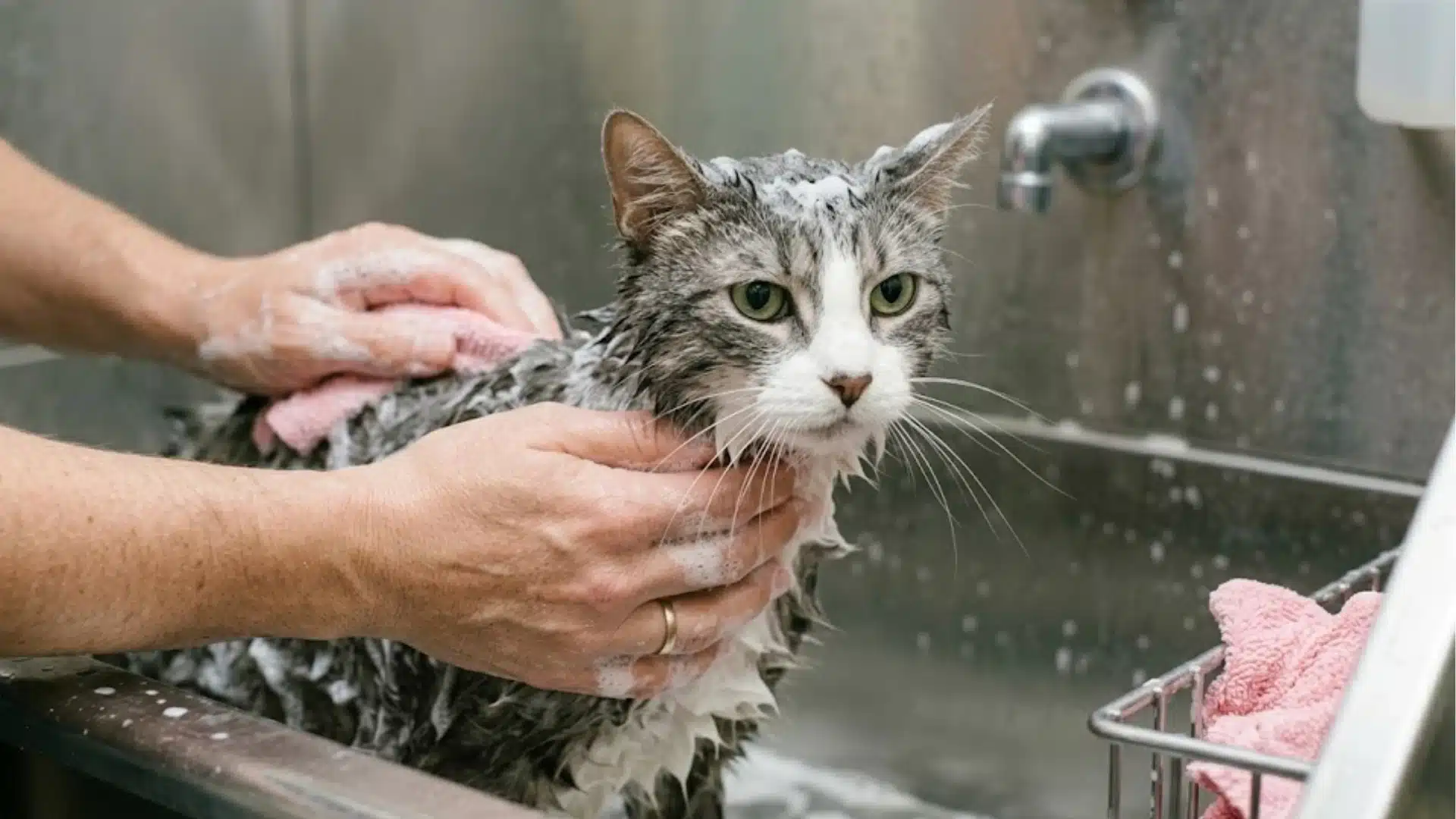
Cats usually dislike water because it changes how their body feels and how safe they feel. A bath can quickly become stressful when the whole experience feels unfamiliar.
1. Their Ancestors Lived in Dry Places
Domestic cats are closely related to the African wildcat (Felis silvestris lybica), which lived in dry parts of Africa and the Middle East around 10,000 years ago.
These habitats had fewer large bodies of water, so swimming was not part of daily survival. Wildcats hunted rodents and birds on land, not aquatic prey.
Domestic cats inherited many of those instincts. While some cats tolerate water, many still show little interest in it.
2. Wet Fur Feels Heavy
Wet fur can feel heavy and uncomfortable for cats. Unlike water birds, a cat’s coat is not built to shed water quickly.
When the fur becomes soaked, it adds weight and can make movement feel slower. This matters because cats rely on speed, balance, and quick reactions to feel safe.
Wet fur can also trap cold against the body, especially in long-haired cats whose coats take more time to dry.
3. Water Makes Them Feel Less in Control
Cats feel safest when they can move freely and keep steady footing. A wet tub or sink can feel slippery, which makes them unsure of their balance.
During a bath, being held in place can add more stress because the cat cannot leave when it wants to.
Water can also wash away familiar scents from their coat, making the experience feel even more uncomfortable and unfamiliar.
4. Splashes and Sounds Scare Cats
Cats can react quickly when water surprises them. A sudden splash brings touch, sound, and movement at once, so the cat may see it as a threat.
Bath noises can add even more stress, especially running taps, shower spray, drains, and echoes in a bathroom.
This is why a cat may watch a dripping faucet calmly but panic when water hits its body without warning. Keeping water slow and quiet can help the experience feel safer.
5. Temperature
Cats can be sensitive to water temperature because wet fur changes how their bodies hold heat.
Their coat usually helps keep them warm, but once it gets soaked, that protection is less effective.
Water that feels mild to a person may still feel cold or uncomfortable to a cat. During a needed bath, use warm water that is not hot, and keep the room comfortable so the cat does not chill.
6. Water Can Mess with Their Smell
Cats use scent to feel familiar and secure in their space. They leave their scent when they rub, groom, and move around the home.
A bath can wash away some of those familiar smells, making the cat feel less like itself.
Tap water may also have odors from chemicals such as chlorine, which cats may notice more than people do. This change in smell can make water feel strange and uncomfortable.
7. Strong Shampoo Smells Can Bother Them
A cat’s sense of smell is much stronger than a human’s, so even mild shampoo can feel intense.
Human shampoos are especially harsh because of added fragrances and chemicals. Even unscented products may smell strange to a cat.
This is why cat health warning signs may appear after baths if the wrong product is used or the cat becomes highly stressed.
Cat-specific shampoos are gentler, but they still need to be rinsed out well.
Disclaimer: Always consult your veterinarian before using any grooming product on your cat, especially if your cat has skin sensitivities, allergies, or an existing health condition.
8. Bad Past Experiences Can Stick
Cold water, restraint, loud sounds, and strange smells can become anchored as threat memories. This is why some cats panic before the bath even starts.
The bathroom, the handling, and the sounds alone may trigger a stress response tied to the original experience.
If your cat shows signs of cat anxiety before bath time, the fear is likely learned and worth addressing gradually.
9. Many Cats Were Never Introduced to Water Early
The kitten socialization window runs roughly from three to nine weeks of age.
Kittens introduced gently to different experiences during this stage often handle those experiences better as adults.
Most cats are never exposed to water during that period. So when their first bath happens later, they have no positive reference point for what it feels like to be wet.
Why are Cats Scared of Water?
Water fear is different from dislike. Cats may panic when water, slippery surfaces, restraint, strange sounds, and unfamiliar smells happen together. Wet fur also feels heavy, making movement slower and escape harder.
- Sudden contact with water can trigger a strong startle response.
- Slippery surfaces and restraint can make cats feel out of control.
- Wet fur can feel heavy, reducing comfort and freedom of movement.
So, when a cat panics around water, it is not simply being dramatic. The fear often stems from a mix of loss of control, sensory overload, and the sense that escaping a potential threat has become more difficult.
Why Do Cats Hate Baths?
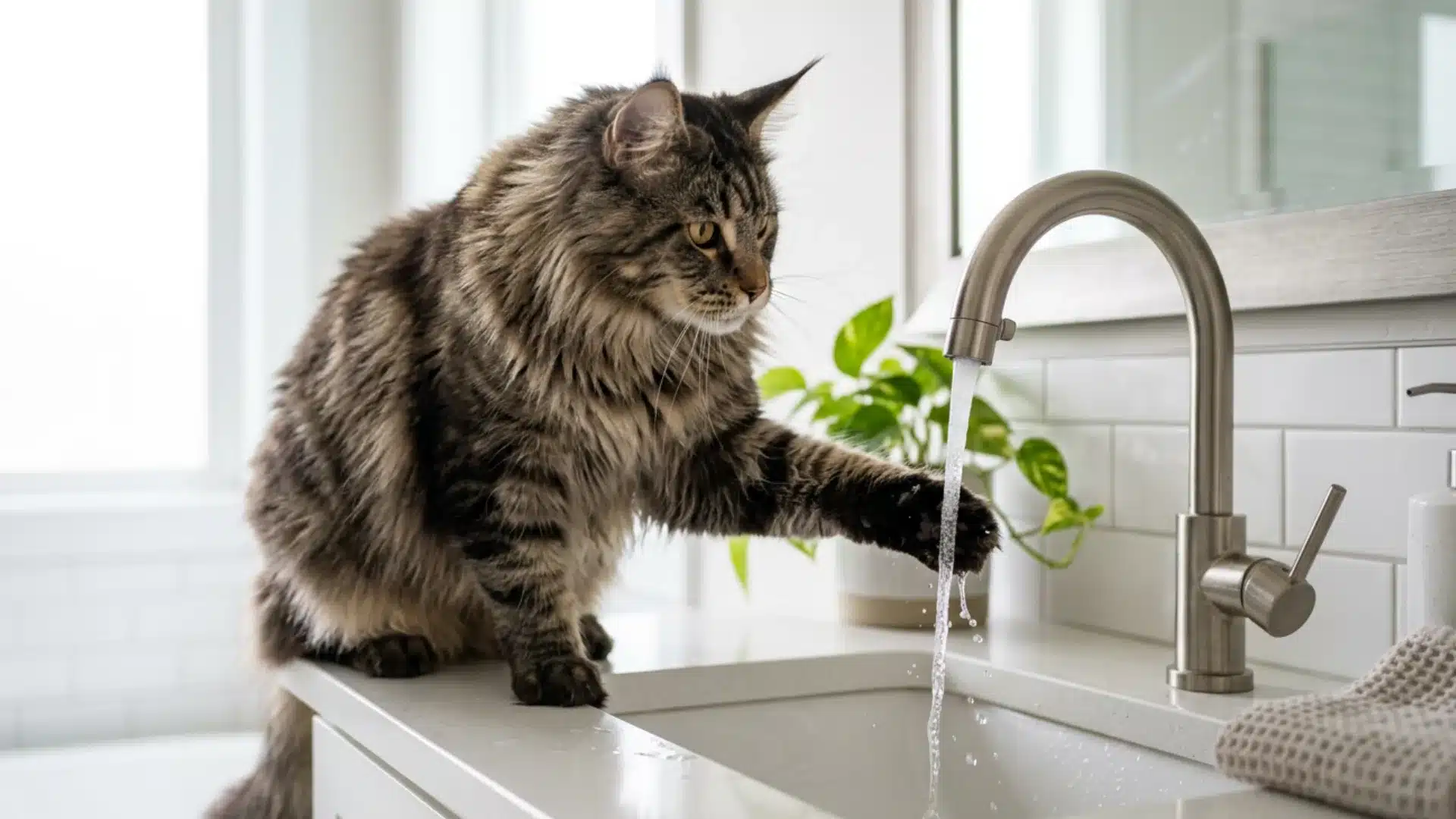
Cats often hate baths because the experience feels sudden, unfamiliar, and hard to escape. Most cats prefer to approach new things on their own terms, but a bath usually gives them very little choice.
They are placed in a sink or tub, handled closely, and expected to stay still until the cleaning is done.
This can make the bath feel more stressful than helpful from a cat’s point of view. Even a gentle bath may seem confusing if the cat does not understand what is happening.
Some cats respond by freezing, while others try to climb out, hide, or vocalize. These reactions usually come from stress, not stubborn behavior.
Do All Cats Hate Water?
No. Certain breeds are genuinely comfortable with water, and some actively seek it out. The popular domestic cat breeds that tend to have a positive relationship with water include:
- Turkish Van: Often called “the swimming cat,” this breed has a single-layer coat that’s naturally water-resistant.
- Maine Coon: One of the largest domestic breeds, the Maine Coon has a dense, water-repellent coat and a historical background as a working ship’s cat. Maine Coons are known for dunking toys in water bowls and turning on faucets.
- Bengal: Many Bengals will wade into sinks, play in shallow water, or follow their owners into the shower without much resistance. Their wild ancestry plays a role in their comfort with water
- Norwegian Forest Cat: Built for cold, wet Scandinavian climates, this breed has a water-resistant double coat and a long history of fishing near streams.
- Abyssinian: Their water-resistant coat means many Abyssinians will splash about in shallow water without much prompting.
How to Make Water Less Stressful for Cats
Getting a cat more comfortable with water is a slow process. Rushing it makes things worse, not better. A few approaches that genuinely help:
- Start with the room: Let your cat spend time in the bathroom without water running. Keep the door open, offer treats, and allow your cat to leave freely.
- Use very shallow water: Fill the sink or tub with only one to two inches of lukewarm water. This helps your cat keep steady footing.
- Keep the sound low: Run the tap gently or use a cup to pour water slowly. Loud running water can make stress worse.
- Reward calm behavior: Give treats during each step, not only after the bath. This helps your cat connect water with something positive.
- Avoid holding too tightly: Support your cat gently, but do not pin it down. If your cat panics, stop and try again another day.
Conclusion
Now it is easier to understand why cats react so strongly to water. For most cats, the answer comes down to comfort, control, and how the bath feels in the moment.
Water can turn a normal grooming routine into an experience that feels unfamiliar and stressful. That does not mean every cat will react the same way.
Some cats stay calm near water, while others need extra patience and gentle handling. The best approach is to respect your cat’s limits, use water only when needed, and keep grooming as calm as possible.
When a bath is necessary, slow steps, shallow water, and the right cat-safe products can make a big difference.
Have you ever tried bathing your cat? Share your story in the comment section below.
Frequently Asked Questions
Do Cats Clean Themselves Enough Without Baths?
Yes. Most healthy adult cats clean themselves well with their rough, barbed tongues, which remove debris, spread natural oils, and keep the coat in good shape. Baths are only needed in specific situations.
Why Does My Cat Like Running Water from the Tap but Hate Baths?
Tap water is predictable and easy to leave. Baths are forced, noisy, slippery, and overwhelming because the cat loses control of the whole situation. The water is not really the problem. The context is.
Can You Train a Cat to Tolerate Water?
Yes, but it takes patience. Start with very small steps, reward calm behavior consistently, and never use force. Some cats with early positive exposure to water tolerate it well as adults. Others may never fully relax around it, and that is normal too.