If your cat has started sneezing more than usual, has watery eyes, or seems reluctant to eat, you already know how unsettling that feeling is.
You watch them, second-guess yourself, and wonder whether this is just a passing thing or something that needs a vet visit tonight.
Calicivirus is one of the most common causes of these symptoms in cats, and it’s also one of the most misunderstood.
Understanding what it is and what to do makes a real difference for both your cat’s recovery and the other cats in your home.
This blog post covers what calicivirus is, how it spreads, what symptoms to watch for, how vets treat it, and its treatment options.
What is Calicivirus in Cats?
Feline calicivirus (FCV) is a contagious virus that targets the upper respiratory system and the lining of the mouth.
It mutates rapidly, which is why it remains so persistent in cat populations and why new strains keep emerging.
FCV is one of the two leading causes of upper respiratory infections in cats, alongside feline herpesvirus, and together they account for the vast majority of feline respiratory illness globally.
What sets FCV apart is its tendency to cause mouth ulcers alongside respiratory signs, something herpesvirus rarely does.
A review in Frontiers in Microbiology notes that FCV’s high mutation rate and its ability to persist in carrier cats are central to its ongoing spread across feline populations.
How Do Cats Even Get Calicivirus?
The virus travels fast and doesn’t need much help. A sick cat sneezes across the room, and droplets land on a shared food bowl. The main ways FCV spreads include:
- Direct contact with an infected cat: nose-to-nose greetings, mutual grooming, and shared sleeping spots all carry risk.
- Sneezing droplets: an infected cat can spray the virus several feet through a single sneeze.
- Saliva and eye or nose discharge: these secretions contain high concentrations of the virus.
- Contaminated surfaces and shared items: food bowls, water dishes, litter boxes, bedding, and carriers can all carry the virus.
- Human hands and clothing: you can carry FCV between cats without showing any symptoms yourself.
Common Symptoms of Calicivirus in Cats
Symptoms vary depending on the strain of FCV your cat picks up and how strong their immune system is at the time. Some cats sail through with mild sniffles. Others are genuinely miserable for a week or more.
1. Sneezing and Nasal Discharge
This is usually the first sign owners notice. The sneezing can start out occasional and mild, then ramp up quickly.
Nasal discharge begins clear and watery and often thickens and turns yellowish-green as the infection progresses.
If your cat sounds congested when they breathe, that’s a sign the nasal passages are inflamed.
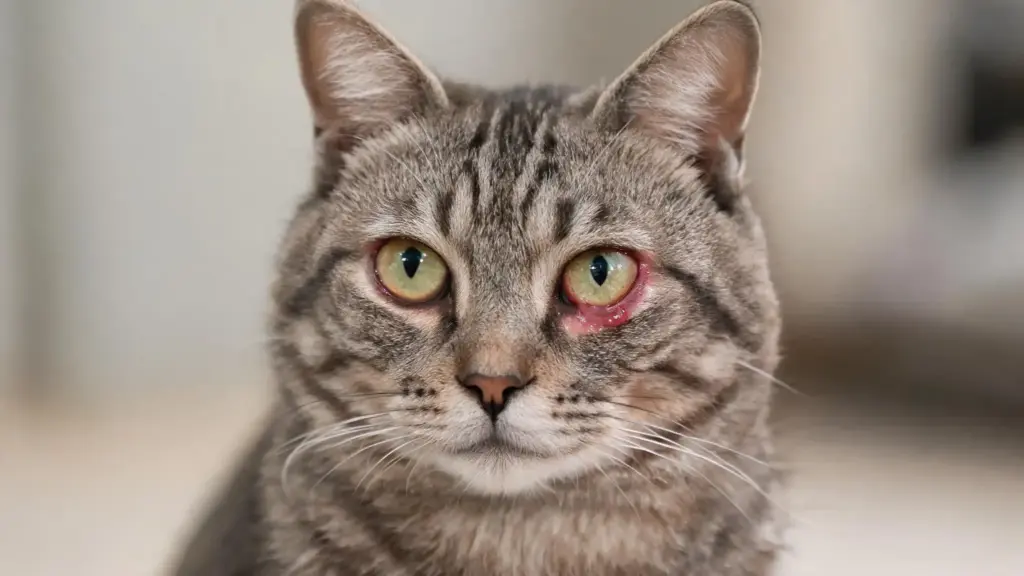
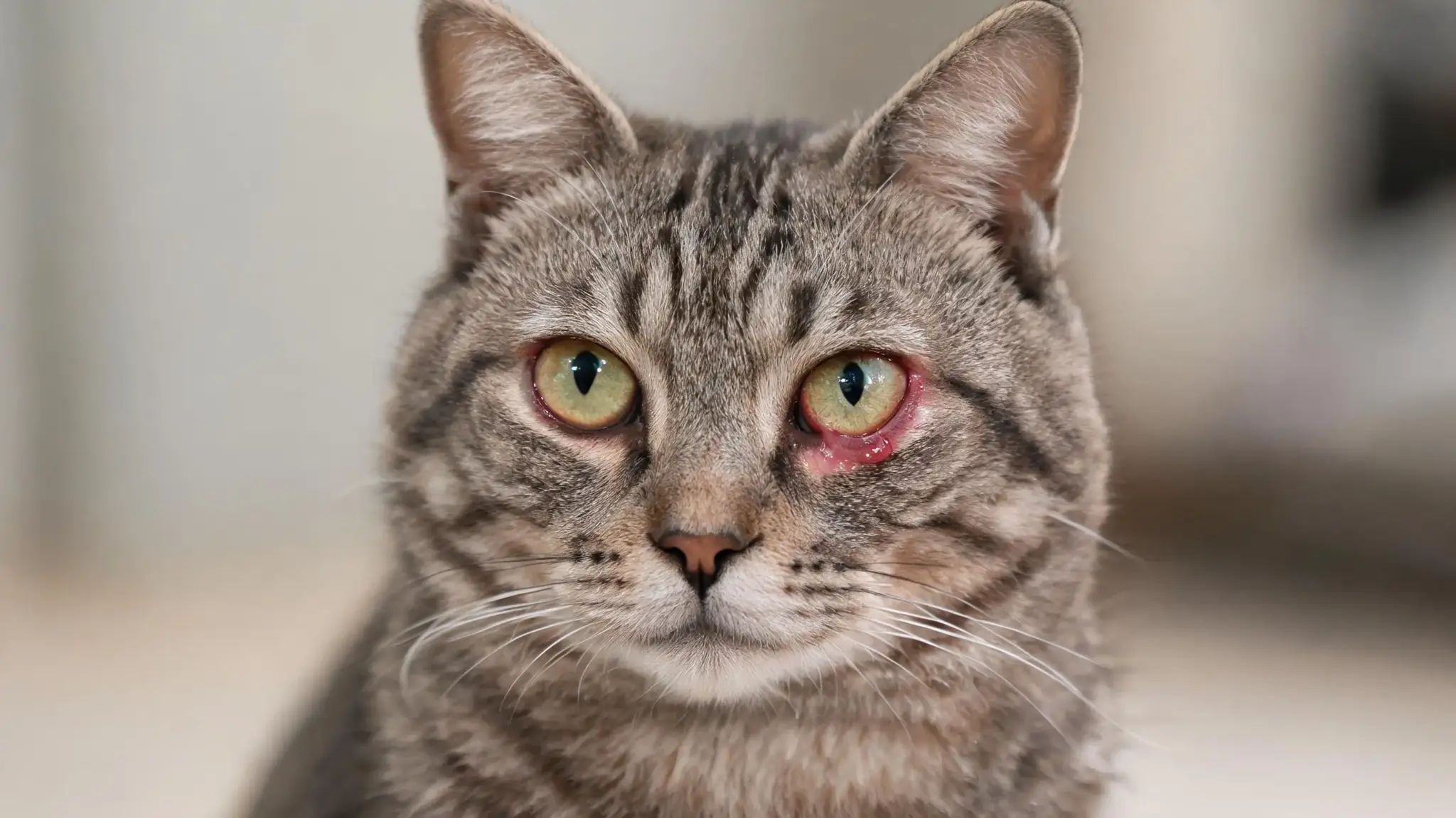
2. Eye Discharge
Watery, teary eyes are common in the early days.
The discharge can become sticky or crusty around the corners of the eyes, and the whites of the eyes may look red or irritated.
Some cats squint on the affected side. If you notice clouding or ulcers on the eye itself, that’s more commonly associated with feline herpesvirus, but any eye involvement warrants a call to the vet.
These respiratory signs in cats can overlap with those of other conditions, so it’s worth properly ruling them out.
3. Mouth Ulcers
This is the symptom that sets calicivirus apart from most other feline respiratory viruses.
FCV has a preference for the lining of the mouth, and sores can appear on the tongue, gums, lips, or the roof of the mouth.
Some are small and hard to spot. Others are large, raw, and clearly painful. If your cat suddenly stops grooming themselves or flinches when they yawn, mouth pain is often the reason.
4. Drooling and Bad Breath
A cat drooling more than usual isn’t something to brush off.
When the mouth has active ulcers, saliva production goes up, and swallowing becomes uncomfortable.
The bad breath that comes with calicivirus isn’t the usual mild cat breath; it often has a distinctly sour or unpleasant odor linked to the open sores.
5. Fever and Tiredness
FCV almost always comes with a fever, which in cats can reach 104 to 105°F in moderate to severe cases.
A feverish cat will usually seek out warm, quiet spots and sleep far more than normal.
They may seem withdrawn, less interested in play, and slow to respond to things that would normally grab their attention.
This is their body working hard to fight the infection.
6. Loss of Appetite
Between a blocked nose (which dulls their sense of smell), a sore mouth, and the general misery of feeling unwell, eating becomes unappealing.
This is one of the more serious symptoms to watch.
Because a cat that stops eating entirely for more than 24 hours is at risk for hepatic lipidosis, a liver condition that develops when cats go without food for too long.
7. Limping or Joint Pain
This one surprises many owners. Certain strains of FCV cause temporary inflammation of the joints, which can appear as sudden lameness or limping.
The cat may favor one leg or seem reluctant to jump.
It tends to happen more often in kittens and usually resolves within a few days, but it’s easy to mistake it for an injury if you don’t know that calicivirus can do this.
How Long Does Calicivirus Last in Cats?
Most cats with a typical FCV infection feel noticeably better within 7 to 10 days. The sneezing settles, the discharge clears, and appetite comes back.
Mouth ulcers tend to take a bit longer to heal, often over two to three weeks, depending on their severity.
Some cats, particularly kittens, seniors, and those with other health conditions, take longer to bounce back.
In rare cases, lingering symptoms like chronic nasal discharge or stomatitis can persist beyond the acute phase.
This is something many owners don’t realize: a cat can appear fully recovered and still be shedding the virus.
Is Calicivirus in Cats Contagious?
Yes, FCV spreads easily between cats through direct contact and contaminated surfaces.
There’s no documented evidence that calicivirus poses any risk to humans; it is entirely cat-specific.
That said, humans can inadvertently carry the virus between cats on their hands or clothing, which matters if you have a sick cat and other healthy cats in the home.
A cat with active calicivirus symptoms should be isolated from other cats until it’s been symptom-free for at least a week.
This doesn’t mean banishing them to a miserable place; a warm bedroom with their food, water, litter box, and company works well.
Just keep them physically separated from other cats, and wash your hands after contact.
When to Call a Vet
Most cats with mild calicivirus will sneeze, feel sorry for themselves for a few days, and slowly come back to normal.
Knowing when to stop monitoring at home and pick up the phone is one of the most important things you can do as a cat owner.
If any of the following apply to your cat, don’t wait it out:
- Your cat has not eaten or drunk anything in 24 hours
- Breathing looks labored, rapid, or noisy
- Your cat is extremely weak or unable to stand
- Mouth ulcers are severe or bleeding
When in doubt, call. A quick phone triage with your vet can tell you whether to come in now or monitor at home.
How Vets Diagnose Calicivirus in Cats
In most cases, a vet can make a working diagnosis based on the clinical picture alone. The examination will typically cover:
- Physical exam: temperature, lymph node check, overall assessment
- Mouth and respiratory check: looking for ulcers, congestion, and the character of any discharge
- Differentiating from other infections: feline herpesvirus causes similar respiratory signs but is less likely to produce mouth sores, so the presence or absence of ulcers helps narrow things down
- Swab or laboratory testing: PCR testing can confirm FCV, but it’s not always necessary for routine cases. Vets typically reserve it for severe cases, outbreak situations, or when the diagnosis is unclear
- Bloodwork and imaging: used in severe cases to assess organ function and check for pneumonia
Note: Diagnosis and treatment of feline calicivirus should always be carried out by a licensed veterinarian.
Treatment Options for Calicivirus in Cats
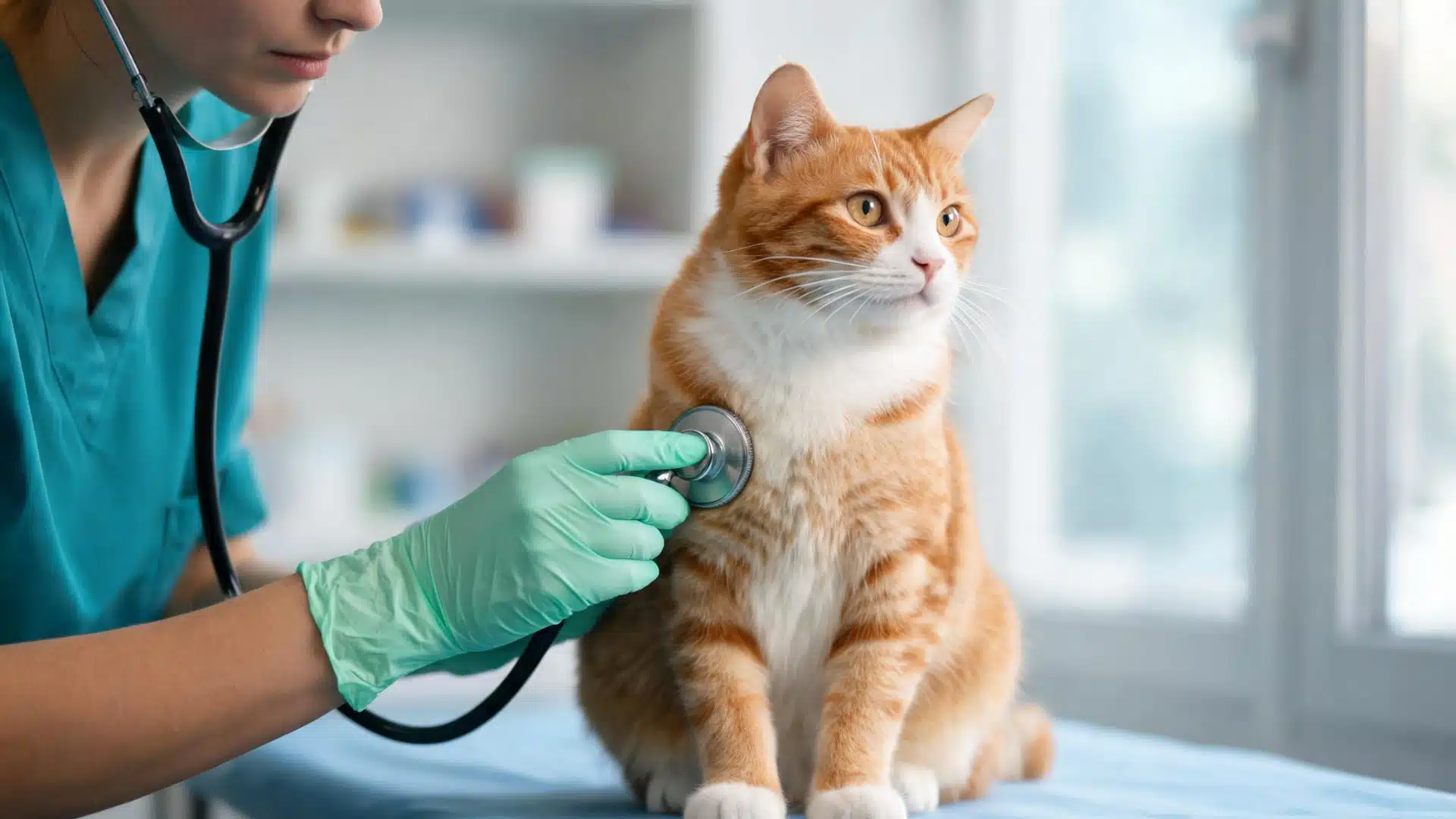
There is no antiviral medication that directly eliminates FCV. Treatment is supportive, which means the goal is to keep your cat as comfortable as possible while their immune system does the work.
1. Supportive Care
Good supportive care at home, after a vet visit, makes a real difference. A warm, quiet environment reduces stress, which helps the immune system function better.
Keeping your cat’s face clean by gently wiping away any discharge from the eyes and nose with a damp cloth helps prevent crusting and keeps them more comfortable.
For cats with nasal congestion, preventive cat health care principles apply here: a calm, clean environment is foundational.
2. Fluids
Cats with FCV often become mildly dehydrated because they’re not drinking enough and losing fluids through fever and discharge.
Encouraging water intake is important. If a cat is significantly dehydrated or refuses to drink, the vet may administer subcutaneous or intravenous fluids.
Hydration helps keep mucus thinner, supports normal body function, and can make recovery easier for the cat.
3. Soft, Strong-Smelling Food
With a blocked nose and a sore mouth, eating becomes genuinely difficult.
Wet food is far easier to eat than dry kibble, especially when there are mouth ulcers.
Gently warming the food to just above room temperature releases more aroma, which helps tempt a cat who’s lost some sense of smell.
Even getting a few tablespoons into them several times a day is better than nothing.
4. Pain Relief
Vet-prescribed pain medication is appropriate when mouth ulcers are severe or joint pain from FCV is affecting mobility.
Do not give your cat any human pain medications, such as ibuprofen and acetaminophen, as they are toxic to cats, and even some human antihistamines are dangerous.
Pain management needs to come from your vet.
5. Antibiotics for Secondary Infections
FCV is a virus, so antibiotics don’t treat it directly.
However, a cat with a compromised respiratory system is more vulnerable to secondary bacterial infections.
If a vet sees signs of bacterial involvement, typically thick, colored discharge and worsening symptoms, antibiotics may be prescribed to address that secondary layer.
This is why a vet visit matters, even when the illness seems like a simple cat cold. The right medication depends on the cat’s symptoms, age, hydration level, and overall condition.
Can Calicivirus in Cats Be Treated at Home?
After a vet visit and a confirmed diagnosis, home care comes down to keeping your cat comfortable while their immune system works.
Set them up somewhere warm and quiet, offer soft, wet food slightly warmed to coax their appetite, and gently wipe away eye and nasal discharge with a damp cloth throughout the day.
A humidifier or a few minutes in a steamy bathroom helps with congestion.
Keep their bowls and bedding clean, and never give human pain medications, as they’re toxic to cats.
The most common mistake is waiting too long to call the vet when things aren’t improving. Building routine cat wellness habits between illnesses makes recovery easier when it counts.
Conclusion
Calicivirus is common, contagious, and genuinely uncomfortable for cats who go through it.
It can look like a bad cold, or it can look like something that needs urgent attention.
The difference often comes down to how quickly it’s caught and how well-supported your cat is through it.
I’ve seen cats bounce back from FCV within a week with good supportive care, and I’ve seen others struggle longer because the signs were dismissed too early.
If your cat is showing any of the symptoms in this blog post, trust your gut and call your vet.
And if you found this helpful, share it with a fellow cat parent who might need it. Drop a comment below if you have questions.
Frequently Asked Questions
Is Calicivirus in Cats Fatal?
Typical FCV infections are not fatal for healthy adult cats, and most recover fully within 7 to 10 days. The rare virulent systemic strain (VS-FCV) is more serious, with a mortality rate above 50%.
Can Humans Catch Calicivirus from Cats?
No. Feline calicivirus is species-specific and poses no documented risk to humans. You can, however, carry the virus on your hands or clothing and spread it to other cats, so washing your hands after handling a sick cat is important.
How Long Should a Cat with Calicivirus Be Isolated?
A cat with active calicivirus symptoms should be kept separate from other cats until they’ve been symptom-free for at least a week. Because cats can continue shedding the virus after recovery.