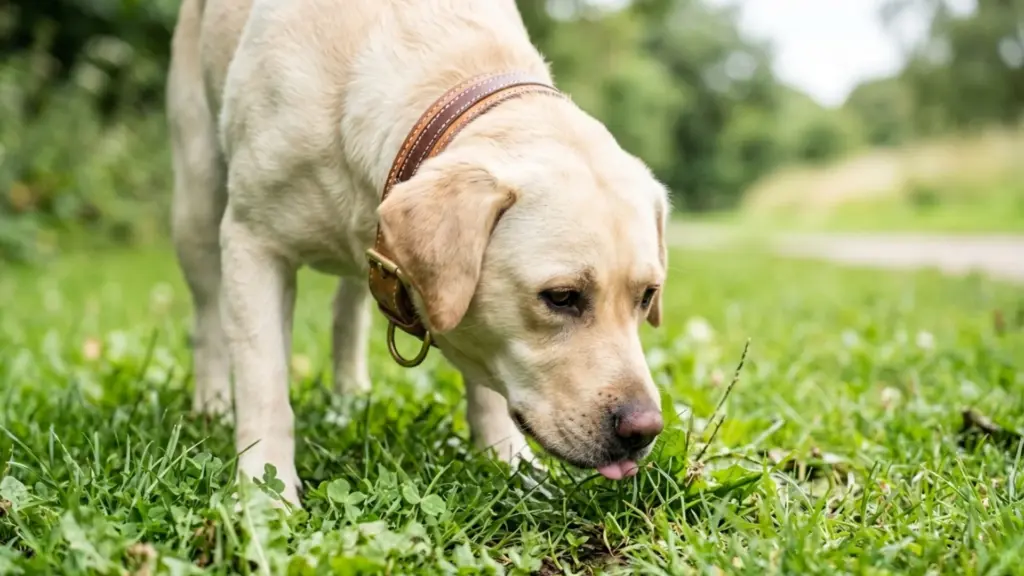
One minute, your dog is wagging their tail like nothing in the world could be sweeter. Next, they are doing the one thing that makes every owner freeze and think, “Please, not that.”
If you have ever caught your pup eating poop, you are not alone, and you are not a bad pet parent.
This strange habit can feel embarrassing, confusing, and even a little worrying.
It also brings up real questions, like why do dogs eat poop and how to stop dogs from eating poop without yelling, panic, or guesswork.
Sometimes the reason is simple curiosity. Other times, it may connect to stress, diet, boredom, or health.
Understanding what is really going on can help you respond with calm, care, and a plan that actually protects your dog.
What is Coprophagia in Dogs?
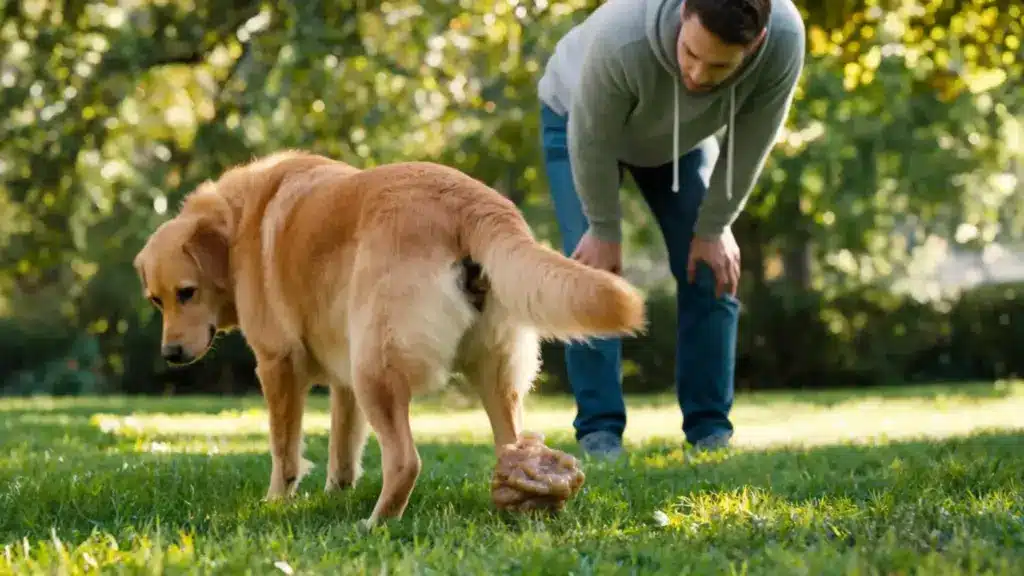
Coprophagia is the scientific term for the consumption of feces. Dogs may eat their own waste, the waste of other dogs, or feces from other animals such as cats, rabbits, or livestock.
Although the behavior appears unusual to humans, it is relatively common in the canine world.
A noticeable percentage of dogs engage in poop eating at least occasionally. Puppies are especially likely to explore feces as part of their learning process.
Coprophagia can result from instinctive behaviors, environmental influences, nutritional deficiencies, or medical conditions.
While some cases are harmless, persistent poop eating should be monitored to ensure it does not lead to health complications or indicate a deeper issue.
Common Reasons Why Dogs Eat Poop
Dogs may eat feces for reasons ranging from natural instincts to health, nutritional, or behavioral factors. Identifying the underlying cause is key to addressing the habit effectively.
1. Puppies May Eat It Out of Curiosity
Puppies often eat poop because they are still learning what everything means through smell and taste. Their world is new, and feces can seem like just another strange thing to inspect.
Some puppies grow out of this habit as they mature, but early redirection matters.
Clean up quickly, guide them away calmly, and reward them for coming back to you after potty time so the habit does not become part of their routine.
2. Mother Dogs Clean Their Puppies This Way
Mother dogs sometimes eat puppy waste because it helps keep the nesting area clean during the early days after birth.
This behavior comes from natural caregiving instincts and is usually not a concern when it happens with newborn puppies.
It can reduce odors and keep the space safer for the litter. In most cases, this habit fades as the puppies grow, start moving around, and begin learning where to potty on their own.
3. Nutritional Deficiencies or Digestive Issues
Poor nutrition may contribute to poop eating in some dogs. If food lacks essential nutrients or is difficult to digest, dogs may seek additional nutrition from unusual sources.
Digestive disorders can lead to malabsorption, meaning nutrients pass through the body without being fully utilized. Dogs may then be attracted to undigested material found in feces.
Conditions such as parasites, diabetes, or thyroid disorders can also increase appetite and encourage abnormal eating behaviors.
The role of digestibility and fiber in a dog’s diet is often underestimated here, yet improving both can meaningfully reduce the urge to seek nutrients elsewhere.
4. Behavioral and Psychological Factors
Behavioral factors are a common cause of coprophagia. Dogs may develop the habit due to boredom, stress, anxiety, or attention-seeking behaviors.
Puppies often explore feces out of curiosity or learn the behavior through repeated exposure.
The ASPCA identifies coprophagia as a recognized symptom of separation anxiety in dogs that are left alone.
In many cases, especially among rescue dogs, consistent routines, mental enrichment, and positive reinforcement training can help break the habit once the dog feels secure and settled.
Why Do Dogs Eat Other Dogs’ Poop?
Dogs may eat other dogs’ poop because it smells interesting to them.
Another dog’s food, treats, medicines, or digestion can change the smell of its waste, making it more tempting.
This can happen at dog parks, daycare, boarding places, or homes with more than one dog. Some dogs copy the behavior after seeing another dog do it.
Others rush to eat it because they learned that owners react quickly when poop is nearby. Diet differences can also matter, especially if the stool smells like undigested food.
If the habit becomes sudden or intense, talk to a vet to rule out parasites, stomach issues, or nutrition problems. This helps you treat the cause, not just the messy behavior.
Possible Health Risks of Eating Poop for Dogs
Eating poop can expose dogs to germs, parasites, and stomach trouble. A one-time incident may not always cause harm, but repeated poop eating should not be ignored. The risk is higher when a dog eats waste from unknown animals, public areas, dog parks, or litter boxes.
- Parasites: Poop can carry worms, Giardia, or other parasites that may lead to diarrhea, weight loss, bloating, or poor coat health.
- Bacteria: Feces may contain harmful bacteria that can upset the stomach and cause vomiting, loose stool, or belly pain.
- Viruses: Some animal waste may spread viral infections, especially in places where many dogs pass through, such as parks or daycare areas.
- Medication exposure: Waste from another animal may contain traces of medicine, which can be unsafe if eaten by a dog.
- Digestive upset: Eating poop can irritate the stomach and may cause gas, bad breath, nausea, vomiting, or diarrhea.
- Litter box problems: Cat poop and clumped litter can upset digestion and may create a blockage risk if too much litter is swallowed.
How to Stop Dogs from Eating Poop?
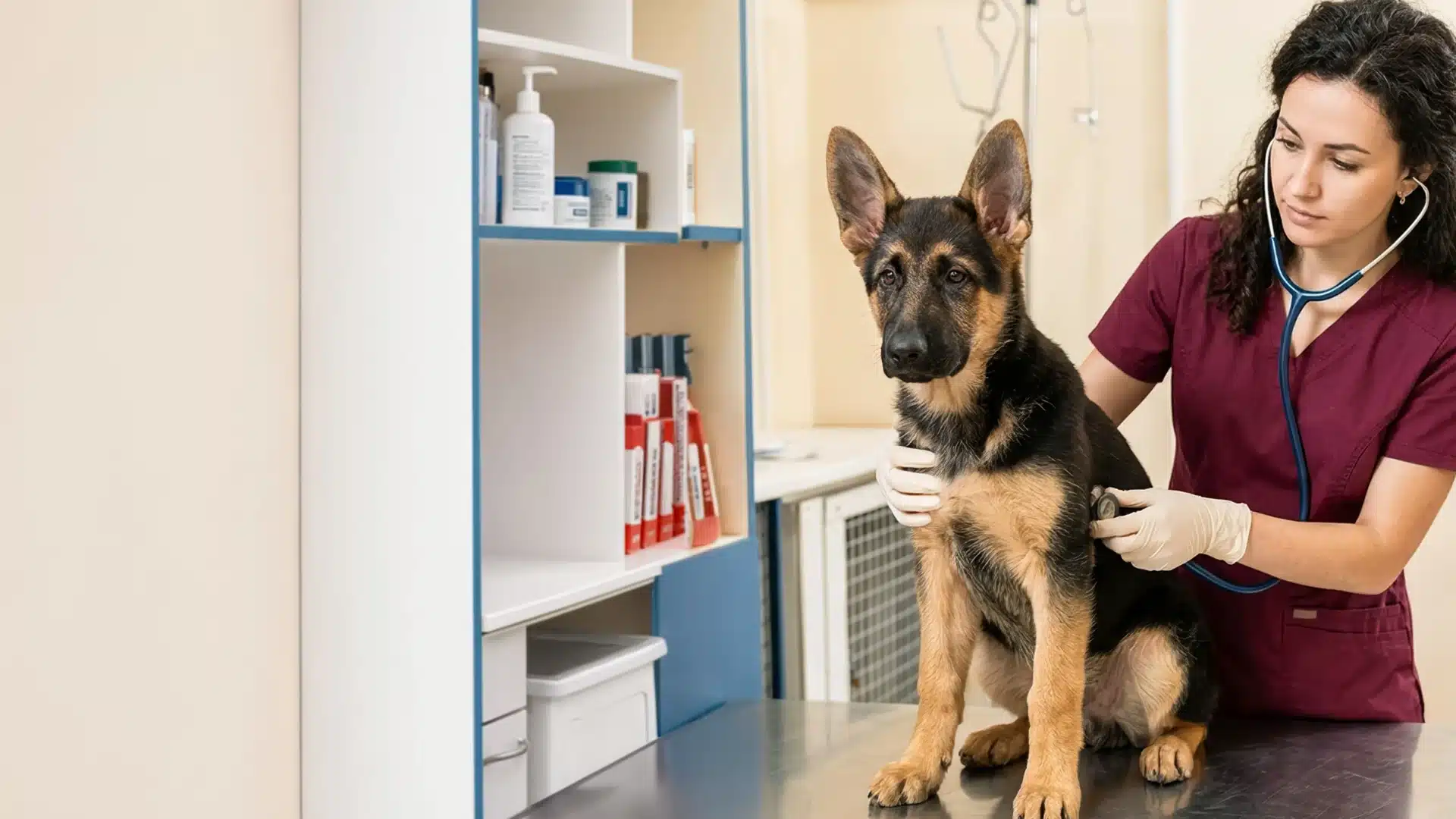
Stopping a dog from eating poop starts with removing the chance to do it. The goal is not to scare the dog. The goal is to guide them toward a better habit and make poop less available in the first place.
1. Clean Up Poop Right Away
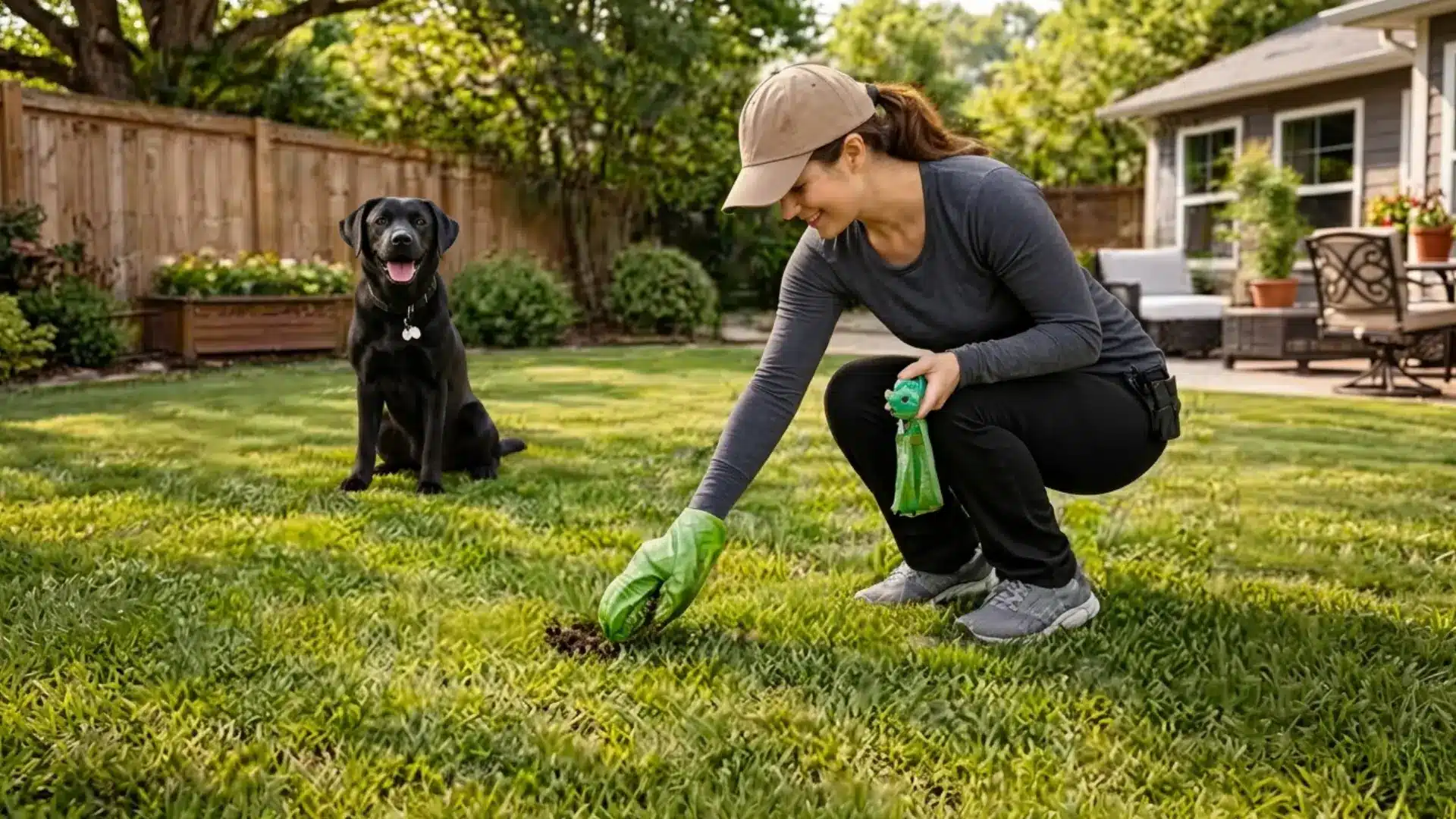
The simplest way to stop poop eating is to remove the poop before your dog gets to it. Clean the yard daily, and even more often if your dog keeps going back to the same spot.
During potty breaks, stay outside with your dog instead of letting them roam alone. Once they finish, call them away and clean up right away.
This cuts off the habit at the source and makes training much easier over time.
2. Use Leash Control During Walks
Walks can be tricky because dogs may find poop before you notice it. Keep your dog close in areas where other animals pass through, such as parks, sidewalks, trails, or apartment lawns.
Watch their nose and body movement. If they suddenly pull toward something, guide them away before they grab it.
A shorter leash gives better control than a long one. Calmly redirect them, then praise them when they move away from the poop.
3. Teach “Leave It” and “Drop It”
Training commands like “leave it” and “drop it” can help stop your dog before the habit continues. Start practicing at home with safe items, then slowly use the command outside.
Say the command in a calm voice and reward your dog when they listen. Avoid yelling, chasing, or pulling too hard, because that can make the poop seem more exciting.
Rewards work better because they teach your dog that ignoring poop leads to something good.
4. Improve Daily Exercise and Enrichment
Some dogs eat poop because they are bored, restless, or looking for something to do. A dog with more healthy activity is less likely to develop strange habits.
The right enrichment toys are one of the most underrated tools in this fight. Add daily walks, short training games, puzzle toys, sniffing time, and play sessions. Even ten minutes of focused training can help tire the brain.
Dogs need both body movement and mental work. When their day feels fuller, they are less likely to search for trouble in the yard.
5. Check Food Quality and Feeding Schedule
A dog’s diet can sometimes play a role in poop eating. If your dog is not getting enough food, has poor digestion, or is missing key nutrients, they may become more interested in stool.
Review the food brand, portion size, feeding times, and treats with your vet.
Do not change the diet too quickly without guidance. A steady feeding routine and the right nutrition can support better digestion and may reduce the urge to eat poop.
6. Block Access to Litter Boxes
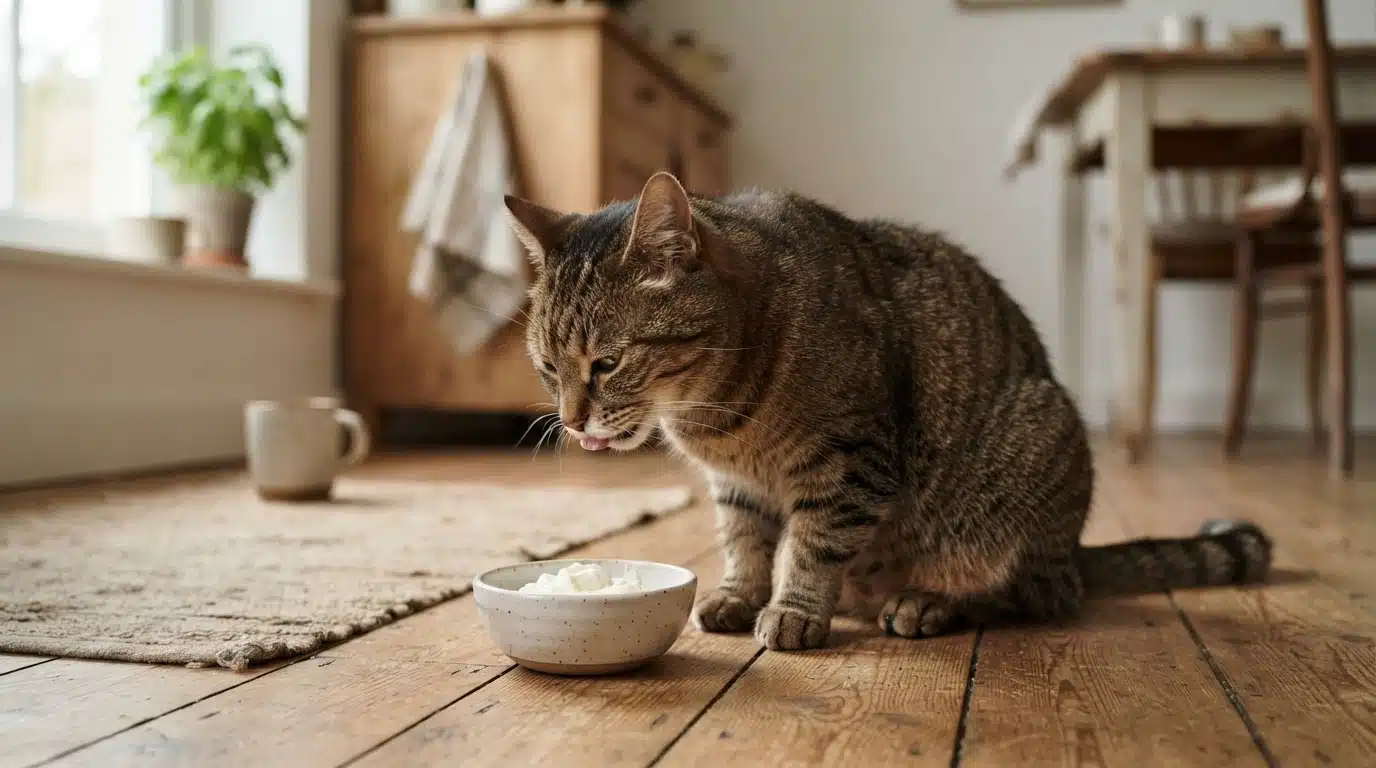
Many dogs are drawn to cat poop because it can smell like food to them. The best fix is to block access.
Place the litter box behind a baby gate, inside a room with a small cat door, or on a raised surface your dog cannot reach. Covered litter boxes may help, but some dogs still find a way in.
Keep the box clean often; this protects your dog from eating both cat poop and swallowed litter.
7. Avoid Punishing Accidents
Punishing a dog for poop-related accidents can make the problem worse. Some dogs may start hiding their poop or eating it quickly because they think they will get in trouble.
Instead of yelling or scolding, clean the mess calmly and focus on prevention. Take your dog out more often, reward outdoor potty habits, and supervise closely.
A calm response helps your dog feel safe and makes it easier to teach the behavior you actually want.
Real Owners’ Experience on Dog Eating Poop
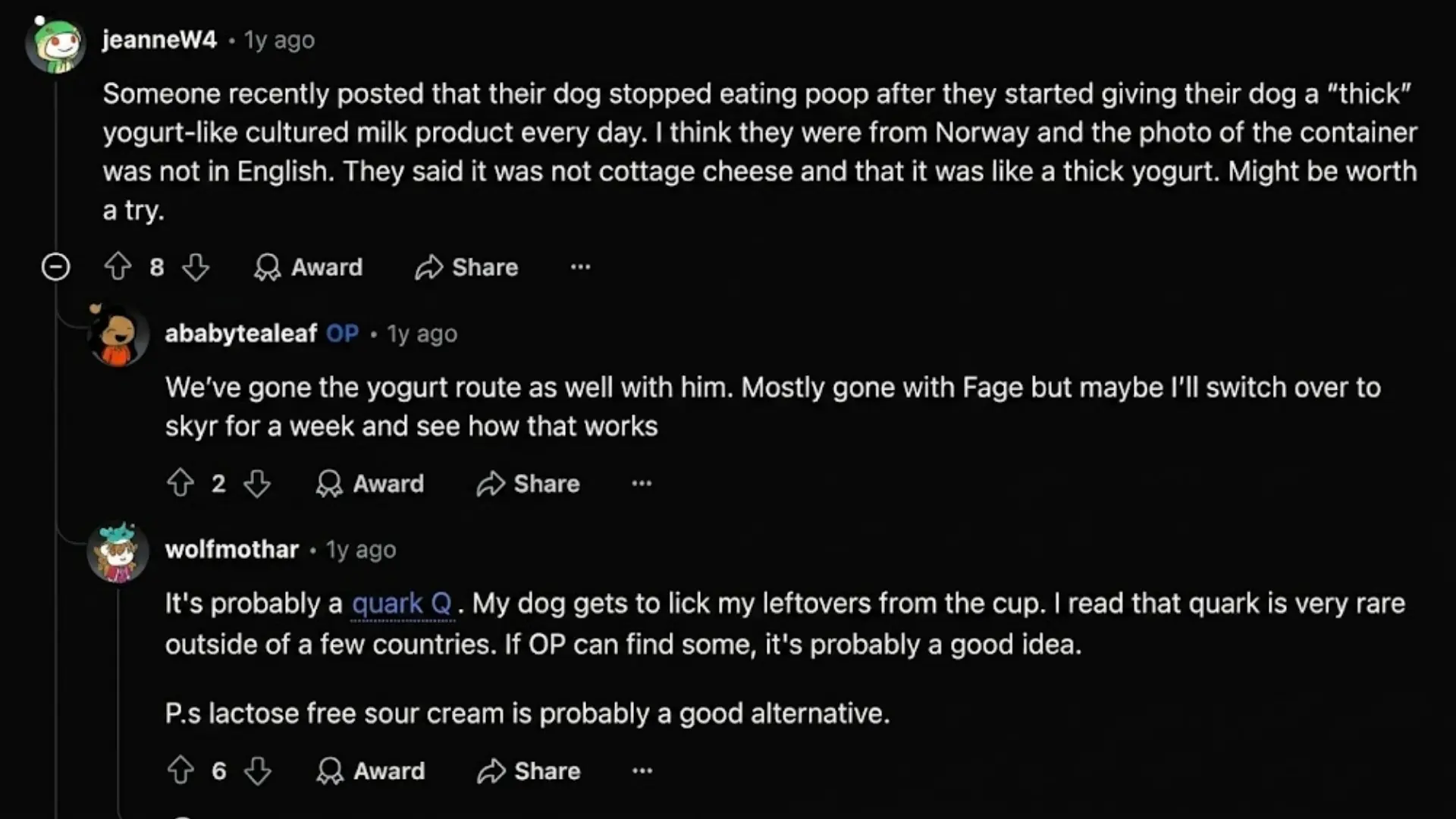
On Reddit, dog owners describe poop eating as one of the most frustrating habits to manage because it demands constant attention.
One owner shared that even quick cleanup, vitamins, probiotics, treats, and backyard leash control did not fully stop their dog.
Other owners suggested vet checks, diet reviews, stool deterrent powders, pineapple, yogurt, better portion control, “leave it” training, and even muzzle training for dogs that grab poop on walks.
The biggest pattern is clear: there is no single fix that works for every dog. Some dogs may have a health or diet issue, while others simply like the taste or have learned the habit over time.
Most owners agreed that fast cleanup, supervision, and vet guidance are the safest starting points. The shared experience also shows owners are not alone, and patience matters.
Common Mistakes Dog Owners Make
Many dog owners try to stop poop eating with quick reactions, but the habit usually needs steady prevention and calm training. Small mistakes can make the behavior harder to fix, especially when dogs learn that poop gets attention or becomes a race to grab first.
- Waiting too long to clean up: Leaving poop in the yard gives dogs more chances to eat it. Quick cleanup is the easiest first step.
- Letting dogs potty unsupervised: Dogs may eat poop when no one is watching. Stay nearby during potty breaks until the habit improves.
- Yelling or chasing: A strong reaction can make some dogs nervous or excited. Calm redirection works better than shouting.
- Ignoring sudden changes: If a dog starts eating poop out of nowhere, it could point to parasites, diet issues, or another health concern.
- Skipping basic commands: Commands like “leave it” and “drop it” help stop the behavior before it happens.
- Giving up too soon: This habit can take time to break. Consistent cleanup, rewards, and supervision usually work better than one quick fix.
When Does This Habit Need Professional Help?
Some dogs stop eating poop with cleanup, training, and a better daily routine.
Others keep doing it even when owners try everything. In the following cases, professional help can save time and reduce stress:
- The habit starts suddenly in an adult dog
- The dog eats poop every day or seems obsessed with it
- The behavior comes with vomiting, diarrhea, weight loss, or low energy
- The dog guards its poop or reacts badly when you try to move them away
- Training, cleanup, and supervision have not helped after several weeks
- The habit is happening in a multi-dog home and feels hard to control
Getting help does not mean a dog is bad or that an owner has failed. It means the habit may need a deeper look.
A vet can rule out medical causes, while a trainer can build a safer plan for daily life. With the right support, many dogs can improve and learn cleaner, healthier habits.
Conclusion
Understanding why do dogs eat poop helps owners respond to the behavior more effectively.
While the habit can be linked to natural instincts, curiosity, or environmental influences, it may also stem from nutritional deficiencies, behavioral challenges, or underlying health conditions.
The key to managing coprophagia is identifying the root cause and addressing it with a consistent approach.
Proper training, supervision, environmental management, and a balanced diet can all contribute to long-term improvement.
Although progress may take time, many dogs successfully overcome the habit with patience and guidance.
Has your dog ever struggled with this habit? Share your experience or tips in the comments to help other dog owners feel less alone
Frequently Asked Questions
Do Certain Dog Breeds Eat Poop More Often than Others?
There is no strong evidence that any specific breed is more likely to eat poop. However, highly food-motivated breeds and dogs with strong scavenging instincts may be more prone to the behavior than others.
Is Eating Cat Poop Different from Eating Dog Poop?
Yes. Many dogs are attracted to cat feces because it often contains higher levels of protein and fat residues. While common, eating cat poop can still expose dogs to parasites and harmful bacteria.
How Long Does It Take to Stop a Dog From Eating Poop?
Some dogs improve within a few weeks, while others need months. Progress depends on cleanup, training, supervision, health issues, and how long the habit has been happening.