

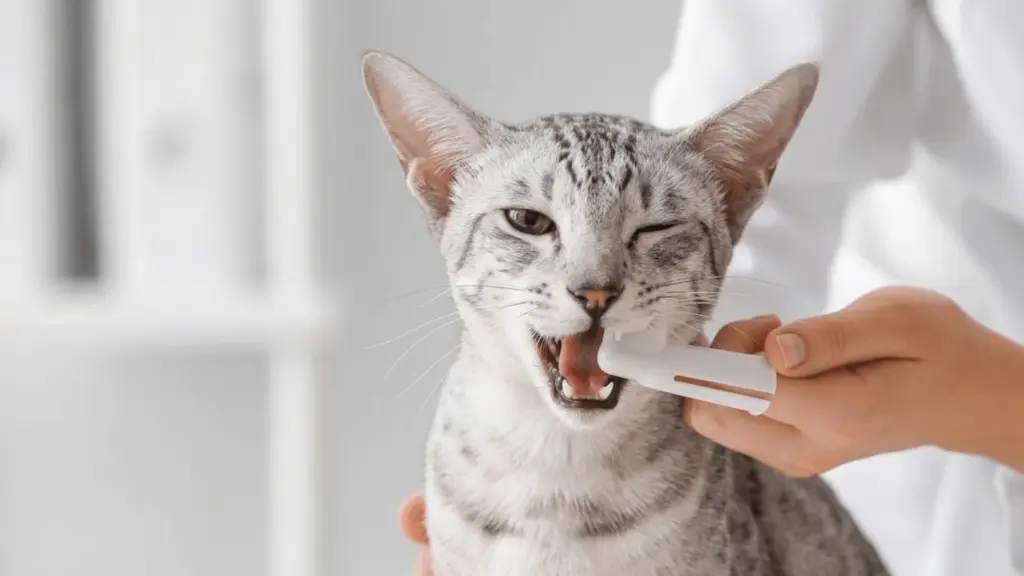
Your cat may be hiding a painful mouth problem right in front of you. Many cats keep eating, playing, and acting normally even when their teeth or gums hurt, which makes oral problems easy to miss.
Dental disease in cats can include plaque buildup, gum inflammation, tooth resorption, infections, and loose or damaged teeth.
These issues may affect eating, comfort, weight, and overall health if they are not checked early. As a licensed veterinarian with years of clinical experience, I have seen how simple habits like routine exams, brushing, and timely cleanings can prevent bigger problems later.
This blog post explains the common types, causes, symptoms, and prevention steps every cat owner should know.
What is Dental Disease in Cats?
Dental disease in cats refers to problems that affect the teeth, gums, and other tissues inside the mouth. It often starts with plaque, a sticky layer of bacteria that forms on the teeth.
When plaque is not removed, it can harden into tartar and irritate the gums. Over time, this may lead to gingivitis, periodontal disease, tooth resorption, infections, pain, and tooth loss.
Many cats do not show clear signs at first, so the condition can become advanced before owners notice anything wrong.
Regular dental checkups, home care, and professional cleanings can help detect problems early and protect a cat’s comfort, eating ability, and long-term health.
Symptoms of Dental Problems in Cats

Dental problems can affect cats of all ages and often develop slowly over time. Because cats naturally hide signs of pain, it is important for owners to recognize subtle changes in behavior and oral health.
Early identification of symptoms can help prevent dental disease in cats from progressing into more serious conditions and improve treatment outcomes.
1. Bad Breath (Halitosis)
Persistent bad breath is often one of the earliest and most noticeable signs of oral disease in cats.
While a mild odor after eating may be normal, a strong, persistent, or foul smell can indicate plaque buildup, gum inflammation, tooth decay, or bacterial infection.
Bad breath is frequently associated with underlying dental problems that may worsen over time if left untreated.
Regular dental examinations are important because they help identify the cause early and prevent more serious oral health complications from developing.
2. Plaque and Tartar Buildup
Plaque appears as a sticky, colorless film that continuously forms on the teeth from bacteria, food particles, and saliva.
If not removed through proper brushing and flossing, it can harden into tartar, which cannot be removed with regular at-home cleaning.
Yellow or brown deposits along the gumline are common signs of tartar buildup.
These deposits create an ideal environment for harmful bacteria, increasing the risk of gum disease, tooth decay, bad breath, and long-term damage to oral health.
3. Red, Swollen, or Bleeding Gums
Healthy gums in cats should appear pink, firm, and free from swelling or irritation.
Redness, puffiness, tenderness, or bleeding are often early signs of gingivitis or other inflammatory dental conditions.
As gum disease progresses, it may lead to pain, infection, and damage to the tissues supporting the teeth.
Regular dental examinations can help identify oral health problems in their early stages and support the maintenance of healthy gums.
4. Excessive Drooling
Excessive drooling in cats can occur when inflammation, infection, dental disease, or oral pain causes irritation within the mouth.
In some cases, the saliva may contain traces of blood, indicating more significant gum or tooth problems.
Although drooling can be linked to various feline health conditions, persistent or excessive salivation should not be ignored.
A veterinary examination can help determine the cause and ensure appropriate treatment.
What Causes Dental Disease in Cats
Dental disease in cats develops gradually, usually from a combination of factors that allow bacteria to build up in the mouth. Understanding these helps you take steps before problems develop rather than after.
- Plaque buildup: Plaque is a sticky layer of bacteria, saliva, and food particles that forms on the teeth and irritates the gums.
- Tartar accumulation: Tartar is hardened plaque that collects along the gumline and creates a place for more bacteria to grow.
- Poor oral hygiene: Without regular brushing, dental checkups, or cleanings, plaque and tartar can build up and increase the risk of infection.
- Age and genetics: Older cats and some breeds may be more likely to develop dental problems because of tooth structure, immune response, or inherited risk.
- Diet and chewing habits: Soft food, limited chewing, or lack of dental-friendly products may reduce natural cleaning and allow more buildup on the teeth.
Common Types of Dental Disease in Cats
Cats can develop several oral conditions that affect the gums, teeth, roots, and soft tissues, often causing pain before clear behavioral changes appear at home.
1. Gingivitis
Gingivitis is an early gum problem that happens when plaque collects along the gumline and irritates the tissue.
The gums may look red, swollen, or tender, and bad breath can become more noticeable. Some cats still eat normally, while others may chew slowly or avoid harder food.
Because the signs can be subtle, gingivitis is easy to miss during daily care. Regular mouth checks can help owners notice changes before the condition becomes more serious.
2. Periodontitis
Periodontitis is a more advanced form of gum disease that affects the tissues and bone supporting the teeth.
It often develops when gingivitis continues for a long time. Cats with periodontitis may have gum recession, loose teeth, bad breath, bleeding gums, or pain while chewing. This condition can also make eating uncomfortable and may lead to tooth loss.
Since much of the damage can happen below the gumline, a cat may seem normal even when the disease is progressing.
3. Endodontic Disease
Endodontic disease affects the inside of the tooth, including the pulp, nerves, and root area. It may happen after a tooth fracture, injury, deep infection, or long-term tooth damage.
Affected teeth may look discolored, broken, or painful when touched. Some cats may avoid chewing on one side, drop food, or show less interest in meals.
If infection builds around the root, swelling or facial discomfort may also appear. This type of dental problem can be very painful.
4. Tooth Resorption Disease
Tooth resorption is a common feline dental condition where the body slowly breaks down and absorbs parts of the tooth.
It often affects adult and senior cats, though younger cats can develop it too. The condition may cause pain, drooling, bleeding near the gumline, or trouble chewing. Some cats swallow food whole because chewing hurts.
Others may become sensitive when the mouth is touched. Since resorption can hide under the gums, it is not always easy to see from the outside.
5. Stomatitis Disease
Stomatitis is a painful inflammatory condition that affects the gums and soft tissues inside the mouth.
It is more severe than simple gum redness and can make eating, grooming, and swallowing difficult. Cats with stomatitis may drool, have strong bad breath, lose weight, paw at the mouth, or avoid food because of pain.
The mouth may look very red, raw, or swollen. This condition is often linked to an overactive immune response to plaque and bacteria in the mouth.
How to Prevent Dental Disease in Cats
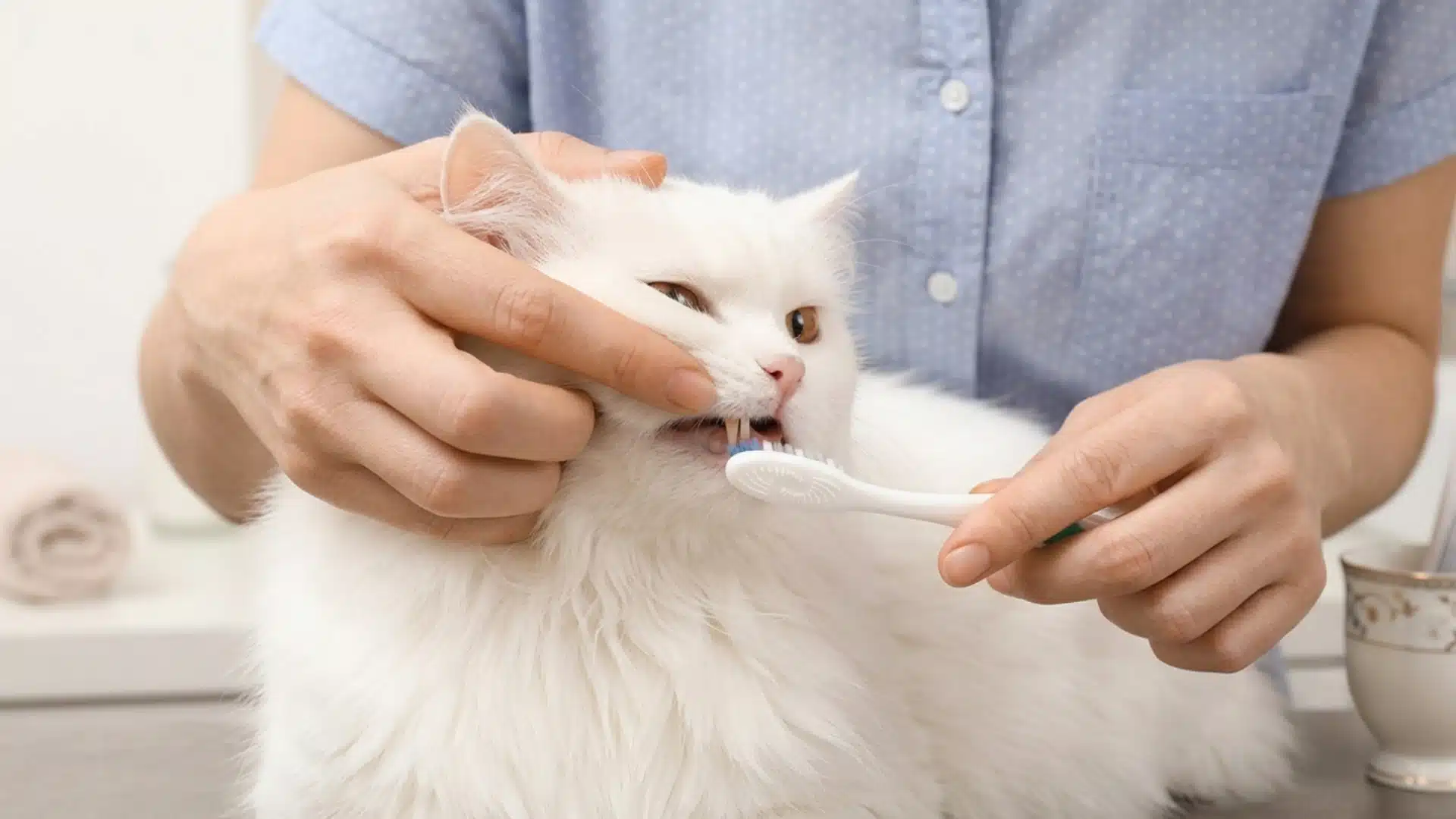
Maintaining your cat’s oral health is one of the best ways to prevent dental problems. Regular dental care helps control plaque buildup, detect issues early, and reduce the risk of serious oral diseases.
Simple preventive measures can improve your cat’s comfort, overall health, and quality of life.
- Brush Your Cat’s Teeth Regularly: Regular brushing helps remove plaque before it hardens into tartar and contributes to gum disease.
- Schedule Routine Veterinary Dental Checkups: Annual dental examinations help veterinarians detect early signs of oral disease before serious damage occurs.
- Arrange Professional Dental Cleanings: These cleanings remove plaque and tartar from areas brushing cannot reach. These cleanings help prevent gum disease and maintain healthier teeth and gums.
- Feed a Dental-Friendly Diet: Specially formulated dental diets and treats can help reduce plaque buildup and support oral hygiene.
When Should You See a Vet About Your Cat’s Teeth?
You should book a veterinary visit if your cat has strong bad breath, red or bleeding gums, drooling, loose teeth, broken teeth, or swelling around the face or jaw.
Other warning signs include dropping food, chewing on one side, refusing dry food, pawing at the mouth, hiding more often, or losing weight.
These changes can point to pain, infection, tooth resorption, gum disease, or other oral problems that need proper examination.
A vet can check the mouth safely and may recommend dental X-rays or cleaning if needed. If your cat stops eating, seems very painful, or has facial swelling, seek care as soon as possible.
Conclusion
Maintaining good oral health is one of the most important aspects of caring for a cat. Healthy teeth and gums allow cats to eat comfortably, avoid chronic pain, and enjoy a better quality of life.
As dental disease in cats is so common, regular dental care should be considered an essential part of preventive healthcare.
Ignoring oral health issues can lead to infections, tooth loss, and complications affecting major organs such as the heart, liver, and kidneys.
Protecting your cat’s oral health starts with regular care and early attention to dental issues.
Schedule routine veterinary dental checkups, and comment below if you have noticed bad breath, drooling, or chewing changes in your cat.
Frequently Asked Questions
Can Indoor Cats Still Get Dental Problems?
Yes, indoor cats can still develop plaque, tartar, gum inflammation, and tooth resorption. Diet, age, genetics, and limited brushing can all affect oral health over time.
Are Dental Cleanings Under Anesthesia Safe for Cats?
Dental cleanings are usually done under anesthesia so the vet can examine below the gumline, take X-rays, and clean safely without stress or movement.
Can Kittens Develop Dental Problems?
Kittens can have mouth problems, especially during teething or if baby teeth do not fall out properly. Early exams help catch bite or gum issues.