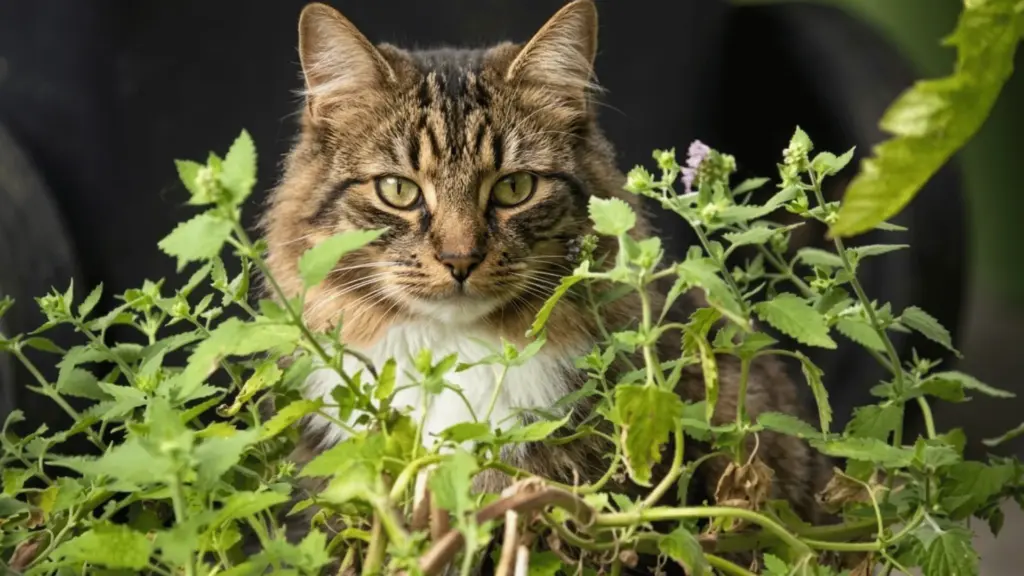
You bring home a tiny bag of catnip, shake a little onto the floor, and suddenly your calm cat is rolling, rubbing, kicking, and acting like a completely different animal.
It is funny at first, but then the worry sets in. Is catnip bad for cats, or is this strange reaction actually normal?
Many cat owners have the same moment of doubt, especially when a playful burst turns into wild zoomies or deep relaxation.
Before giving more, it helps to understand what catnip is and why some cats love it so much while others walk away unimpressed.
Catnip can feel mysterious because the reaction looks intense, but the truth is usually more reassuring than scary.
What is Catnip?
Catnip is a herb from the mint family that many cats find exciting or calming.
Its scientific name is Nepeta cataria, and it contains a natural compound called nepetalactone.
When cats smell catnip, the compound can trigger a brief reaction in the brain, often making them roll, rub, purr, jump, or act playfully.
Some cats become relaxed instead, especially after the first burst of energy.
The effect usually lasts about 5 to 15 minutes, then wears off naturally. Not every cat reacts to catnip, as sensitivity is largely inherited.
Kittens and older cats may also show little interest. Catnip can come as dried leaves, fresh plants, sprays, or stuffed enrichment toys, and most cats can enjoy it safely in small amounts.
Is Catnip Bad for Cats?
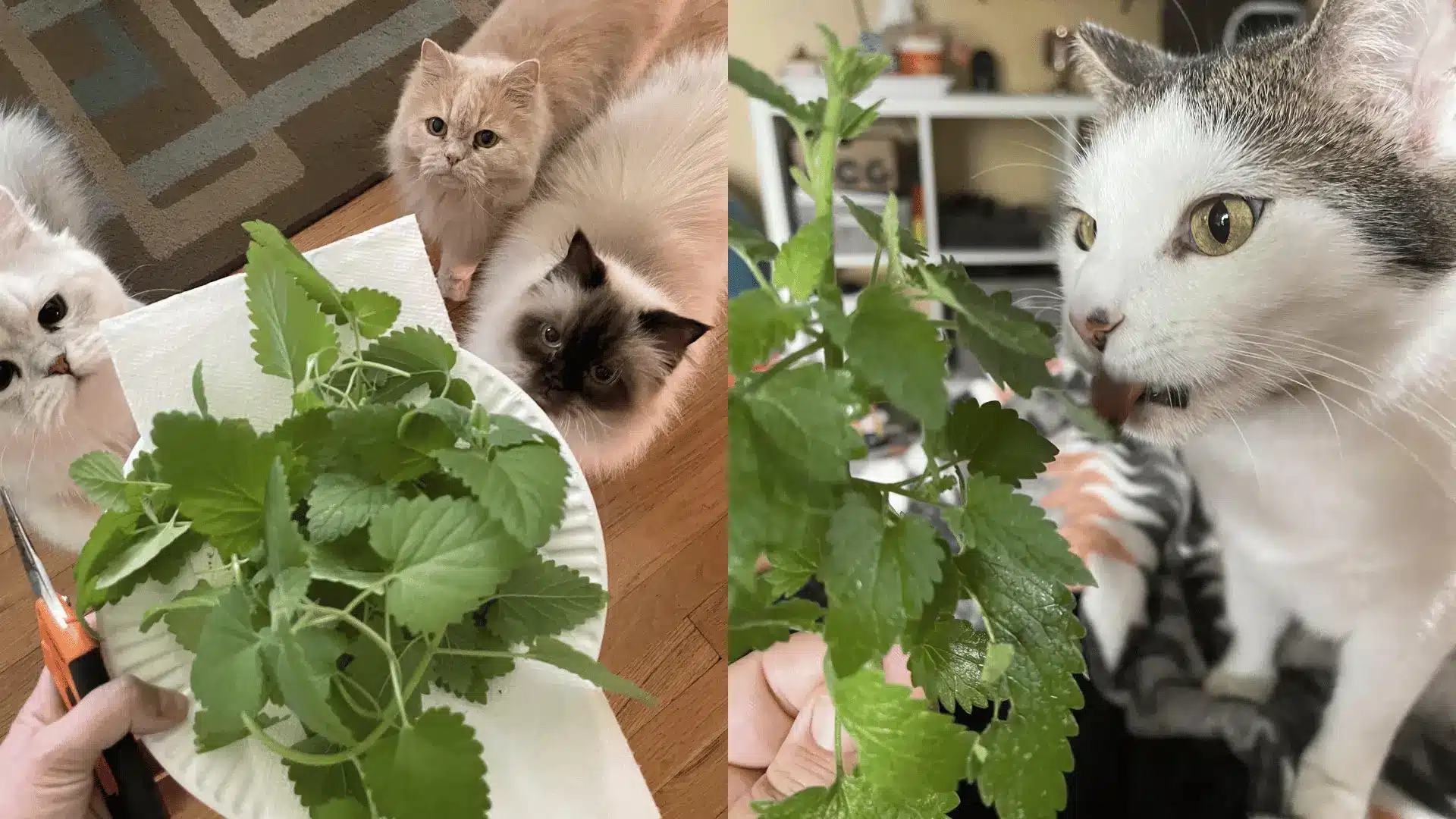
Catnip is not bad for most cats when given in small amounts. It is generally considered safe and non-toxic, so a healthy cat can smell, roll in, or play with catnip without serious risk.
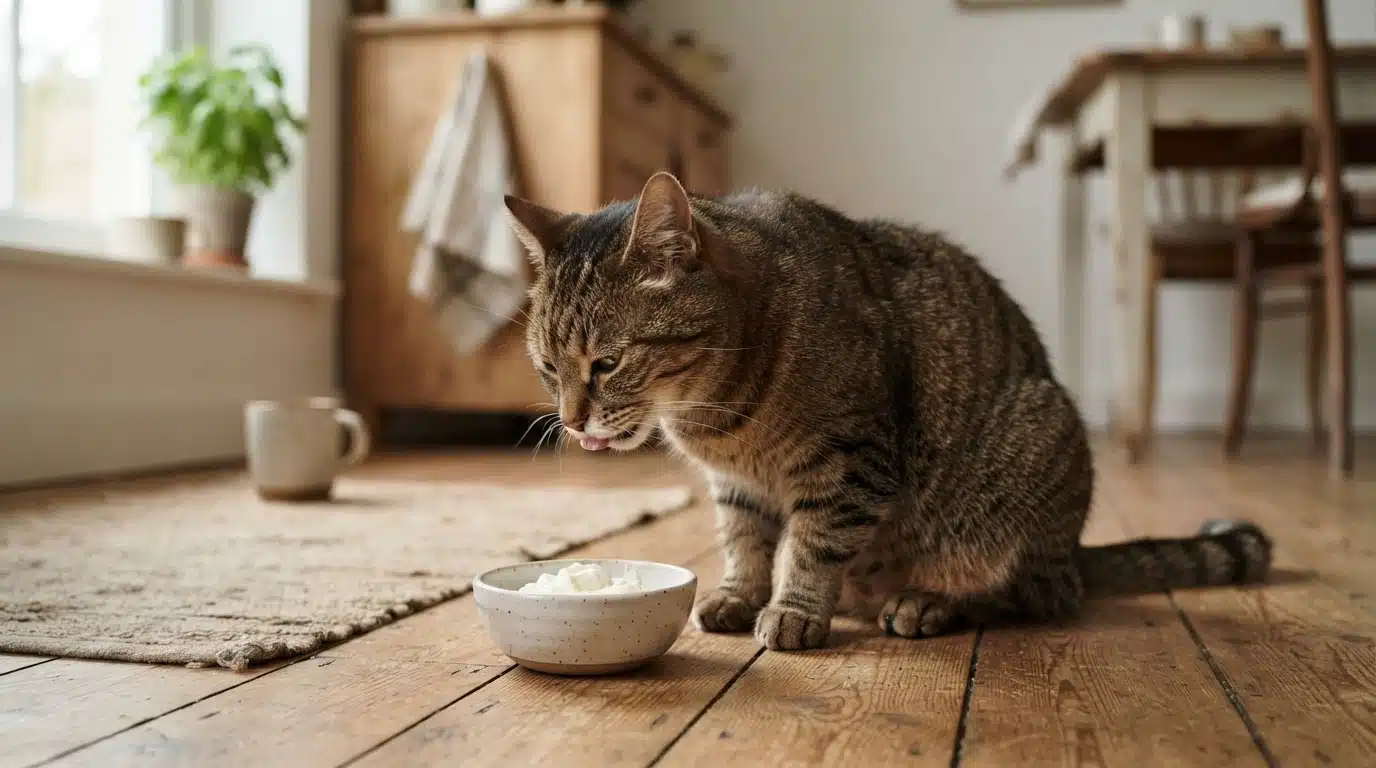
The main concern is giving too much at once. Some cats may eat a large amount and get mild stomach upset, such as vomiting or diarrhea.
A few cats may also become too excited, rough, or overstimulated after smelling it. In those cases, catnip should be used less often or avoided.
Catnip is not known to be addictive, and cats usually lose interest after a short period.
The safest approach is to start with a small pinch or one catnip toy and watch how the cat responds.
If the reaction is calm and playful, occasional catnip can be a fun enrichment tool rather than something harmful.
How Does Catnip Affect Cats?
Catnip affects cats through smell first. The reaction is usually short, harmless, and different from cat to cat.
- Playful energy: Many cats start running, jumping, chasing toys, or acting silly after smelling catnip, especially during the first few minutes.
- Rolling and rubbing: Cats often roll on the floor, rub their face, or press their body into catnip toys to enjoy the scent.
- Purring and vocalizing: Some cats purr, meow, chirp, or become more expressive because catnip can make them feel excited or relaxed.
- Temporary calmness: After the playful phase, many cats settle down, stretch out, groom themselves, or rest quietly for a while.
- No reaction: Some cats do not respond at all because catnip sensitivity depends mostly on genetics, age, and individual preference.
- Overstimulation: A few cats may become rough, hyperactive, or irritable, so catnip should be removed if the behavior turns aggressive.
Can Cats Have Too Much Catnip?
Yes, cats can have too much catnip, but it usually causes mild problems rather than serious harm.
A cat that eats a large amount may get an upset stomach, vomiting, diarrhea, or temporary tiredness.
If your cat throws up after eating catnip, it’s worth comparing the pattern against other common causes of cats throwing up to rule out anything more serious.
Some cats may also become too excited, rough, or irritable if they smell too much at once. Catnip is not considered addictive, and most cats naturally lose interest after a short period.
Still, giving it too often can make it less exciting over time. A small pinch of dried catnip or one catnip toy is usually enough.
Use it occasionally during play, then put it away after the reaction fades. If your cat reacts badly, avoid catnip and try a safer enrichment option instead.
Cat Owners Opinions About Catnip
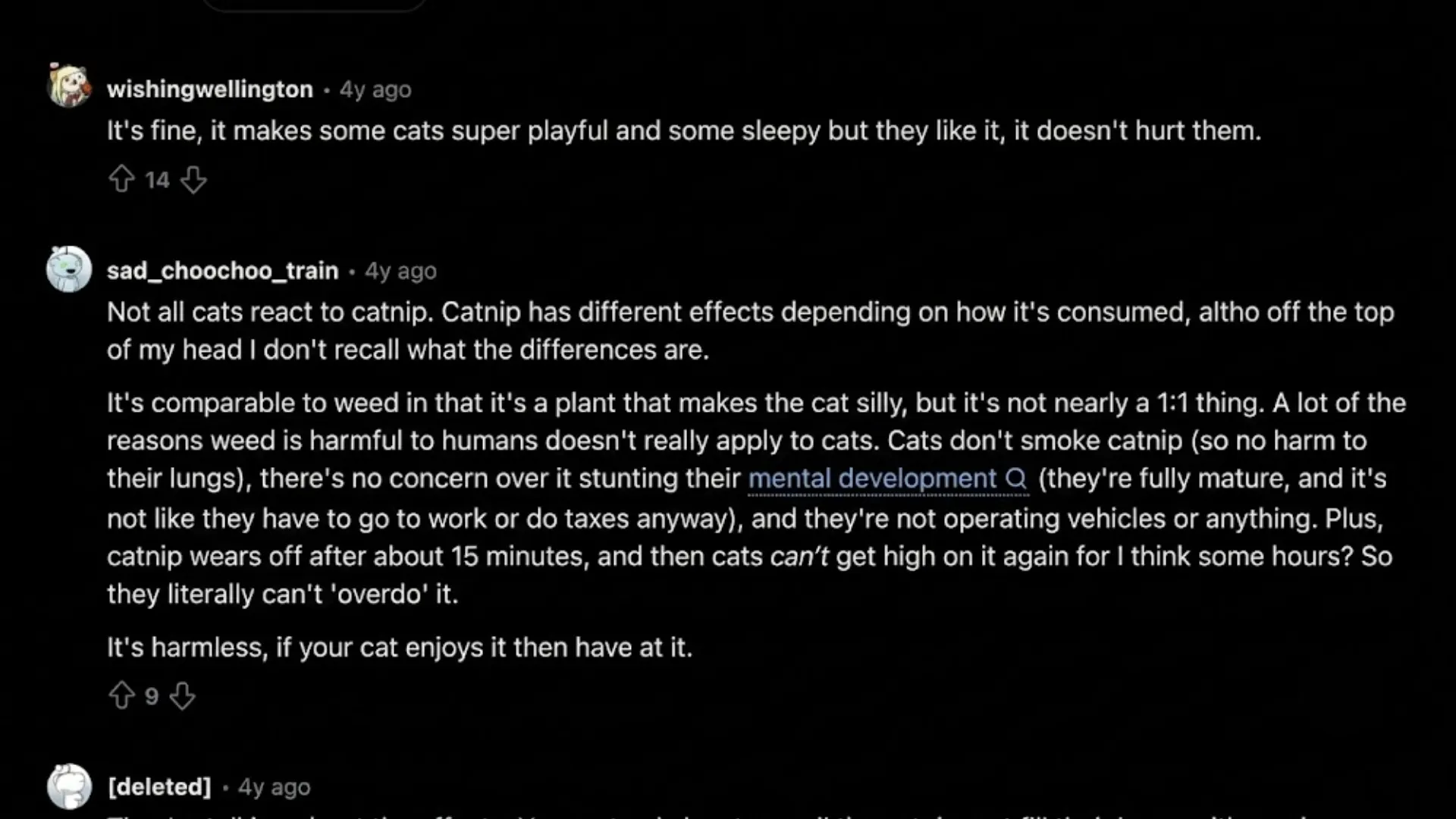
Reddit cat owners generally describe catnip as safe, non-addictive, and normal for cats when used in moderation.
In the shared CatAdvice thread, several owners explained that catnip is not the same as weed, even though people often compare the silly behavior.
Many said their cats become playful, roll around, rub on toys, or relax afterward.
Others noted that some cats show no reaction at all, which is also normal because catnip sensitivity can depend on age and genetics.
A few owners prefer giving catnip only occasionally, such as once a week or every few weeks, so it stays exciting.
The main takeaway for the community is simple: catnip is usually fine as a treat, but every cat reacts differently, so start small and watch the behavior.
Catnip vs Cat Grass: What is the Difference?
Catnip and cat grass are both safe for many cats, but they do different things. Catnip mainly affects behavior, while cat grass is more about chewing and digestion.
| Feature | Catnip | Cat Grass |
|---|---|---|
| What it is | A mint-family herb | Young grass grows from seeds |
| Main use | Play, excitement, enrichment | Chewing, fiber, digestion support |
| Cat reaction | Rolling, rubbing, zoomies, calmness | Nibbling, chewing, grazing |
| Effect length | Usually 5 to 15 minutes | No “high” effect |
| Best form | Dried leaves, toys, sprays | Fresh grass tray |
| Safety note | Too much may upset the stomach | Too much may cause vomiting |
How to Give Catnip Safely?
Most cats can enjoy catnip without problems when it is offered in moderation. A few simple habits help keep the experience fun, safe, and stress-free.
- Start with a small amount: Offer only a small pinch of dried catnip or one catnip toy first, then watch how your cat reacts before giving more.
- Limit how often: Give catnip only once or twice a week to keep it interesting and reduce the chance of your cat becoming less responsive.
- Choose quality products: Use fresh, high-quality catnip from a trusted brand, and avoid products with added chemicals, artificial fragrances, or unnecessary fillers.
- Supervise playtime: Watch your cat while using catnip, especially during the first few sessions, to make sure excitement does not become rough or aggressive.
- Store it properly: Keep catnip in a sealed container, away from heat, sunlight, and moisture, to preserve its scent, freshness, and effectiveness longer.
- Stop if problems arise: Remove the catnip if your cat shows signs of an upset stomach, excessive excitement, or unusual behavior, and consult a veterinarian if symptoms persist.
When Should You Avoid Catnip?
Catnip is safe for most healthy cats, but it is not the right choice in every situation.
Paying attention to your cat’s behavior and overall health helps you decide when it is best to skip catnip and choose another form of enrichment until the situation improves.
Situations:
- If your cat becomes aggressive, fearful, or overly excited after using catnip.
- If your cat has repeated vomiting or diarrhea after eating or smelling catnip.
- If your veterinarian has advised avoiding stimulants because of a medical condition.
- If your cat is recovering from surgery, illness, or an injury, it needs a calm environment.
- If your cat is already feeling stressed or anxious due to travel, moving, or major household changes.
- If your cat has never tried catnip before and is currently dealing with health problems, these should be evaluated first.
When used at the right time and in moderation, catnip can be an enjoyable treat, but your cat’s comfort and well-being should always come first.
If you are unsure whether catnip is suitable for your cat, speak with your veterinarian before offering it. Every cat responds differently, and factors such as age, health, and temperament can influence the experience.
Best Catnip Alternatives for Cats
Not every cat responds to catnip, and some owners prefer other enrichment options. These alternatives can encourage play, satisfy natural instincts, or provide safe chewing opportunities without relying on catnip.
| Alternative | What It Is | Best For |
|---|---|---|
| Silvervine | A natural climbing plant from Asia | Cats that do not react to catnip |
| Valerian Root | A medicinal herb with a strong scent | Interactive play sessions |
| Cat Grass | Fresh grass such as wheat, oats, or barley | Indoor cats that enjoy grazing |
| Honeysuckle Wood | Wood from the Tatarian honeysuckle plant | Cats uninterested in catnip |
| Interactive Toys | Puzzle feeders, balls, and wand toys | Daily enrichment and activity |
| Food Puzzles | Toys that release treats during play | Reducing boredom and increasing mental stimulation |
Conclusion
Catnip can look strange the first time a cat rolls, rubs, zooms, or suddenly relaxes after smelling it, but for most cats, it is a safe and simple treat.
It is not bad for cats when used in small amounts, and it is not addictive. The main thing is to watch how your cat responds because every cat is different.
Some cats love catnip, some ignore it, and a few may become overly excited or experience a mild stomach upset if they have too much.
Start with a small amount, use it occasionally, and stop if it does not suit your cat.
Have you tried catnip with your cat yet? Share your cat’s reaction and experience in the comments below.
Frequently Asked Questions
What is the One Meat to Never Feed a Cat?
Never feed cats raw or spoiled meat. It can carry harmful bacteria or parasites, causing vomiting, diarrhea, fever, and serious illness. Cooked plain meat is safer.
Is Catnip Bad for Dogs?
No, catnip is not usually toxic to dogs, but it may cause mild stomach upset if eaten in large amounts. Keep portions small and monitor reactions.
Is Catnip Bad for Humans?
Catnip is generally safe for humans in small amounts and is often used in teas. Too much may cause nausea, headache, or drowsiness in some people.