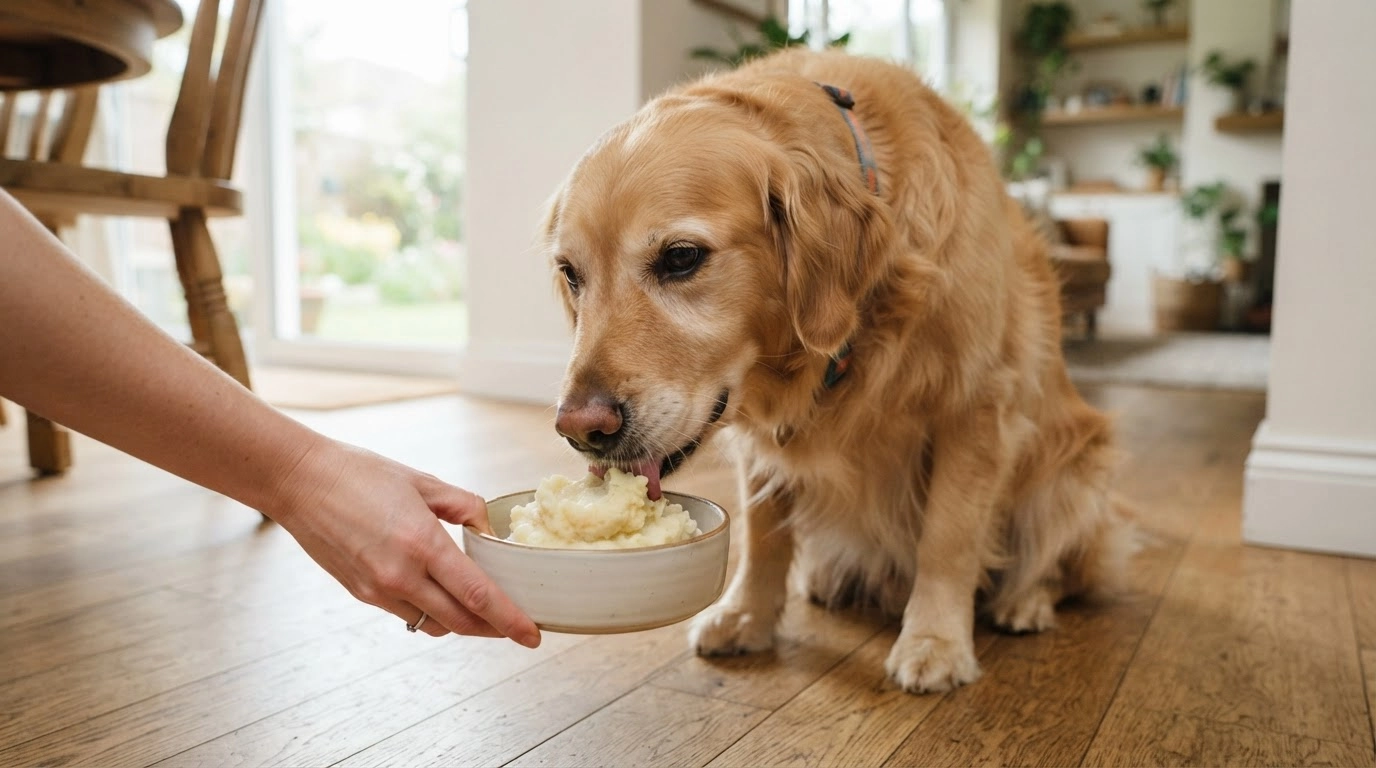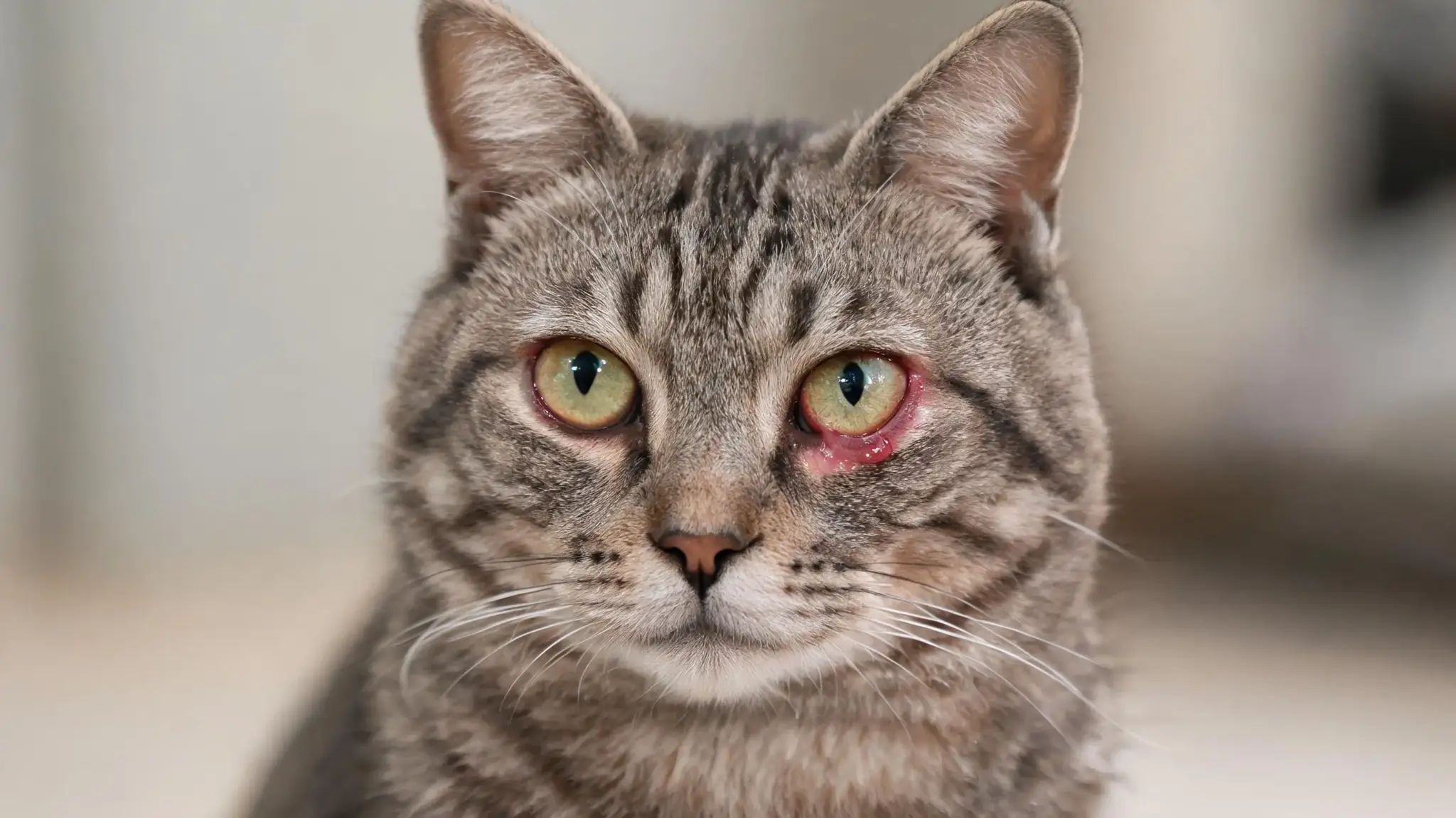
That sweet dog kiss can melt your heart in seconds, until one thought suddenly pops up about where that mouth has been today.
Maybe your pup just chewed a toy, sniffed the yard, licked muddy paws, or cleaned their fur before landing a slobbery kiss on your cheek.
It is a funny moment, but it also makes many pet parents pause.
The idea that a dog’s mouth is cleaner than a human’s has been repeated for years, yet it is not always as simple as it sounds.
The same goes for another common thought: can dogs spit, or is that just drool, foam, or saliva flying around? Loving a dog often means living close to their nose, tongue, and messy little habits.
That mix of affection and curiosity is exactly why this topic matters.
Are Dogs’ Mouths Cleaner Than Humans’?
No, dogs’ mouths are not cleaner than human mouths. This common idea is a myth. Dogs and humans both have bacteria in their mouths, but the types of bacteria are different.
A dog’s mouth can carry germs from food, toys, paws, fur, soil, trash, and anything else the dog licks during the day.
Human mouths also have bacteria, especially around teeth and gums, but daily brushing, flossing, and dental care help control them.
The real issue is not which mouth has more bacteria, but what kind of bacteria are present and where they go.
Dog saliva on healthy skin is usually not a big problem, but it should not come into contact with cuts, wounds, eyes, or the mouth. So, a dog’s mouth is not cleaner. It is simply different.
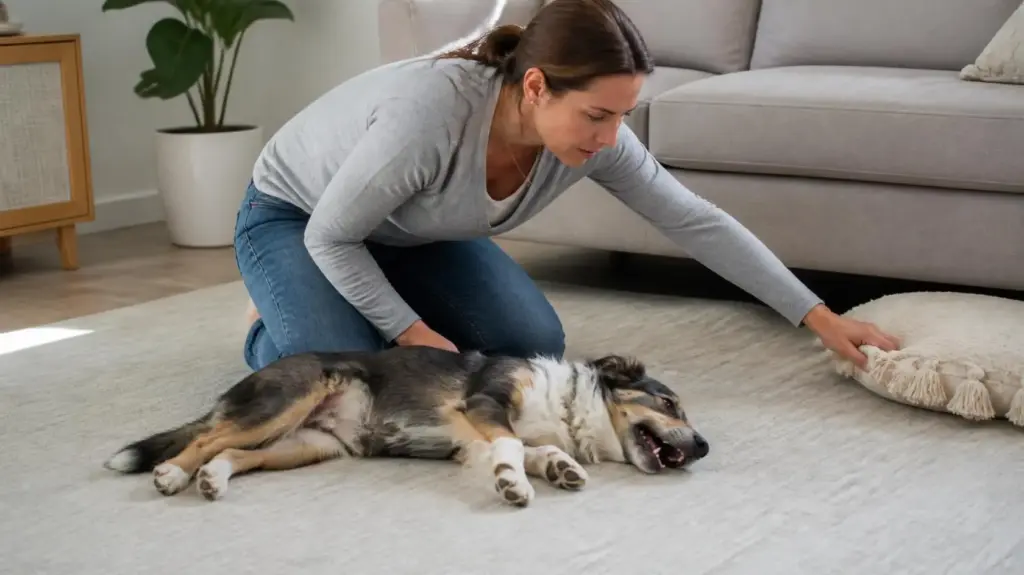
A published case study in PMC confirmed a healthy adult developing severe sepsis after a dog licked an open wound on their shin, underlining why open wounds and dog saliva should never mix.
Why Do People Think Dog Mouths Are Cleaner?
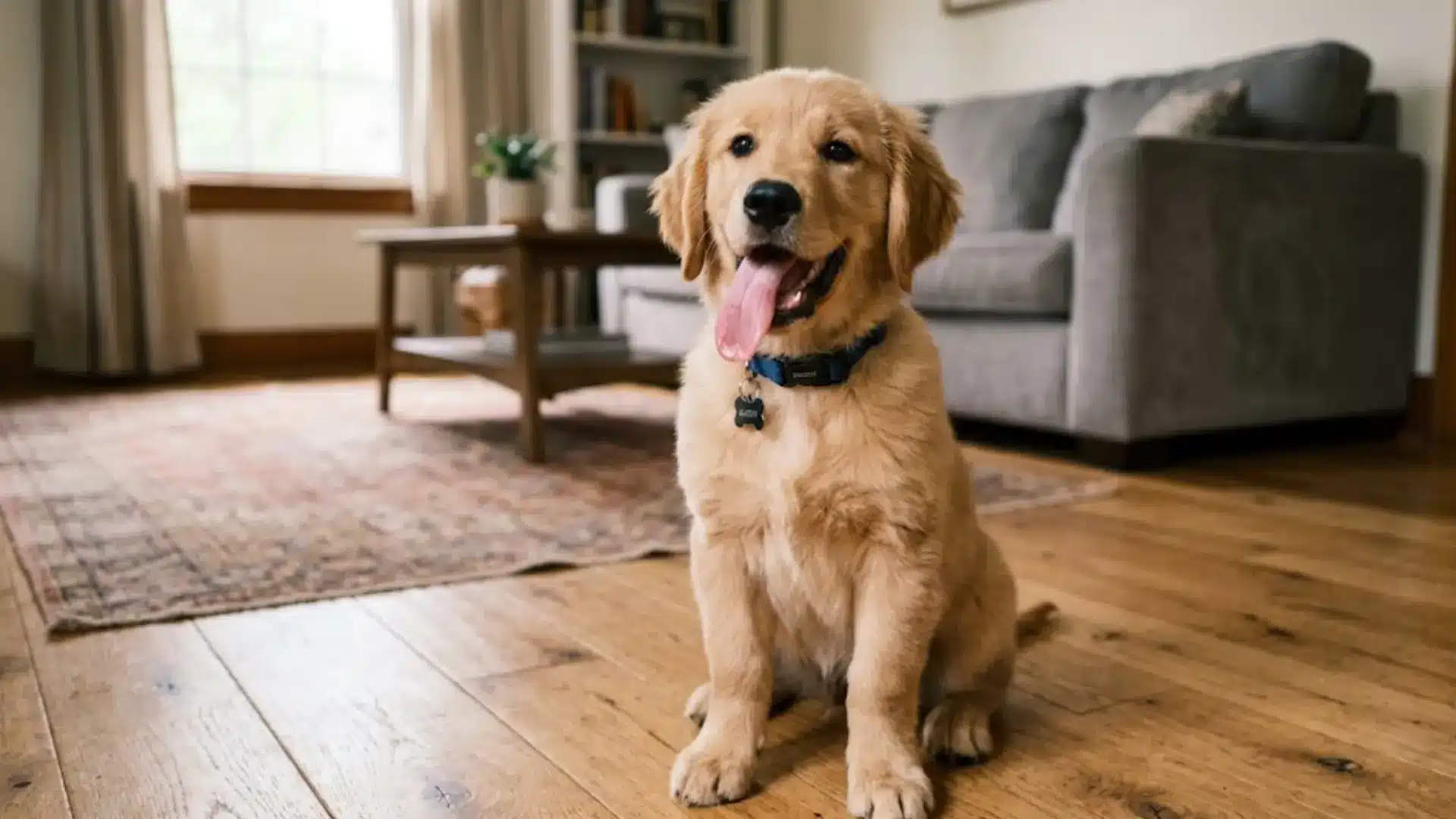
The idea that dogs have cleaner mouths than humans has been around for centuries.
In ancient Egypt, dogs were considered sacred healers, and their licks were used as part of wound treatments in temples dedicated to Anubis.
Roman soldiers reportedly allowed dogs to lick battle wounds to speed up recovery.
Even in France, a medical saying once translated to “a dog’s tongue is a doctor’s tongue.”
The reasoning made intuitive sense: dogs lick their injuries, the wounds close, and the animal survives without antibiotics or bandages.
That visible outcome became the foundation of the myth. What people didn’t see was the microscopic reality unfolding beneath the surface, and that’s exactly where the story gets more complicated.
Dog Mouth vs Human Mouth: Which Has More Bacteria?
A dog’s mouth and a human’s mouth both contain many bacteria, so it is not helpful to say one is fully cleaner than the other.
| Factor | Dog Mouth | Human Mouth |
|---|---|---|
| Bacteria level | Contains many bacteria from food, saliva, paws, fur, and outdoor contact | Contains many bacteria from food, plaque, gums, and saliva |
| Bacterial species count | Around 600 | 615+ |
| Bacteria type | Different from human bacteria and shaped by dog habits | Different from dog bacteria and shaped by diet and oral care |
| Saliva pH | 7.5 to 8.0, alkaline | 6.5 to 7.0, mildly acidic |
| Daily cleaning | Usually cleaned less often unless the owner brushes the dog’s teeth | Usually cleaned daily through brushing and flossing |
| Main risk | Saliva can carry germs into cuts, wounds, eyes, or the mouth | Bacteria can cause bad breath, cavities, gum issues, and infection |
| Cleaner option | Not cleaner, just different | Not germ-free, but usually better controlled with oral care |
What Science Says About Dog Mouth Bacteria?
Science says a dog’s mouth has its own group of bacteria, just like a human mouth. These bacteria are called the oral microbiome.
A dog’s microbiome is not the same as a human’s because dogs eat different food, lick their fur, chew toys, smell the ground, and sometimes touch dirty surfaces with their mouth.
Dog mouths harbor a complex and diverse oral microbiome, with hundreds of bacterial species.
For example, studies using next-generation sequencing have identified key genera such as Porphyromonas, Fusobacterium, Pasteurella, and Capnocytophaga as common in the mouths of healthy dogs.
This does not mean every dog’s mouth is dangerous, but it also does not mean every dog’s mouth is clean.
Dental health also shapes what’s living in a dog’s mouth. A dog with advancing gum disease or visible plaque buildup is likely carrying a heavier bacterial load than one with a clean mouth.
If you’re not sure where your dog stands, understanding the signs of dog tooth decay can help you catch problems before they progress.
A dog with gum disease or bad breath may carry more harmful bacteria. So, science supports one clear point: dog mouths are different from human mouths, not cleaner.
Can Dogs Spit?
Yes, dogs can produce saliva, but they do not spit the way humans do. Humans can push saliva out with their lips, tongue, and mouth muscles on purpose.
Dogs have a different mouth shape, so they usually drool, lick, pant, foam at the mouth, or shake saliva from their mouths instead.
What looks like spitting may actually be drooling after smelling food, saliva flying during barking, or foam caused by nausea, stress, dental pain, or something stuck in the mouth.
A dog may also cough, gag, or bring up fluid, which can look like spit.
If a dog suddenly drools excessively, has thick, frothy saliva, bad breath, vomiting, pawing at the mouth, or trouble breathing, it is best to contact a vet.
So, dogs have saliva, but true spitting is not normal behavior.
How to Actually Keep Your Dog’s Mouth Healthy?
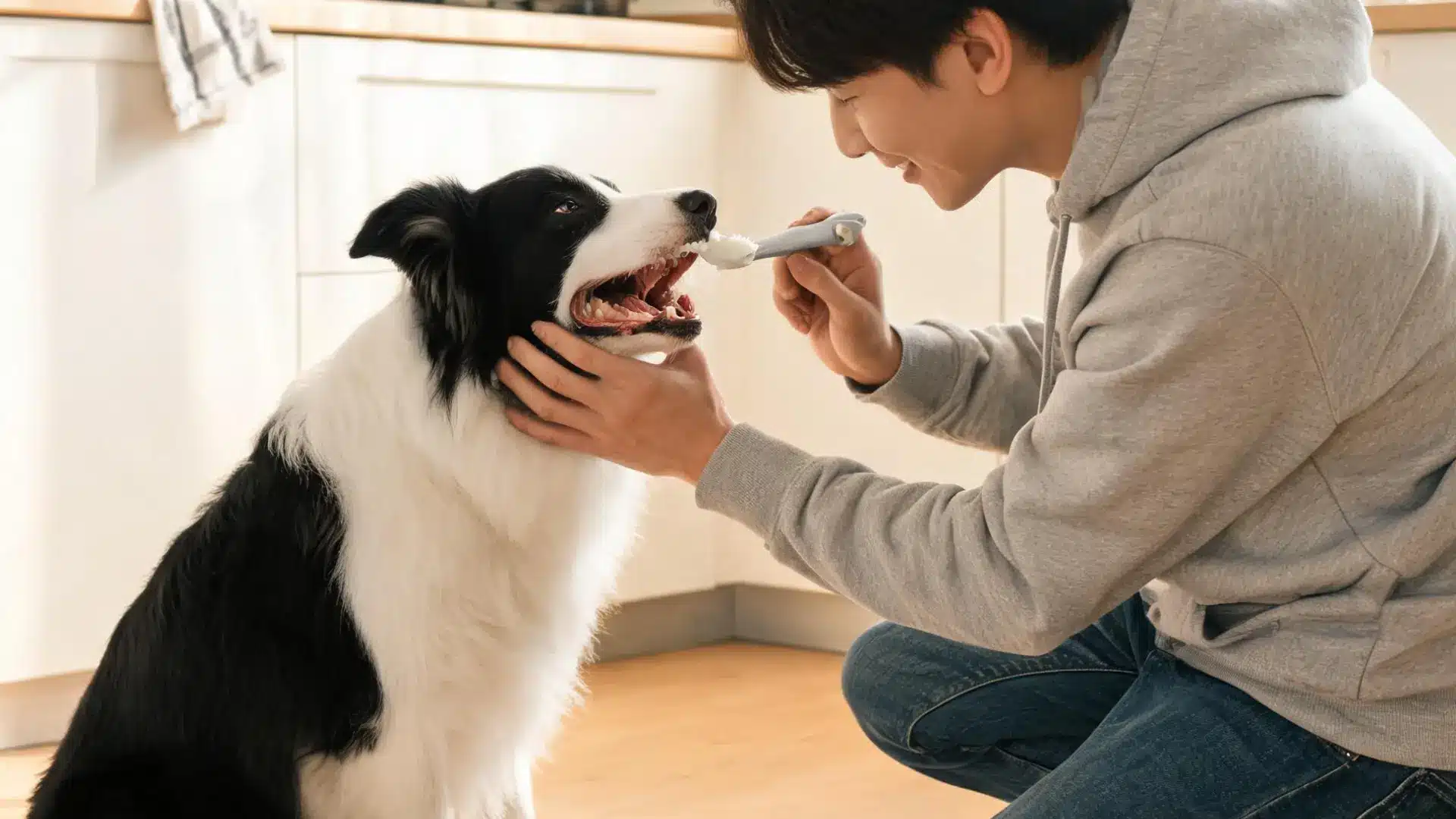
Keeping a dog’s mouth healthy does not need to be complicated. A few small habits can reduce plaque, bad breath, gum problems, and costly dental issues later.
- Daily brushing: Use a dog-specific toothpaste because human toothpaste can contain xylitol, which is toxic to dogs. Even a finger brush can help. Just like dog grooming at home keeps a dog’s coat in good condition, regular brushing helps keep the mouth healthy.
- Dental chews: Dental chews can help reduce plaque by scraping the teeth while the dog chews. Look for VOHC-approved options, as these products meet trusted standards for oral care.
- Water additives: a simple option for dogs that do not like brushing. They mix into the water bowl and may help control bacteria and bad breath with less effort.
- Regular vet dental cleanings: Professional cleanings help catch gum disease, tooth pain, and plaque buildup early. If professional dog grooming is already in the budget, a dental cleaning is another yearly cost to plan for.
- Chew toys with texture: Safe chew toys with ridges, grooves, or bristles can help reduce buildup while the dog plays. Choose toys that are firm enough to clean but not so hard that they damage teeth.
The goal is to make dental care part of the normal routine, just like feeding, bathing, and dog grooming at home.
When Should You Be More Careful?
The risk from dog saliva is usually low on healthy skin, but some situations need extra care. Dog saliva can carry bacteria, and those germs become more concerning when they come into contact with wounds, sensitive areas, or people with weaker immune systems.
- Open wounds: Dog saliva can carry bacteria into cuts or scrapes, where broken skin cannot block germs, and the risk of infection becomes higher faster for people.
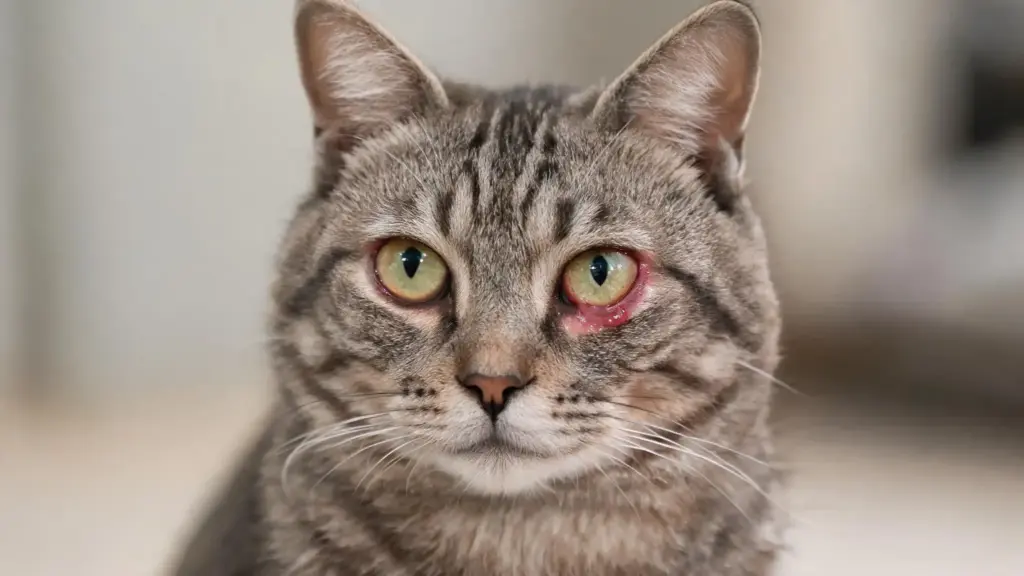
- Face licking: Dog saliva near the eyes, nose, or mouth can touch mucous membranes, so germs may enter the body more easily than through skin contact.
- Immunocompromised individuals: Young children, older adults, and people with weak immune systems face a higher risk because their bodies may not fight germs well after exposure.
- Capnocytophaga canimorsus: This bacterium can live normally in dog mouths, but vulnerable people may develop severe infection after bites or direct exposure to saliva on wounds.
- Pasteurella canis: This common dog mouth bacterium is often linked to dog bite infections, so broken skin from a bite needs prompt care.
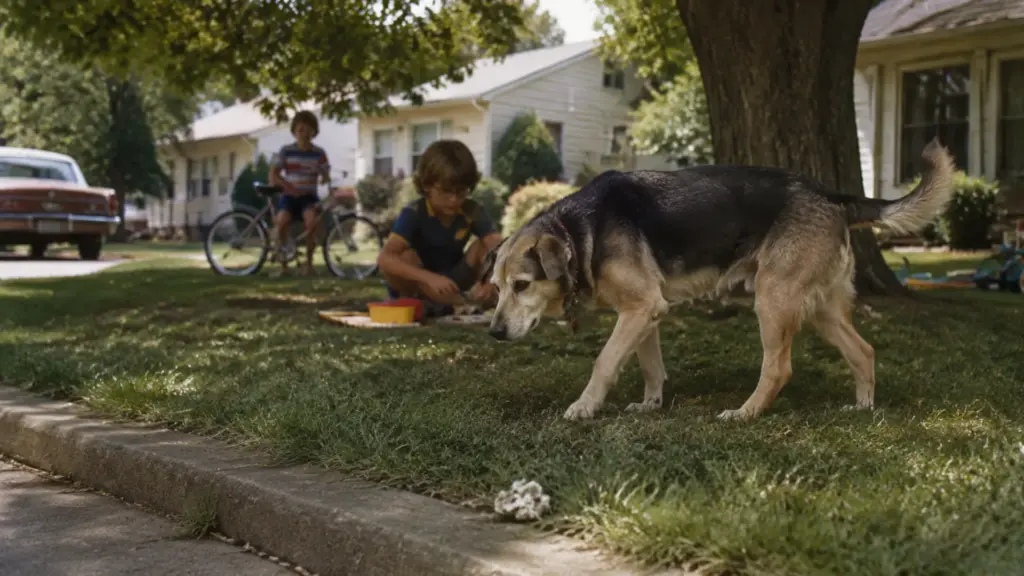
- Intestinal parasites: Dogs may lick their rear after pooping, which can leave microscopic parasites or bacteria in their mouths and increase the risk of exposure to humans.
Conclusion
So, are dogs’ mouths cleaner than humans’? Not really. A dog’s mouth is not germ-free, and neither is ours. The real answer is that both mouths carry bacteria, but the bacteria are different.
Dog saliva may be harmless on healthy skin, yet it should be kept away from cuts, eyes, noses, and mouths, especially around children, older adults, or anyone with a weaker immune system.
Dogs also do not spit as people do. Most of the time, what looks like spitting is drooling, foaming, licking, or saliva flying during barking or shaking.
The best takeaway is simple: love dog kisses with common sense, keep your dog’s teeth clean, and call a vet if drooling suddenly changes.
Do you let your dog lick your face, or do you set a no-slobber rule at home? Share your thoughts in the comments below.
Frequently Asked Questions
Can My Dog Get Sick from Licking a Human Wound?
It’s uncommon but possible. Most bacteria in a dog’s mouth are species-specific and won’t infect humans, but your dog can pick up pathogens from licking wounds, including bacteria from your skin or environment.
Is a Dog’s Mouth Cleaner than a Cat’s Mouth?
Not really, both carry around 600 bacterial species, and cats actually have a slightly higher saliva pH (around 8.1) than dogs. Both can carry Capnocytophaga and Pasteurella. Neither is “cleaner” than the other in any meaningful way.
Do Dogs Get Cavities as Humans Do?
Rarely. Because dog saliva is alkaline, it naturally buffers the acids that cause enamel erosion in humans. The estimated cavity rate in dogs is only around 5%. That said, they are highly prone to periodontal disease.
Can Sharing Food or a Water Bowl with My Dog Pass Bacteria to Me?
The risk is very low for healthy adults. Most bacteria in dog saliva are not transferable to humans in this way. The bigger concern is whether your dog has recently eaten something questionable.