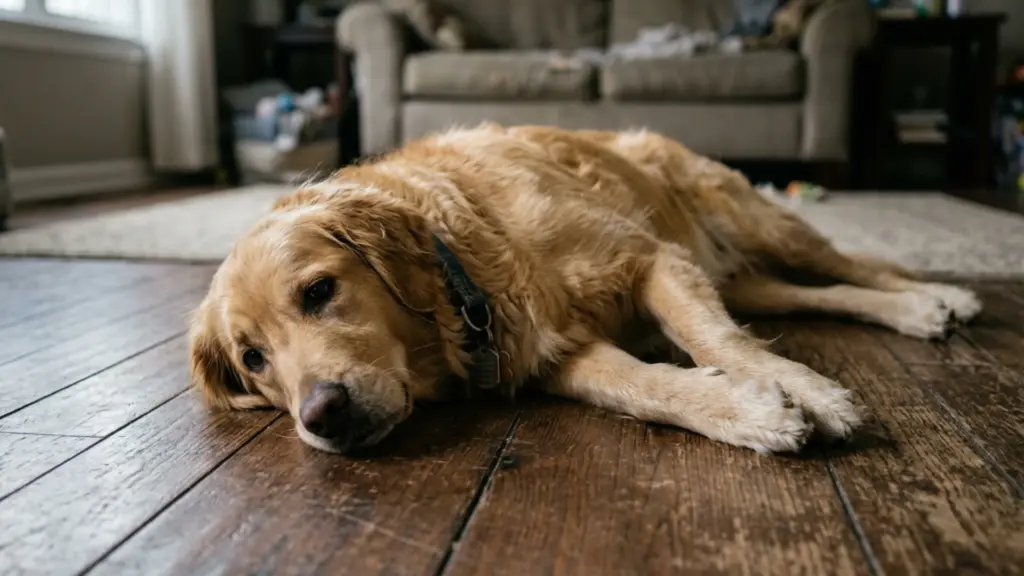
A dog can seem fine one moment and start vomiting, refusing food, or acting weak a few hours later. That sudden change can be scary, especially when a swallowed toy, sock, bone, or chew might be involved.
Understanding the dog intestinal blockage timeline helps you know what symptoms may appear first, how fast they can get worse, and when waiting becomes risky.
Some dogs show mild signs early, while others decline quickly as food, water, and gas stop moving through the digestive tract.
This blog post explains the warning signs, the usual hour-by-hour progression, and the point where a blockage should be treated as an emergency.
What is a Dog Intestinal Blockage?
A dog’s intestinal blockage, also called a bowel obstruction, occurs when something prevents food, water, gas, and digestive contents from moving normally through the digestive tract.
Symptoms typically begin within hours of ingestion and worsen steadily, with serious complications possible within 24 to 48 hours if left untreated.
The blockage may be partial, allowing some material to pass, or complete, stopping intestinal movement entirely. Without veterinary intervention, a complete blockage can be fatal within 3 to 7 days.
Without treatment, an obstruction can disrupt blood flow to the intestines, cause severe dehydration, damage intestinal tissue, and lead to life-threatening complications.
What Causes Intestinal Blockages in Dogs?
Intestinal blockages can develop when something physically obstructs the digestive tract or when an underlying medical condition interferes with the normal movement of food and waste.
- Foreign Objects: Dogs may swallow socks, toys, corn cobs, fruit pits, rocks, or pieces of rawhide. These objects can get stuck in the stomach or intestines.
- Bones and Chews: Cooked bones, large bone pieces, and hard chews can splinter, break, or lodge inside the digestive tract.
- String-like items: Rope toys, yarn, ribbons, or dental floss can create a dangerous linear blockage that may pull against and damage the intestines.
- Tumors or Growths: Intestinal tumors can narrow the digestive tract and slowly block normal movement.
- Intussusception: This happens when one part of the intestine folds into another, creating a blockage and reducing blood flow.
- Hernias or Intestinal Twisting: In serious cases, trapped or twisted intestines can block movement and cut off blood supply.
Dog Intestinal Blockage Timeline: What Happens Hour by Hour
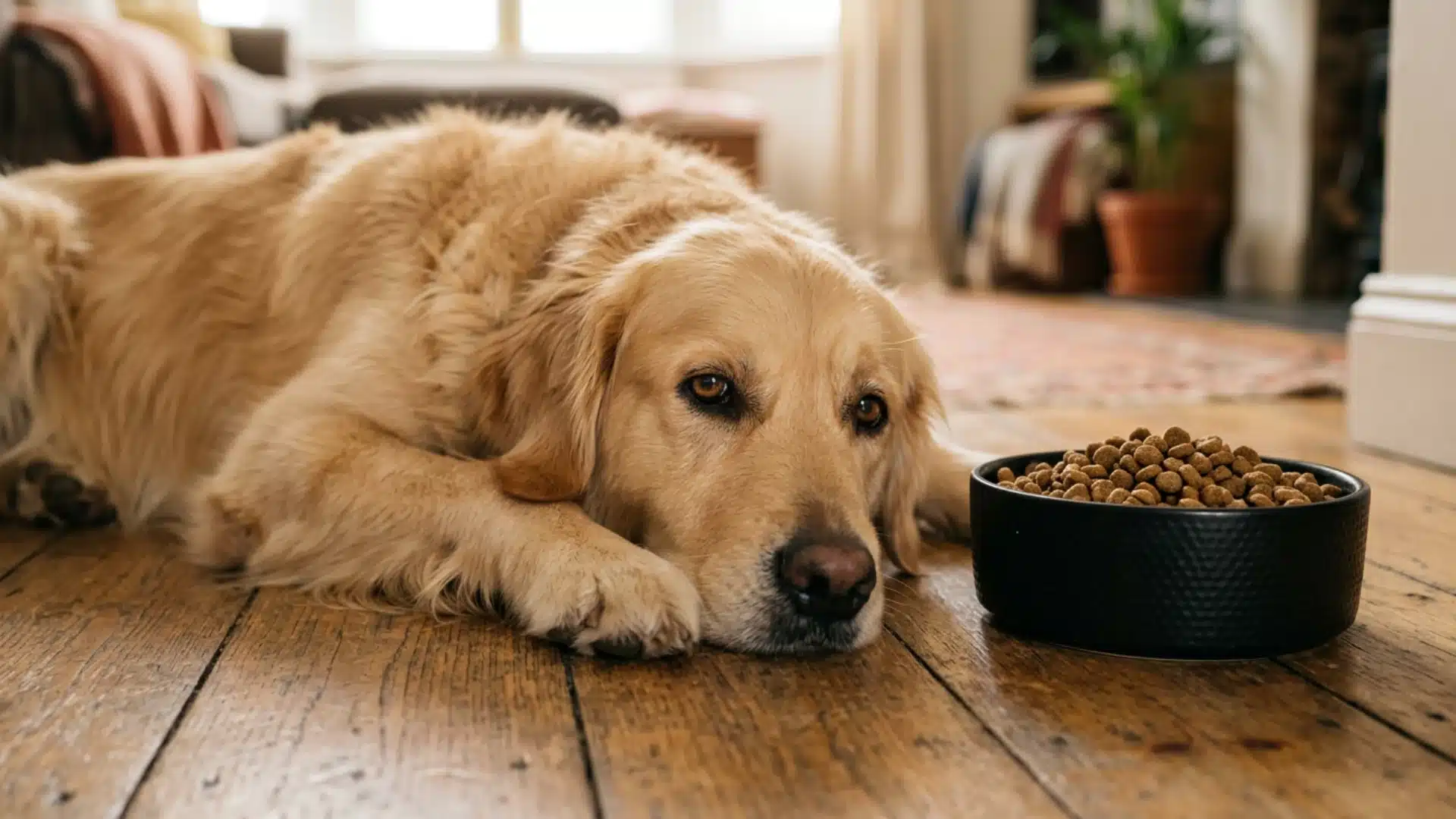
The timeline below reflects how a typical complete or near-complete obstruction progresses. Partial blockages may move more slowly, but they still need veterinary attention.
1. Hours 0-6: Early Warning Signs
During the first few hours after an object becomes lodged in the digestive tract, many dogs appear relatively normal, and thus many owners underestimate the seriousness of the problem at this stage.
As the blockage begins to interfere with digestion, early symptoms such as vomiting, loss of appetite, mild abdominal discomfort, and restlessness may develop.
If you know or suspect your dog swallowed something, this is the best time to call your vet, because vomiting can sometimes be induced within 30 to 60 minutes of ingestion before the object moves past the stomach.
2. Hours 6-24: Symptoms Begin to Escalate
By this point, the blockage is causing real pressure inside the intestines. Vomiting becomes more frequent and more distressing. Dehydration sets in fast, particularly in small breeds and puppies, sometimes within this window.
The dog’s gums may start to feel tacky when you run a finger over them, a reliable sign of significant fluid loss. Lethargy deepens. Your dog may stop responding to usual cues and show no interest in walking or playing.
If vomiting, food refusal, or abdominal discomfort has been going on for more than 6 hours, a same-day vet visit is not optional.
If your dog’s stomach is making unusual noises alongside the symptoms above, pay attention, as noise plus distress together often signal more than a mild issue.
3. Hours 24-48: The Critical Danger Window
A dog that has gone 24 hours without treatment is now in a serious situation. The intestinal wall has been under sustained pressure, which reduces blood flow to the tissue.
When the blood supply drops, the tissue can begin to die, a process called necrosis. If the intestine ruptures, bacteria can enter the abdomen and trigger septic peritonitis, a life-threatening infection.
Abdominal swelling becomes more visible and painful. Some dogs adopt a “prayer position,” resting their front legs and elbows on the ground while keeping the rear end still, to relieve abdominal pressure.
4. Day 3 and Beyond: Life-Threatening Complications
A complete intestinal blockage that goes untreated for several days can be fatal. Severe dehydration, intestinal rupture, systemic infection, and organ failure can all develop as the condition progresses.
Dogs in this stage often appear extremely weak, may collapse, and can go into shock.
Surgery that might have been straightforward in the first 24 hours becomes significantly more complex and riskier the longer it’s delayed. Immediate veterinary care is critical
Signs of Blockage in Dogs
Intestinal blockages can cause a range of symptoms that typically worsen over time. Common signs include:
- Repeated Vomiting: Frequent vomiting, especially after eating or drinking, as food and fluids are unable to move normally through the digestive tract.
- Loss of Appetite: Refusal to eat or a sudden lack of interest in food, often because the blockage causes nausea, discomfort, and abdominal pressure.
- Lethargy: Unusual tiredness, weakness, or reduced activity levels as the body becomes dehydrated and unable to absorb nutrients properly.
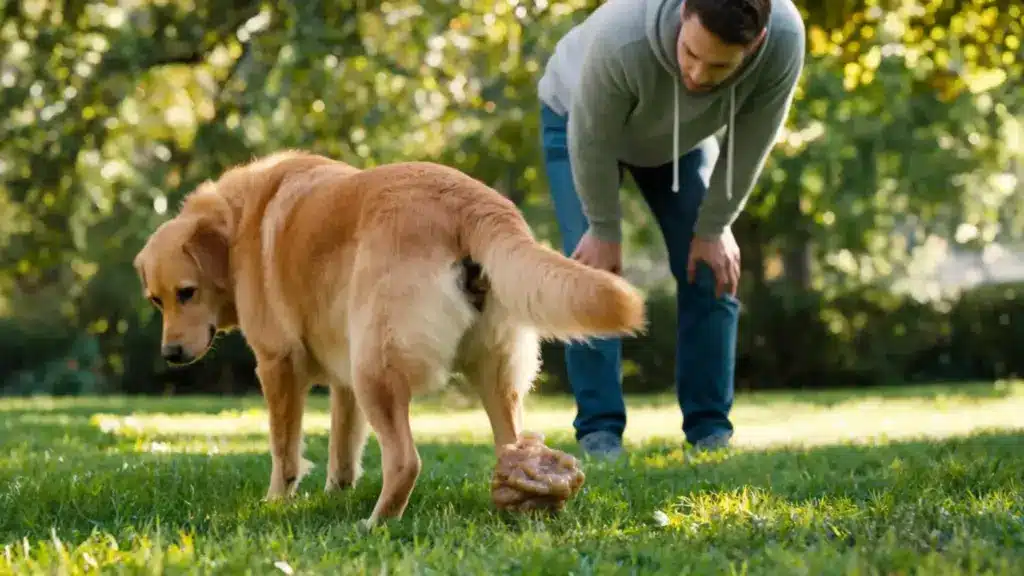
- Changes in Bowel Movements: Diarrhea, mucus in the stool, constipation, or no stool production at all, depending on the location and severity of the blockage.
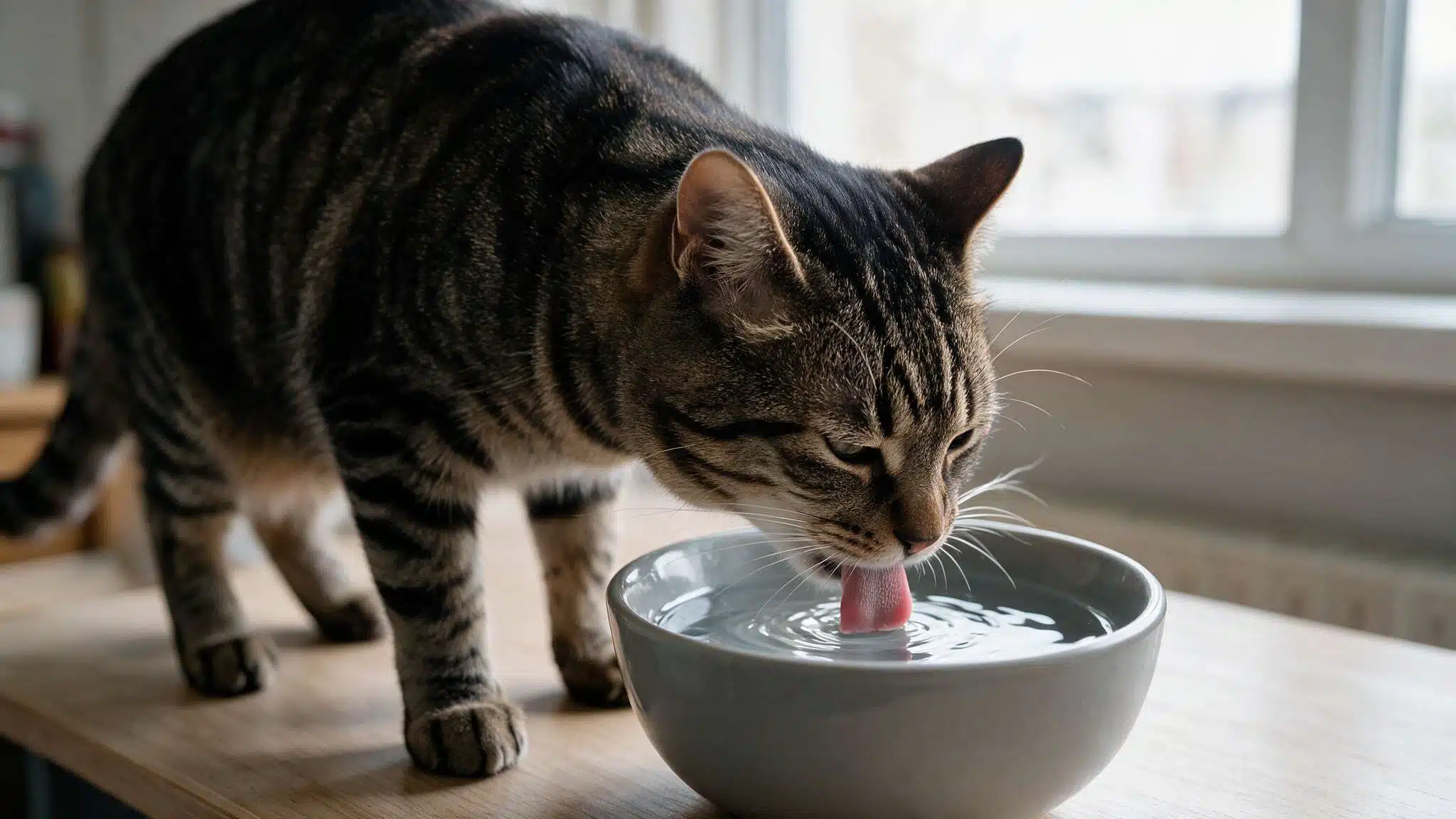
- Difficulty Keeping Water Down: Vomiting shortly after drinking, which can quickly lead to dehydration and worsening overall health.
- Abdominal Swelling: A bloated or visibly enlarged abdomen caused by trapped gas, fluid, or intestinal contents behind the obstruction.
- Dehydration: Dry or tacky gums, sunken eyes, and increased weakness resulting from ongoing fluid loss through vomiting and reduced water intake.
- Pale Gums: White or pale gums can signal poor circulation, blood loss, or shock, and should always be treated as a veterinary emergency.
- Excessive Drooling: Increased salivation may occur as a response to nausea, stomach irritation, or the discomfort caused by the obstruction.
If your dog also shows signs of bloating alongside these symptoms, the situation is even more urgent, since bloat and obstruction can sometimes occur together or be confused with each other.
Can a Dog Pass an Intestinal Blockage Without Surgery?
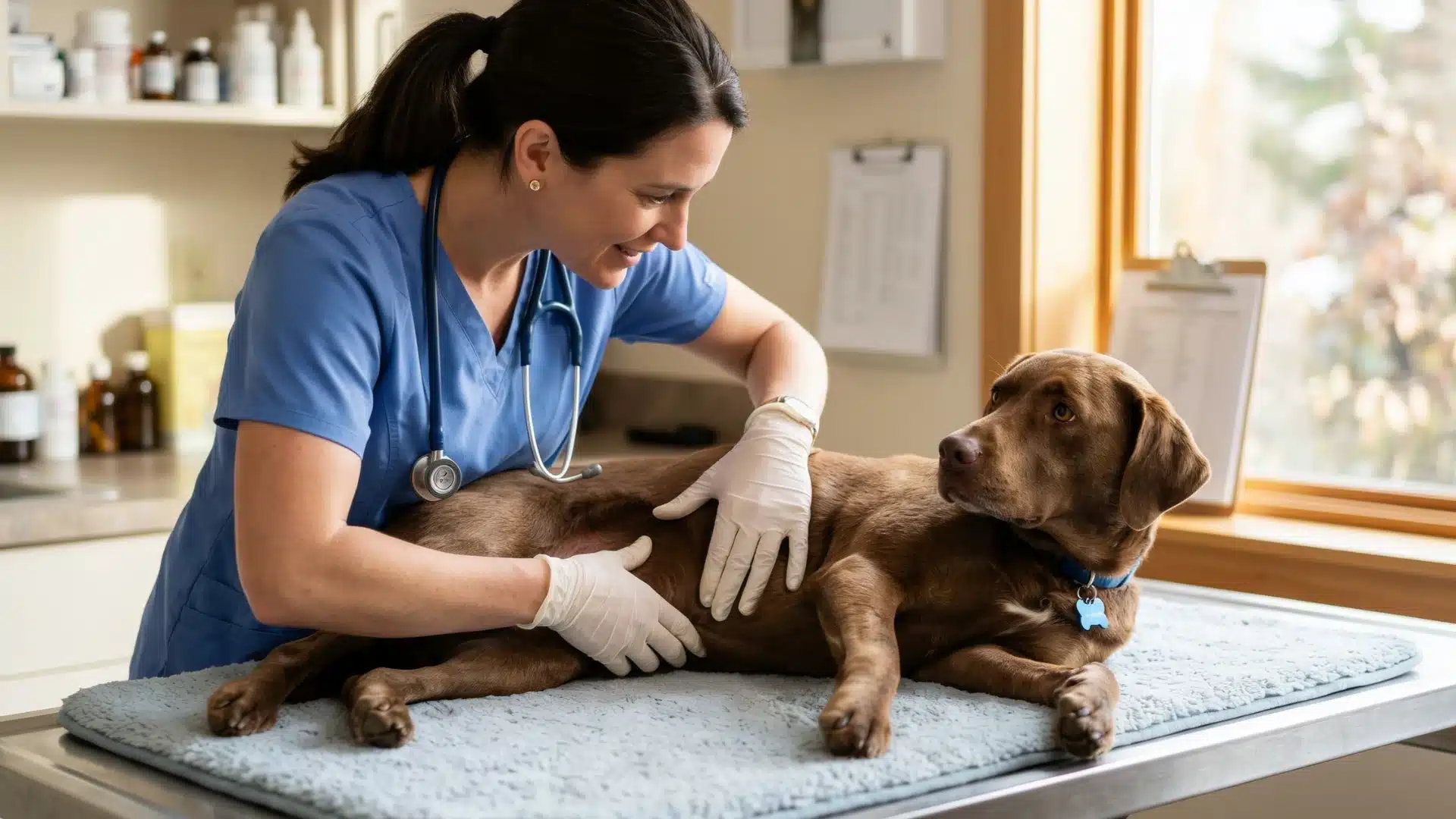
In some cases, yes. Small, smooth objects may pass through the digestive tract on their own, particularly if they have already moved beyond the stomach and are not causing a complete obstruction.
Your veterinarian may recommend monitoring, supportive care, IV fluids, or endoscopic removal if the object is accessible and the dog remains stable.
However, larger objects, sharp items, linear foreign bodies such as string, or complete blockages typically require surgery to prevent serious complications.
It’s important to remember that waiting too long can allow a manageable blockage to become a life-threatening emergency. Only a veterinarian can determine whether a blockage may pass naturally or requires surgery
Home Remedies for a Dog’s Intestinal Blockage
The suggestions below apply only when a vet has already examined your dog and confirmed that a “watch and wait” approach is appropriate for a small, smooth object.
- Hydration support: Keep fresh water available at all times. Dehydration worsens quickly with vomiting, and maintaining fluid intake helps the intestines move normally.
- High-fiber foods: Pumpkin puree, sweet potato, or wheat bran can add bulk and help move small objects along. These work only when the vet has cleared a “watch and wait” approach.
- A bland diet: Small portions of boiled chicken and white rice are easy to digest and gentle on an already stressed gut. A simple, bland diet preparation can support recovery once a vet confirms it’s appropriate.
- Light exercise: Short, calm walks may support gut motility. Do not push an uncomfortable dog into activity.
- Ginger: In small, safe amounts, ginger has mild anti-nausea properties and may ease stomach discomfort. It does not act on the obstruction itself.
Note: There is no home remedy that can remove a lodged foreign object or reverse intestinal damage. If your dog has a confirmed obstruction, the only safe answer is a vet
When Should You Call the Vet?
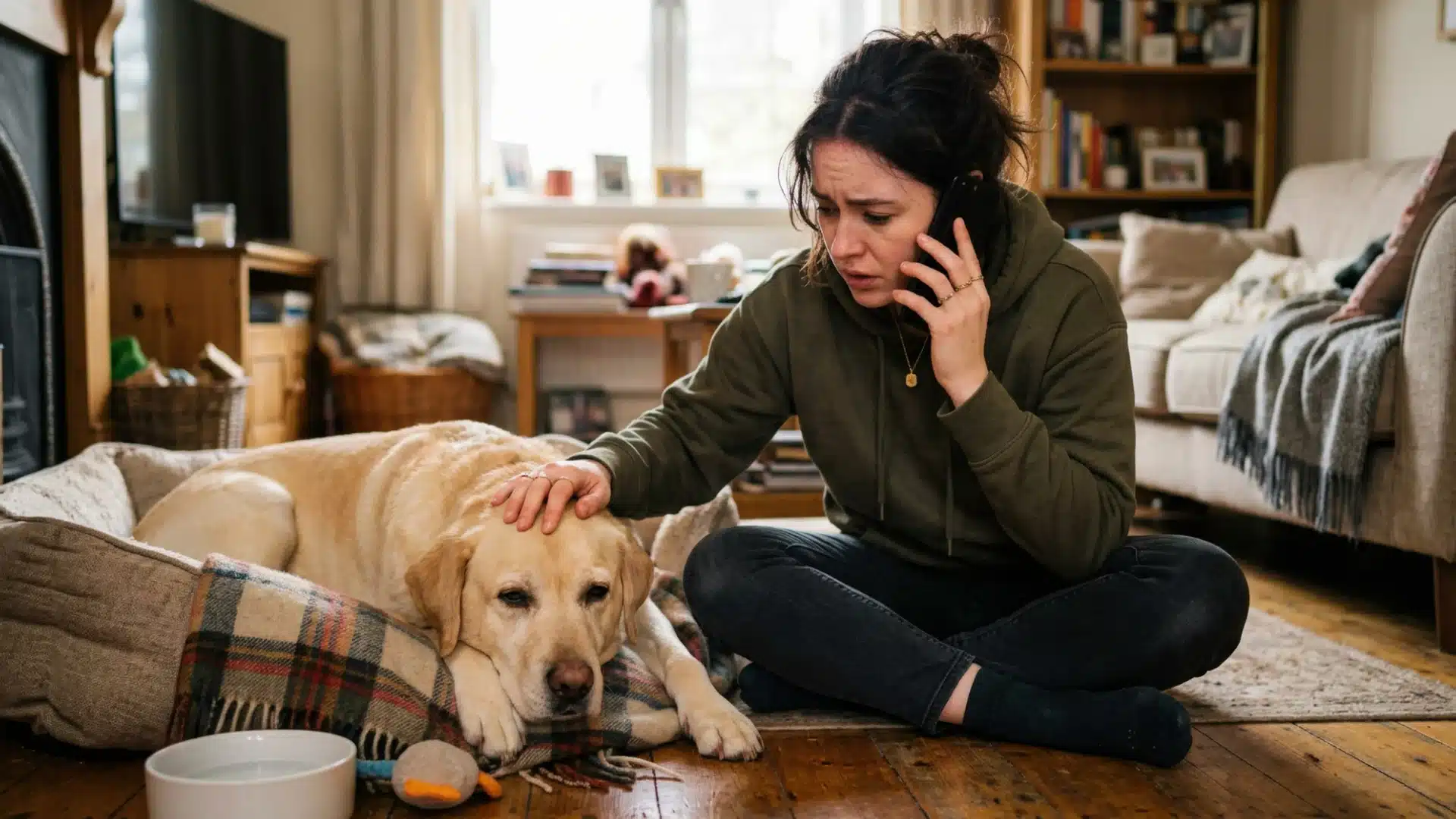
You should contact your veterinarian as soon as you suspect your dog may have an intestinal blockage. Early treatment can prevent serious complications and often leads to a faster, less costly recovery.
Do not wait to see if symptoms improve if your dog has been vomiting repeatedly, cannot keep food or water down, refuses to eat, appears unusually lethargic, or shows signs of abdominal pain.
Seek emergency veterinary care immediately if your dog develops a swollen abdomen, pale gums, severe weakness, collapses, or becomes unresponsive. These signs can indicate a life-threatening emergency.
When it comes to intestinal blockages, acting sooner is always safer than waiting another day. If something feels wrong, trust your instincts and call your vet.
How to Prevent Swallowing Incidents in Dogs
Preventing your dog from swallowing dangerous objects mainly comes down to supervision, environmental control, and building safe habits at home. Small changes in daily routines can significantly reduce the risk of intestinal blockages.
- Pick Up Items: Remove socks, underwear, toys, and other small objects that your dog may be tempted to chew or swallow.
- Safe Toys Only: Provide durable, appropriately sized toys and replace any that become damaged or begin to break apart.
- Supervised Play: Watch your dog during playtime, especially with new toys or chew items, to prevent accidental swallowing.
- Avoid Dangerous Chews: Limit access to rawhide, bones, and other chews that can splinter or break into swallowable pieces.
- Slow Feeding Tools: Use slow-feeder bowls or puzzle feeders for dogs that eat too quickly and tend to gulp food.
- Training Commands: Teach commands like “drop it” and “leave it” to stop your dog from picking up unsafe objects.
- Puppy Proofing: Treat your home like a child-safe space, especially for puppies who explore everything with their mouths.
Conclusion
The timeline for a dog’s intestinal blockage moves fast, and there’s no safe way to wait it out at home when a real obstruction is in play.
Early vomiting and appetite loss can look mild, but the damage building behind the scenes isn’t. Within 24 to 48 hours, the situation can shift from treatable to critical.
Home remedies have a limited role, and only after a vet has ruled out the need for surgery. If you’re reading this and your dog is showing symptoms right now, stop reading and call your vet.
If you have ever experienced this, share your opinions with other dog parents in the comments who might not know how fast a blockage can escalate.
Frequently Asked Questions
Can a Dog Still Poop if They Have a Blockage?
With a partial blockage, yes. Liquid, soft stool may pass past the obstruction, causing diarrhea or mucus in the stool. With a complete blockage, your dog will stop producing stool once the intestines empty.
Which Dogs are Most at Risk for Intestinal Blockages?
Dogs most at risk are those that tend to chew, swallow objects, or explore with their mouths. This includes: Puppies, High-energy breeds, Dogs with pica, Fast eaters, and unsupervised dogs.
How Do Vets Diagnose an Intestinal Blockage?
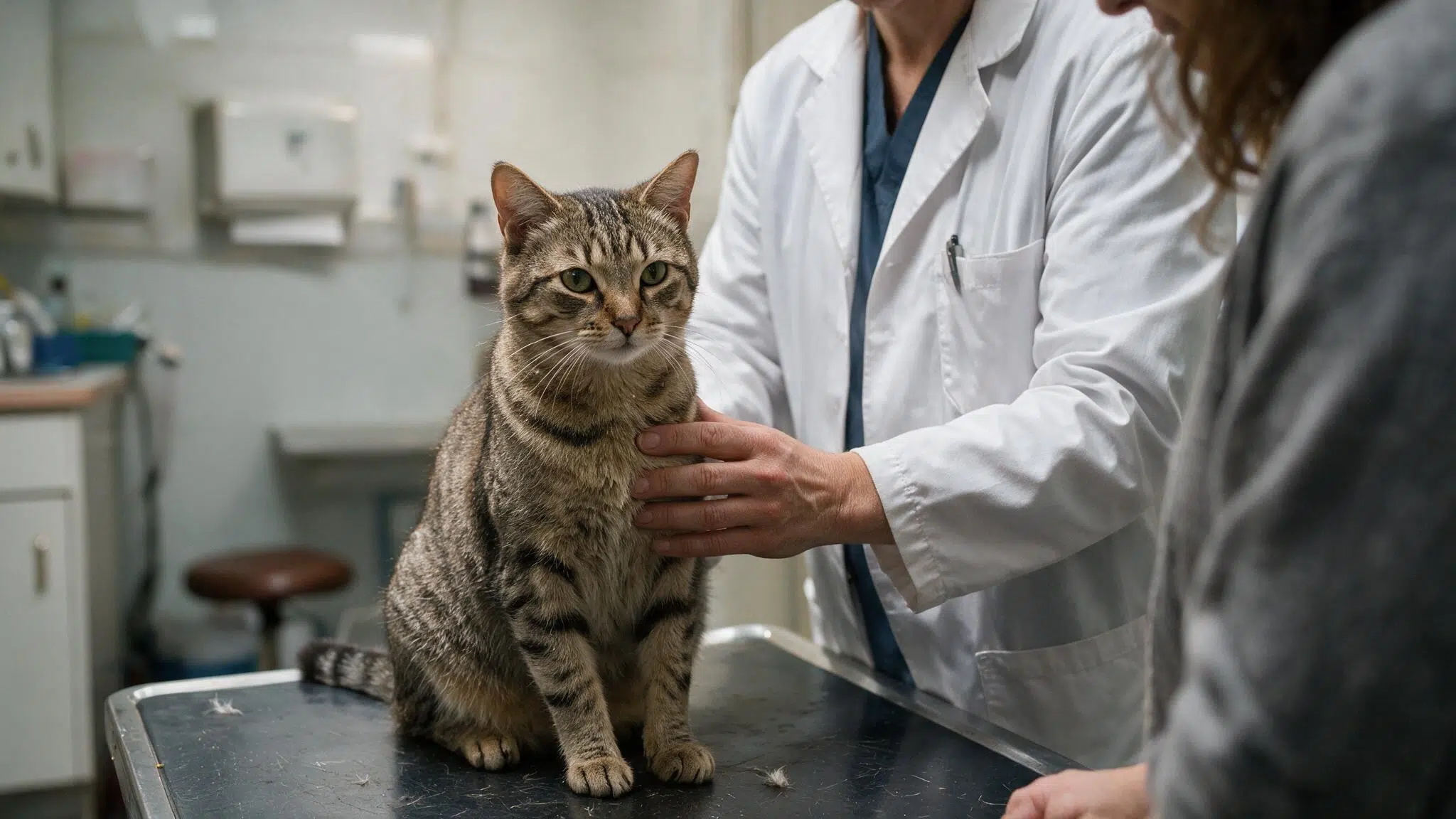
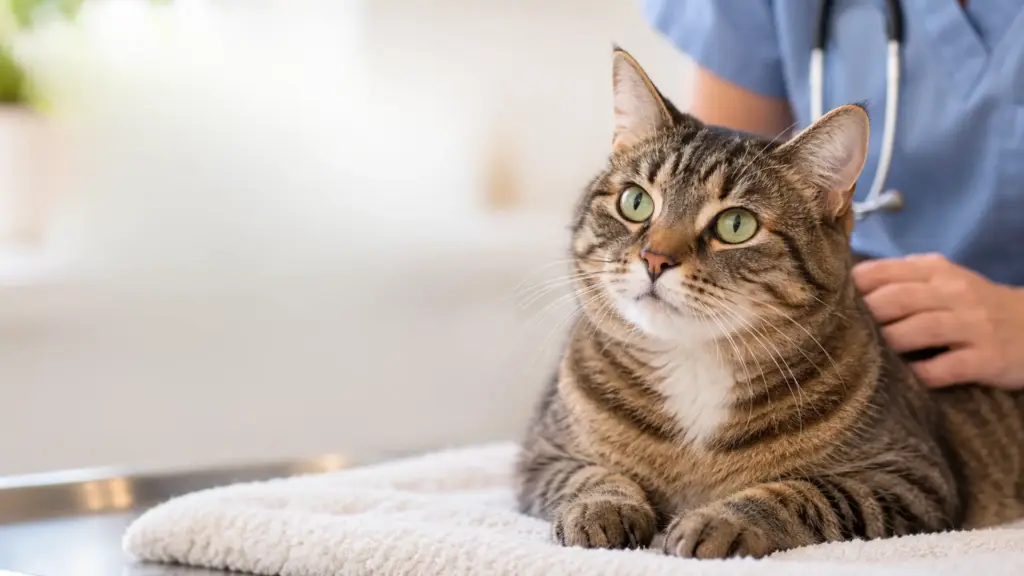
Vets diagnose a blockage using a physical exam, medical history, and imaging. They check the abdomen for pain or swelling and may ask about possible ingestion.