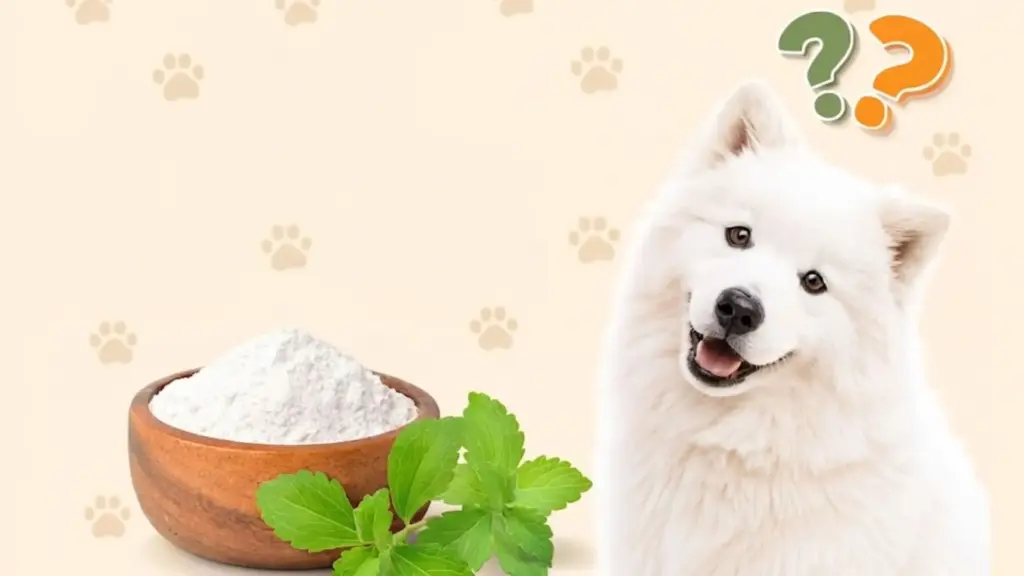
Sugar-free foods can feel harmless until a dog gets into them.
One packet, one bite of dessert, or one lick from a sweetened snack can leave owners wondering what is safe and what needs urgent care.
The confusing part is that sweeteners are not all the same. Some may only cause mild stomach upset, while others can be extremely dangerous.
Xylitol is the primary warning sign, but stevia and monk fruit also raise questions.
This blog explains whether dogs can have stevia, whether monk fruit is safe for dogs, how these sweeteners compare, what symptoms to watch for, and safer alternatives.
Can Dogs Have Stevia?
Yes, stevia is safe for dogs, but in small amounts. The ASPCA lists stevia as non-toxic to animals.
This means accidental exposure is unlikely to cause poisoning or serious health effects in healthy dogs.
Stevia comes from the leaves of Stevia rebaudiana, a plant native to South America, and has been used for centuries as a natural sweetener.
Modern food-grade stevia extracts are highly refined to remove plant compounds, leaving only sweet-tasting components.
The sweetness is produced by compounds known as steviol glycosides, which are responsible for its intense sweetness despite having no calories or impact on blood sugar levels.
These compounds are also why stevia is widely used in human sugar-free foods and beverages.
That said, safe does not automatically mean beneficial or necessary for dogs. It offers no nutritional value for canine health.
Is Stevia Good for Dogs?
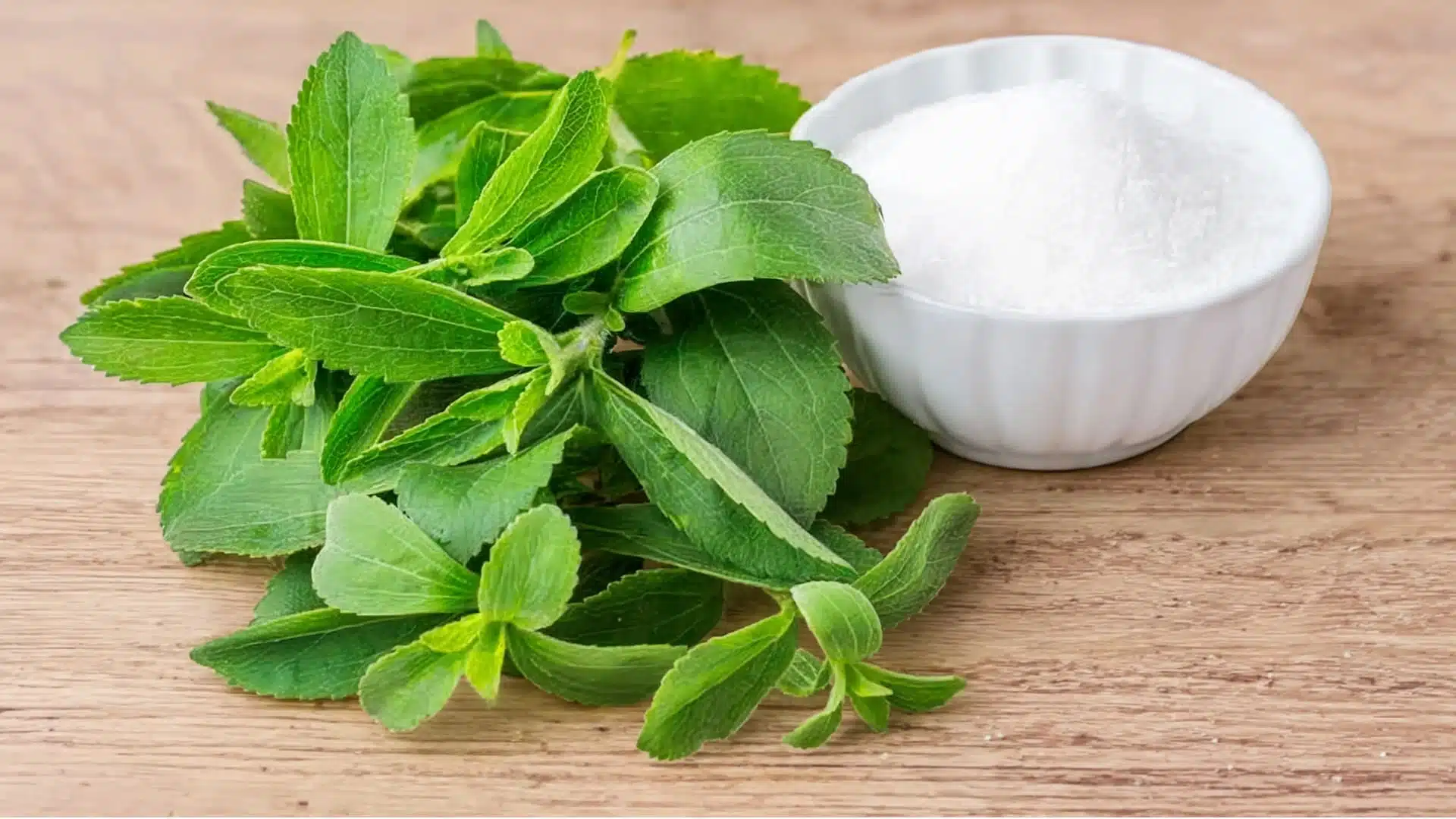
No, stevia offers dogs no real nutritional or health benefit, even though it isn’t toxic.
Stevia is often questioned by pet owners because it appears in many human foods, but its role in a dog’s diet is extremely limited.
Key points to note:
- Stevia is not toxic to dogs, but it offers no health or nutritional benefit
- Dogs have limited sweet taste receptors, so they do not naturally seek out sweetness
- Zero-calorie sweeteners like stevia do not support or improve a dog’s diet in any meaningful way
- It is created for human consumption, not formulated around canine nutrition
- Including it in a dog’s food is unnecessary, even though it is generally considered safe
Overall, stevia is not something dogs need in their diet. It does not harm them in normal small exposures, but it also does not add value, so keeping a dog’s diet simple and species-appropriate is the better approach.
I tell pet parents the same thing every time this comes up: stevia isn’t dangerous, but it isn’t doing your dog any favors either.
Can Dogs Have Monk Fruit?
Yes, dogs can have monk fruit in very small amounts, and monk fruit itself is not known to be toxic to dogs.
The main concern is not usually the monk fruit extract, but what it is mixed with.
Many sugar-free products combine monk fruit with other sweeteners, flavorings, dairy, chocolate, or high-fat ingredients that may upset a dog’s stomach or create a bigger health risk.
This is the same reason flavored yogurt risks come up so often with sweetened products, since the add-ins usually cause more trouble than the base ingredient itself.
Monk fruit also has limited research in dogs, so it should not become a regular part of their diet.
A tiny lick from a product that only contains monk fruit is unlikely to cause serious harm, but feeding it on purpose is unnecessary.
If your dog eats a monk fruit product, check the full ingredient list first.
Call your vet right away if the label mentions xylitol, chocolate, caffeine, or if your dog starts vomiting, shaking, acting weak, or having diarrhea.
Stevia vs Monk Fruit vs Xylitol: Which Sweeteners are Safe for Dogs?
Not all sweeteners affect dogs the same way. Stevia and monk fruit are usually low-risk in tiny amounts, while xylitol is highly toxic and needs urgent vet care.
| Sweetener | Safe for Dogs? | Risk |
|---|---|---|
| Stevia | Usually yes | Mild stomach upset |
| Monk Fruit | Usually yes | Check mixed ingredients |
| Xylitol | No | Highly toxic |
| Erythritol | Usually yes | Gas or diarrhea |
| Aspartame | Usually yes | Not recommended |
| Sucralose | Usually yes | Mild stomach upset |
| Sugar | Not toxic | Unhealthy in excess |
Stevia and monk fruit should not be regular dog treats, but small accidental tastes are usually not a major concern. Xylitol is the exception.
Note: Always check labels on sugar-free gum, candy, peanut butter, baked goods, toothpaste, and diet snacks before assuming they are safe.
What Happens If a Dog Eats Stevia?
If a dog eats a small amount of pure stevia, serious poisoning is unlikely.
Stevia is generally considered non-toxic to dogs, but it can still upset the stomach, especially if the dog eats a large amount or the product contains other ingredients.
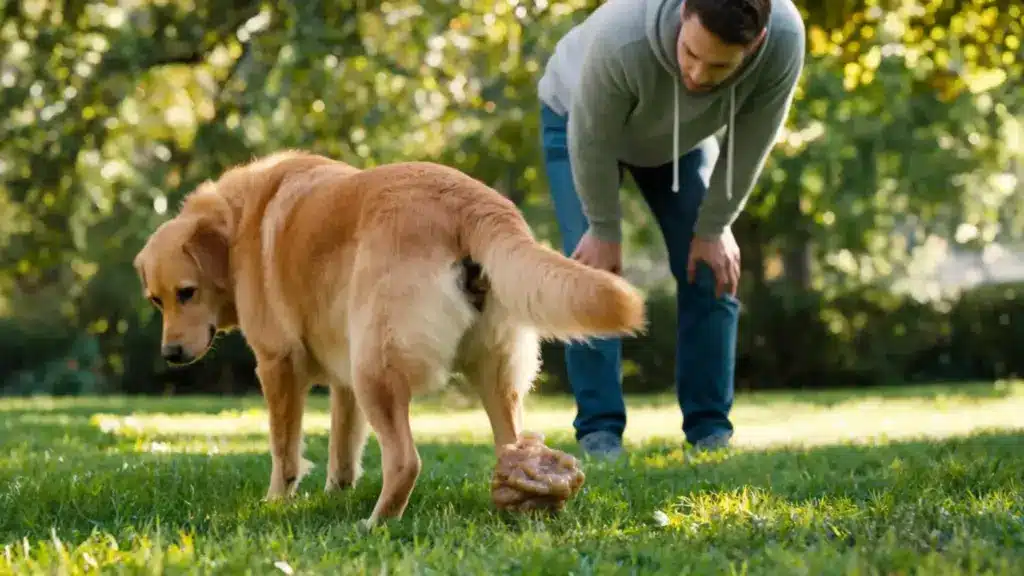
The most common signs are mild vomiting, loose stool, gas, drooling, or temporary loss of appetite.
Some dogs may act completely normal after a tiny lick, while sensitive dogs may have stomach trouble for several hours.
The bigger concern is the full product label.
Sugar-free foods may contain chocolate, caffeine, dairy, high-fat ingredients, or xylitol, which is highly toxic to dogs.
These broader signs of dog poisoning are worth knowing regardless of which ingredient triggers them, since the early symptoms often overlap before you know exactly what caused them.
Call your vet if symptoms continue, worsen, or if xylitol appears anywhere on the label.
Symptoms That Need Immediate Veterinary Care

Most small stevia exposures only cause mild stomach upset, but some symptoms should never be ignored. Contact a vet right away if your dog seems seriously unwell or if the product may contain xylitol.
- Repeated vomiting: Vomiting more than once can lead to dehydration and may mean your dog ate something more harmful than stevia.
- Severe diarrhea: Watery, bloody, or persistent diarrhea requires prompt care, especially in puppies, small dogs, or senior dogs.
- Weakness or collapse: Sudden weakness, wobbling, fainting, or collapse can point to a dangerous reaction or toxin exposure.
- Tremors or seizures: Shaking, twitching, or seizure-like movements are emergency signs and need immediate veterinary attention.
- Pale gums: Pale, gray, or very tacky gums may signal poor circulation, shock, or a serious internal problem.
- Breathing trouble: Fast, noisy, or difficult breathing is always urgent and should be treated as an emergency.
Can Puppies Have Stevia?
Puppies should not be given stevia on purpose, even though pure stevia is not known to be toxic to dogs.
Their small bodies and sensitive digestive systems make them more likely to develop vomiting, diarrhea, gas, or appetite changes after eating sweetened foods.
A tiny accidental lick of pure stevia is usually not a major concern, but packaged foods are different.
Many sugar-free products contain other ingredients that are unsafe for puppies, including xylitol, chocolate, caffeine, dairy, or high-fat fillers.
If a puppy eats something with stevia, check the full ingredient label first.
Call your vet if the product contains xylitol, if symptoms appear, or if the puppy ate more than a small taste.
What Should You Do if Your Dog Eats Stevia?
If your dog eats stevia, stay calm and check what kind of product they ate. Pure stevia is usually not toxic to dogs, but packaged sugar-free foods may contain ingredients that are much more dangerous.
- Check the label for xylitol, chocolate, caffeine, raisins, or high-fat ingredients.
- Estimate how much your dog ate, since a tiny lick is different from eating a full snack.
- Remove the product so your dog cannot eat more.
- Watch for vomiting, diarrhea, drooling, weakness, tremors, or collapse.
- Call your vet if your dog is a puppy, a small breed, a senior dog, or has an existing health problem.
Most dogs are fine after a small amount of pure stevia, but do not wait if xylitol appears anywhere on the ingredient list.
Safer Sweet Treat Alternatives for Dogs
Dogs do not need sugar substitutes to enjoy something sweet. Simple, dog-safe foods are usually a better choice because they offer flavor without the same label-checking risk.
- Blueberries: Small, low-calorie fruits rich in antioxidants and fiber, making them a safe occasional treat that supports overall cellular health.
- Apple slices: Fresh apple pieces without seeds or core offer mild sweetness and vitamins, while keeping calorie intake light and digestion easy.
- Banana pieces: Naturally soft and sweet fruit that dogs enjoy, best given in moderation due to higher natural sugar content.
- Pumpkin puree: Plain, unsweetened pumpkin can support digestion and stool quality, while offering a gentle, naturally sweet flavor dogs tolerate well.
- Carrot sticks: Crunchy vegetables with mild sweetness that help satisfy chewing instincts and provide fiber without adding unnecessary fats or sugars.
- Seedless watermelon: Hydrating fruit with natural sugars, best served in small chilled cubes without rind or seeds for safe snacking.
- Plain yogurt: Unsweetened, lactose-tolerant dogs may enjoy it as a protein-rich treat that supports gut health when given in controlled portions.
- Dog treats: Vet-approved commercial treats are formulated for canine nutrition, making them the most reliable option for regular rewarding and training.
Keep portions small, especially with fruit, because natural sugar can still upset your dog’s stomach. Treats should support the main diet, not replace balanced dog food.
Conclusion
Pure stevia and monk fruit are usually low risk for dogs in small amounts, but that does not make sweetened foods a good treat.
The real danger often comes from mixed ingredients, especially xylitol, chocolate, caffeine, dairy, or high-fat fillers. Always check the full label before deciding whether a product is safe.
If the question is whether dogs can have stevia, the simple answer is yes, in very small accidental amounts, but not as a regular snack.
Choose dog-safe treats instead, keep portions small, and contact your vet if symptoms appear.
Have you ever caught your dog eating something sugar-free? Share your experience in the comments below.
Frequently Asked Questions
Can Dogs Eat Peanut Butter with Stevia?
Dogs can eat a tiny amount of peanut butter with stevia if it is free from xylitol, chocolate, and added caffeine. Choose plain, unsalted peanut butter when possible, and keep portions small because it is high in fat.
Is Stevia Better Than Sugar for Dogs?
Stevia may have fewer calories than sugar, but that does not make it a healthy dog treat. Dogs do not need added sweeteners. Whole, dog-safe snacks are usually a better choice than sweetened human foods.
Can Stevia Cause Allergies in Dogs?
Stevia allergies are not commonly reported in dogs, but any new ingredient can cause a reaction. Watch for itching, swelling, vomiting, diarrhea, or unusual behavior after exposure, and call your vet if symptoms appear.