A cat can seem fine one week and start acting differently the next. The tricky part is that many health changes look like normal aging at first.
A bigger appetite, small weight changes, extra thirst, or more energy may not seem serious right away. That is why the symptoms of hyperthyroidism in cats can be easy to miss, especially in older cats.
This condition affects the thyroid gland and can slowly change the way a cat eats, drinks, moves, and behaves.
In this blog, you will get a simple look at the early signs, common causes, how vets diagnose the condition, and the main treatment options.
I will also cover when to call a vet, so you can better understand what may be happening with your cat.
What is Hyperthyroidism in Cats?
Hyperthyroidism in cats happens when the thyroid gland makes too many thyroid hormones.
This small gland sits in the neck and helps control how the body uses energy. When it becomes overactive, a cat’s body can start working too fast.
That can affect weight, appetite, thirst, heart rate, mood, and daily behavior. The condition is most often seen in middle-aged and older cats.
In many cases, it is linked to an enlarged thyroid gland or a non-cancerous growth in the gland. It usually develops slowly, which is why the early signs can be mistaken for normal aging.
Understanding the condition first makes it easier to spot changes, talk to a vet, and choose the right care plan.
What Causes Hyperthyroidism in Cats?
Hyperthyroidism develops when the thyroid gland produces more hormones than the body needs. These hormones help control metabolism, so excess amounts can cause many body functions to speed up.
While the exact cause is not always known, several factors are commonly linked to the condition.
Some of the most common causes include:
- An overactive thyroid gland that releases too many hormones.
- Enlargement of one or both thyroid glands in the neck.
- Benign thyroid tumors, also called adenomas, are the most common underlying cause.
- Age-related changes that increase the likelihood of developing the condition in older cats.
Hyperthyroidism is rarely seen in young cats. Most cases occur in cats over 10 years old. Because the condition develops gradually, the thyroid gland may become enlarged long before obvious signs appear.
Regular veterinary checkups can help detect changes early and support timely treatment.
Symptoms of Hyperthyroidism in Cats
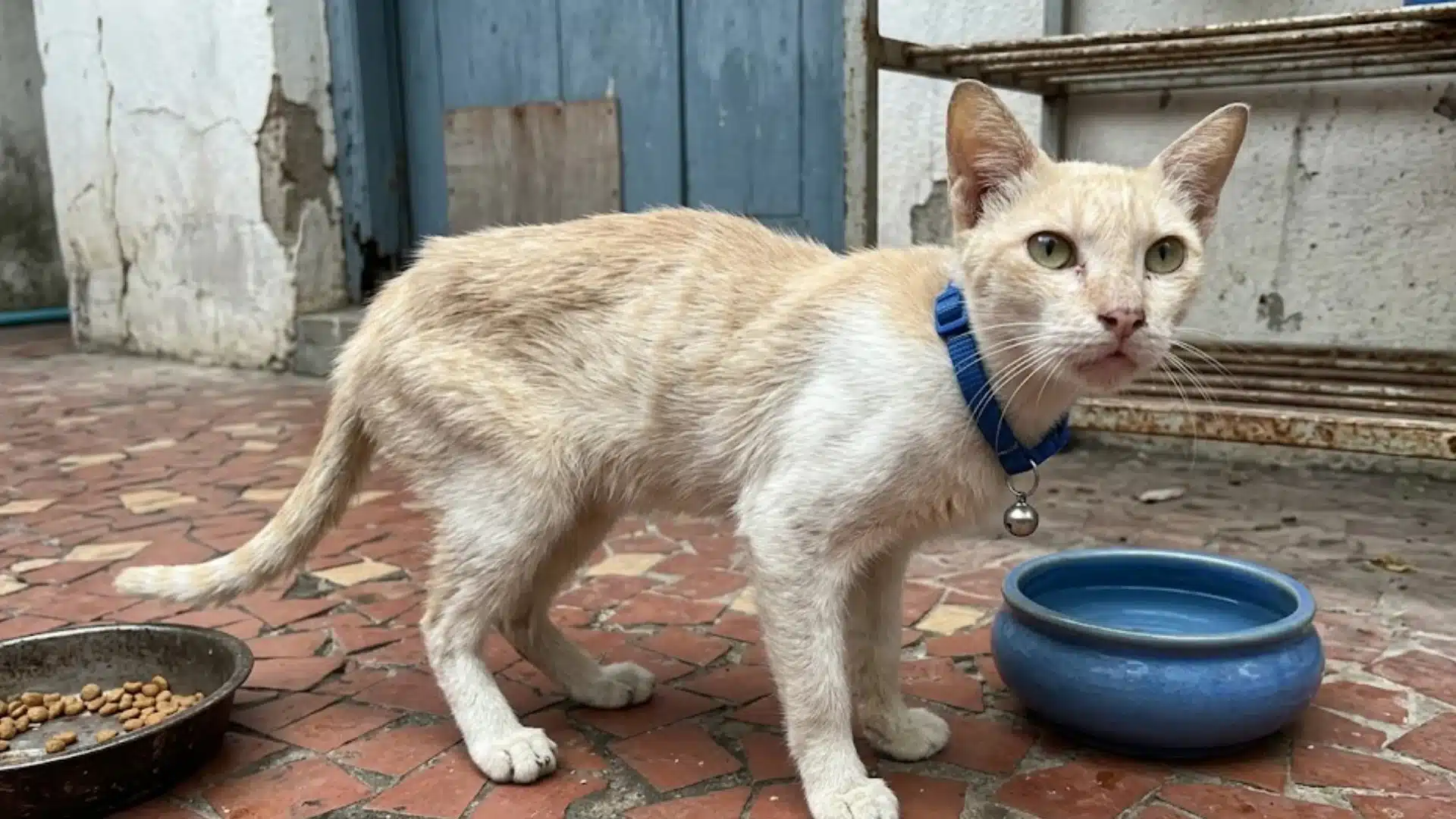
The symptoms of hyperthyroidism in cats can appear slowly, so small changes in weight, appetite, energy, or grooming should not be ignored.
1. Weight Loss Despite a Big Appetite
A cat with hyperthyroidism may eat more than usual but still lose weight. This happens because the overactive thyroid speeds up the body and burns energy too fast.
At first, the bigger appetite may seem like a healthy sign, but the weight loss can become clear over time.
The ribs, back, hips, and shoulders may look thinner, even when the cat is eating full meals or asking for extra food.
2. Hyperactivity and Restlessness
Some cats become more active, nervous, or unsettled when thyroid hormone levels rise.
They may pace around the house, meow more often, wake up at odd hours, or seem unable to relax. This can feel confusing because older cats are usually expected to slow down.
When sudden energy comes with weight loss, hunger, or behavior changes, it may point to hyperthyroidism rather than a simple change in mood or routine.
3. Increased Thirst and Urination
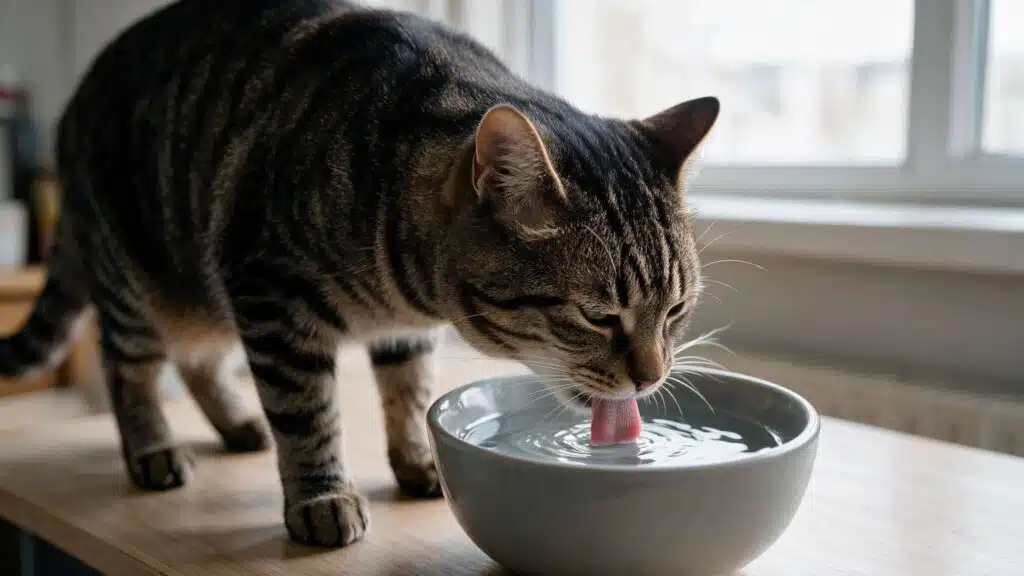
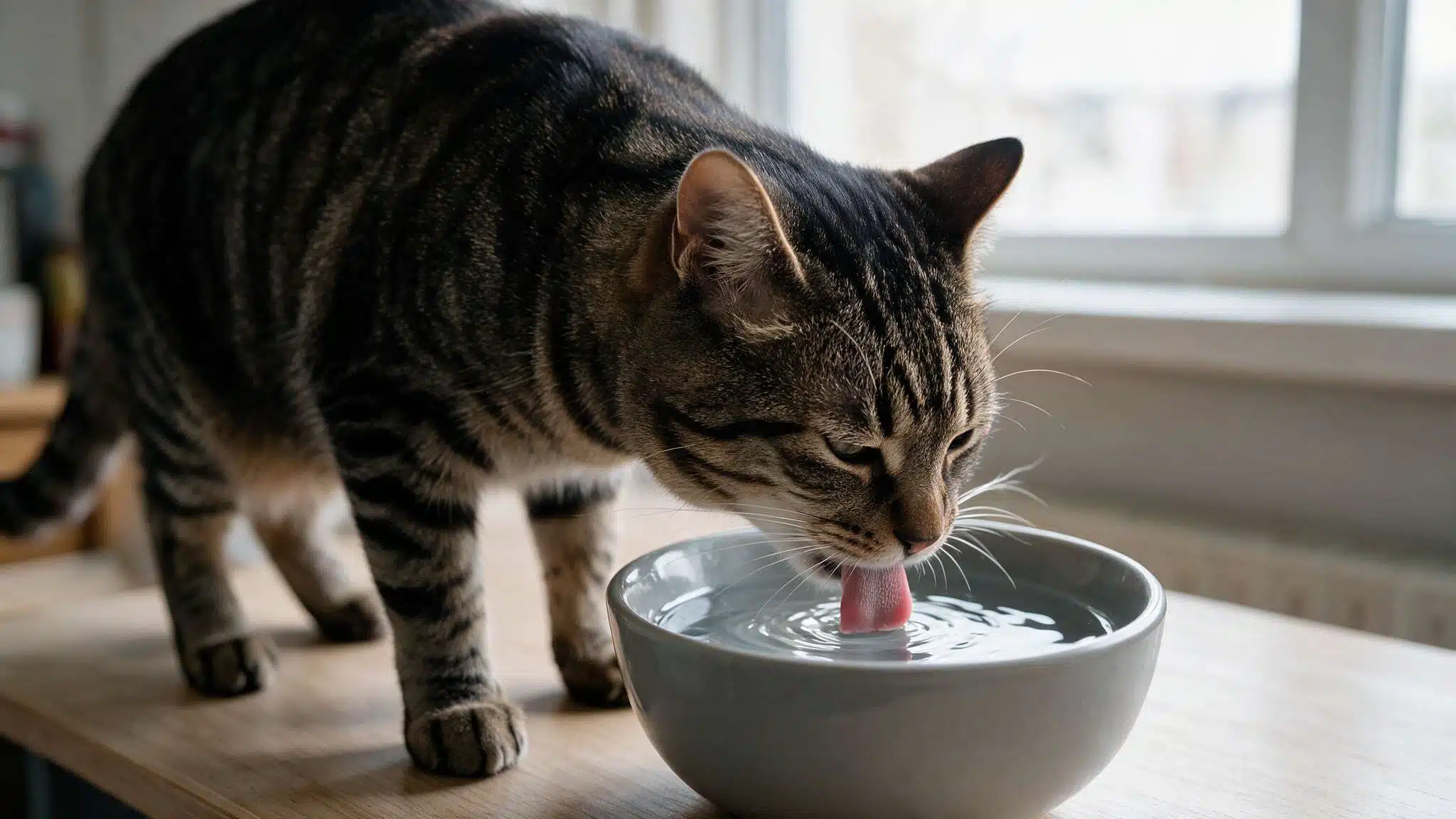
A cat with hyperthyroidism may drink more water and use the litter box more often. This happens because the body is working faster than normal and may be under extra strain.
Some cats with this condition may also have kidney changes, which can make thirst and urination more noticeable.
Since these signs can also appear with diabetes or kidney disease, they should always be checked by a vet instead of being treated as normal aging.
4. Vomiting and Diarrhea
Vomiting and diarrhea can happen when the faster metabolism affects digestion. A cat may throw up after meals, have loose stools, or visit the litter box more than usual.
These problems may come and go, which makes them easy to ignore at first.
If stomach issues occur along with weight loss, increased appetite, excessive thirst, or restless behavior, hyperthyroidism may be a possible cause that requires proper testing.
5. Poor Coat Condition
Cats with hyperthyroidism may stop grooming as neatly as they used to. Their coat can start to look greasy, dull, rough, or matted.
Some cats may shed more, while others may look untidy even if they were once careful groomers.
This change can happen because the condition affects energy, weight, and overall health. A poor coat does not confirm hyperthyroidism by itself, but it can support other warning signs.
6. Rapid Heartbeat or Breathing Changes
An overactive thyroid can put extra pressure on the heart. Some cats may develop a fast heartbeat, a stronger heartbeat, or changes in breathing.
They may breathe faster after small activity, seem stressed more easily, or have less energy during normal movement.
These signs should be taken seriously because heart strain can become worse without treatment. A vet can check the heart, blood pressure, and thyroid levels to understand what is happening.
If your cat seems to get out of breath quickly after small activity or breathes with more effort than usual, the detailed guide on heavy breathing in cats covers what to watch for and when to act.
How Vets Diagnose Hyperthyroidism in Cats?
Diagnosing hyperthyroidism involves more than checking a single symptom. Many signs can overlap with other health conditions, especially in older cats.
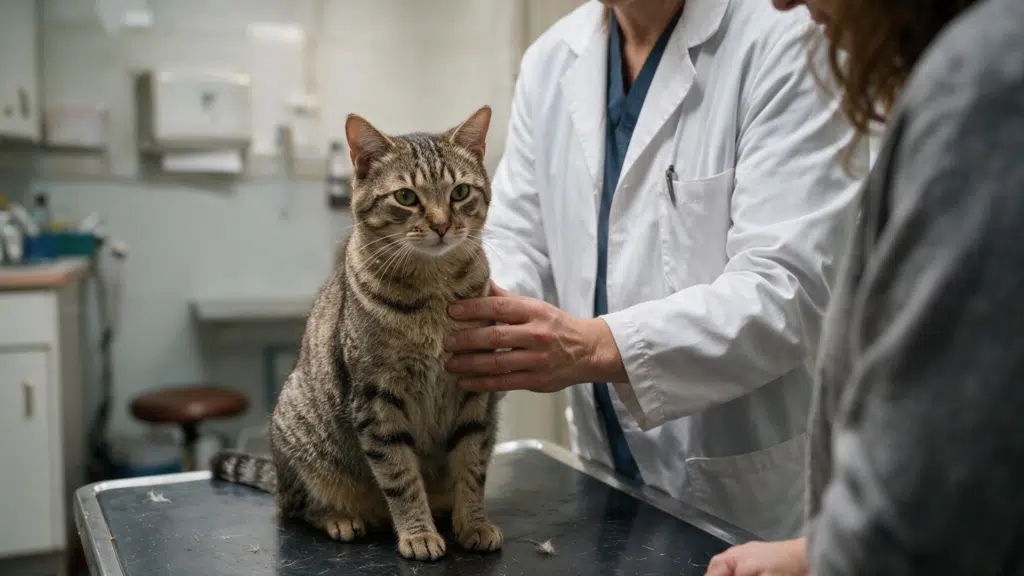
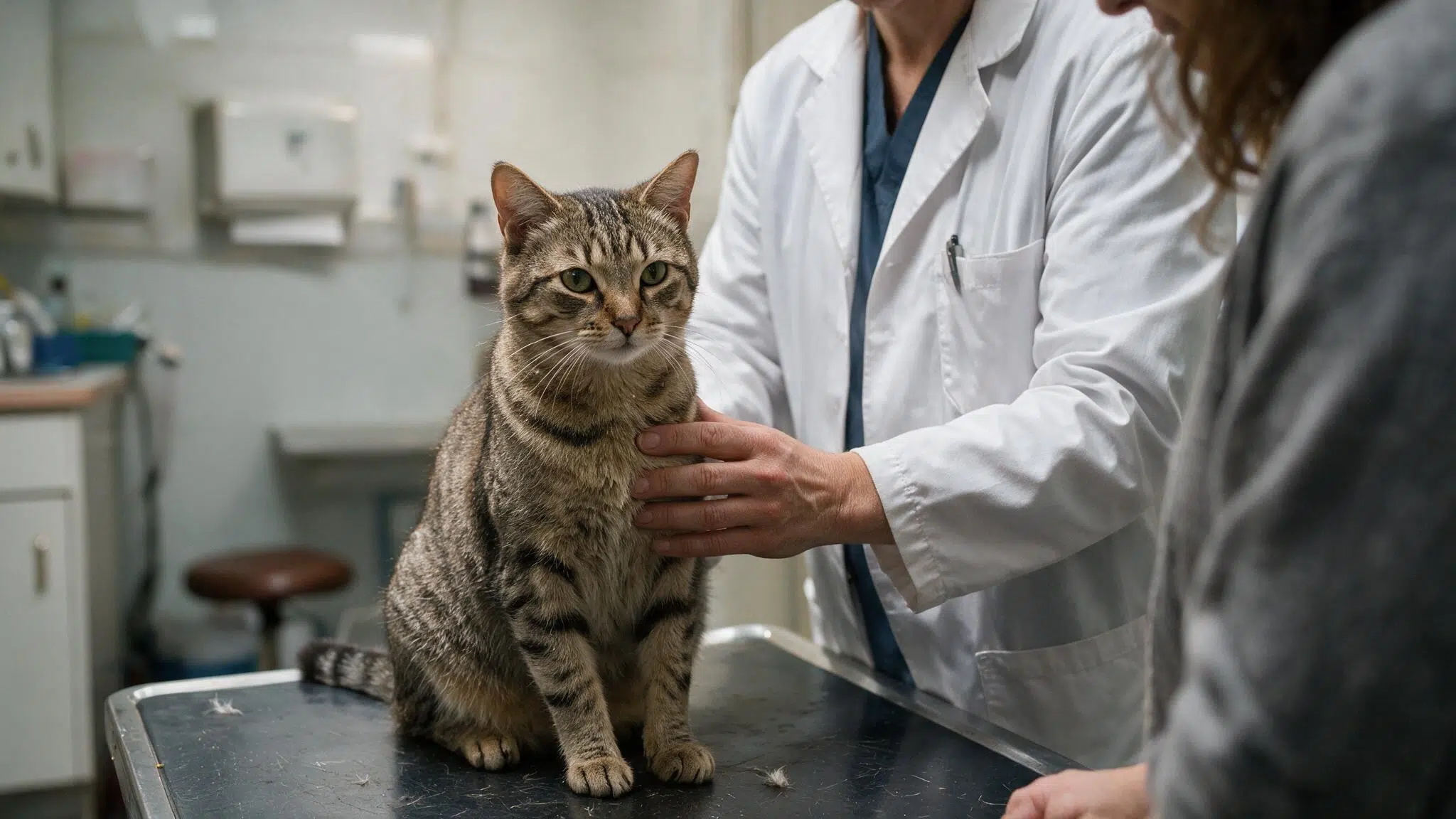
Vets usually combine a physical examination with laboratory tests and additional health checks to get a clear picture of what is happening.
Common diagnostic steps include:
- A physical exam to check weight, heart rate, and thyroid gland enlargement.
- Blood tests to measure thyroid hormone levels, especially T4.
- Tests to evaluate kidney and liver function.
- Blood pressure checks and heart assessments to look for related complications.
These tests help confirm whether the thyroid gland is overactive and whether the condition has affected other organs.
Since hyperthyroidism can sometimes hide or worsen other health problems, a complete evaluation is important.
Early diagnosis can help cats start treatment sooner and reduce the risk of long-term complications linked to the condition.
Treatment Options for Feline Hyperthyroidism
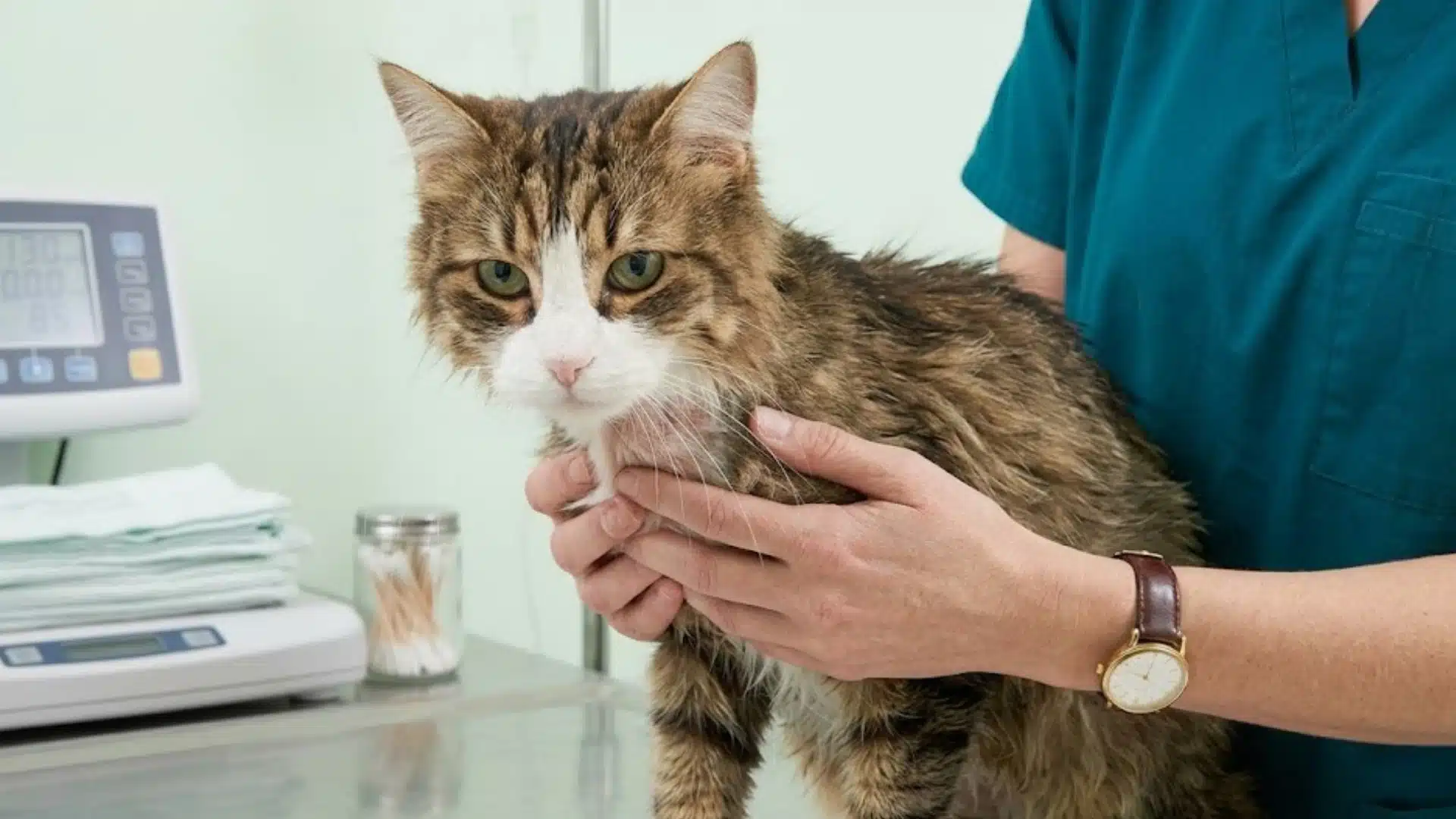
Several treatment options are available for feline hyperthyroidism. The best choice depends on the cat’s age, overall health, and long-term care needs.
1. Methimazole (Oral or Topical Medication)
Methimazole is often the first treatment recommended by veterinarians. It works by reducing the amount of thyroid hormone the gland produces.
The medication can be given as a pill or as a gel applied to the skin, usually inside the ear.
It does not cure hyperthyroidism, so treatment must continue for life unless another option is chosen later. Regular blood tests are needed to monitor thyroid levels and check for possible side effects.
2. Radioactive Iodine Therapy (I-131)
This treatment is widely considered the gold standard for feline hyperthyroidism.
A single injection of radioactive iodine targets and destroys the abnormal thyroid tissue while leaving healthy tissue largely unaffected.
Studies show cure rates of about 95% to 98%, making it one of the most effective treatment options available.
Most cats do not need ongoing medication after successful treatment, although a short hospital stay is usually required.
3. Surgical Thyroidectomy
Surgery removes the affected thyroid gland and can permanently resolve the condition in many cases. It is generally effective when performed by an experienced veterinary surgeon.
However, the procedure requires anesthesia, which may carry additional risks for older cats or those with heart problems.
Recovery is usually straightforward, but monitoring is needed after surgery to ensure thyroid and calcium levels remain within a healthy range.
4. Iodine-Restricted Diet
This approach manages hyperthyroidism by limiting the iodine needed to produce thyroid hormones. Cats must eat the prescription diet exclusively for it to work properly.
Even small amounts of other foods, treats, or table scraps can reduce its effectiveness.
While it can help control hormone levels, it does not cure the condition. Lifelong compliance is required, which can be challenging in homes with multiple pets.
Note: Because hyperthyroidism often affects older cats with other medical conditions, treatment decisions are best made with a veterinarian who can evaluate thyroid levels, kidney function, heart health, and overall quality of life.
Managing a Cat After Diagnosis
Ongoing care plays a big role in keeping a cat comfortable and helping treatment work as expected over the long term.
- Regular Vet Checkups: Follow-up visits help monitor thyroid hormone levels and overall health. Vets can adjust treatment if needed and check for changes that may develop over time.
- Monitoring Weight and Appetite: Keeping track of body weight and eating habits can help show whether treatment is working. Sudden changes should be reported to a veterinarian.
- Tracking Behavior Changes: Watching for shifts in energy levels, sleep patterns, grooming habits, or mood can provide useful clues about a cat’s condition and progress.
- Following Treatment Instructions: Medications, prescription diets, or other treatments should be given exactly as directed. Consistency helps maintain stable thyroid hormone levels.
- Watching for Side Effects: Some treatments may cause side effects such as vomiting, loss of appetite, or skin irritation. Early reporting can help prevent larger health concerns.
What Happens if Hyperthyroidism is Left Untreated?
Without treatment, hyperthyroidism can continue to worsen over time and affect multiple parts of a cat’s body and overall well-being.
- Heart Strain: Excess thyroid hormones can make the heart work harder than normal. Over time, this may lead to an enlarged heart, irregular heart rhythms, or other heart-related complications that can affect a cat’s health and comfort.
- High Blood Pressure: Hyperthyroidism can increase blood pressure, which may place added stress on important organs. In severe cases, it can affect the eyes, brain, heart, and kidneys if not properly managed.
- Weight Loss and Muscle Loss: As the metabolism speeds up, the body burns energy faster than it can replace it. This can lead to ongoing weight loss, reduced muscle mass, and a weaker physical condition.
- Kidney Concerns: Hyperthyroidism can sometimes hide underlying kidney disease. Once the condition progresses, kidney problems may become more noticeable and harder to manage without veterinary care.
- Lower Quality of Life: Ongoing symptoms such as restlessness, digestive issues, weakness, and changes in behavior can make daily life less comfortable and enjoyable for a cat.
This section is for informational purposes only. Consult a veterinarian for guidance specific to your cat’s health.
When to See a Vet
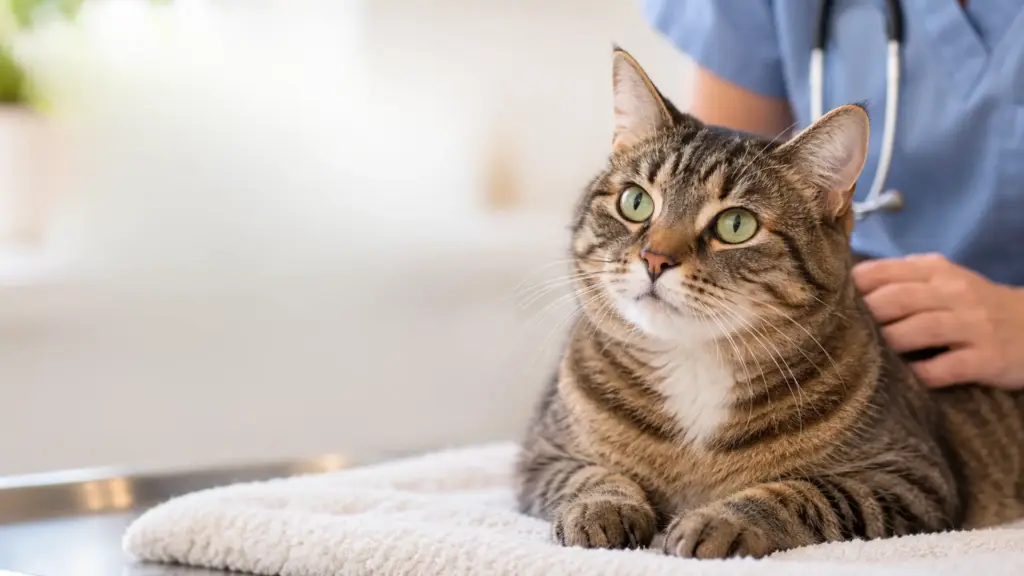
A vet visit is needed when changes in appetite, weight, thirst, energy, or behavior do not feel normal.
Some signs should not be ignored, especially rapid weight loss, constant hunger, heavy drinking, frequent urination, vomiting, diarrhea, fast breathing, or a racing heartbeat.
These may point to thyroid trouble or another health problem that needs testing. Early testing matters because hyperthyroidism can look like normal aging at first.
A blood test can help confirm thyroid hormone levels and show whether the kidneys, liver, heart, or blood pressure need attention too.
Quick care can make a big difference in long-term health. When treatment starts early, cats often feel better, regain weight, and have fewer risks from heart strain or high blood pressure.
Timely vet care gives the best chance of keeping the condition under control.
Conclusion
Hyperthyroidism in cats needs attention because it can quietly affect daily comfort, energy, and long-term health.
While the condition often appears in older cats, it should never be brushed off as simple aging. The good news is that vets have clear ways to confirm the problem and several treatment paths to manage it.
With the right plan, many cats can regain weight, settle into better routines, and feel more like themselves again.
Learning the symptoms of hyperthyroidism in cats also helps owners act sooner instead of waiting until signs become harder to manage.
Regular checkups, follow-up bloodwork, and careful home observation all play a part in keeping treatment on track.
Is your cat showing changes that feel unusual or hard to explain? Share your thoughts or questions in the comments below.
Frequently Asked Questions
Can Indoor Cats Get Hyperthyroidism?
Yes, indoor cats can still develop hyperthyroidism. The condition is linked more to age and thyroid changes than to outdoor access. Even cats that live fully indoors should have regular senior wellness checks.
Is Hyperthyroidism Painful for Cats?
Hyperthyroidism itself is not usually described as painful, but it can make a cat feel unwell. Fast metabolism, hunger, restlessness, weakness, and heart strain can affect comfort and daily behavior.
Can Hyperthyroidism Come Back After Treatment?
It depends on the treatment used. Medication and diet control the condition but do not cure it, so signs can return if treatment stops. After radioactive iodine therapy or surgery, recurrence is less common but still possible.