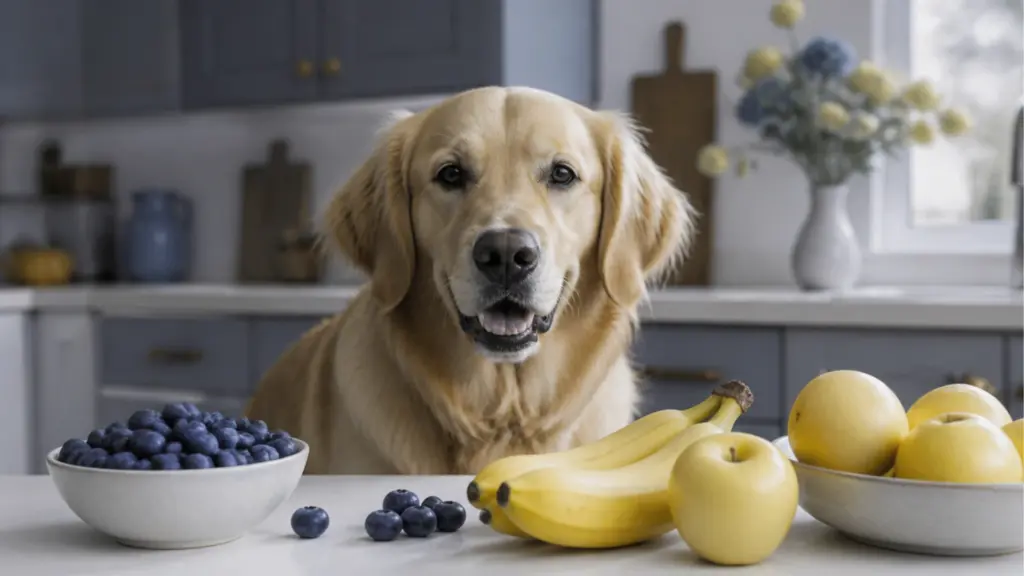
Dogs rely on their vision every day, but they do not experience the same range of colors as humans.
The way they see the world influences how they find toys, recognize objects, and respond to their surroundings.
Over the years, many misconceptions have shaped what people believe about canine eyesight, especially the idea that dogs only see in black and white. A closer look at their vision reveals a more accurate picture of how their eyes work.
Understanding these differences helps explain everyday behaviors and offers a better appreciation of how dogs interact with the environment around them.
Are Dogs Color Blind or Not?
No, dogs are not completely color blind. They can see colors, but their vision does not cover the same range as human eyesight.
The belief that dogs see only black and white is a myth. Dogs have two types of cone cells in their eyes, while humans usually have three. This gives dogs dichromatic vision.
Color blindness does not always mean seeing no colors. It usually refers to difficulty separating certain shades. Dogs naturally have a smaller color range because of how their eyes process light.
A study on dog color vision by researchers Jay Neitz, Timothy Geist, and Gerald Jacobs found that dogs can distinguish colors but have fewer color receptors than humans.
Dogs mainly recognize blue and yellow tones, while colors like red and green appear less noticeable or may look similar to grayish shades. Their vision is normal for their species and helps them understand their surroundings.
Do Different Dog Breeds See Colors Differently?
Most dog breeds see colors in a similar way because they share the same basic type of color vision.
However, breeds can differ in other areas of eyesight, such as sharpness, depth perception, and how they see in different lighting conditions.
These differences are usually linked to genetics, eye structure, and overall eye health rather than color perception.
For example, breeds with shorter faces or different eye positions may have different fields of vision. However, their ability to recognize colors remains mostly the same.
Why Dog Vision Differs From Human Vision
Dogs and humans use their eyesight for different purposes. Humans are better at recognizing fine details and a wider range of colors, while dogs are better at detecting movement and noticing changes around them.
| Feature | Humans | Dogs |
|---|---|---|
| Cone cells | Three types of cone cells help detect many colors | Two types of cone cells limit their color range |
| Color vision type | Trichromatic vision allows a wider range of colors | Dichromatic vision mainly detects blue and yellow shades |
| Red and green vision | Humans can separate red and green shades clearly | Dogs have difficulty separating these colors |
| Motion detection | Better at noticing fine details and color differences | More sensitive to movement |
| Low-light vision | Need more light to see clearly | Detect light and movement better in dim conditions |
Dogs may not see as many colors or as much detail as humans, but their eyesight meets their daily needs. Their vision works together with smell and hearing to help them recognize people, objects, and changes around them.
What Colors Do Dogs Actually See?
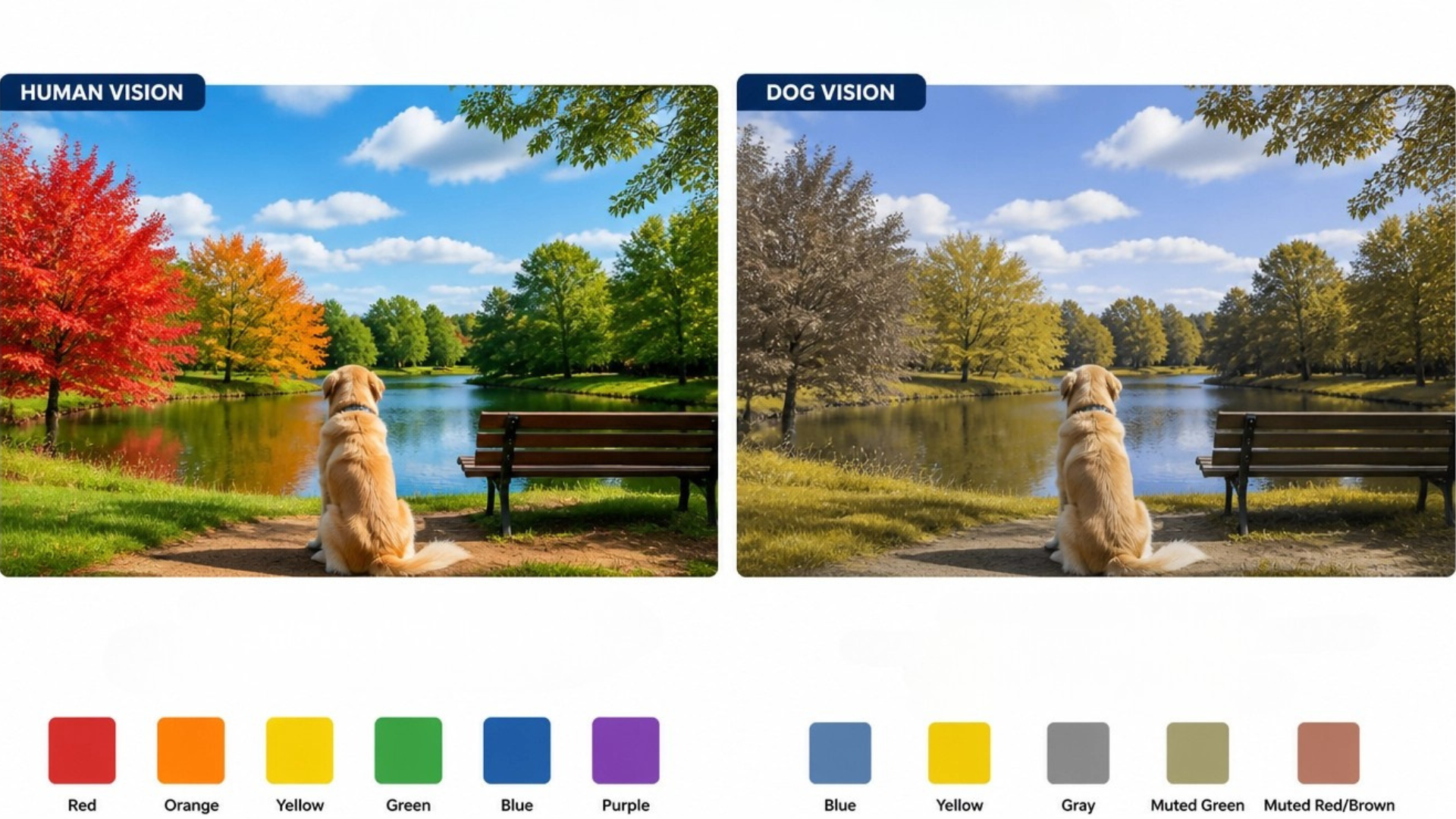
Dogs see fewer colors than humans, but they are not seeing a world without color. Their eyes are most sensitive to blue and yellow shades, which affects how they recognize toys, objects, and backgrounds.
1. Colors Dogs Can See Clearly
Some colors are easier for dogs to notice because they create stronger contrast with their surroundings.
- Blue: Dogs can clearly distinguish shades of blue, making blue objects easier to spot.
- Yellow: Another color dogs can see well, often standing out during play or training.
- Gray: Dogs can notice different brightness levels, helping them identify gray objects.
- White: Bright white objects can stand out against darker surfaces.
These colors are easier for dogs to notice because their vision depends more on contrast and brightness than a wide range of colors.
2. Colors Dogs Cannot See Well
Dogs do not distinguish some colors as clearly as humans do. Certain shades may appear muted or blend together. Dogs may have more difficulty noticing:
- Red
- Green
- Orange
- Pink
- Purple
- Brownx
These colors do not disappear completely, but they may appear closer to gray, brown, or yellow tones. Dogs can still identify objects using contrast, movement, smell, and hearing.
The American Kennel Club also explains how dogs see colors and why their color perception differs from humans’.
Best Toy Colors for Dogs
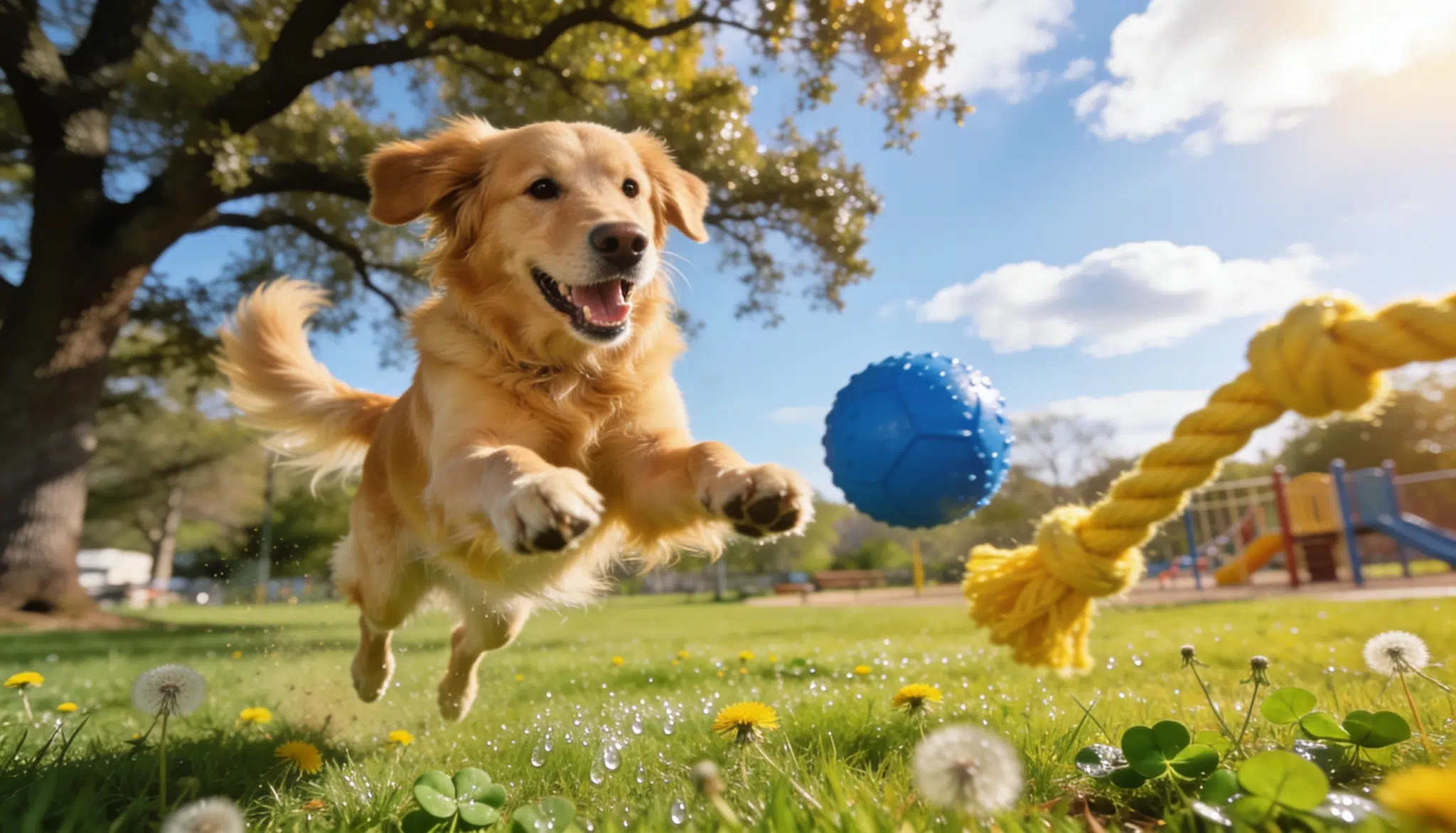
Research shows that dogs have dichromatic vision, meaning they primarily see in the blue and yellow ranges.
A study by researchers Jay Neitz, Timothy Geist, and Gerald Jacobs found that dogs can distinguish certain colors but have a limited range compared with humans.
- Blue toys: Easier for dogs to notice against grass and many backgrounds.
- Yellow toys: Create strong contrast during play and training.
- Red and orange toys: May appear muted and harder to separate.
- Moving toys often grab attention faster than stationary objects.
Choosing blue or yellow toys can make objects easier for dogs to identify during daily activities. Pairing the right color with an engaging design matters too, and many of the best interactive dog toys combine blue or yellow tones with movement to hold a dog’s focus during play.
How Do Dogs See the World?
Dogs take in their surroundings through a mix of movement detection, light sensitivity, and general awareness, and their eyesight is built to catch important changes rather than fine detail.
They spot movement quickly, which helps them notice toys, other animals, and shifts happening around them. Thanks to extra rod cells, they also see well in low light, picking up shapes and motion in dim conditions where people would struggle.
What they trade away is sharpness, so dogs lean on smell and hearing to fill in the gaps.
Their eye placement gives many breeds a wider field of view, and they read contrast between light and dark far better than small details, making bold, high-contrast objects easy to track.
Dogs also judge distance through motion, changes in size, and depth cues. Taken together, their sight, smell, and hearing shape how they understand and move through the world every day.
Signs Your Dog May Have Vision Problems
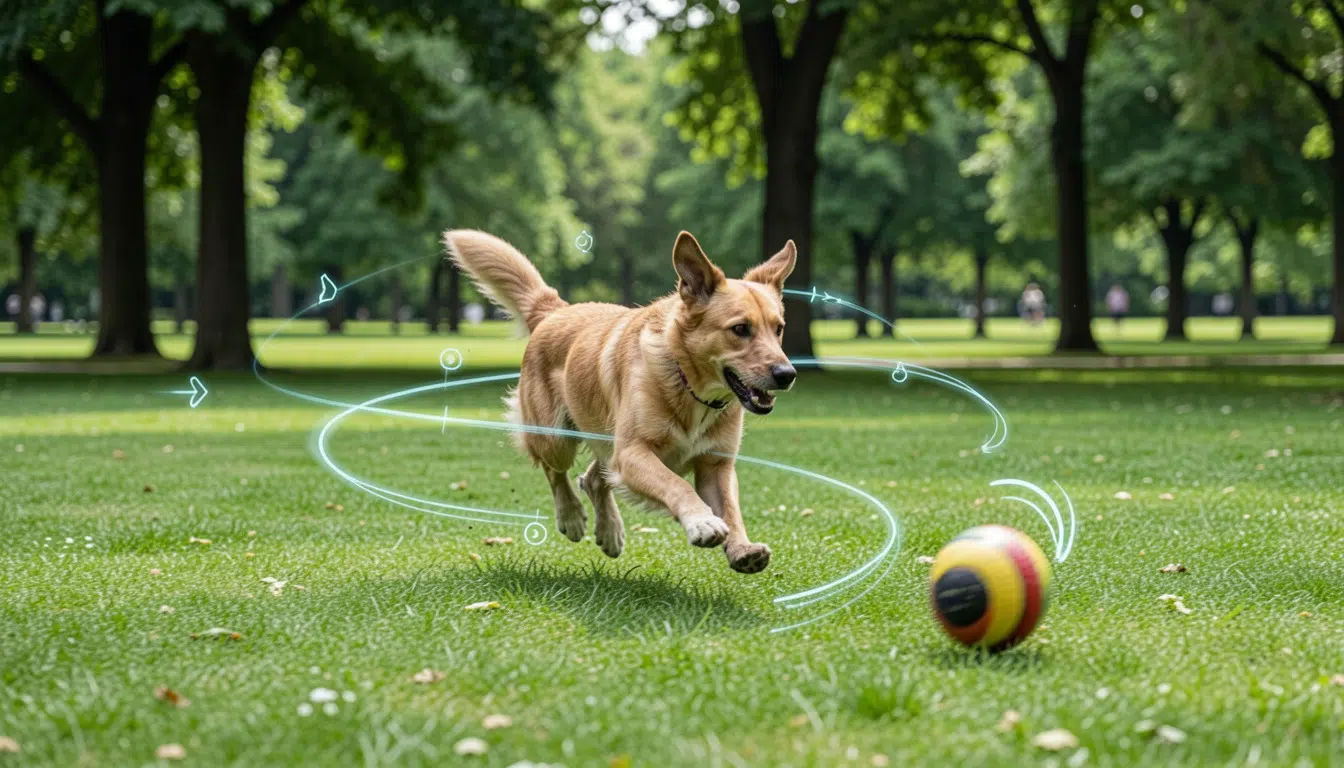
While dogs are not color blind and their limited color range is a normal part of their biology, a dog’s eyesight still can change due to aging, injuries, or eye conditions.
Changes in movement, play habits, or daily behavior can sometimes indicate that a dog’s eyesight is changing. Common signs include:
- Bumping into furniture or objects may suggest difficulty judging distance or noticing obstacles.
- Struggling to find toys or treats: Dogs with reduced vision may depend more on smell and hearing to locate familiar items.
- Hesitating in new places: Unfamiliar areas can become harder to explore when vision is reduced.
- Difficulty seeing in low light: Trouble moving around at night may be linked to reduced vision or eye conditions.
- Cloudy or unusual-looking eyes: Visible changes in the eyes may require a veterinary check.
- Less interest in playing: A dog may avoid games if following toys or tracking movement becomes difficult.
These signs do not always mean serious vision loss, but noticing changes early can help identify possible problems and support your dog’s comfort and routine.
Cloudy eyes and other visible changes can also point to conditions beyond normal aging, and this guide on dog eye infections covers the redness, discharge, and swelling worth watching for.
When vision changes appear suddenly, worsen quickly, or are accompanied by pain, redness, swelling, discharge, or an injured eye, arrange a veterinary examination as soon as possible. Early diagnosis can help identify the underlying cause and may improve treatment options while reducing the risk of permanent vision loss.
What To Do If Your Dog Has Vision Changes
If your dog shows signs of vision changes, small adjustments and proper care can help them feel safer and adapt more easily.
- Visit a veterinarian: A professional eye examination can identify possible causes and recommend treatment.
- Use clear visual cues: Choose blue or yellow toys and objects with strong contrast.
- Keep the home environment consistent: Avoid frequent changes to furniture placement.
- Use sound and smell: Verbal cues, familiar scents, and touch can help dogs adapt.
- Provide safe spaces: Keep pathways clear to ease movement.
Dogs can adapt extremely well to changes in vision because they rely on their other senses, especially smell and hearing, to understand their surroundings.
Common Myths About Dog Vision
Plenty of ideas about how dogs see are more fiction than fact. Here is a look at the most common myths and what actually holds true.
| Myth | The Reality |
|---|---|
| Dogs see only in black and white | Dogs see colors like blue and yellow, though they cannot pick up red and green the way people do. |
| Dogs have poor eyesight | They may miss fine detail, but their eyes are well-tuned for movement, tracking, and low light. |
| Dogs see perfectly in total darkness | They see better than people in dim light, yet still need some light and cannot see in full darkness. |
| All dogs have the same vision | Eyesight varies with breed, eye shape, genetics, age, and health. |
| Vision matters more than a dog’s other senses | Dogs pair sight with a strong sense of smell and hearing, and the three work together. |
| Dogs cannot recognize owners by sight | They do recognize people visually, while also leaning on smell, voice, and familiar movement. |
Once these myths are set aside, it becomes clear that a dog’s sight is simply one part of a wider, well-balanced set of senses.
How to Test Your Dog’s Color Vision at Home
A simple home activity can give you a rough sense of how your dog responds to different colors.
- Compare colored toys: Set out blue, yellow, red, and green toys and see which catches attention fastest. Dogs notice blue and yellow most.
- Watch the first reaction: Use similar toys moved the same way, and note which your dog reaches for first. This shows preference, not vision.
- Change the lighting: Repeat indoors, outdoors, and in dim light, since brightness shifts how objects appear.
- Don’t rely on home tests: These are casual observations, not eyesight checks. Smell, training, and habit all shape the results.
If your dog suddenly bumps into objects, struggles in familiar spaces, or has trouble moving around, the cause may be a change in vision. A veterinarian can help pinpoint possible eye problems.
Note: These tests cannot measure eyesight accurately. Treat them as casual observations rather than real vision checks.
Final Thoughts
Dogs may not see the same wide range of colors humans do, but their vision is well-suited to their everyday needs.
Their ability to recognize shades of blue and yellow, quickly notice movement, and see in low light helps them interact with the world around them.
Their eyesight also works together with smell and hearing, allowing them to understand their surroundings more effectively. Understanding how dogs see can help owners make better choices, from selecting toys with stronger contrast to noticing possible changes in eyesight.
A dog’s vision may be different from ours, but it plays an important role in how they recognize, interact with, and respond to their environment.
Drop a comment below and let me know if this helped you.
Frequently Asked Questions
Can Dogs See TV Screens?
Dogs can see images on screens, but their experience may differ from that of humans. Some dogs notice movement on TVs, while others show little interest because screens appear differently to them.
Do Puppies See Colors the Same Way as Adult Dogs?
Yes. Puppies develop similar color vision to adult dogs. Their eyesight continues improving as their eyes and visual system mature.
Can Dogs Recognize Their Owners by Sight?
Yes. Dogs use vision, smell, sound, and body language to recognize familiar people. Their ability to detect movement also helps them identify people from a distance.
Do Dogs’ Eyes Change as They Get Older?
Yes. Older dogs may experience changes in eyesight due to aging or eye conditions that affect how clearly they see.