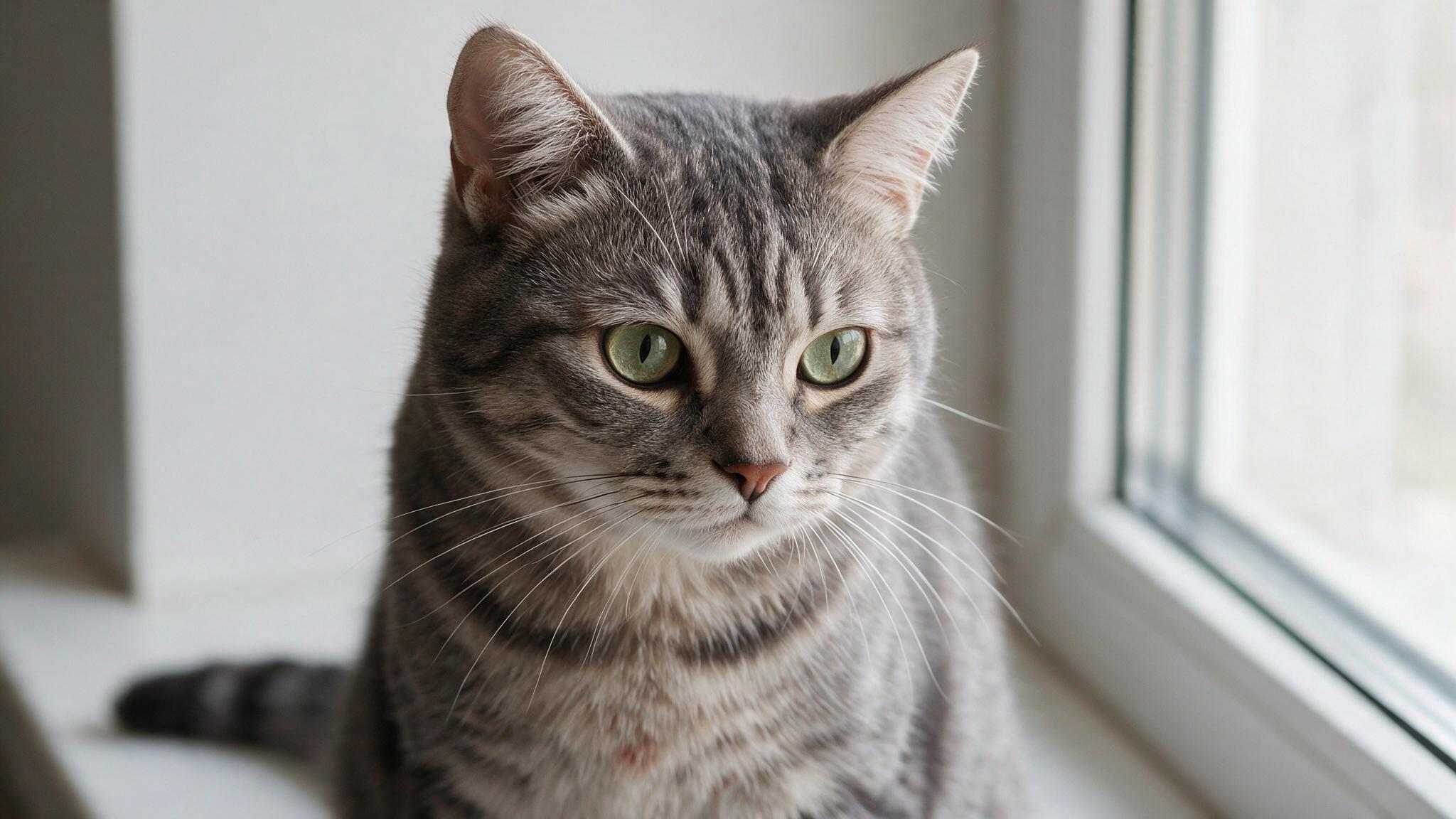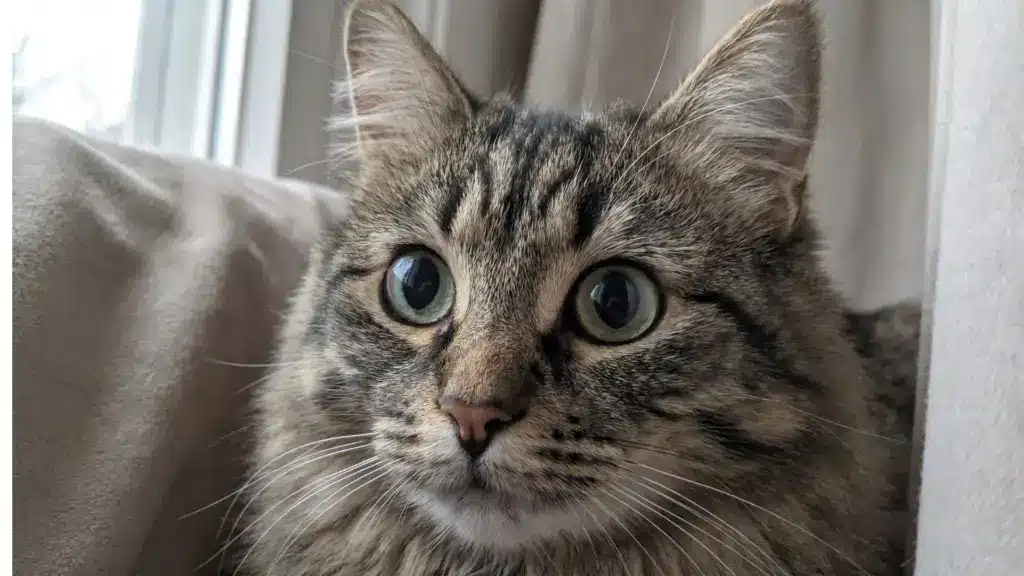
Your cat’s eyes can change in an instant. One moment, the pupils look small and normal. The next moment, they become big and round.
If you have ever wondered what it means when a cat’s pupils are big, you are not alone. Cats use their eyes to react to light, feelings, and their surroundings every single day.
Sometimes these big pupils are completely normal. Other times, they can point to something that needs your attention.
We will be telling you about all the possible reasons behind dilated pupils and how to tell the difference between harmless changes and warning signs.
You will learn simple ways to read your cat’s eyes and keep her healthy.
But before beginning, let us first understand how a cat’s pupils actually work, so you can make sense of everything that follows.
Note: This guide is for general information only and should not replace veterinary advice. If your cat’s pupils stay enlarged, look uneven, or come with other symptoms, contact a licensed veterinarian.
How Cat Pupils Actually Work?
Cats have very powerful eyes, and their pupils can change size significantly. The pupil is the black opening in the center of the eye. It controls how much light enters, almost like a camera lens.
When a cat’s pupil is fully open and round, this wide-open state is called mydriasis. The term comes up often in vet conversations, so it helps to know what it means before your next checkup.
Cat pupils are far more flexible than human pupils. They can expand up to 135 times their size, while human pupils expand about 15 times.
A fully wide cat pupil can also be around three times wider than a fully wide human pupil. In bright light, a cat’s pupil becomes a thin vertical slit. In low light, it opens wide and round to pull in more light.
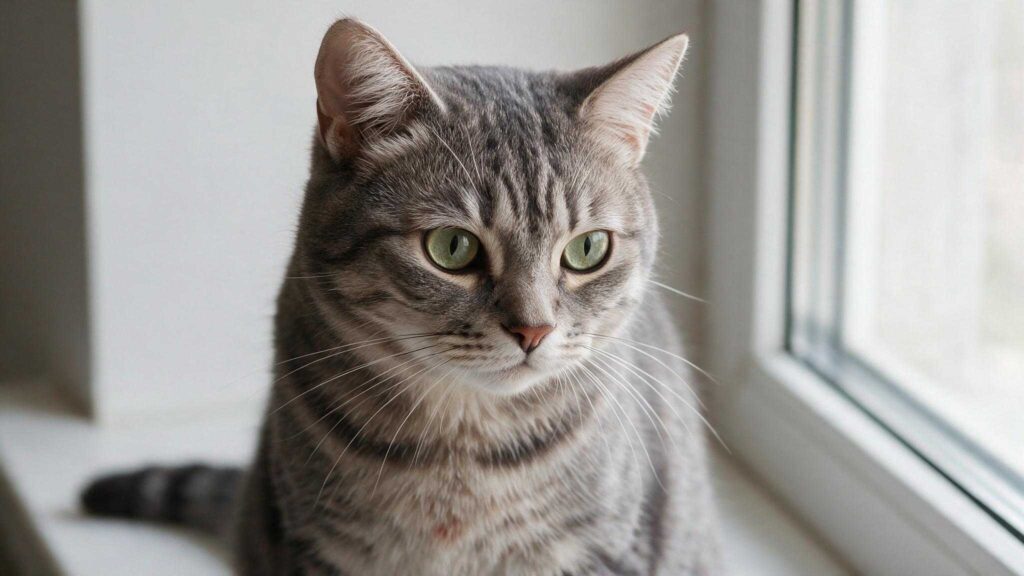
When your cat is calm and comfortable in normal lighting, the pupils usually appear as narrow vertical slits. Wide, round pupils mean the eye is in an active state, whether from light change, emotion, or a health trigger.
Cats also have the tapetum lucidum, a reflective layer behind the retina, which helps them see in about one-sixth of the light humans need.
Their eyes are built differently from ours in more ways than most owners realize, and how cats actually see the world around them goes deeper than just low-light vision.
Their eyes also react fast to movement. A cat can process and react in about 20 to 70 milliseconds, while humans average around 200 to 250 milliseconds. That is why big pupils can mean light change, focus, play, fear, or alertness.
Why Are My Cats’ Pupils Big? Common Reasons
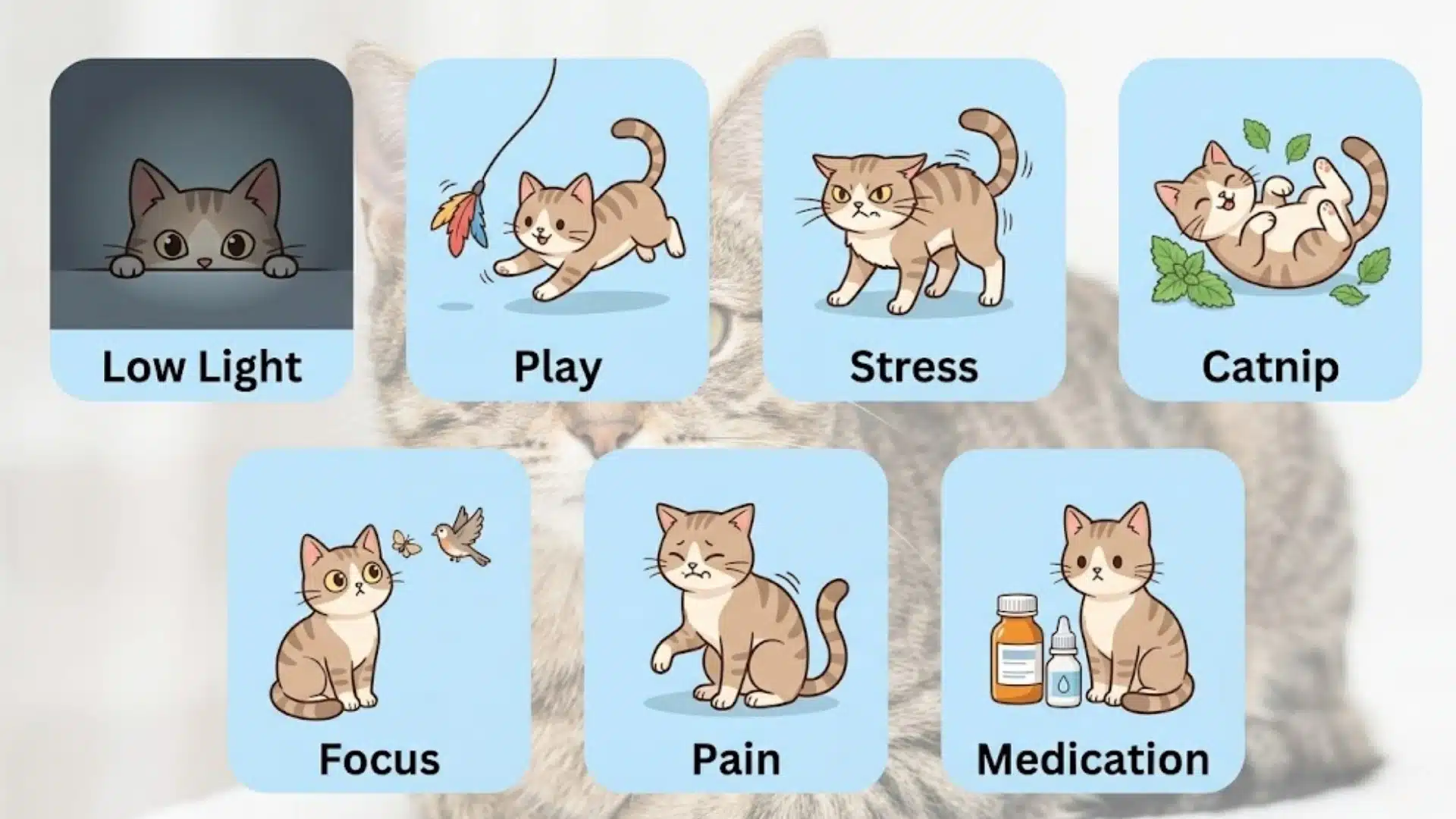
A cat’s pupils can get big for simple everyday reasons, but sometimes they also point to discomfort or a health issue worth addressing.
- Low light: Your cat’s eyes widen so more light can enter, helping them see better in dark rooms.
- Play mode: Big pupils often show up when your cat is chasing toys, stalking, pouncing, or getting ready to zoom around.
- Fear or stress: Loud sounds, new people, vet visits, or sudden changes can make the pupils widen fast.
- Catnip or strong smells: Some cats react with wide eyes, rolling, rubbing, or silly, playful behavior.
- High focus: Your cat may stare with big pupils when watching birds, bugs, food, or anything that grabs attention.
- Pain: A cat in pain, whether from an injury, illness, or internal discomfort, may have persistently wide pupils even in well-lit rooms. Pain is one of the more overlooked causes.
- Medications: Certain prescribed eye drops, opioid pain medications, and anti-anxiety drugs can cause temporary pupil dilation as a side effect.
I often see cats come into the clinic with wide pupils that owners think are a medical emergency. Many times, the cat is just scared of the car ride.
That said, I have also seen the opposite happen: an owner reassured their cat was fine, when the wide pupils in the exam room were actually a sign of pain from an undiagnosed injury. Context matters more than the eye size alone.
The same stress response that triggers dilated pupils can also show up alongside sneezing or other sudden changes. It may be worth looking at whether an underlying issue is involved.
Medical Causes for a Cat’s Pupils Looking Big
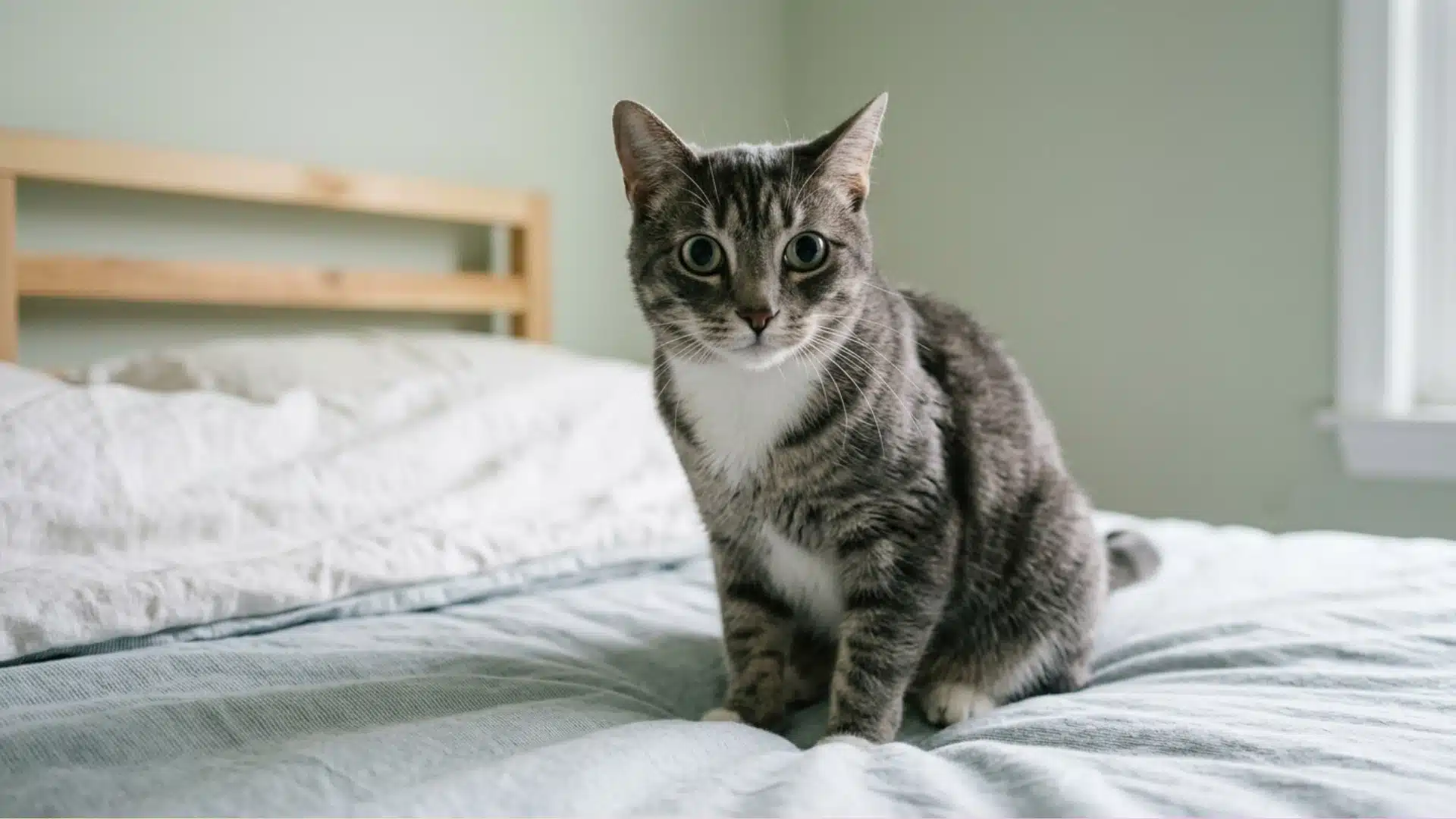
Medical causes are less common than normal mood or light changes, but they matter because some can affect your cat’s sight quickly.
1. High Blood Pressure
High blood pressure is one of the most common medical causes of dilated pupils in older cats.
It often develops as a secondary condition linked to kidney disease or hyperthyroidism, so cats with either of those diagnoses should have their blood pressure checked regularly.
It can build quietly, so your cat may seem normal before eye changes appear.
Over time, high pressure can damage the eyes and affect vision. Your cat may bump into furniture, miss jumps, or seem confused in rooms they already know.
In my practice, hypertension is one of the most commonly missed conditions in cats over eight years old. By the time it shows up in the eyes, it has often been building for months.
Early blood pressure screening can make a real difference in outcomes.
2. Blindness Or Low Vision
Cats with poor vision may have large pupils because their eyes do not respond to light normally. You may notice your cat acting unsure in dim rooms, staring at walls, or getting startled when touched.
Some cats also stay closer to familiar spots and avoid climbing. Vision loss can happen from retinal disease, glaucoma, injury, high blood pressure, or nerve damage.
3. Glaucoma
Glaucoma happens when pressure inside the eye becomes too high and starts affecting the optic nerve.
If it is not treated, it can slowly damage vision or cause serious eye pain. A cat with glaucoma may have one big pupil, a cloudy eye, redness, tearing, squinting, or sensitivity around the face.
Sometimes the signs are subtle at first, so a pupil who reacts slowly to light should not be ignored.
4. Cancer
Cancer inside or near the eye can change the pupil’s size, shape, or reaction to light. A tumor may also affect eye pressure or block normal fluid movement inside the eye.
This is not the most common reason for big pupils, but it should not be ignored. If one pupil stays large, looks uneven, or appears with cloudiness or swelling, a vet should check it.
5. Retinal Detachment Or Damage
The retina is the light-sensitive layer at the back of your cat’s eye. When it detaches or gets damaged, vision can change quickly, and sudden blindness may happen.
Big pupils can be one of the first signs because the eye is no longer reading light properly. This problem is often linked to high blood pressure, so fast vet care matters a lot.
6. Neurological Conditions
Brain problems can affect how the nerves control your cat’s pupils. This may happen with head trauma, seizures, brain tumors, or nerve damage.
One less common but documented cause is dysautonomia, a neurological disorder that disrupts the autonomic nervous system and can cause persistently dilated pupils alongside vomiting, decreased appetite, and difficulty swallowing.
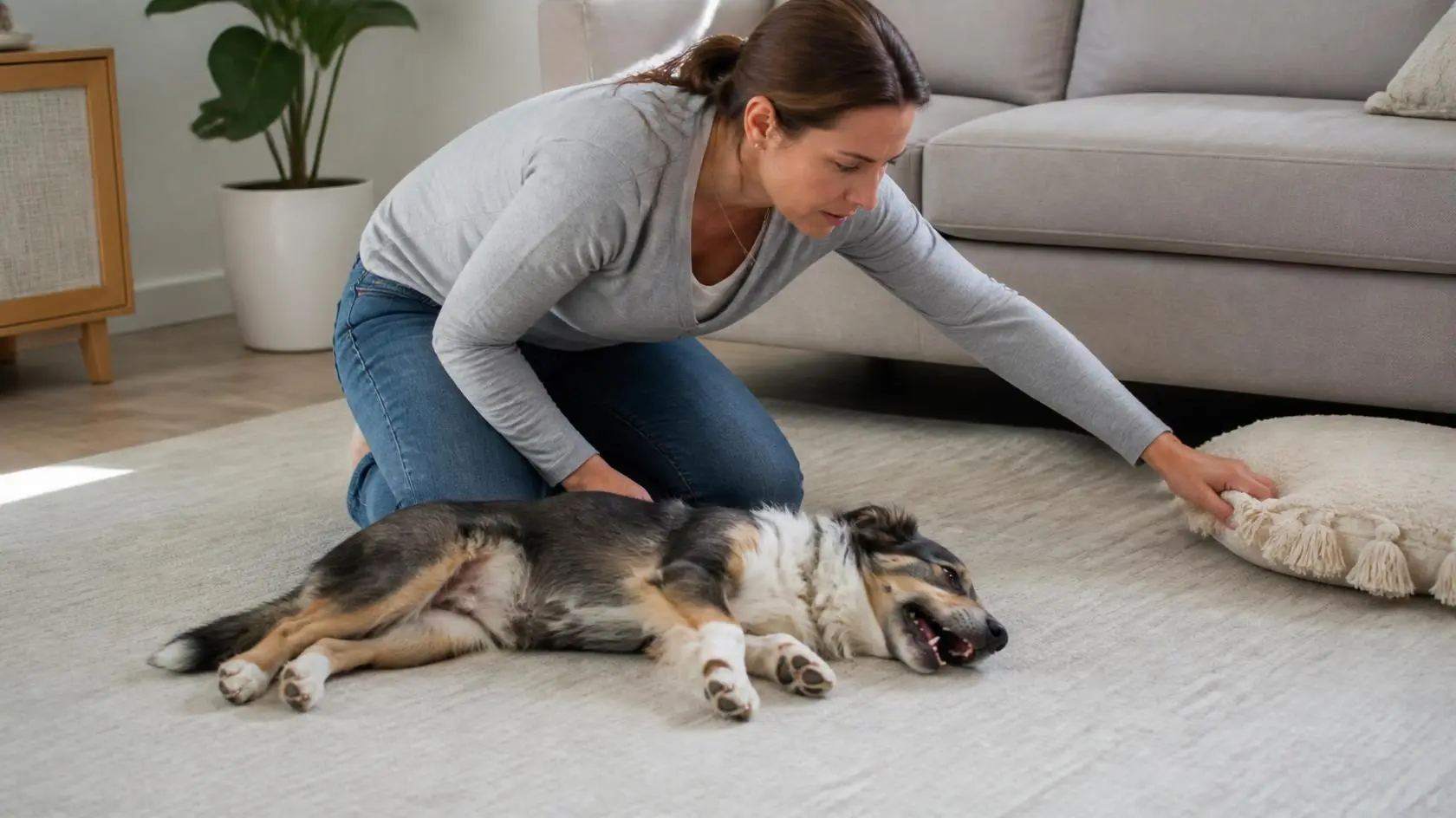
Your cat may also act confused, tilt their head, walk unevenly, circle, collapse, or seem less responsive than usual.
These signs can point to a serious problem, so sudden pupil changes with body or balance issues need urgent vet care.
7. Feline Leukemia Virus Or FIV
Feline leukemia virus and FIV can weaken your cat’s immune system and make infections or inflammation more likely.
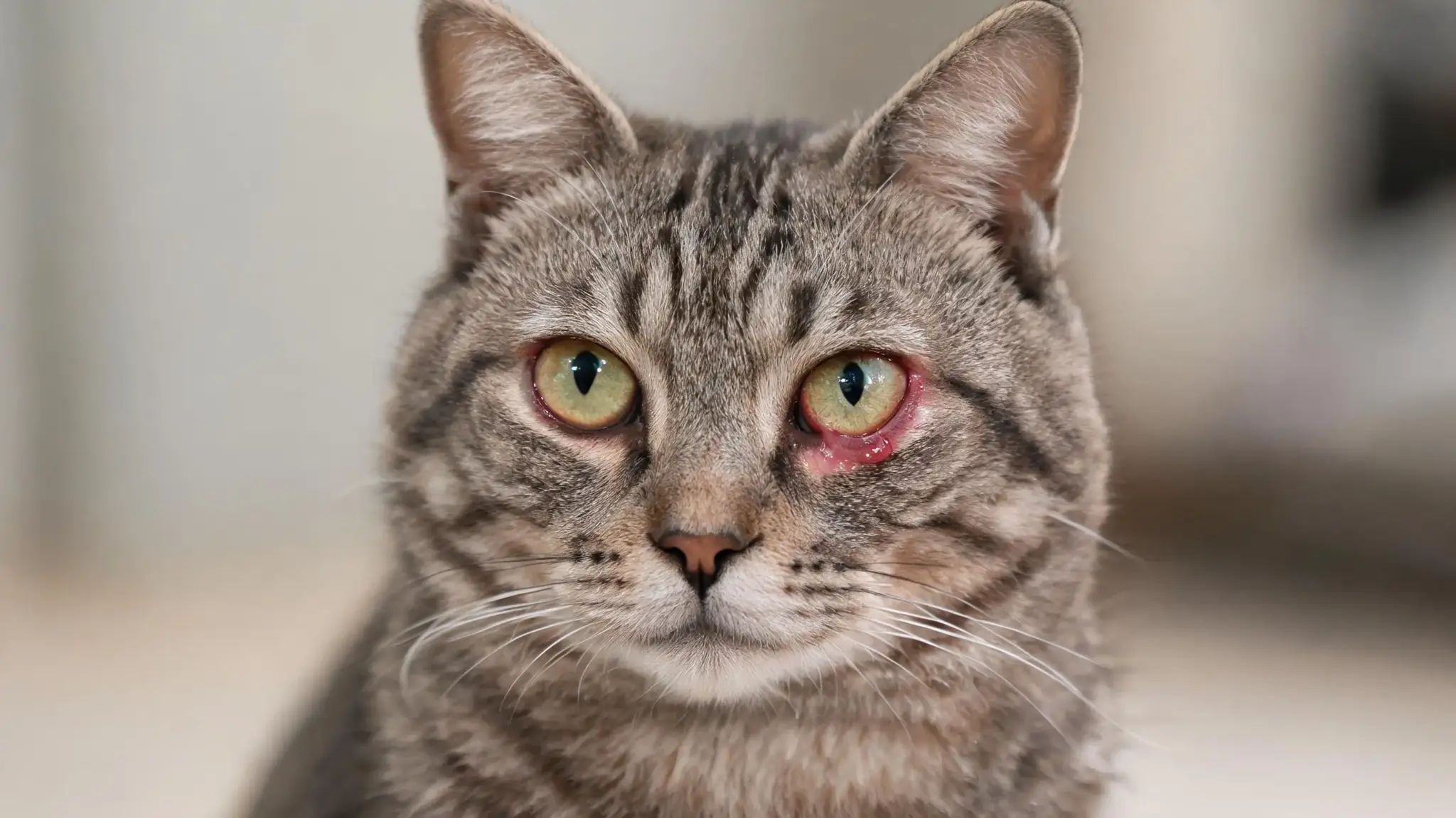
Eye changes may happen when illness affects the eye or nearby tissues. You may notice big pupils alongside watering or discharge from the eye, redness, cloudiness, or a dull look overall.
If your cat already has FeLV or FIV, new pupil changes should be checked by a vet quickly.
8. Poisoning Or Toxic Exposure
Some toxins, medicines, and chemicals can make a cat’s pupils suddenly look big. This can happen from unsafe plants, human medicine, wrong flea products, cleaners, or drug exposure.
Other signs may include drooling, vomiting, shaking, weakness, fast heartbeat, strange behavior, or collapse. This is an emergency, so call your vet or a pet poison hotline right away.
Dilated Pupils in One Eye vs. Both Eyes
Pupil pattern matters because both eyes and one eye can point to different things. When both pupils are big and equal, the reason may be light, stress, excitement, pain, or a body-wide health issue.
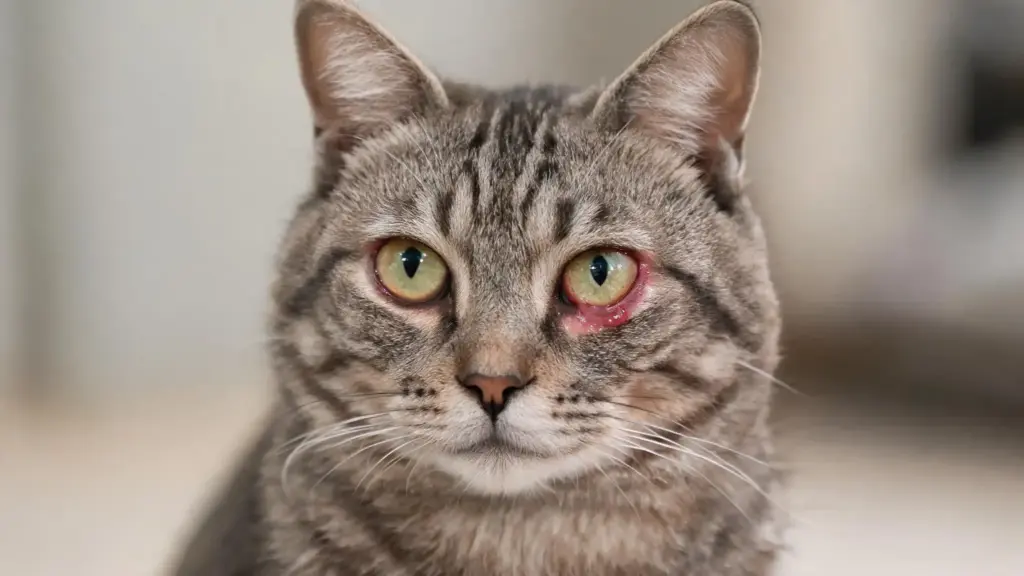
When only one pupil looks bigger, it is usually more concerning. This is called anisocoria, which means one pupil is larger than the other.
It can happen from eye injury, glaucoma, inflammation, retinal damage, or nerve problems.
Both pupils being wide does not always mean danger, but the full picture matters. Check your cat’s lighting, mood, body posture, and whether the pupils return to normal.
One uneven pupil should be taken more seriously, especially with redness, cloudiness, pain, weakness, or strange movement.
A vet can check eye pressure, light response, vision, and the back of the eye.
When to See a Veterinarian?
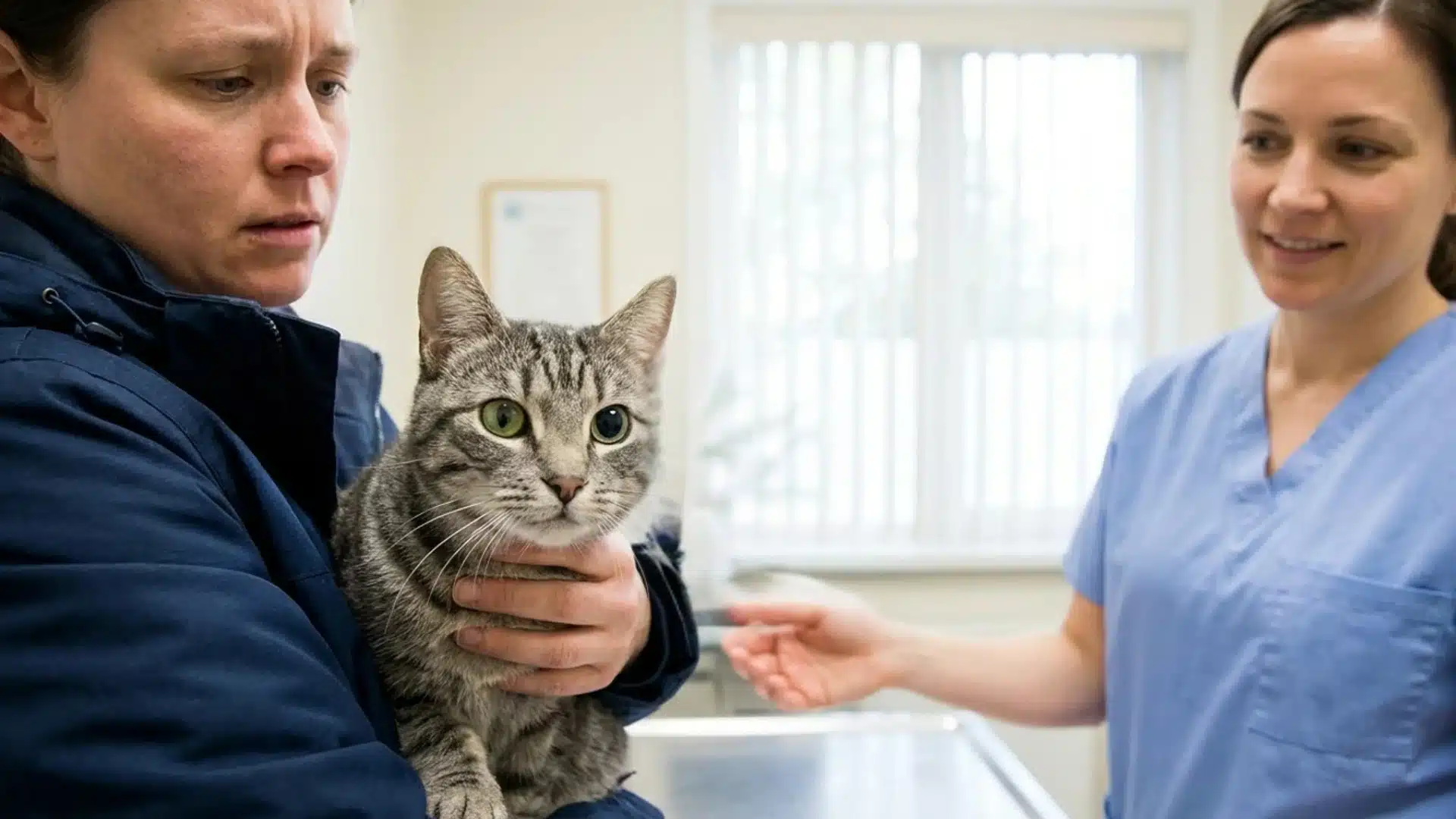
Big pupils are not always an emergency, but they need attention when they do not match the room, mood, or moment.
If your cat is calm, sitting in bright light, and the pupils still look huge, something else may be going on.
- Pupils stay big in bright light: This is more concerning when the room is well-lit, and your cat is not scared or playing.
- One pupil is larger: Uneven pupils, also called anisocoria, can point to eye injury, glaucoma, inflammation, or nerve trouble.
- The eye looks wrong: Cloudiness, redness, watering, squinting, or pawing at the face may mean pain or pressure.
- Your cat moves differently: Missing jumps, walking into things, freezing before steps, or staying low can suggest vision trouble.
- Behavior feels off: Hiding, not eating, acting weak, or seeming unusually scared can mean the pupil change is not just mood-related.
- Balance problems appear: Head tilting, circling, stumbling, collapse, or sudden weakness need quick vet attention.
- Toxic signs show up: Vomiting, drooling, shaking, fast breathing, strange behavior, or collapse with big pupils is an emergency.
Discharge or cat eye watering alongside dilated pupils often signals a separate issue compounding the concern, and it deserves its own evaluation.
In my experience, older cats with sudden pupil changes are the ones I want to see most urgently.
High blood pressure and kidney problems become more common with age and can move fast once they start showing up in the eyes.
What the Vet Will Do?
A vet will start with a full body check and a close eye exam. They may test how the pupils react to light, measure eye pressure to check for glaucoma, and look at the retina and optic nerve.
They may also check blood pressure, run blood and urine tests, and test for FeLV or FIV if needed. Early testing can protect your cat’s vision and help identify the underlying cause more quickly.
How to Check Your Cat’s Pupils at Home?
You cannot replace a vet exam, but there are a few simple checks you can do at home to get a better sense of what you are looking at.
These observations can also help you describe the situation clearly when you call your vet.
1. The Light Response Check
Take your cat into a well-lit room and look at both pupils. They should appear as narrow vertical slits in bright light.
If the pupils stay large and round despite the lighting, that is not normal. You can also briefly shine a small flashlight near (not directly into) your cat’s eye.
A cat with healthy eyes will squint or turn away from the light.
2. The Menace Response Check
This test checks whether your cat sees movement near her eye. Hold your hand flat, with your palm facing your cat.
Slowly move it toward one eye from the side or slightly above. Stop 10 to 15 cm (4 to 6 inches) before the whiskers or eye. Do not touch the cat.
A seeing cat will usually blink, flinch, pull back, or move away. Repeat on the other eye. No reaction may suggest vision loss in that eye. Compare both eyes and test more than once.
3. The Tracking Check
This test checks whether your cat follows moving objects. Drop a quiet item, like a cotton ball, paper ball, or small toy, from 30 to 50 cm in front of her.
Do this while she is calm and sitting or lying down. A seeing cat will usually watch it fall and may try to pounce.
A cat with vision trouble may ignore it or react only after it lands. You can also move a feather or string side to side and see if her eyes follow it.
Conclusion
Big cat pupils can look scary, but the meaning depends on the full situation. A calm cat in a dark room is very different from a cat with uneven pupils, cloudy eyes, pain, or sudden behavior changes.
The best way to judge it is to watch the whole pattern, not just the eye size. Room lighting, mood, movement, appetite, and eye comfort all give better clues.
If the pupils return to normal and your cat acts fine, it is usually less worrying. If the change stays, gets worse, or feels unusual, a vet check is the safest step.
Cat eyes can change fast, but lasting changes deserve proper attention.
Notice the timing, lighting, and behavior around your cat’s pupil changes, then share the pattern you saw in the comments below.
Frequently Asked Questions
Can Age Affect How a Cat’s Pupils Look?
Yes. Older cats may show slower eye responses or changes in how their eyes look over time. Any sudden or unusual change should still be checked by a vet.
Do Kittens Have Bigger Pupils than Adult Cats?
Kittens often look wide-eyed because they are curious, active, and still learning their surroundings. Their pupils may seem large during play or when they are alert.
Can Medicine Affect a Cat’s Pupils?
Yes. Some eye drops, pain medicines, flea products, or accidental exposure to human medication can affect pupil size. Call a vet if this happens suddenly.
Should I Take a Photo of My Cat’s Eyes Before Calling a Vet?
Yes. A clear photo or short video can help your vet see the pupil change, especially if it comes and goes before the appointment.
How Long Should Dilated Pupils Last in a Cat?
Pupils that dilate from low light, mild excitement, or brief stress should return to their normal slit shape within a few minutes once the cat is back in a calm, well-lit environment.
Dilation that lasts more than 30 to 60 minutes without an obvious trigger is worth monitoring. If it persists for hours, or happens repeatedly without explanation, a vet visit is a good idea.