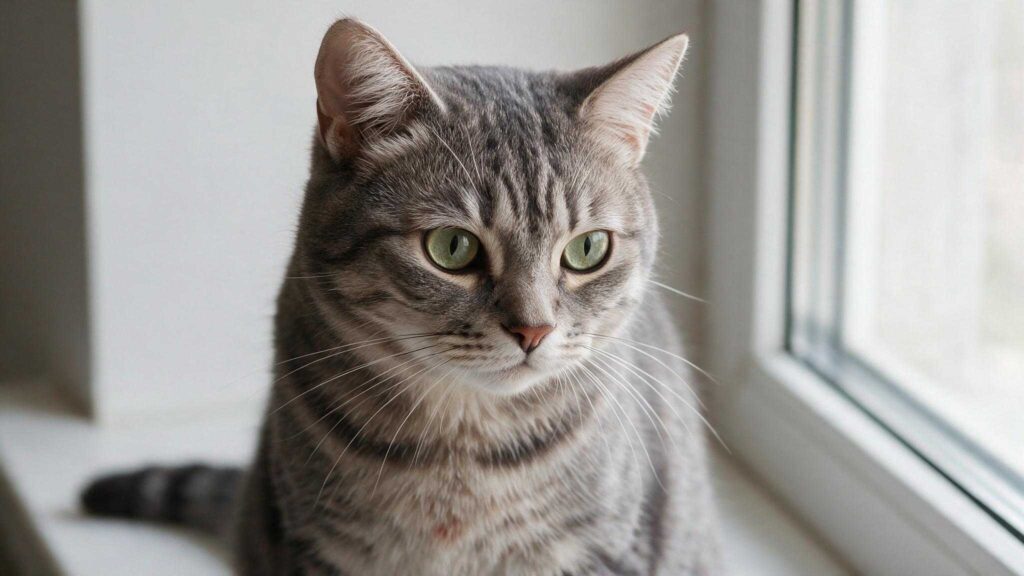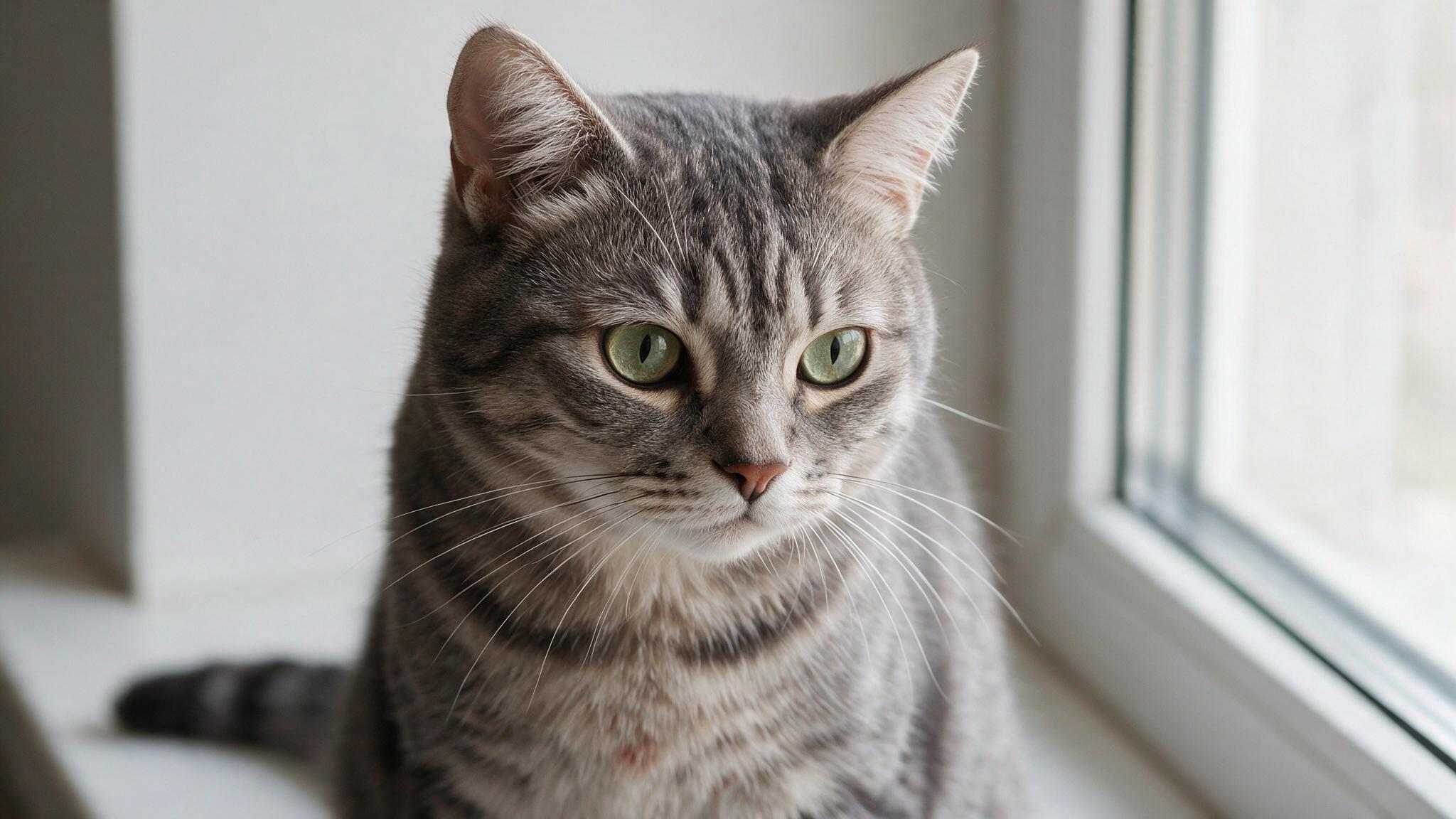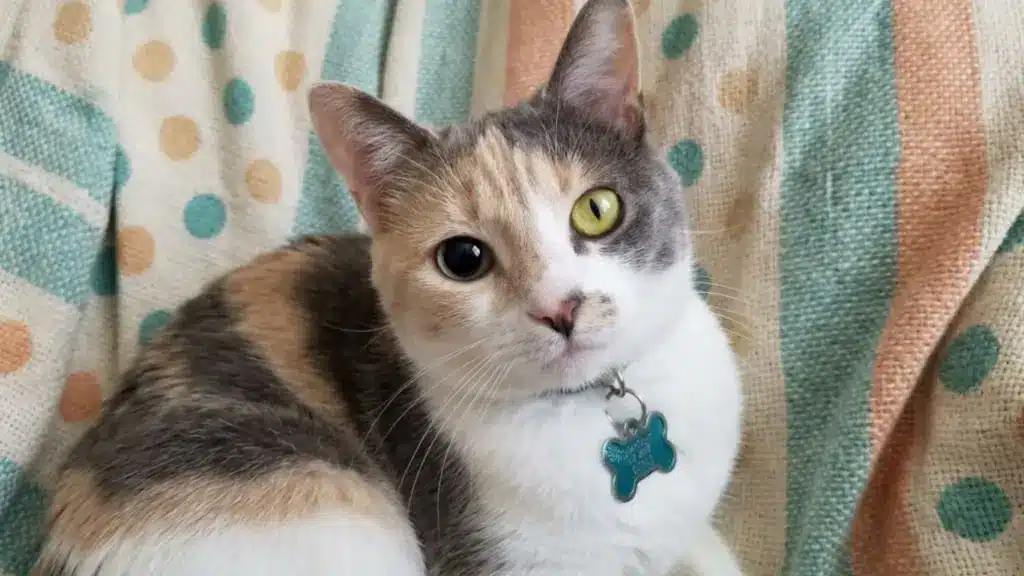
You’re sitting with your cat near the window when the light hits their face just right, and something suddenly feels off.
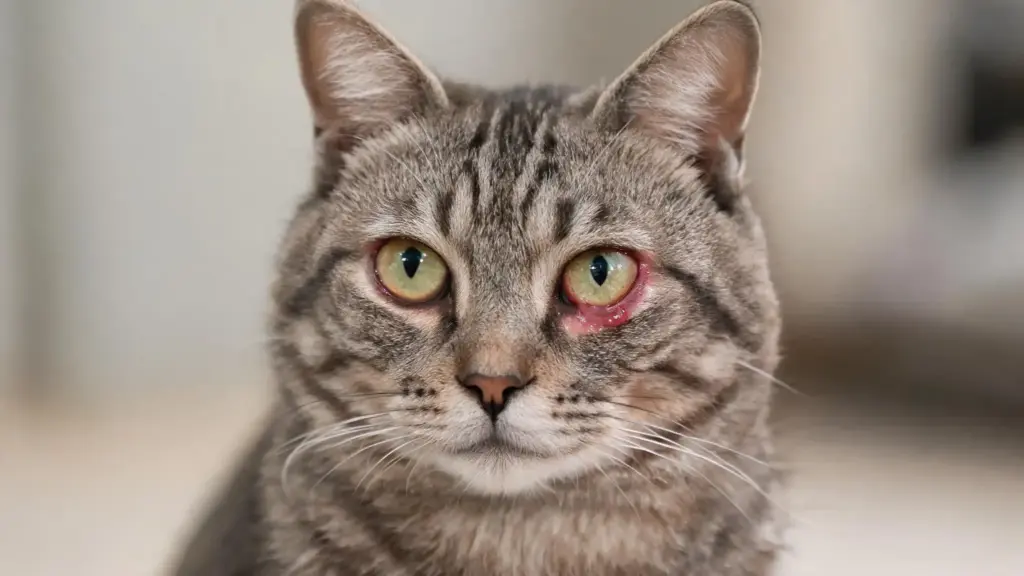
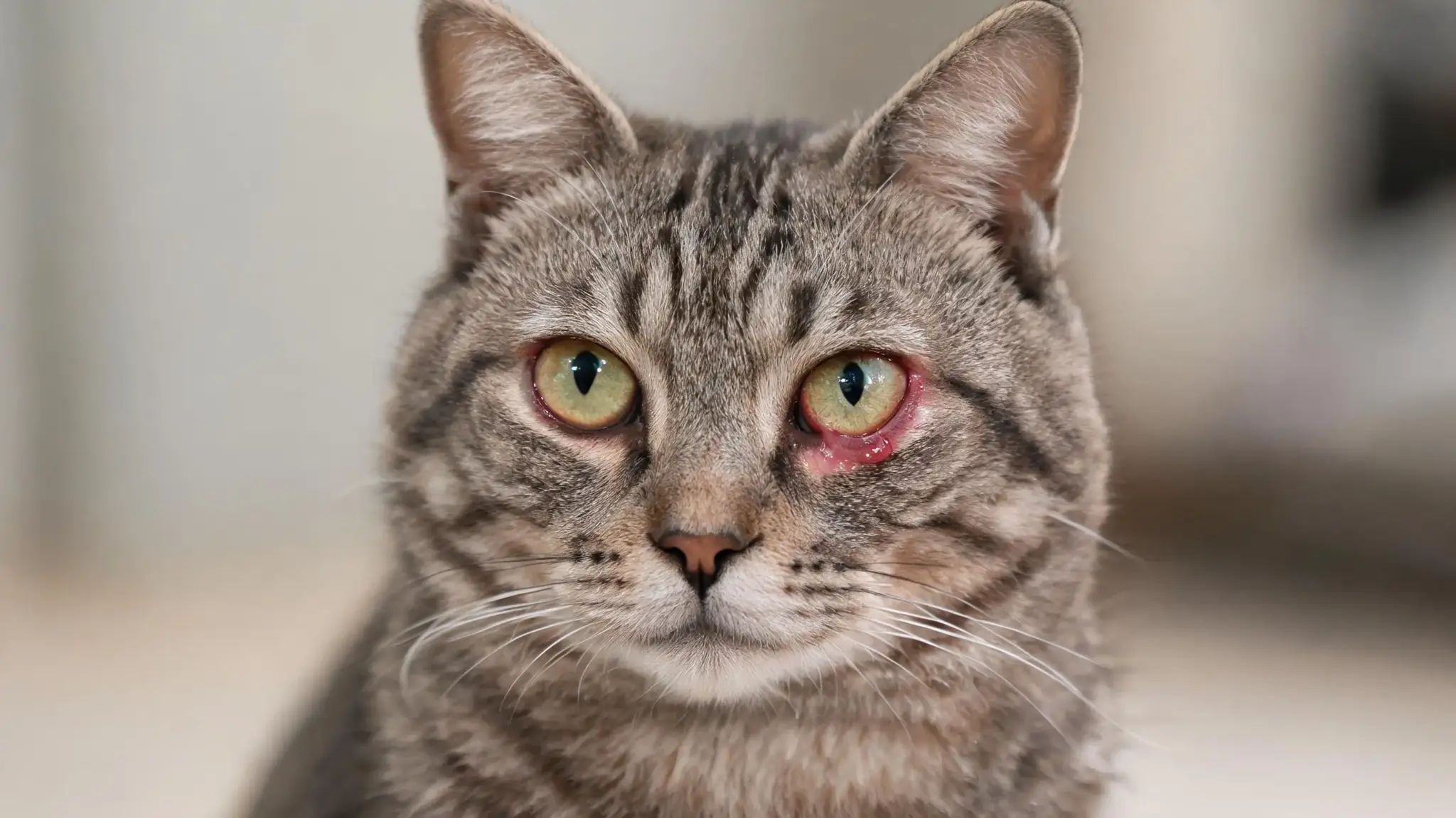
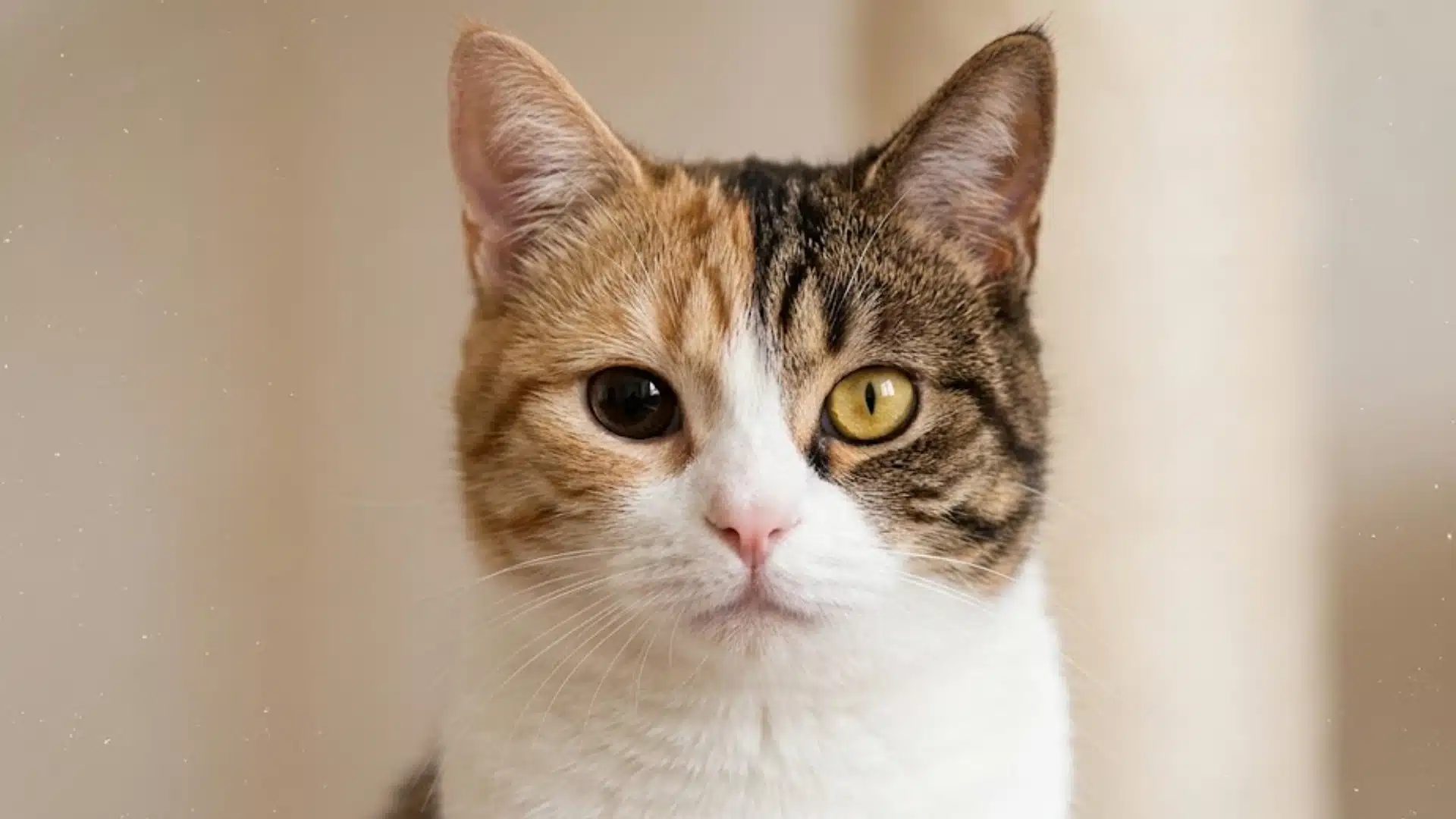
One eye looks normal, but the other pupil is clearly different in size, either larger or smaller, and they don’t match the way they usually do.
It is a small detail, but it stands out enough to make you pause and look closer, and that slight moment of doubt can quickly turn into concern.
That moment of noticing is actually a good thing. Anisocoria in cats is one of those signs that can be easy to miss during daily routines, yet it can point to underlying issues that need attention sooner rather than later.
This blog breaks down why cat pupils can appear uneven, what causes it, which warning signs need quick action, and what you can expect during a vet visit.
What is Anisocoria in Cats?
A cat’s pupils act like a camera. In bright light, they shrink into narrow slits, and in dim light, they open wide to take in more light.
Normally, both eyes do this together and stay in sync. When that balance breaks, the pupils look uneven, with one pupil staying larger or smaller no matter the light.
The unusual pupil can be on either side, and figuring out which one is affected helps vets understand the cause.
There are two main patterns to know. Sudden anisocoria appears without warning in a cat whose eyes looked normal before, and this needs quick medical attention.
Congenital anisocoria is present from birth and comes from a structural difference in the eye.
This condition is uncommon in cats. Unlike dogs, where it can sometimes pass without a clear reason, cats usually have an underlying cause, which makes a vet visit important.
What Causes Cat Pupils to Be Different Sizes?
Different pupil sizes can point to problems affecting the eye, nerves, or overall health, and the cause can range from mild irritation to more serious internal conditions.
- Eye injuries: Scratches, trauma, or foreign objects can affect how the pupil reacts to light and may cause visible discomfort or redness.
- Nerve-related issues: Damage to the nerves controlling the eye can disrupt normal pupil movement, often linked to conditions like Horner’s syndrome.
- Infections and inflammation: Eye infections or internal inflammation can change pupil size and may come with swelling, discharge, or sensitivity to light.
- Exposure to toxins: Certain chemicals or plants can affect the nervous system or the eyes, leading to sudden pupil changes and other unusual symptoms.
- Head trauma: A blow to the head can cause bleeding or swelling inside the skull that increases pressure and directly affects pupil size. If your cat recently fell, was hit by something, or had any kind of impact injury, anisocoria in the hours following is a red flag that needs immediate attention.
Common Conditions Linked to Unequal Pupils
Different pupil sizes are often tied to specific eye or nerve conditions, and each one affects how the eye reacts to light in its own way.
1. Glaucoma
This condition develops when fluid inside the eye does not drain properly, leading to increased pressure that damages the optic nerve over time.
The affected pupil often appears larger and may not react normally to changes in light.
Cats with glaucoma can show signs like redness, a cloudy eye surface, squinting, or signs of pain, such as avoiding light or rubbing the eye.
If left untreated, it can lead to permanent vision loss, so early detection and care are very important.
2. Uveitis
Uveitis refers to inflammation within the eye, usually affecting the middle layer of the eye, the uvea. This often causes the pupil to become smaller than normal and less responsive to light.
You may also notice redness, watery eyes, or sensitivity to bright light. It can be linked to infections, immune system problems, or injuries, and sometimes affects both eyes.
The condition can become serious if ignored, as ongoing inflammation may damage internal eye structures and impact vision over time.
3. Horner’s Syndrome
This is a nerve-related issue that affects the muscles controlling the eye and surrounding structures.
It usually causes one pupil to appear smaller, along with a drooping eyelid, a slightly sunken eye, and sometimes a raised third eyelid.
The cause is often linked to nerve disruption along the pathway between the brain and the eye. While it may look alarming, it is not always painful.
Still, identifying the underlying reason is important to rule out more serious nerve damage or injury.
4. Retinal Problems
Conditions affecting the retina can interfere with how the eye processes light, which then changes how the pupil reacts.
The affected pupil may remain larger and respond slowly or not at all to changes in light. These problems can be caused by injury, disease, high blood pressure, or age-related changes.
Cats may show signs like reduced vision, bumping into objects, or hesitation in low light. Since retinal issues can worsen over time, early attention helps manage the condition and protect remaining vision.
Signs to Watch Alongside Anisocoria
- Uneven pupils alone: Sometimes this is the only visible sign, but in other cases, the eye and your cat’s behavior provide more context about what’s going on.
- Changes in the eye’s appearance: Look for redness in the whites, a cloudy surface, or a bluish tint, along with discharge, crustiness, or excess moisture.
- Drooping eyelid: A lowered upper eyelid on one side can point to Horner’s syndrome and is an important detail to share with your vet.
- Signs of discomfort: Squinting, pawing at the face, or avoiding bright light may indicate pain, even if your cat stays quiet.
- Subtle behavior shifts: Cats often hide pain, so reduced appetite, hiding more than usual, or low energy can signal a deeper issue.
- Neurological symptoms: A head tilt, poor balance, circling, or sudden behavior changes, along with uneven pupils, suggest a nervous system problem that needs same-day care.
How is Anisocoria Diagnosed?
A proper eye exam in cats goes beyond a simple surface check and helps vets find issues that may be linked to deeper health problems in the body.
I would start by noting that the process begins with the cat fully awake, since anesthesia can change pupil reactions and affect early observations.
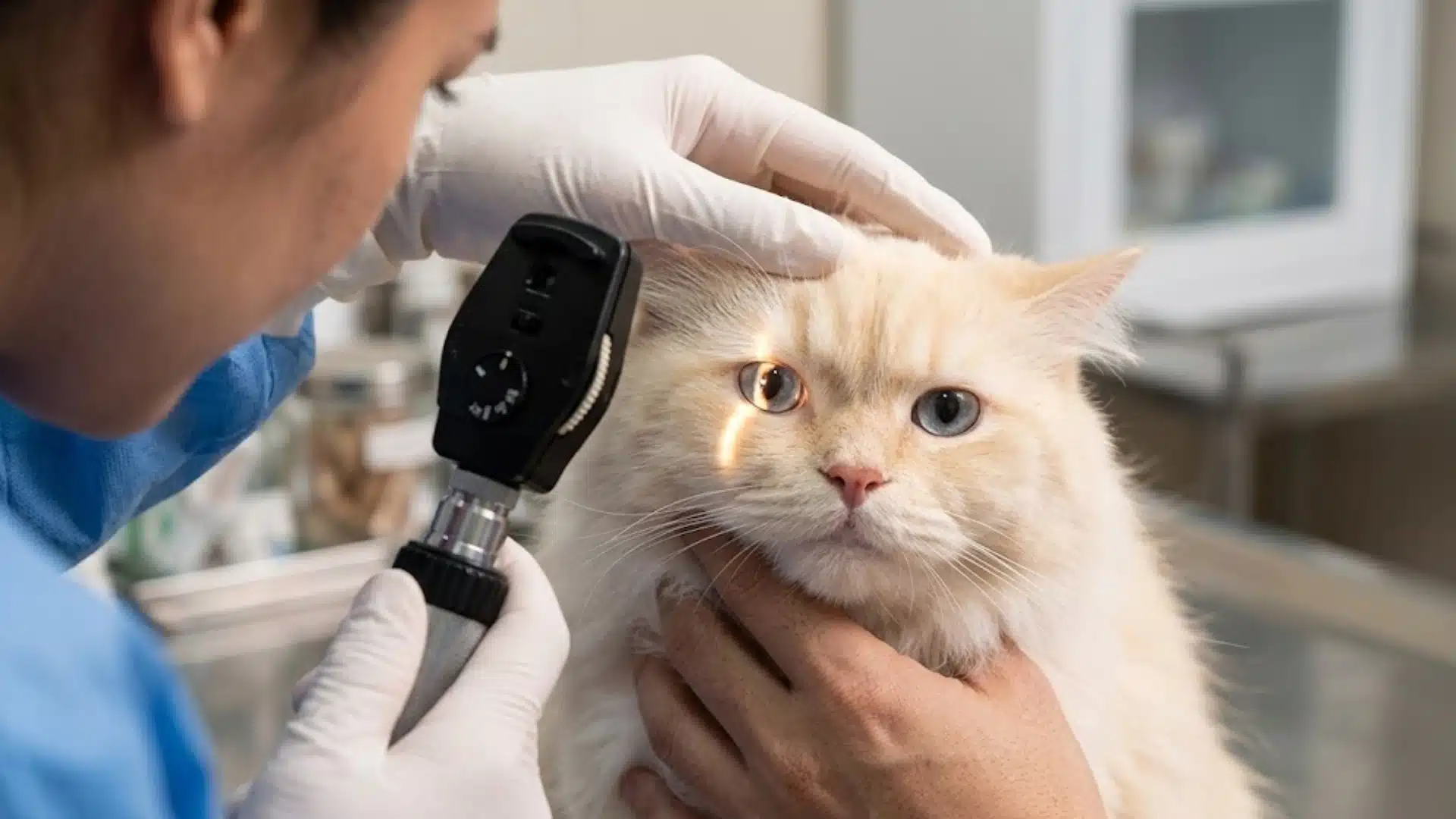
Vets then use tools like a tonometer to measure eye pressure and check for glaucoma, while fluorescent dye is applied to spot scratches or ulcers that are not easy to see otherwise.
An ophthalmoscope allows a closer look at the retina and optic nerve, and light response tests help evaluate how well the nerves are working.
To rule out broader health concerns, blood tests and blood pressure checks are often done.
In more complex cases, imaging such as X-rays, ultrasound, or MRI scans may be used to identify deeper causes, such as tumors or nerve issues.
Treatment Options for Anisocoria in Cats
There is no single treatment for anisocoria in cats because it is a sign, not a disease, so care depends on the underlying cause. I would look at what is triggering it before deciding the next step.
Corneal injuries and ulcers are usually treated with antibiotic and anti-inflammatory eye drops, and many cases improve within days to weeks.
Uveitis is managed with steroids or similar medication, sometimes over a longer period, while glaucoma treatment focuses on lowering eye pressure and may involve multiple drops or even surgery in advanced stages.
Horner’s syndrome improves when the root cause is treated, and in some cases, with no clear cause, signs may fade over time.
Supportive care, like eye lubricants, helps protect the cornea, and certain drops may be used to improve pupil appearance.
Infections, high blood pressure, and systemic issues each need targeted care, and recovery time can vary widely between cats.
When to See a Vet?
If there’s one thing worth trusting your gut on, it’s this. A sudden change in your cat’s eyes is not something to wait out and “see what happens.”
If anisocoria appeared out of nowhere, is paired with other symptoms, or you’re unsure how long it’s been present, it’s time to call your vet.
The sooner your cat is seen, the better the chances of preventing something serious. Conditions like glaucoma, retinal detachment, or even neurological issues can move fast, and delays can lead to permanent vision loss.
Even in cases where anisocoria might seem less alarming, like a Siamese cat with slight natural asymmetry or an older cat with known iris atrophy, any change from what’s normal still deserves attention.
Subtle shifts can signal that something new is developing beneath the surface. One more thing that’s important and often overlooked: never try to treat your cat’s eye at home.
Human eye drops, especially those meant to reduce redness, can actually make things worse by restricting blood flow or irritating already sensitive tissue.
When it comes to your cat’s eyes, it’s always better to be cautious and get clarity from a professional.
Conclusion
Anisocoria in cats tells you that something in the complex system connecting the brain, nerves, and eyes is not working the way it should.
That something could be as minor as a surface scratch on the cornea or as serious as a tumor pressing on a nerve. You will not know which one without a vet.
If the pupil difference appeared suddenly, today is the day to call. If your cat is young and has had mismatched pupils since kittenhood, note it for the vet and watch for any changes.
If your senior cat has a mild, stable asymmetry their vet already knows about, keep monitoring and report anything new. Either way, your instinct to take a closer look at your cat’s eyes was the right one.
Have you ever noticed something off about your cat’s eyes? Share what happened in the comments below. Other cat owners going through the same thing will appreciate hearing from you.
Frequently Asked Questions
Can Anisocoria in Cats Go Away on its Own?
Sometimes. Idiopathic Horner’s syndrome and minor corneal irritation can resolve without treatment. Most other causes will not improve on their own, and some worsen fast. Glaucoma and retinal detachment can cause permanent blindness within days if left untreated.
Can Stress or Fear Cause My Cat’s Pupils to Look Unequal?
No. Fear causes both pupils to dilate, a normal stress response. Genuinely unequal pupils are not caused by stress. If the sizes differ, something physical is disrupting the nerve pathway, not your cat’s mood.
Is Anisocoria Painful for Cats?
Anisocoria itself is not painful, but many of its causes are. Glaucoma, uveitis, and corneal ulcers all cause real discomfort. Watch for squinting, pawing at the face, or avoiding light alongside unequal pupils; those signs suggest pain is involved.
What is Spastic Pupil Syndrome in Cats?
Spastic pupil syndrome is a rare condition linked to feline leukemia virus (FeLV). The pupil asymmetry comes and goes and may switch between eyes over time. There is no specific treatment; managing the underlying FeLV disease and ongoing monitoring are the focus.