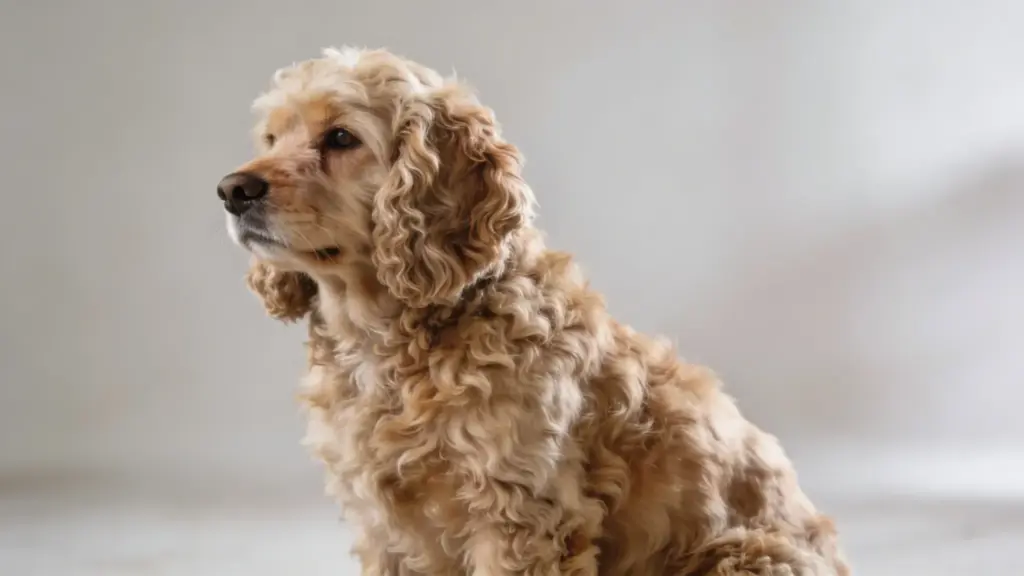
You’ve likely seen them everywhere: fluffy, round-eyed dogs that look like someone blurred the line between a toy and a real pet.
If you’ve been wondering, “What is a Cavapoo mixed with,” the answer is more important than it sounds.
This mix shapes almost everything: how big they get, how they behave, what their coat feels like, and even the kind of health issues you may need to watch for over time.
Here, we will break it all down in simple terms.
The parent breeds behind a Cavapoo, what a full-grown Cavapoo’s adults actually look like, and what day-to-day life with one is really like once the novelty wears off and routine sets in.
What Is a Cavapoo Mixed With?
A Cavapoo is a cross between a Cavalier King Charles Spaniel and a Poodle, usually a Miniature or Toy Poodle.
Intentional breeding began in Australia in the early 1990s.
The goal was to combine the Cavalier’s warmth with the Poodle’s intelligence and low-shedding coat, creating a dog that worked for families and allergy sufferers alike.
Within a few decades, it became one of the most popular designer breeds in both Australia and the U.S.
You may also hear them called a Cavoodle, Cavadoodle, or Cavadoo; same dog, different regional names.
What Each Parent Breed Brings to the Mix?
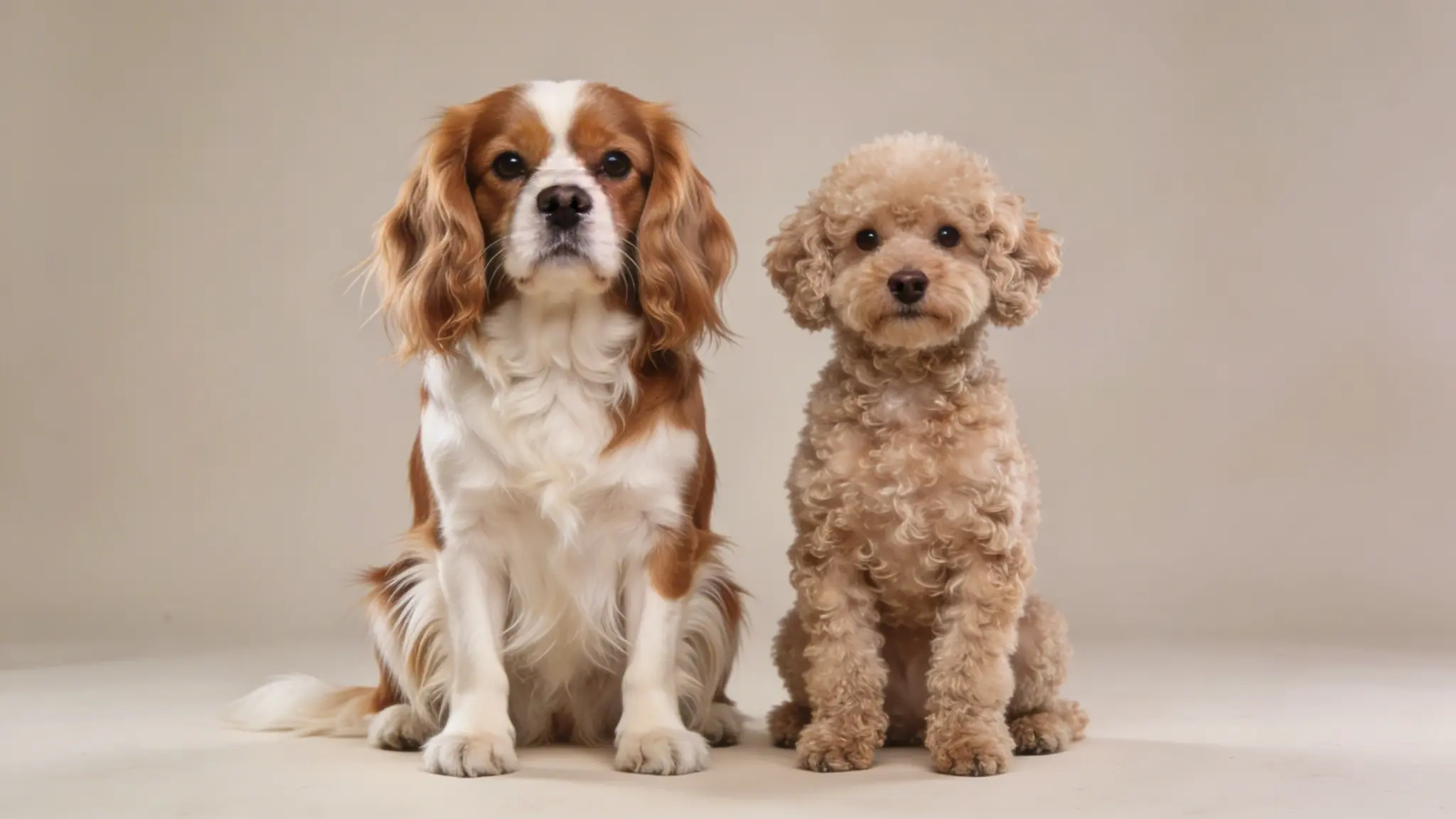
Both the Cavalier and the Poodle are strong personalities in their own right.
What makes the Cavapoo special is how well those personalities complement each other, but each parent also brings its own health baggage, which is worth understanding before you fall in love with a puppy photo.
The Cavalier King Charles Spaniel
The Cavalier was bred for one purpose: to be a companion. That history is written into every part of the breed’s personality.
Cavaliers are emotionally intuitive, deeply bonded to their people, and genuinely gentle with just about everyone, strangers, kids, and other animals. That’s what gives a Cavapoo its signature warmth.
The follow-you-room-to-room loyalty, the soft energy, the way they seem to actually tune into how you’re feeling, that’s the Cavalier coming through.
The flip side is a real tendency toward separation anxiety if they’re not trained early to feel comfortable alone. On the health front, Cavaliers carry risk for mitral valve disease and a neurological condition called syringomyelia, both worth flagging with your vet.
The Poodle
Poodles are consistently ranked among the smartest dog breeds in the world, and that intelligence shows up clearly in a Cavapoo.
They’re fast learners, eager to please, and surprisingly athletic. What the Poodle brings to this mix is sharper trainability, a lower-shedding coat, and, most practically, size.
If your Cavapoo’s Poodle parent was a Miniature or a Toy is the single biggest predictor of how large your dog will grow. The Poodle side also brings some health tendencies to watch for, including patellar luxation and progressive retinal atrophy.
What Do F1, F1b, and Multigen Mean in a Cavapoo?
When talking to breeders, you’ll often hear these generation labels. Here’s what they mean practically:
- F1 Cavapoo: 50% Cavalier, 50% Poodle. Their wavy coats and hybrid vigor are their most common feature.
- F1b Cavapoo: 75% Poodle, 25% Cavalier. They have a curlier, hypoallergenic coat, making them the best choice for households with allergy-sensitive members.
- F2 / Multigen: Here, both parents are Cavapoos. Their traits are harder to predict; coat and size can vary more widely within the same litter.
What’s the Average Full-Grown Cavapoo Size?
The single biggest factor in your full-grown Cavapoo’s size is the Poodle parent. Here’s the breakdown:
| Type | Poodle Parent | Adult Weight | Adult Height |
|---|---|---|---|
| Toy Cavapoo | Toy Poodle | 7–13 lbs | 9–12 inches |
| Mini Cavapoo | Miniature Poodle | 13–18 lbs | 12–14 inches |
| Standard Cavapoo | Standard Poodle | 20–30 lbs | ~18 inches |
Most Cavapoos are tiny dogs. Standard Cavapoos are far less common. Males typically run slightly larger than females, and size can still vary between puppies from the same litter.
When Do They Stop Growing?
Most Cavapoos reach their full height by around 12 months, but growth is not the same for every dog. Size type plays a big role here.
Toy Cavapoos tend to grow faster and often reach their full height between 7 and 10 months. Mini Cavapoos take a bit longer, usually continuing to grow until about 12 to 13 months.
While height may stop around this point, their bodies do not fully mature right away.
After the height phase slows down, Cavapoos keep filling out. Muscle development, chest width, and overall weight can continue changing for a few more months.
This is why a Cavapoo that looks “done” at one year can still look slightly fuller by 14 to 15 months.
A useful rule of thumb: weigh your puppy at 4–5 months, then double that. That’s a reliable adult weight estimate for most Toy and Mini Cavapoos.
What Coat Will Your Full-Grown Cavapoo Have?
Coat outcome in Cavapoos is genuinely variable; even experienced breeders are upfront about that.
The most Poodle-influenced of the three is curly coat; it sheds the least and is the most allergy-friendly, but it also mats the fastest if you skip regular brushing.
Then, the wavy coat is the most common outcome in F1 Cavapoos; it’s low-shedding but not completely shed-free, and most owners find it the easiest to manage day to day.
The straight coat is less common and more Cavalier-influenced; this coat sheds noticeably more than the other two types.
All three types need brushing several times a week, daily for curly coats, and professional grooming every 6–8 weeks.
A shorter “puppy cut” is a popular low-maintenance option that keeps that signature fluffy look without the upkeep. One thing worth saying clearly: no dog is truly hypoallergenic.
Cavapoos shed less than most breeds, but they still produce dander, saliva, and urine proteins that trigger reactions. “Low-shedding” is not the same as “allergy-safe.”
Full-Grown Cavapoo Characteristics
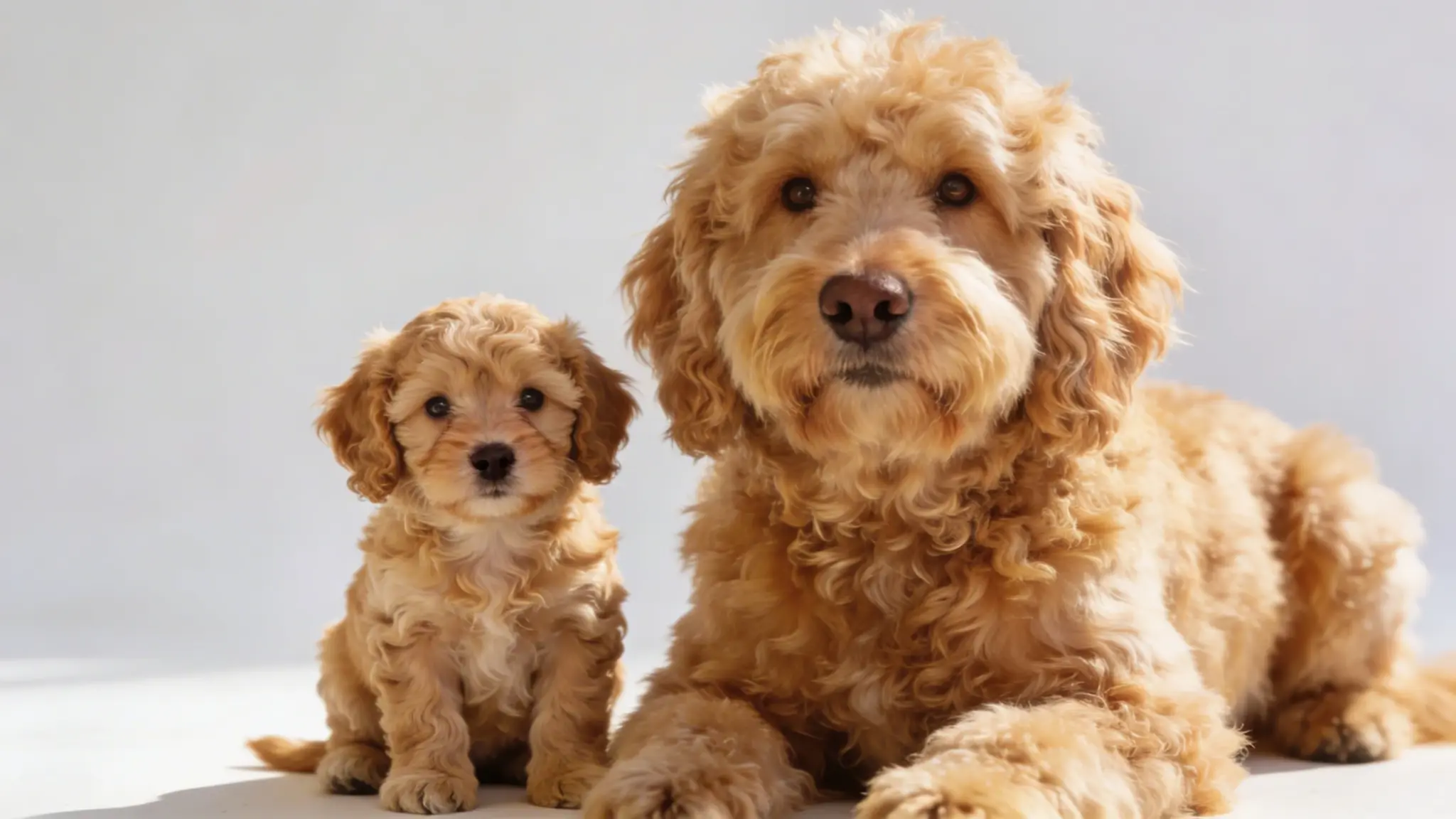
Most people focus on a Cavapoo’s size and coat when researching Cavapoos, but temperament is what actually determines whether this breed fits your life. Here’s an honest picture of what changes as they mature and what stays consistent throughout adulthood.
- Size and Build: A full-grown Cavapoo is small, compact, and well-balanced, typically standing 9 to 14 inches tall and weighing 8 to 20 pounds, depending on which parent it inherits more from: a Toy or a Mini Poodle.
- Face and Expression: Cavapoos have large, round eyes, a short muzzle, and long, floppy ears, giving them a soft, expressive look that often remains consistent from puppyhood to adulthood.
- Coat and Colors: Their coat ranges from wavy to curly and is usually soft and low-shedding, with common colors including cream, apricot, gold, red, and sometimes tri-color patterns, requiring regular grooming to prevent matting.
- Temperament and Behavior: Cavapoos are friendly, social, and people-oriented dogs that form strong bonds with their owners and prefer companionship to being alone.
- Energy Levels and Daily Needs: Their energy level is moderate, requiring daily walks, light play, and mental stimulation to prevent boredom and unwanted behaviors like chewing or attention-seeking.
How Healthy Are Full-Grown Cavapoos?
Cavapoos benefit from hybrid vigor and are generally healthier than either of their purebred parents. Typical lifespan is 12–15 years, with smaller Toy types often reaching the higher end.
Conditions worth knowing about:
- Mitral Valve Disease: Inherited from the Cavalier side, this heart condition becomes more likely with age, so cardiac checkups after age five are a smart routine to build in.
- Patellar Luxation: a slipping kneecap, common in small breeds. Watch for limping, bunny-hopping, or your dog suddenly skipping a step mid-walk.
- Progressive Retinal Atrophy: It is a degenerative eye condition on the Poodle side that reputable breeders should test parent dogs for before breeding.
- Hip Dysplasia: It is less common in small dogs than large breeds, but both the Cavalier and Poodle carry some risk, so it’s worth keeping on your radar.
Day-to-Day Care Tips for Full-Grown Cavapoos Adults
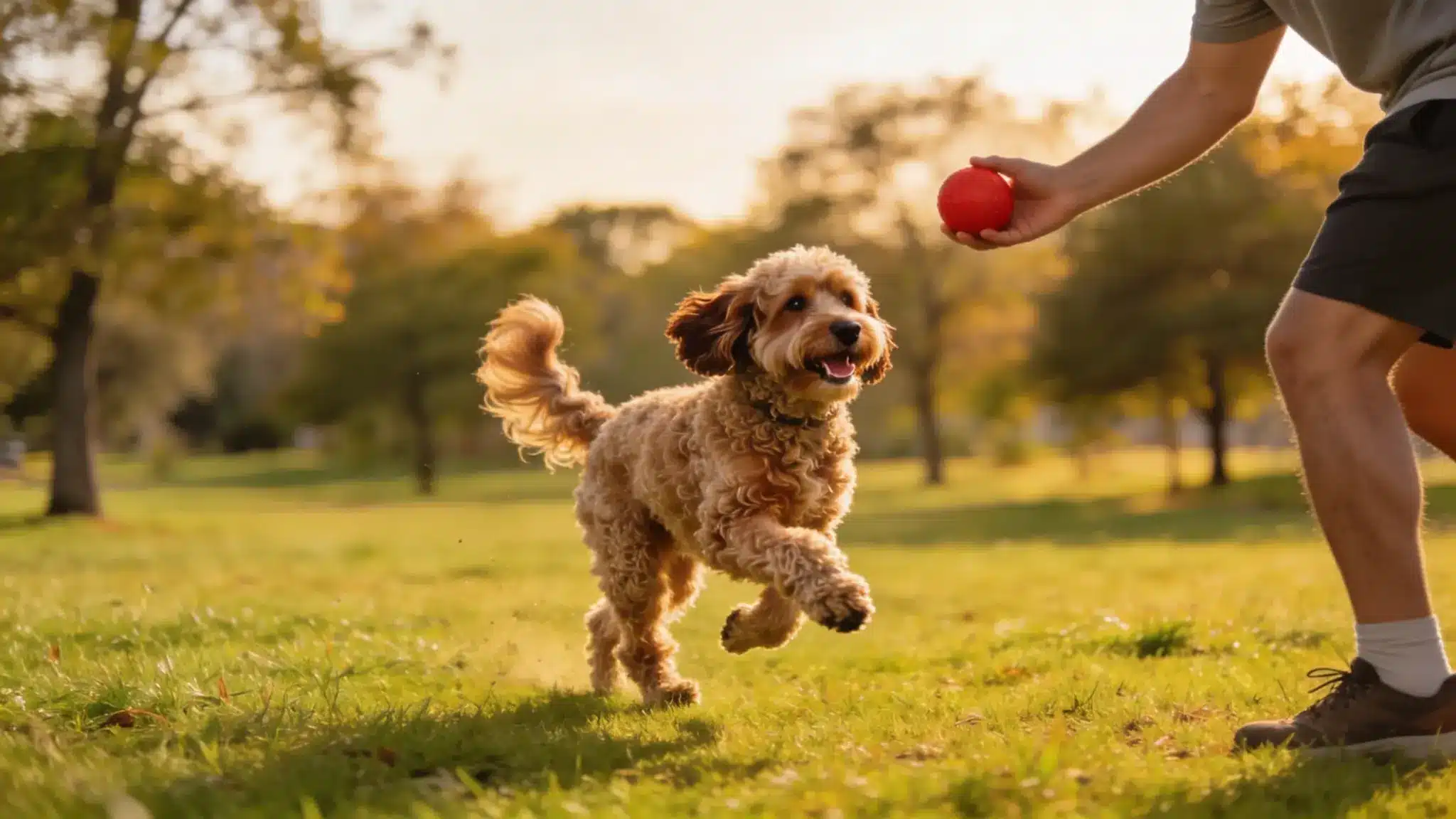
Cavapoos aren’t high-maintenance when it comes to exercise, but they do have real grooming and mental stimulation needs that often catch new owners off guard.
Here’s what consistent care actually looks like.
1. Exercise
30–60 minutes of daily activity is plenty; a brisk walk and some indoor play cover it.
These are not high-endurance dogs, and over-exercising young Cavapoos before their joints are fully developed can cause long-term issues.
2. Grooming
Brushing several times a week, daily for curly coats. Professional grooming every 6–8 weeks. Don’t overlook ear cleaning; trapped moisture leads to ear infections.
Daily dental care matters too, since small breeds are disproportionately prone to dental disease.
3. Mental Stimulation
This is where many owners fall short. Puzzle feeders, short training sessions, and interactive toys are especially important for high-Poodle-percentage dogs.
A bored Cavapoo will find its own entertainment, and you probably won’t enjoy it.
Conclusion
A Cavapoo is a Cavalier King Charles Spaniel and Poodle mix, and both sides show up clearly in every full-grown adult.
The Cavalier gives them their heart: warmth, loyalty, and that unshakeable need for closeness. The Poodle gives them their brains and low-shedding coat.
Together, you get a dog that fits a wide range of living situations and spends most of its adult life trying to be wherever you are.
The grooming commitment is real. The separation anxiety risk is real.
But for the right person or family, a full-grown Cavapoo is one of the most consistently rewarding companions you’ll share your home with.
Frequently Asked Questions
Do Cavapoos Get Along with Cats?
Yes, most do, especially when introduced early. Their non-aggressive nature makes them one of the easier breeds to integrate into a multi-pet home.
Are Cavapoos Good for First-Time Dog Owners?
They’re one of the better choices. Trainable, adaptable, and not overly demanding on exercise. The grooming routine is the steepest learning curve.
Do Cavapoos Do Well in Apartments?
Yes. They’re small, not big barkers, and don’t need a yard. Daily walks and mental stimulation keep them settled in smaller spaces.