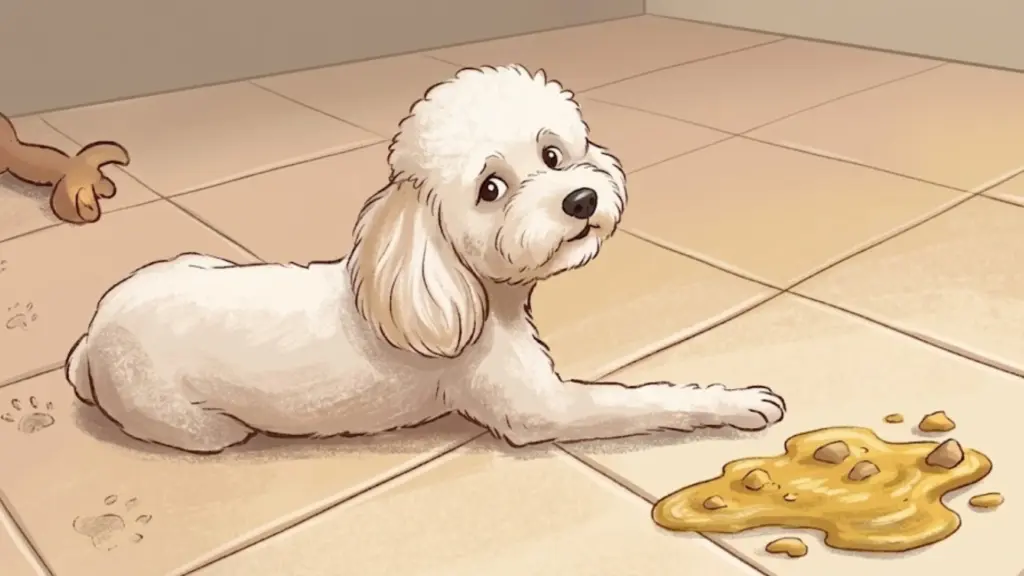
Dog puking is something most pet owners deal with at some point. It can happen without warning, leaving you unsure what to do next.
One moment everything seems fine, and the next, there is a mess on the floor and a lot of questions in your mind.
Not every case means something serious is going on. Some reasons are simple, like eating too fast or having a mild stomach upset.
These usually pass on their own. Other times, it can point to an issue that needs attention and a bit more care.
Paying attention to small signs can make a big difference. Things like how often it happens, what the vomit looks like, and how your dog behaves after can tell a lot.
This guide keeps things simple. It explains why vomiting happens, what it might mean, and how to prevent it in the future.
Dog Puking: What It Tells About Digestive Health
A dog’s digestive system is built to process food quickly, starting from the stomach and moving through the intestines, where nutrients are absorbed.
When everything works smoothly, food is broken down and used efficiently. Vomiting happens when this process gets disrupted, often as the body’s way of removing something that is not sitting right.
Repeated vomiting usually signals that something deeper is off. It may point to food intolerance, inflammation, or an imbalance in the gut.
When it happens often, it is less about a one-time trigger and more about an ongoing issue that needs attention.
Gut health is closely linked to overall health. A balanced digestive system supports energy levels, immunity, and nutrient absorption.
When the gut is not functioning well, it can affect the dog’s mood, strength, and long-term well-being.
Common Reasons Behind Dog Puking
Dog vomiting can happen for simple or serious reasons. Understanding common triggers helps you respond early and prevent repeat digestive problems.
1. Eating Too Fast
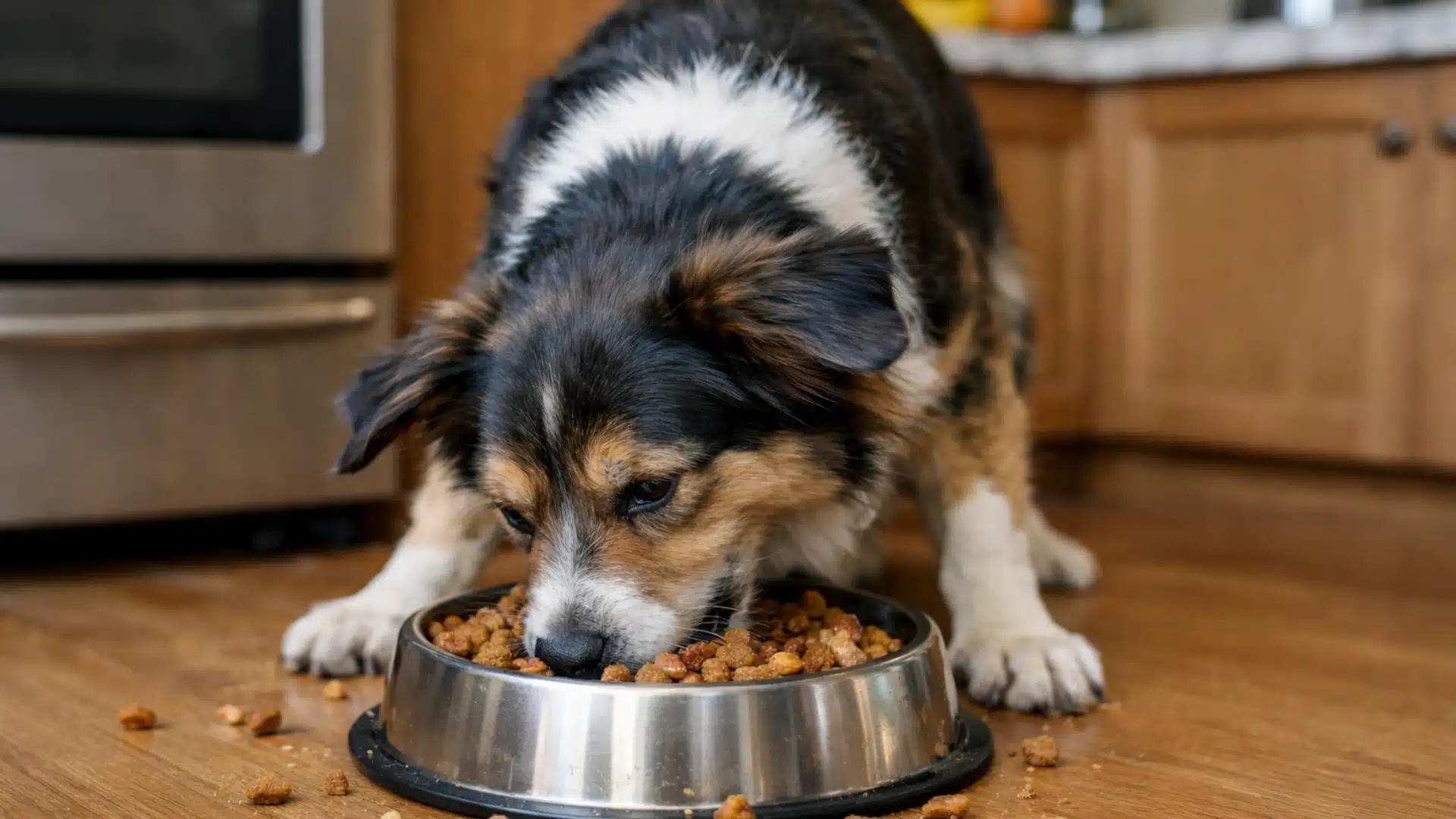
Dogs that eat too fast often swallow excess air along with food, which can trigger vomiting shortly after meals. This is common and usually linked to habit rather than illness.
When the stomach fills too quickly, it reacts by pushing food back out. Using slow-feeder bowls, spreading meals into smaller portions, or adding obstacles in the bowl can help control eating speed and reduce the chances of vomiting.
If you notice your dog refusing regular meals but still eager for snacks, it may be worth reading about picky eating habits that can affect digestion.
2. Sudden Diet Change
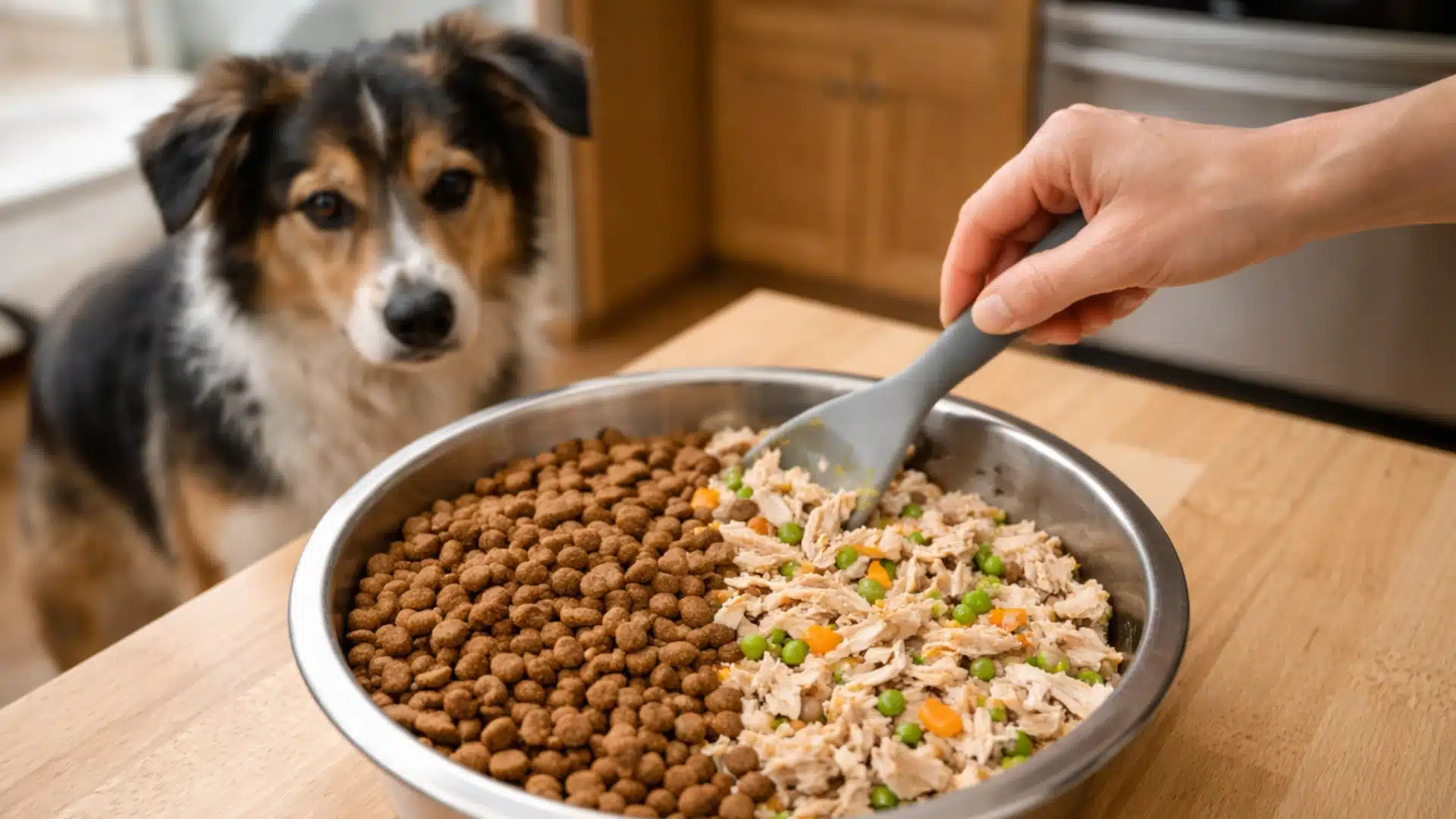
Switching your dog’s food too quickly can upset the digestive system. The gut needs time to adjust to new ingredients, and sudden changes can lead to nausea and vomiting.
Dogs depend on a stable gut balance, and disrupting it makes digestion harder.
Gradually mixing old and new food over several days allows the system to adapt smoothly and reduces the risk of stomach upset or repeated vomiting episodes.
3. Eating Grass or Garbage
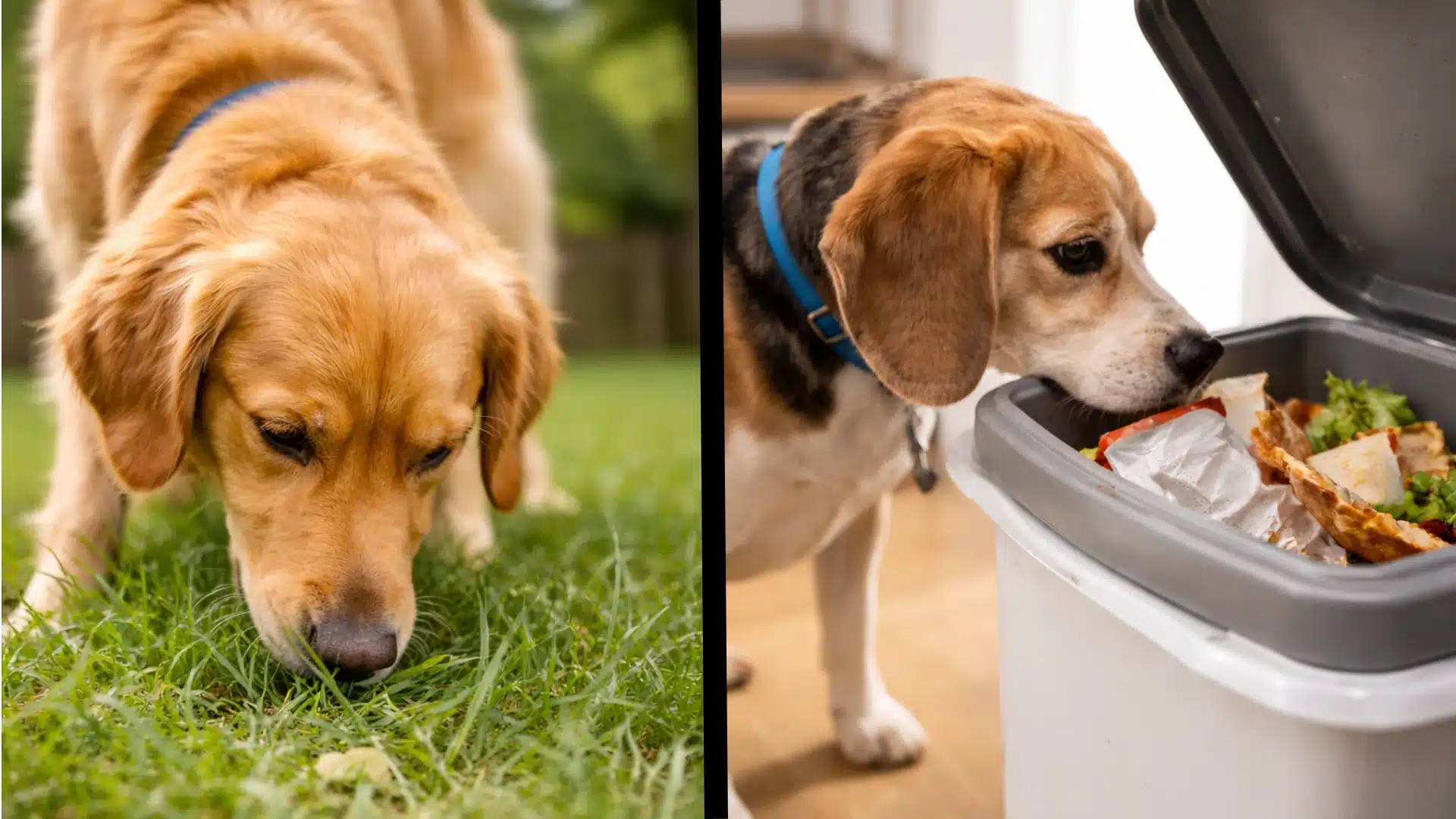
Dogs often eat grass or dig into garbage, both of which can irritate the stomach lining. This can trigger a quick vomiting response as the body tries to remove unwanted substances.
Grass may be consumed during mild discomfort, while garbage can introduce spoiled or harmful items. This reaction is a natural defense mechanism.
Keeping surroundings clean and limiting access to trash helps prevent repeated incidents and reduces digestive stress.
4. Food Intolerance
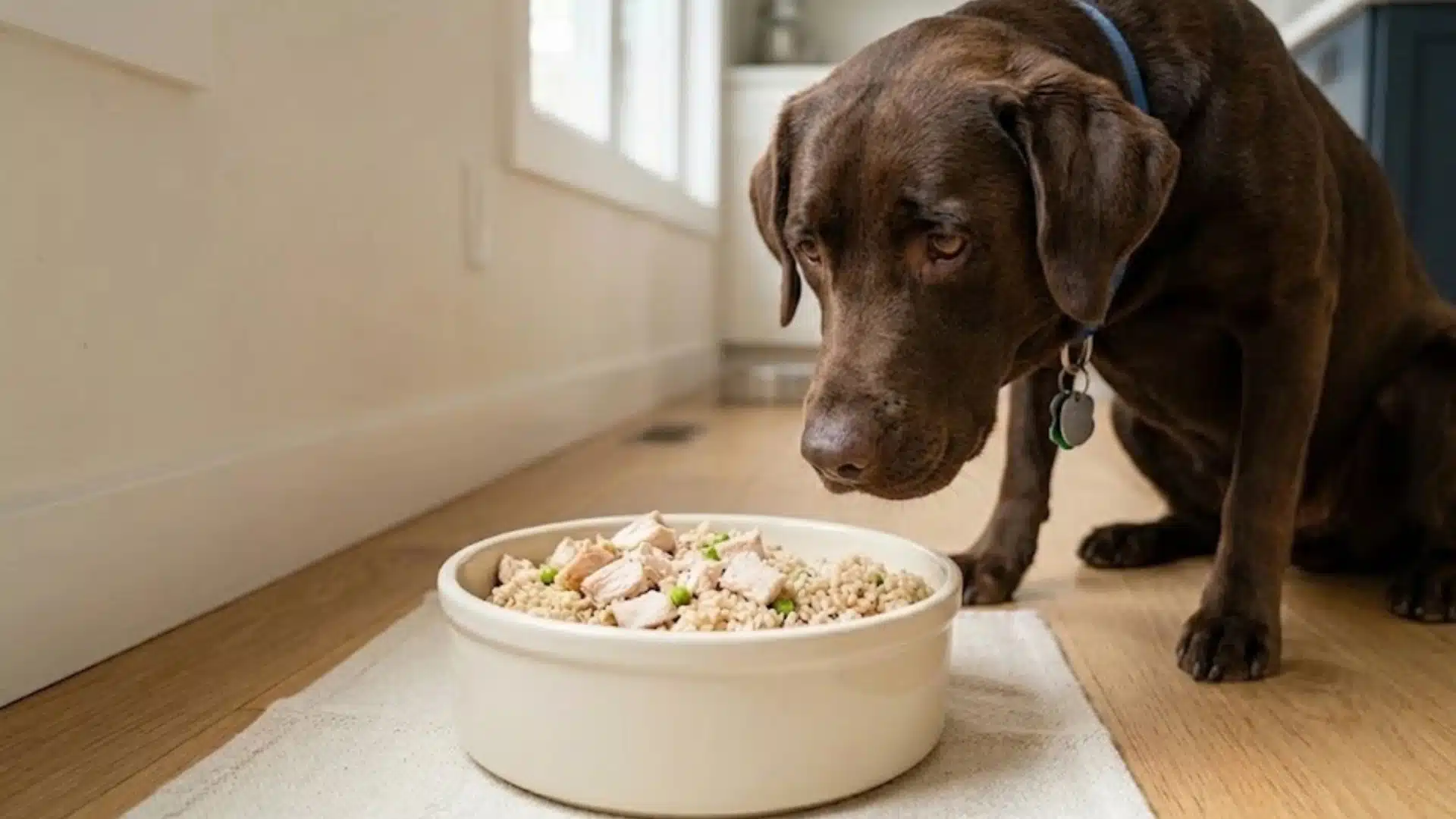
Certain ingredients may not suit every dog, leading to recurring digestive issues over time. Vomiting may happen along with loose stools or discomfort.
This is usually a pattern rather than a one-time event. Common triggers include dairy or specific proteins.
The body continues reacting to the same food until the source is removed. Switching to a simpler, limited-ingredient diet and identifying triggers can help manage symptoms effectively.
5. Pancreatitis

Pancreatitis is the inflammation of the pancreas, often linked to fatty foods. It can cause repeated vomiting, pain, and reduced appetite if not managed properly.
The pancreas plays a key role in digestion, and when it is inflamed, it disrupts the process. Dogs may appear tired or uncomfortable.
Keeping meals low in fat, consistent, and easy to digest helps prevent flare-ups and supports better long-term digestive health.
Vomiting vs Regurgitation: Why the Difference Matters
Vomiting is an active process where the body forcefully expels stomach contents, usually with visible effort and signs of nausea.
Regurgitation is a passive process in which undigested food rises back up without effort, often soon after eating.
Vomiting and regurgitation often get confused, but they point to very different problems. Vomiting is an active process where the body pushes food out with effort.
Signs usually appear before it happens, such as lip licking, restlessness, or drooling. The abdomen contracts, and the material that comes out is often partially digested, sometimes mixed with bile or foam, and has a sour smell.
Regurgitation is different. It is passive and happens without effort, often right after eating. There is no heaving, and the food usually looks undigested, sometimes even keeping its original shape. This means it did not reach the stomach.
Conditions like megaesophagus, where the esophagus dilates and creates a pouch that traps food, can cause chronic regurgitation that looks like vomiting but requires completely different treatment.
The difference matters because vomiting is linked to stomach issues, while regurgitation points to problems in the esophagus. Mixing them up can lead to the wrong approach and delay proper care.
What Vomit Color Means and When to Worry
The color and texture of vomit can give quick clues about what is going on inside the body. A quick look helps decide if it is mild or needs attention.
| Appearance | What It Means | What to Do |
|---|---|---|
| Yellow or bile | Empty stomach, long gaps between meals | Not urgent unless frequent |
| White foam | Acid reflux or possible bloat if the belly is hard | Monitor closely, act fast if bloated |
| Bright red or blood | Active bleeding | Call a vet immediately |
| Dark brown or coffee grounds | Digested blood | Needs same-day care |
| Green | Grass or bile | Usually mild, watch if repeated |
Occasional vomiting is normal, but repeated episodes are not. Vomiting multiple times in a few hours, blood, low energy, or a swollen belly are warning signs.
Puppies and unvaccinated dogs need faster attention, even with mild symptoms. If it happens once and the dog stays active, drinks water, and shows no other signs, it can usually be monitored.
But if something unusual was eaten, like plants, medicines, or small objects, do not wait. Acting early helps avoid serious problems.
What to Do After Your Dog Vomits and When to See a Vet
Quick action after a dog vomits can prevent the issue from getting worse and support faster recovery. Start by withholding food for 6 to 12 hours to let the stomach settle.
During this time, offer small sips of water or ice chips to prevent dehydration without triggering more vomiting.
Cooled boiled water or small amounts of coconut water can help restore lost fluids and electrolytes safely. Watch closely for repeat vomiting, low energy, or unusual behavior.
If symptoms remain mild, reintroduce plain foods like boiled chicken and rice in small portions, then slowly return to a normal diet over 2 to 3 days.
Avoid treats, fatty foods, and processed snacks during recovery. If vomiting continues, vets usually assess diet, timing, and recent changes first, then use tests like blood work or imaging if needed.
How to Prevent Future Vomiting Episodes
Preventing vomiting comes down to simple habits done right every day. Most causes are avoidable if the routine is steady and controlled.
- Smaller, frequent meals: Feed your dog two to three times daily to reduce stomach pressure and lower the risk of vomiting after eating.
- Slow feeding methods: Use slow-feeder bowls for fast eaters to control eating speed and prevent excess air intake.
- Gradual diet changes: Introduce new food over 7 to 10 days by mixing portions to help the digestive system adjust smoothly.
- Clean surroundings: Keep floors, yards, and reachable areas free of scraps, plants, and small objects that may trigger vomiting.
- Meal timing and exercise: Avoid physical activity right before and after meals to prevent digestion issues and discomfort.
- Consistent routine: Maintain fixed times for feeding, walks, and sleep to support stable digestion.
- Stress control: Keep the environment calm and predictable, as stress can lead to frequent digestive problems.
Diet and Long-Term Habits for Better Digestive Health
Diet plays a key role in how well the digestive system works. Simple foods like chicken, rice, sweet potato, and pumpkin are easy to digest and support gut health.
Probiotics can help restore balance, and fresh water is important to prevent dehydration and nausea.
Avoid harmful foods like onions, garlic, fatty scraps, dairy, xylitol, grapes, and heavily processed treats, as they can trigger vomiting or serious health issues.
Fiber helps maintain gut balance, but bland home diets should be used only temporarily. For long-term support, specially formulated diets are more effective.
Healthy habits matter too. Fixed feeding times, daily exercise, and regular vet checkups support digestion.
Tracking meals and symptoms helps spot patterns, while vaccinations and deworming prevent common digestive problems.
Conclusion
Dog vomiting can feel stressful at first, but most cases stem from simple causes that can be managed with the right approach.
Understanding the difference between mild triggers and serious signs helps you respond with clarity instead of panic. Paying attention to patterns, food habits, and behavior gives you a strong advantage in handling these situations early.
Dog puking is often preventable by building consistent routines, controlling diet changes, and keeping harmful items out of reach. Small daily habits make a big difference over time and help keep digestion stable.
Staying observant and acting early can help prevent discomfort and reduce the likelihood of repeated episodes.
Have you noticed any patterns or triggers when your dog vomits? Drop your experience in the comments, and let’s talk about it.
Frequently Asked Questions
Why is My Dog Puking but Acting Normal?
If your dog throws up once and remains active, alert, and drinking water, it is usually a mild stomach issue. It could be from eating too fast, grass, or something that did not sit well. Keep an eye on them for a few hours. If it does not repeat and the behavior stays normal, it is rarely serious.
What Does Yellow Vomit in Dogs Mean?
Yellow vomit is usually bile, which shows up when the stomach has been empty for too long. This often happens between meals. Feeding smaller portions more often can help. If it keeps happening every day, it is better to check with a vet to rule out deeper digestive issues.
Can Stress Cause a Dog to Vomit?
Yes, stress can affect digestion more than most people realize. Changes like travel, loud noises, or routine shifts can upset the stomach. Keeping feeding, walking, and sleep times consistent helps a lot. A calm routine often reduces these episodes over time, especially in dogs that are naturally anxious.
Should I Worry if My Dog is Vomiting?
It depends on the situation. Occasional vomiting in adult dogs can be mild, but in puppies, it is different. They can get worse quickly, especially if unvaccinated. If a puppy vomits, it is safer to call a vet early rather than wait. Acting fast can prevent serious problems.
When Should I Take My Vomiting Dog to the Vet?
If your dog vomits several times in a short span, shows blood, seems low on energy, or has a swollen belly, it is time to see a vet. Also, go if there is no improvement within a day. When something feels off, trusting your instinct and calling first is always the safer choice.