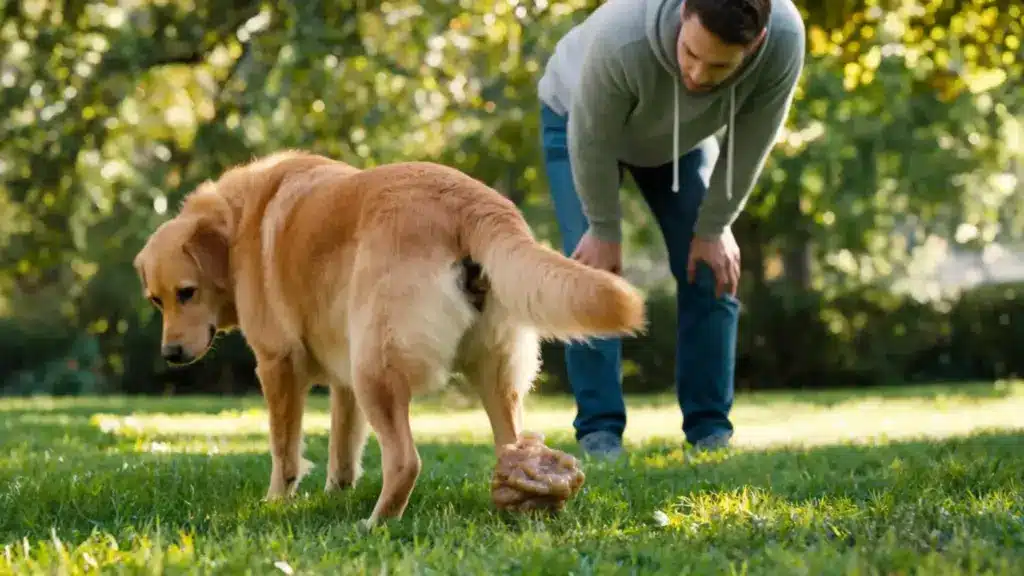
A dog’s stool can say a lot about overall health. Changes in color, texture, or contents often point to problems inside the digestive system.
In some cases, feces may even contain signs of worms or other organisms living in the intestines. That is why it helps to pay attention to what shows up during bathroom breaks, rather than brushing it off as nothing.
One issue that often raises concern is parasites in dog poop, since some can be seen with the eye, while others stay hidden without testing.
These parasites may affect digestion, energy levels, coat condition, and general health over time.
This blog breaks down the common types found in dogs, the signs that may show up, why early diagnosis matters, and how vets confirm what is going on.
It gives a clear picture of what to watch for and why it matters.
What are Intestinal Parasites in Dogs?
Intestinal parasites are organisms that live inside a dog’s digestive system and feed off nutrients from the host.
They include worms like roundworms, hookworms, and tapeworms, as well as microscopic parasites such as Giardia.
These organisms survive by attaching to the intestinal walls or moving freely inside the gut, where they absorb nutrients meant for the dog.
Some feed on partially digested food, while others draw blood or damage the lining of the intestines.
Once inside, many parasites reproduce quickly by laying eggs that pass through the stool, allowing them to spread in the environment.
This cycle makes them easy to pick up again. They are very common in dogs, especially in puppies and dogs that spend time outdoors.
Even healthy-looking dogs can carry them without showing clear signs, which makes regular checks important.
How Do Dogs Get Intestinal Parasites?
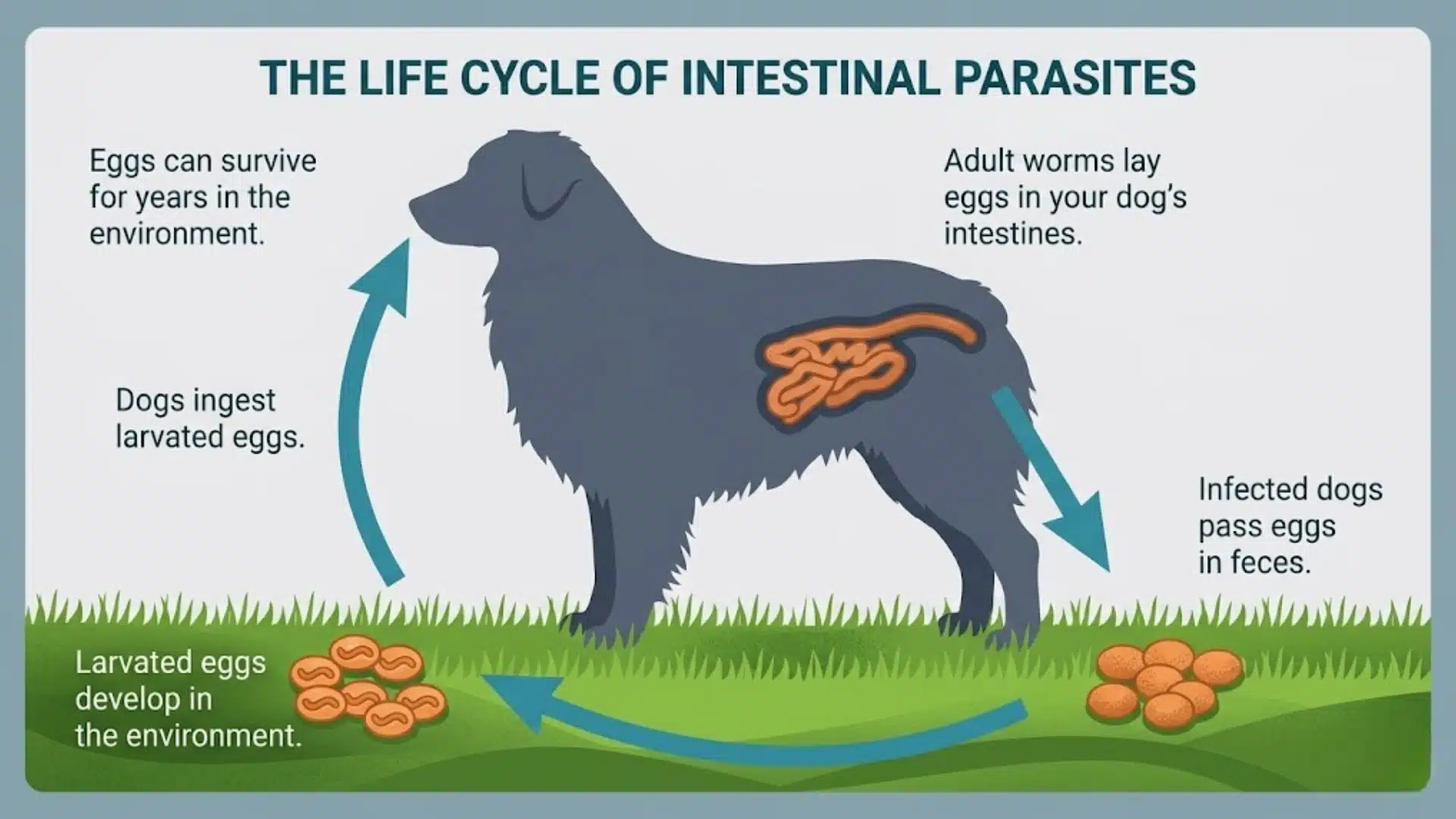
Dogs can get intestinal parasites in several everyday ways, often without the owner noticing. One of the most common sources is contaminated soil.
Parasite eggs can live in the ground, and dogs may pick them up while sniffing, licking, or playing outside. Eating infected animals or waste is another major cause.
Dogs that hunt small animals or come into contact with feces are at higher risk of picking up parasites.
Fleas also act as carriers, especially for tapeworms. When a dog swallows an infected flea during grooming, the parasite can enter the digestive system.
This link is often overlooked but very common. Transmission can also happen from mother to puppies.
Parasites can pass before birth or through milk during nursing. This is why young puppies are often affected early, even before they step outside.
Common Types of Parasites in Dog Poop
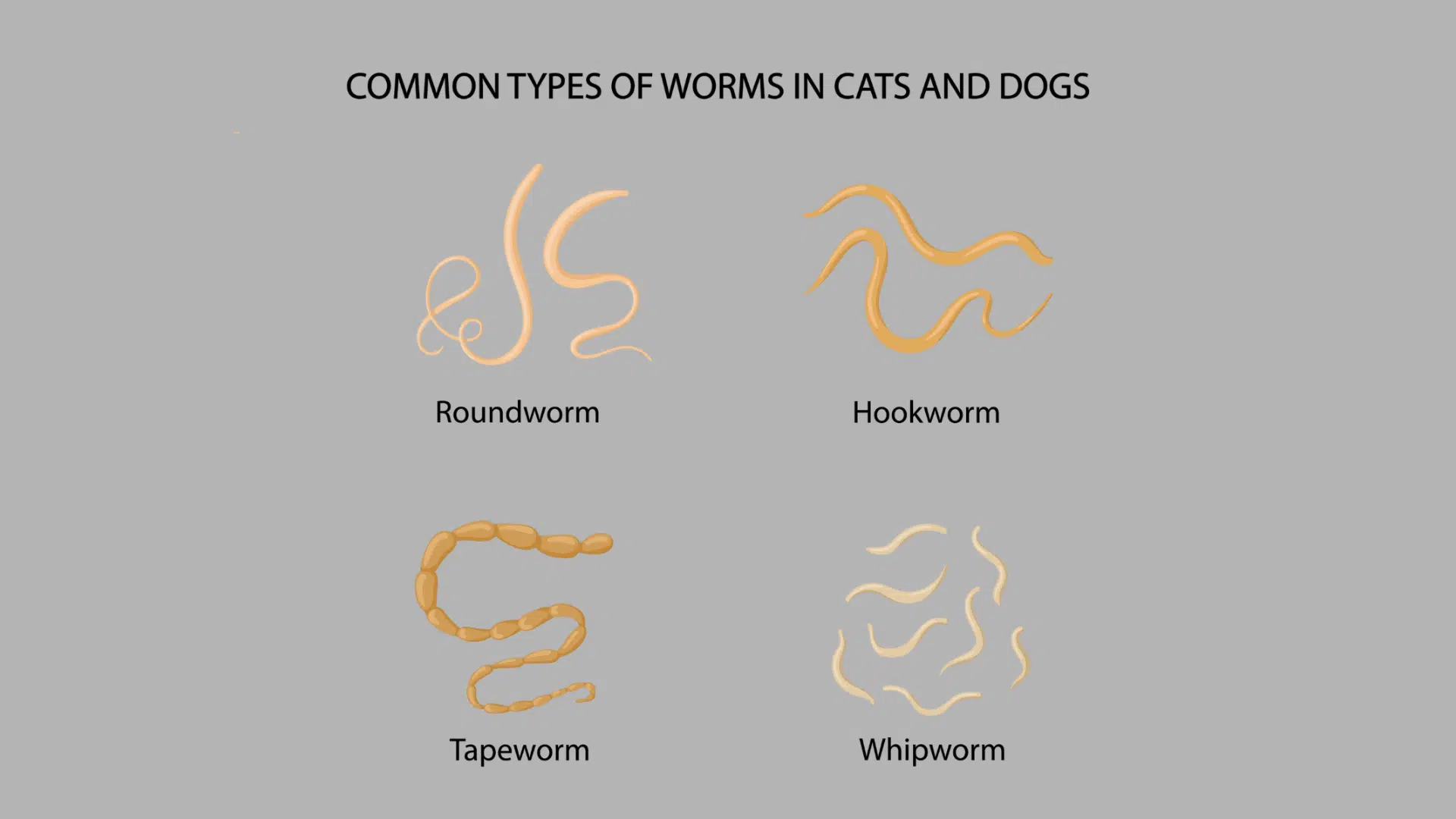
Different parasites show up in different ways. Some are easy to spot, while others need testing. Knowing their traits helps in early identification.
1. Roundworms
Roundworms are one of the most common parasites found in dogs. They look like long, white strands, often compared to spaghetti.
These worms live in the small intestine, where they feed on partially digested food. They can grow several inches long and may sometimes be visible in stool or vomit.
They spread easily, especially in young dogs. Puppies often get them from their mother before birth or through milk.
Eggs pass through feces and contaminate the environment, making reinfection common. A swollen or pot-bellied appearance in a young puppy is one of the first things I check for, as it’s a classic roundworm presentation, even if the pup seems otherwise normal.
2. Tapeworms
Tapeworms are known for their segmented bodies. These segments can break off and appear in stool, often looking like small grains of rice.
They live in the intestines and absorb nutrients from the dog’s diet. A common way dogs get tapeworms is by swallowing infected fleas during grooming.
This is why a tapeworm diagnosis almost always prompts a conversation about flea control as well. Using natural flea prevention for dogs as part of your routine can cut off this transmission route entirely.
Dogs with tapeworms may not show strong symptoms, but mild irritation or scooting can occur due to the presence of segments near the rear area.
3. Hookworms
Hookworms are much smaller than roundworms and are not usually visible in stool. They are thin and thread-like, making them hard to notice without testing.
These parasites attach to the lining of the small intestine and feed on blood. Their feeding behavior can cause irritation and blood loss over time.
In heavy cases, this may lead to weakness or pale gums. Dogs often pick them up from contaminated soil or through skin contact.
Puppies are especially vulnerable, as they can become infected early in life. Even a small number of hookworms can have a noticeable impact on a dog’s health due to their blood-feeding nature.
4. Whipworms
Whipworms are named for their whip-like shape, with a thin front end and a thicker back end. They are small and rarely visible in stool, which makes them harder to detect.
These parasites live in the large intestine, where they attach to the lining. They can cause irritation over time, especially when present in larger numbers.
Dogs usually pick them up from soil that contains parasite eggs. Since the eggs can survive in the environment for long periods, reinfection is possible.
If a dog keeps having digestive issues and standard tests come back clean, whipworms are often the next thing I look at.
Signs That May Appear Alongside Parasites
These signs often show up when parasites affect a dog’s system. They may vary in severity, but changes in behavior and stool are usually the first things noticed.
- Stool changes: Stool may become loose, watery, or uneven in texture. Some dogs may also have frequent bowel movements or mild diarrhea.
- Visible worms: Worms or small segments can sometimes be seen in stool or around the rear area, especially with roundworms or tapeworms.
- Weight loss: Dogs may lose weight even with normal eating habits, as parasites take in nutrients meant for the body.
- Vomiting or low energy: Some dogs may vomit or appear tired and less active than usual, especially in heavier infections.
- Coat condition: The coat may look dull, dry, or rough, which can signal poor nutrient absorption over time.
What to Do if You See Worms in Your Dog’s Poop
Spotting worms can feel alarming, but the next steps are clear and manageable. Acting quickly and correctly helps avoid complications. The most important thing I tell clients in this situation is to resist the urge to self-treat before getting a proper diagnosis, the type of parasite determines the treatment, and getting that wrong wastes time.
- Collect a fresh stool sample: Use a clean, sealed container or bag. If there is any delay, store it in a cool place to preserve accuracy for testing.
- Avoid direct contact: Use gloves or a barrier when handling stool. Wash your hands thoroughly afterward with soap and water.
- Visit a veterinarian promptly: A simple stool test can confirm the type of parasite and guide proper treatment. Early diagnosis makes treatment more effective.
- Do not rely on guesswork: Over-the-counter treatments may not target all parasites. Using the wrong medication can delay recovery and allow the problem to continue.
- Clean the environment: Remove waste daily from the yard. Wash bedding with hot water and clean surfaces regularly. Keep in mind that some parasite eggs are resistant and require consistent cleaning.
- Check other pets: If more than one pet lives in the same space, testing all animals is a smart step since parasites spread easily between them.
How Vets Diagnose Intestinal Parasites
Vets cannot confirm intestinal parasites through a physical exam alone, so diagnosis relies on lab testing that detects eggs, proteins, or DNA.
The most common method is the fecal flotation test. In this test, a stool sample is mixed with a solution that helps parasite eggs float to the surface, where they can be seen under a microscope.
It works well for roundworms, hookworms, whipworms, and coccidia, though whipworms can be missed due to irregular egg shedding.
When flotation is not enough, antigen tests and PCR are used, especially for Giardia. These methods detect parasite proteins or DNA, making them more accurate for certain infections.
Blood tests are used in more serious cases. For example, hookworms can cause blood loss, and a complete blood count helps assess the severity and check for anemia.
Prevention Tips to Keep Dogs Parasite-Free
Most parasite problems are preventable with consistent habits, and the recommendations below are the ones I return to most often in practice because they actually hold up over time.
- Regular Deworming Schedule: Puppies should be dewormed every 2 weeks until they are 12 weeks old. Adult dogs should be dewormed at least every3-4 months.
- Year-Round Flea and Tick Prevention: Eliminating fleas eliminates the primary transmission route for tapeworms.
- Promptly Remove: The waste from your yard daily. Eggs become infective after a period of development in the environment, so removal before that window matters.
- Clean Water Access: Prevent your dog from drinking from ponds, puddles, and streams where Giardia contamination is common.
- Annual (or Biannual) Fecal Testing: Even dogs that appear healthy benefit from routine testing. Asymptomatic infections are real and fairly common.
- Caution with Raw Diets: If you feed a raw diet, source meat from reputable suppliers and discuss parasite risk with your vet before starting.
Conclusion
Keeping an eye on a dog’s stool may seem minor, but it can reveal a lot about what is happening inside the body.
This blog covered the common intestinal parasites found in dogs, how they spread, the signs that may appear, why early diagnosis matters, and how vets confirm the problem through testing.
Knowing these basics makes it easier to notice changes before they turn into bigger health issues.
Spotting parasites in dog poop early can help protect a dog’s health, reduce the chance of spread to other pets, and lower possible risks inside the home.
Not every parasite is easy to see, which is why regular observation and routine vet care both matter.
Has anything unusual ever shown up in your dog’s stool that made you concerned? Drop a comment below and share your thoughts or experience.
Frequently Asked Questions
Can Indoor Dogs Get Intestinal Parasites?
Yes, indoor dogs are not completely safe. Parasite eggs can enter the home through shoes, other pets, or even contaminated objects. Fleas brought inside can also lead to certain infections. This means even dogs that never go outside should still be checked regularly.
How Often Should a Dog be Tested for Intestinal Parasites?
Most vets suggest testing at least once or twice a year for adult dogs. Puppies may need more frequent checks due to a higher risk. The exact schedule can vary based on lifestyle, environment, and past health history.
Are Natural Remedies Effective Against Intestinal Parasites in Dogs?
Some natural approaches are often talked about, but they are not always reliable or proven. Many parasites require specific treatment to fully clear the infection. It is best to consult a vet before trying any alternative methods to avoid incomplete treatment.