I still remember the first time my cat jumped onto the kitchen counter and swiped a piece of salmon right off my plate.
That one moment raises a common question many pet owners have: can cats eat salmon without any risk?
The short answer is yes, but only in the right form. Salmon is rich in protein and healthy omega-3 fats, but not every type is safe for your cat. Raw salmon, smoked salmon, and seasoned salmon can do more harm than good.
Before you share your next salmon meal, it is important to know what is safe, what to avoid, and how to serve it properly.
This blog covers everything you need to know about feeding salmon to cats, including raw salmon and salmon skin.
Can Cats Eat Salmon?
Yes, cats can eat salmon, but only under the right conditions. Cats can eat cooked, plain, boneless salmon safely. It should be offered as an occasional treat rather than a daily meal replacement.
Raw, smoked, or seasoned salmon can be genuinely harmful to your cat and should always be avoided.
While salmon provides good nutrition, including protein and omega-3 fatty acids, it should never replace a complete, balanced cat food diet.
Salmon is already a common ingredient in many commercial cat foods, which tells you it is safe in the right context. The issue is not the fish itself but how it is prepared and how much you serve.
Cats have very specific nutritional needs that salmon alone simply cannot meet. Always serve small, manageable portions and introduce it gradually if your cat has never had it before.
Check with your vet if you are unsure whether salmon suits your cat’s specific health needs or dietary requirements.
Is Salmon Good for Cats?
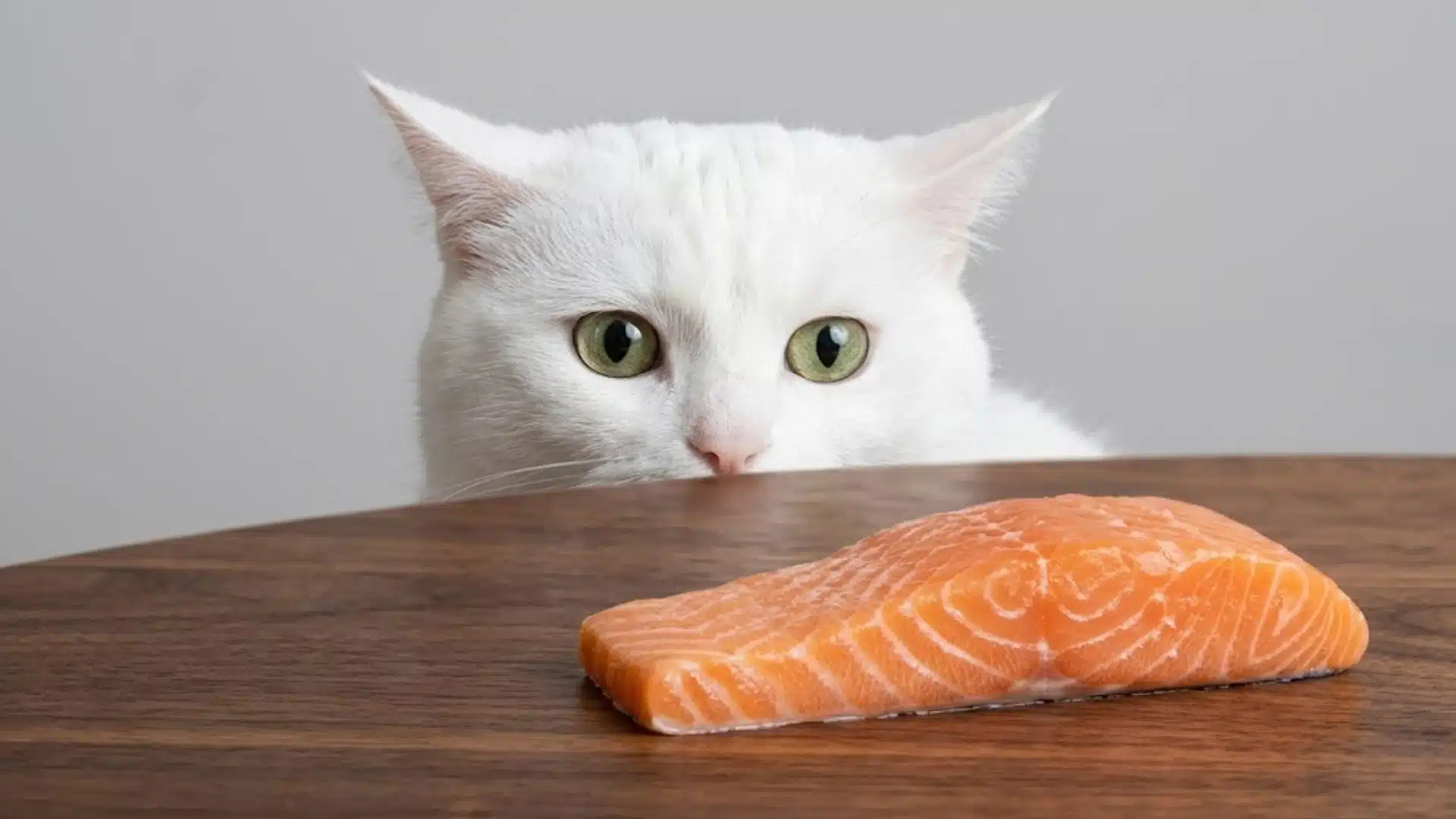
Salmon can be a healthy treat for cats when served the right way. It is packed with high-quality protein that helps maintain strong muscles and supports daily energy needs.
The omega-3 fatty acids in salmon also play a key role in keeping your cat’s coat soft and shiny while helping reduce inflammation in the body.
These healthy fats even support brain function, especially in growing or aging cats.
If your cat’s coat looks dull or you are noticing more shedding than usual, diet could be one of the reasons, and adding small amounts of salmon may help.
That said, salmon is not suitable for every cat. Cats with kidney disease or fish allergies should avoid it completely, as it can worsen their condition.
Another important point is that salmon alone does not provide enough taurine, an essential nutrient cats need for heart and eye health.
This is why salmon should always be treated as an occasional addition, not a replacement for a complete and balanced diet.
Can Cats Eat Raw Salmon and Salmon Skin?
No, cats should never eat raw salmon. Raw salmon can carry dangerous bacteria such as Salmonella and Listeria, as well as parasites that cause salmon poisoning disease
If your cat accidentally eats raw salmon, watch for vomiting, diarrhea, and lethargy right away.
Raw fish also contains thiaminase, an enzyme that destroys Vitamin B1 and can lead to serious neurological problems over time.
As for salmon skin, cats can eat it only when it is plain and thoroughly cooked.
Plain baked or boiled skin is not toxic on its own, but it is high in fat, which can trigger digestive issues or unhealthy weight gain. Fried or seasoned skin with salt, garlic, or spices is completely unsafe.
Which Types of Salmon Are Safe or Unsafe for Cats?
Not all salmon is safe for cats. Preparation and type matter a lot, as some forms are healthy while others can be harmful or even dangerous.
| Type of Salmon | Safe for Cats? | Notes |
|---|---|---|
| Cooked plain salmon (baked, boiled, steamed) | Yes | Best option. No seasoning, no oil, fully deboned |
| Wild-caught fresh salmon | Yes (cooked) | Lower in contaminants, higher in natural omega-3s |
| Plain canned salmon in water | Occasionally | Safe in small amounts with no added salt or flavoring |
| Salmon in commercial cat food | Yes | Formulated for cats, already balanced |
| Raw salmon | No | Bacteria, parasites, and thiaminase enzyme risk |
| Smoked salmon | No | Very high sodium content, additives, preservatives |
| Seasoned salmon | No | Garlic and onion are toxic to cats |
| Canned salmon in brine or oil | No | Excess salt and fat, potentially toxic additives |
| Salmon with bones | No | Choking hazard and internal injury risk |
How Much Salmon Can Cats Eat?
Salmon should only be a small part of your cat’s diet, not something you serve daily. A good rule is to keep it under 10 percent of their total daily calories.
To make that simple, an average 10-pound cat needs around 270 to 290 calories a day. That means treats like salmon should stay close to 30 calories.
Since a full salmon fillet is very calorie-dense, your cat only needs a tiny portion, roughly one twentieth of a fillet per serving.
For most cats, one to two tablespoons once or twice a week is more than enough. Feeding more than this can throw off their nutrition since salmon alone does not provide everything they need.
Another thing to watch is preference. If you give salmon too often, cats can start rejecting their regular food, which leads to bigger diet issues over time.
How to Prepare Salmon for Cats Safely
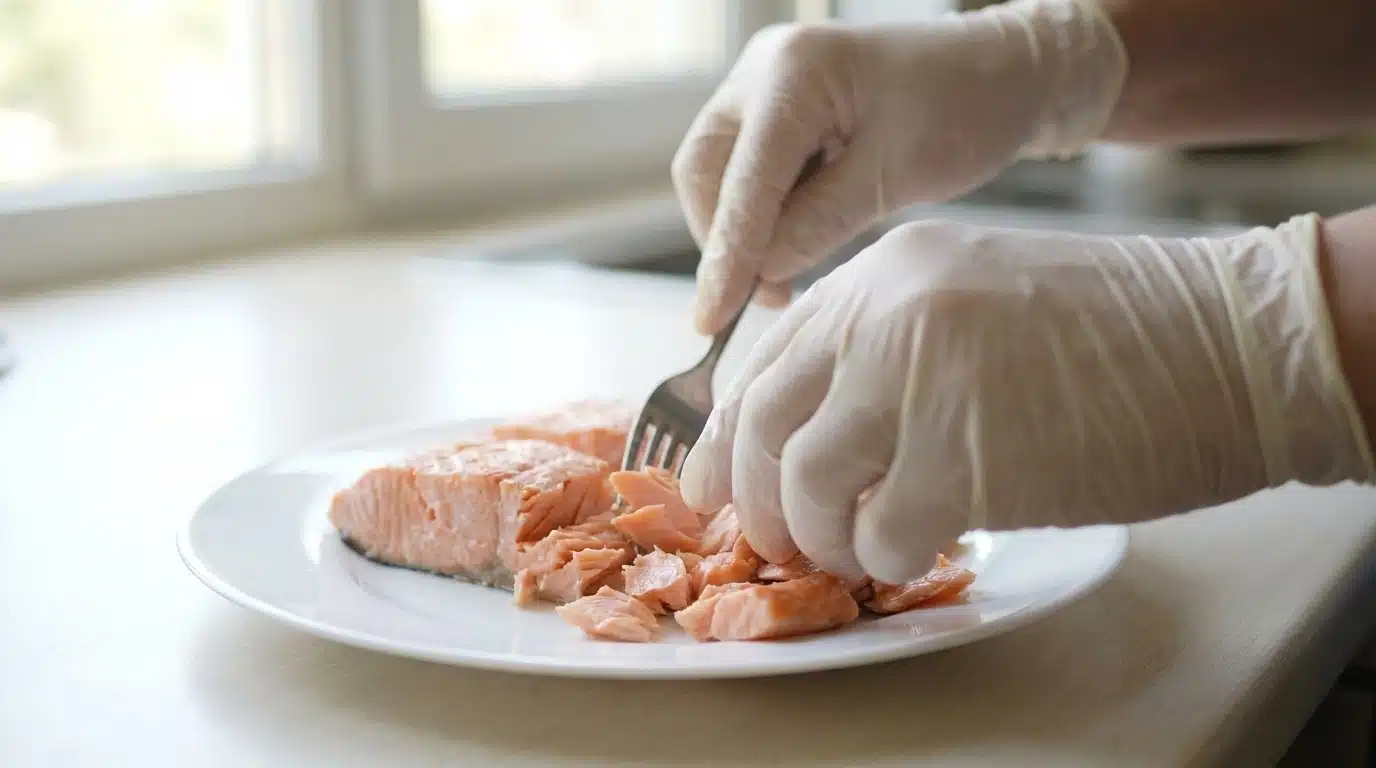
Preparing salmon safely for your cat takes just a few simple steps. Cook it plain, remove all bones, and skip every seasoning to keep your cat safe.
- Step 1 Cook Thoroughly: Always bake, boil, or steam the salmon until it is fully done. Cooking kills harmful bacteria like Salmonella and dangerous parasites that raw salmon carries. Never serve salmon that is undercooked or pink in the middle.
- Step 2 Skip All Seasoning: Never add salt, pepper, garlic, onion, butter, oil, or any marinade. These ingredients are either toxic or too harsh for your cat’s digestive system. Even a small amount of garlic or onion can cause serious harm. Always keep your cat’s portion completely separate before adding any seasoning to your own meal.
- Step 3 Remove All Bones: Go through the cooked salmon carefully and remove every bone, including small hidden pin bones. Bones are a serious choking hazard and can cause painful internal injuries.
- Step 4 Let It Cool Completely: Allow the cooked salmon to cool down to room temperature before serving it to your cat. Hot food can burn your cat’s mouth and throat. Waiting just 10 to 15 minutes makes a big difference and ensures your cat can eat it comfortably and safely.
- Step 5 Serve Plain in Small Portions: Serve the salmon on its own with no sauces, toppings, or side ingredients. Cut it into small, bite-sized pieces appropriate for your cat’s size. A portion of one to two tablespoons is more than enough for one sitting. Following this simple routine every time keeps your cat safe and happy.
What Reddit Says About Salmon for Cats
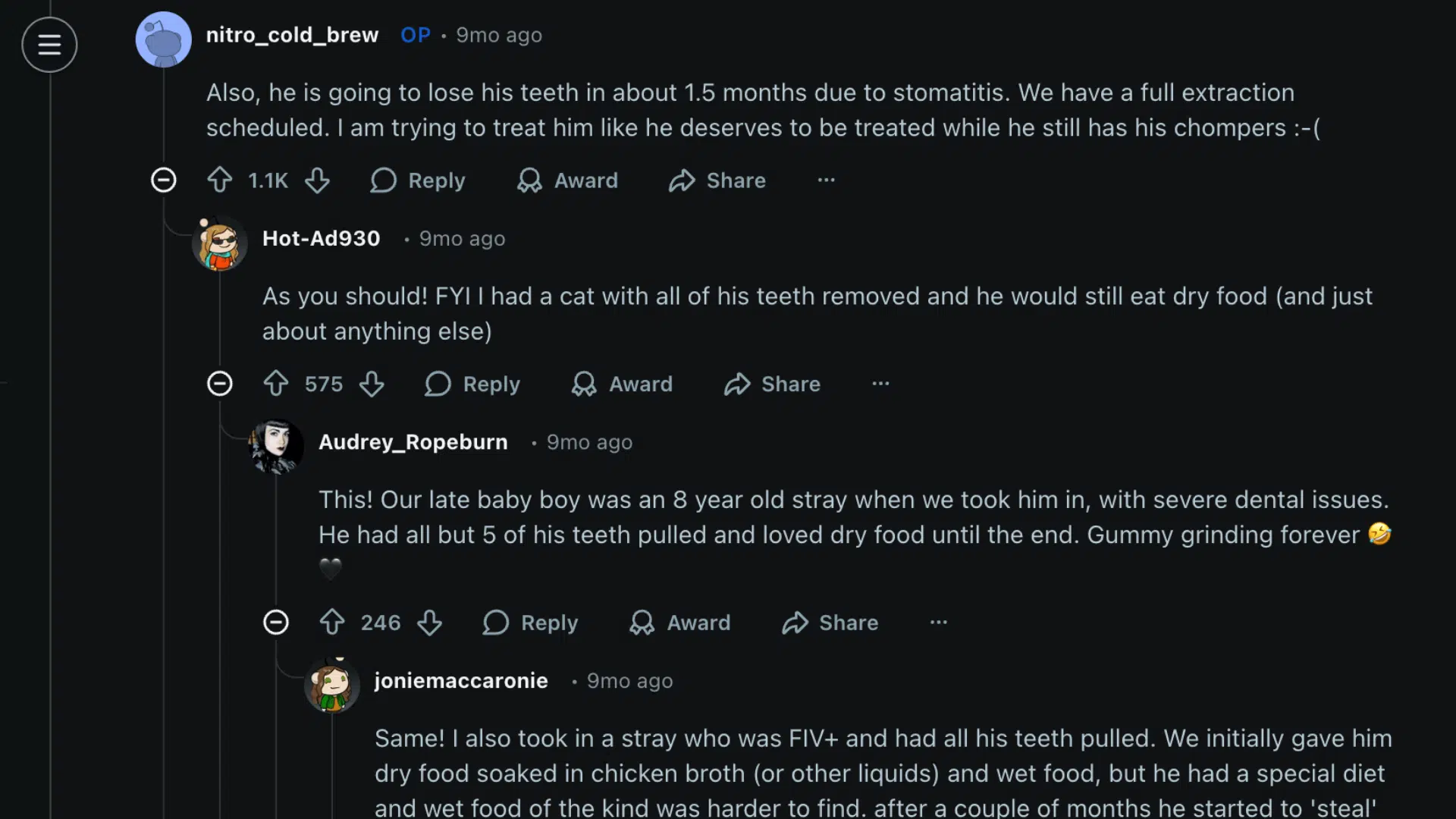
Many cat owners on Reddit agree that salmon for cats is safe when served properly and in small amounts.
One common approach is to cook it plain by broiling or poaching, making sure there are no seasonings or tiny bones left behind.
Some owners even prepare it regularly, like baking small portions with minimal oil to prevent sticking, while still keeping it simple and safe.
Others prefer giving salmon occasionally, such as once every couple of weeks, in very small portions broken into soft pieces.
Cats tend to enjoy the taste, and many owners mention their pets staying healthy on such routines. The overall pattern is clear: moderation matters, and preparation is key.
Salmon for cats works best as an occasional treat, not a daily habit, especially when it is cooked, plain, and carefully portioned.
Can Cats Have Salmon Oil?
Yes, salmon oil is an easy way to give your cat the benefits of omega-3 without the hassle of cooking fish.
It is rich in EPA and DHA, which help improve coat health, reduce inflammation, and support joint function, especially in older cats or those with dry skin.
For most adult cats, around half a teaspoon per day mixed into their regular food is a common guideline.
However, the exact amount depends on your cat’s weight, diet, and overall health, so it is always best to confirm with your vet before adding it regularly.
Salmon oil can be a great option if your cat needs extra nutritional support, but moderation is important.
In my practice, I often recommend salmon oil as an EEAT-friendly addition for cats with dull coats or early signs of joint stiffness, as it delivers the benefits of salmon without any of the sodium, bone, or preparation risks.
Risks of Feeding Too Much Salmon
Too much salmon, even cooked, can quietly harm your cat over time. Here are the key risks every cat owner should know before feeding salmon regularly.
- Mercury exposure: Mercury builds up in your cat’s body with frequent salmon feeding.
- Digestive upset: too much salmon causes vomiting, loose stools, and stomach discomfort. Our guide on foods that help cats with diarrhea can help you manage recovery the right way.
- Nutritional imbalance: excess salmon crowds out essential nutrients from your cat’s regular food.
- Weight gain: Salmon is calorie-dense, and overfeeding leads to unhealthy weight gain.
- Thiamine deficiency: too much fish depletes Vitamin B1, causing neurological symptoms in cats.
- Fish addiction: cats fed salmon too often refuse their regular balanced food.
- Pancreatitis risk: High-fat content in salmon can inflame your cat’s pancreas.
Conclusion
After years of researching feline nutrition and consulting with veterinary professionals, my takeaway is straightforward: salmon can be a genuinely beneficial treat for cats when prepared correctly.
Serve it cooked, plain, boneless, and in small portions, no more than one to two tablespoons, once or twice a week. Raw, smoked, and seasoned salmon are never worth the risk.
And if you want the omega-3 benefits without the hassle, a vet-approved salmon oil supplement is a smart, low-fuss alternative.
Your cat’s diet should be built around complete, vet-approved food, with salmon as a small and joyful addition.
When you are ever unsure, your vet is always the best person to guide you on what works for your specific cat.
Frequently Asked Questions
Can Kittens Eat Salmon?
Kittens can eat small amounts of cooked, plain salmon, but only occasionally. Their primary diet should be kitten-specific food that supports growth and development.
Can Salmon Help with Cat Allergies?
Salmon may help some cats with skin-related allergies due to its omega-3 content, but it can also trigger allergies in others. Always monitor reactions closely.
Is Salmon Better than Chicken for Cats?
Not necessarily. Both are good protein sources, but chicken is leaner and more suitable for regular feeding, while salmon is better as an occasional treat.