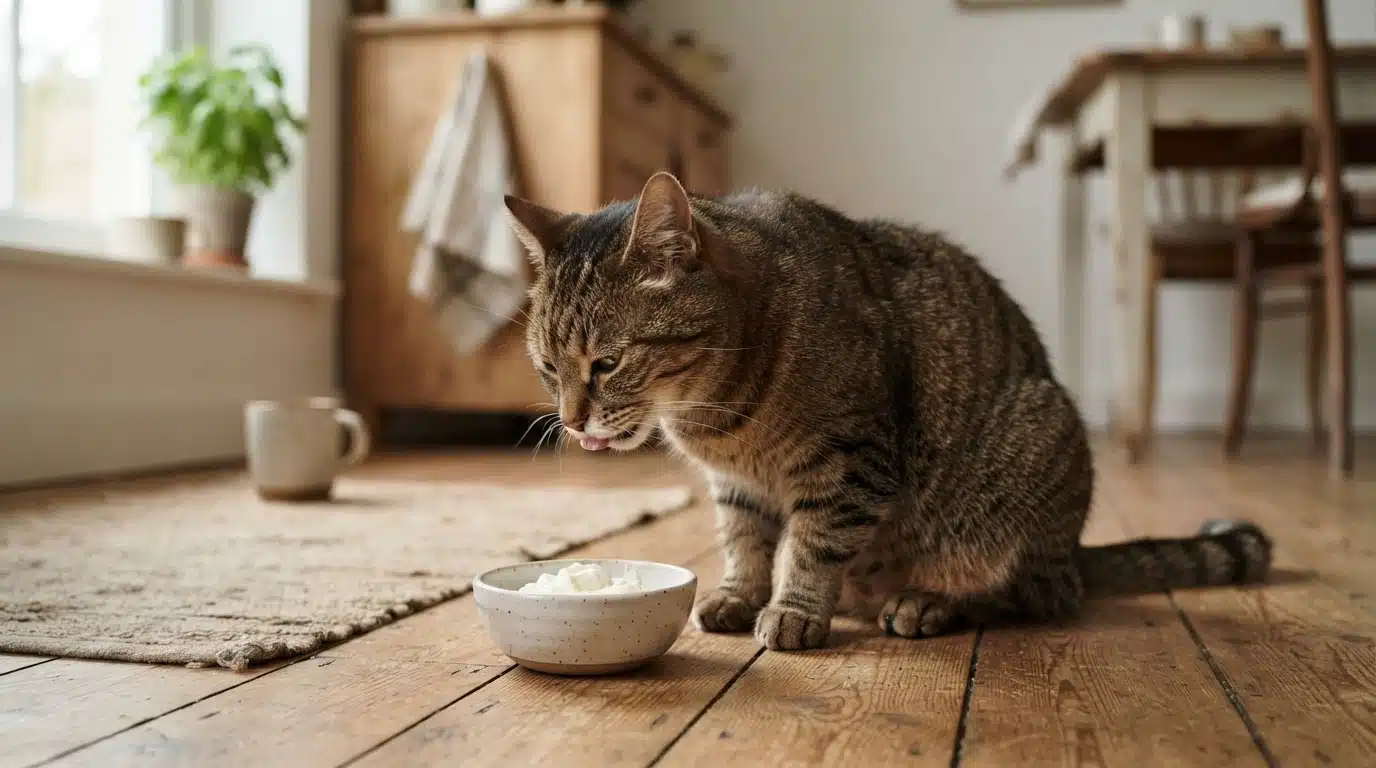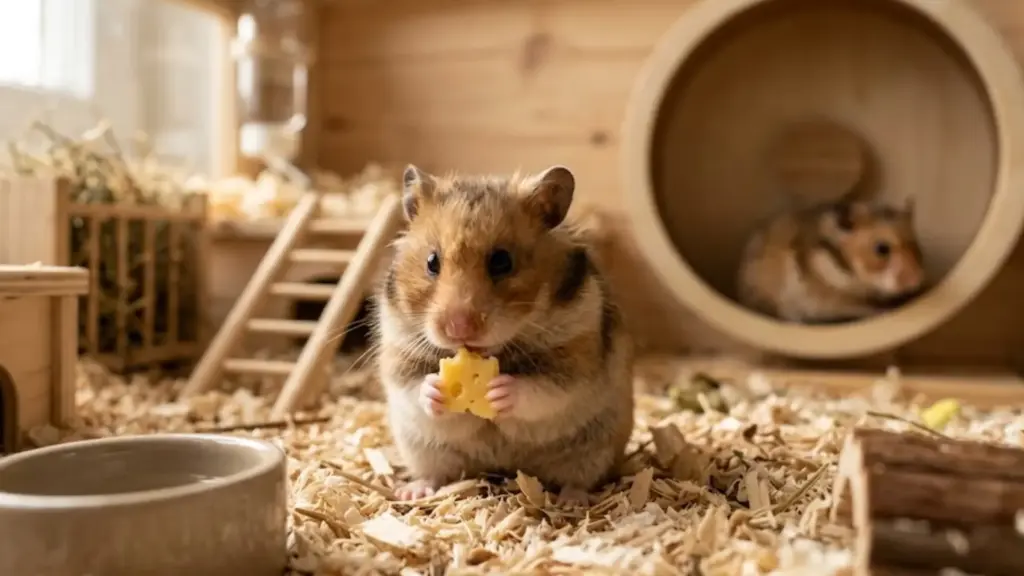
Thinking cheese is a safe snack for your furry little companion? You are not alone. This is one of the most searched questions among new hamster owners.
While hamsters are curious eaters who enjoy exploring new flavors, not every human food translates well to their tiny bodies.
Cheese sits in a gray area. It is not poisonous, but it is not exactly ideal either.
In my years of clinical practice, cheese is one of the first human foods I am asked about by hamster owners, right after fruit and seeds.
Understanding the fine line between a harmless nibble and a potentially harmful habit is key to keeping your hamster thriving.
This blog post covers safe portion sizes, the best cheese varieties, breed-specific guidance, and the warning signs you should never ignore after feeding dairy to your pet.
Can a Hamster Eat Cheese?
Yes, hamsters can eat cheese, but only in very small amounts and infrequently. Cheese is not toxic to hamsters, and research confirms they have an unusual tolerance for lactose compared to many other mammals.
Unlike most small mammals, hamsters process dairy in their pregastric pouch, which gives them a modest ability to handle lactose that other rodents lack.
However, its high fat and sodium content make it unsuitable as a regular food. A pea-sized piece once every one to two weeks is the safe limit for most hamsters.
Nutritional Value of Cheese for Hamsters
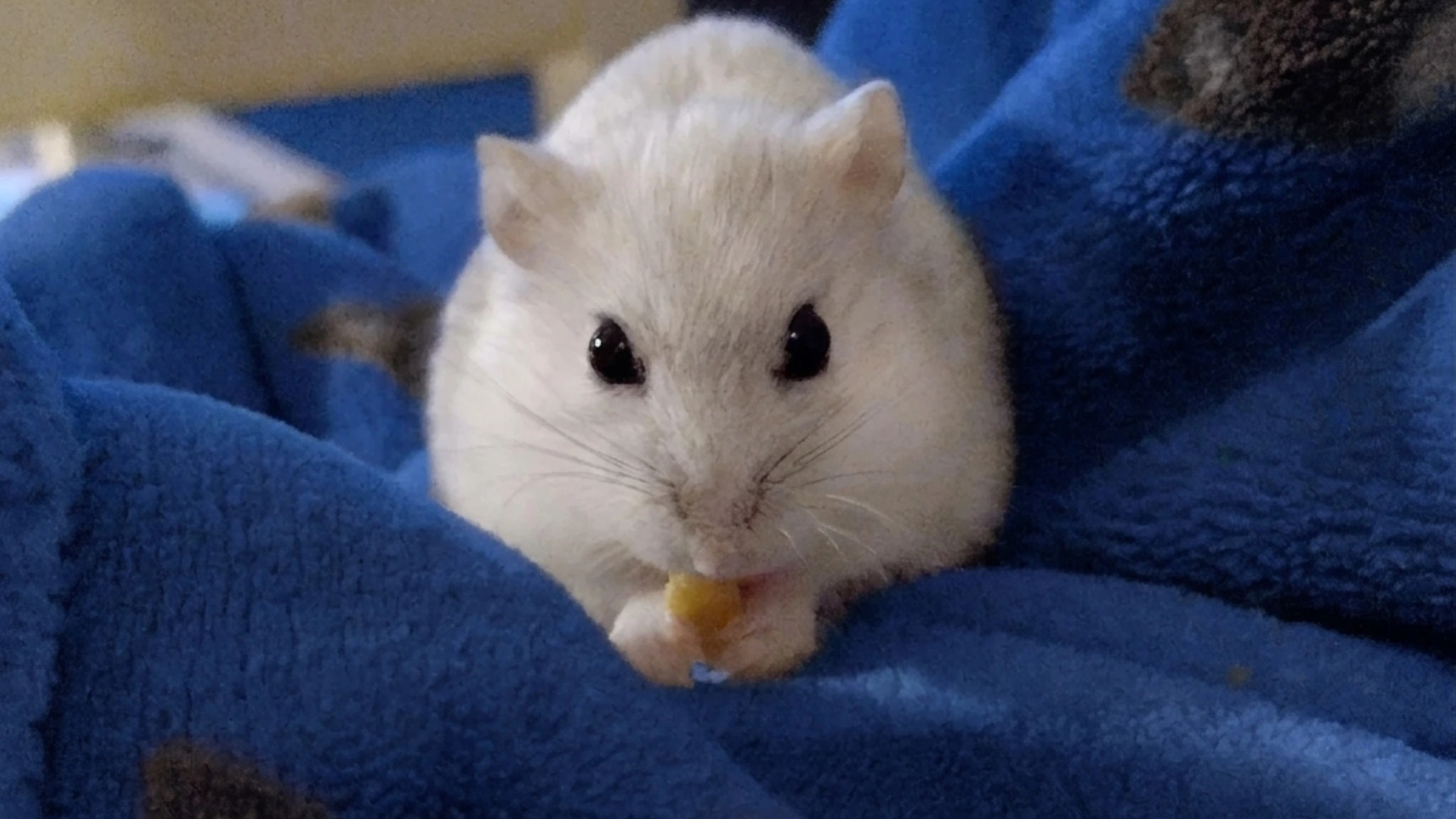
Cheese contains several nutrients that sound appealing on paper but come with significant trade-offs for a hamster’s small body.
Cheese contains protein and calcium, which support body growth, muscle strength, and bone health. It also provides vitamin B12 for nervous system support, phosphorus for skeletal strength, and small amounts of vitamins A and K.
However, those benefits come with clear drawbacks. Cheese is high in fat and sodium, which makes it a poor choice for regular feeding.
A hamster’s ideal daily diet should consist of approximately 16% protein and 4 to 5% fat.
Most cheeses far exceed that fat threshold in even a small serving. Too much fat leads to unhealthy weight gain, while excess sodium places a strain on the kidneys of such a small animal.
Cheese is not a natural part of a hamster’s diet. Their digestive system is better suited to seeds, grains, and vegetables. So while cheese offers some nutritional value, it remains a treat, not a dietary staple.
How Much Cheese Can Hamsters Eat Safely?
Portion size is the most important factor when it comes to feeding cheese to hamsters. These small pets eat only about 12 grams of food per day. Even 2 to 3 grams of cheese represents a significant portion of that daily intake.
For most hamsters, a pea-sized piece is the maximum for one feeding. Think of it as no larger than your hamster’s front paw.
Once every one to two weeks is the safest frequency for adult Syrian hamsters. Dwarf breeds should receive cheese even less often, if at all, due to their heightened metabolic sensitivity and predisposition to obesity and diabetes.
Warning signs after feeding cheese may include diarrhea, bloating, reduced appetite, lethargy, or changes in normal behavior.
If any of these appear, stop feeding cheese immediately and consult a veterinarian.
The hoarding warning most owners miss: Hamsters store food in their cheek pouches and hide it throughout their cage. A piece of cheese your hamster does not eat immediately may end up buried in bedding for hours. Any cheese left uneaten for more than 12 hours must be removed and discarded immediately, as it can rapidly grow harmful bacteria in a warm environment. Check the cage corners and bedding after every cheese feeding.
Cheese by Hamster Breed: How Much is Safe?
Breed matters significantly when deciding how much cheese to offer. Smaller breeds have smaller kidneys and faster metabolisms, making them more vulnerable to the fat and sodium in cheese.
| Breed | Safe portion | Safe frequency | Notes |
|---|---|---|---|
| Syrian hamster | Pea-sized (2–3g) | Once every 1–2 weeks | Largest breed; best tolerance |
| Roborovski hamster | Half pea-sized (1g) | Once every 2 weeks | Small body; limit closely |
| Campbell’s dwarf | Crumb-sized | Once a month or avoid | Prone to diabetes; high-fat foods risky |
| Winter White dwarf | Crumb-sized | Once a month or avoid | Similar metabolic sensitivity as Campbell’s |
How to Introduce Cheese to Your Hamster for the First Time
Never offer a full serving on the first introduction. A gradual approach protects your hamster from digestive upset and helps you identify any sensitivity early.
- Offer a crumb-sized piece, smaller than your standard serving, on day one
- Observe for 24 hours before offering again
- Watch specifically for loose stool, reduced water intake, or lethargy
- Check the cheek pouches gently and the cage corners for any stored cheese, and remove it within 12 hours
- If no symptoms appear after 2 to 3 introductions, a pea-sized piece once every 1 to 2 weeks is reasonable for Syrian hamsters
Best Types of Cheese for Hamsters
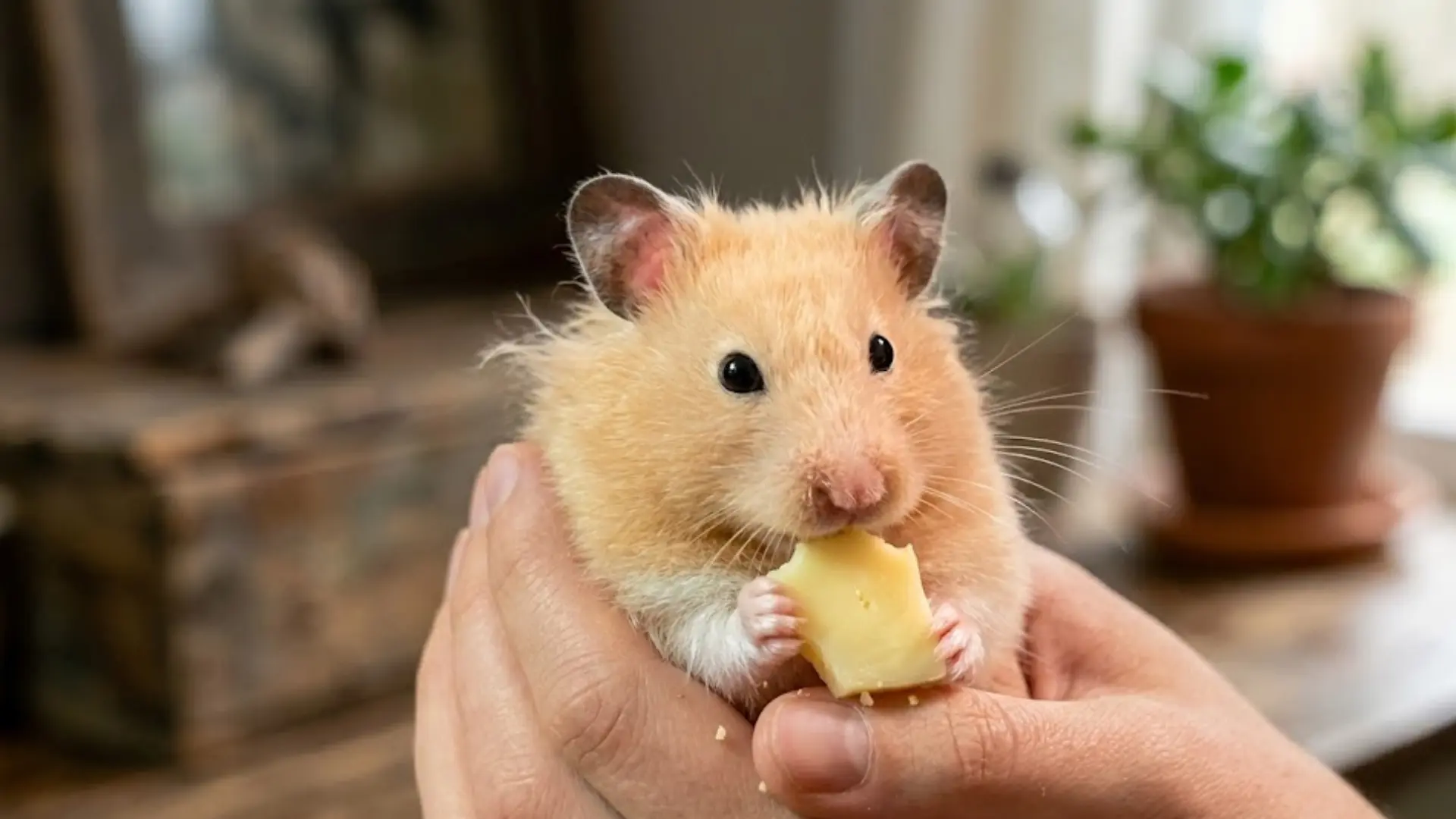
The best cheeses for hamsters are mild, low-fat, and low-sodium varieties. Soft, plain options are easier to digest and carry fewer risks than hard, aged, or processed varieties.
- Cottage cheese: One of the better options because it is soft, plain, and usually lighter than many hard cheeses.
- Mozzarella: Low in sodium and moderate in fat, mozzarella is one of the safer hard cheese options for hamsters. Choose plain, unsalted varieties only.
- Swiss cheese: Mild in flavor and acceptable in a very tiny piece as an occasional treat.
- Monterey Jack: A plain and mild choice that is safer than heavily processed cheese.
- Colby cheese: Can be offered in a very small bite because it is mild and simple.
- Cheddar cheese: Fine in small amounts, but it is a bit richer, so moderation matters more.
- Parmesan: Not the first choice, but a very small crumb may be given, as it is saltier and more concentrated than softer cheeses.
Benefits of Giving Cheese To Your Hamster
If you’ve been wondering, can hamsters eat cheese? The answer is yes, and in moderation, it offers some real benefits:
- High-Quality Protein: Cheese supports muscle development and overall growth in hamsters.
- Calcium Boost: Promotes strong bones and healthy teeth, essential for small rodents.
- Healthy Fats: Provide a quick energy source, especially useful in colder months.
- Vitamin B12: Supports your hamster’s nervous system and red blood cell production.
- Phosphorus: Works alongside calcium to maintain a strong skeletal structure.
From a nutritional standpoint, I want to be clear: cheese should never be a primary protein source for your hamster. The protein found in a quality pellet blend is far more bioavailable and complete for a hamster’s actual needs.
Risks of Feeding Cheese to Hamsters
Cheese carries real risks for hamsters when fed incorrectly, and most problems stem from frequency and quantity rather than occasional nibbles.
Hamsters have delicate digestive systems, and some are lactose sensitive, meaning even small amounts of cheese can lead to bloating, diarrhea, or stomach discomfort.
- Regular consumption increases the risk of obesity, as cheese is calorie-dense and high in fat, a serious concern for animals whose entire body weighs less than 200 grams.
- Salt content in many cheeses, especially processed varieties, can cause dehydration and place ongoing strain on the kidneys.
A family I advised was feeding their hamster small pieces of processed cheese several times a week.
Within a few weeks, the hamster had become noticeably lethargic and had gained visible weight. After removing cheese entirely and returning to a balanced pellet-and-vegetable diet, its energy and condition improved steadily over the following month.
The culprit was not the cheese itself but the frequency and the type, processed cheese with added sodium and preservatives.
Processed cheese, flavored cheese, and varieties with added herbs, garlic, or spices should be completely avoided.
Unsafe Cheese Types to Avoid
When considering whether hamsters can eat cheese, it is important to avoid certain types that can harm their health.
| Cheese Type | Why Unsafe |
|---|---|
| Blue Cheese/Stilton | Toxic mold can cause severe illness |
| Brie/Camembert | High fat, soft texture leads to bacterial risks |
| Feta | Too salty; dehydration and constipation |
| Roquefort | Contains mold cultures that can produce toxins harmful to small mammals |
| Processed/American | Additives, high sodium/fat; not digestible |
| Hard Parmesan (in excess) | Salty, concentrated; avoid larger amounts |
| Cheese spreads / dips | Sticky texture can lodge in cheek pouches; it typically contains preservatives |
Safe Alternatives to Cheese for Hamsters
Unlike cheese, these alternatives are easier for hamsters to process and safer for frequent feeding.
- Vegetables like carrots, cucumbers, broccoli, and spinach are great choices because they are low in fat, easy to digest, and rich in vitamins.
- Fruits such as apples, bananas, and blueberries can be given in small amounts as a sweet treat. They provide natural sugars and nutrients.
- Grains and seeds like oats, brown rice, sunflower seeds, and pumpkin seeds are closer to a hamster’s natural diet.
- Protein alternatives: Plain, unsalted hard-boiled egg white is a cleaner protein source than cheese and carries far less fat and sodium. Small amounts of mealworms or crickets, purchased from a reputable pet store, also provide natural protein that aligns with a hamster’s omnivorous diet.
A balanced mix of vegetables, fruits, grains, seeds, and occasional clean protein supports long-term health better than dairy treats.
Common Feeding Mistakes Hamster Owners Make
Even well-meaning owners make avoidable mistakes that quietly harm their hamster’s health. Here is what to watch out for.
- Overfeeding Treats: Cheese and other high-fat, high-salt snacks should only be given in tiny amounts. Even a slightly oversized piece, offered too often, can tip a hamster’s daily intake well past healthy limits.
- Ignoring Portion Control: Hamsters eat only about 12 grams of food per day. Overfeeding, even with foods that seem healthy, quickly leads to obesity in animals this small.
- Offering Unsafe Human Foods: Chocolate, onions, garlic, and processed snacks are genuinely dangerous for hamsters. When in doubt about a food, skip it entirely until you have verified it is safe.
- Confusing Emotional Feeding with Enrichment: Giving cheese because your hamster seems bored or restless is usually a misread. Hamsters express curiosity through movement and foraging, and a wheel, a foraging toy, or a fresh vegetable addresses that need far better than a dairy treat.
- Relying on Treats Instead of a Balanced Diet: A diet heavy in treats and light on pellets, grains, and vegetables leads to nutritional deficiencies over time. Variety is not optional for hamsters; it is the foundation of their long-term health.
Conclusion
Your hamster depends entirely on you for its nutrition, so every food choice matters. Cheese can be a fun, occasional reward that adds variety to your pet’s routine, but it should never replace the wholesome staples that keep small animals healthy.
Prioritizing fresh vegetables, quality pellets, seeds, and clean water will always serve your hamster better in the long run.
With the right balance and a little mindfulness, you can safely care for your hamster while supporting a long, active, and comfortable life.
Have questions about what your hamster can and cannot eat? Drop a comment below, and we will help you figure out the safest options for your pet.
Frequently Asked Questions
Is Cheese Safe for Baby Hamsters?
No. Baby hamsters under six weeks of age should not be given any cheese or dairy product. Their digestive systems are still developing, and the fat and sodium content of cheese is inappropriate for young animals at this stage.
What If My Hamster Accidentally Ate Processed Cheese or Cheese Crackers?
Don’t panic, remove any remaining food, offer fresh water immediately, and monitor closely for 24 hours. Watch for shaking, lethargy, hunched posture, or refusal to eat. If any of these symptoms appear, contact an exotic veterinarian.
Does the Breed of Hamster Affect Whether They Can Eat Cheese?
Breed can play a minor role. Dwarf hamsters, such as Roborovski and Campbell’s, are genetically predisposed to diabetes and should be given even less fatty food. For dwarf breeds especially, cheese should be offered even more sparingly, if at all, due to their heightened metabolic sensitivity.