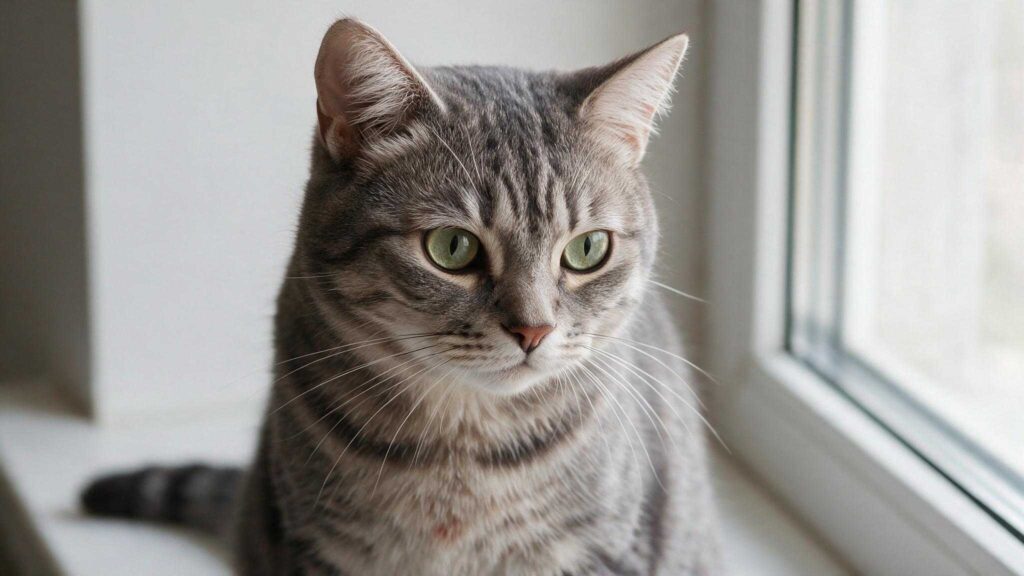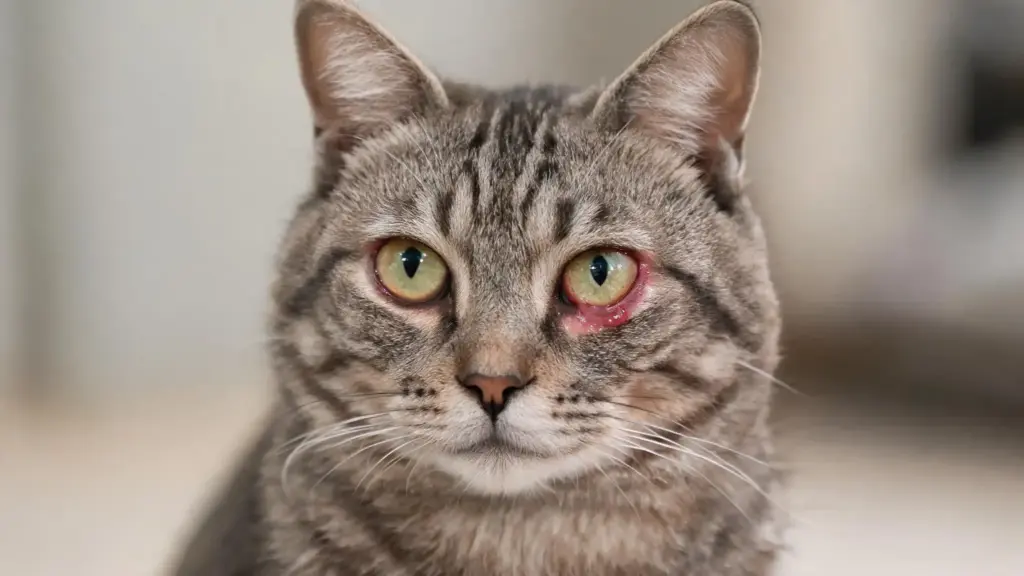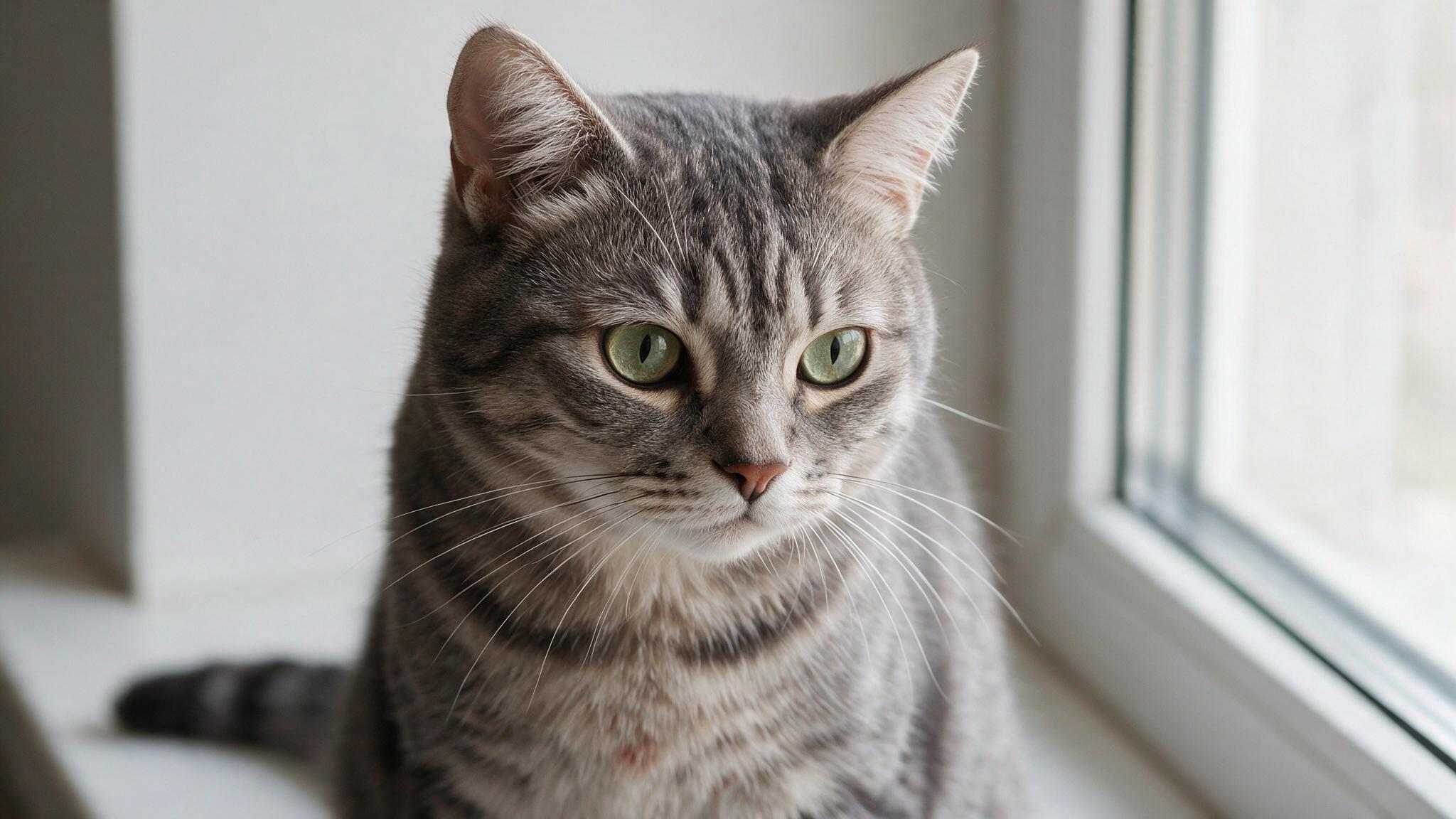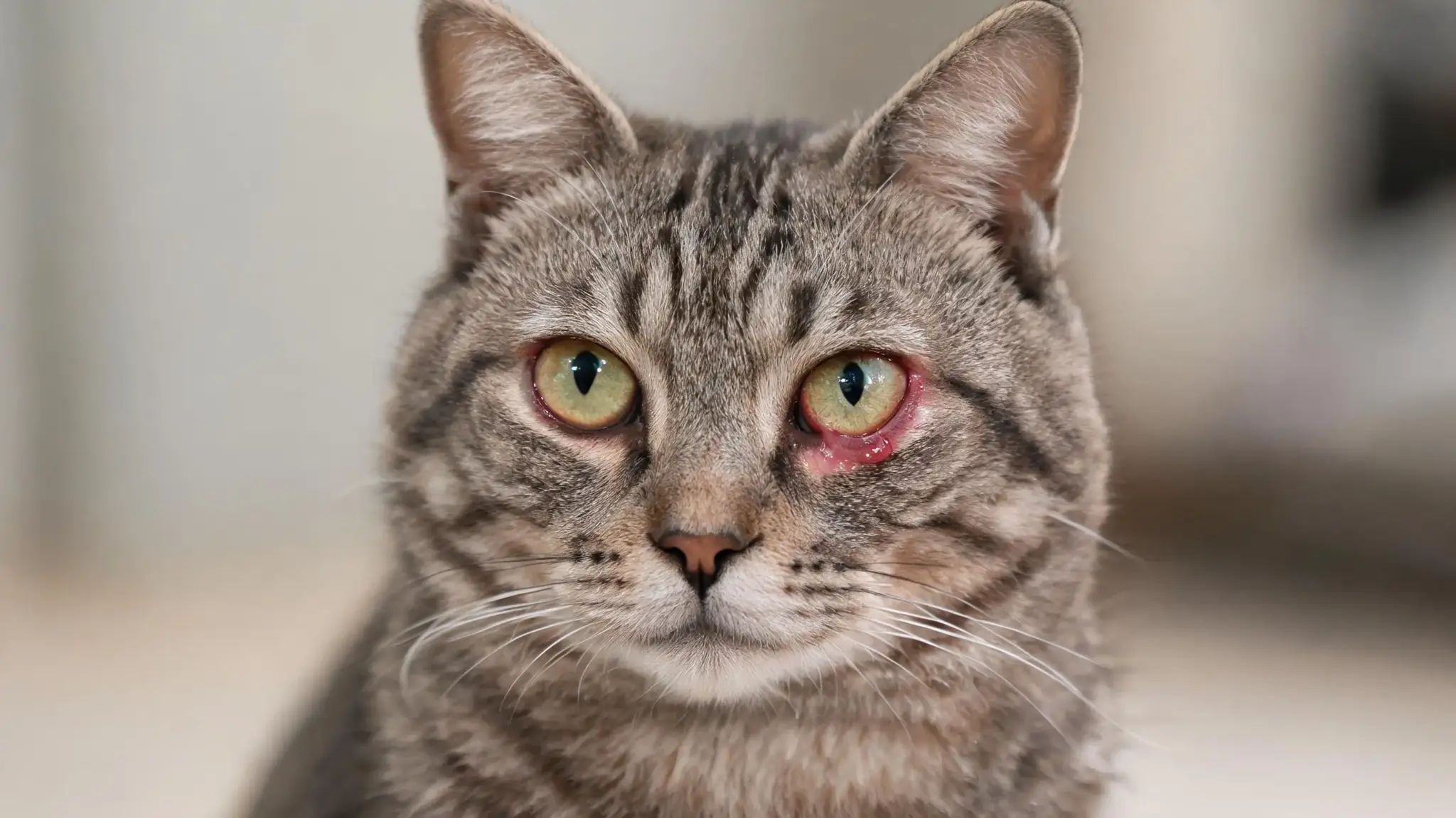
If you have ever caught your cat scratching more than usual, or dealing with constant sneezing that just will not stop, you have probably wondered: can cats have allergies?
The short answer is yes, and it is more common than most pet owners think. In my past years of veterinary practice in Minnesota, skin-related allergic reactions have consistently been among the top five reasons cats are brought in for evaluation.
The tricky part is figuring out what is actually causing the reaction. From food to dust and even flea bites, knowing what cats are allergic to matters because untreated allergies can affect your cat’s comfort, behavior, and long-term health.
In this blog, you will learn the common triggers, the clinical signs to watch for, and what steps you can take to help your cat feel better.
Can Cats Have Allergies?
Yes, cats can have allergies, and the mechanism works much like it does in humans. Their immune system reacts to something otherwise harmless, like certain food proteins, dust, or flea saliva, as if it were a threat.
This overreaction produces symptoms ranging from itching and skin inflammation to digestive upset and respiratory issues.
It is important to distinguish between a true allergy and simple irritation. A true allergy involves the immune system and tends to recur and escalate with repeated exposure.
Irritation is typically temporary and resolves when the trigger is removed. One more distinction worth noting: food allergies involve an immune response, while food intolerances do not.
Quick Snapshot: Does Your Cat Have Allergies?
The location of your cat’s symptoms can offer an early clue about the likely trigger. Use this as a starting point, not a diagnosis:
- Tail base, rump, lower back: Often points to flea allergy dermatitis
- Face, neck, belly, paws: Frequently associated with food allergies
- Generalized itching, sneezing, watery eyes: More typical of environmental or seasonal allergies
- Recurring ear infections: A common but under-recognized allergy signal.
- Overgrooming and thinning fur: One of the earliest signs many owners miss, especially with seasonal allergies
What are Cats Allergic To?
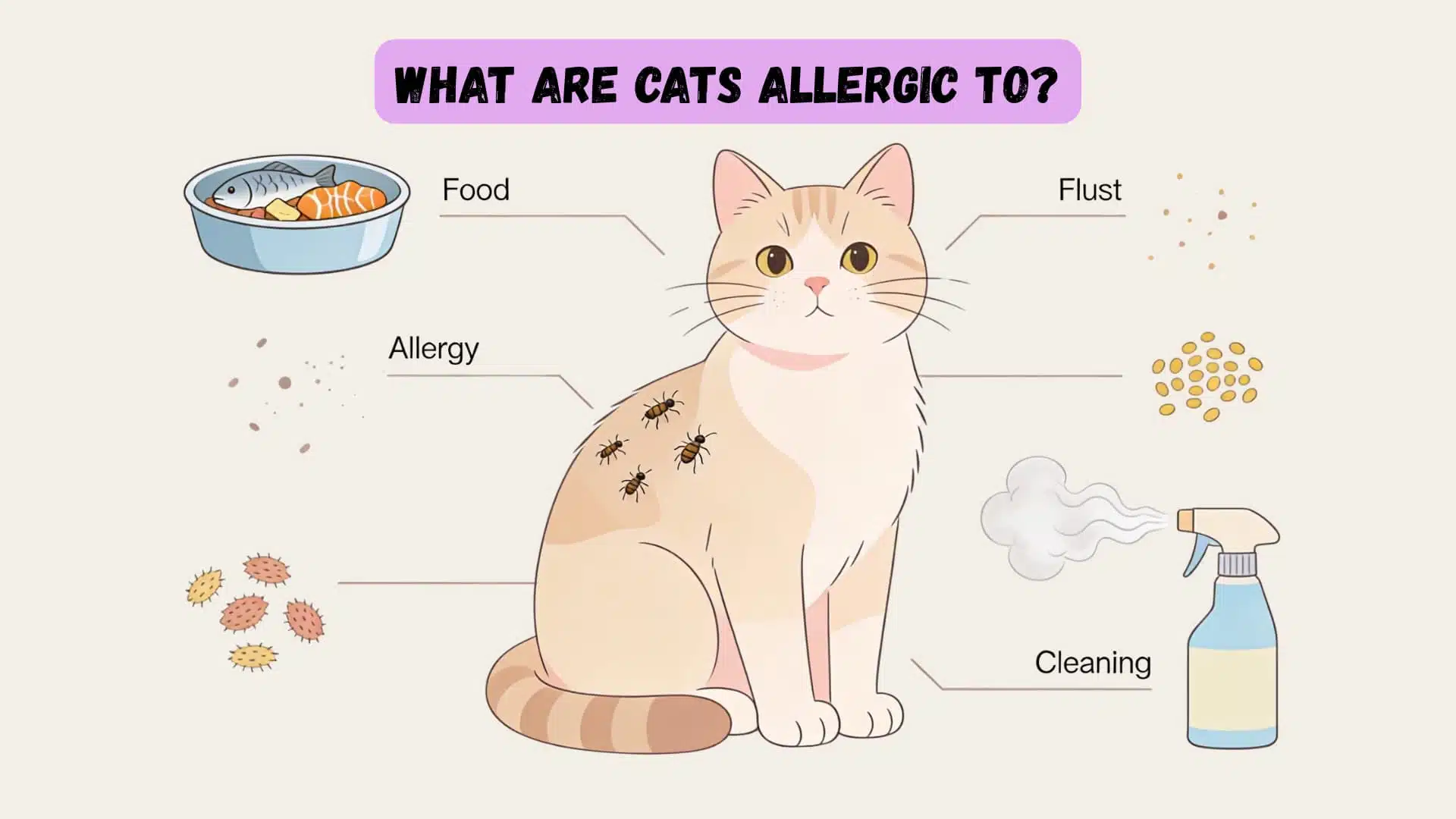
Cats can react to more things than most owners expect, and the triggers are often woven into everyday life, making it a challenge to identify the exact cause.
1. Food Allergies
Food allergies in cats usually develop over time, sometimes after years of eating the same ingredient without issue.
The most common protein culprits are chicken, beef, fish, and dairy. While grain allergies exist, veterinary dermatologists note they are far less common than reactions to animal proteins.
Symptoms often show up as ongoing itching, skin inflammation, or digestive upset, including vomiting, diarrhea, or straining to defecate.
Some cats also develop eosinophilic granuloma complex, raised, inflamed skin lesions, as a reaction pattern linked to food allergy.
Importantly, up to 30% of food-allergic cats also have a concurrent allergy, such as flea allergy dermatitis or environmental atopy. This overlap is one reason food allergies can be so difficult to isolate without a structured diagnostic approach.
2. Environmental Allergies
Environmental allergies, clinically known as feline atopic dermatitis, are caused by airborne or contact allergens like dust mites, pollen, mold, and grass.
Certain breeds appear more predisposed, including Abyssinian cats, Devon Rexes, and domestic shorthairs under 3 years of age.
These allergies can be seasonal (triggered by outdoor pollens in spring and fall) or year-round (triggered by indoor dust mites or mold).
In my Minnesota practice, I see a noticeable uptick in indoor allergen cases during winter months, when cats spend more time indoors in closed spaces where dust and cleaning product residue accumulate at higher concentrations.
3. Flea Allergy Dermatitis
Flea allergies are among the most severe reactions seen in cats. Unlike regular flea irritation, even a single bite can trigger a severe allergic response due to proteins in the flea’s saliva.
The clinical presentation often includes what veterinarians call miliary dermatitis, small, millet-seed-sized scabs clustered around the head, neck, and rump.
Hair loss over the tail base is another hallmark sign. The challenge is that you may never actually see a flea on your cat.
Cats are fastidious groomers and often remove the evidence before you notice it. If the symptoms fit, do not rule out flea allergy just because you cannot find a flea.
It is also worth noting that cats can develop allergic reactions to other insect bites, including mosquitoes, blackflies, ants, bees, and wasps. These reactions typically produce raised, itchy skin lesions or facial swelling and are sometimes mistaken for flea allergy dermatitis.
4. Household and Chemical Triggers
Cleaning products, perfumes, scented candles, air fresheners, and cigarette or candle smoke can all irritate your cat’s skin and respiratory system.
Heavily scented candles and essential oil diffusers are frequent offenders that owners rarely suspect, and in some cases, repeated exposure can contribute to a chronic inflammatory state or even allergic bronchitis.
These reactions often affect the skin or upper airways, leading to itching, coughing, or sneezing.
5. Drug and Medication Allergies
Less commonly discussed but worth knowing: cats can develop allergic reactions to medications, including topical treatments, antibiotics, and vaccines.
These are called cutaneous drug reactions and can cause skin eruptions, swelling, or hives.
If your cat develops sudden skin changes shortly after starting a new medication, contact your vet immediately.
Common Symptoms of Cat Allergies
Allergy symptoms in cats can be subtle at first, which is why many cases go unaddressed for months.
- Skin issues, itching, redness: Constant scratching, inflamed skin, and small scabs are often the first visible signs.
- Ear problems, infections, and head shaking: Recurring ear infections are a frequently overlooked allergy symptom.
- Digestive issues, vomiting, diarrhea, straining: Food allergies in particular can cause gastrointestinal symptoms, including loose stools, frequent vomiting, or discomfort around the rectum, leading to scooting.
- Respiratory signs (sneezing, coughing, wheezing): Environmental allergens can inflame the airways. In more serious cases, ongoing allergic inflammation can progress to allergic bronchitis or feline asthma, a condition that causes coughing episodes often mistaken for hairballs.
- Overgrooming and hair thinning: Overgrooming is one of the most underreported early signs of allergies in cats. Many owners chalk it up to normal behavior until bald patches appear.
- Emergency signs: Facial swelling, sudden difficulty breathing, hives under the fur, or a severe, sudden reaction after a new food or medication require immediate emergency veterinary care. These signs can escalate rapidly.
How to Tell If Your Cat Has Allergies?
Figuring out if your cat has allergies is largely about observing patterns consistently over time. Pay close attention to when symptoms appear and whether they repeat.
Itching that worsens in spring and fall may point to seasonal pollen exposure; persistent digestive issues are more suggestive of food involvement.
A practical approach I recommend to clients: keep a simple symptom log, noting the date, the symptom, what your cat ate, and any notable environmental changes (new cleaner, windows open, visitors with pets).
Within two to three weeks, patterns often become obvious that would otherwise take months to notice through memory alone.
A vet evaluation, combined with your observational data, gives you the clearest path to an accurate diagnosis.
Cat Allergy Warning Signs: When to See a Vet
See a vet if your cat’s symptoms are recurring, progressive, or noticeably affecting their quality of life.
The diagnostic process for suspected allergies typically includes tape preparation to assess for bacterial or fungal skin involvement, microscopic evaluation of ear debris, and a blood panel to rule out systemic causes.
For environmental allergy suspects, RAST testing may be used to measure IgE levels against specific allergens.
One important point: blood, saliva, and hair tests marketed for food allergy diagnosis are not reliable. Multiple clinical studies have confirmed their inaccuracy.
The only validated diagnostic method for food allergies in cats is a strict elimination diet trial.
Treatment Options for Cat Allergies
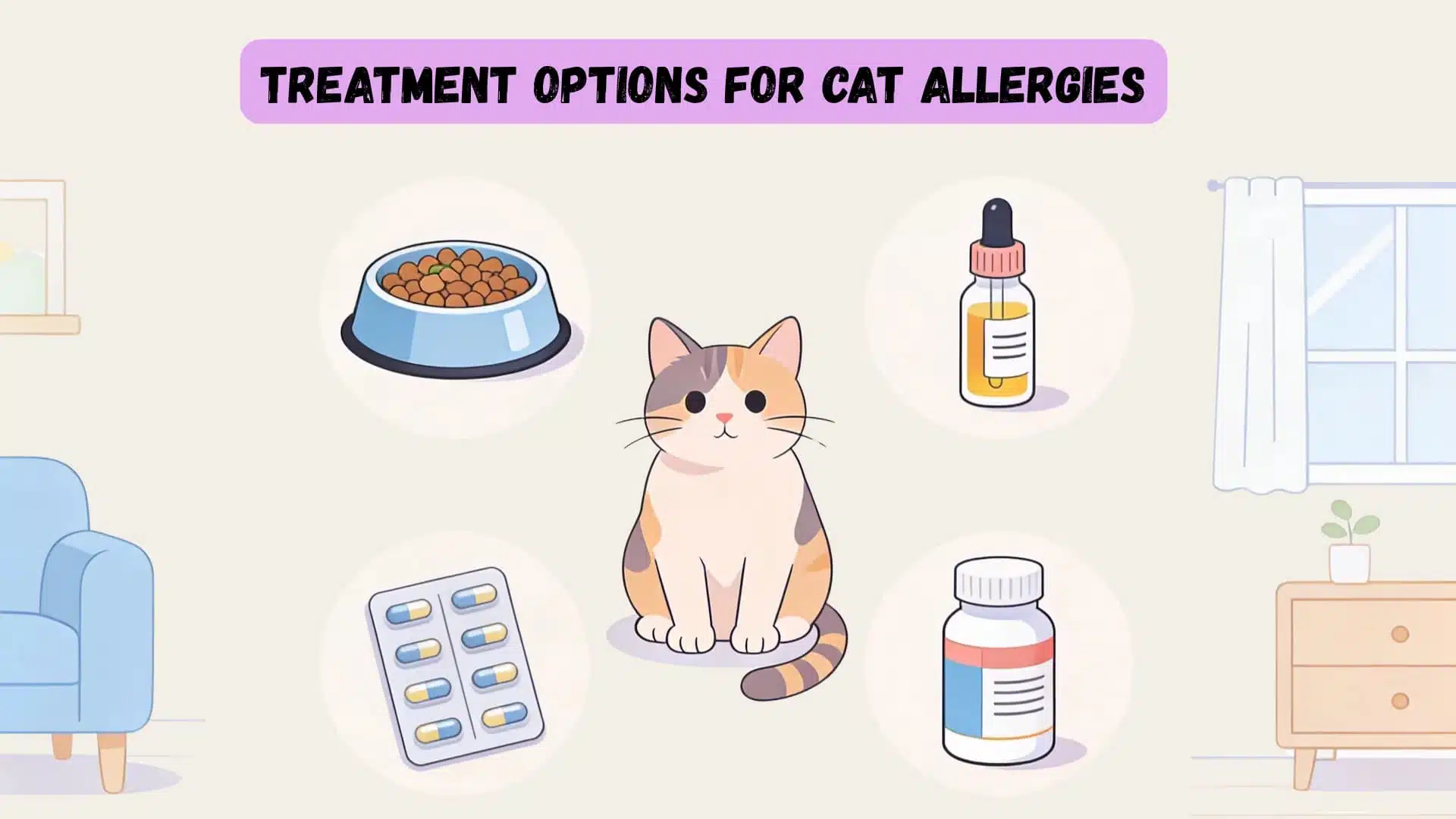
Managing cat allergies usually requires a layered approach; there is rarely a single fix, and consistency matters more than any one intervention.
1. Elimination Diet Trial
If food is the trigger, a properly conducted elimination diet trial is the only reliable way to confirm the diagnosis and identify the offending ingredient.
The trial involves feeding a strict hypoallergenic diet for 8 to 12 weeks, with absolutely no treats, table scraps, or flavored medications during that period.
Two types of diets are used for elimination trials. A novel protein diet uses a protein source the cat has never eaten before, such as rabbit, venison, duck, or kangaroo.
A hydrolyzed protein diet uses common proteins that have been broken down into molecules too small for the immune system to recognize. Your vet will recommend which type is most appropriate based on your cat’s diet history.
2. Flea Control
For flea-allergic cats, prevention is everything. Regular use of vet-approved flea treatments, applied consistently, year-round, is essential.
It is equally important to treat the home environment: flea eggs and larvae live in carpets, bedding, and upholstery, and can reinfest your cat long after you have treated them directly.
3. Medications
Depending on severity, vets may prescribe antihistamines, corticosteroids, or newer targeted options like oclacitinib (Apoquel) or lokivetmab (Cytopoint, though primarily used in dogs, similar immunomodulatory approaches are being applied in cats).
One important caution: never give your cat human antihistamines or any over-the-counter medication without veterinary guidance.
Dosing, formulation, and safety profiles differ significantly between cats and humans. Medication is always part of a broader management plan, not a standalone solution.
4. Immunotherapy
For cats with confirmed environmental allergies, allergen-specific immunotherapy, commonly called allergy shots, can be an effective long-term option.
A veterinary dermatologist performs intradermal skin testing to identify specific triggers, then formulates a customized serum that is gradually increased in dose.
Immunotherapy has been reported to improve allergic symptoms in 85 to 90% of cases when correctly matched to confirmed allergens. It takes months to see results, but it targets the underlying immune response rather than just suppressing symptoms.
5. Home Adjustments
Switch to unscented cleaning products, improve indoor air quality with HEPA filtration, wash your cat’s bedding weekly, and avoid scented candles or essential oil diffusers.
In colder climates, especially, keep an eye on indoor humidity; low humidity can concentrate dust allergens, while excess moisture can encourage mold growth, both of which can worsen environmental allergy symptoms.
Can Cat Allergies Be Prevented?
While not all allergies can be prevented, consistent habits significantly reduce both the frequency and severity of reactions:
- Regular cleaning: Vacuum frequently with a HEPA-filter vacuum to reduce dust mites and other environmental allergens.
- Year-round flea prevention: Do not stop flea treatment in winter; fleas survive indoors year-round.
- Stable, high-quality diet: Minimize frequent food changes, as they increase the risk of developing new sensitivities.
- Reduce chemical exposure: Use unscented, pet-safe cleaning products and avoid heavy use of air fresheners or scented sprays.
- Routine vet checkups: Early detection makes a real difference. In my clinic, cats whose allergy patterns are caught and managed early, before chronic skin infections or ear damage develop, respond far better to treatment and have measurably better long-term outcomes.
Conclusion
Yes, cats can have allergies, and understanding what your cat is reacting to is the first step toward lasting relief.
From food proteins and flea saliva to indoor mold and household sprays, the triggers are varied, often subtle, and easy to miss without a structured approach.
In over a decade of clinical practice, the cat owners who see the best outcomes are those who combine consistent observation, prompt veterinary evaluation, and a willingness to make targeted changes, rather than waiting for symptoms to resolve on their own.
With the right diagnosis and management plan, most cats with allergies live comfortable, symptom-controlled lives.
If any of these signs sound familiar, do not wait; reach out to your vet and start tracking what you are seeing.
Frequently Asked Questions
Can Cats Suddenly Develop Allergies Later in Life?
Yes. Even Cats that Have Been Exposed to The Same Food or Environment for Years Can Develop Allergies.
Are Certain Cat Breeds More Prone to Allergies?
Yes, with Some Specificity. Siamese Cats and Cats Under 6 Months Old Have Shown Higher Rates of Food Allergies in Veterinary Studies.
Do Indoor Cats Get Allergies Too?
Absolutely. Indoor cats are often exposed to higher concentrations of dust mites, mold, and household chemical residues than outdoor cats, particularly in tightly sealed homes during the winter months.