A watery eye might seem like a small issue at first, but many cat owners know how quickly concern sets in when the tearing does not stop.
One day, your cat looks perfectly fine, and the next, there is redness, discharge, or constant moisture around the eye that suddenly feels impossible to ignore.
If you have been asking yourself, “Why is my cat’s eye watering, the answer can range from mild irritation to infections or even painful eye injuries.
Some causes clear up quickly, while others need veterinary attention before complications develop.
Understanding the difference matters because cats often hide discomfort until symptoms become more noticeable.
This blog post explains the most common causes of watery eyes in cats, the warning signs to watch for, and the safest ways to help your cat feel comfortable again.
Is it Normal for a Cat’s Eye to Water?
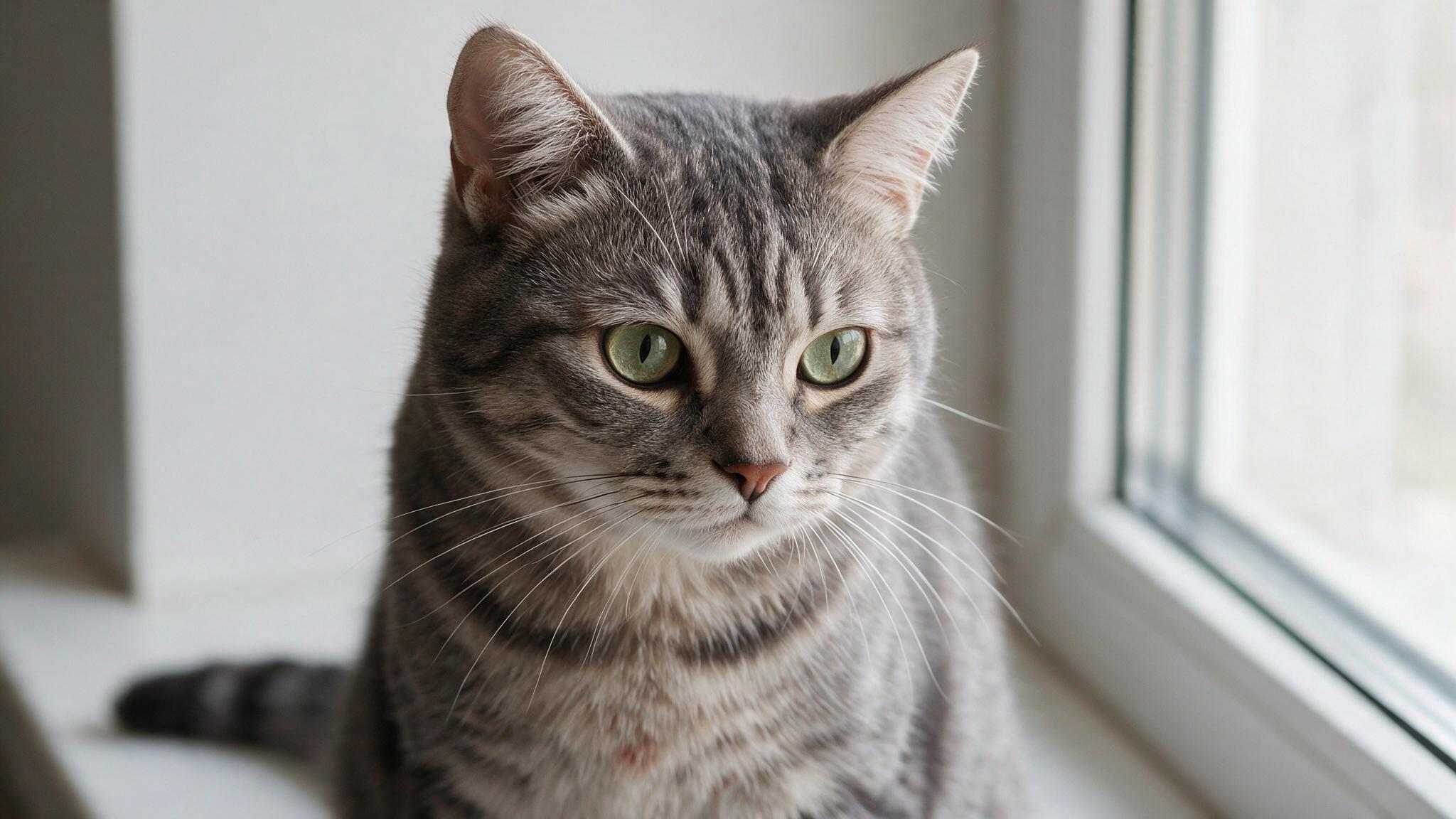
A small amount of tearing can be completely normal in cats, especially after sleeping or brief exposure to dust, wind, or strong odors.
Some breeds with flatter faces, such as Persians, naturally experience more tearing because their tear ducts do not drain as efficiently.
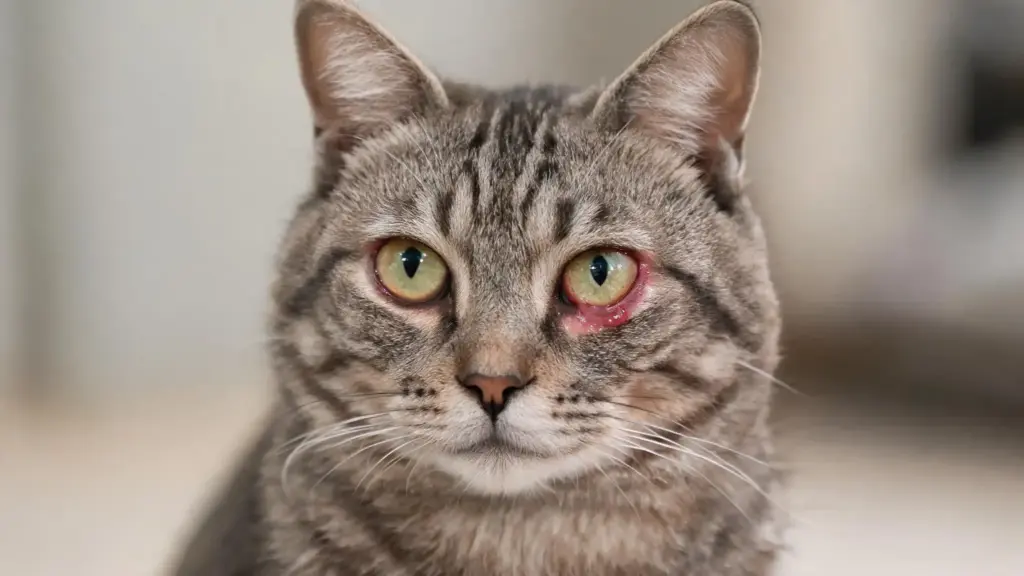
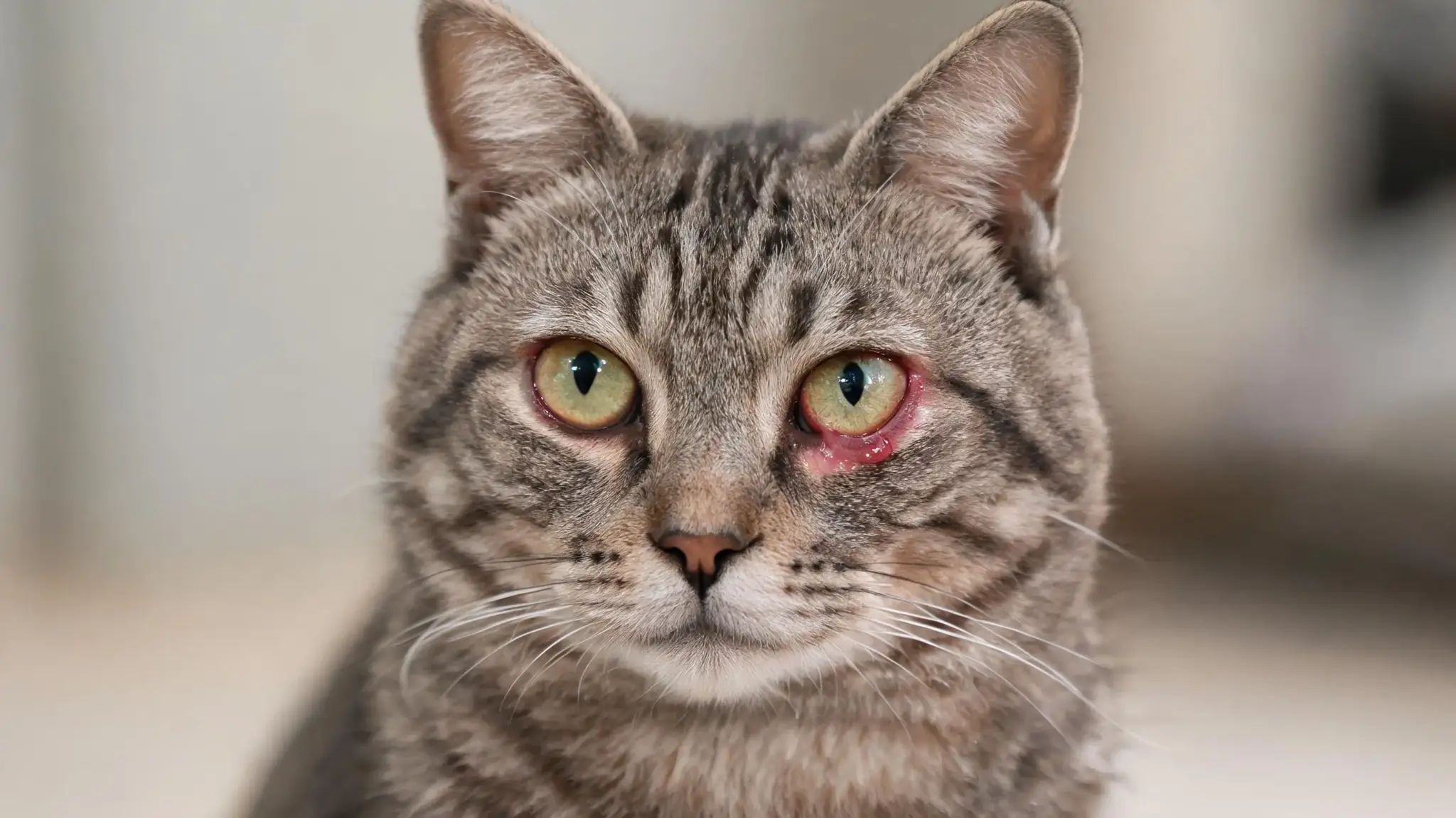
The concern usually begins when the watering becomes constant or appears alongside redness, swelling, squinting, or discharge.
Cats are also known for hiding discomfort, which makes subtle eye changes easy to overlook at first.
If the fur around the eye stays wet throughout the day, or if your cat keeps pawing the area, the tearing may be linked to irritation, infection, allergies, or another underlying health issue that needs attention.
Normal Tearing vs Excessive Watering
Understanding the difference between harmless tearing and concerning symptoms can help cat owners react early before irritation develops into a more serious eye problem.
| Symptom Type | Normal Tearing | Excessive Watering |
|---|---|---|
| Appearance | Small moisture buildup near the eye | Constant wetness around the eye or fur |
| Frequency | Happens occasionally | Persists throughout the day |
| Common Causes | Sleep residue, mild dust exposure, wind | Infection, allergies, blocked tear ducts, and injuries |
| Discharge Color | Usually clear and minimal | Thick, yellow, green, or sticky discharge |
| Cat Behavior | Normal activity and comfort | Squinting, pawing at the eye, hiding discomfort |
| Eye Condition | No redness or swelling | Redness, puffiness, or irritation visible |
| Vet Concern Level | Usually harmless | May require veterinary evaluation |
Common Reasons Why Your Cat’s Eye is Watering
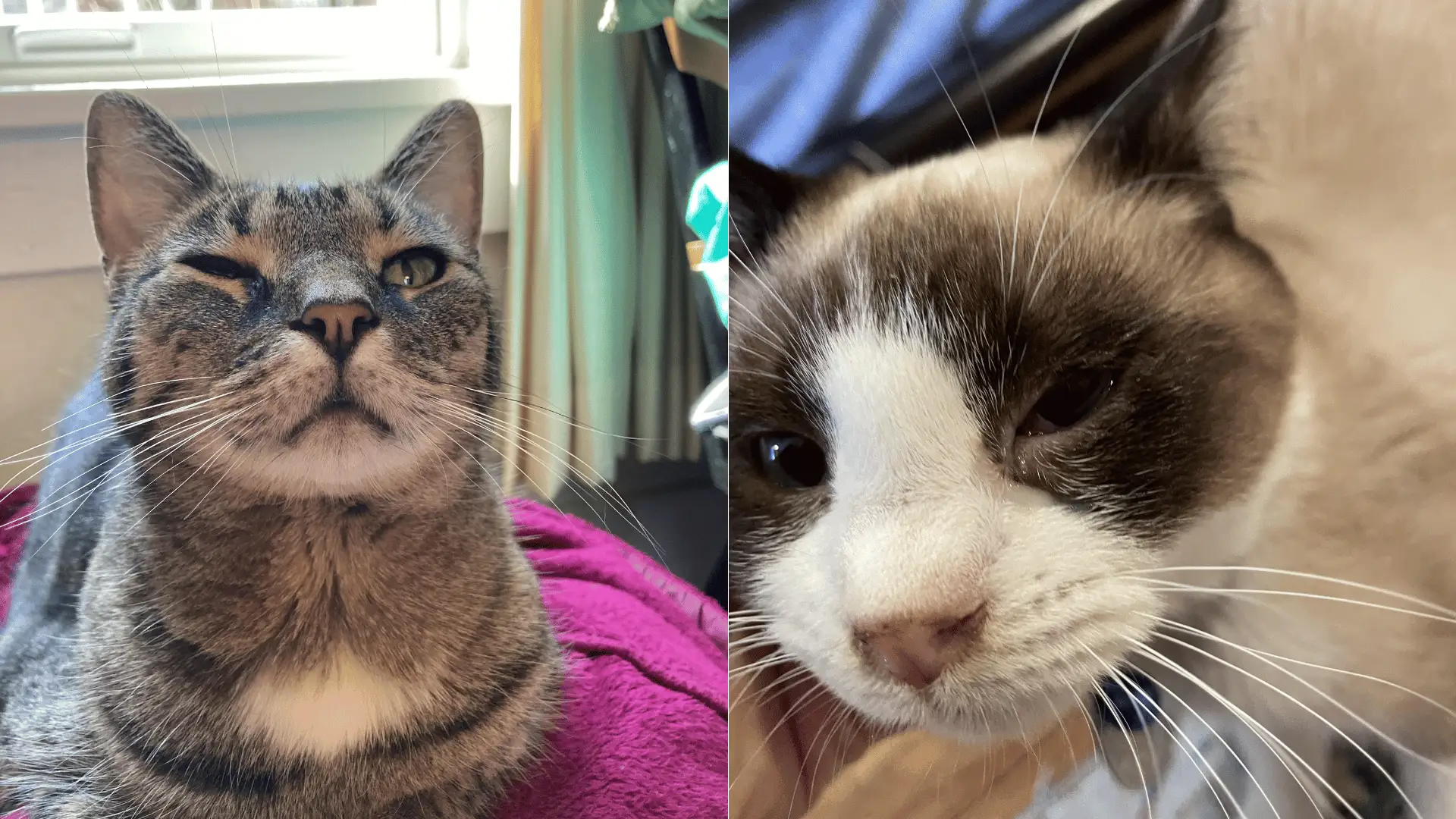
Sure, broski. I increased each point slightly while keeping it simple and natural.
Watery eyes in cats can happen for many reasons. Some are harmless, but others may point to irritation, infection, or blocked drainage.
1. Normal Tear Build-Up
A little clear tearing is not always a serious problem. Cats can get small tear build-up after sleeping, just like people do.
It may also happen when dust or tiny particles touch the eye for a short time. The eye should still look bright, open, and normal.
There should be no redness, swelling, thick discharge, or squinting. If the tearing stops on its own and your cat eats, plays, and acts normal, it is usually not a big worry.
2. Dust, Smoke, Or Strong Smells
Cats have sensitive eyes, so dust, smoke, and strong smells can make them water. Dusty litter is a common reason, especially if the cat digs a lot in the box.
Smoke, perfume, cleaning sprays, and air fresheners can also irritate the eyes. This usually causes clear tears, blinking, or mild rubbing.
Moving the cat away from the irritant may help. Using low-dust litter, opening windows, and avoiding strong sprays near your cat can reduce eye watering.
3. Allergies
Allergies can make a cat’s eyes water, especially when something new is around. Pollen, mold, food changes, or new home products may trigger irritation.
The eyes may look wet, and the cat may also sneeze, rub its face, or seem a little uncomfortable. Some cats react more during certain seasons, while others may react to things inside the home.
Allergies can look mild at first, but they can still bother the eyes. If the tearing keeps coming back, a vet can help find the cause.
4. Eye Infection
An eye infection can make a cat’s eye water more than usual. The tears may turn yellow, green, or thick instead of staying clear.
The eye may also look red, swollen, or partly closed. Some cats blink a lot or paw at the eyes because they feel sore. Infections can happen in one eye or both eyes.
They usually do not clear safely without proper care. A vet may need to check the eye and give drops or ointment made for cats.
5. Conjunctivitis
Conjunctivitis means the thin tissue around the eye is inflamed. It is a common eye problem in cats and can make the eye look red, wet, swollen, or irritated.
Your cat may blink more, squint, or keep the eye half-closed. There may also be clear, yellow, or sticky discharge. One or both eyes can be affected.
Conjunctivitis can happen because of infection, allergies, dust, or another health issue. Since it can look like other eye problems, a vet check is the safest step.
6. Cat Flu Or Upper Respiratory Infection
Cat flu or an upper respiratory infection can cause watery eyes along with sneezing, a runny nose, and low energy.
Some cats may stop eating well because they cannot smell food properly. The eye discharge may start clear and later become thicker. These infections can spread between cats, so it matters more in multi-cat homes.
Kittens, older cats, and cats with weak immune systems may get worse faster. Mild cases may improve with care, but stronger symptoms need a vet.
7. Blocked Tear Duct
A blocked tear duct can make tears spill down the face instead of draining normally. This may cause constant wetness near the inner corner of the eye.
Some cats also get brown tear stains under the eye, especially if the watering keeps happening. Flat-faced cats may have this more often because of their face shape.
The eye may not always look red or painful, so it can be easy to miss. Still, if the tearing does not stop, a vet can check for blockage or infection.
What the Tear Color Can Mean
The color and texture of your cat’s tears can give useful clues. Clear water often points to mild irritation, allergies, dust, or the early stage of an eye infection.
If it happens once and the eye looks normal, it may not be serious. Yellow or green discharge is more concerning because it can mean infection.
In that case, a vet check is the safer choice, especially if the eye looks red, swollen, or partly closed.
Brown tear stains are common in some cats, especially when tears occur frequently or sit on the fur for a long time. Thick or sticky discharge can also be a sign of infection or blocked drainage.
If the discharge keeps coming back, changes color, smells bad, or your cat seems in pain, do not wait too long to get help.
How to Treat Watery Eyes in Cats
Treating watery eyes in cats depends entirely on the underlying cause. Mild irritation may improve quickly, while infections or injuries often require professional veterinary treatment.
- Gentle Eye Cleaning: Using a soft, damp cloth to wipe away discharge can reduce irritation and keep the surrounding fur clean and dry without worsening sensitivity.
- Removing Environmental Irritants: Limiting exposure to smoke, dust, strong perfumes, and scented cleaning products often helps reduce mild eye watering caused by allergies or irritation.
- Antibiotic Eye Drops: Bacterial infections such as conjunctivitis are commonly treated with veterinarian-prescribed antibiotic drops or ointments to control inflammation and discharge.
- Antiviral or Allergy Medication: Cats suffering from viral infections or allergies may need medication to reduce tearing, swelling, and recurring eye irritation symptoms.
- Treatment for Blocked Tear Ducts: Chronic tearing caused by poor tear drainage sometimes requires flushing procedures or specialized veterinary care to improve tear flow.
- Emergency Care for Eye Injuries: Corneal ulcers, scratches, or severe swelling should be treated immediately because delayed care can increase the risk of permanent vision damage. Recognizing eye infections in pets early is one of the best things you can do to protect your animal’s long-term vision.
When Should You Take Your Cat to the Vet?
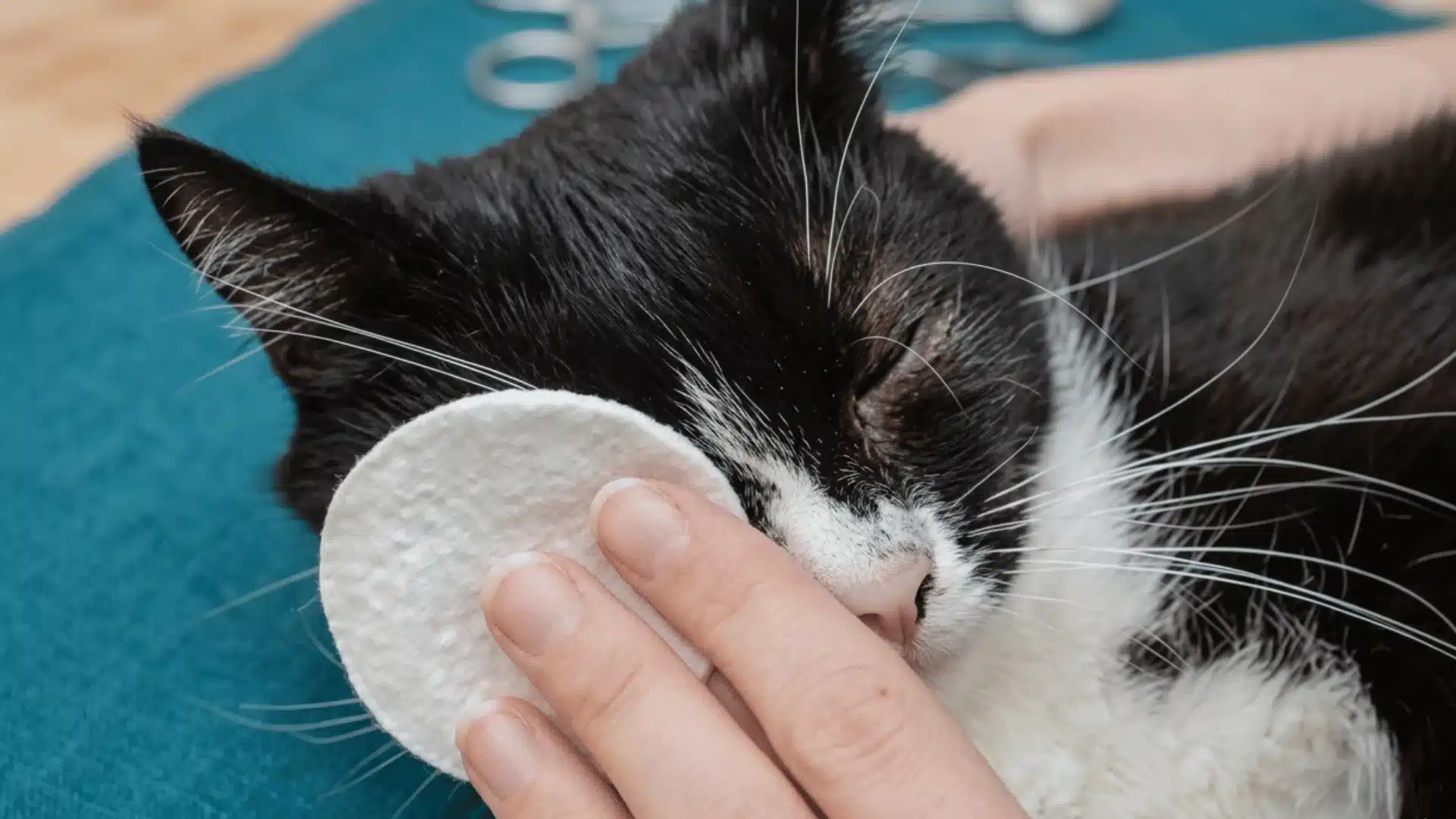
Mild eye watering may disappear within a day or two, especially if it was caused by temporary irritation.
The situation becomes more serious when the tearing continues or appears alongside redness, swelling, squinting, thick discharge, or visible discomfort.
Cats that keep one eye closed, avoid bright light, or repeatedly paw at the eye should be examined by a veterinarian as soon as possible.
Sudden behavioral changes such as hiding, loss of appetite, or low energy can also signal pain or infection.
Eye conditions in cats can worsen fast. Delaying treatment may increase the risk of complications or long-term vision problems, and early veterinary care almost always leads to a quicker recovery.
Conclusion
Watching your cat deal with constant tearing, redness, or irritation can be stressful, especially when the symptoms seem to appear out of nowhere.
The good news is that many causes of watery eyes respond well to early attention and proper care.
Understanding why my cat’s eyes are watering helps me recognize when simple irritation is manageable at home and when veterinary treatment is necessary.
Paying attention to changes in behavior, discharge, or swelling can help prevent more serious complications later. Small symptoms are often easier to treat when caught early, rather than being ignored for days.
If your cat has experienced recurring watery eyes or unusual symptoms, schedule a veterinary checkup and monitor the condition closely.
Feel free to leave a comment below and share what symptoms you noticed first in your cat.
Frequently Asked Questions
Can Stress Cause Watery Eyes in Cats?
Stress itself does not usually cause watery eyes directly, but it can weaken a cat’s immune system and trigger flare-ups of viral infections like feline herpesvirus, which often leads to eye watering.
Do Watery Eyes in Cats Go Away on Their Own?
Mild watery eyes caused by temporary irritation may improve naturally within a day or two. Persistent tearing, swelling, redness, or discharge usually requires veterinary evaluation and proper treatment.
Can Indoor Cats Develop Eye Infections?
Yes, indoor cats can still develop eye infections from viruses, allergies, dust exposure, poor air quality, or contact with infected pets, especially in multi-cat households or stressful environments.