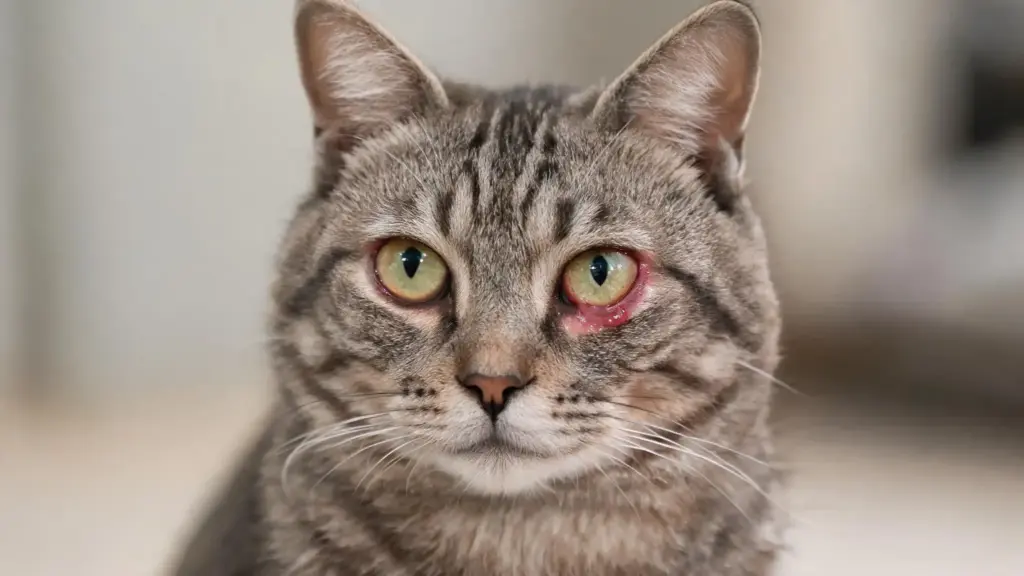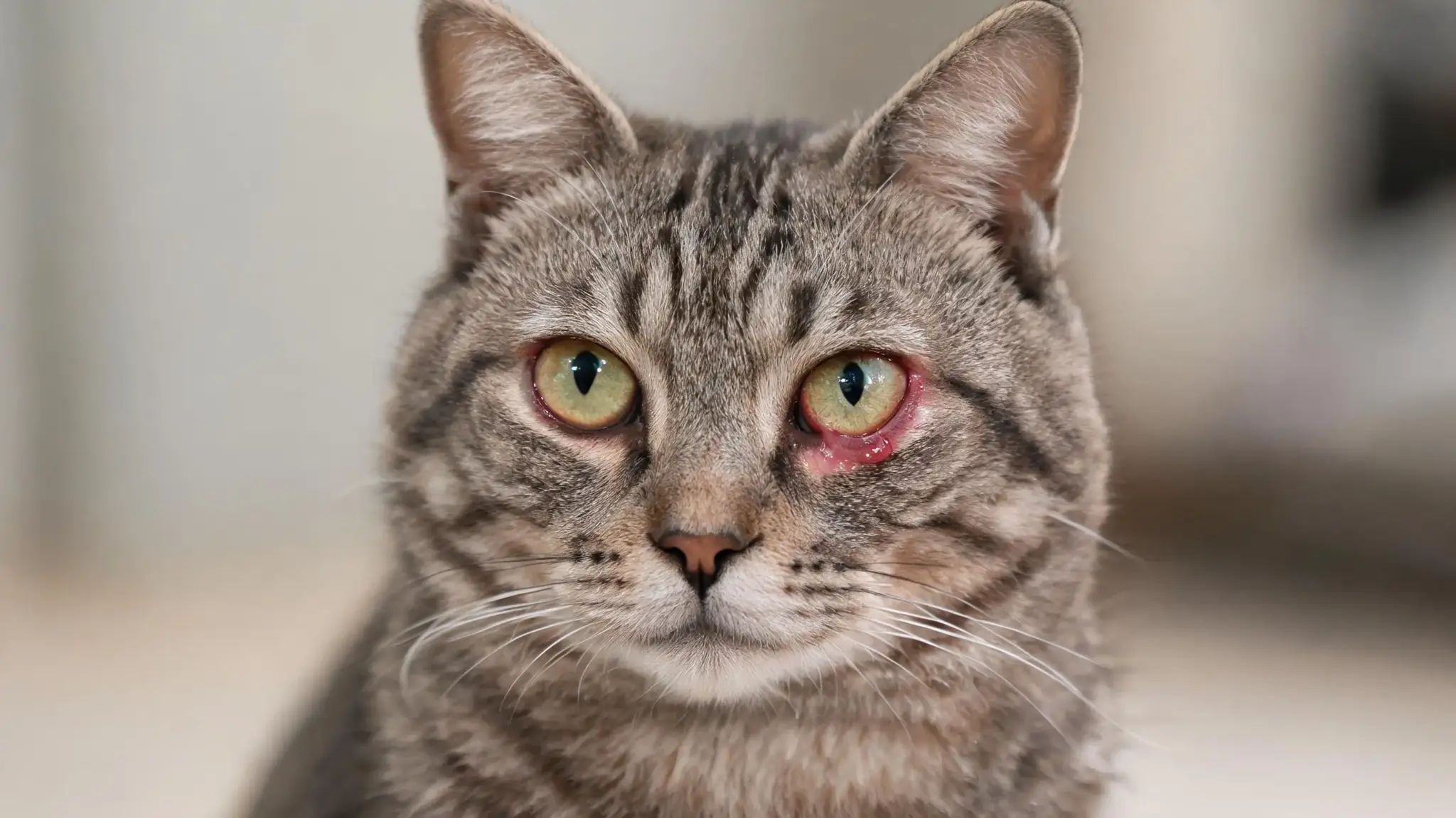
Its hard to ignore when your dog is constantly scratching its ears that never seem to stop, or a strange smell coming from inside the ear.
Many dog owners assume it is just dirt or wax buildup, but hidden ear problems can turn serious fast.
Ear mites in dogs are tiny parasites that often go unnoticed until the irritation becomes impossible to ignore.
The signs can look a lot like normal earwax or a basic ear infection. I once thought my dog only needed a routine cleaning until the constant head shaking told a different story.
Left unaddressed, these symptoms can progress to pain, secondary infections, and chronic discomfort, affecting a dog’s quality of life.
Knowing how to tell dog ear mites from harmless wax is the first step toward protecting your dog’s ear health before the problem gets worse.
What are Ear Mites in Dogs?
Ear mites in dogs are tiny parasites that live inside a dog’s ear canal and feed on oils, wax, and skin debris.
They are microscopic, which means they are usually impossible to see without special equipment.
These parasites survive in warm and moist areas inside the ears and can create serious discomfort if they are not treated properly.
Ear mites are more common in puppies and younger pets, but dogs of any age can develop them.
The condition is medically known as otodectic mange and is considered a common ear problem in pets.
Because ear mites irritate the sensitive skin inside the ear canal, they can affect a dog’s comfort and overall ear health over time.
Proper diagnosis and treatment are important to completely remove the parasites and keep the ears healthy and clean.
Symptoms of Ear Mites in Dogs
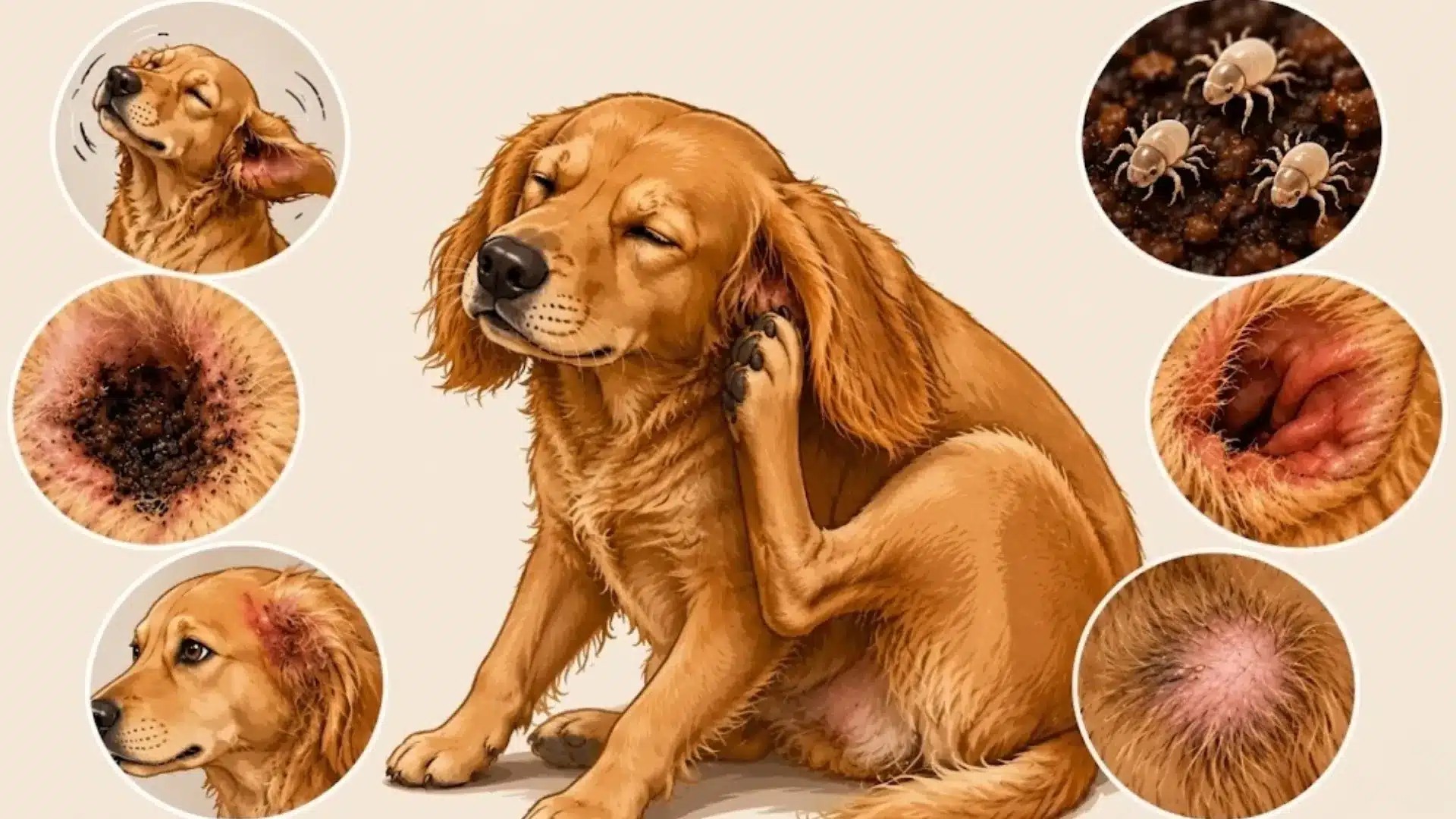
Ear mites in dogs usually cause noticeable irritation inside the ears and can quickly make dogs uncomfortable. Spotting these signs early can help prevent the condition from getting worse and allow faster treatment.
- Constant head shaking and scratching. Dogs shake their heads or scratch their ears repeatedly because mites cause intense irritation deep in the canal. If the scratching breaks the skin around the ear, those open wounds can quickly lead to secondary infections.
- Dark, crumbly discharge. A dark brown or black discharge that resembles coffee grounds is the most telling sign of ear mites. It is a mix of mite waste, dried blood, and ear debris.
- Foul odor. A strong, unpleasant smell develops as irritation increases and secondary infection takes hold inside the ear canal.
- Inflammation and redness. The ear skin may look red, swollen, or tender because mite activity and constant scratching irritate the lining of the canal.
- Hair loss around the ears. Repeated scratching near the ears can cause patches of hair loss or damaged skin in the surrounding area.
- Rubbing against surfaces. Some dogs drag their ears along furniture or carpets. This is a less obvious sign, but it points to the same deep-canal irritation that head shaking does.
What Causes Ear Mites in Dogs?
Ear mites spread easily and are one of the most common ear problems seen in dogs, especially in young pets and animals that spend time around other animals. T
1. Direct Contact With Infected Animals
Direct contact with infected animals is the most common way dogs get ear mites.
Cats are known to carry ear mites frequently, and they can easily spread them to dogs during play, sleeping, or grooming together.
This is especially common in multi-pet households where animals share bedding, toys, and living spaces. Puppies are also more vulnerable because their immune systems are still developing.
Since ear mites spread quickly, one infected pet can pass the parasites to other animals in a short time.
2. Environmental Risk Factors
Certain environments increase the chances of dogs picking up ear mites.
Animal shelters, grooming facilities, and boarding kennels often have many pets in close contact, which makes it easier for parasites to spread from one animal to another.
Shared bedding, grooming tools, and crowded environments may also spread them, much like fleas that often lead owners to search for a homemade flea and tick spray for dogs.
Dogs that spend a lot of time outdoors or roam freely may also come into contact with infected animals. Shared grooming tools, bedding, or unclean spaces can sometimes carry mites as well.
While ear mites are tiny, they spread fast in crowded or poorly maintained areas.
The Difference Between Ear Mites vs Ear Infections in Dogs
Ear mites and ear infections share several symptoms, which makes them easy to confuse. The table below covers the clearest differences between the two.
| Feature | Ear Mites | Ear Infection |
|---|---|---|
| Discharge Color & Texture | Dark brown or black, dry, crumbly debris | Yellow, green, or brown moist discharge |
| Affected Ears | Usually affects both ears | Often starts in one ear |
| Contagious | Yes, spreads easily to other pets | No, not contagious |
| Smell | Mild odor | A strong, sweet, or yeasty smell is common |
| Main Cause | Tiny parasites inside the ear canal | Bacteria or yeast overgrowth |
| Treatment | Anti-parasitic medication | Antibiotics or antifungal treatment |
Dog Ear Mites vs Ear Wax: How to Tell the Difference
One of the most common reasons owners miss ear mites early is that the discharge looks like ordinary wax.
Knowing how to tell if your dog has ear mites versus normal buildup can save you weeks of unnecessary discomfort for your dog.
Normal dog ear wax is light yellow to light brown, soft, slightly sticky, and barely smells.
Some wax is healthy because it traps dust and debris, and finding a small amount during routine cleaning is nothing to worry about.
Ear mite discharge is dark brown to black, dry, and crumbly. If you wipe your dog’s ear with a soft cloth and notice tiny white dots in the residue, those could be the mites themselves.
That is something you would not see with ordinary wax buildup.
Ear mites usually affect both ears at the same time, while wax buildup often starts in one ear.
Dogs with floppy ears or narrow canals, such as cocker spaniels or basset hounds, are more prone to wax accumulation, so breed context matters when you are trying to tell the two apart.
A veterinary exam and microscope review of a discharge sample is the only reliable way to confirm the presence of ear mites.
When to See a Vet Immediately?
Home remedies and monitoring have their limits, so contact your veterinarian promptly if you notice bleeding from the ear or visible wounds from scratching.
A strong odor that does not resolve within 24–48 hours, or visible swelling inside or around the ear canal, also requires attention.
Head tilting or loss of balance can indicate inner ear involvement.
Symptoms in a puppy under 12 weeks or those that persist after 5–7 days of home care require immediate veterinary attention.
It is also worth remembering that open wounds caused by heavy scratching can develop into serious problems.
Learning to recognize the signs of an infected dog wound can help you act before a secondary issue becomes harder to treat.
How Vets Diagnose Ear Mites?

When a dog comes in with ear problems, I start by reviewing the symptom history and how long the symptoms have lasted.
I also check whether both ears are affected and whether other pets in the home are scratching.
The ears are then examined for redness, swelling, discharge, and signs of scratching damage.
An otoscope, a lighted tool used to examine the ear canal, helps identify inflammation, infection, or mite activity.
In many ear mite cases, tiny white moving dots are visible against the dark debris inside the canal.
The color and texture of the discharge help distinguish mites from bacterial or yeast infections, so vets may examine a sample under a microscope before treatment.
Getting the diagnosis right before starting treatment matters. Treating the wrong condition can delay real relief and, in some cases, worsen symptoms.
Treatment and Home Remedies of Ear Mites in Dogs
Proper treatment and supportive home care can help reduce irritation, remove mites, and prevent infections.
Veterinary Treatments for Ear Mites
Veterinary treatments effectively remove ear mites, reduce irritation, prevent secondary infections, and support faster healing while protecting other household pets from reinfestation and further spread of the problem.
- Medicated Ear Drops: Veterinarians prescribe medicated drops that kill ear mites, reduce inflammation, calm irritation, and support healing inside the ear canal during active infestations.
- Ear Cleaning Solutions: Cleaning solutions remove wax, debris, and mite buildup from the ears, helping medications reach deeper areas and work more effectively during treatment.
- Oral or Topical Medications: Certain flea and tick medications, including afoxolaner (NexGard) and fluralaner (Bravecto), also eliminate ear mites and can cover the whole household with a single dose per pet
Veterinary treatment remains the most reliable way to fully clear an ear mite infestation and protect long-term ear health. Always contact your vet before taking any medications.
Home Remedies for Temporary Relief
Some natural remedies may help soothe irritation and loosen debris while waiting for a veterinary appointment.
Understanding common ear infection triggers in dogs can also help you spot the conditions that make the ear canal more vulnerable, so you can get ahead of problems before they start
- Mineral Oil: Warm mineral oil may loosen wax buildup and temporarily smother mites, though it cannot destroy eggs or fully eliminate active infestations alone.
- Coconut Oil: Coconut oil may soothe dryness, soften ear debris, and provide temporary relief for irritated skin while awaiting professional veterinary examination and treatment.
- Warm Olive Oil: Warm olive oil may calm irritated skin and loosen buildup gently, though scientific evidence supporting effectiveness against active infestations remains extremely limited.
Note: They are not a replacement for prescription treatment, but they may provide short-term comfort.
Tips to Prevent Ear Mites in Dogs
Preventing ear mites in dogs starts with regular ear care and keeping your dog away from infected animals whenever possible. A few consistent habits go a long way toward keeping ear mites out of your dog’s life.
- Monthly parasite preventives. Many broad-spectrum flea and tick preventives also protect against ear mites. Ask your vet which product specifically covers Otodectes cynotis.
- Regular ear checks. Inspect your dog’s ears weekly. Look for dark debris, unusual odor, or redness. Catching changes early makes treatment faster and far less stressful for your dog.
- Limit contact with unknown animals. Dog parks, kennels, and grooming salons carry some risk, especially for puppies. If your dog socializes frequently, schedule routine ear checks as part of their grooming routine.
- Keep grooming tools clean. Disinfect brushes and ear-cleaning equipment between uses, especially in homes with multiple pets.
- Treat all pets at once. If one animal in your household is diagnosed, treat all dogs and cats at the same time. Mites move quickly between animals, and treating only one pet almost always leads to reinfestation.
Conclusion
Ear mites in dogs can be uncomfortable, irritating, and easy to mistake for normal ear wax, which is why paying attention to changes in your dog’s ears matters so much.
Learning how to spot the difference between healthy wax and mite-related discharge can help you take action before the problem becomes more serious.
After years of treating these cases, the pattern is consistent: early treatment and steady ear hygiene make the greatest difference in how quickly a dog recovers.
Monitor symptoms closely, do not rely solely on home remedies, and never skip the follow-up appointment.
Have you noticed any unusual ear symptoms in your dog recently? Share your experience in the comments below.
Frequently Asked Questions
How Long Do Ear Mites Last in Dogs?
Ear mites can last for weeks or months without treatment. With proper medication, most dogs improve within days, but complete treatment usually takes 3 to 4 weeks to fully remove mites and eggs.
Can Humans Get Ear Mites from Dogs?
Humans can rarely get temporary skin irritation from dogs with ear mites, but true infestations are uncommon. Ear mites do not survive well on humans and usually disappear after treating the dog.
Can Indoor Dogs Get Ear Mites?
Yes, indoor dogs can get ear mites through contact with infected pets, bedding, toys, or grooming tools. Ear mites spread easily, especially in homes with multiple dogs or cats nearby.
How Much Does Ear Mite Treatment Cost for Dogs?
Ear mite treatment generally costs between $40 and $80, depending on the medication and your veterinarian’s consultation fees