Dog ear infections are one of the most common reasons owners visit the vet, and catching the signs early can make a real difference in how quickly a dog recovers.
Ear infections can develop from moisture buildup, allergies, wax accumulation, or even ear mites, and they can cause significant discomfort if left unaddressed.
Knowing when a gentle home remedy for a dog ear infection is appropriate and when professional care is the right call is something every dog owner benefits from understanding.
From frequent head shaking to unusual odors, these early signs often signal that something is not right.
Understanding the causes, symptoms, and remedies for ear infections in dogs can empower you to act quickly and ensure your canine companion stays healthy and happy.
A key point before continuing: home remedies are appropriate for mild irritation only.
A true ear infection caused by bacteria, yeast, or ear mites typically requires veterinary diagnosis and prescription medication to resolve properly.
Using the wrong home remedy on an active infection can worsen the condition, damage the eardrum, or delay effective treatment.
What Causes Ear Infections in Dogs?
Ear infections in dogs often start when the ear environment changes, allowing bacteria or yeast to grow.
Moisture trapped inside the ear after bathing, swimming, or high humidity is one of the most common triggers.
Allergies can also contribute by causing inflammation and excess wax, which can irritate the ear canal. Ear shape matters as well, since floppy or narrow ears limit airflow and hold in moisture.
In my practice , I see Cocker Spaniels and Goldens come in repeatedly for ear issues, especially in summer when humidity is high, and dogs are swimming frequently. Owners of these breeds should build routine ear checks into their weekly grooming habits.
Breeds with long, heavy ears, such as Beagles, Cocker Spaniels, and Basset Hounds, are particularly prone to ear infections because their ear flaps trap warmth and moisture against the canal.
- Over time, wax, dirt, and debris can build up in the ear canal, leading to irritation and infection if not addressed early.
- Ear mites are another common cause of ear infections in dogs, particularly in younger dogs or those with outdoor exposure.
These tiny parasites irritate the ear canal lining and cause dark, crumbly discharge that can be mistaken for ordinary wax.
Ear mite infestations require veterinary treatment and cannot be resolved with home cleaning alone.
If you already use natural remedies for common dog issues like fleas and ticks, be aware that mite-related ear problems follow a similar principle.
Most ear infections in dogs affect the outer ear canal and are classified medically as otitis externa, the most common type and the one most likely to respond to careful home management when symptoms are mild.
Infections that reach the middle ear (otitis media) or inner ear (otitis interna) are significantly more serious.
What Mild Irritation Actually Looks Like?
Before reaching for any home remedy, it helps to understand what “mild” actually means in practice.
Mild ear irritation typically presents as very occasional head shaking (a few times a day, not constant), faint pinkness inside the ear flap, and a small amount of light-colored wax, with no strong odor, no discharge, and no pain response when the ear is touched.
If any of those conditions are not met, the situation has moved beyond mild irritation, and home care is not appropriate.
Symptoms of Ear Infection in Dogs
These signs often appear early and help indicate when gentle home care may be helpful before the condition worsens.
- Frequent head shaking or tilting: Dogs may shake their heads often or keep their heads tilted to one side to relieve pressure or irritation in the ear.
- Strong or unusual odor: A noticeable smell coming from the ear is often an early sign of bacterial or yeast growth and should not be ignored.
- Redness or swelling inside the ear: The inner ear flap or canal may look red, irritated, or slightly swollen compared to a healthy ear.
- Discharge from the ear: Ear discharge may appear waxy, moist, or thick, ranging from yellow to brown; dark, crumbly, coffee ground-like discharge suggests ear mites rather than a bacterial or yeast infection.
- Scratching or rubbing the ears: Dogs may scratch with their paws or rub their ears against furniture or the floor, which can worsen irritation.
- Sensitivity or pain when touched: The dog may pull away, whine, or show discomfort when the ear is handled or cleaned.
Ear Infection vs Ear Mites
These two conditions share many symptoms but require very different responses. Ear mites cannot be resolved with home cleaning and always need veterinary treatment.
| Sign | Ear infection | Ear mites |
|---|---|---|
| Discharge color | Yellow, brown, or white | Dark brown or black |
| Discharge texture | Waxy or moist | Dry, crumbly, “coffee ground.” |
| Odor | Often present | Mild or absent |
| Affected ears | Often one ear | Often both ears |
| Most common in | Dogs of any age | Younger dogs, outdoor dogs |
| Is home care appropriate? | Mild cases only | No vet treatment required |
Safe Home Remedies for Dog Ear Infection

These gentle home care options may help maintain ear cleanliness and comfort when symptoms are mild.
1. Warm Water Cleaning
Warm water cleaning is one of the simplest ways to support ear hygiene when symptoms are mild.
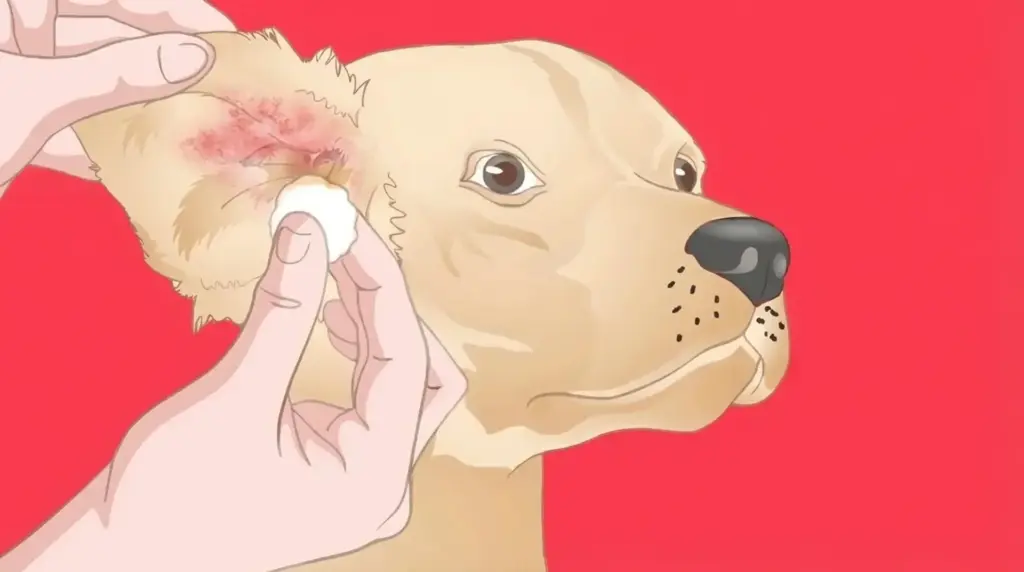
A soft cloth or cotton pad lightly dampened with warm water can help remove loose dirt, wax, and debris from the outer ear area.
Gentle wiping keeps the ear surface clean without exposing sensitive skin to harsh ingredients. Only the visible parts of the ear should be cleaned, and nothing should be inserted deep into the ear canal.
This approach focuses on surface cleanliness while lowering the chance of irritation or further discomfort.
This is the first step I recommend for owners who call the clinic about mild redness or minor wax buildup. It is safe, simple, and gives you a chance to assess what you are actually dealing with before committing to any other remedy.
These gentle at-home cleaning options for dogs often overlap; the same mindset that applies to safe shampoo alternatives applies here: use the mildest effective option first, and stop if the skin reacts.
2. Diluted Apple Cider Vinegar
Diluted apple cider vinegar is sometimes used to help manage odor and maintain a balanced ear environment. Mixing it with water at a 1:1 ratio lowers its acidity and makes it gentler for external use.
When applied carefully with a cotton pad to the outer ear, it may help reduce buildup that contributes to irritation. It should never be used on ears with cuts, swelling, or raw skin, as this can cause stinging and discomfort.
In my experience, owners often overapply this one. A small amount on a cotton pad, used once, is sufficient. It is not a daily treatment and should not be used if there is any sign of broken skin.
3. Coconut Oil
Coconut oil may help soften earwax and provide comfort when the skin around the ear flap becomes dry or irritated.
A small amount applied to a cotton pad can be gently wiped around the outer ear area. The goal is to soothe the skin and loosen minor wax buildup rather than treat deep infections.
It should never be poured directly into the ear canal, as excess oil can trap debris or moisture. Light external use helps maintain ear comfort while keeping the process simple and safe.
4. Olive oil
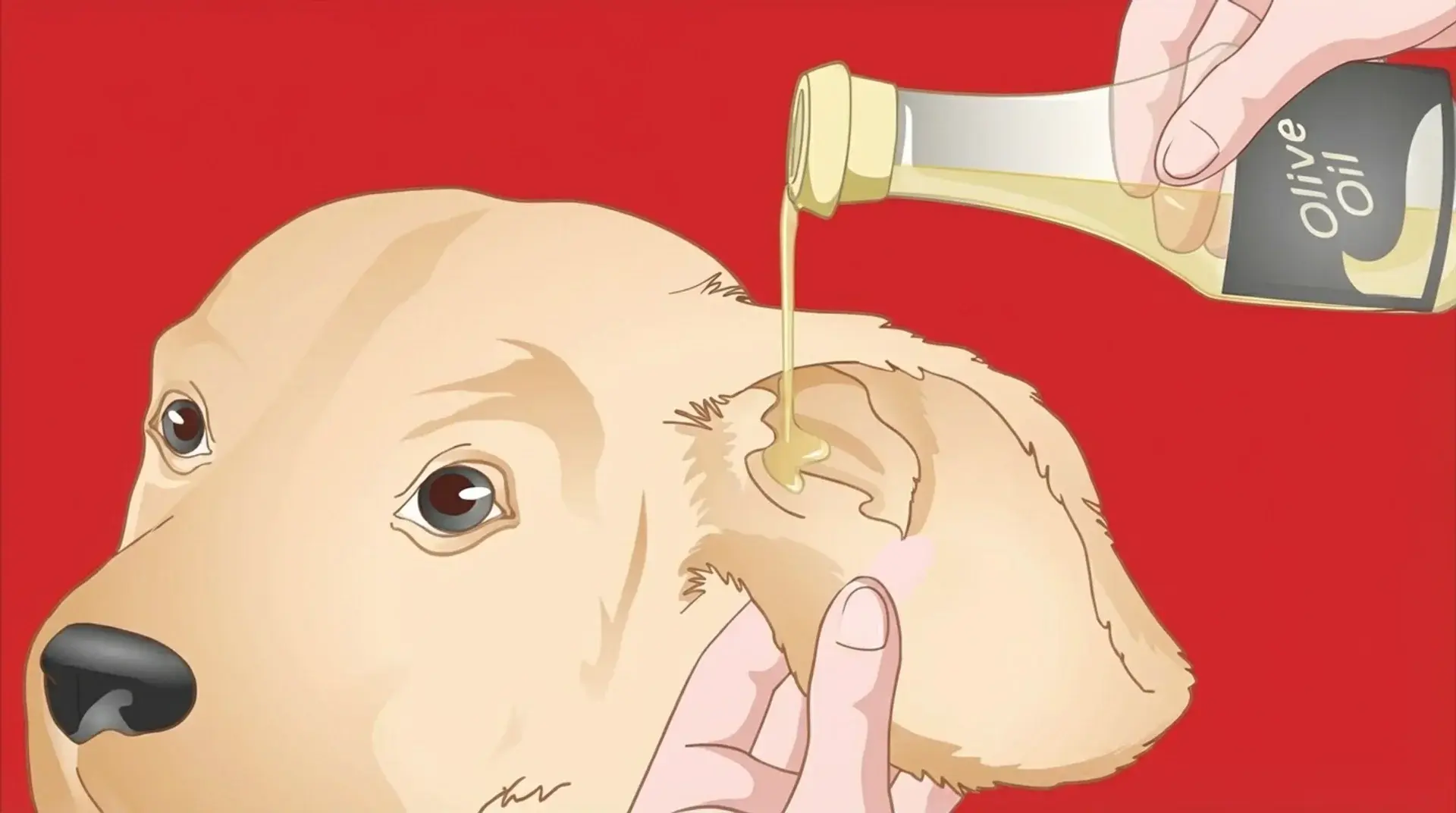
Warm olive oil is a gentle option for loosening built-up wax in the outer ear. Warm a few drops slightly to body temperature, never hot, and apply with a cotton ball to the outer ear area only.
Like coconut oil, it should not be dripped directly into the ear canal, as trapped oil can create a warm, moist environment that favors the growth of bacteria and yeast.
Olive oil is best used sparingly for minor wax softening and is not appropriate if there is any sign of active infection or discharge.
5. Green Tea Rinse
Cooled green tea can be used as a gentle rinse to help clean the outer ear area.
Brew a cup of plain green tea, allow it to cool fully to room temperature, and then apply a small amount to a cotton ball or soft pad to wipe the visible parts of the ear.
Green tea has mild antioxidant properties and is gentle on sensitive skin. It should be applied externally only and never poured directly into the ear canal.
This option works best as a surface cleaning measure for mild irritation rather than as a treatment for active infection.
6. Saline Solution
A saline solution can help rinse away debris and maintain basic ear cleanliness. Saline is gentle on sensitive tissue, which makes it a common option for mild ear care.
A small amount can be placed on a cotton pad or soft cloth and used to wipe the outer ear area. This may help remove loose wax or dirt that contributes to irritation.
The ear should be handled carefully to avoid pushing debris further into the ear. Mild cleaning with saline focuses on maintaining a clean ear surface.
7. Drying the Ears Thoroughly
Keeping a dog’s ears dry is an important way to prevent irritation and infection.
Moisture trapped inside the ear after bathing, swimming, or rain exposure can create conditions that support bacterial or yeast growth.
After any water exposure, the outer ear should be gently dried with a soft towel or clean cloth.
Careful drying helps limit moisture buildup and supports a healthier ear environment. Regular attention to dryness is a simple habit that can lower the chance of recurring ear problems.
For dogs that swim regularly, I often recommend a veterinary-formulated drying solution available over the counter, applied after every swim session.
For most breeds, a thorough towel dry of the outer ear is sufficient, but swimming dogs and floppy-eared breeds may benefit from that added step
How to Clean Your Dog’s Ears Safely at Home?
Cleaning a dog’s ears at home should be done gently and only when the dog is calm and comfortable.
Start by using a soft cloth or cotton pad slightly dampened with warm water or a mild saline solution.
Wipe only the visible parts of the ear, focusing on removing surface dirt and wax. Avoid pushing anything deep into the ear canal, as this can cause pain or spread debris further inside.
According to Cornell University College of Veterinary Medicine , a dog’s ear canal is shaped like an “L,” with the eardrum positioned at the base of that angle.
Because of this shape, gentle at-home cleaning of the outer ear carries a low risk of injuring the eardrum, since the inner portion of the canal is not easily reached without a proper veterinary tool.
This is reassuring for owners who are cautious about cleaning too deeply, as careful surface wiping is unlikely to cause harm when done correctly.
After cleaning, gently dry the ear with a clean cloth to remove moisture.
If the dog shows discomfort or the ear appears very red or swollen, stop cleaning and avoid further handling.
Home Remedies to Avoid for Dog Ear Infections
Some home practices and ingredients can make ear problems worse and should be avoided, even when symptoms seem mild.
- Undiluted vinegar or alcohol: Strong liquids can sting, dry out the skin, and increase irritation inside the ear canal.
- Hydrogen peroxide: This may damage healthy tissue and slow down the ear’s natural healing process.
- Essential oils: Avoid essential oils; most are too harsh for dogs and can cause burning or reactions. Tea tree oil is toxic to dogs and must never be applied to ears or skin.
- Cotton swabs pushed into the ear: These can push debris deeper into the canal and raise the risk of injury.
- Home treatments for broken or raw skin: Applying any liquid to open sores can cause pain and worsen inflammation.
- Witch hazel: While used in some homemade ear cleaner recipes, witch hazel can be drying and irritating if the ear canal is already inflamed. It is best avoided unless a veterinarian specifically recommends it.
How Often to Use Home Remedies for Dog Ear Infections?
Home care should be kept to a minimum and used only for a short period when symptoms are mild.
Gentle cleaning or soothing remedies can be used once daily for a few days to help keep the ear comfortable and clean.
If the ear looks calmer and symptoms begin to ease, continued daily treatment is usually not needed.
Three days of gentle at-home care is a reasonable trial. If the ear is not meaningfully improved by day three, that is your signal to call the vet.
Home care should stop immediately if redness increases, discharge becomes heavier, pain worsens, or the dog reacts strongly during cleaning.
Pushing through worsening symptoms at home can turn a simple infection into a complicated one
How to Prevent Ear Infections in Dogs Naturally?
Consistent ear care and a clean environment can greatly reduce the chances of ear infections in dogs.
- Check ears regularly: Look for wax buildup, redness, or unusual odor so small problems can be noticed early.
- Keep ears dry after water exposure: Gently wipe the outer ear with a soft towel after baths, swimming, or rain.
- Maintain regular grooming: Trim excess hair around the ear opening to allow better airflow and reduce moisture buildup.
- Place cotton balls in the ears before bathing: Loosely placing a cotton ball at the opening of each ear during a bath can help limit how much water enters the canal. Always remove them immediately after the bath is finished.
- Keep bedding and living spaces clean: Clean environments help reduce dirt, pollen, and other allergens that may irritate the ears.
- Address food and environmental allergies: In my practice, recurring ear infections are among the most common early signs of an underlying food or environmental allergy. If your dog gets ear infections more than twice a year, it is worth having an allergy workup done rather than repeatedly treating symptoms. Common dietary triggers include chicken, beef, and certain grains. Switching to a limited-ingredient or novel protein diet under veterinary guidance has helped many of my patients break the cycle of chronic ear infections.
- Consider a probiotic or omega-3 supplement: Some dogs benefit from daily omega-3 fatty acid supplementation to reduce the inflammatory response that makes their ears more susceptible. Always discuss supplements with your vet before starting them.
When to See a Veterinarian for a Dog Ear Infection?
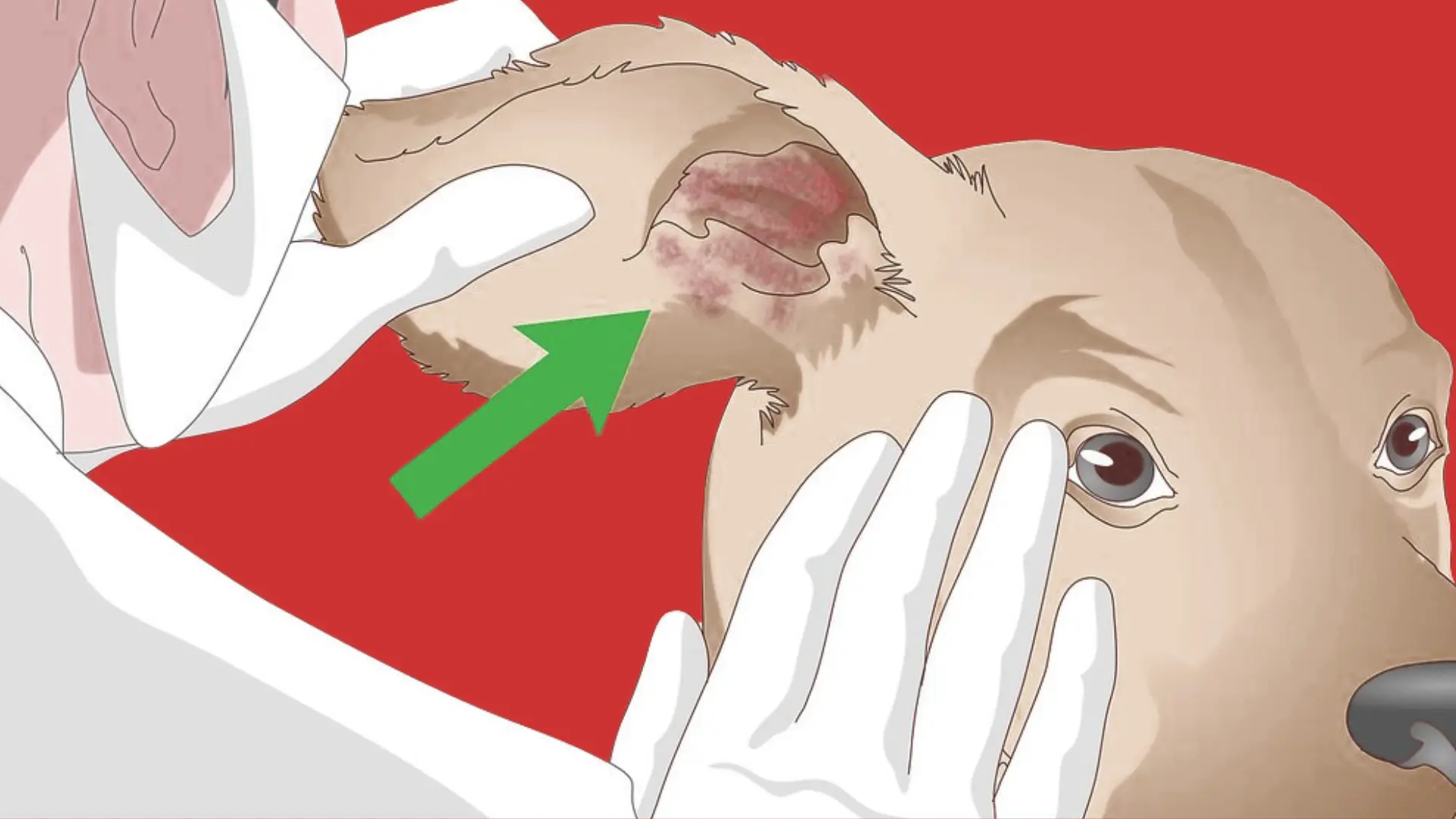
Some signs indicate that home care is no longer enough, and a veterinarian should be contacted. Ear infections that are left too long are significantly harder and more expensive to treat than ones caught early.
- Ongoing pain, crying when the ear is touched, or avoiding normal movement are serious concerns.
- Thick discharge, bleeding, or a strong smell that persists for a few days also signals a deeper issue.
- Swelling that changes the ear’s shape, frequent head tilt, or trouble with balance should never be ignored.
- Dark, crumbly discharge that resembles coffee grounds may indicate ear mites rather than a bacterial or yeast infection.
Ear mites require specific veterinary treatment and do not respond to standard home cleaning remedies, so a vet visit is necessary if this type of discharge is present.
Chronic or recurring infections, defined as two or more episodes within six months, should always be evaluated by a vet to identify the underlying cause.
Repeated courses of treatment without addressing the underlying cause often lead to antibiotic resistance and more persistent infections over time.
This is something I see regularly in practice, and it is almost always preventable with early investigation. So a vet visit is necessary if this type of discharge is present.
Conclusion
Caring for a dog with an ear infection at home requires patience, caution, and close attention to changes.
Mild symptoms can sometimes improve with gentle cleaning and safe home care, especially when caught early. Clean, dry ears and a calm routine often support comfort and reduce irritation.
At the same time, home care has limits and should never replace proper treatment when pain, swelling, or discharge continues.
The pattern I see most often is this: owners who understand the difference between mild irritation and a developing infection make significantly better decisions for their dogs.
The goal of home care is never to replace veterinary treatment; it is to buy time safely while you monitor whether professional care is needed.
Paying attention to warning signs helps prevent long-term ear damage and repeated infections.
Staying alert, consistent, and informed makes a real difference in recovery and prevention.
Do you have tips or experiences with dog ear care at home? Share them in the comments and join the conversation.
Frequently Asked Questions
Can I use human ear drops on my dog?
Human ear drops are not recommended for dogs, as their ingredients may not suit a dog’s ear condition and could cause irritation.
How long does a dog ear infection usually last?
Mild cases may improve within a few days with proper care, but more serious infections can take longer and may need medical treatment.
Should I clean my dog’s ears regularly, even if there’s no infection?
Yes, routine cleaning helps prevent buildup and keeps the ears healthy, especially for dogs prone to ear issues.